
Hypoallergenic Self-Adhesive Wrap
Hypoallergenic Self-Adhesive Wrap is developed with skin-friendly materials to provide comfortable support and fixation for sensitive users. The cohesive design allows the wrap to attach to itself without additional clips or adhesives, making it suitable for sports, medical, and first-aid applications requiring convenient use.
- Factory-direct supply
- OEM / ODM support
- Fast quotation
Related Products
Explore products matching this topic.

Self-adhesive Finger Protection Wrap Tape
Product Selling Points ▶ Self-Adhesive Design: Sticks only to itself without needing pins or extra...
View More
Solid Color Non-Woven Self-Adhesive Elastic Bandage Wrap
The solid color non-woven self-adhesive elastic bandage wrap is a high-quality elastic bandage desig...
View More
Cotton Self Adhesive Finger Protector Tape
Product Selling Points ▶ Dual-Layer Innovation: Combines the breathable comfort of pure cotton yar...
View More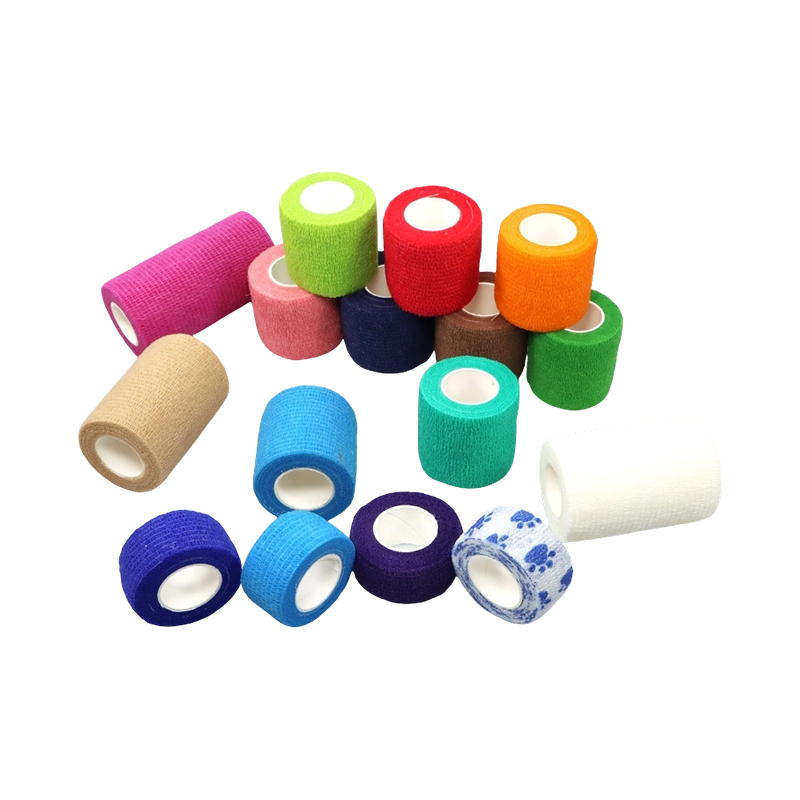
Natural Latex/Latex-free (No Protein) Elastic Self Adhesive Bandage wrap
This natural rubber/non-latex (protein-free) self-adhesive elastic bandage is a safe and practical m...
View More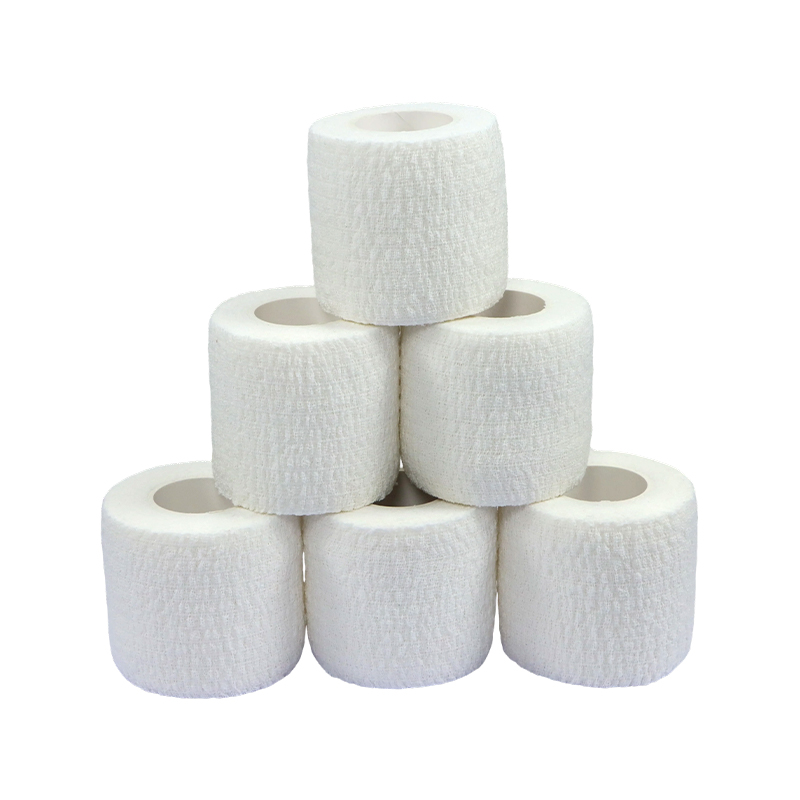
Soft Breathable Solid Color Cotton Self-Adhesive Elastic Bandage
The cotton sotto self-adhesive bandage is a high-quality first aid and sports protection product des...
View More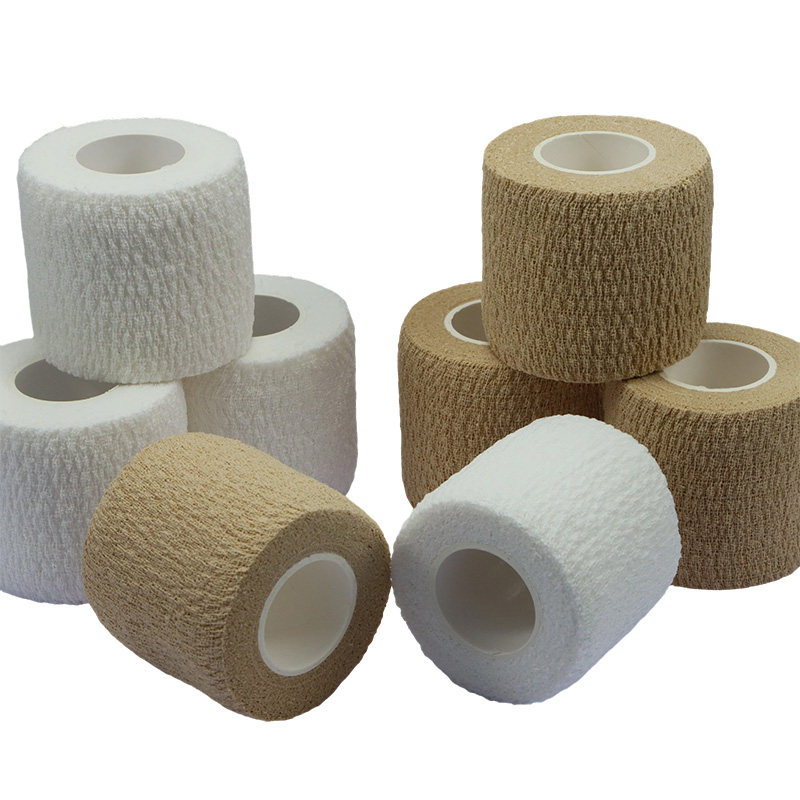
Physiotherapy Skin Color Self-Adherent Elastic Wrap Rolls
Product DescriptionThis skin-colored, all-cotton, self-adhesive elastic bandage is designed to mimic...
View MoreHypoallergenic self-adhesive wrap is a self-adhering bandage that clings to its own layers rather than to skin, and is made with materials chosen to reduce the chance of skin reactions. It is used to hold dressings and padding in place and to give light support, particularly for users with sensitive skin or a history of reactions to tapes, adhesives or latex.
The term hypoallergenic describes a design intention, not a guarantee. Fabric, cohesive agent, dyes and finishing treatments all influence how a wrap behaves on skin, and designs differ in width, length, stretch and surface finish, so material details and supporting documents should be confirmed with the supplier before purchase.
Key Features of Hypoallergenic Self-Adhesive Wrap
Adheres to Itself, Not to Skin
The cohesive surface bonds layer to layer, so no adhesive layer needs to contact the skin or hair.
Material Choices to Limit Allergen Sources
Latex, dye and finishing choices are made with sensitive skin in mind, and should be backed by a written declaration.
Gentle Surface Feel
Soft non-woven or cotton-based fabric reduces rubbing compared with stiff or heavily coated materials.
Breathable Construction
A porous structure lets air and moisture vapor pass, which helps limit heat and dampness against the skin.
Light Conformable Stretch
Gentle stretch allows the wrap to follow joints and limbs without needing high tension.
Easy Application and Removal
Most designs tear by hand and unwind without peeling from the skin, which suits frequent changes.
Common Causes of Skin Reactions and How Wrap Design Addresses Them
Latex proteins can trigger allergic responses in sensitive people. Designs for this group use synthetic elastic components and cohesive agents, with a written statement of composition.
Adhesive layers on skin are a frequent cause of irritation and stripping on removal. A self-adhering wrap avoids placing an adhesive against the skin.
Colorants can be a source of contact reactions in some users. Undyed or light-colored options reduce this variable, while printed and colored rolls should be assessed individually.
Processing chemicals and rough fibers may irritate skin. Controlled finishing and smooth, soft fibers help lower this risk, though they do not remove it entirely.
Materials and Construction Options in Hypoallergenic Self-Adhesive Wrap
Soft non-woven fabric is the most common base for light weight and open structure. Cotton-based knitted or woven fabric may be chosen where a more textile feel is preferred.
A thin coating or impregnation creates the self-adhering behavior. Its composition, including any latex content, should be stated clearly and confirmed in writing.
Light to medium stretch is common for sensitive-skin use, because moderate tension reduces pressure and friction on the skin surface.
Width, length and packing are chosen for the intended site, from narrow rolls for fingers to wider rolls for limbs, packed singly or in boxes.
Typical Applications of Hypoallergenic Self-Adhesive Wrap
Sensitive or Fragile Skin
For users who react to tapes or whose skin is easily damaged by adhesive removal.
Dressing and Pad Retention
Holds gauze or padding over a dressing, never as direct wound contact.
Light Support in Sport
Used over underwrap to support wrists, ankles and fingers during training.
Clinic and Therapy Settings
Suits frequent dressing changes where repeated adhesive contact is undesirable.
Veterinary Wrapping
Clings to itself and not to fur, which makes removal gentler for animals.
First Aid Kits and Pharmacy Ranges
A quick-to-apply item for kits and sensitive-skin product ranges.
How to Apply Hypoallergenic Self-Adhesive Wrap and Check the Skin
- Test first. Before extended use, apply a short strip to a small area and watch the skin response for the period a healthcare professional advises.
- Prepare the area. Clean and dry the skin, place any dressing first, and use underwrap if needed.
- Anchor on itself. Start with one turn and lay the next turn over its end so the wrap bonds to itself.
- Overlap evenly. Spiral along the limb so each turn covers about half of the previous one.
- Keep tension light to moderate. Pressure and friction on sensitive skin should stay low.
- Check circulation and skin. Look for color change, redness, itching, numbness or swelling, and unwind the wrap if any appears.
Follow the advice of a healthcare professional for support level and wearing time.
Hypoallergenic Self-Adhesive Wrap Compared With Other Fixation Options
| Comparison Point | Hypoallergenic Self-Adhesive Wrap | Standard Self-Adhesive Wrap | Adhesive Medical Tape |
|---|---|---|---|
| Adhesive on skin | None, bonds to itself | None, bonds to itself | Yes |
| Material selection | Chosen to limit common allergen sources | Chosen mainly for performance and cost | Depends on adhesive type |
| Material declaration | Should be provided in detail | May be limited | Varies by product |
| Sensitive skin suitability | Intended use, individual response varies | Varies | Irritation more common on removal |
| Removal | Unwinds without peeling from skin | Unwinds without peeling from skin | Peeled from skin |
This is a general comparison. Individual products differ, so check the product documentation.
Buyer Checklist for Sourcing Hypoallergenic Self-Adhesive Wrap
Full Material Declaration
Fabric, cohesive agent, dyes and finishing agents listed in writing.
Meaning of the Claim
Ask what the supplier means by hypoallergenic and which test summaries support it.
Latex Status
Clear statement on natural rubber latex in the fabric and coating.
Skin Safety Testing
Availability of irritation and sensitization test reports, commonly referenced to the ISO 10993 series.
Color and Print Options
Undyed or light options versus dyed and printed rolls, with dye information.
Cohesion and Comfort Trial
Sample trial for bonding, tear behavior, breathability and skin feel before bulk orders.
Claim Wording and Regulation
How skin-related claims may be worded and classified in the destination market. Rules differ by region.
Consistency and Lead Time
Lot records, private label options, artwork approval and shipping schedule.
Important Notes on Hypoallergenic Claims and Skin Reactions
Hypoallergenic does not mean allergy-proof. The term has no single universal definition, and a person can still react to any fabric, dye, coating or residue.
Do not apply the wrap directly on an open wound. Stop use and seek advice if redness, itching, blistering, swelling or breathing difficulty occurs. People with known allergies or skin conditions should consult a healthcare professional first. Wraps are not a substitute for professional diagnosis or treatment.
Storage and Handling of Hypoallergenic Self-Adhesive Wrap
Storage Conditions
- Keep rolls in original packaging in a cool, dry place.
- Avoid direct sunlight, heat sources and chemical vapors.
- Keep clean and away from dust that could contact skin.
- Avoid heavy pressure that flattens or deforms rolls.
Handling During Use
- Apply to clean, dry skin free of lotion and oil.
- Use clean hands or gloves to avoid transferring residue.
- Discard if the roll is soiled, damaged or no longer bonds.
- Dispose of used wrap according to local waste rules.
Frequently Asked Questions About Hypoallergenic Self-Adhesive Wrap
Q1: What is a hypoallergenic self-adhesive wrap?
It is a wrap that bonds to its own layers rather than to skin, made with materials selected to reduce the likelihood of skin reactions. It is intended for users who react to tapes, adhesives or latex.
Q2: Does hypoallergenic mean no one will react to it?
No. The term describes a design intention and not a guarantee. Individual response varies, and reactions can still occur to fibers, dyes, coatings or residues.
Q3: How is it different from a standard self-adhesive wrap?
The main difference is material selection and documentation. A hypoallergenic design limits common allergen sources such as latex and certain colorants and should come with a clearer material declaration.
Q4: Does it stick to skin or hair?
It is designed to cling to itself rather than to skin or hair, so removal is generally gentler than with adhesive tape. Terminology varies, so confirm that a product is a self-bonding wrap and not an adhesive-backed one.
Q5: Is it made without natural rubber latex?
Many hypoallergenic designs avoid natural rubber latex, but this must be confirmed per product. Request a written material declaration covering both the fabric and the cohesive agent.
Q6: What documents should buyers ask for?
Common requests include a full material declaration, skin irritation and sensitization test summaries, documents required by the destination market and batch inspection records. Requirements vary by country and product classification.
Q7: How can a user check skin tolerance before regular use?
Apply a short strip to a small area and observe the skin for the period a healthcare professional advises. If redness, itching or swelling appears, remove it and seek advice.
Q8: When should a healthcare professional be consulted?
Consult one before use if there is a history of severe allergy, skin disease, poor circulation or open wounds, and urgently if breathing difficulty, spreading rash or marked swelling occurs.
Q9: How tight should it be applied?
Snug and supportive but not painful. Light to moderate tension limits pressure and friction on sensitive skin. Fingers or toes should keep normal color, warmth and feeling.
Q10: Can colors, packaging and labeling be customized?
Colors, roll sizes, packaging and labeling can often be adapted for private label or distribution needs, subject to minimum order quantities. Confirm the material declaration and allowed claim wording with the supplier before ordering.
Your Reliable Medical Bandage Manufacturer
Shanghai Qinghong Healthcare Products Co., Ltd. is China wholesale Hypoallergenic Self-Adhesive Wrap manufacturers and Hypoallergenic Self-Adhesive Wrap suppliers. From standard bandages to fully customized OEM projects, we focus on stable quality, on-time delivery and responsive service. We offer Hypoallergenic Self-Adhesive Wrap for sale.
Learn More About Us- ①Factory DirectControl cost and lead time by buying straight from the manufacturer.
- ②CustomizationSize, material, packaging and private label tailored to your market.
- ③Quality ControlConsistent inspection from raw material to finished goods.
Our Strengths
Why B2B buyers build long-term cooperation with us.
- ⚙Manufacturing CapacityStable production lines for trial orders and bulk contracts.
- ✓Strict QualityMulti-step inspection and traceable batches.
- ✎OEM & ODMPrivate label, custom packing and development support.
- ✈Global DeliveryExperienced export team for smooth shipping.
Trusted by Global Buyers
See the factory, certificates and responsibility behind every order.
Solutions for Every Market
From hospital supply to retail packs and private label, we help you build a bandage range that fits your customers.
Frequently Asked Questions
Quick answers before you send your inquiry.
Can I get samples before placing an order?
Do you support OEM and private label?
What is the minimum order quantity?
Send Your Inquiry
Leave your requirements and our team will respond within one business day.
Talk to our sales team about samples, pricing and customization.
- ✉E-mail[email protected]
- ☎Phone / WhatsApp+86-15190236654
- ⚑AddressRoom 2306, Dinggu Commercial Center, No. 378 Chengbei Road, Juyuan New District, Jiading District, Shanghai, China
Tell us what you need and we will reply as soon as possible.