A sprained ankle and a jammed finger rarely come with matching instructions, yet both are often wrapped with the same 5 cm roll from the same drawer. By the end of a session, one wrap is still doing its job and the other has slid, bunched, or left an adhesive ring on the skin.
The difference is rarely about brand loyalty. It comes down to three practical factors: how much support the tissue needs, how the material behaves against skin over hours of wear, and who applies it. When the person wrapping is an athlete in a changing room rather than a therapist with scissors and skin prep, the bandage has to work harder on its own.
What follows is a support-level framework, a family-by-family comparison, and the supply details that decide whether an order still looks sensible six months later.
Choose the Support Level Before You Choose a Bandage
Compression, fixation and dynamic assistance are three different jobs, and one roll rarely does all three well. Decide which job the injury needs first, then pick the material and the width.
CompressionAbout 50% stretch
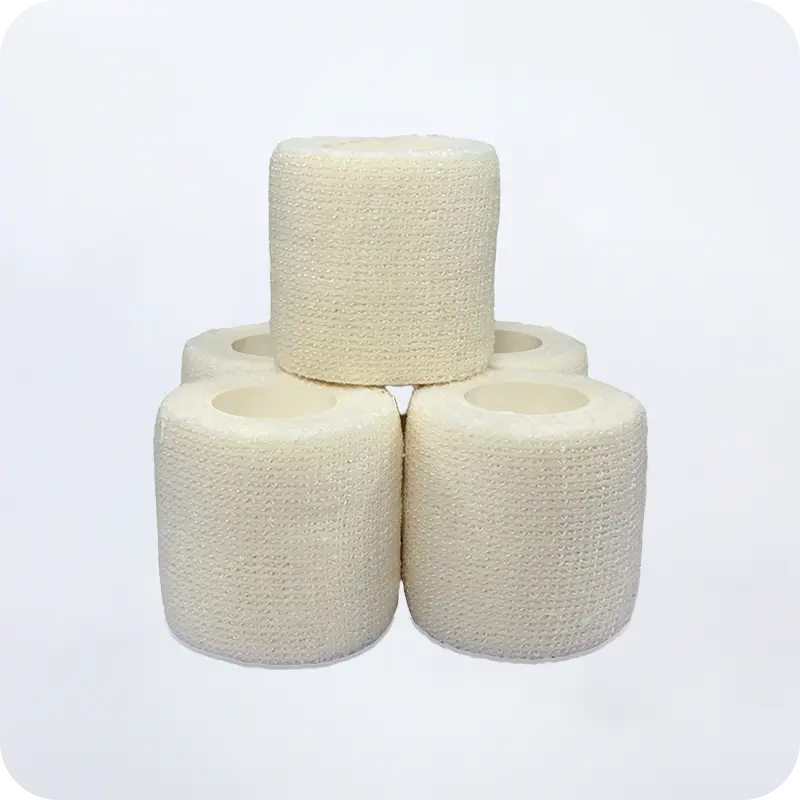
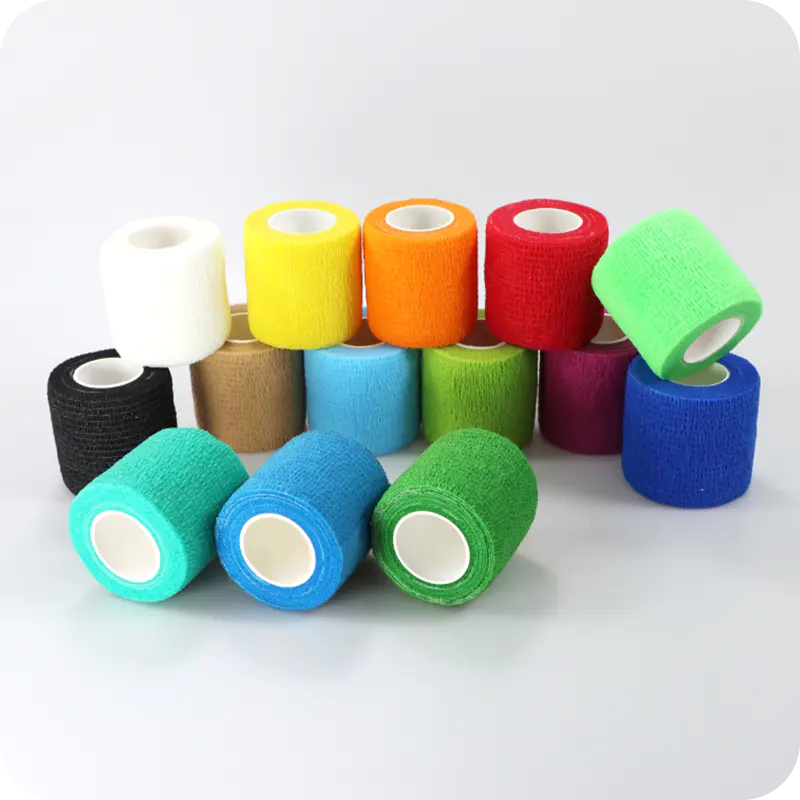
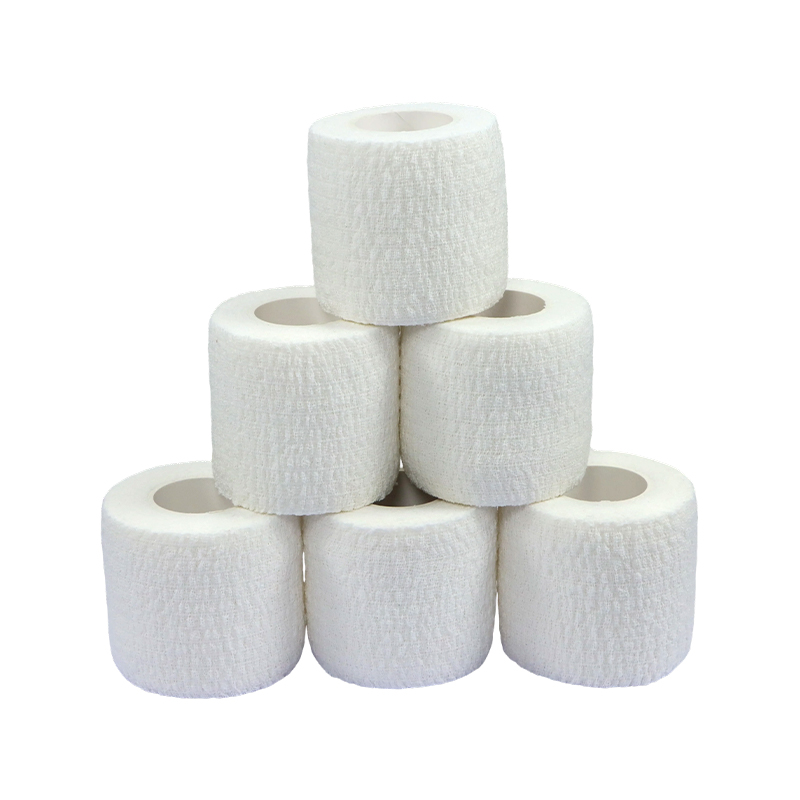
Self-adhesive elastic wraps applied at roughly half stretch with a 50% overlap give two even layers of pressure over a sprain or a dressing.
FixationLittle to no stretch
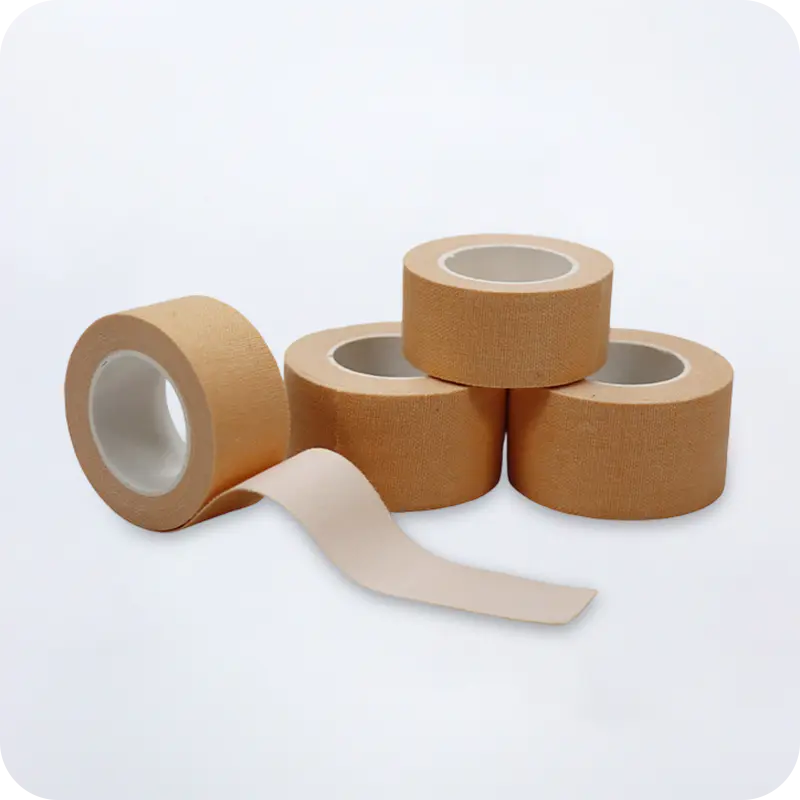
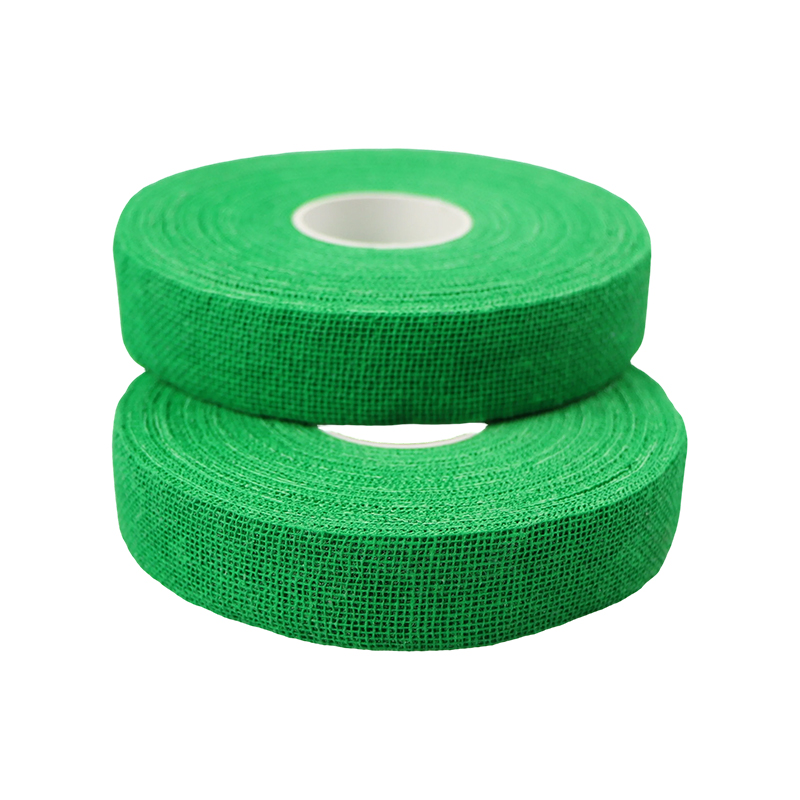
Rigid cotton strapping tape limits joint range in sport. Skin preparation and removal technique matter as much as the tape itself.
Dynamic support140% and above
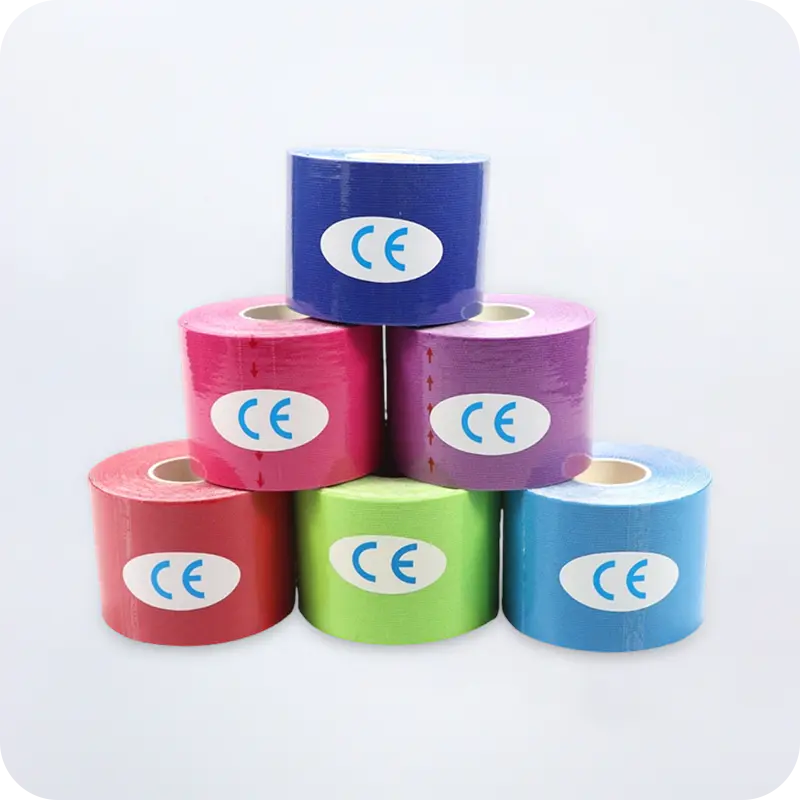
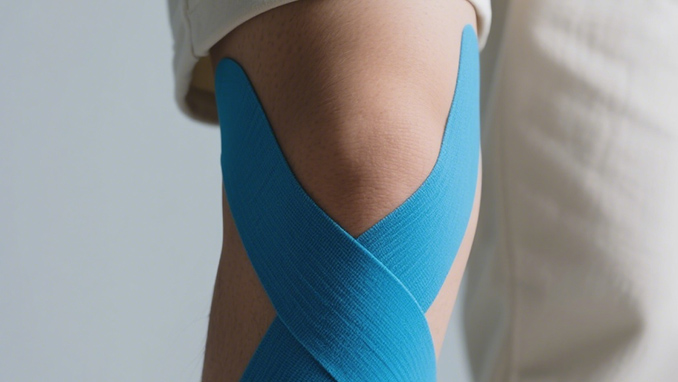
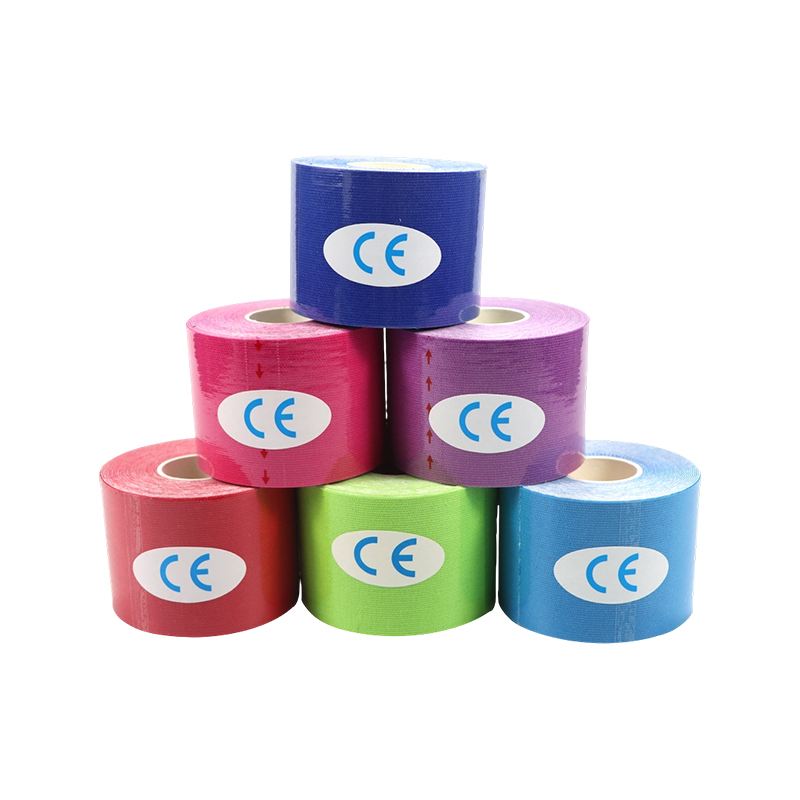
Kinesiology tape stretches with the muscle and is typically worn for two to four days, including through showers.
Compression manages swelling and gives the joint feedback; it is not meant to lock anything. Apply it evenly from below the injury upward so fluid is not pushed toward the hand or toes, and keep the overlap consistent. Uneven overlap is the most common reason a wrap feels tight in one spot and loose two centimetres later.
Field check: a support wrap should feel snug but still let one finger slide under the edge, and the toes or fingers beyond the wrap should stay warm and pink. Numbness, tingling or discoloration means rewrap, not more tape.
Rigid tape works in the opposite way. It goes onto a prepared, hair-free surface, sometimes over an underwrap, and deliberately reduces range of motion for a defined period such as a match or a training block.
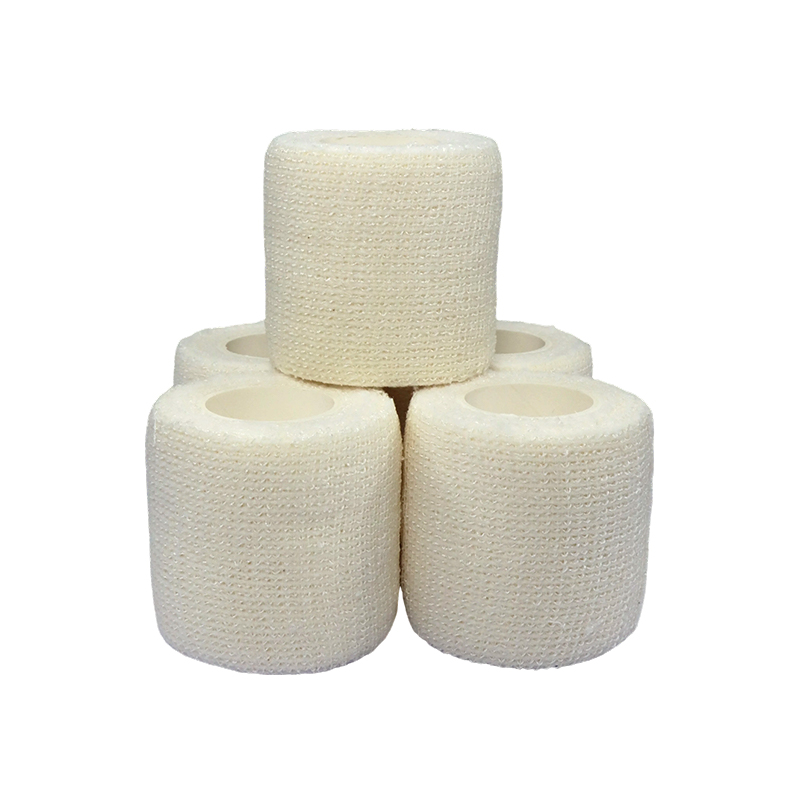
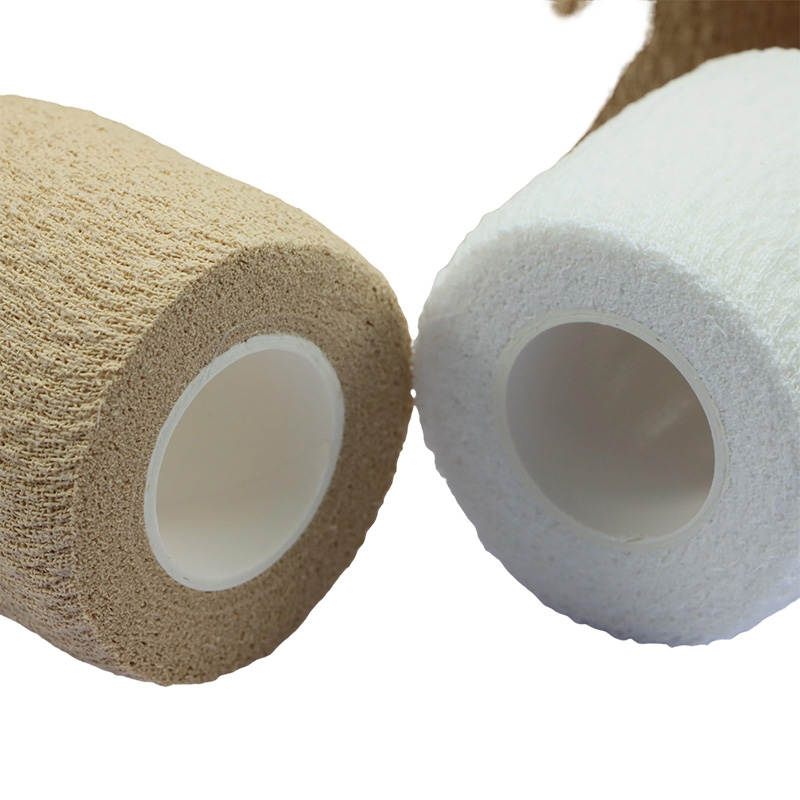 Skin-Colored Self-Adherent Cotton Elastic Wrap RollsOffers a flexible, discreet alternative to rigid tape for compression and soft-tissue support, using breathable cotton and self-adhesive fixation without clips.View Product →
The Four Bandage Families and Where Each One Belongs
Most injury-support programmes need four product families plus a padding layer. Comparing them by behaviour is more useful than comparing them by name, because names change between suppliers.
Stretch values are typical reference points rather than fixed specifications; confirm actual figures with the supplier before writing a tender or a catalogue listing.
| Family |
Stretch behaviour |
Best-fit use |
What to verify |
| Self-adhesive elastic (cohesive) bandage |
Approx. 50%, recovers |
Sprains, dressing retention, wraps that must not slip |
Adhesive transfer, roll telescoping, latex-free options |
| PBT bandage |
Highly conformable, light compression |
Fixing dressings around joints and digits |
Locked edges, fraying, softness after wear |
| Rigid sports strapping tape |
Little to no stretch |
Ankle, thumb and wrist limitation during sport |
Zinc oxide adhesion, removal comfort, hair pull |
| Kinesiology tape |
Elastic, 140% and above |
Movement support, swelling control, multi-day wear |
Sweat resistance, skin reactions, pre-cut formats |
Self-adhesive elastic bandages carry most of the everyday demand, and two constructions dominate. Cotton has a softer hand feel and conforms better around awkward joints; nonwoven is thinner and lighter, which suits shorter wear and higher-volume channels.
PBT bandages sit between dressing retention and light support. They conform closely without applying much pressure, which makes them a practical choice for holding a dressing on a knuckle or an elbow where a stiffer roll would lift at the edge.
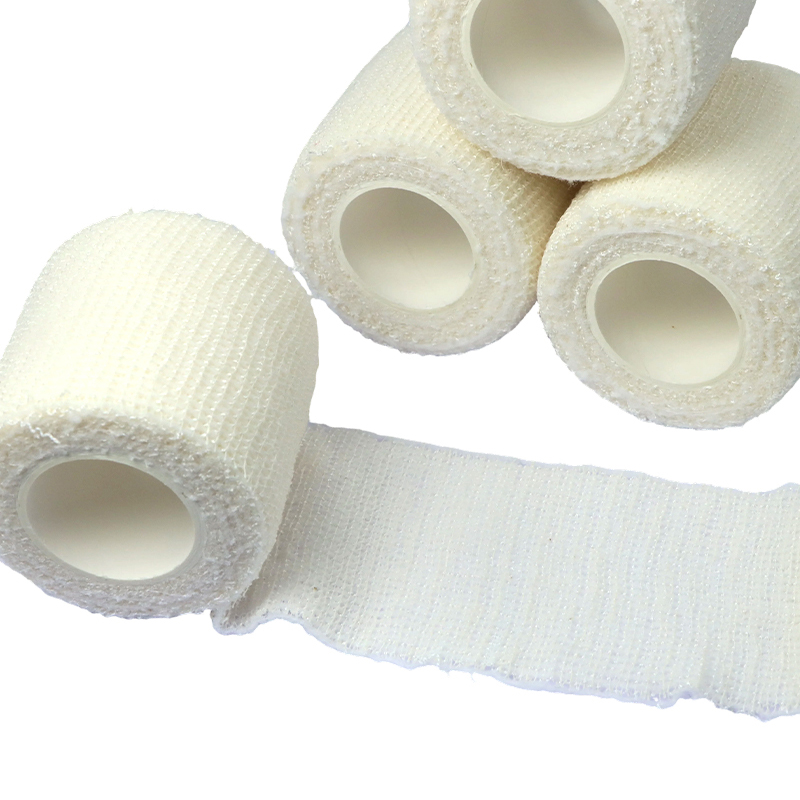 Breathable PBT Bandage for Sports Injury SupportA breathable, latex-free PBT wrap that conforms closely for dressing retention and light support, securing without clips or fasteners.View Product →
Underwrap and Finger Wraps Decide How Comfortable the Job Feels
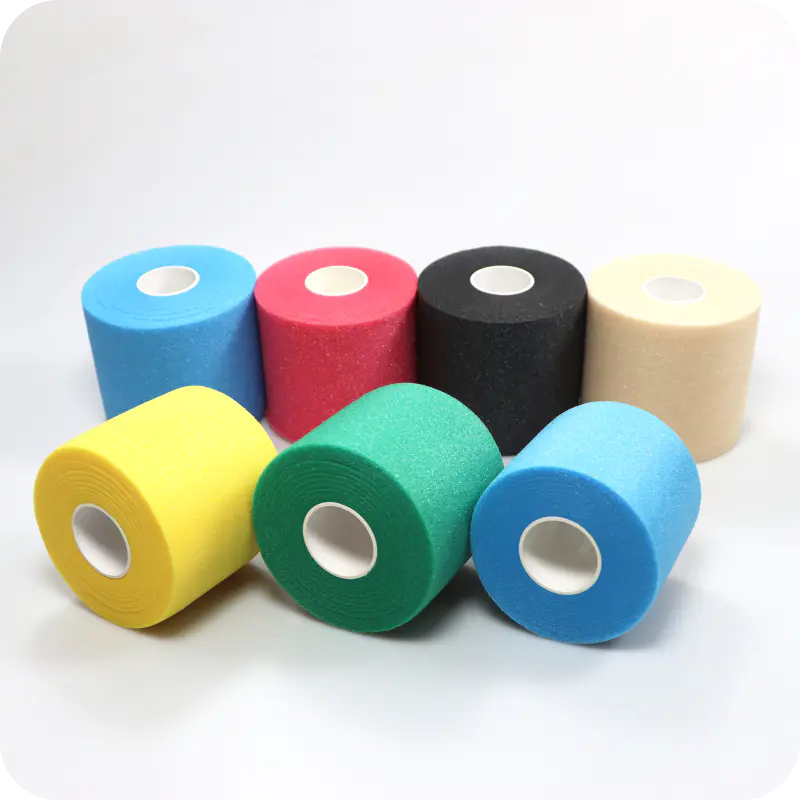
Rigid tape applied straight to skin is the most common source of complaints in a taping room. A foam underwrap, usually 7 cm or 10 cm wide, creates a thin barrier that spreads shear and stops adhesive from pulling on hair. It also lets a therapist lift and reapply rigid tape without stripping skin.
Apply underwrap with light tension and a consistent overlap, keep it wrinkle-free, and extend it a centimetre or two beyond the tape line so the edges cannot roll back. Keep the layer thin, because heavy padding under rigid tape changes the mechanics of the support.
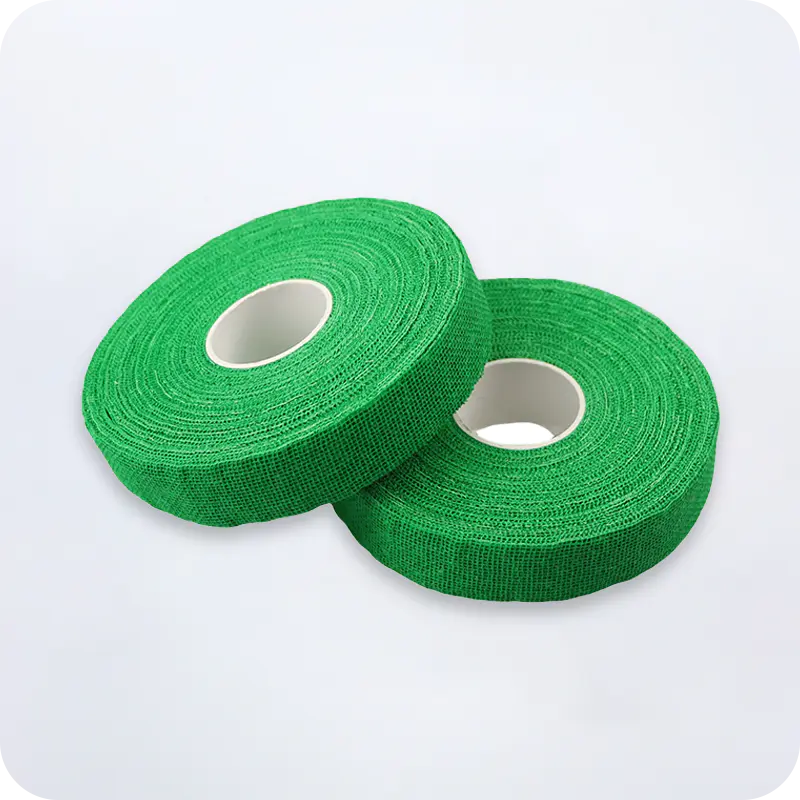
Fingers are the smallest and hardest-wearing area. A 2.5 cm self-adherent finger wrap covers a blister or a sprained joint while still allowing the knuckle to flex, whereas a 5 cm roll folds over the joint and bunches inside a glove. For competition use, choose a wrap that tears cleanly by hand so no scissors are needed in a warm-up area.
 Skin-Tone Foam Pre-Wrap Underwrap Bandage TapeA breathable, hypoallergenic foam barrier for adhesive tape, offering discreet coverage and high elasticity under rigid sports taping.View Product →
Skin Safety and Material Details Buyers Should Verify
Technical sheets describe stretch and width. Returns and complaints, in practice, come from six details that rarely sit at the top of a specification.
- Latex and protein content. Latex-free construction removes natural rubber latex from the elastic substrate and the adhesive. Protein-free goes further by targeting the proteins linked to contact reactions, which matters in long-wear and paediatric settings.
- Edge construction. A locked or reinforced edge resists fraying, and loose fibres in or under an adhesive layer are a genuine problem over an open wound.
- Unwind tension. A roll that releases unevenly forces the user to pull harder, so the first two metres end up over-stretched. Unwind a full roll during sampling, not just a short piece.
- Colour fastness. Printed, solid-colour and camouflage bandages should hold their colour through sweat, tap water and antiseptic wiping.
- Shelf life and storage. Adhesive softens with heat, so confirmed dates and cool, dry, out-of-sunlight storage protect the whole pallet, not just the top carton.
- Batch consistency. Stretch and adhesive force drift between production lots. When clinics apply a wrap by feel, that drift turns into inconsistent pressure.
Procurement note: before signing a twelve-month contract, test three production lots of the same item across width, stretch, adhesive transfer and unwind. One golden sample proves the factory can do it once, not that it can do it every month.
How the Same Roll Is Used Differently Across Settings
Sports protection leans on fast application, heavy sweat and short wear times. Support has to survive sprinting, landing and re-wrapping between sets, which favours cohesive bandages and rigid tape used together.
Medical care moves in the other direction: longer wear, fragile skin and a documented dressing protocol. PBT and light elastic bandages are usually selected for fixation rather than pressure, and latex-free or protein-free options are often a clinical requirement rather than a preference.
Rehabilitation sits between the two. Physiotherapy and oedema management need repeatable, moderate compression that a patient can reapply at home, so clear sizing and simple instructions matter as much as the material.
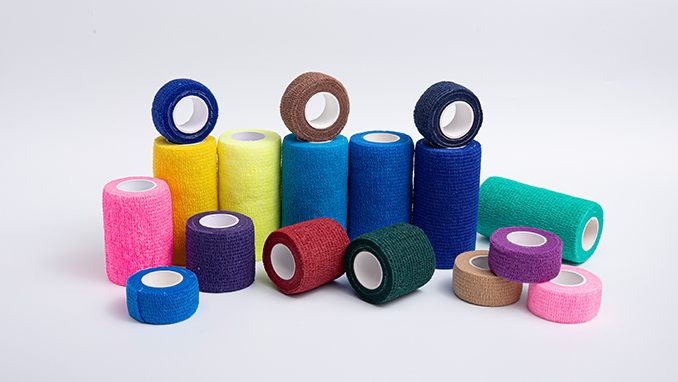
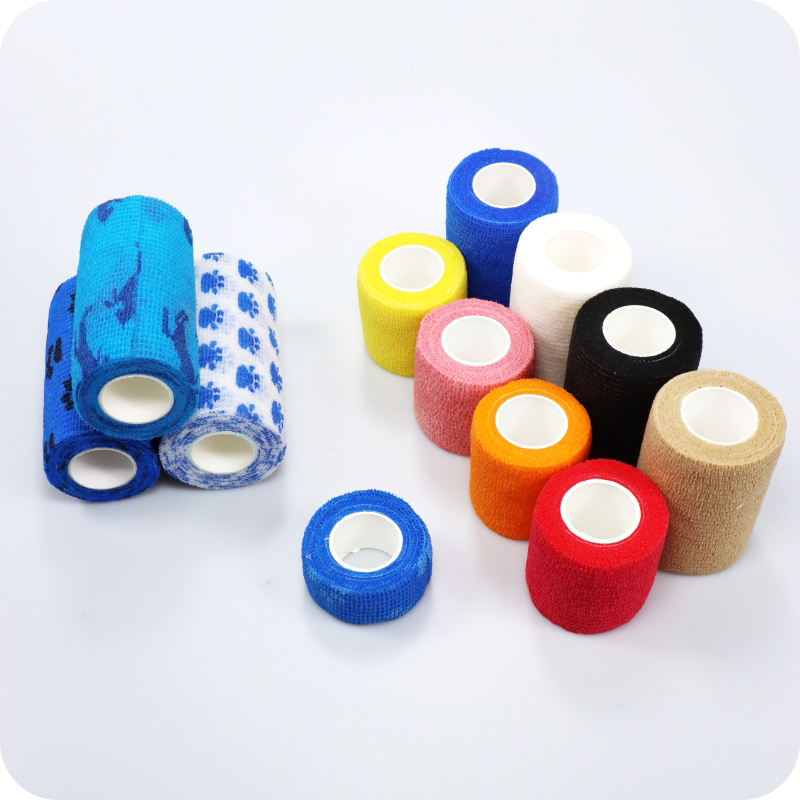
Daily healthcare and pet grooming are volume categories with less training behind the user. Cohesive wraps suit animals because they bond to themselves rather than to fur. Manufacturers group their catalogues along these same lines, from sports protection solutions through medical care, rehabilitation, daily healthcare and pet grooming, which makes it easier to match a product family to a sales channel.
Frequently Asked Questions
Q1: How tight should an elastic bandage be on a sprained ankle?
Snug and even, not tight. Apply at roughly half stretch, start below the injury and wrap upward with a constant overlap. A single finger should still slide under the edge, and the toes should stay warm and pink. If the skin beyond the wrap changes colour or the patient reports tingling, remove and reapply it.
Q2: Can a cohesive bandage replace rigid sports tape?
Not for the same job. A cohesive bandage gives compression and stays in place without clips, which suits mild support and dressing retention. Rigid tape limits joint range for ankles, thumbs and wrists. For a joint with a history of rolling, the usual combination is underwrap plus rigid tape for anchors and stirrups.
Q3: How long can support tape stay on?
Kinesiology tape is normally worn for two to four days, showers included. Compressive wraps used for swelling are usually changed at least once a day, and immediately if they get wet, soiled or start to bunch. Anything covering a wound follows the treating clinician's dressing schedule rather than a general rule.
Q4: What does latex-free actually guarantee?
It confirms that no natural rubber latex was used in the elastic substrate or the adhesive. Protein-free goes a step further by removing the proteins associated with allergic reactions. Ask for the declaration in writing instead of relying on packaging text, especially for products used on broken or sensitive skin.
Next Step: Turn the Framework Into a Shortlist
Match the support level to the injury, choose the family that delivers it, then verify skin and supply details before ordering in volume. That sequence prevents most of the returns that never appear on a spec sheet: adhesive transfer in hot warehouses, rolls that telescope, and stretch that drifts from lot to lot.
If you are sourcing for a clinic network, a sports club or a distribution catalogue, send your requirements — widths, stretch, latex-free or protein-free construction, colours, packaging and target markets — and ask for samples from more than one production lot. Contact Qinghong Medical to request samples and full specifications, then compare them side by side on the same joint before you commit to a container.






 English
 русский
 Français
 Español
 عربى


 ENG