You finish a tidy spiral wrap on a sprained ankle, the patient takes twenty steps, and the bandage has already slid down over the heel. The roll was fine. The problems were tension that changed from turn to turn, a thin spot over the ankle bone, and a finishing edge that was never anchored.
The short answer first: bandages slip because tension is uneven, they pinch because pressure is applied in the wrong direction, they irritate skin because adhesive sits directly on skin, and they fail to support because the wrap pattern does not match the joint underneath. Correct those four points and most wraps hold for their intended wear time.
50%overlap is the working default for elastic and cohesive wraps
5-10 cmhow close the roll should stay to the limb while wrapping
50%of available stretch is where a self-adhesive wrap works best
<2 scapillary refill is the quickest post-wrap circulation check
Mistake 1: Tension That Changes From Turn to Turn
The most common handling error is holding the roll too far from the limb. When the bandage travels 20 to 30 cm before it touches skin, the angle changes with every turn and so does the pressure underneath. Keep the roll 5 to 10 cm from the limb, unroll 10 to 15 cm at a time, and let each turn land smoothly on the one before it.
Self-adhesive elastic wraps are built to work at roughly 50 percent of their available stretch. That is enough to hold a dressing and deliver light compression. Beyond that, the wrap starts behaving like a tourniquet. The bedside test is simple: the finished bandage should feel snug, and one finger should still slide under the top edge.
Direction matters as much as tension. Compression should be greatest at the fingers or toes and should decrease toward the heart, so the wrap starts distal and finishes proximal. Wrapping downward from calf to ankle pushes fluid toward the foot and leaves a tight band at the upper edge, which is usually where numbness and swelling complaints begin.
Avoid reversing the roll direction mid-wrap to make the bandage line up. The reversal creates a twist, and once the elastic recovers, that twist becomes a ridge that presses into the skin for hours.
CheckSnug, not tight. One finger fits under the edge. Fingers or toes stay warm and sensitive, with capillary refill under two seconds.
Mistake 2: Gaps, Wrong Overlap and One Width for Every Limb
Elastic and cohesive wraps are normally applied with a 50 percent overlap, so each new turn covers half of the previous one. It is the most practical default: it keeps an edge over the layer beneath, doubles the material without heavy bulk, and holds the wrap steady under movement.
Drop below that and gaps appear. Push above 75 percent and the wrap becomes a thick, stiff pad that restricts movement without adding much compression, while consuming more material on every roll.
Gaps almost always appear where the body curves: behind the knee, around the heel, over the ankle bone, at the base of the thumb. The bandage takes the shortest path across the hollow and bridges it. Slow the turn, let the fabric follow the contour, and use a figure-eight whenever the wrap has to cross a joint.
Width guide for common wrap sites
- Finger or toe: 2.5 cm
- Hand or wrist: 5 cm
- Ankle, forearm or elbow: 7.5 cm
- Calf, foot or knee: 10 cm
- Thigh, shoulder or torso: 15 cm
A 10 cm roll on a finger cannot follow the circumference without wrinkling, and wrinkles are where pressure marks and blisters start.
Mistake 3: Choosing a Bandage That Cannot Do the Job
Selection errors appear constantly: a cohesive wrap is asked to limit a joint, or rigid sports tape is asked to control swelling. Both will fail, and the bandage gets blamed for the outcome.
What each product actually does
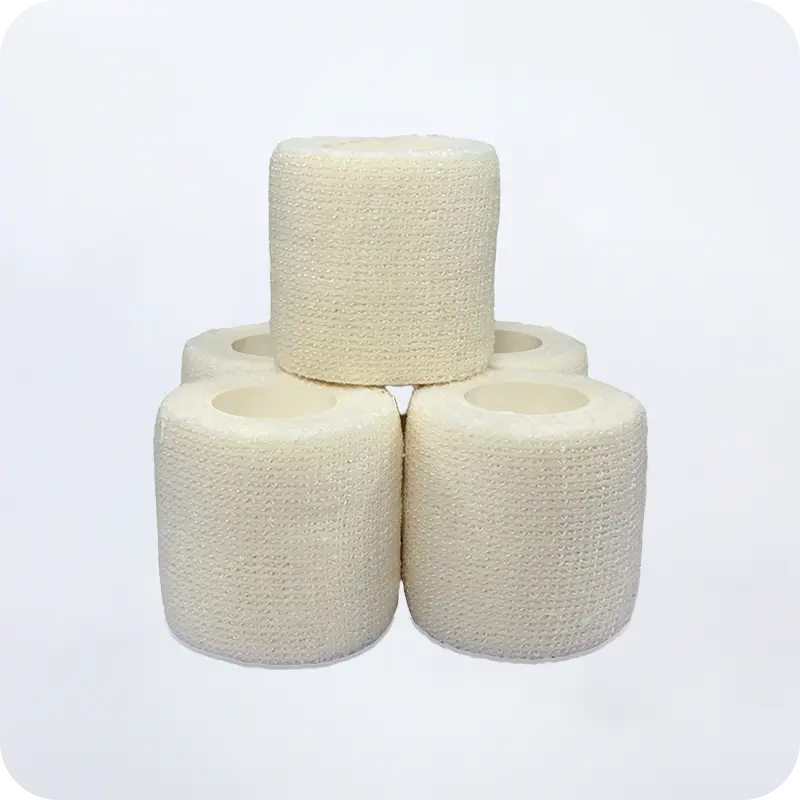
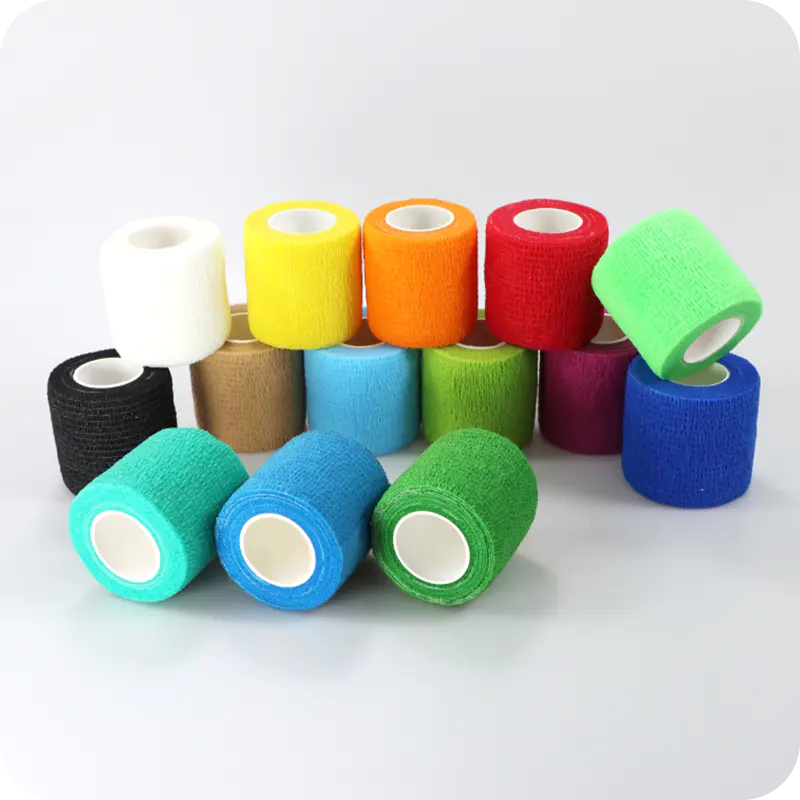
- Self-adhesive elastic (cohesive) bandage: bonds to itself, holds dressings without clips, delivers light to moderate compression. It cannot restrict joint range.
- PBT bandage: lightweight, soft and highly conforming, ideal for holding dressings and light support. It is not a compression device.
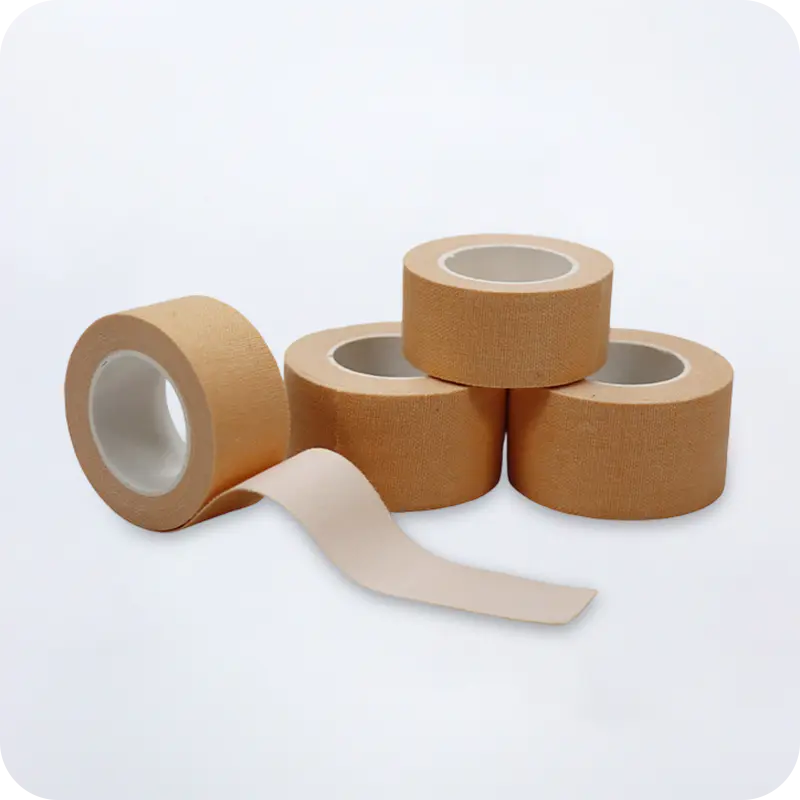
- Rigid sports strapping tape: limits joint motion in high-load activity. It is not used for swelling management.
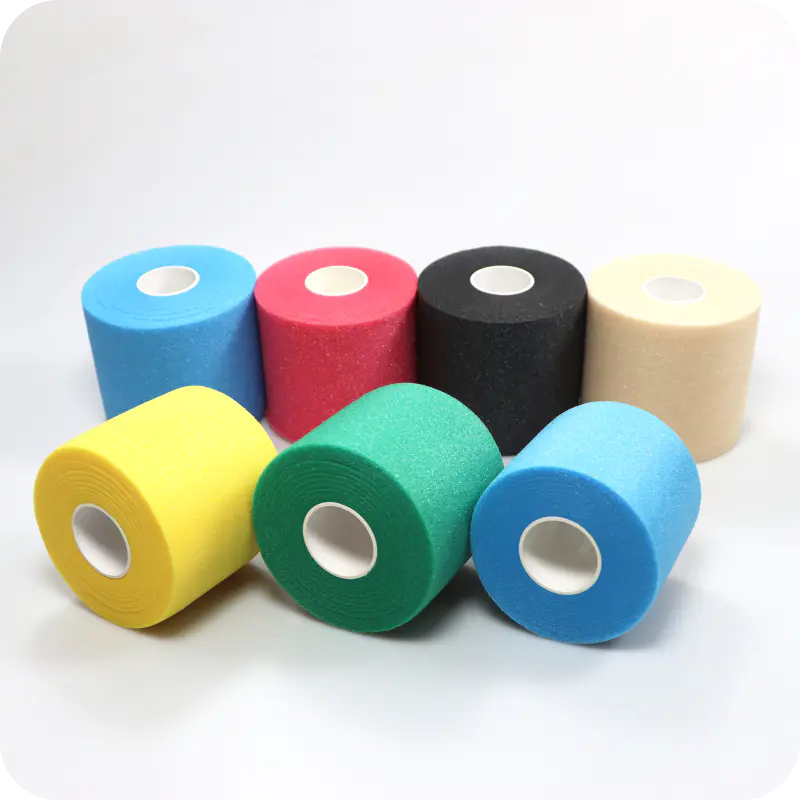
- Foam underwrap: a cushioning layer over bony prominences or fragile skin. It adds no support on its own.
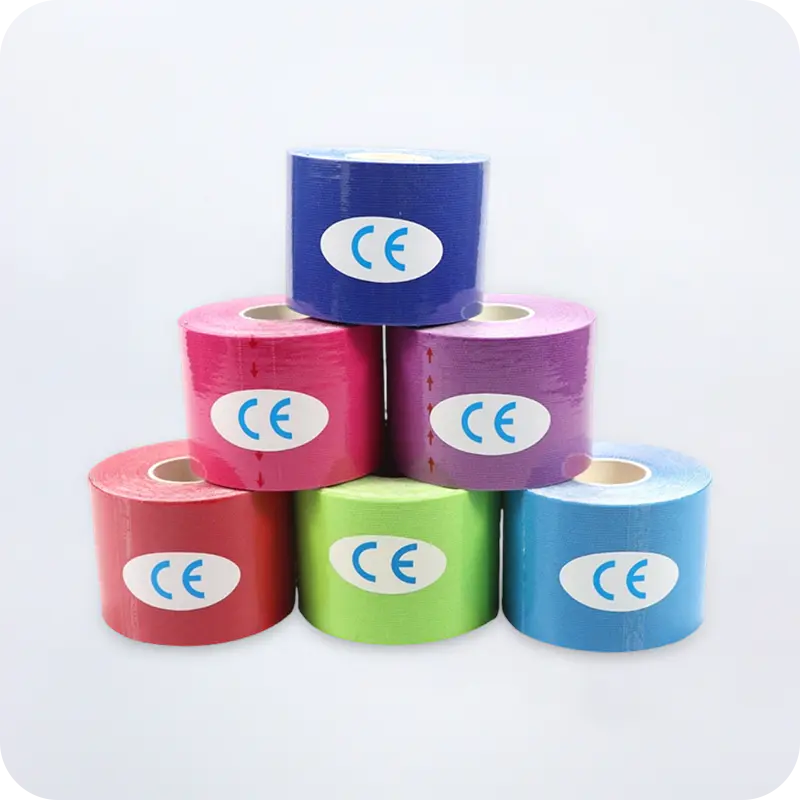
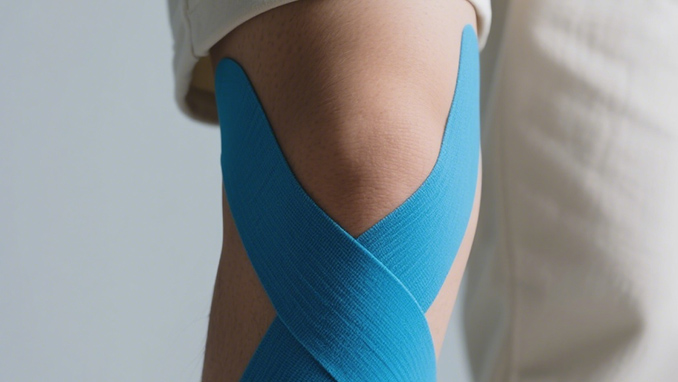
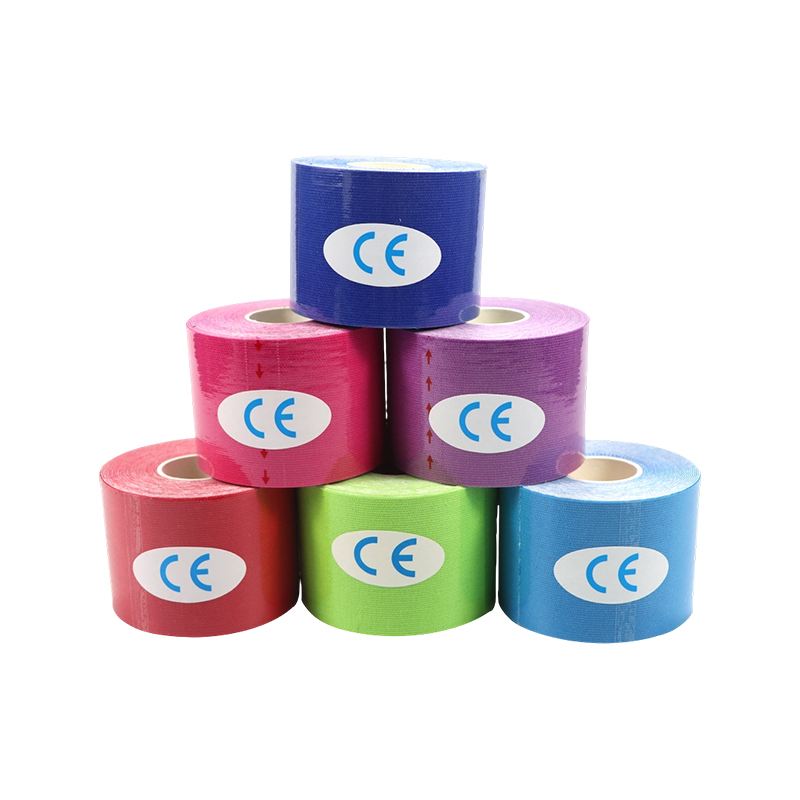
- Kinesiology tape: dynamic support and feedback during movement. It is not a compression wrap.
In clinical settings, the choice between a cohesive wrap and a PBT bandage usually comes down to how much pressure the wound and the patient's circulation can tolerate, which is the same reasoning behind medical care applications.
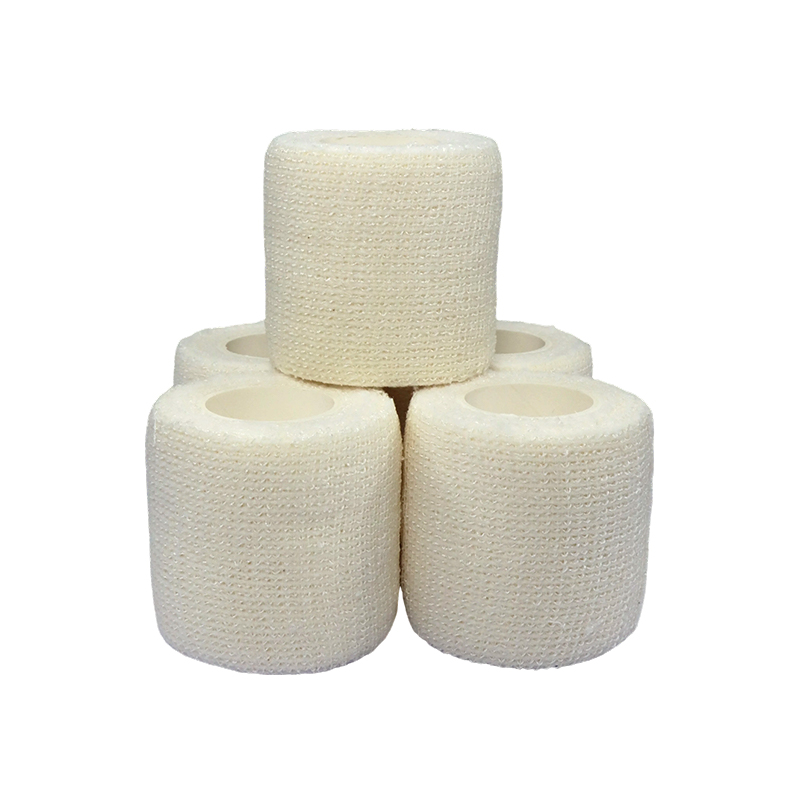
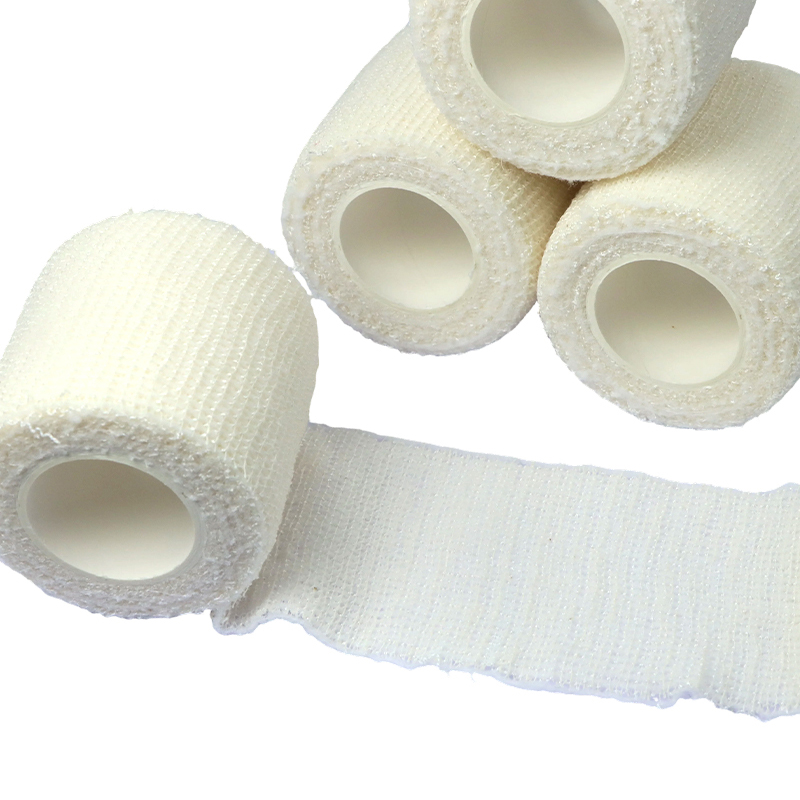 Breathable PBT Elastic Wrap for Sports InjuriesA breathable, latex-free PBT wrap for sports injuries; it self-adheres without sticking to skin or hair, unlike cohesive bandages that can pull on removal.View Product →
Mistake 4: Letting Adhesive Touch Skin
Cohesive bandages are designed to stick to themselves, not to skin. When the first turn is pressed onto bare skin, one of two things happens: hair and fragile skin pull painfully on removal, or residue stays behind and traps moisture against the skin.
- Anchor on itself. Fold the first two centimetres back so the bandage bonds to its own layer instead of to skin.
- Add a barrier. Use foam underwrap, stockinette or a thin dressing over bony areas, thin skin and arthritic joints.
- Choose a low-risk material. Latex sensitivity remains the most common immediate reaction, so latex-free, no-protein cohesive wraps remove that variable without changing handling.
When the wrap comes off, unwind rather than peel, and work in the direction of hair growth. Fast peeling is the main reason patients describe a simple bandage change as painful.
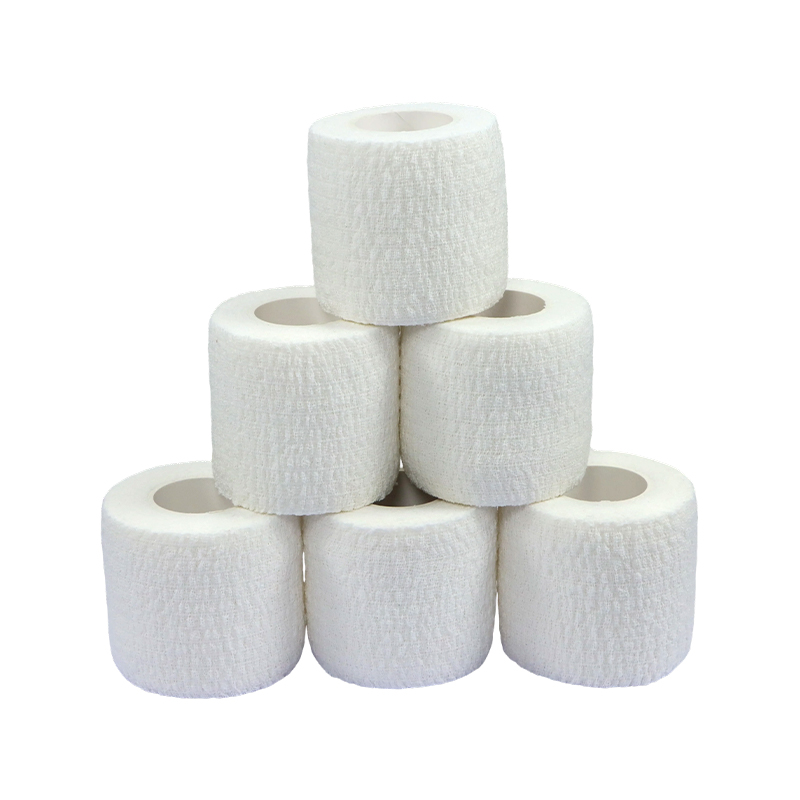
 Hypoallergenic Self-Adhesive Elastic Bandage WrapA hypoallergenic, latex-free elastic wrap that sticks to itself for secure fixation without pins or clips, suitable for sprains, dressings, and sports support.View Product →
Mistake 5: Fingers and Joints Are Not Small Arms
Fingers are narrow, tapered and almost always in motion, which makes them the hardest site to wrap well. Wrapping a fingertip with one continuous tight circumferential turn is the classic error; the wrap migrates within minutes of the first grip.
Better handling: use a 2.5 cm bandage, start at the base of the finger and work distal, keep layers to two wherever possible, and cross over the fingertip rather than cinching around it. For joints, a straight spiral migrates the moment the joint flexes, so use a figure-eight with the crossing point directly over the joint line.
One more habit worth breaking: taping a finger fully extended when the person needs to grip. The wrap will either buckle or restrict the hand, and it will be removed before it does any good.
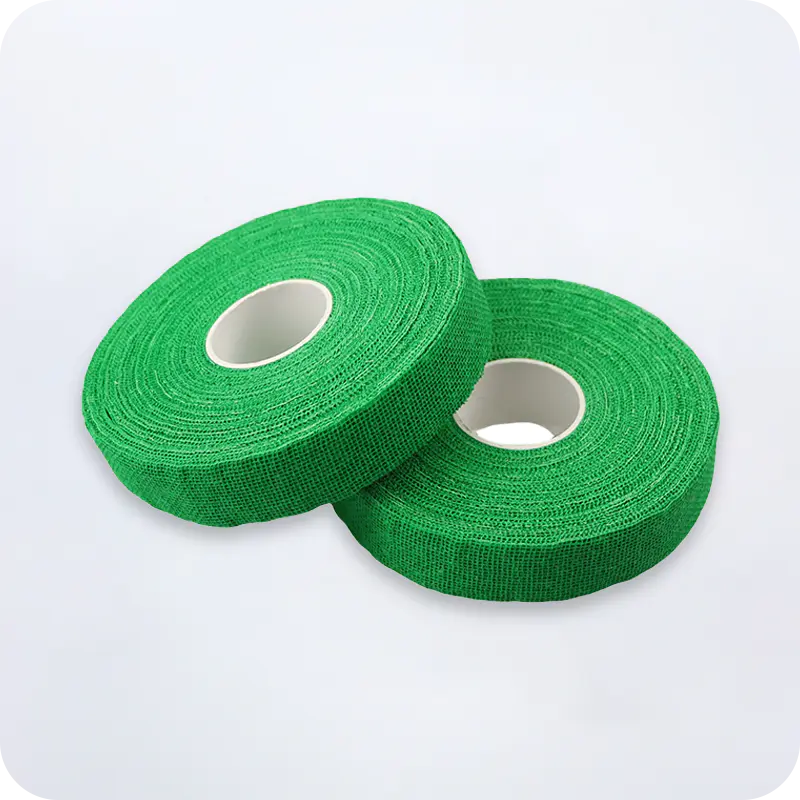
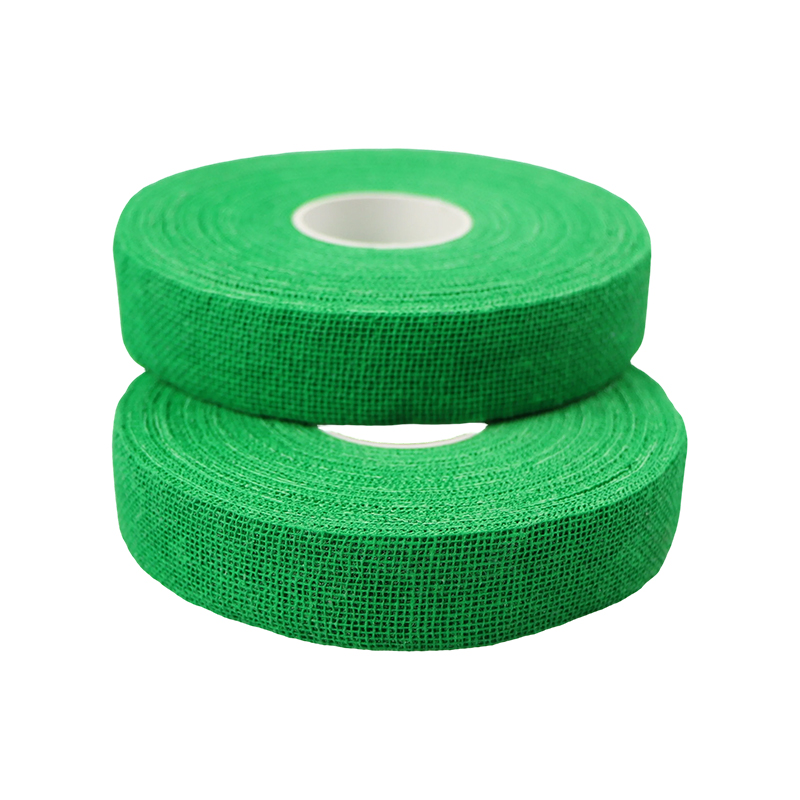
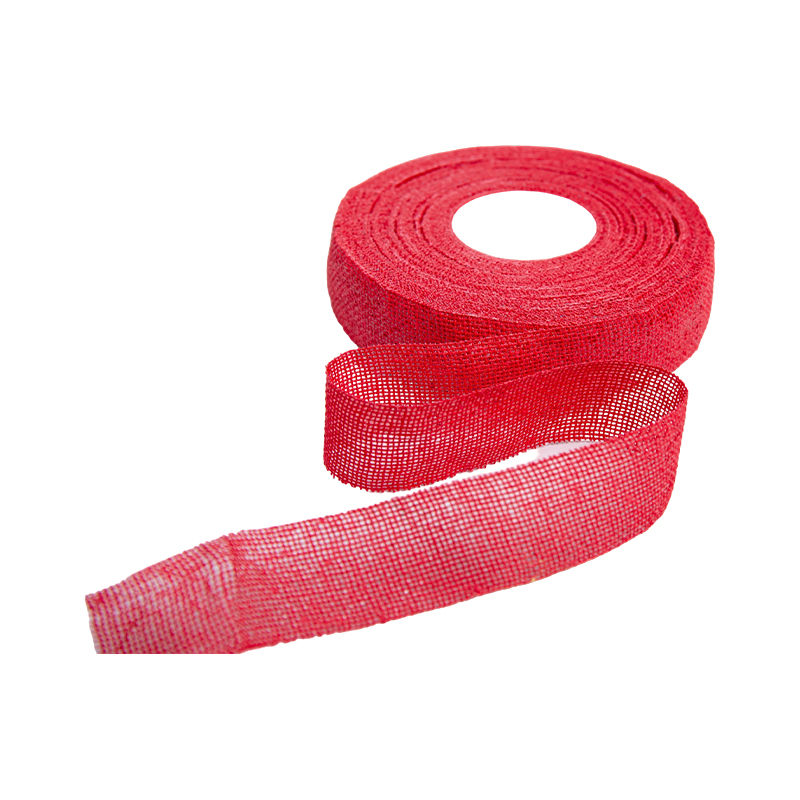 Cotton Self-Adhesive Finger Protector TapeA breathable cotton finger wrap that self-adheres without tape or clips, offering gentle compression and protection during manual tasks and sports while allowing movement.View Product →
Mistake 6: Never Checking Circulation or Wear Time
A wrap that is too tight rarely announces itself immediately. Check within the first hour and again a few hours later: warmth, colour, sensation and swelling above and below the wrap, plus capillary refill. Numbness, tingling, cool skin or pain that increases instead of settling means the wrap comes off and goes back on.
Wear time is the second half of the mistake. Wound dressings are normally changed daily or whenever they become wet or soiled, while a cohesive compression wrap can typically stay 24 to 48 hours if the dressing beneath stays intact and dry. Compression wraps are not left on overnight unless a clinician has specified it.
Do not re-apply a wrap that has already been used. A used cohesive bandage has lost most of its tack and some of its elasticity, which is the most common reason a wrap that held perfectly yesterday slides off today.
Common Bandage Wrapping Mistakes at a Glance
The table below maps the symptom you see in practice to the handling error behind it and the correction that resolves it.
Table: six recurring bandage wrapping errors, how they present, and the practical correction for each.
| Mistake |
What you see |
Correction |
| Uneven tension |
Wrap slides or pinches within an hour |
Keep the roll 5-10 cm from the limb and wrap at about 50 percent stretch |
| Wrapping proximal to distal |
Swelling pushed toward fingers or toes, tight upper edge |
Start distal, finish proximal, reduce pressure as you move up |
| Overlap under 50 percent |
Gaps over curves, dressing exposed at heel or knee |
Hold a 50 percent overlap and slow turns across hollows |
| Adhesive on bare skin |
Redness, residue, painful removal |
Anchor the wrap on itself, add underwrap, switch to latex-free material |
| No circulation check |
Numbness, cool skin or colour change found late |
Check refill, warmth and sensation within the first hour |
| Reusing a spent wrap |
Holds briefly, then slips and feels loose |
Start with a fresh roll for every application |
Frequently Asked Questions
Q1: How tight should a bandage be?
Snug enough to hold the dressing and support the area, loose enough that one finger slides under the top edge. Fingers and toes should stay warm, with capillary refill under two seconds.
Q2: Why does my self-adhesive bandage keep slipping?
Usually because the first turn stuck to skin rather than to itself, the overlap is below 50 percent, or the roll has already been used once. Anchoring the first layer and holding a consistent 50 percent overlap resolves most cases.
Q3: Can a compression bandage stay on overnight?
Not without clinical instruction. Overnight wear means many hours without a circulation check, and swelling can change substantially while a person sleeps.
Wrap Smarter, Not Harder
Most wrapping failures are decided before the bandage is even opened: the wrong product for the job, uneven tension, the wrong direction, or a spent roll used a second time. Getting those four points right is worth more than any refinement of technique.
We manufacture self-adhesive elastic bandages, PBT bandages, sports strapping tape, kinesiology tape, finger protection wraps and foam underwrap in cotton, nonwoven, PBT and PU constructions, with latex-free and no-protein options for sensitive skin. If you are sourcing for clinics, sports clubs, distributors or retail programmes, tell us your target specification and we will match material, width, stretch and packaging to it. Send your requirements to our team and we will come back with samples and lead times.






 English
 русский
 Français
 Español
 عربى


 ENG