A hot pan handle, a steam pipe, or an iron after a careless moment often leads to the same urgent question: what should I put on burns? The direct answer is less about creams and more about temperature control and protection. Cool the burn with lukewarm running water for 15 to 20 minutes, then cover it with a sterile, non-stick dressing and hold that dressing in place with a breathable medical bandage. Do not apply ice, butter, toothpaste, or fluffy cotton directly to damaged skin.
This guide is written from the perspective of a bandage manufacturer that works with hospitals, distributors, and sports care buyers. It focuses on practical dressing choices, common mistakes, and the kind of product details that matter when a wound needs to stay protected.
What to Put on a Burn First: The Five-Step Process
The first thing to put on a burn is cooling water, not ointment or home remedy. Cooling limits heat transfer into deeper tissue and reduces pain.
- Stop the heat source. If clothing is smoking, remove it only if it is not stuck to the skin. Do not peel fabric away from a wound.
- Cool with lukewarm running water. Hold the burn under slow-running water for 15 to 20 minutes. Do not use ice, very cold water, or frozen objects.
- Remove tight items. Rings, watches, and bracelets should come off early because swelling can develop quickly.
- Clean gently. Rinse with sterile saline if available. Do not scrub the burn and do not break blisters.
- Cover and secure. Place a sterile, non-adherent dressing over the burn and fix it with a bandage that will not stick to the wound.
Key point: For minor burns, the order matters: water first, dressing second, bandage third.
What Not to Put on a Burn
The wrong product can turn a superficial burn into a deeper wound or an infected one. Understanding what to avoid is just as important as knowing what to put on a burn.
- Ice or ice-cold water: Ice causes blood vessels to constrict and can create a cold injury on already damaged tissue.
- Butter, oil, or greasy ointments: These trap heat and can slow the cooling process.
- Toothpaste, flour, or egg white: Popular home remedies do not treat burns and can introduce bacteria.
- Cotton wool or fluffy gauze directly over the wound: Fibers can stick to the burn and pull away new skin when the dressing is changed.
- Adhesive bandages directly on the burn: Sticky wound contact can tear blisters and cause more trauma. The layer touching a burn must be non-adherent.
Understanding Burn Depth and What It Means
Before deciding exactly what to put on a burn, check the skin and ask about the patient's pain and risk factors. Not all burns look the same in the first minutes.
- Superficial Redness, mild swelling, no blisters. Cooling and a non-stick dressing are usually enough.
- Partial thickness Blisters, wet appearance, severe pain. Use a sterile dressing and seek medical advice if the area is larger than a palm.
- Full thickness White, brown, black, or leathery skin with little pain because nerve endings are damaged. This is an emergency.
This classification is a starting point, not a diagnosis. Any uncertainty about depth or infection should be handled by a clinician.
Choosing the Right Burn Dressing and Bandage
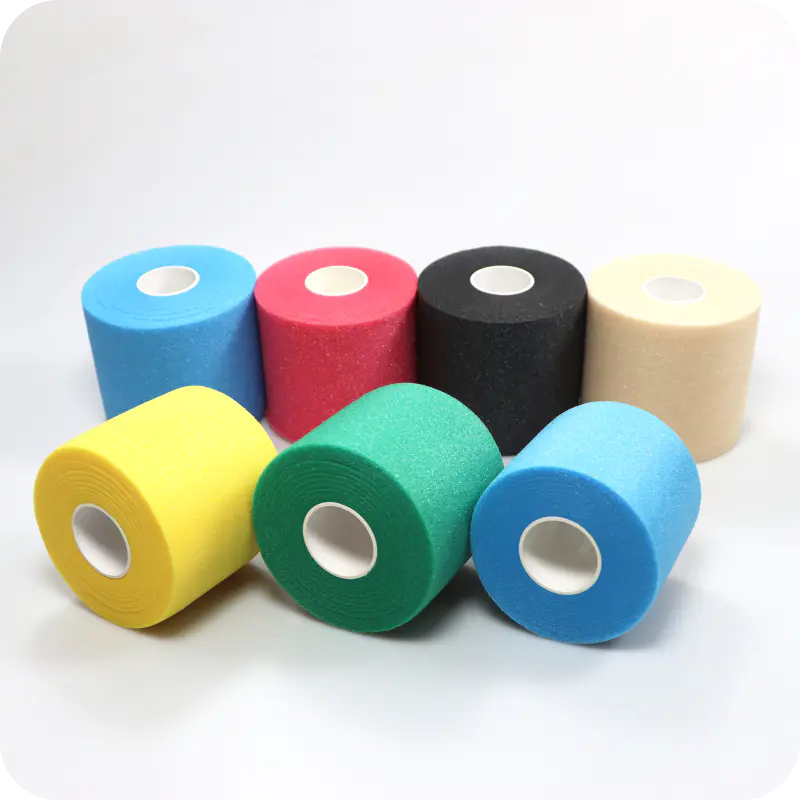
After cooling, the most important decision is the layer that will rest against the wound. The ideal material is sterile, non-adherent, and breathable. It should not shed fibers into broken skin. A soft foam dressing can play this role for minor burns because it cushions and protects the surface without sticking to the wound.
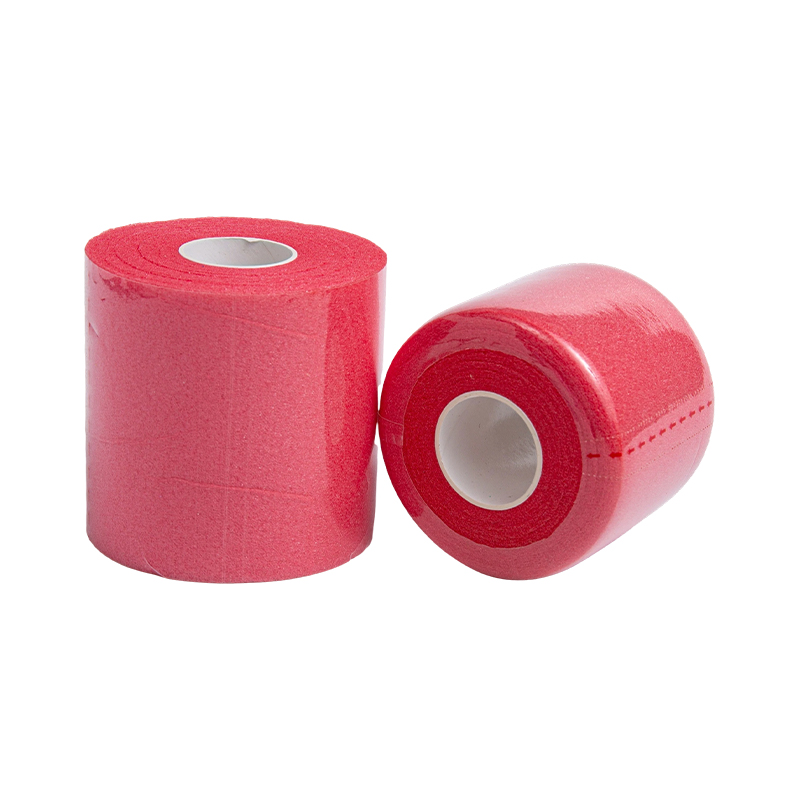 Red Soft Wound Dressing Foam Bandage for Minor BurnsA sterile, non-adherent polyurethane foam dressing that cushions minor burns, manages exudate, and supports a moist healing environment without sticking to the wound.View Product →
This foam bandage is intended as a dressing layer in a first aid kit, not as a replacement for clinical judgment. When you select products for a clinic, school, or factory first aid room, think about how the dressing behaves when it absorbs fluid, whether it remains breathable, and how easy it is to remove.
For buyers who need a structured specification, our medical care solutions explain how dressing and bandage sets are built around wound protection rather than simple surface cover.
How to Secure a Burn Dressing Without Sticking to the Wound
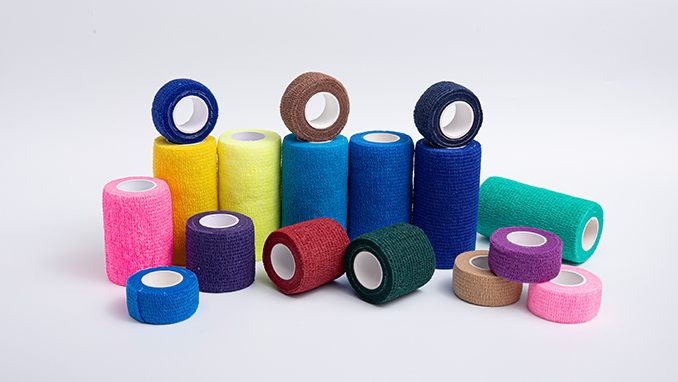
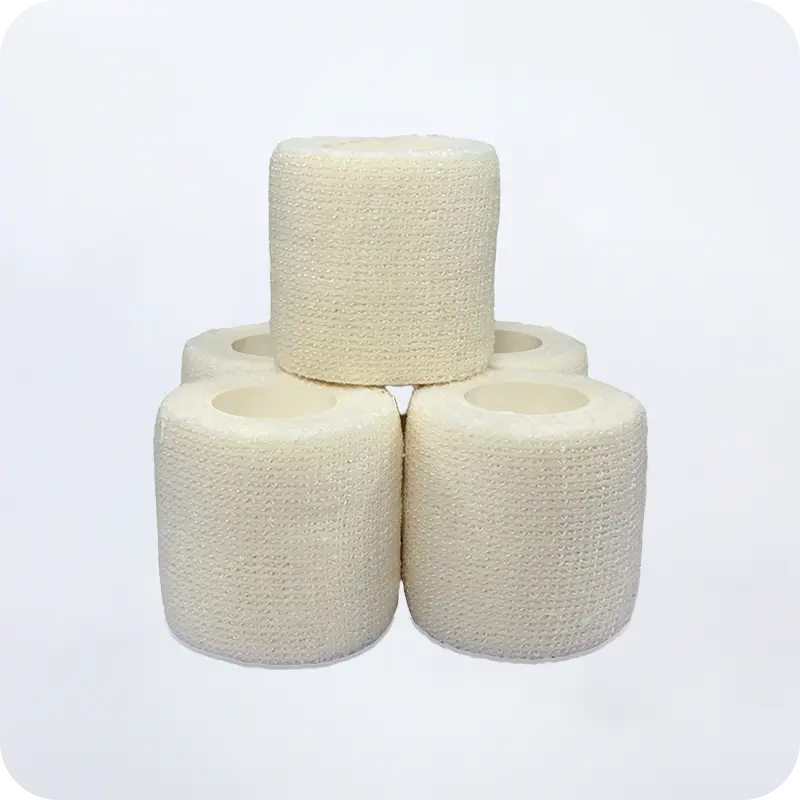
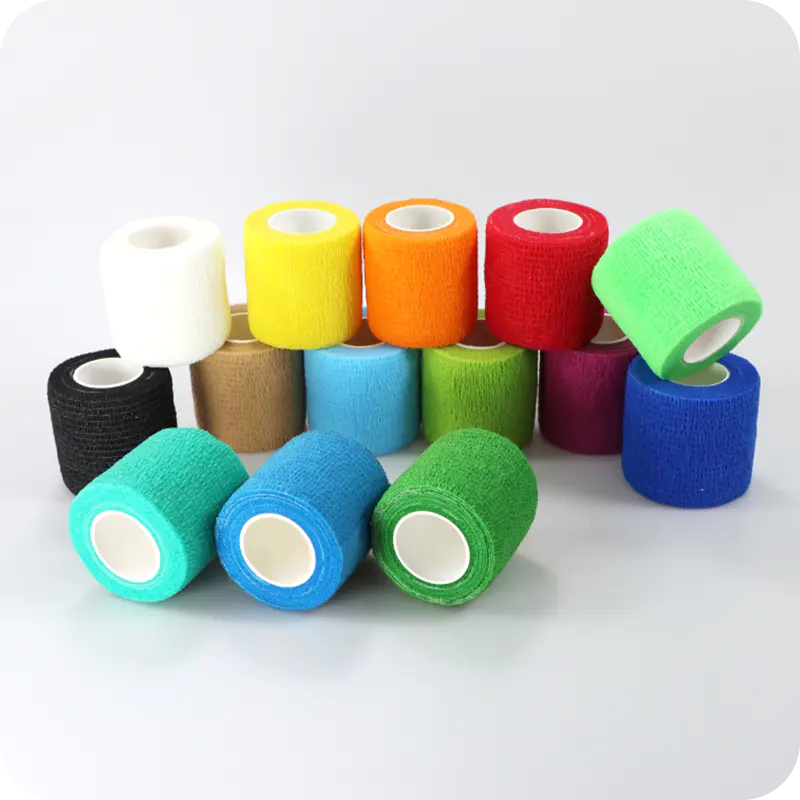
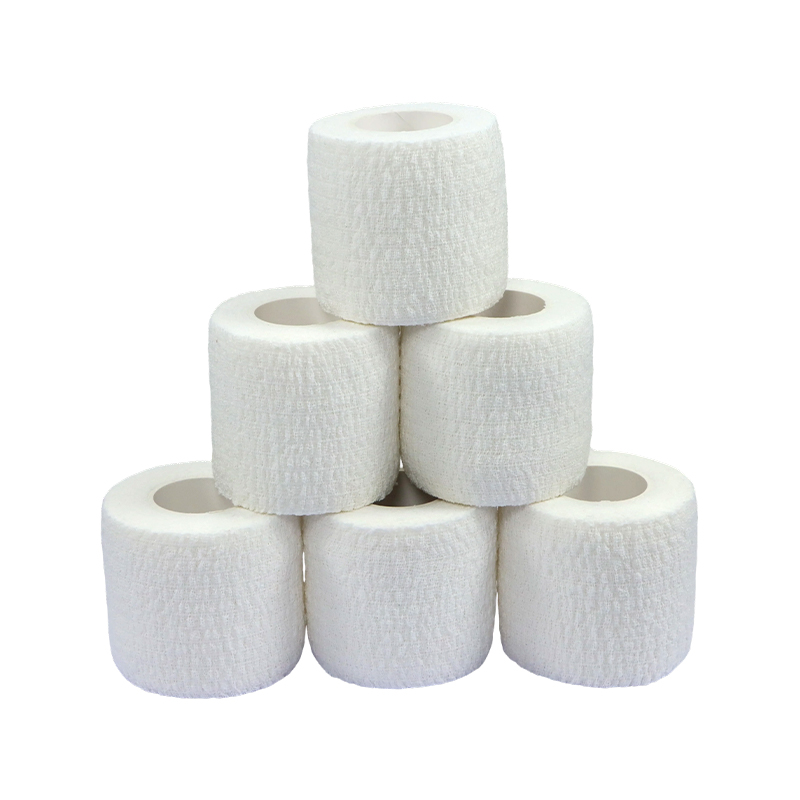
A dressing stays effective only if it stays in place. A self-adhesive elastic bandage is useful here because it clings to itself, not to skin, hair, or freshly formed tissue. This makes it a practical outer layer for arms, wrists, ankles, and legs.
 Self-Adhesive Elastic Cotton Bandage for Securing DressingsA breathable, cotton self-adhesive wrap that clings to itself, not skin or hair, providing secure, painless dressing fixation around joints and limbs.View Product →
Start wrapping a couple of centimeters below the dressing, move upward, and keep the tension even. Leave fingers or toes free and check that the patient can move the joint without pinching. The bandage should hold the dressing, not compress the burn.
For a more detailed sequence, see the step-by-step guide to bandaging a wound with gauze. The same principles of clean coverage and gentle fixation apply.
Latex-Free Options for Sensitive Burn-Affected Skin
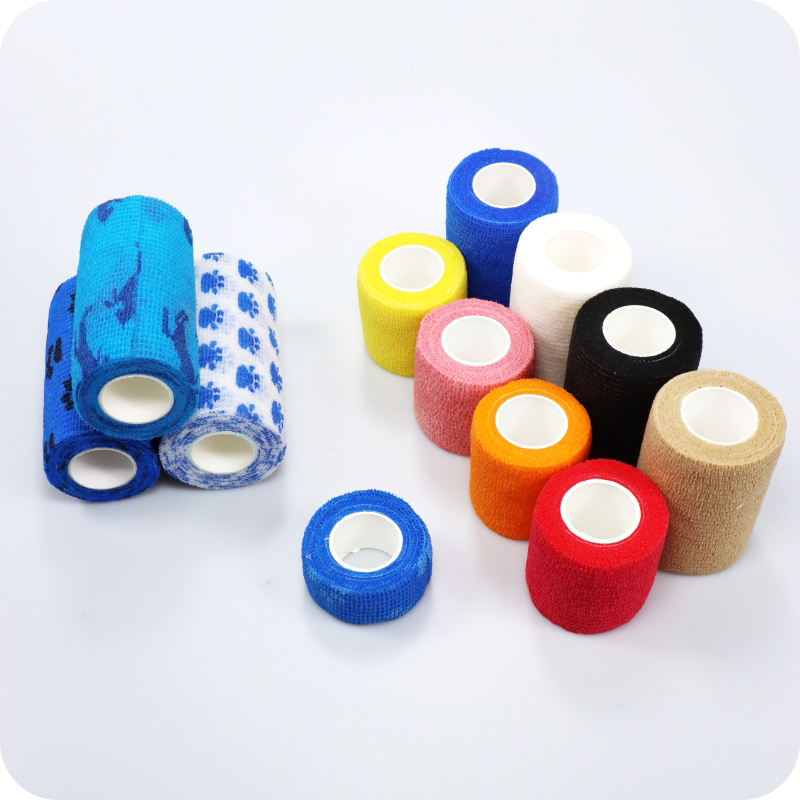
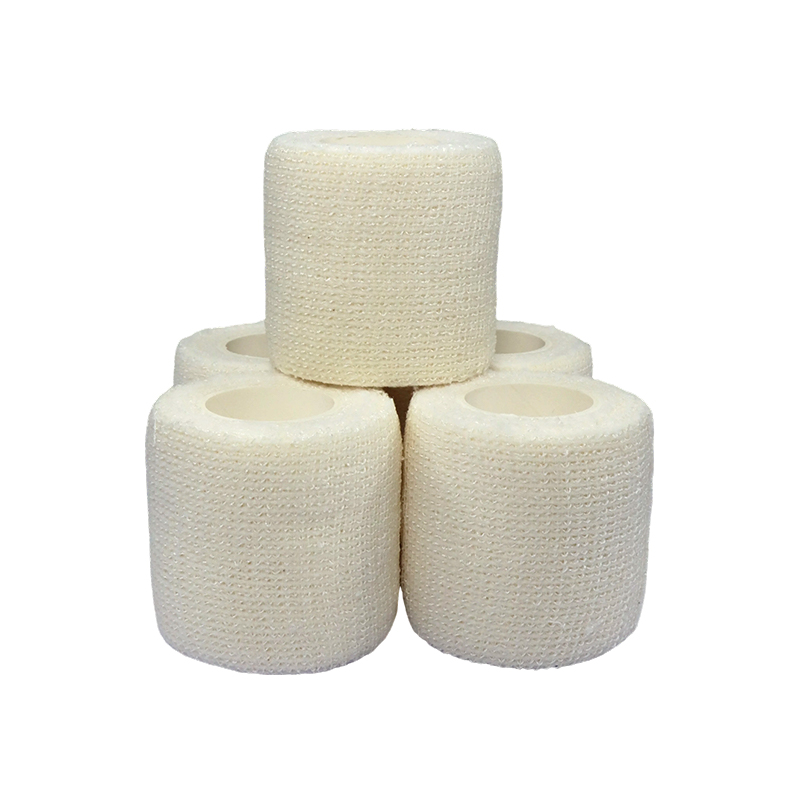
Burns are more prone to irritation and allergic reactions. If the patient has a history of latex sensitivity, the secondary bandage should be latex-free as well as low-protein.
 Latex-Free Elastic Self-Adhesive Bandage for Sensitive SkinA hypoallergenic, protein-free elastic wrap that prevents allergic reactions while offering firm fixation, suitable for pediatric, sports, and clinical use.View Product →
In hospital purchasing, this becomes a product specification issue: checking label claims for latex content, stretch recovery, and adhesive residue. A latex-free wrap also simplifies use in pediatric wards and sports clinics where skin sensitivity is common.
When to Change the Dressing and Watch for Infection
For a minor burn, change the dressing daily or as soon as it becomes wet, dirty, or visibly saturated. Every change is also a chance to inspect the wound.
- Redness that spreads beyond the burn outline
- Pus, grey or green discharge, or a bad smell
- Pain that increases instead of decreasing
- Swollen lymph nodes or fever
Burns on the face, hands, feet, joints, or genitals need professional assessment even if they appear small. Full-thickness burn signs, electrical burns, chemical burns, and smoke inhalation require emergency care.
Frequently Asked Questions
Here are the questions we hear most from first aid buyers and end users.
Q1: What is the best thing to put on a burn?
For a minor thermal burn, the best first step is lukewarm running water for 15 to 20 minutes. Once the burn is cool, cover it with a sterile, non-stick dressing and hold it with a breathable bandage. Do not put ice, butter, or a sticky adhesive directly on damaged skin.
Q2: Should I put a cream on a burn before covering it?
Not during the first minutes. Cooling is more important. After the skin has cooled, a clinician may recommend a burn cream, but it should not replace a sterile dressing and proper bandaging.
Q3: Can a self-adhesive elastic bandage touch a burn?
No. A self-adhesive elastic bandage should only hold the dressing in place. The material that touches the burn surface should be sterile, non-adherent, and selected for wound contact.
Q4: How long should I cool a burn?
The accepted guidance is 15 to 20 minutes of lukewarm running water. If pain returns, cooling for a little longer may help, but avoid ice or very cold water.
Q5: When should a burn not be covered?
Only when a doctor or experienced clinician instructs you to leave it open. In everyday burn care, covering the cooled wound with a sterile dressing is the safer method because it reduces infection risk.
Final Checklist: What to Put on Burns
When someone asks what to put on burns, the answer is not a single cream. It is a sequence of protective measures.
- Remove the cause of the burn
- Cool with lukewarm water for 15 to 20 minutes
- Remove tight items before swelling increases
- Place a sterile, non-adherent dressing over the wound
- Secure the dressing with a self-adhesive elastic bandage or PBT bandage, not with adhesive directly on skin
- Change daily and seek medical care for large, deep, facial, or infected burns
This approach works for minor burns at home, in sports first aid kits, and in clinical procurement plans. For more complex cases, medical advice always takes priority.






 English
 русский
 Français
 Español
 عربى


 ENG