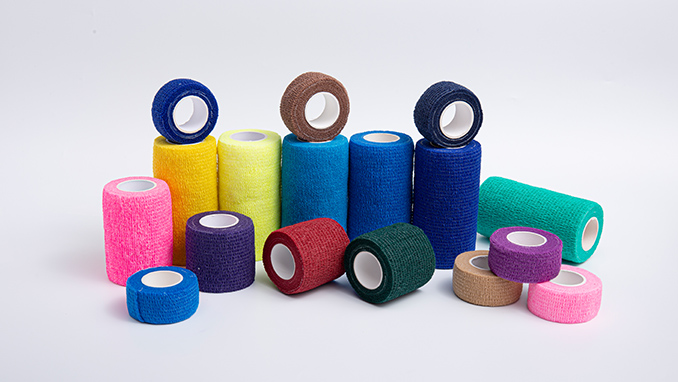
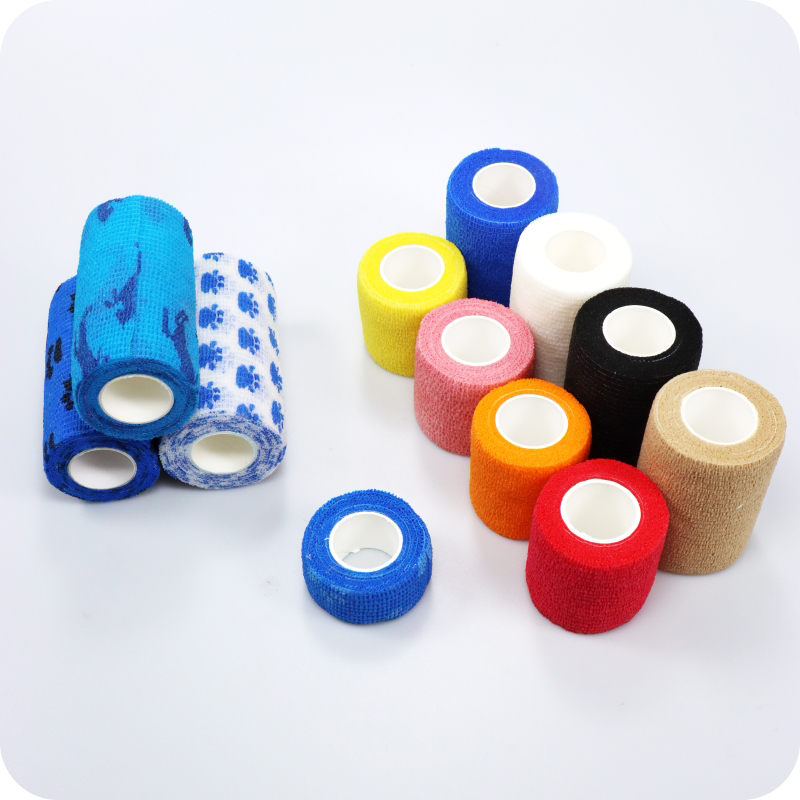
Self-adhesive elastic bandages are self-adhesive and elastic medical dressings primarily used to bandage and protect wounds, promoting wound healing. Their primary functions include securing and protecting wounds, preventing bacterial intrusion, and promoting wound healing. Self-adhesive elastic bandages are typically made of high-quality elastic materials and medical adhesives. They typically consist of a multi-layered structure, including a wound-contacting dressing layer, a middle elastic layer, and an outer protective layer.
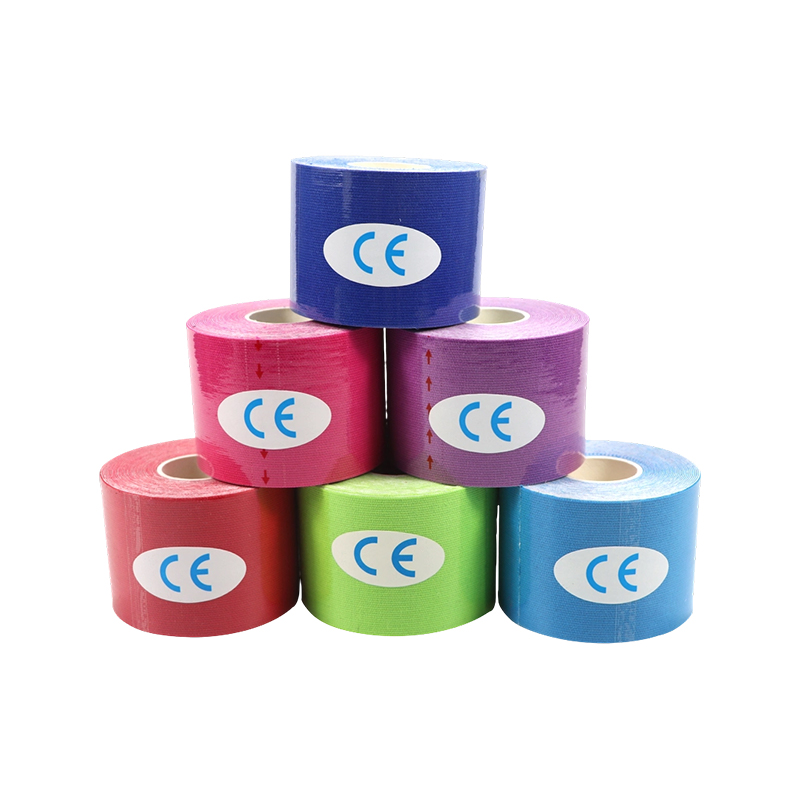
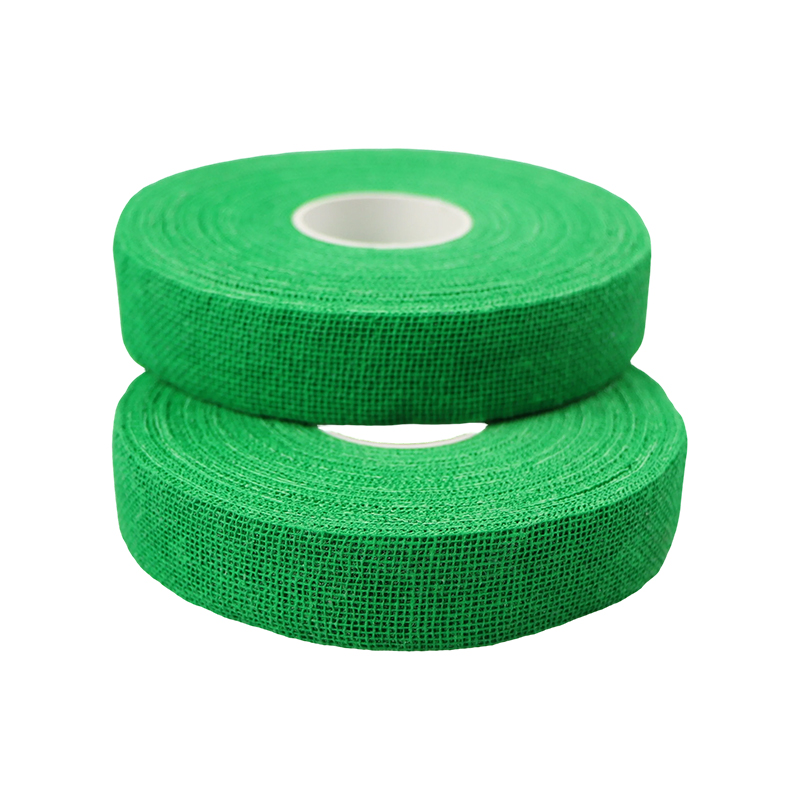
Shanghai Qinghong Healthcare Products Co., Ltd. located in Jiading District, Shanghai, is a leading manufacturer and supplier specializing in high-quality elastic bandages and athletic tape. Jiangsu Qinghong Healthcare Products Co., Ltd., headquartered in Suqian City, Jiangsu Province, has been committed to providing high-quality self-adhesive bandages, kinesiology tape, and cotton athletic tape to customers worldwide since its establishment in 2018. Leveraging strong R&D capabilities, stringent quality control, and customer-centric service, we have become a trusted partner in the industry.
Empowering Athletes to Confidently Push Their Limits
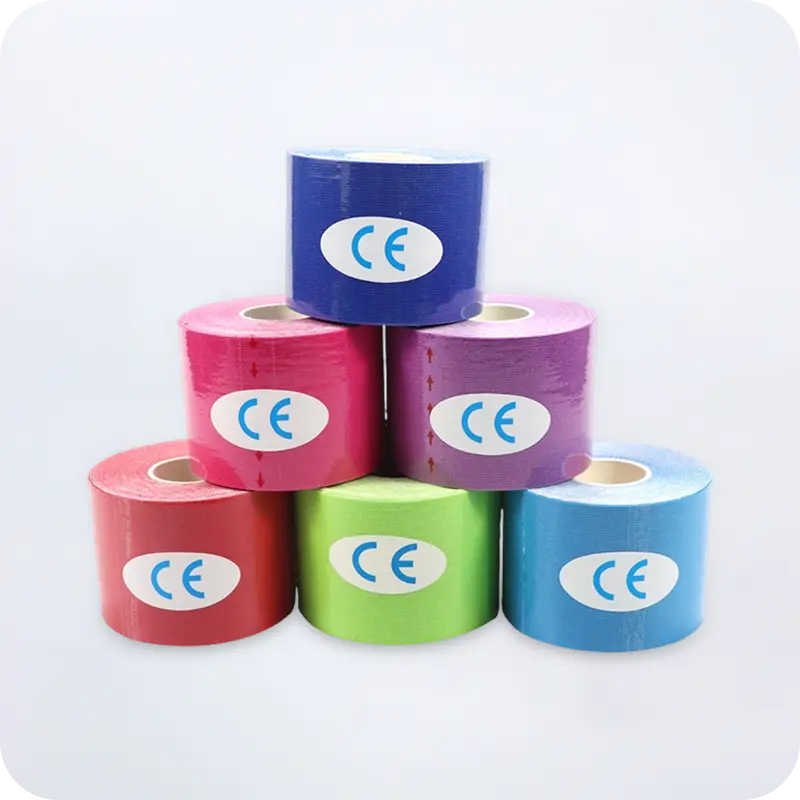
Our kinesiology tape delivers dynamic support, enabling unrestricted free movement while effectively enhancing muscle function and blood circulation. Our sports bandages, on the other hand, provide reliable fixation and stability for joints during high-intensity activities, effectively preventing sprains and strains. From sports enthusiasts to professional athletes, we offer trustworthy professional protection for both training and competitions.
Please feel free to contact us when you need us! Whether you want
to become our partner or need our professional guidance or support
in product selection and problem solving, our professional team is
always ready to help you.
How to Bandage a Wound with Gauze: A Step-by-Step First Aid Guide
Why Correct Gauze Bandaging Matters
A wound that is cleaned but poorly wrapped can heal slower than one that receives proper compression, airflow, and protection from contamination. Bandaging the wound is not just about covering it up; the way gauze is layered, tensioned, and anchored directly affects how much bacteria reaches the tissue, how much fluid builds up underneath, and how quickly new skin can form across the surface.
Many people learn how to bandage a wound with gauze only after an injury has already happened, which often leads to rushed, inconsistent wrapping. Understanding the sequence in advance means less hesitation, fewer redo attempts, and a dressing that stays in place through normal daily movement.
48-72hTypical window before a surgical dressing needs its first change
3-4Layers of gauze generally needed for moderate absorption
15-20%Overlap recommended on each wrap pass for stability
Assessing the Wound Before Bandaging the Wound
Open wound bandaging starts before the gauze ever touches the skin. The size, depth, and location of the injury determine how many layers are needed, how much tension is safe, and whether a rigid pad or a soft roll is more appropriate. A shallow abrasion on the forearm behaves very differently from a deeper laceration near a joint, where movement will constantly test the dressing.
Check for embedded debris, glass, or fabric fibers before covering the area.
Note whether bleeding is controlled; gauze wrapping should never be used to force a stop to heavy bleeding without direct pressure first.
Look at the surrounding skin for swelling, since this affects how tight the first wrap should be.
Confirm the wound has been rinsed with clean water or saline and gently patted dry.
Skipping this assessment is one of the most common reasons a dressing needs to be redone within a few hours, which unnecessarily disturbs the wound bed and slows the early stages of healing.
Step-by-Step: How to Bandage a Wound with Gauze
The core technique behind gauze wrapping stays consistent across most minor to moderate wounds. Below is a sequence that balances protection with comfort, followed by a simple visual walkthrough of how the layers build on top of each other.
Wash hands thoroughly and put on clean gloves if available.
Clean the wound with saline or mild soap and water, working outward from the center.
Pat the area dry with a sterile cloth or gauze pad.
Apply a non-stick contact layer directly over the wound bed.
Place a sterile gauze pad on top, sized to fully cover the injury with a small margin.
Begin wrapping using how to use gauze bandage technique: start below the wound and spiral upward with each pass overlapping the last by roughly a third.
Secure the end with tape, a clip, or a self-adhering finish, checking that circulation is not restricted.
Common Bandaging Errors That Delay Healing
Even experienced caregivers repeat a handful of predictable mistakes when bandaging the wound. Wrapping too tightly cuts off circulation, while wrapping too loosely lets the gauze shift and exposes the wound. The chart below reflects general patterns seen in first aid training feedback.
Improper anchoring, where the final tape or clip is placed under tension instead of flat, is a smaller share of errors but tends to cause the fastest dressing failure once the person starts moving normally again.
Choosing Between a PBT Bandage and a Light Elastic Bandage
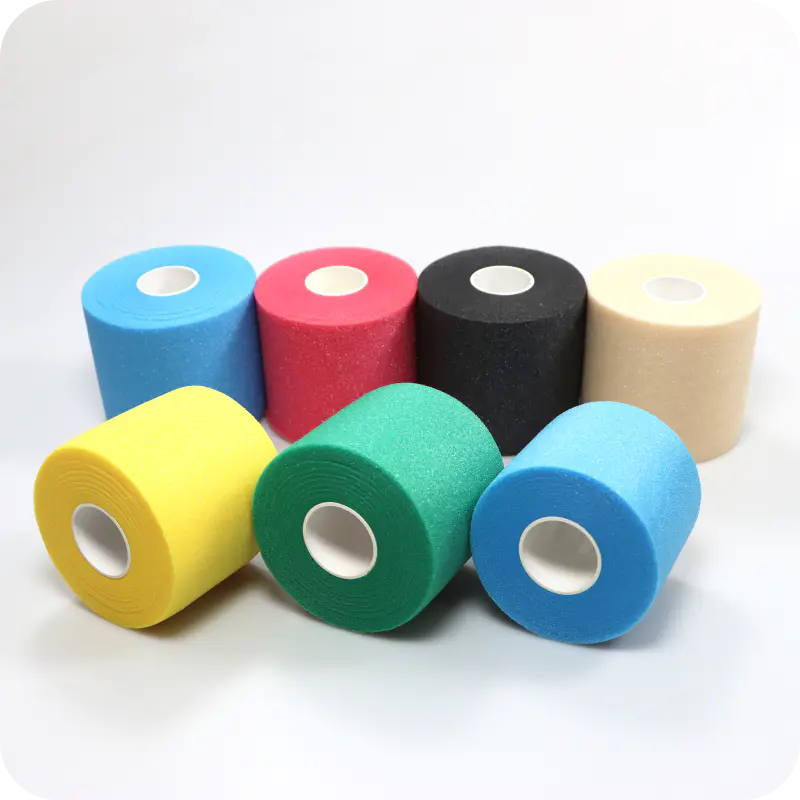
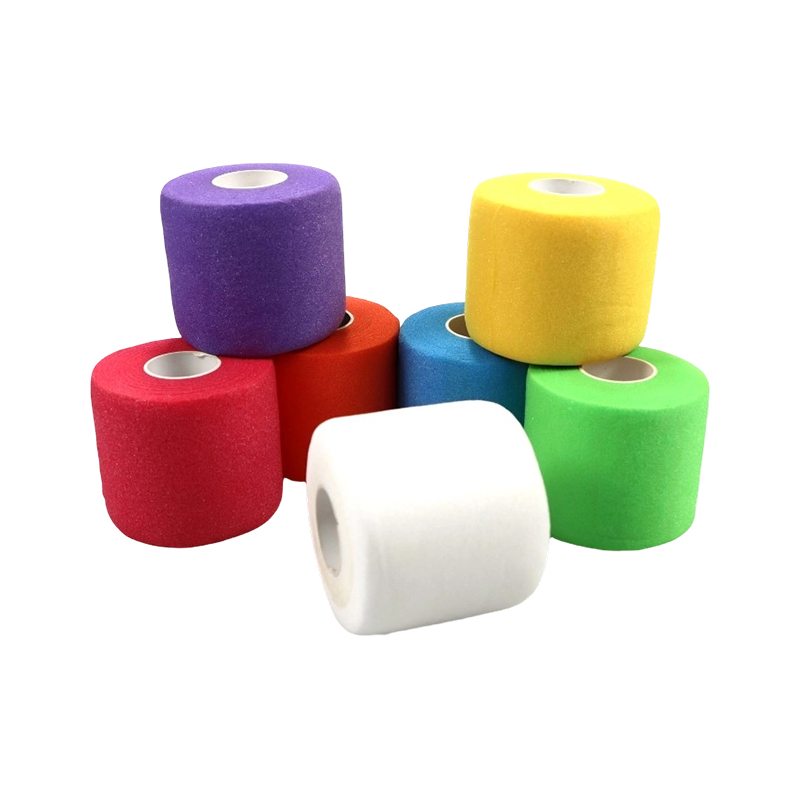
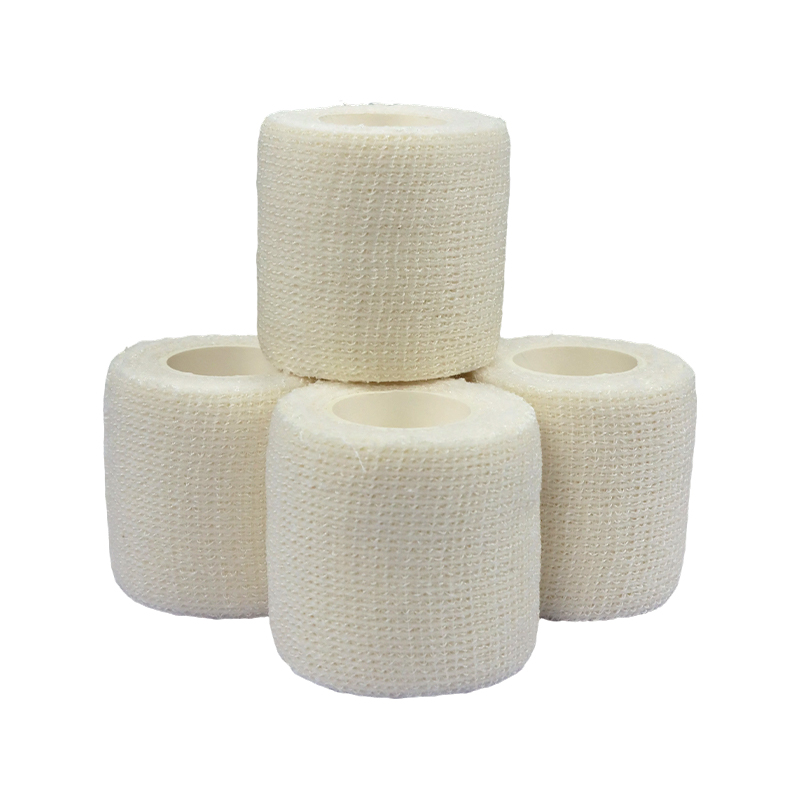
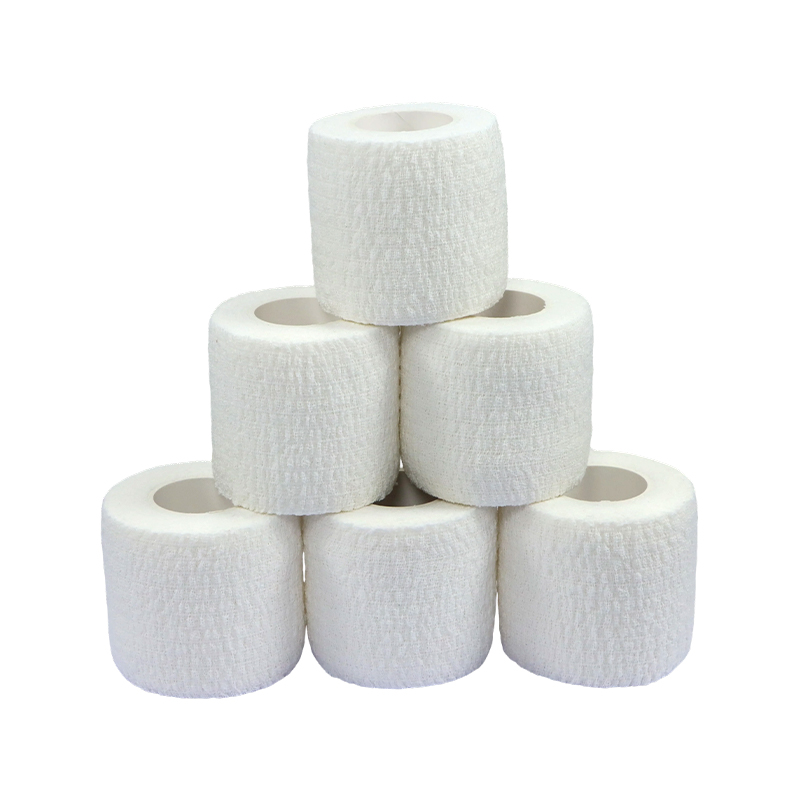
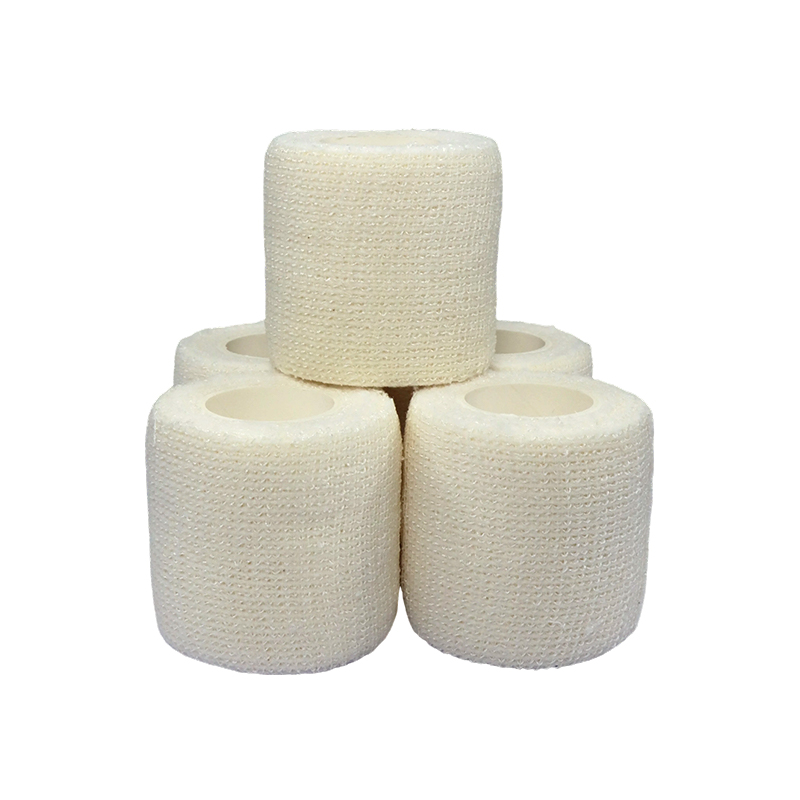
Not every gauze wrapping situation calls for the same roll. A PBT Bandage is built from a textured, high-recovery fiber that holds its shape well through repeated stretching, making it a reasonable choice for areas that flex often, such as knees or elbows. A Light Elastic Bandage is thinner and more breathable, which suits smaller wounds or skin that needs more airflow during warmer conditions.
PBT bandage roll with textured weaveLight elastic bandage roll
Property
PBT Bandage
Light Elastic Bandage
Best suited for
Joints and higher-movement areas
Smaller wounds, warm climates
Stretch recovery
High
Moderate
Breathability
Moderate
High
Typical thickness feel
Medium
Thin
PBT Bandage Light Elastic Bandage
How Long to Keep a Gauze Wrap in Place
Dressing change frequency depends heavily on wound type and how much drainage is expected. A wound that continues to weep fluid needs more frequent changes than a dry, closing incision, since trapped moisture under gauze can soften the skin and slow healing rather than help it.
These figures are general reference points rather than fixed rules. If gauze becomes visibly soaked, loose, or dirty before the expected interval, it should be replaced immediately regardless of the schedule.
Tracking Healing Progress While Bandaged
Once a dressing routine is established, healing typically follows a gradual curve rather than a sudden shift. Watching for steady improvement across changes is more informative than judging any single day in isolation.
A plateau or reversal in this pattern, such as increased redness or drainage after several days of improvement, is a signal worth paying attention to rather than something to bandage over and ignore.
Bandaging Wounds on Joints and Curved Areas
Elbows, knees, and ankles create extra challenges because the skin stretches and folds constantly. A wrap that looks secure while the joint is straight can loosen or bunch the moment it bends.
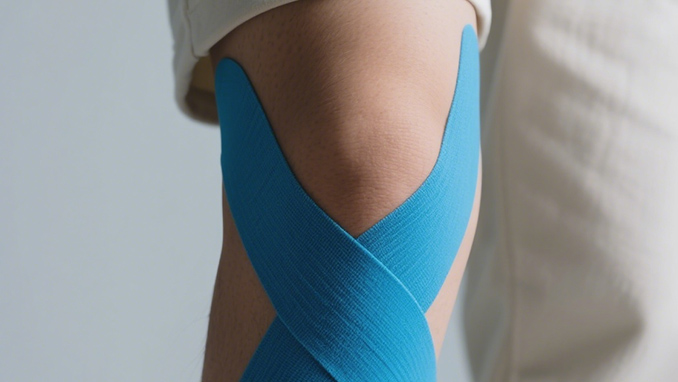
Use a figure-eight wrapping pattern across joints instead of a straight spiral.
Bend the joint slightly before finishing the wrap so the bandage has built-in slack for movement.
Favor a more elastic roll in these zones, since rigid gauze alone tends to crease and dig into the skin.
Reinforce the edges near the joint crease with an extra half pass rather than extra tension overall.
Testing the wrap by having the person move the joint through its normal range before finishing the dressing helps confirm that it will hold up outside of a resting position.
When to Seek Medical Attention
Gauze wrapping is meant to support minor to moderate wounds through the normal course of healing, not to manage injuries that are beyond basic first aid. Seek professional care if bleeding does not slow with direct pressure, if the wound is deep enough to expose muscle or bone, if numbness spreads beyond the injury site, or if fever, spreading redness, or a foul odor develops under the dressing.
These signs point to complications that gauze and bandaging alone cannot resolve, and delaying care in these situations tends to make the eventual treatment more involved.
Frequently Asked Questions
Q1: How tight should gauze bandaging be?
It should feel snug enough to stay in place without gaps, but two fingers should still slide under the wrap comfortably. If fingers below the wrap turn pale or cold, the wrap is too tight and should be loosened immediately.
Q2: Can the same gauze wrap be reused after removal?
A wrap that has been in direct contact with an open wound should not be reused. Outer securing rolls that never touched the wound bed can sometimes be reused after inspection, but the inner contact layer should always be fresh.
Q3: What is the difference between gauze wrapping and taping alone?
Taping alone secures a pad in one or two spots and offers limited compression, while gauze wrapping distributes gentle pressure evenly across the wound area, which helps control minor swelling and keeps the dressing from sliding.
Q4: How many layers of gauze are enough for a bleeding wound?
Most moderate wounds need three to four layers for adequate absorption. If blood soaks through quickly, add more layers on top rather than removing the soaked ones, since lifting a soaked layer can disturb early clotting.
Q5: Is a Light Elastic Bandage suitable for children?
Its thinner profile and higher breathability often make it more comfortable for children, though the wrap should still be checked more frequently since children tend to move more and may loosen or shift a dressing sooner than adults.






 English
  русский
  Français
  Español
  عربى
عربى 

 ENG
ENG