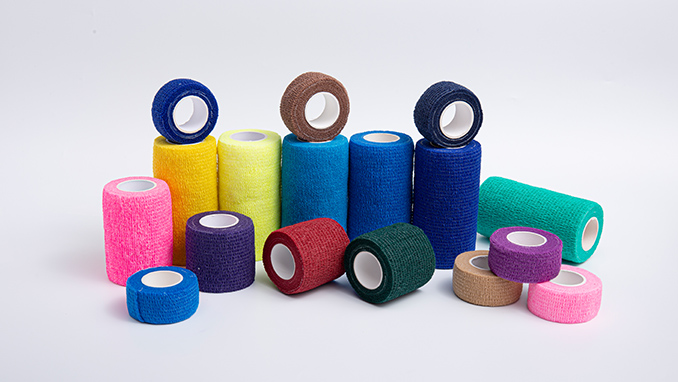
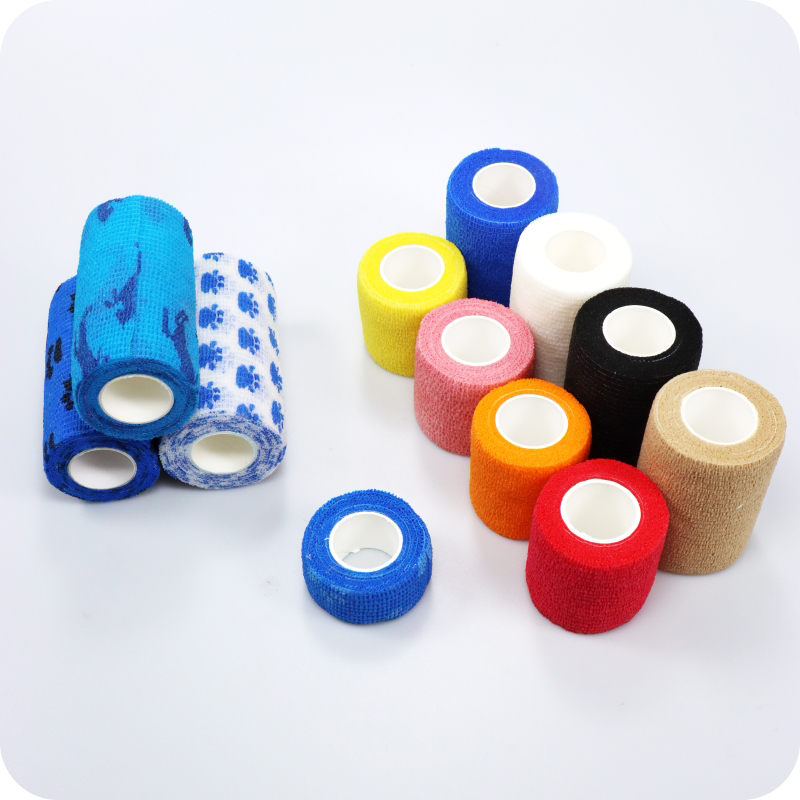
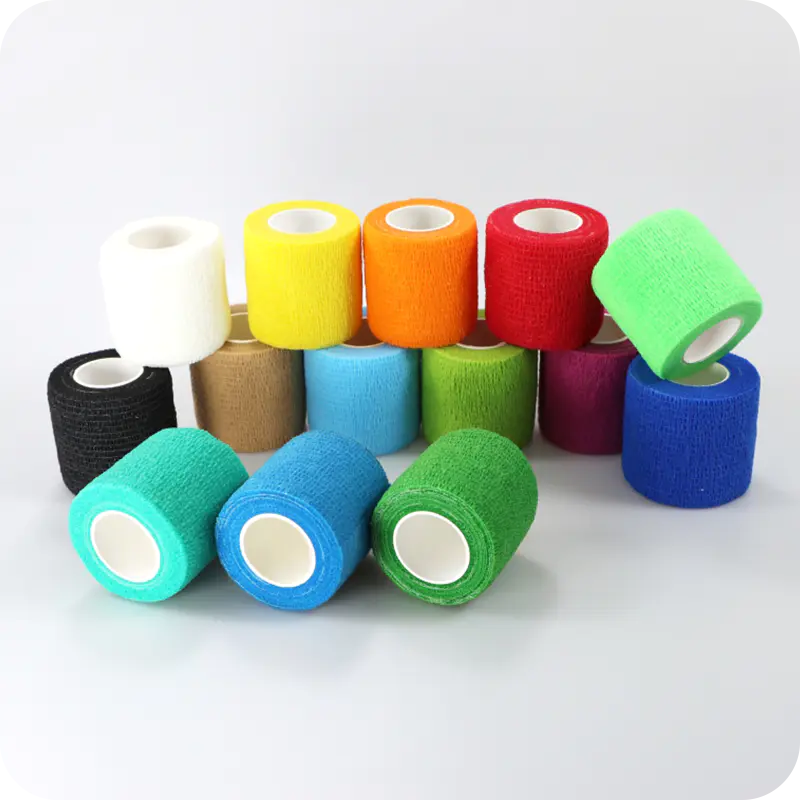
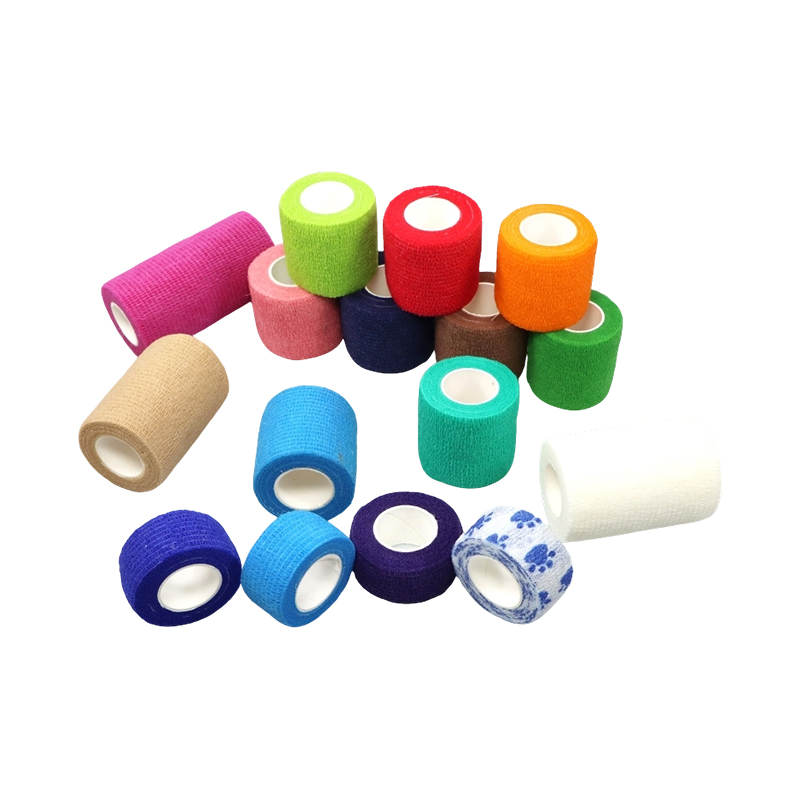
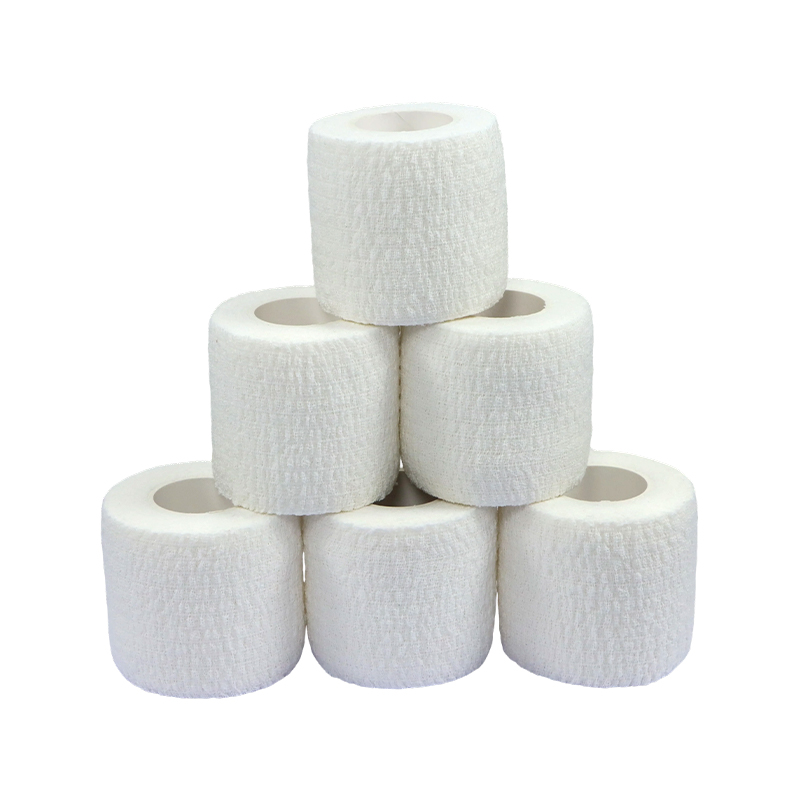
Self-adhesive elastic bandages are self-adhesive and elastic medical dressings primarily used to bandage and protect wounds, promoting wound healing. Their primary functions include securing and protecting wounds, preventing bacterial intrusion, and promoting wound healing. Self-adhesive elastic bandages are typically made of high-quality elastic materials and medical adhesives. They typically consist of a multi-layered structure, including a wound-contacting dressing layer, a middle elastic layer, and an outer protective layer.
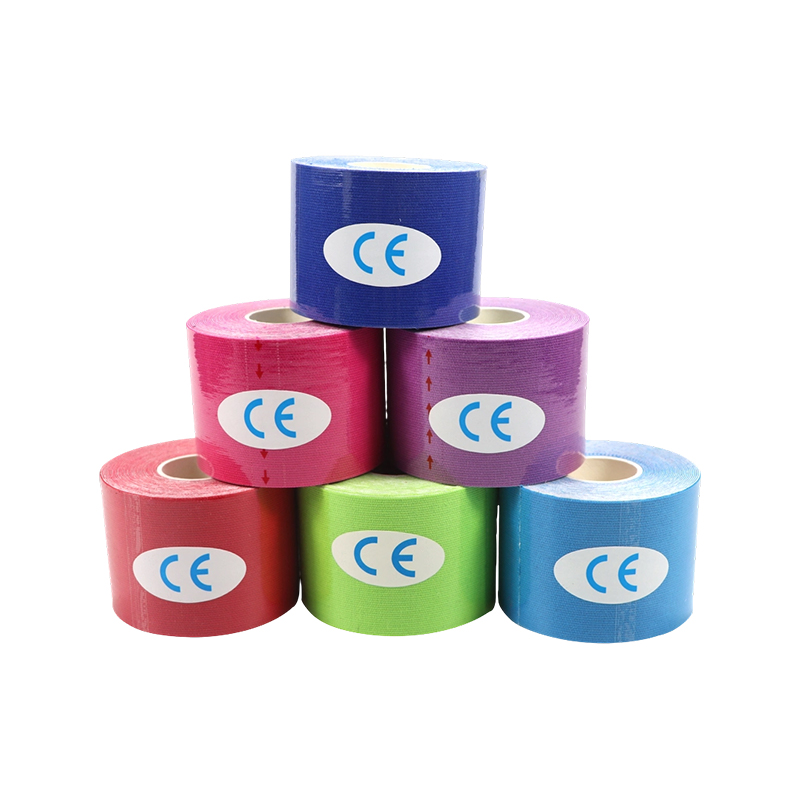
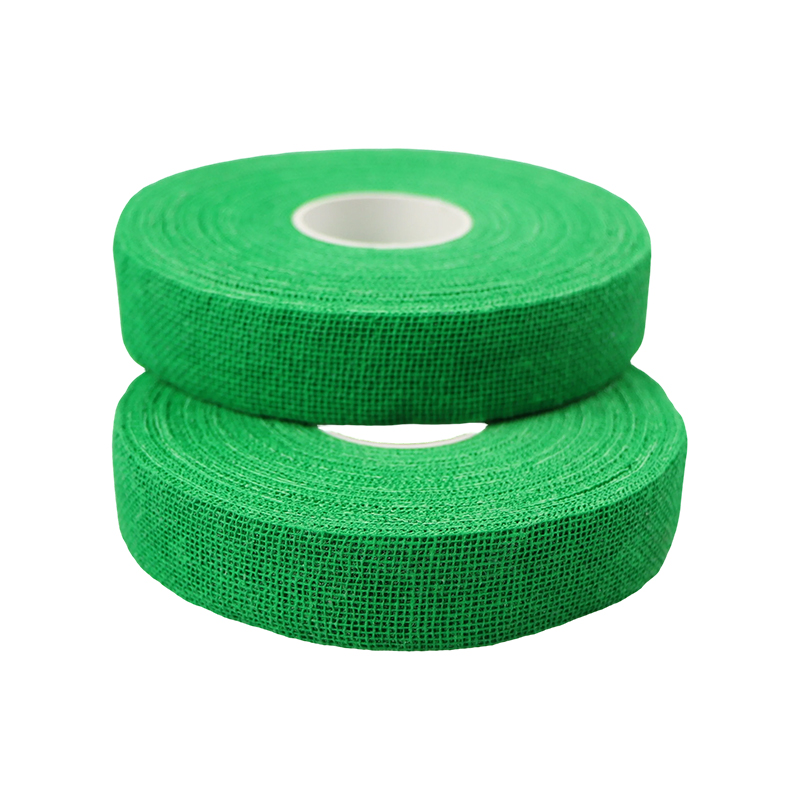
Shanghai Qinghong Healthcare Products Co., Ltd. located in Jiading District, Shanghai, is a leading manufacturer and supplier specializing in high-quality elastic bandages and athletic tape. Jiangsu Qinghong Healthcare Products Co., Ltd., headquartered in Suqian City, Jiangsu Province, has been committed to providing high-quality self-adhesive bandages, kinesiology tape, and cotton athletic tape to customers worldwide since its establishment in 2018. Leveraging strong R&D capabilities, stringent quality control, and customer-centric service, we have become a trusted partner in the industry.
Empowering Athletes to Confidently Push Their Limits
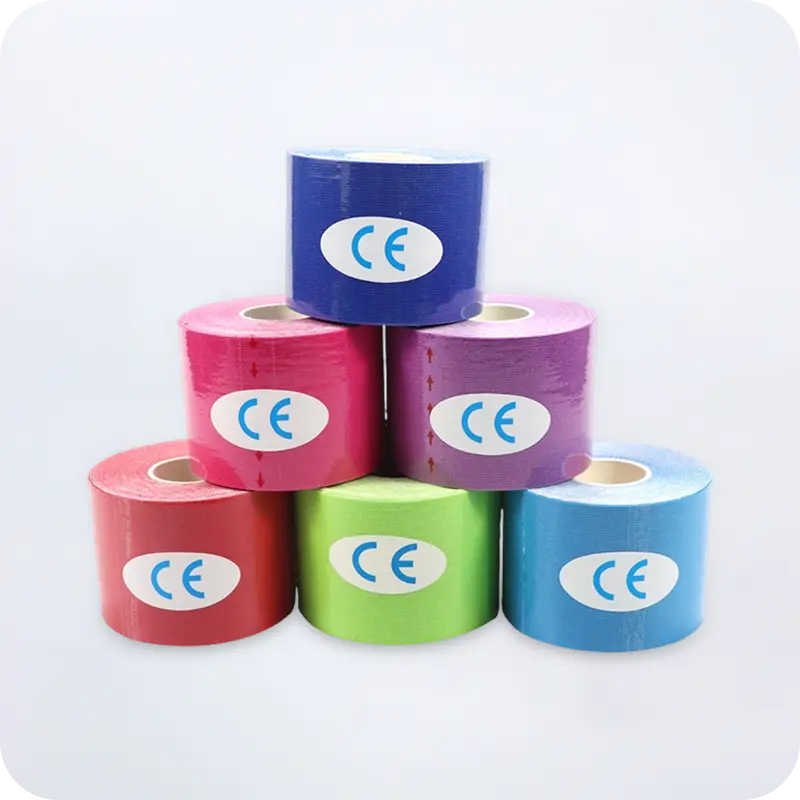
Our kinesiology tape delivers dynamic support, enabling unrestricted free movement while effectively enhancing muscle function and blood circulation. Our sports bandages, on the other hand, provide reliable fixation and stability for joints during high-intensity activities, effectively preventing sprains and strains. From sports enthusiasts to professional athletes, we offer trustworthy professional protection for both training and competitions.
Please feel free to contact us when you need us! Whether you want
to become our partner or need our professional guidance or support
in product selection and problem solving, our professional team is
always ready to help you.
How Self-Adhesive Cohesive Bandages Are Reshaping Rapid-Response Sports First Aid
Why Cohesive Wraps Have Become a Sideline Standard
Walk past any athletic training table during a match and the same object keeps reappearing in kit bags: a roll that sticks only to itself, stretches without tearing, and comes off cleanly when the game is over. This is the quiet workhorse of sports first aid, and its rise has less to do with novelty than with a simple mechanical advantage over older taping systems. A properly selected self adhesive elastic bandage does not rely on skin-contact adhesive at all; it clings through its own fibers, which changes how trainers think about speed, reuse, and skin protection during a competitive event.
That distinction matters more in sport than in general first aid, because the same wrap may be applied, removed, and reapplied several times within a single match day. A wrestler taped between rounds, a sprinter re-checked at halftime of a relay meet, a basketball player whose ankle is rebraced after a rolled landing - each scenario asks the wrap to perform under repeated handling rather than a single static application.
Field trainers consistently describe self-clinging wraps as the fastest tool in the kit when seconds matter between plays, precisely because there is no backing paper to peel and no adhesive residue to manage.
This article looks at the material science behind these wraps, how usage patterns differ across sports, how compression behaves over hours of wear, and how to select and apply a wrap correctly for a given injury type.
Non-woven and Cotton Backings: Material Differences That Matter
Not every cohesive wrap behaves the same way once it is stretched around a joint. The backing fabric determines stretch recovery, breathability, and how the wrap feels after two hours of sweat exposure. Two backing types dominate sports first aid kits, and each is suited to a different situation.
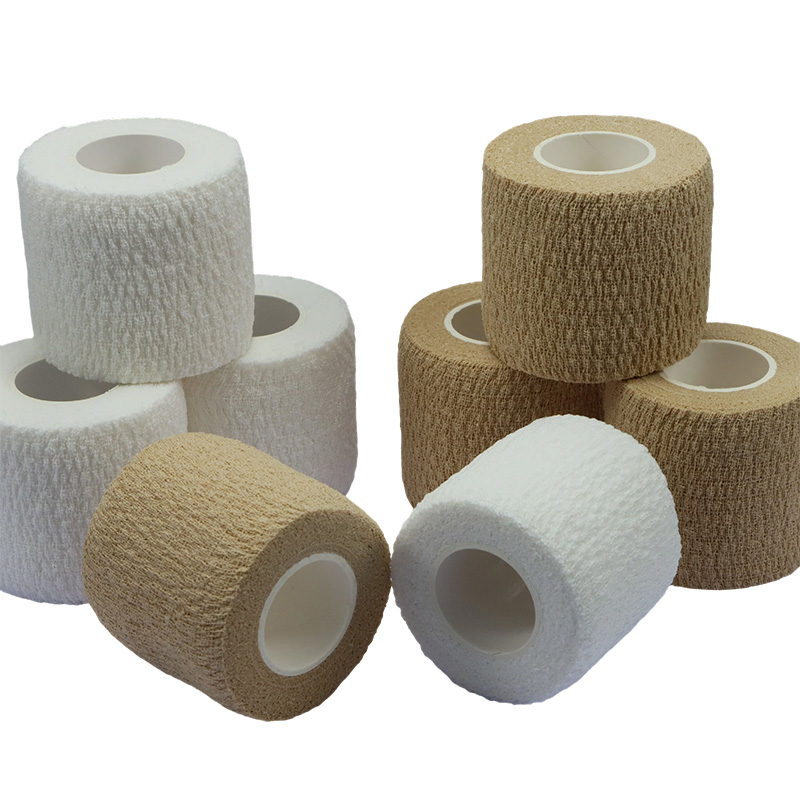
A non-woven elastic cohesive bandage is built from bonded synthetic fibers rather than a woven thread structure. This construction is lightweight, dries fast, and tends to be the first choice for high-heat or high-humidity fixtures, since it does not hold moisture the way a denser fabric might. Its trade-off is slightly lower long-duration grip compared to a cotton-backed alternative, which is why it suits shorter matches or quick re-taping between periods rather than all-day tournament wear.
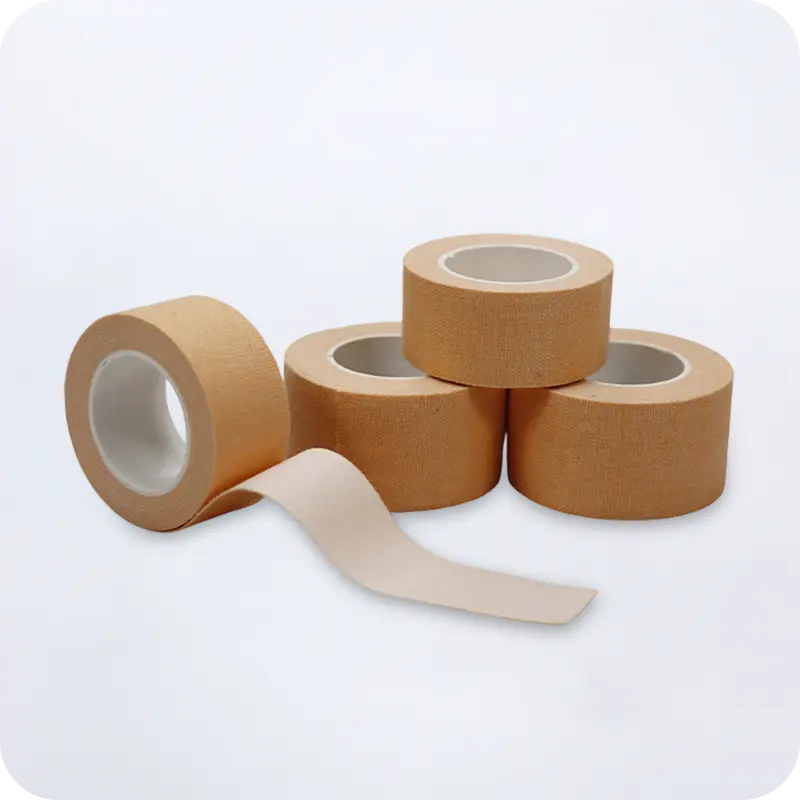
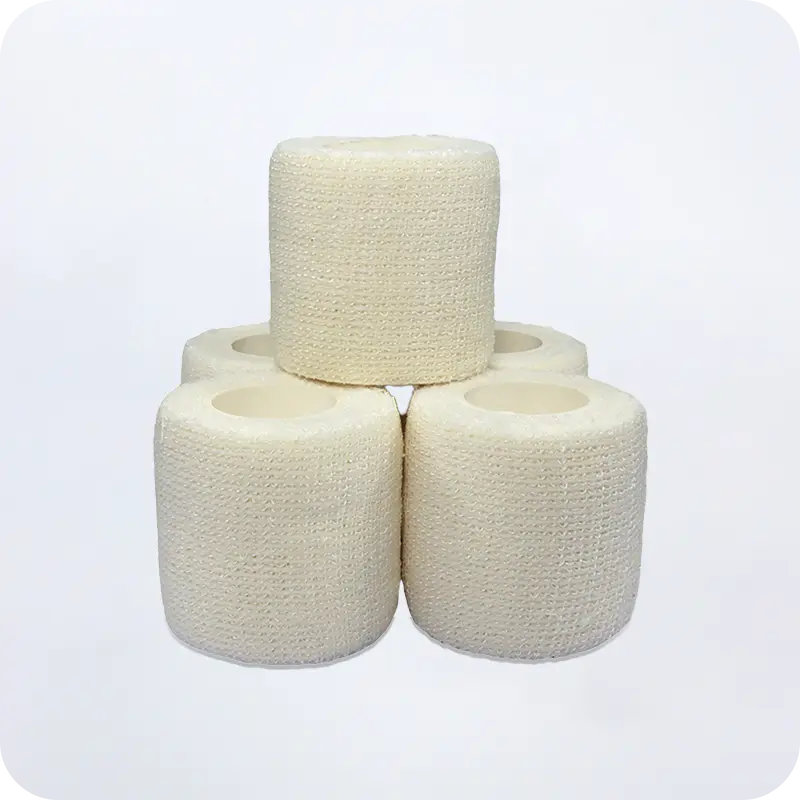
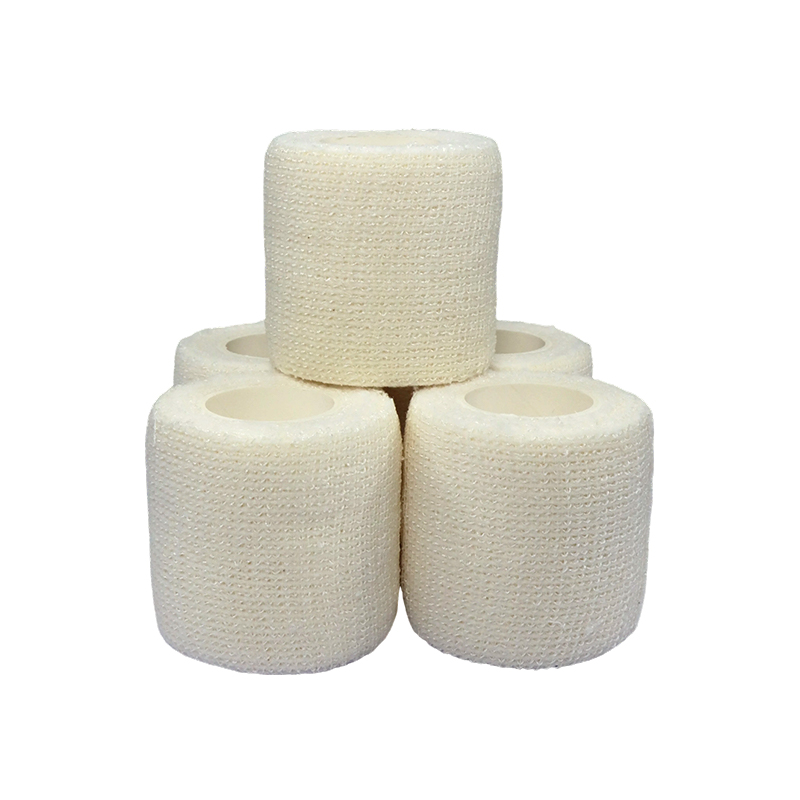
By contrast, a cotton elastic cohesive bandage uses natural woven fiber for the backing layer, which gives it a softer hand feel against skin and steadier long-duration compression retention. Cotton-backed wraps are frequently the default for multi-hour bracing needs, such as a knee wrap worn through an entire tournament day, where consistent pressure matters more than rapid drying.
Attribute
Non-Woven Backing
Cotton Backing
Breathability
High
Moderate
Dry Time After Sweat
Fast
Slower
Long-Duration Grip
Moderate
High
Typical Use Case
Short-duration re-taping
All-day compression bracing
Feel Against Skin
Light, papery
Soft, cushioned
Where Cohesive Wraps Are Used Most Across Sport Disciplines
Trainers do not reach for the same wrap for the same reasons across every sport. Contact sports lean on bracing for joint stability, while endurance sports lean on it for compression and minor strain support. The chart below reflects a typical pattern reported by athletic training staff for how often a cohesive wrap is used as first-line support during competition days.
Contact and grappling sports show the highest reliance on wraps, largely because joints are braced preventively before any injury occurs. Endurance sports use the wrap more reactively, applied after a strain is noticed rather than as routine preparation.
Compression Retention Over a Full Day of Wear
One of the most practical questions a trainer asks is how long a wrap holds useful compression before it needs replacing. Field observation across multi-hour events shows a clear divergence between a self-clinging cohesive wrap and a traditional adhesive tape once sweat and movement are factored in.
An adhesive wrap bandage that relies on skin-contact glue tends to lose grip more sharply as perspiration builds under the strip, since moisture interferes with the adhesive layer itself. A cohesive wrap, which bonds to itself rather than to skin, is less sensitive to this effect and typically holds usable compression well past the point where taped adhesive has begun to loosen and shift.
Application Frequency by Injury Type
Cohesive wraps are not a single-purpose product. The distribution below reflects how frequently a wrap is reached for across common in-game injury categories, based on typical athletic training room logs.
Ankle bracing remains the single largest category by a wide margin, which lines up with how often lateral ankle strain occurs during cutting and jumping movements. Knee and wrist support follow, both cases where a self grip athletic tape style wrap is favored because it can be layered without the bulk of rigid strapping.
Cohesive Wrap vs Adhesive Tape: A Multi-Attribute Comparison
The cohesive wrap vs adhesive tape decision is rarely about one property in isolation. The radar comparison below scores both wrap types across six practical attributes trainers weigh during selection, on a five-point scale.
Cohesive wraps score consistently higher on reusability and grip stability since the material can be unwound, retensioned, and reapplied without leaving residue. Adhesive tape scores well on initial application speed for rigid strapping and can be more cost-efficient per roll, but trades away comfort and repeat use.
Applying a Cohesive Wrap Correctly on the Field
Technique matters as much as material choice. A wrap applied too tightly at the joint can restrict circulation, while one applied too loosely provides no real bracing benefit. The following sequence reflects standard field practice for a basic ankle or wrist wrap.
Start the wrap at the point furthest from the heart (distal end) and work upward, using slight overlap of roughly half the wrap width on each pass.
Keep even, moderate tension throughout - the wrap should stretch to roughly 50 to 70 percent of its maximum before each pass, not its full stretch limit.
Check circulation immediately after application by pressing a fingernail or toe and confirming color returns within two seconds.
Secure the tail end by pressing firmly against the previous layer for a few seconds, since cohesive material needs brief contact pressure to bond fully to itself.
Reassess after the first period of activity, since sweat and movement can loosen even a well-applied wrap over time.
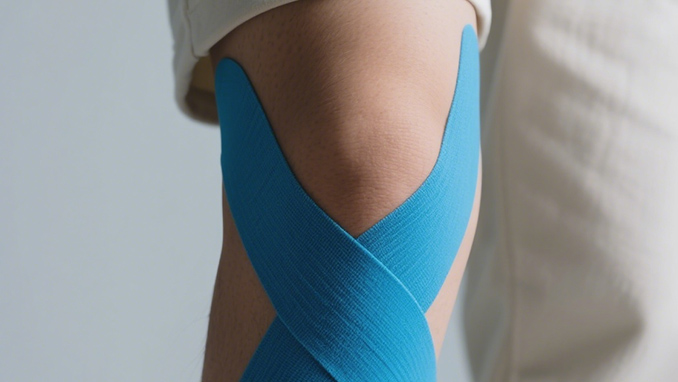
For joints under heavier load, such as a knee during lateral movement sports, a figure-eight pattern across the joint line offers more rotational stability than a straight spiral wrap.
Selecting the Right Wrap for Field and Clinic Use
Choosing between a non-woven and cotton-backed wrap, or between a cohesive system and a no-slip sports wrap with adhesive backing, comes down to matching the wrap's properties to the specific situation rather than defaulting to habit.
Situation
Recommended Wrap Type
Why
Hot, humid outdoor event
Non-woven cohesive wrap
Faster drying, lighter feel under heat
Full-day tournament bracing
Cotton cohesive wrap
Steadier long-duration compression
Quick between-play re-tape
Non-woven cohesive wrap
Fast to unwind and reapply
Rigid joint strapping
Adhesive tape combined with wrap
Adds initial rigidity where needed
Many training rooms keep both backing types on hand and select per athlete and per event, since even within one sport a sprinter's needs during a short heat differ from a lineman's needs across a multi-hour match.
Frequently Asked Questions
Q1: What makes a wrap "cohesive" instead of adhesive?
A cohesive wrap bonds only to itself through its own fiber structure, not to skin or hair, while an adhesive wrap bandage uses a sticky coating that contacts the skin directly. This is why cohesive wraps remove cleanly without residue or pulling on skin.
Q2: Can a self adhesive elastic bandage be reused?
Most cohesive wraps can be unwound and reapplied several times within a single session as long as the material has not been stretched past its recovery point or contaminated with dirt, though a fresh roll is recommended between different athletes for hygiene reasons.
Q3: How tight should a cohesive wrap be applied?
The wrap should feel snug and supportive without any tingling, numbness, or color change in the skin beyond the wrap. As a general guide, stretching the material to about half to two-thirds of its maximum give during application provides support without cutting off circulation.
Q4: Is non-woven or cotton backing better for injury wrap tape?
Neither is universally better; non-woven backing suits shorter, high-heat use where quick drying matters, while cotton backing suits longer wear where steady compression and skin comfort take priority.
Q5: Does a cohesive bandage work for compression as well as bracing?
Yes, cohesive compression bandage use is common for muscle strains and swelling control, not only joint bracing, since even pressure across a wider muscle area helps manage minor swelling during and after activity.






 English
  русский
  Français
  Español
  عربى
عربى 

 ENG
ENG