Picture this: You have just finished a long walk in a new pair of shoes, and by the time you get home your heel is throbbing. A pale, fluid-filled pocket has formed overnight. The question that is probably on your mind is simple: how long will it take for this blister to heal?
A clean friction blister that is not popped or repeatedly irritated usually heals in 3 to 7 days. Larger blisters, blisters on weight-bearing areas, or blisters that become open and dirty can take 7 to 14 days. The factors that matter are the size, the location, the amount of ongoing friction, and whether the skin stays covered. The guidance below explains a typical healing timeline, the mistakes that slow recovery, and simple measures that help new skin form as quickly as possible.
What Decides How Quickly a Blister Heals?
Not every blister follows the same schedule. The starting condition of the blister is the biggest predictor of healing time.
Friction blister Usually caused by repetitive rubbing from shoes, tools, or equipment. This is the most common type, and a clean friction blister is typically the fastest to heal.
Blood blister Involves deeper damage to small blood vessels, and the fluid may look dark red or purple. Healing often takes longer because the tissue damage is more extensive.
Heat or chemical blister Comes from burns, sunburn, or contact with irritants. These can be large, painful, and may need medical evaluation.
Where the blister sits matters even more than its size. Blisters on weight-bearing areas such as the heel, the foot sole, or the toe keep getting compressed with each step. A simple foot blister can take 7 to 14 days, while a blister on the palm that is protected from daily friction may heal in 3 to 5 days.
Another decisive factor is whether the roof of the blister stays intact. The fluid inside is not a sign of infection; it is the body's natural protective fluid. If the skin stays closed, new skin can form underneath quickly. Once the blister is opened or the skin is torn, healing time can double. A regular inspection during day-to-day activities helps you catch early pressure points before they become open wounds.
3-7 daysClean friction blister
7-14 daysLarge or weight-bearing blister
10+ daysOpened or infected blister
Typical Healing Timeline for Blisters
While each person heals at a different pace, the following timeline reflects typical healing for a friction blister that is kept clean and protected.
Typical blister healing stages under normal, non-infected conditions. Individual recovery may vary.
| Healing Stage |
What You May Observe |
Suggested Care |
| Days 1-2 |
Clear or pale fluid, mild redness around the blister, slight tenderness |
Keep the area clean, leave the blister roof intact, apply a loose protective bandage |
| Days 3-7 |
Fluid gets absorbed or dries out, skin may look wrinkled, the roof starts to peel |
Continue gentle cleaning, change the bandage every 1 to 2 days, avoid friction |
| Days 7-14 |
New skin has formed underneath, the old roof flakes off, redness fades |
Avoid picking, keep the area protected, resume normal activity gradually |
Never pop a blister. The fluid inside is part of the body's natural healing process, and opening it creates a portal for bacteria. If you have a very painful large blister, seek professional advice rather than trying to drain it yourself.
How to Support Blister Healing at Home
Healing is often slower than it needs to be when a blister is ignored or dressed incorrectly. A simple routine can make the difference between a three-day healing time and a two-week problem.
Clean gently
Wash the area with mild soap and lukewarm water, then pat it dry. Avoid alcohol, hydrogen peroxide, and scented lotions that can irritate the tender skin beneath the blister.
Cover and protect
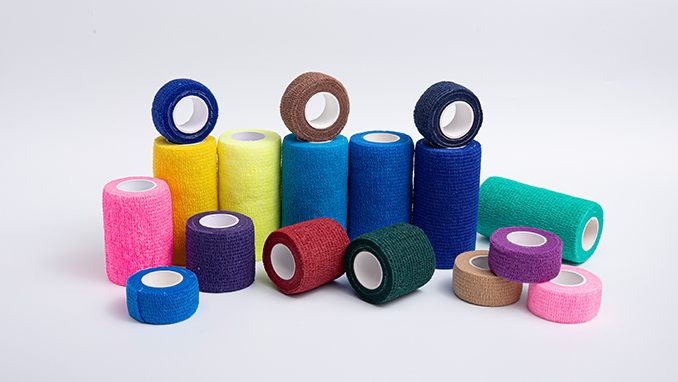
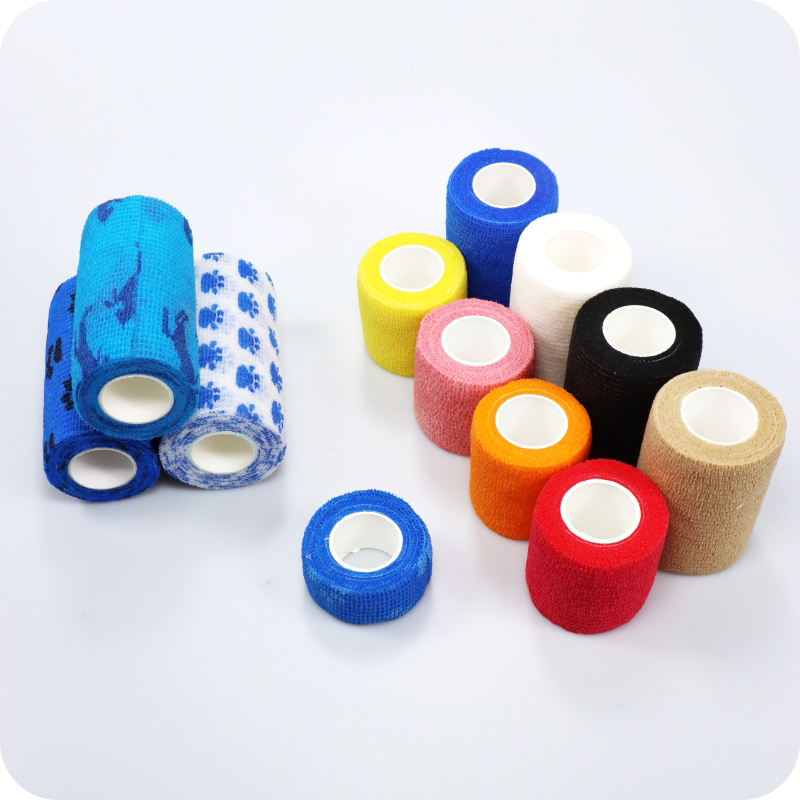
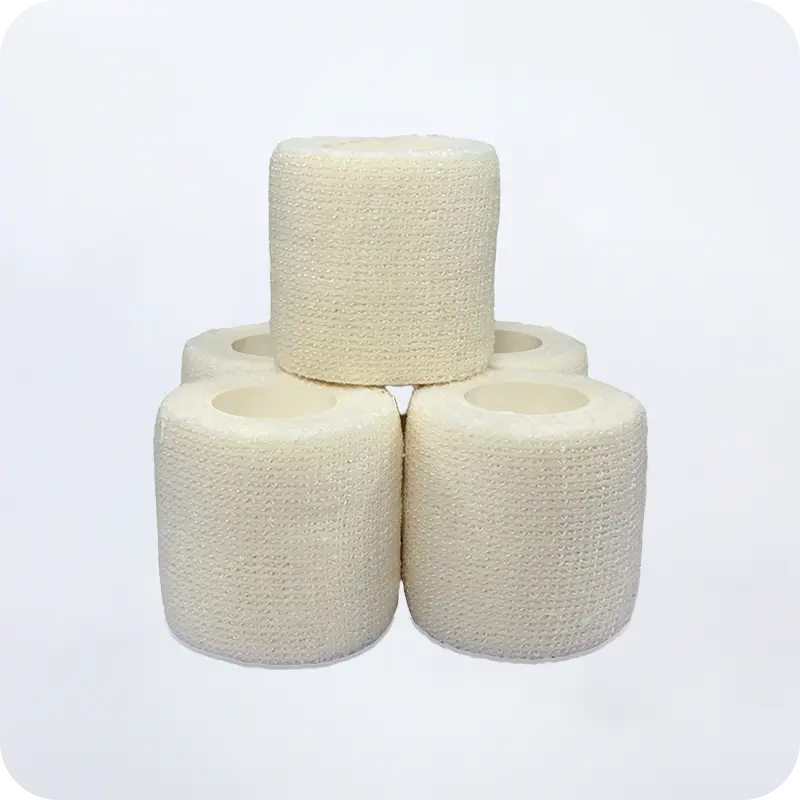
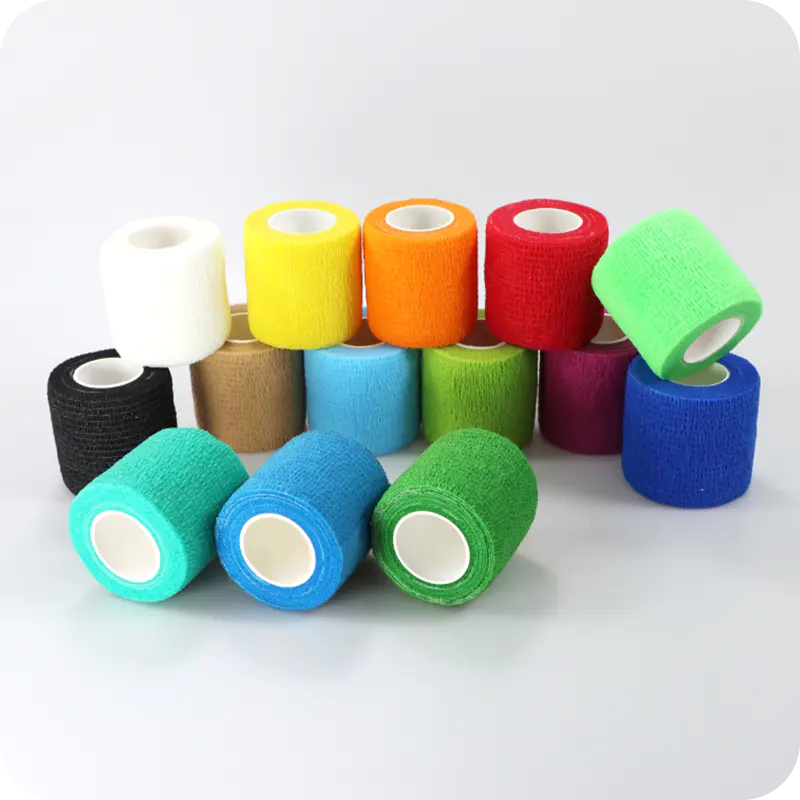
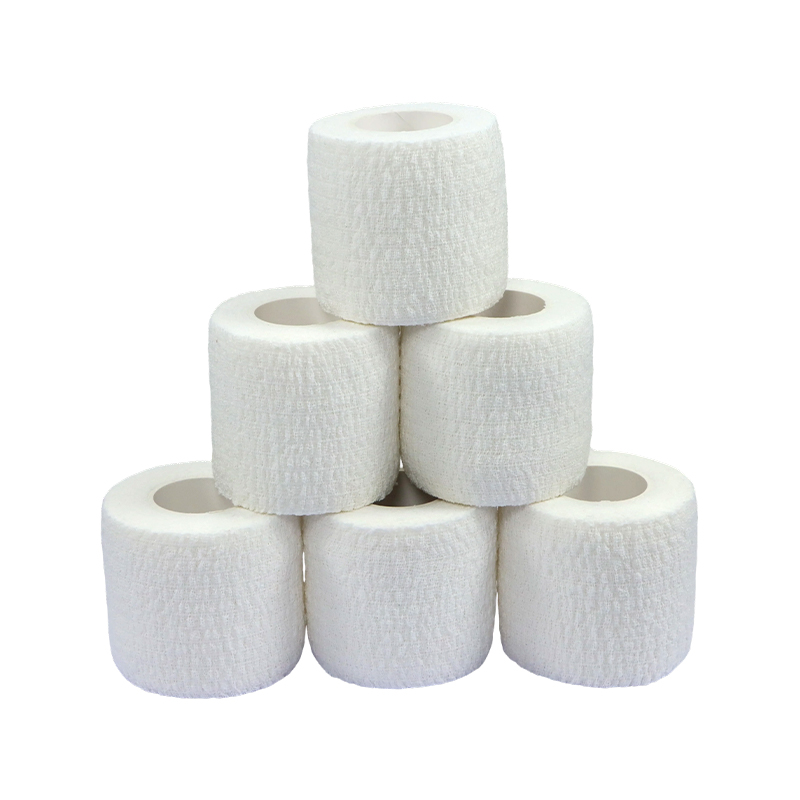
A sterile non-adherent pad or a thin layer of gauze can shield the blister from dirt and clothing. Secure the pad with a soft breathable cotton self-adhesive elastic bandage. This type of bandage sticks only to itself, so it stays in place without clinging to the wound and allows the skin underneath to breathe.
 Soft Breathable Cotton Self-Adhesive Elastic BandageThis self-adhering cotton bandage secures dressings without pins or clips, providing breathable support and cushioning to protect blisters from friction while allowing the skin to heal.View Product →
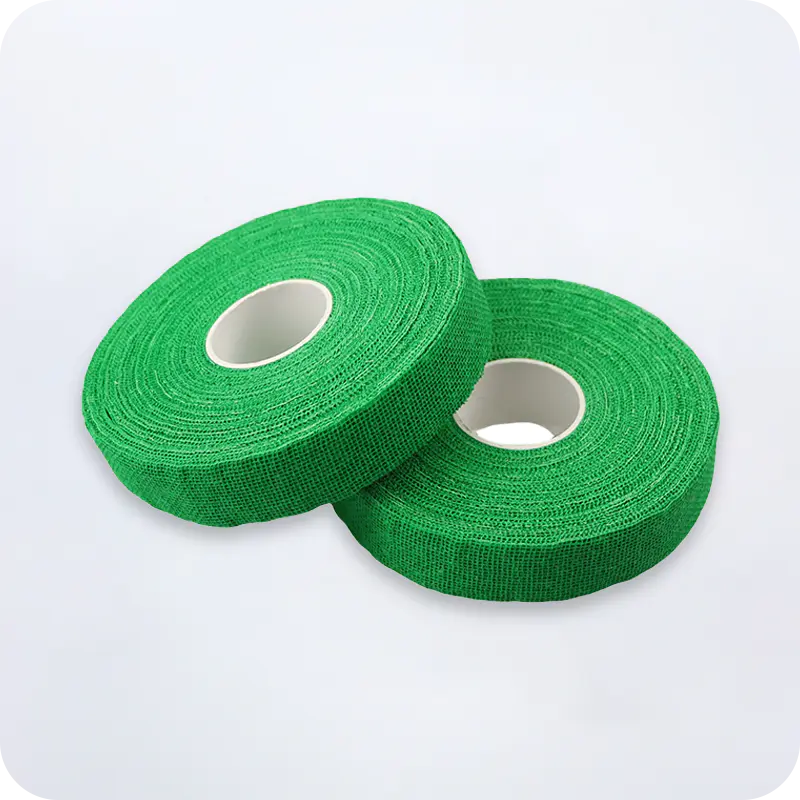
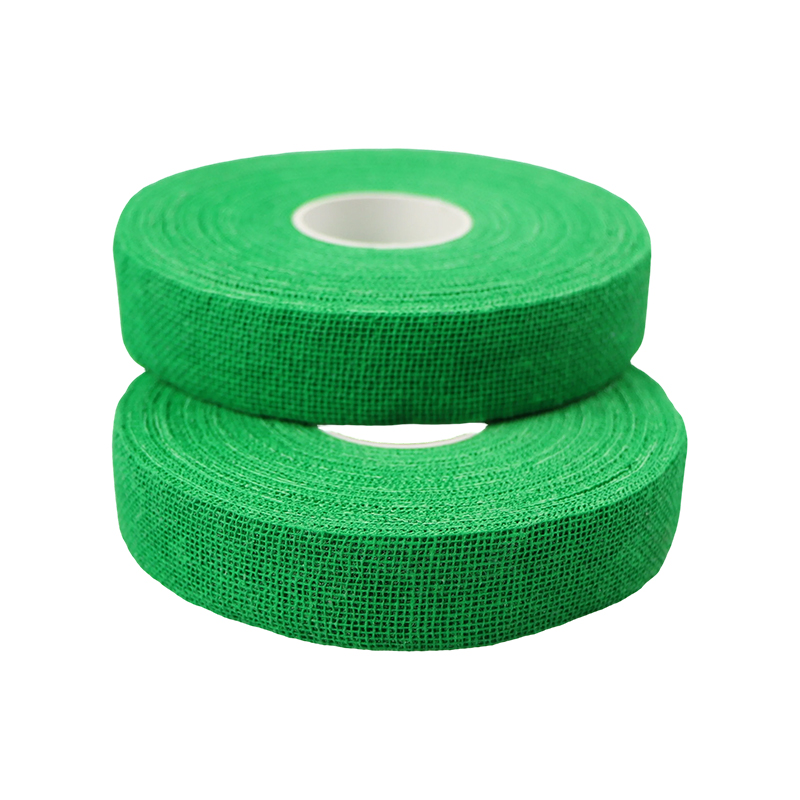
If the blister is on a finger, a self-adhesive finger protector tape is often easier to apply around the narrow contour of the finger. It keeps the blister from rubbing against tools, your other fingers, or clothing during everyday tasks.
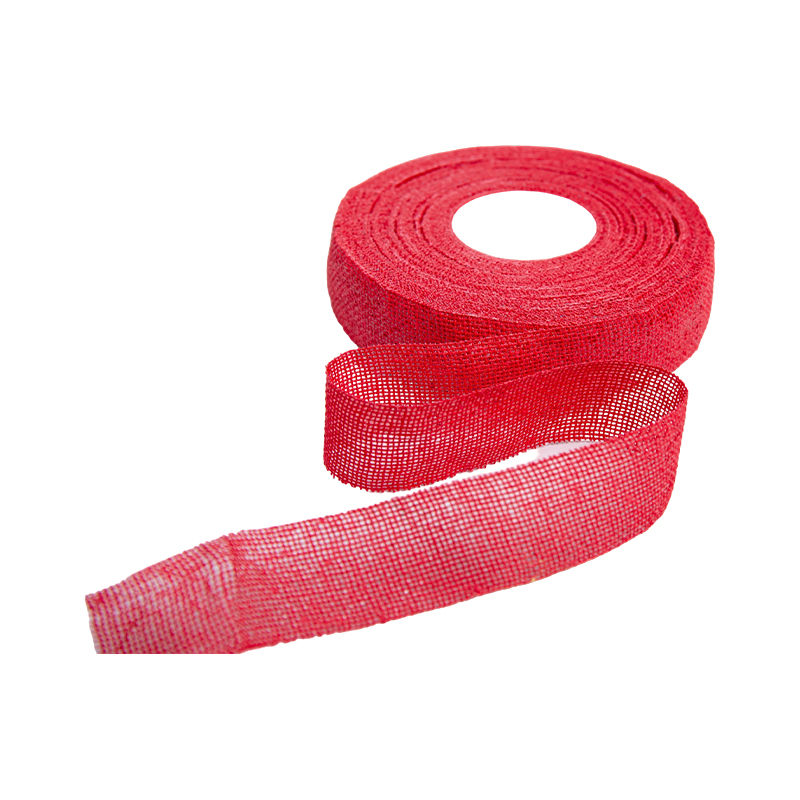 Cotton Self-Adhesive Finger Protector TapeDesigned for finger contours, this self-adhesive cotton tape stays in place without sticking to skin or hair, offering reliable protection against rubbing during daily tasks or sports.View Product →
The mistakes to avoid
- Do not pop the blister with a needle or your fingers.
- Do not peel the loose skin off while it is still attached.
- Do not continue the activity that caused the blister without adding a protective layer.
When Should You See a Doctor About a Blister?
Most blisters do not need medical attention, but there are clear exceptions. You should seek professional advice if you notice any of the following.
- Signs of infection: increasing redness, swelling, warmth around the blister, pus, red streaks, or fever.
- A blister that keeps returning or shows no improvement after 2 weeks.
- A blister caused by a burn, a chemical, an electrical injury, or extreme cold.
- You have diabetes, poor circulation, or a weakened immune system.
In these cases, the best approach is to have a healthcare professional assess the blister and advise on dressing choices and any necessary treatment.
How to Prevent Blisters Before They Form
Prevention is about controlling friction, pressure, and moisture. Sensible footwear, good socks, and a protective barrier can stop most blisters from developing in the first place.
Footwear and socks
- Choose shoes that fit properly and break in new shoes gradually.
- Wear moisture-wicking socks rather than heavy cotton socks that stay damp.
- Use smooth insoles or cushions on known pressure points.
- Keep toenails trimmed and the skin dry before exercise.
Add a protective barrier before the friction starts
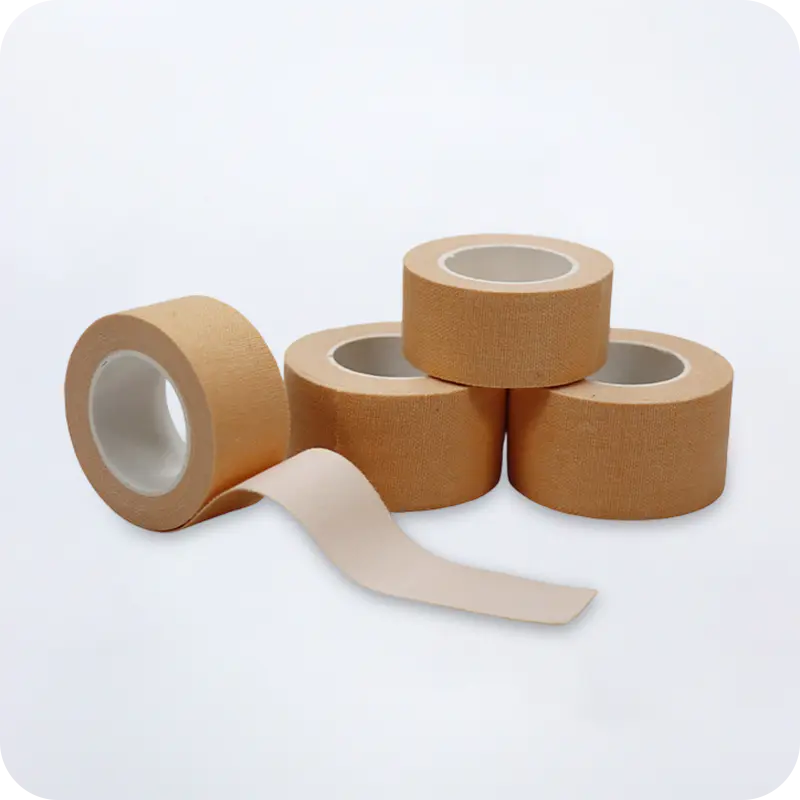
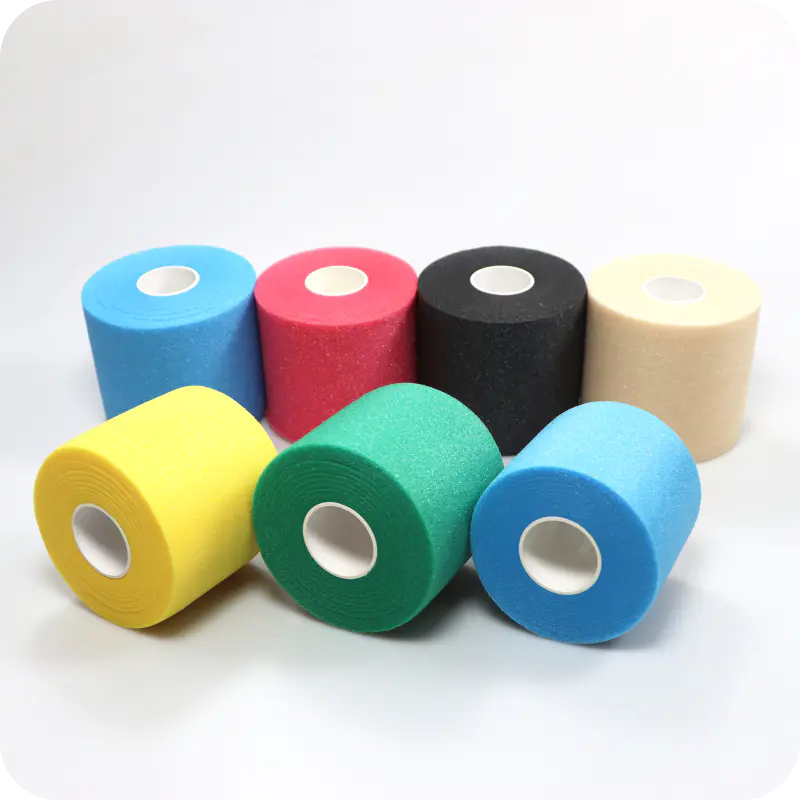
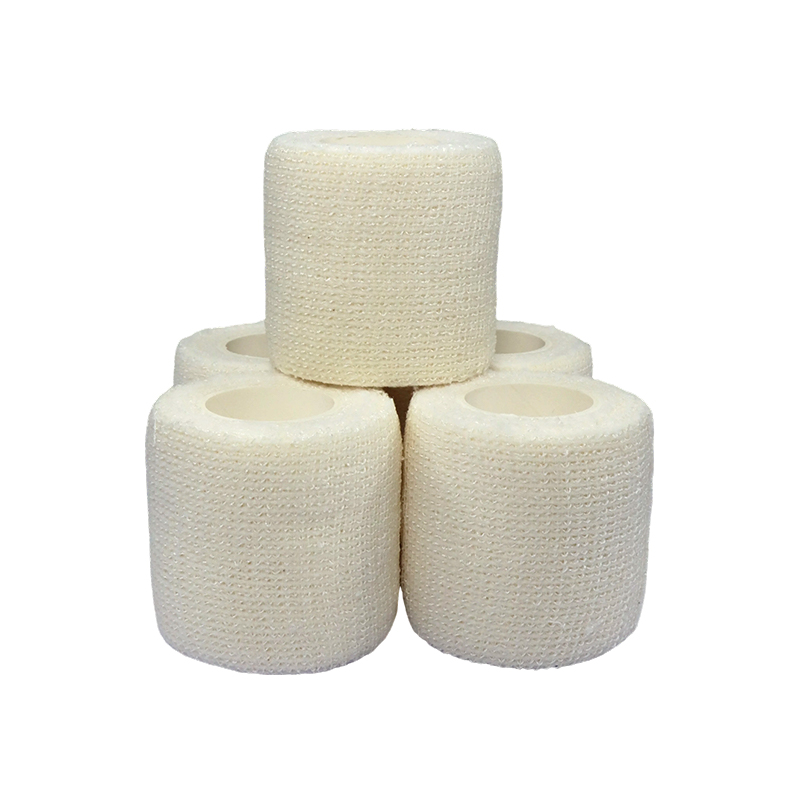
A thin layer between the skin and the footwear or equipment can absorb the rubbing force before a blister forms. For example, a skin-color foam underwrap tape can be wrapped over the foot or under a rigid sports tape. It works as a pliable cushion and can be removed easily after training. Many athletes combine this with blister patches, lubricants, and the right sports protection solutions for their particular activity.
 Skin-Colored Foam Underwrap Bandage TapeThis foam underwrap acts as a cushioning barrier between skin and footwear or rigid tape, helping to absorb friction and prevent blisters while remaining discreet and comfortable.View Product →
If a hot spot already appears during an activity, stop and cover it immediately. A small change at that moment can prevent a large blister from forming overnight.
Frequently Asked Questions About Blister Healing
Q1: How long does it take for a foot blister to heal?
A clean foot blister that is not under continuous pressure generally heals in 3 to 7 days. If the blister is on the heel or sole and you keep walking on it, the healing time may stretch to 7 to 14 days.
Q2: Does a blister heal faster if covered or left open?
Covered. A protected blister stays moist and less exposed to bacteria. Leaving it open often dries out the roof and delays natural healing. Use a clean, breathable bandage and change it daily.
Q3: Why is my blister taking longer than two weeks?
Common reasons are ongoing friction, infection, or an underlying condition such as diabetes or poor circulation. If there is no improvement after two weeks, have it assessed by a medical professional.
Q4: Can I use an adhesive bandage directly on the blister?
You can use a self-adhesive bandage over a sterile pad or a thin layer of gauze. Avoid applying any adhesive directly to the blister roof, because peeling it off can tear the new skin underneath. Products designed for finger protection are made to fit around small, awkward areas more easily.
Q5: What is the fastest way to recover if I am about to run again?
Let the blister mature, protect it with a cushioned pad or tape, and adjust your footwear. Rest is still the fastest route. Returning before the skin has recovered usually brings back the blister and extends the healing time.
Most blisters are a minor nuisance that respond well to simple, consistent care. Keep them clean, keep them covered, and avoid popping them. If a blister is slow to heal or shows signs of infection, do not hesitate to seek medical advice. Choosing the right support materials, such as self-adhesive bandages and foam underwrap, is part of good skin care in both medical and sports settings. For professional guidance on dressing choices and skin protection, explore our medical care solutions.
Need Help Choosing the Right Bandage?
Looking for reliable bandages and skin protection products for medical care, sports, or wholesale distribution? Contact our team to discuss your product requirements, customization options, and bulk orders.
Contact Us for an Inquiry →






 English
 русский
 Français
 Español
 عربى


 ENG