You are standing in the kitchen, pulling a tray out of a hot oven, when your forearm brushes against the metal rack. The skin turns pink, then a sting spreads quickly. Your first instinct is to reach for a bandage, but the real question is how to bandage a burn in a way that reduces pain, keeps the wound clean, and prevents swelling.
The answer is straightforward: cool the burn first, then cover it with a sterile dressing and a loose bandage. If the burn is deeper than the top layer of skin, blisters, or covers more than your palm, do not rely on home care. For minor burns, the main tasks are to wash, cover, and change the dressing daily. This guide walks through each decision so you can act with confidence.
First, Assess the Burn
A burn is not just a burn. Before you wrap it, ask how deep it is and whether it needs professional care. A superficial burn affects only the top layer of skin; it looks red, hurts, and may peel later. A second-degree burn forms blisters and may ooze. A third-degree burn can look white, black, or charred, and it may not hurt because the nerve endings are damaged.
Seek emergency care if the burn is larger than the person's palm, crosses the face, hands, feet, joints, or groin, or if it came from electricity, chemicals, or fire. Do not attempt to bandage a deep burn on your own. If you are caring for a child or an older adult, be more cautious and call a doctor even for a small blister.
Cool the Burn Before You Bandage It
Once you have confirmed that the burn is minor, cooling comes first. Hold the burned area under cool running water for 10 to 20 minutes. Cool water pulls heat out of the skin, reduces swelling, and lowers the pain. Do not use ice or iced water; it shrinks blood vessels and can cause frostbite on top of the burn.
After cooling, pat the area dry with a clean, lint-free cloth. Do not rub. Remove any jewelry, watches, rings, or clothing near the burn before swelling starts. If clothing sticks to the burn, cut around it and leave the stuck part in place for a medical professional to handle.
Choose the Right Dressing and Bandage
Choosing a dressing is a practical decision, not a random one. A burn needs two layers: an inner dressing that touches the wound and an outer bandage that keeps it in place. The inner layer should be non-adherent, so it will not stick to the hot, damaged skin. The outer layer should be flexible, breathable, and able to stay in place without tight wrapping.
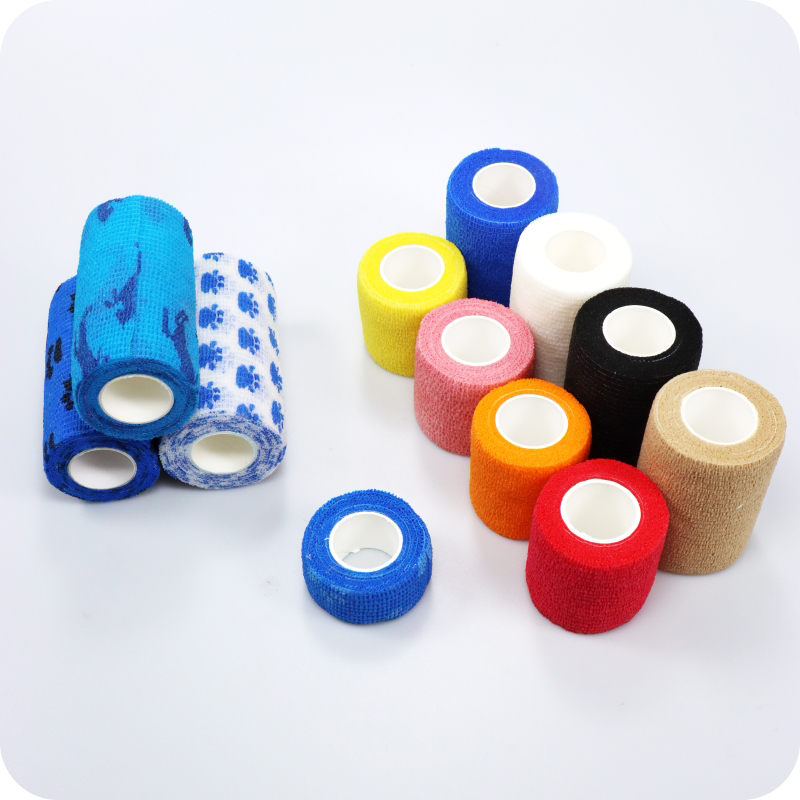
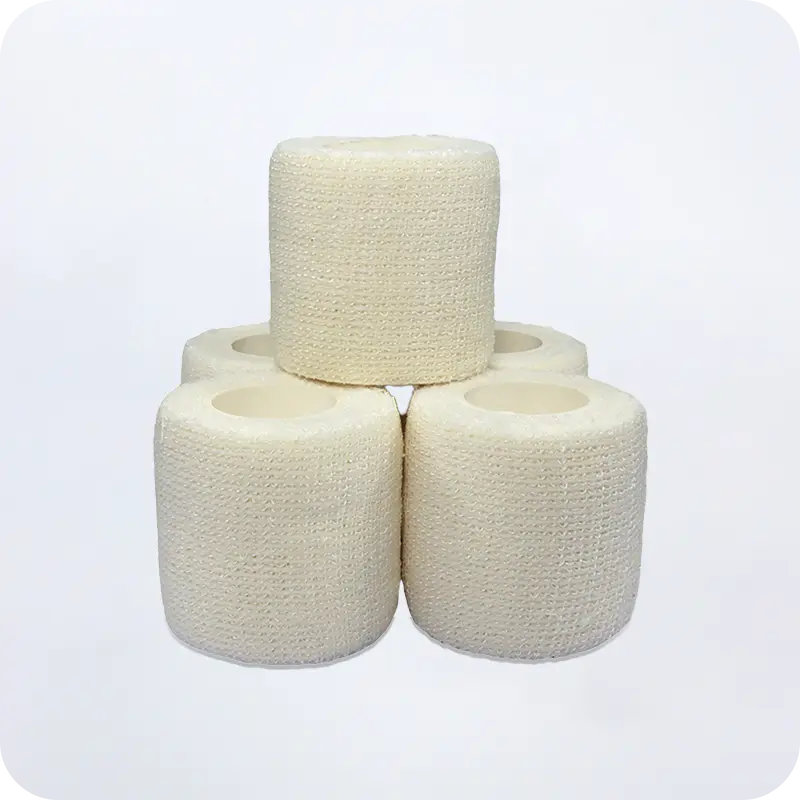
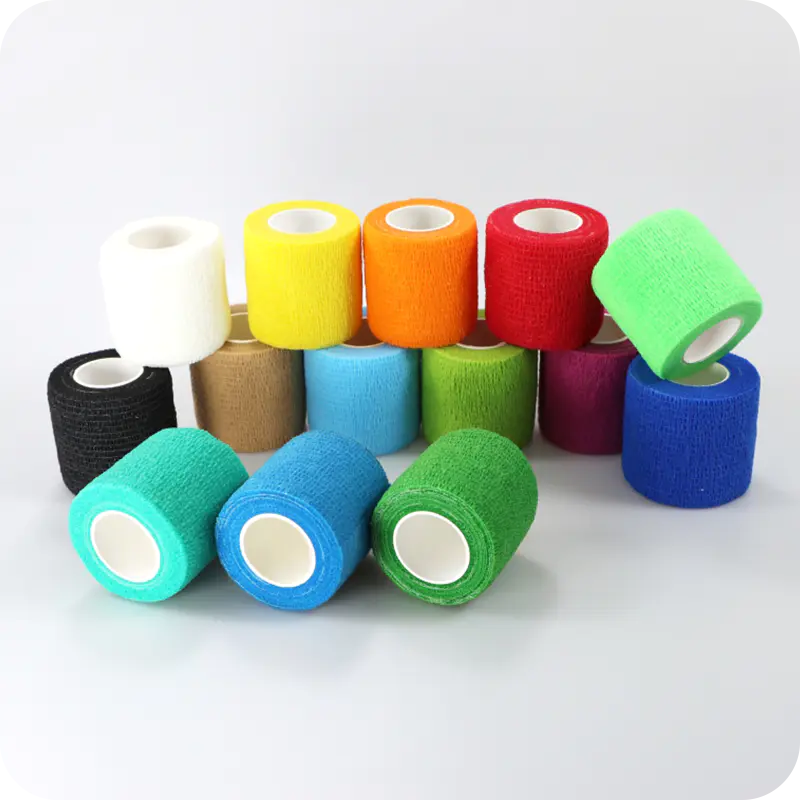
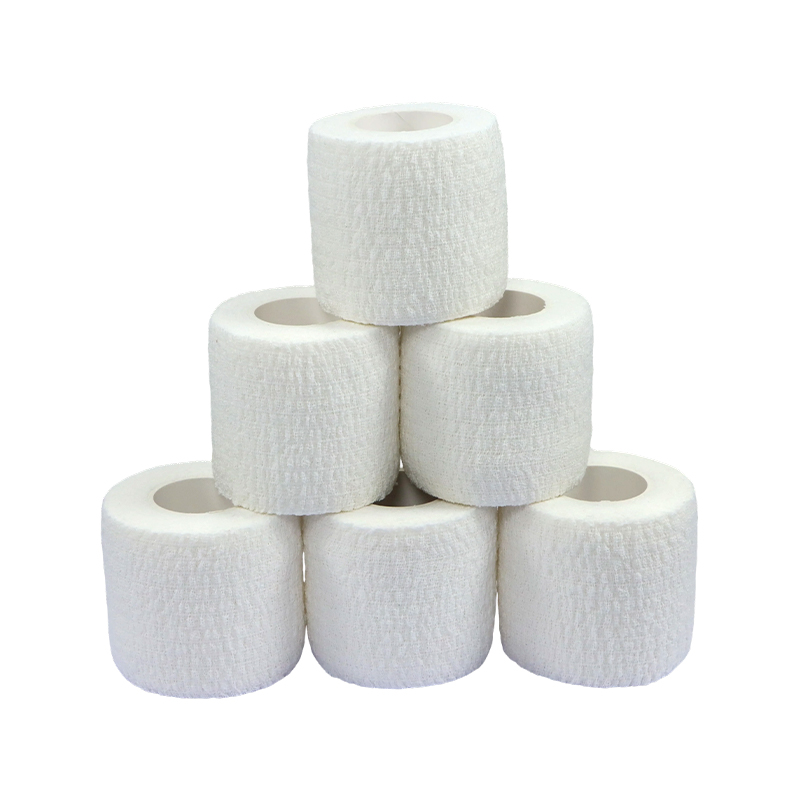
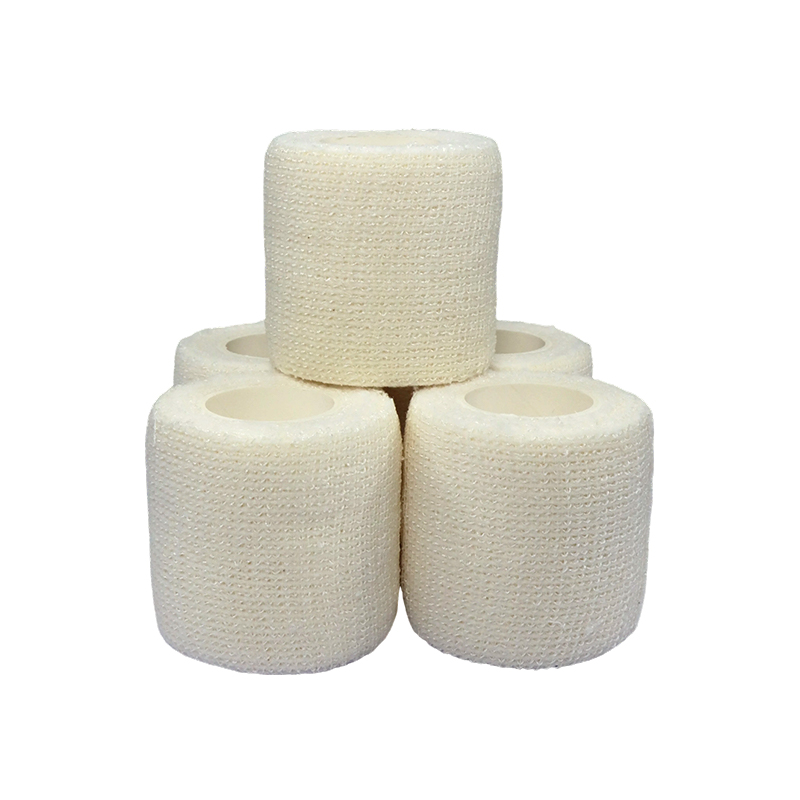
For a superficial burn on the forearm or calf, a solid color nonwoven self-adhesive elastic bandage holds a gauze pad securely without requiring tape, and it applies very little pressure. This helps when you want to leave the wound alone and change it once a day. When the burn sits near a joint, a medical PBT elastic bandage stretches with the body and lets enough air reach the skin, which helps prevent the skin from becoming waterlogged.
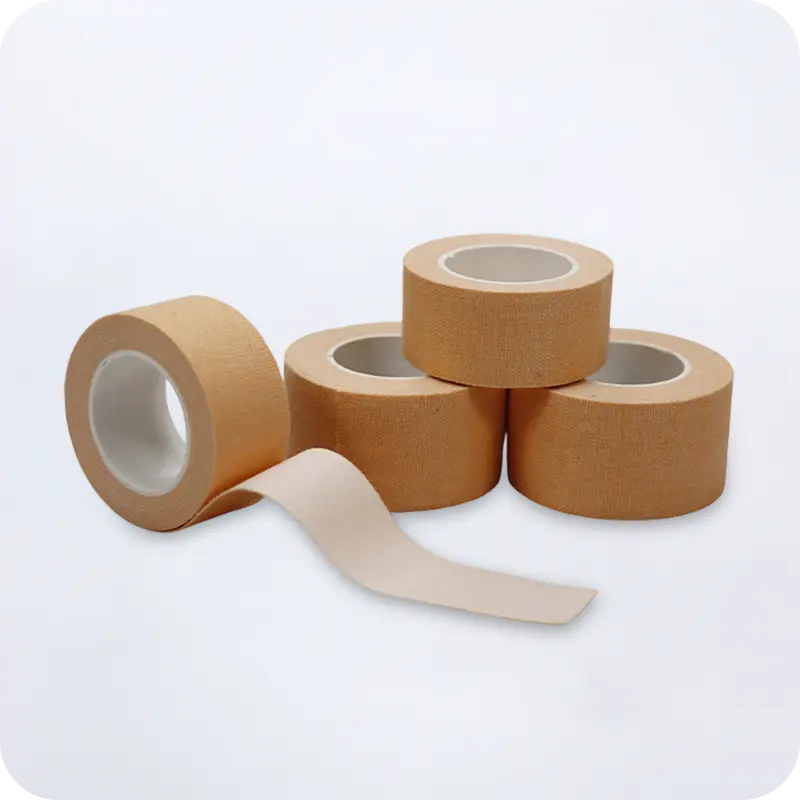
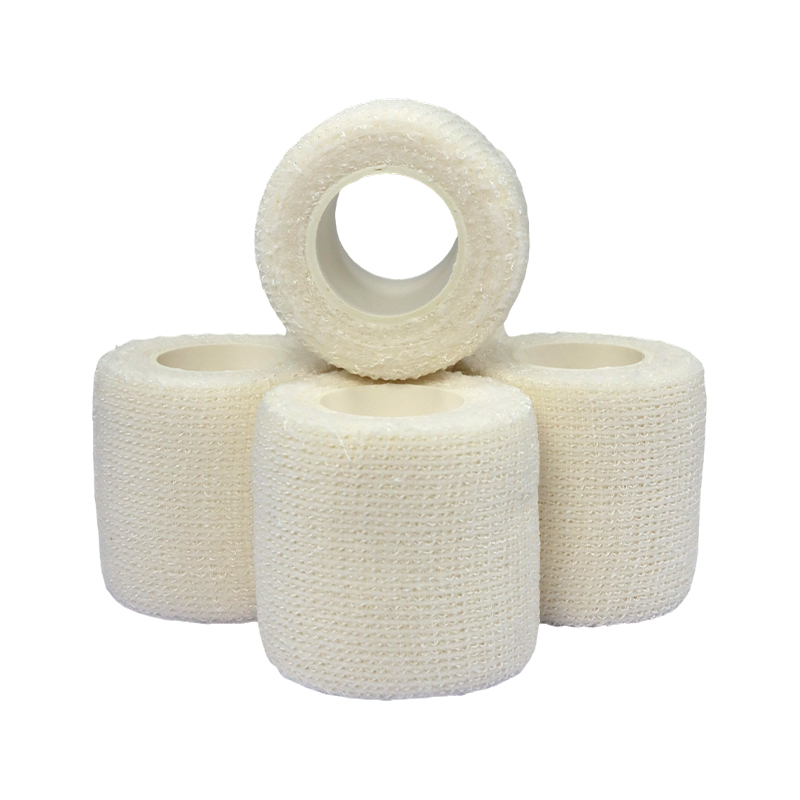 Medical PBT Elastic Bandage for Joint Burns and SwellingThis PBT elastic bandage stretches with body movement and promotes air circulation, helping prevent waterlogged skin on burns near joints. Its latex-free, supportive design aids recovery.View Product →
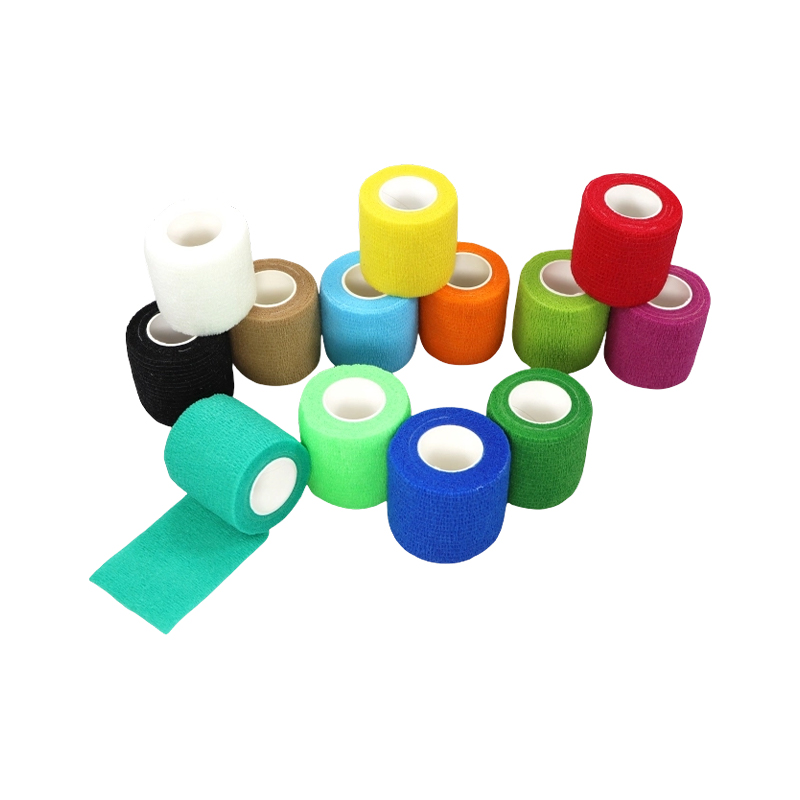 Solid Color Non-Woven Self-Adhesive Elastic Bandage for BurnsThis self-adhesive elastic bandage securely holds gauze on a superficial burn without tape or extra pressure. Its breathable non-woven material and spandex allow gentle daily dressing changes on forearm or calf.View Product →
If you want to understand how these materials fit into a broader wound-care routine, our medical care solutions page describes how each bandage type supports daily dressing changes.
How to Bandage a Burn Step by Step
Follow these steps after the burn has cooled and you have chosen your materials.
- Wash your hands thoroughly with soap and water or use an alcohol-based hand sanitizer.
- Gently clean the burn with saline or cool boiled water. Do not scrub.
- Place a non-adherent sterile pad over the burn. Make sure it covers the full area plus a small margin of healthy skin.
- Lay the bandage over the pad and start wrapping at the edge of the burn.
- Wrap in overlapping turns, with each layer covering about half of the layer beneath. This prevents gaps and keeps the pad from shifting.
- Secure the end of the bandage. For a self-adherent wrap, press the end down along the last turn. For a woven gauze bandage, use a strip of tape placed along the length of the limb, not around it.
- Check that no part of the dressing is bunched or twisted, then make sure two fingers can fit between the bandage and your skin.
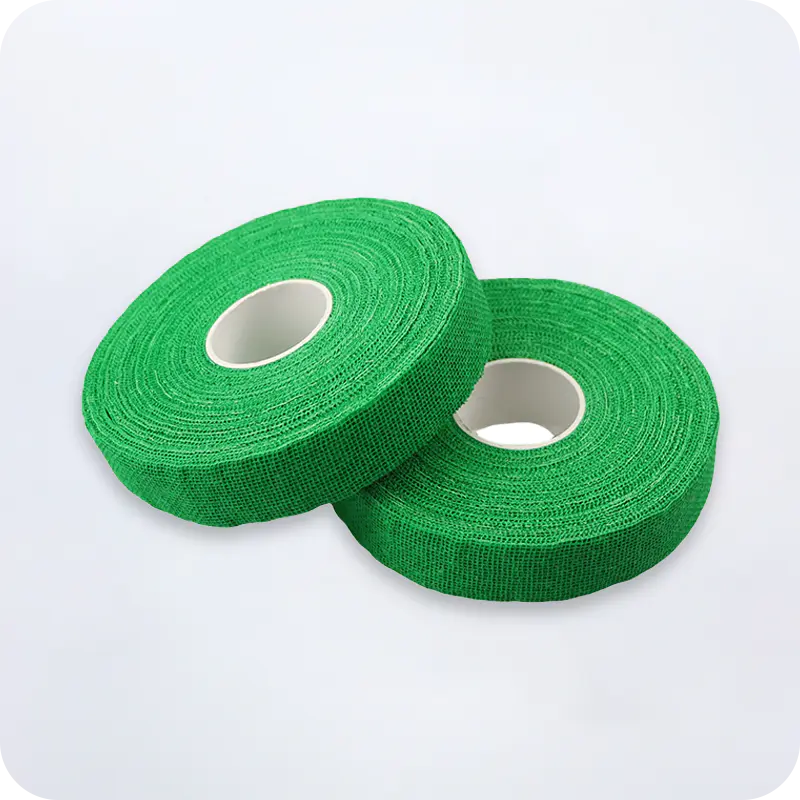
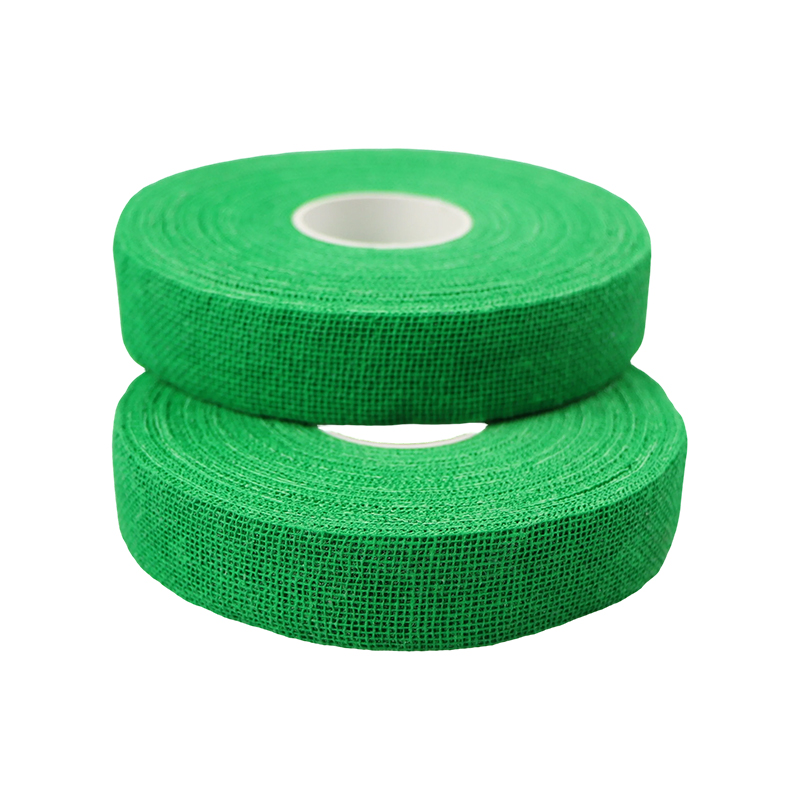
If the burn is on a finger, the wrapping needs extra care. A finger can swell quickly, so a tight loop around the base can cut off circulation. In that case, use a self-adhesive finger protection wrap tape that holds the dressing on while leaving the fingertip visible for checking color and sensation.
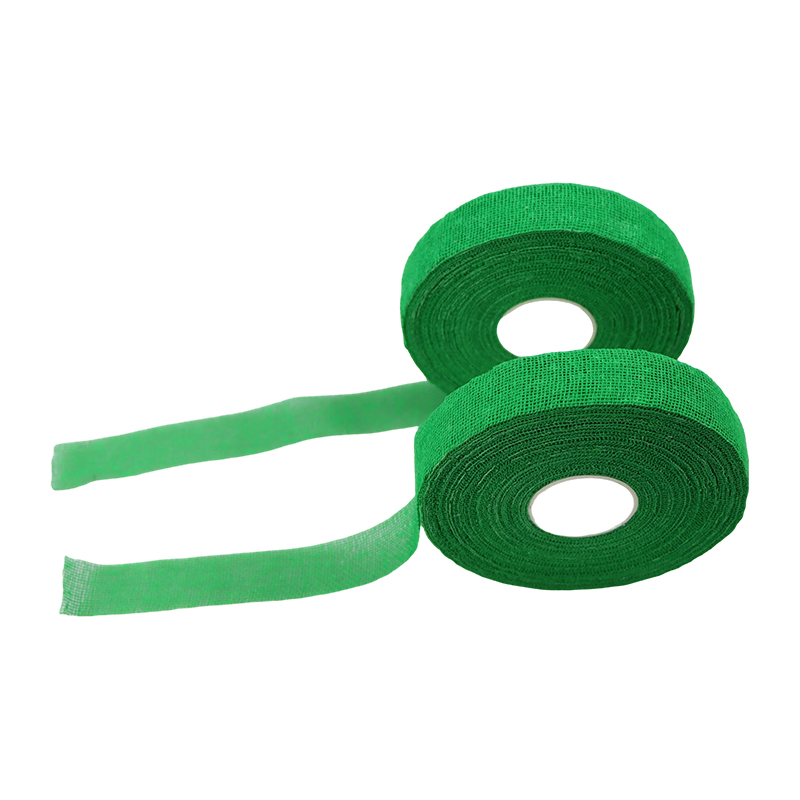 Self-Adhesive Finger Protection Wrap Tape for Burn DressingThis self-adhesive tape wraps a finger burn leaving the tip visible for circulation checks. It adjusts tension easily and holds dressings without extra fasteners, ideal for swelling-prone fingers.View Product →
How Tight Should a Burn Bandage Be?
Loose is the rule. Burned skin starts to swell over the first 24 to 48 hours. If the bandage is wrapped too tightly, that swelling turns the bandage into a tourniquet and cuts off blood flow. Watch for numbness, tingling, a bluish fingertip or toe, or pain that gets worse after wrapping.
If you notice these signs, remove the bandage and reapply it with less tension. One simple test is to slip two fingers between the bandage and your skin. If you cannot, the bandage is too tight. Never tape a bandage in a full circle around a hand, arm, or leg. If you need to secure a gauze end, tape along the length of the limb instead.
When and How to Change the Bandage
Change the dressing at least once a day, especially if it becomes wet, soiled, or loose. A moist wound bed heals faster and creates less scarring than a dry one, but the moisture must remain clean. When you change the dressing, wash your hands again and gently remove the old pad. If it sticks, soak it with saline or cool water and let it lift away slowly. Do not pull.
Table: Dressing change intervals by burn depth and condition.
| Burn type |
Change frequency |
What to look for |
| Superficial (first-degree) |
Every 1 to 2 days |
No blisters; usually heals in 3 to 6 days |
| Partial-thickness (second-degree) |
Daily |
Blisters may drain; keep the area covered |
| Infected or weeping burn |
Immediately and then every 1 to 2 days |
Pus, yellow or green fluid, fever, or spreading redness |
If you see signs of infection, stop home care and contact a doctor. A change in color, a bad smell, or increasing pain can all signal that the burn needs professional treatment.
Common Mistakes to Avoid
Even simple first aid actions can worsen a burn. Here are the errors to avoid.
- Using ice, butter, or toothpaste: they trap heat or introduce bacteria.
- Popping blisters: this opens a pathway for infection and increases scarring.
- Applying an adhesive bandage directly on the burn: it sticks to wounded skin and peels off new tissue.
- Wrapping the bandage too tightly: it restricts circulation and can cause tissue damage.
- Leaving the burn uncovered for hours: the wound dries out, slows healing, and becomes more painful.
Frequently Asked Questions
Q1: Should you cover a burn or let it breathe?
Cover it, but not airtight. A sterile dressing keeps bacteria out and holds a stable moisture level. The bandage also lets air through if it is breathable, so the wound does not soak.
Q2: Can you wrap a burn with an elastic bandage?
Yes, but only with very light tension. Elastic bandages are useful for holding a dressing in place, but they must be loose enough to allow swelling. Check the skin color and warmth frequently.
Q3: How long should you keep a burn covered?
Keep a minor burn covered until the surface has fully healed, which usually takes 3 to 6 days for a first-degree burn and longer for a second-degree burn. Change the dressing daily during that time.
Q4: What should you do if the burn starts to ooze?
Clear, watery fluid from a blister is normal. Gently wash the area and apply a new dressing. If the fluid becomes yellow or green, or if you develop fever, contact a doctor.
Q5: Can you use an adhesive bandage directly on a burn?
No. An adhesive bandage sticks to damaged skin and can tear away the new tissue when removed. Use a non-adherent pad first, then hold it in place with a lightweight wrap or tape placed on healthy skin.
Bandaging a burn is not complicated, but it requires basic rules: cool first, use a clean dressing, wrap loosely, and change the dressing every day. For a B2B buyer looking for reliable self-adhesive bandages, PBT bandages, or finger protection wraps for first aid kits and medical stock, we welcome you to contact our team.






 English
  русский
  Français
  Español
  عربى
عربى 

 ENG
ENG