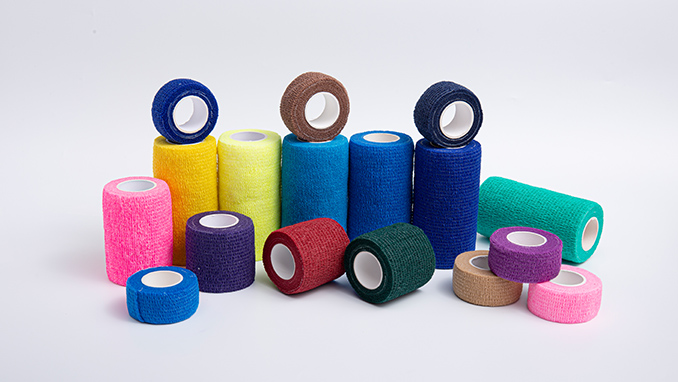
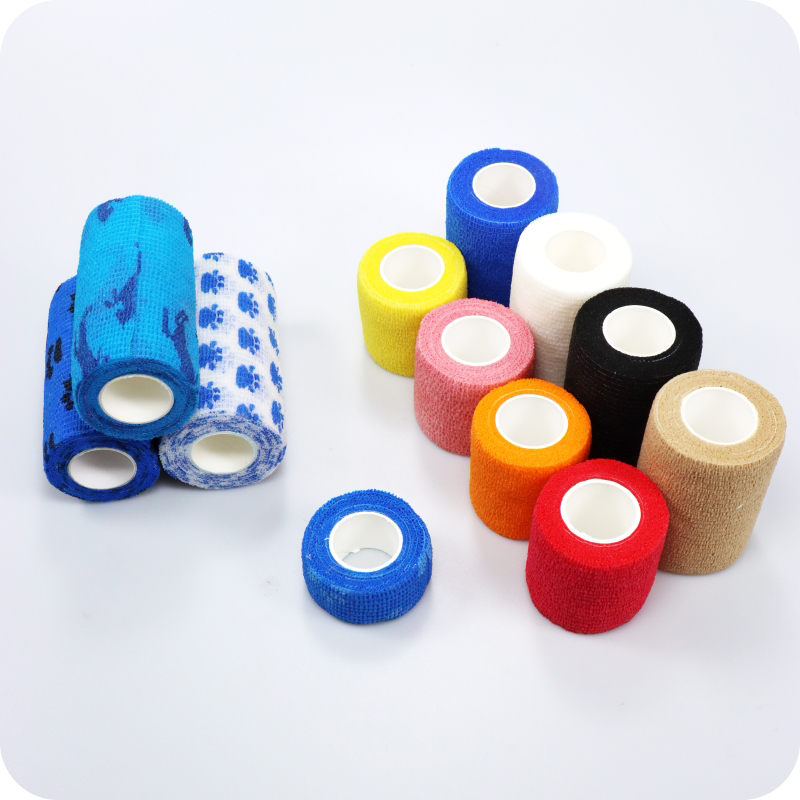
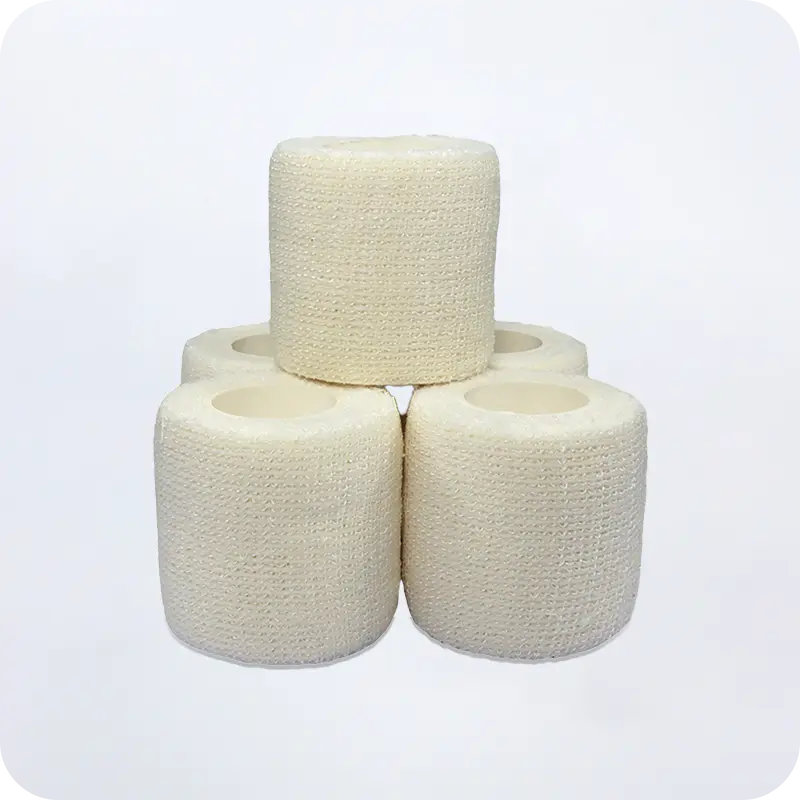
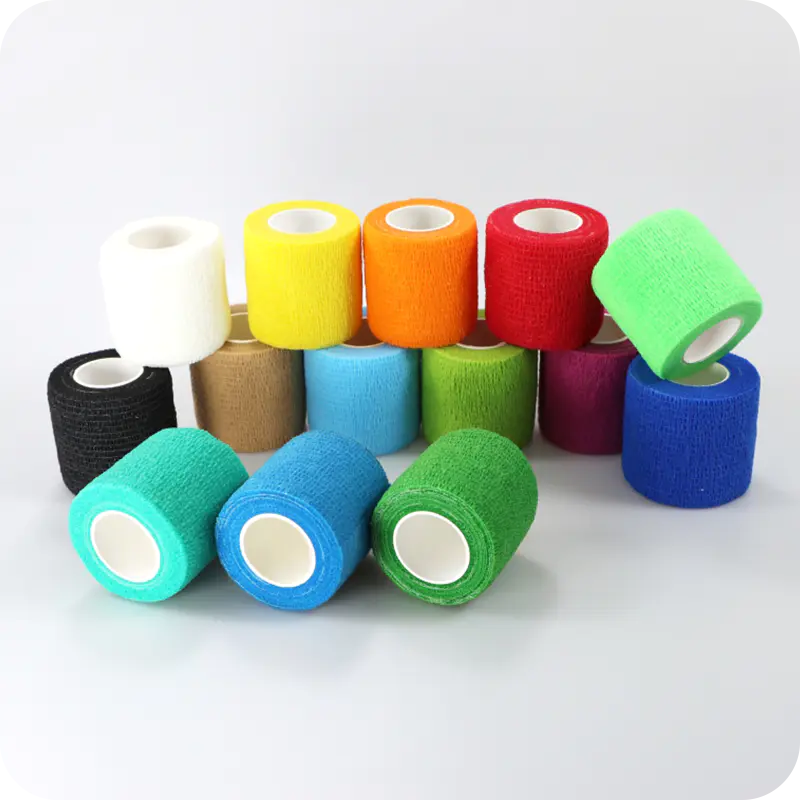
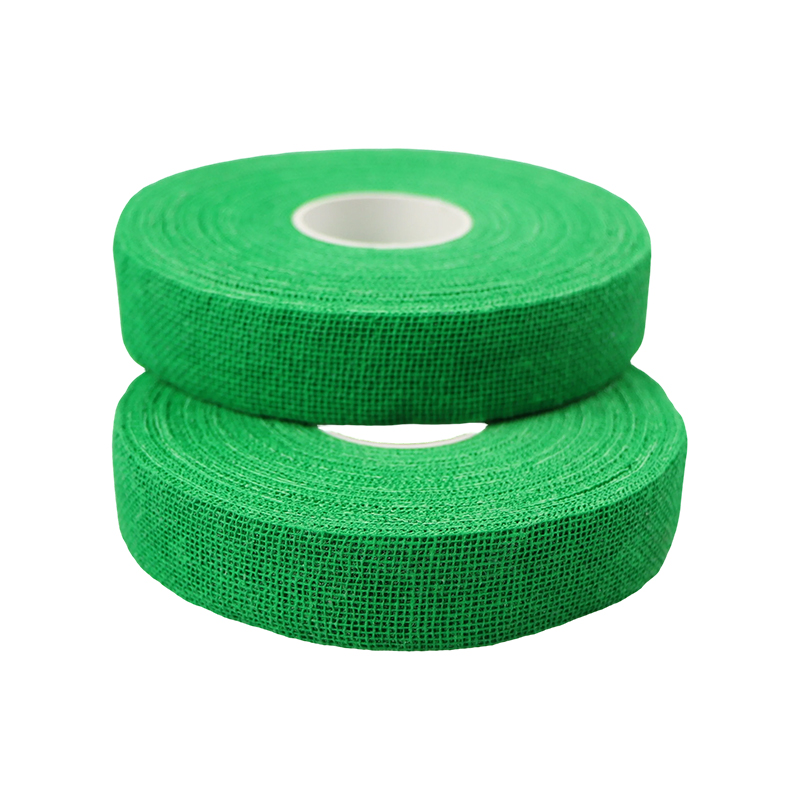
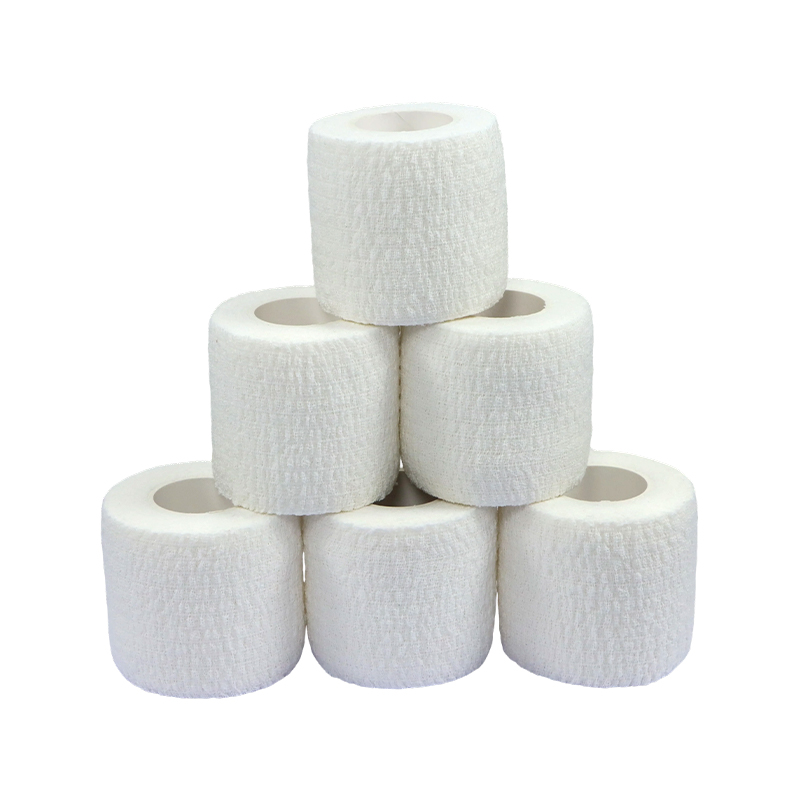
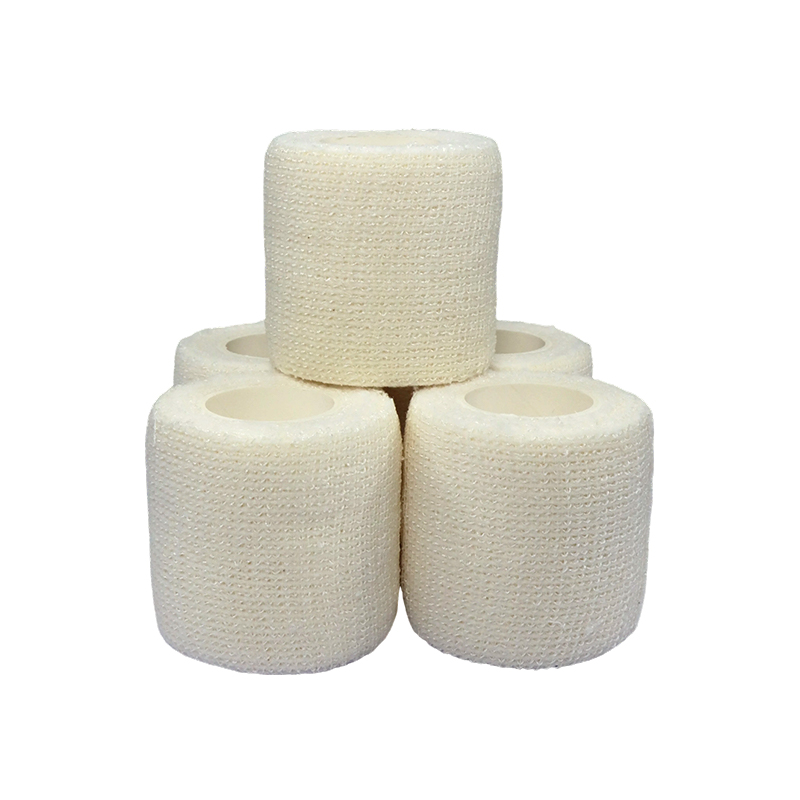
Self-adhesive elastic bandages are self-adhesive and elastic medical dressings primarily used to bandage and protect wounds, promoting wound healing. Their primary functions include securing and protecting wounds, preventing bacterial intrusion, and promoting wound healing. Self-adhesive elastic bandages are typically made of high-quality elastic materials and medical adhesives. They typically consist of a multi-layered structure, including a wound-contacting dressing layer, a middle elastic layer, and an outer protective layer.
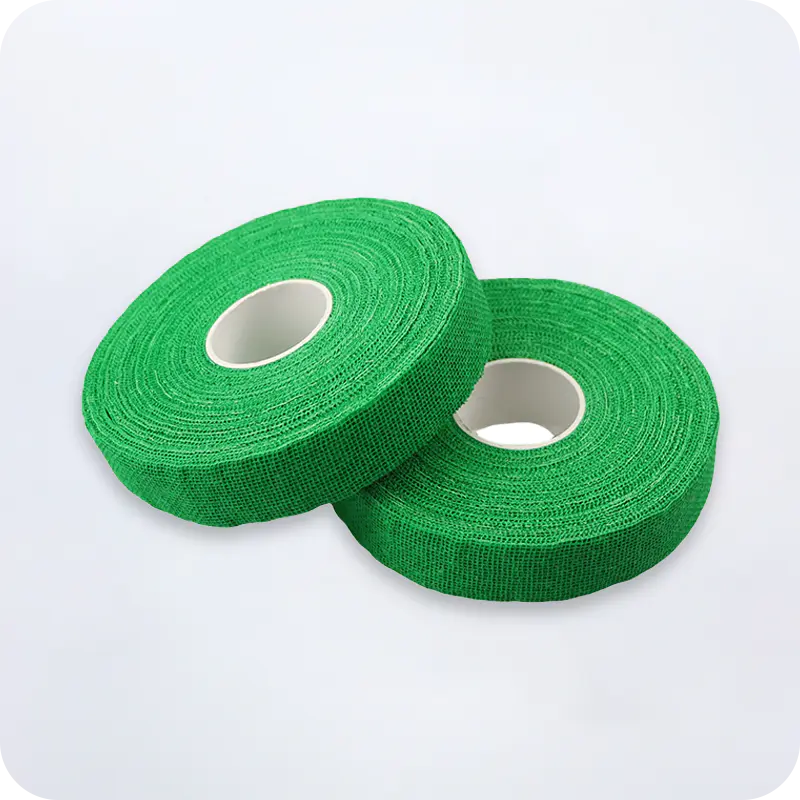
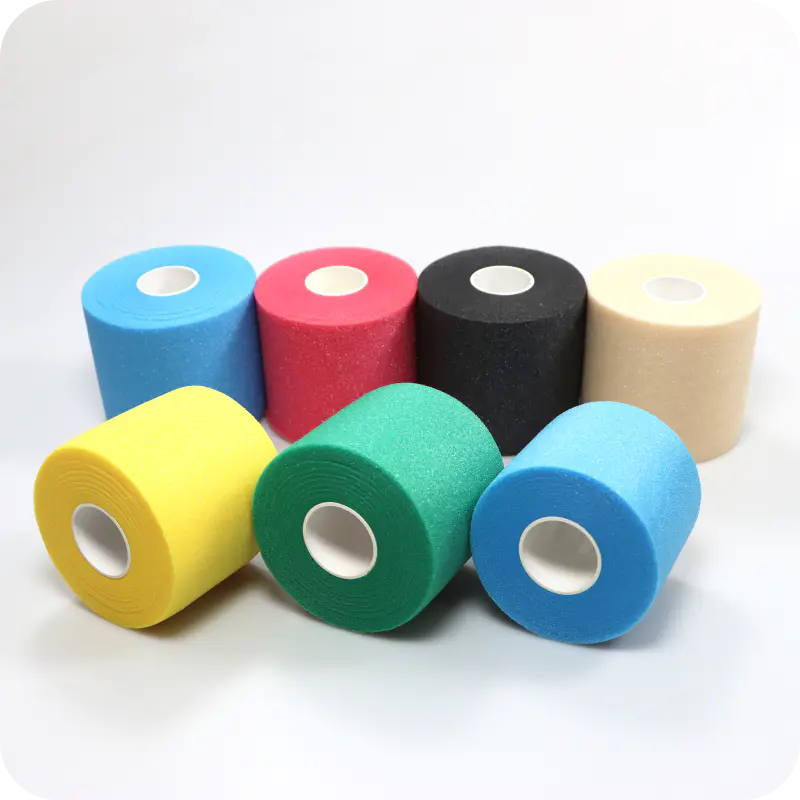
Shanghai Qinghong Healthcare Products Co., Ltd. located in Jiading District, Shanghai, is a leading manufacturer and supplier specializing in high-quality elastic bandages and athletic tape. Jiangsu Qinghong Healthcare Products Co., Ltd., headquartered in Suqian City, Jiangsu Province, has been committed to providing high-quality self-adhesive bandages, kinesiology tape, and cotton athletic tape to customers worldwide since its establishment in 2018. Leveraging strong R&D capabilities, stringent quality control, and customer-centric service, we have become a trusted partner in the industry.
Empowering Athletes to Confidently Push Their Limits
Our kinesiology tape delivers dynamic support, enabling unrestricted free movement while effectively enhancing muscle function and blood circulation. Our sports bandages, on the other hand, provide reliable fixation and stability for joints during high-intensity activities, effectively preventing sprains and strains. From sports enthusiasts to professional athletes, we offer trustworthy professional protection for both training and competitions.
Please feel free to contact us when you need us! Whether you want
to become our partner or need our professional guidance or support
in product selection and problem solving, our professional team is
always ready to help you.
How Does Kinesiology Tape Work? Purpose, Benefits, and Safety Explained
What Is Kinesiology Tape and How Is It Different From Traditional Athletic Tape
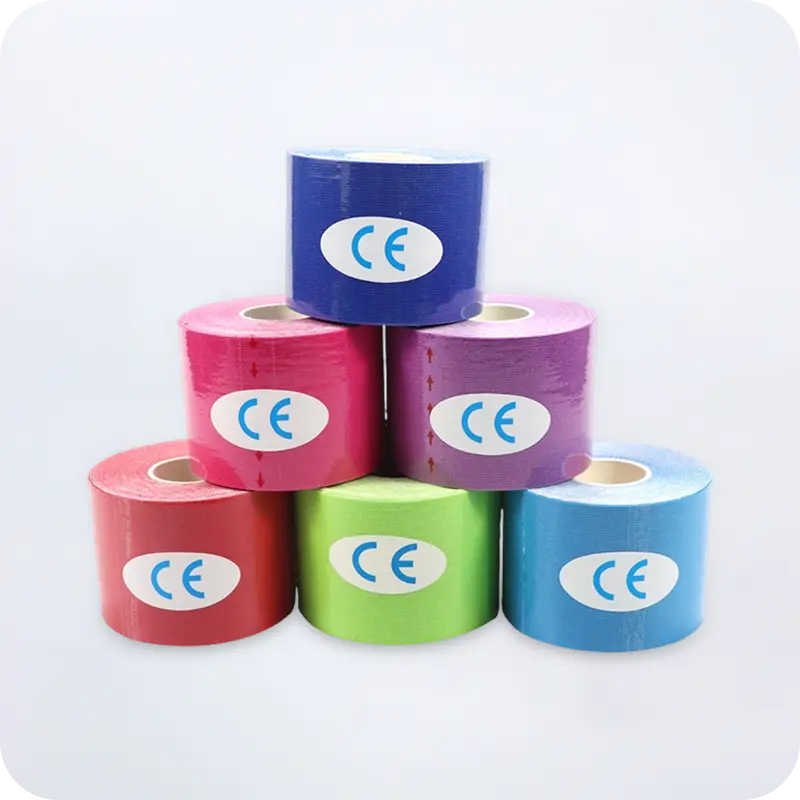
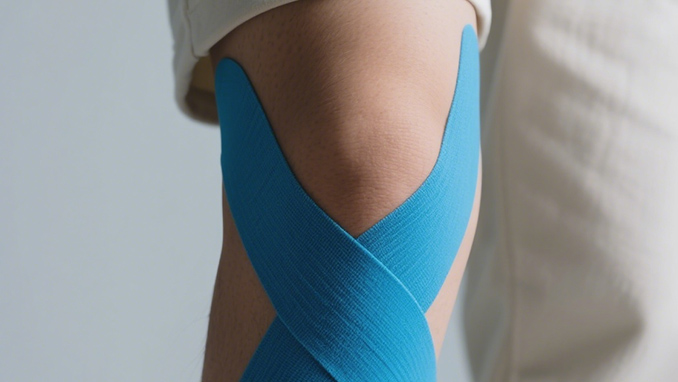
kinesiology tape is a thin, elastic cotton or synthic-blend strip with an acrylic adhesive backing, designed to stretch along one axis while closely mimicking the elasticity of human skin and muscle fascia. Unlike rigid athletic tape, which is applied to restrict joint motion entirely, this type of tape is built to move with the body rather than against it. That single design difference explains most of the confusion people have about what the product is actually for.
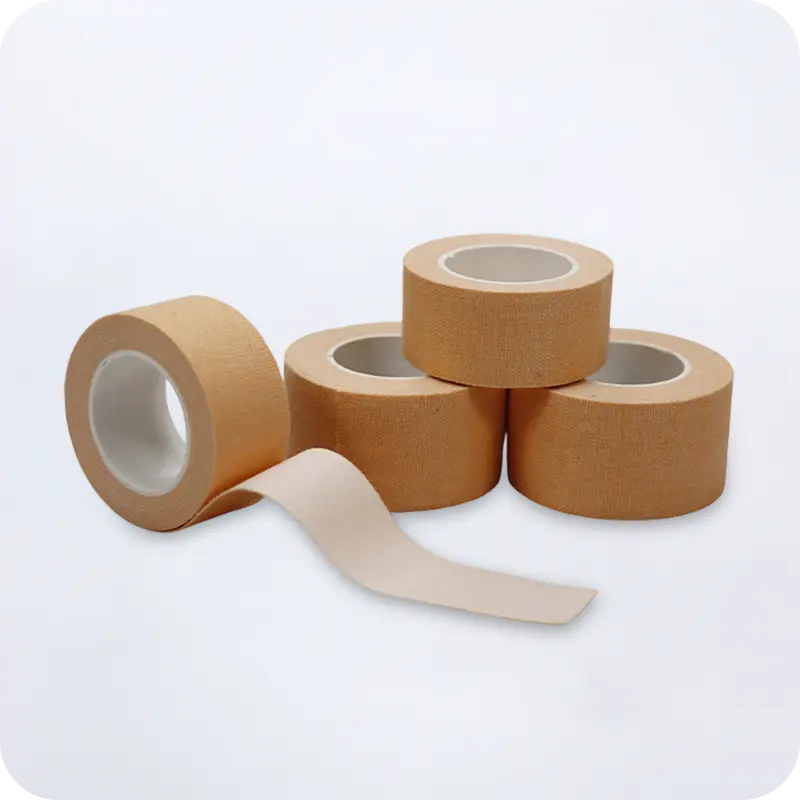
Traditional rigid tape is a mechanical brace. It locks a joint into a fixed range to prevent overextension after an acute injury. Elastic kinesiology tape works on a different principle entirely: it applies a gentle, continuous pulling force on the skin layer itself, which in turn affects the tissue directly underneath it. This is why the same roll of material can be used for a swollen ankle, a strained shoulder, or postural support for the lower back, without ever immobilizing the joint.
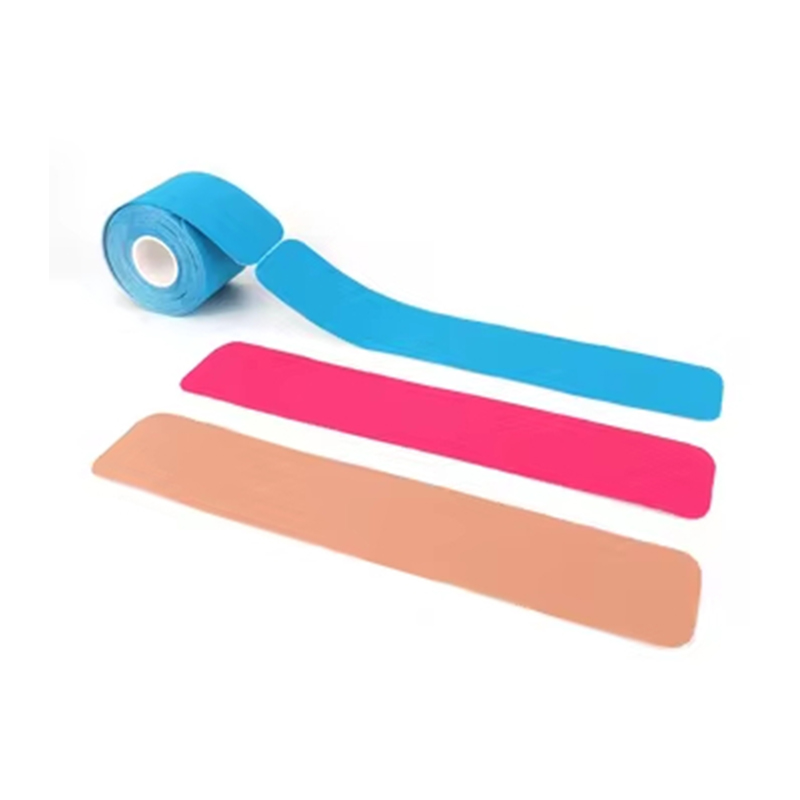
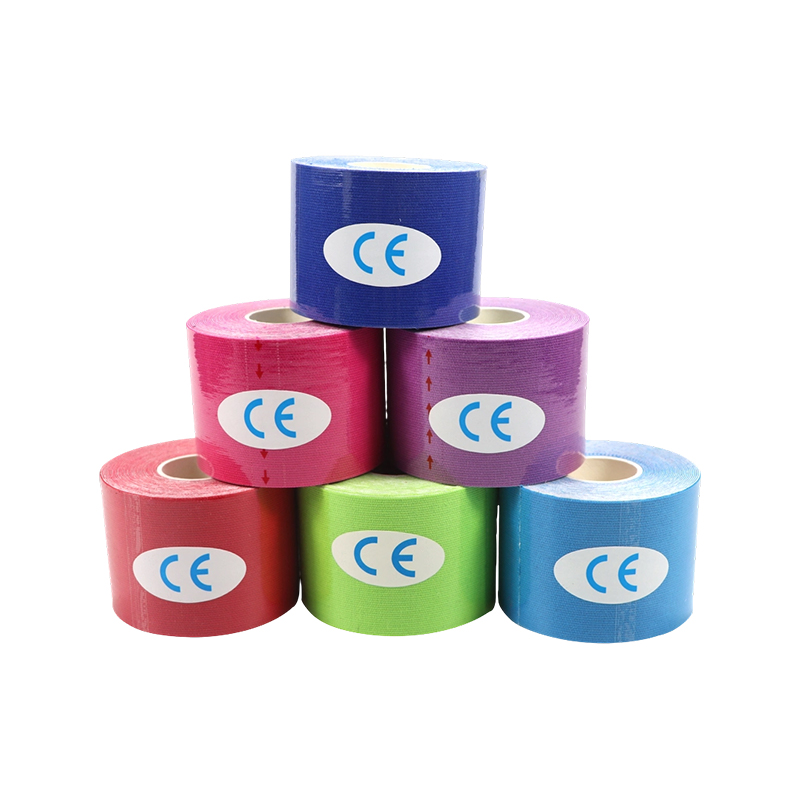
Most rolls are sold in pre-cut strips or continuous rolls between 5 centimeters and 7.5 centimeters wide, with the adhesive activated by body heat after application. Color has no functional effect on performance; it is purely a manufacturing and preference choice.
How Does Kinesiology Tape Work on the Body
The tape is manufactured with a slight pre-stretch built into the adhesive layer during production. When it is applied to skin that has been stretched into position first, and the joint is then returned to a neutral posture, the tape recoils slightly. That recoil lifts the top layer of skin into a series of microscopic folds, or convolutions, rather than lying flat.
Those folds are the entire mechanism. By creating space between the skin and the tissue layer beneath it, the tape is thought to reduce localized pressure on lymphatic vessels and superficial pain receptors, which may explain reduced swelling and altered pain signaling in some users. It does not add structural strength or prevent a joint from moving through its normal range.
This mechanical lifting effect is strongest directly after application and gradually fades as the adhesive relaxes over one to three days, which is one reason the perceived benefit tends to be highest in the first 24 to 48 hours of wear.
What Is Kinesiology Tape Good For: Common Applications
Because the tape works on soft tissue rather than joint restriction, its practical uses fall into a fairly narrow but useful set of categories:
Muscle support during activity: Used as tape to protect muscle groups that fatigue quickly, such as the calf or lower back, during repetitive movement.
Swelling and bruising management: Applied in a fan pattern over a bruise or mild soft-tissue swelling to encourage fluid movement toward the lymph nodes.
Postural cueing: Placed along the upper back and shoulders to provide a light sensory reminder when posture slips out of alignment.
Tendon and overuse strain: Applied along tendons such as the patellar or Achilles tendon to reduce localized irritation during return-to-activity phases.
Muscle activation cueing: Applied with more tension over a muscle that needs a stronger contraction signal, sometimes described as kt tape for muscle activation.
It is worth noting that none of these applications replace a structural diagnosis. The tape is a supportive, sensory-based tool, not a treatment for fractures, ligament tears, or significant instability.
Kinesiology Tape Application Guide: Skin Preparation and Tension
Skin Preparation Steps
Clean the area with water only, removing oils, lotion, or sweat, then let the skin dry fully.
Trim excess body hair in the application zone so the adhesive contacts skin directly.
Round the corners of each strip before applying, since rounded edges resist peeling far longer than sharp corners.
Rub the strip firmly after placement for ten to fifteen seconds to activate the heat-sensitive adhesive.
Tension Guide by Purpose
Application Goal
Recommended Tension
Typical Placement
Swelling or bruise drainage
0 to 15 percent stretch
Fan strips over the affected area
General muscle support
15 to 35 percent stretch
Full muscle belly, origin to insertion
Postural feedback
35 to 50 percent stretch
Upper back and shoulder blades
Muscle activation cueing
50 to 75 percent stretch
Center of the target muscle
The anchor ends of any strip, roughly the first and last two centimeters, should always be applied with zero stretch. This prevents the ends from curling and reduces the chance of skin irritation at the point of maximum adhesive tension.
How Long Can You Wear Kinesiology Tape and Is It Waterproof
Most manufacturers rate their kt tape for three to five days of continuous wear, assuming normal skin sensitivity and no signs of irritation. Wear time depends heavily on skin oil production, sweat exposure, and how well the skin was prepared before application; oilier skin types often see the tape lift at the edges closer to day two.
The acrylic adhesive used on most rolls is water-resistant rather than fully waterproof. It can tolerate showering, light rain, and swimming in short sessions, but prolonged submersion or scrubbing the taped area will shorten its lifespan considerably. After getting the tape wet, it is best to pat the area dry rather than rub it, since rubbing accelerates edge lifting.
Practical guideline: if the edges of the tape have curled more than a few millimeters, or the skin underneath looks irritated, it is time to remove the strip regardless of how many days it has technically been worn.
How to Remove Kinesiology Tape Without Pain or Skin Irritation
Removal technique matters almost as much as application technique, particularly for people with sensitive skin. Pulling a strip straight up and away from the skin at a sharp angle is the single most common cause of redness and micro-tearing.
Remove the tape after a warm shower, when the adhesive has softened slightly.
Peel slowly in the direction of hair growth, folding the tape back over itself rather than lifting it upward.
Use one hand to gently press the skin down just ahead of the peel line, which reduces pulling on the surface.
If adhesive residue remains, a small amount of baby oil or a similar mild oil helps loosen it without additional friction.
Kinesiology Tape Side Effects, Allergic Reactions, and When to Avoid It
Reported side effects are generally mild and localized rather than systemic. The most common issue is contact dermatitis, an allergic-type skin reaction to the acrylic adhesive, which typically appears as redness, itching, or small raised bumps in the exact outline of the tape strip.
Reaction Type
Typical Signs
Recommended Action
Mild irritation
Light redness, no swelling
Remove tape, allow skin to rest 24 hours
Allergic contact reaction
Itching, raised bumps, clear outline of tape
Remove immediately, avoid same adhesive type
Blistering
Fluid-filled bumps, pain on removal
Discontinue use, consult a clinician
A recurring search question involves a supposed kt tape cancer warning. There is no credible clinical evidence linking kinesiology tape adhesive to cancer risk; this claim appears to stem from unrelated online rumors rather than any regulatory finding or peer-reviewed research. As with any adhesive product, the only well-documented risk category is skin sensitivity and contact dermatitis in people with existing adhesive allergies.
On the question of whether tape can be worn during medical imaging, most elastic kinesiology tape does not contain metal and does not interfere with standard x-ray imaging, though it is still standard practice to inform imaging staff about any tape, jewelry, or adhesive on the body before the scan, since positioning artifacts can occasionally appear on the image regardless of material.
Kinesiology Tape vs Rigid Athletic Tape: Choosing the Right Option
Factor
Kinesiology Tape
Rigid Athletic Tape
Primary function
Sensory and soft-tissue support
Mechanical joint restriction
Range of motion
Unrestricted
Significantly limited
Typical wear duration
Three to five days
Single activity session
Best suited for
Chronic strain, swelling, posture
Acute sprains, high-impact stabilization
Neither option is universally superior; the right choice depends entirely on whether the goal is restricting movement after an acute injury or supporting soft tissue during ongoing activity.
Frequently Asked Questions
Q1: When should I use kinesio tape instead of a brace?
Kinesiology tape is better suited to muscle support, mild swelling, and postural cueing, while a brace or rigid tape is more appropriate when a joint needs to be mechanically restricted after an acute sprain or instability.
Q2: How long can I leave kinesiology tape on?
Most strips are designed for three to five days of continuous wear, though this depends on skin type, sweat exposure, and how the edges hold up over time.
Q3: Is kinesio tape waterproof?
It is water-resistant rather than fully waterproof. Showers and brief swims are generally fine, but prolonged soaking or scrubbing will shorten how long the tape stays adhered.
Q4: What does an allergic reaction to kinesiology tape look like?
It usually appears as redness, itching, or small raised bumps that follow the exact shape of the tape strip. The tape should be removed at the first sign of this reaction.
Q5: Can I wear kinesiology tape during an x-ray?
Most kinesiology tape contains no metal and does not interfere with standard x-ray imaging, but it is good practice to tell imaging staff about any tape on the body beforehand.
Q6: Does kinesiology tape actually help with pain, or is it placebo?
The tape appears to work through a genuine mechanical effect, lifting the skin into folds that reduce localized pressure, though individual sensitivity to that effect varies, and it should be viewed as a supportive tool rather than a standalone treatment.






 English
  русский
  Français
  Español
  عربى
عربى 

 ENG
ENG