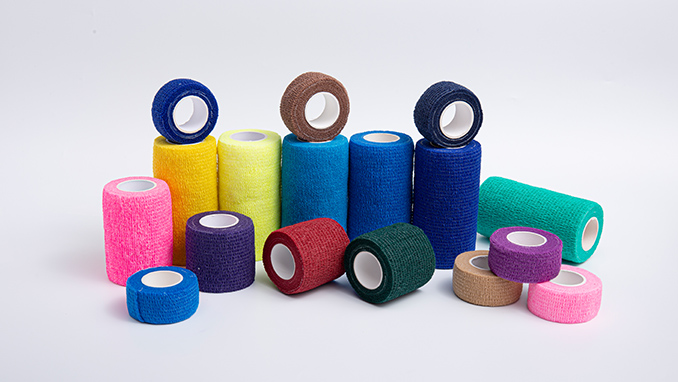
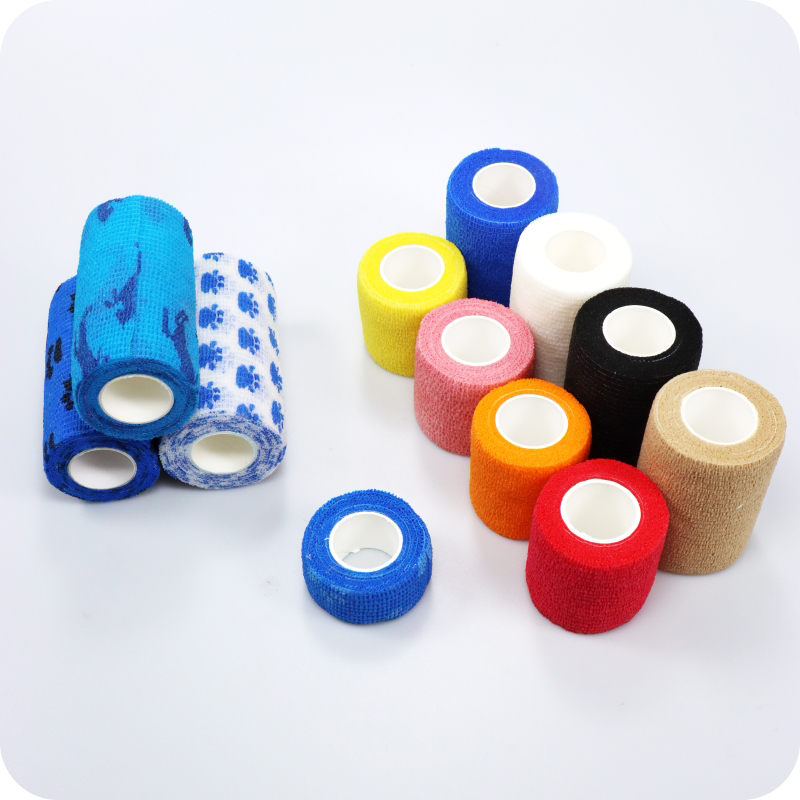
Self-adhesive elastic bandages are self-adhesive and elastic medical dressings primarily used to bandage and protect wounds, promoting wound healing. Their primary functions include securing and protecting wounds, preventing bacterial intrusion, and promoting wound healing. Self-adhesive elastic bandages are typically made of high-quality elastic materials and medical adhesives. They typically consist of a multi-layered structure, including a wound-contacting dressing layer, a middle elastic layer, and an outer protective layer.
Shanghai Qinghong Healthcare Products Co., Ltd. located in Jiading District, Shanghai, is a leading manufacturer and supplier specializing in high-quality elastic bandages and athletic tape. Jiangsu Qinghong Healthcare Products Co., Ltd., headquartered in Suqian City, Jiangsu Province, has been committed to providing high-quality self-adhesive bandages, kinesiology tape, and cotton athletic tape to customers worldwide since its establishment in 2018. Leveraging strong R&D capabilities, stringent quality control, and customer-centric service, we have become a trusted partner in the industry.
Empowering Athletes to Confidently Push Their Limits
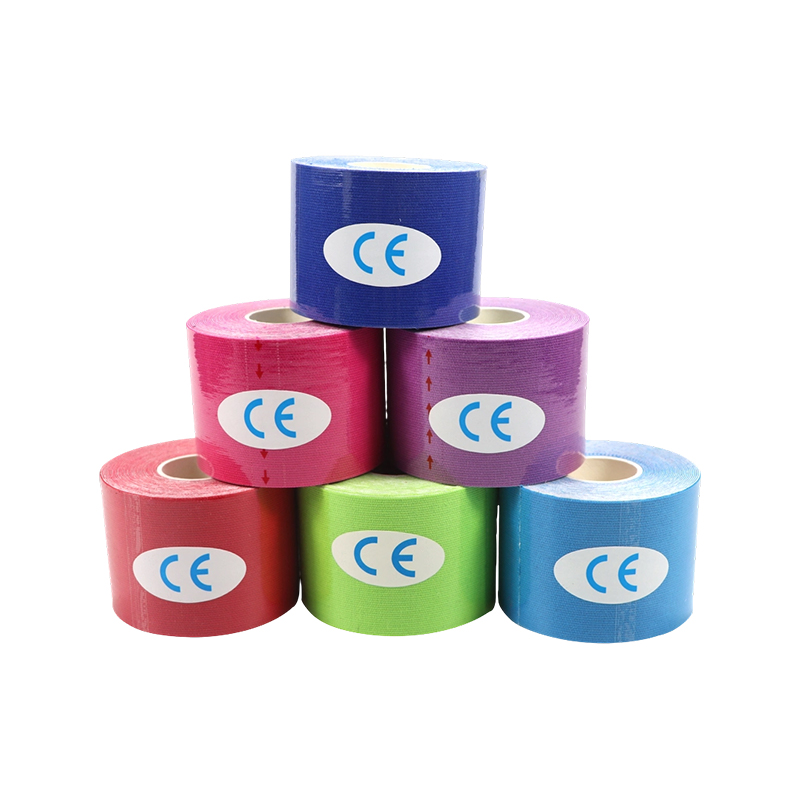
Our kinesiology tape delivers dynamic support, enabling unrestricted free movement while effectively enhancing muscle function and blood circulation. Our sports bandages, on the other hand, provide reliable fixation and stability for joints during high-intensity activities, effectively preventing sprains and strains. From sports enthusiasts to professional athletes, we offer trustworthy professional protection for both training and competitions.
Please feel free to contact us when you need us! Whether you want
to become our partner or need our professional guidance or support
in product selection and problem solving, our professional team is
always ready to help you.
What Is Athletic Tape and How Does It Actually Support an Athlete's Body?
Understanding Athletic Tape Beyond the Locker Room
Walk past any training room, gym, or sideline bench and you will likely see strips of tape wrapped around an ankle, wrist, or shoulder. That familiar sight raises a practical question for anyone new to sports medicine: what is athletic tape actually doing under the skin, and why do coaches and physiotherapists treat it as a routine part of preparation rather than an emergency fix?
Athletic tape is a supportive material applied directly to the skin over joints, muscles, or tendons. It is designed to restrict unwanted movement, add mild compression, and give proprioceptive feedback to the nervous system. Unlike a rigid brace, it moves with the body while still limiting motion in specific directions. This balance between support and mobility is why the practice has remained a standard part of athletic preparation for decades.
Quick Snapshot
Primary purpose: joint stabilization, muscle support, and injury risk reduction during activity.
Common users: athletes, physiotherapists, dancers, manual laborers, and rehabilitation patients.
Typical application sites: ankles, knees, shoulders, wrists, and the lower back.
How Does Athletic Tape Actually Work on the Body?
To understand what athletic tape does, it helps to separate three mechanisms that operate at the same time once a strip is applied correctly.
Mechanical restriction: Rigid tape limits how far a joint can move in a specific direction, which reduces the chance of overextension during a sudden pivot or landing.
Compression and swelling control: A firm wrap can slightly reduce local swelling after a minor strain by limiting fluid buildup around the injured tissue.
Proprioceptive feedback: The skin contains sensory receptors that detect stretch and pressure. Tape stimulates these receptors, which reminds the muscle to activate earlier and helps the athlete sense joint position more accurately during fast movement.
Research summarized by sports medicine associations consistently points to this proprioceptive effect as one of the more measurable benefits, particularly for ankles with a history of sprains. A supported joint reacts faster to an awkward landing because the nervous system receives an early warning signal from the taped skin.
Rigid vs Elastic: Two Different Tools for Two Different Jobs
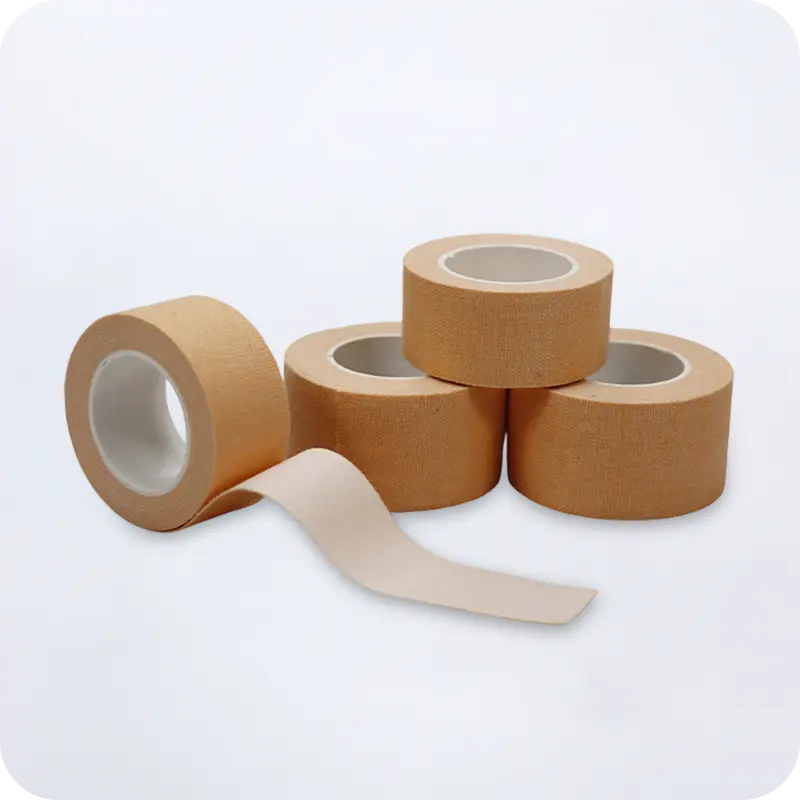
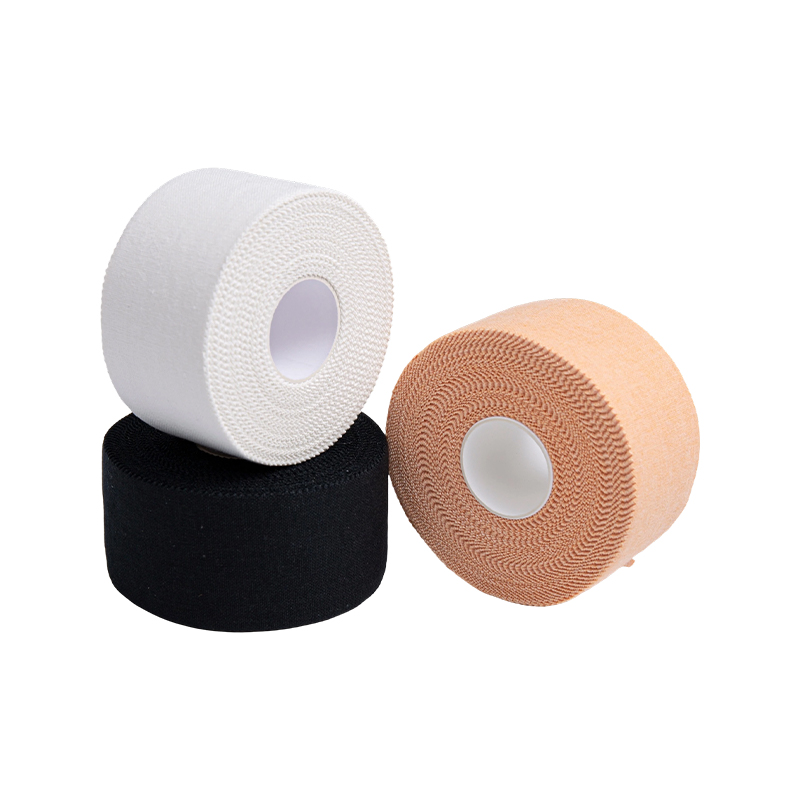
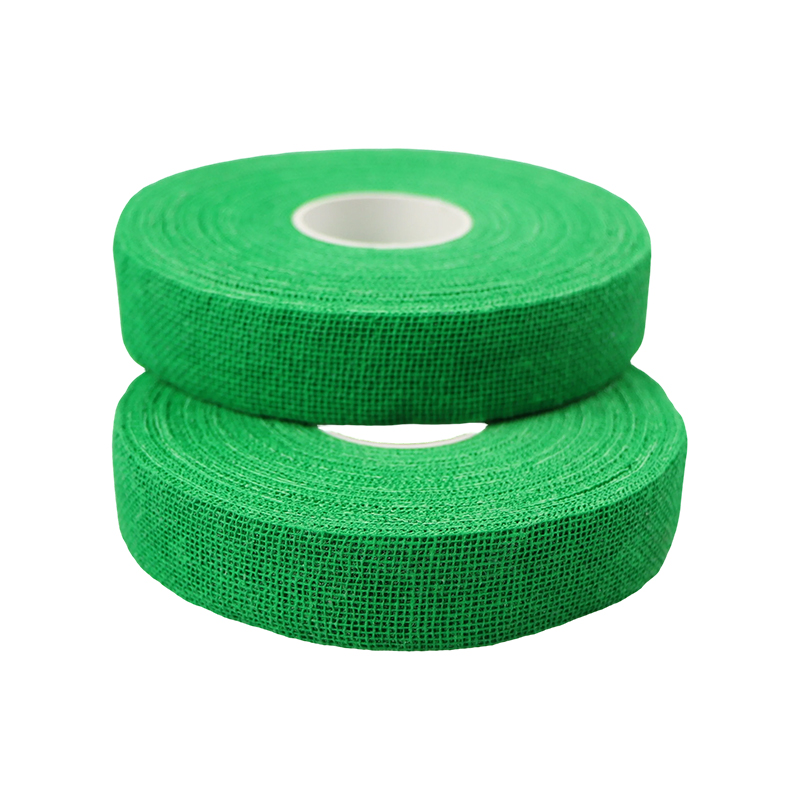
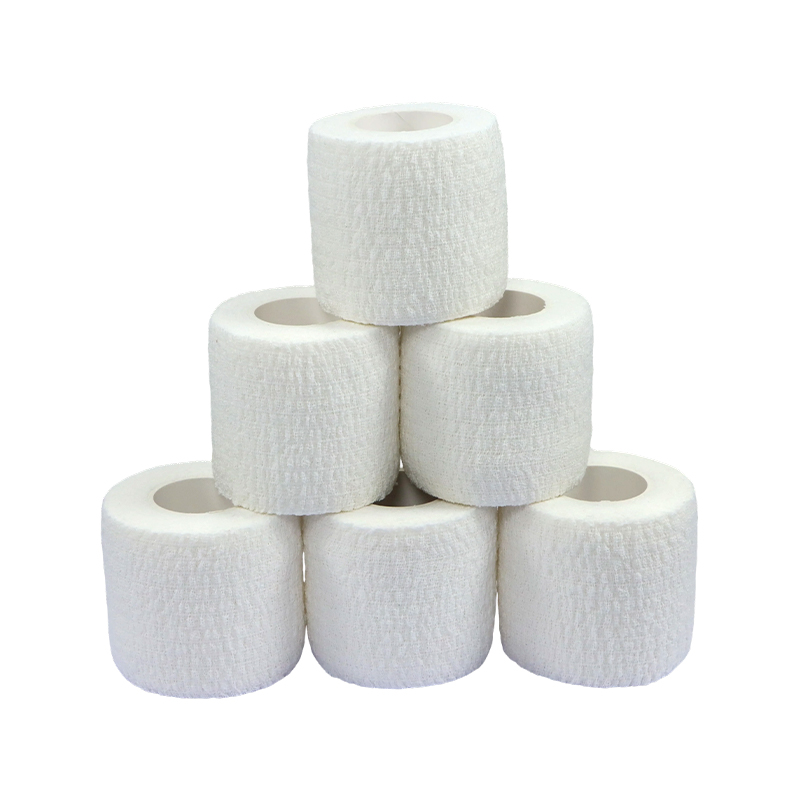
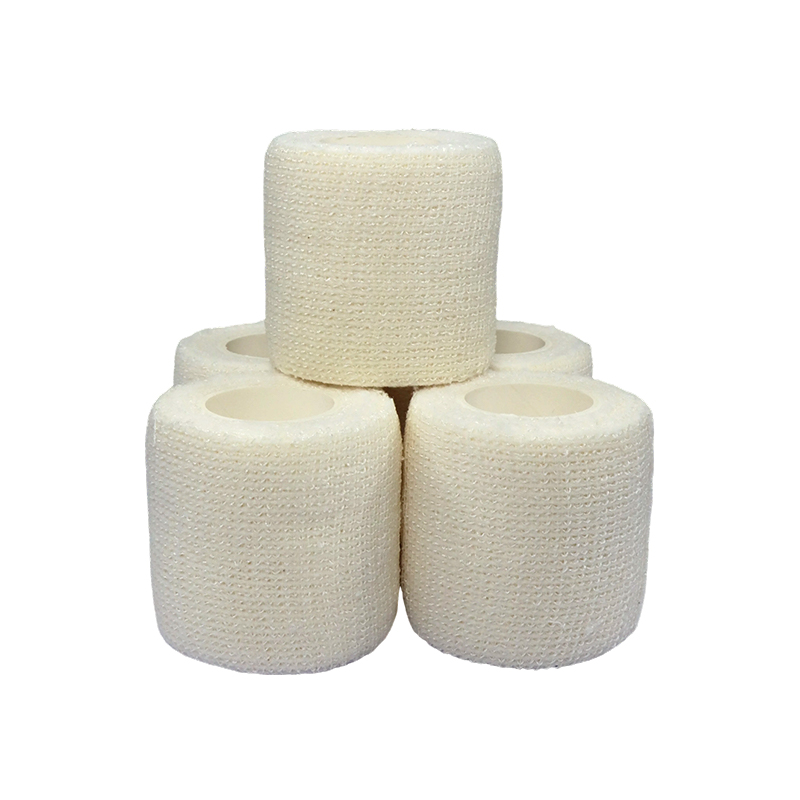
Not all tape on the market behaves the same way. Before choosing a product such as Sports Strapping Tape, it helps to understand the mechanical difference between the two dominant categories.
Feature
Rigid Strapping Tape
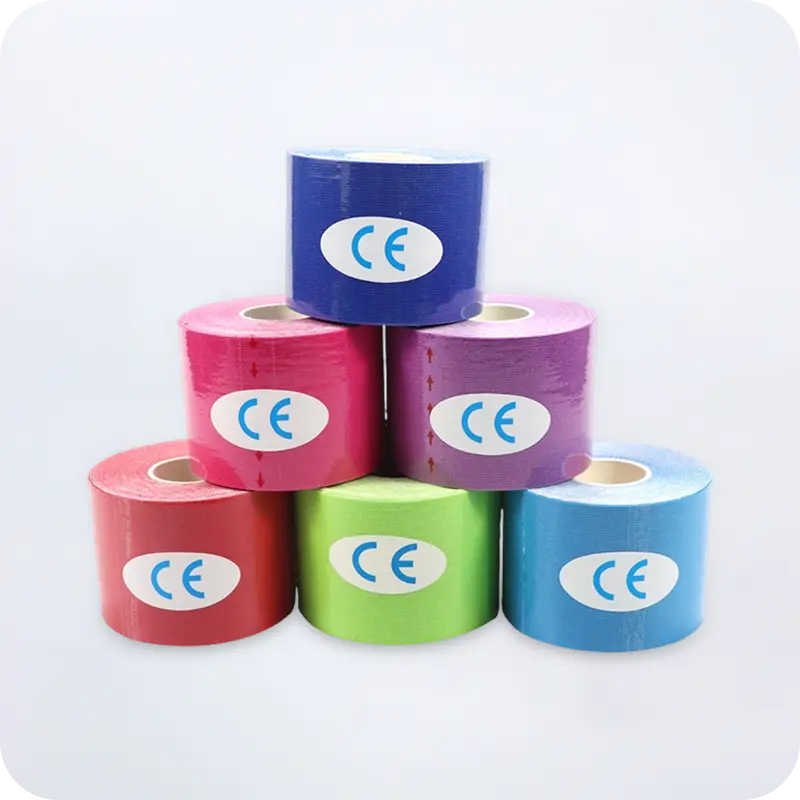
Elastic Kinesiology Tape
Stretch
Little to none
High, mimics skin elasticity
Main Goal
Restrict joint movement
Support muscle without blocking motion
Typical Use
Acute sprains, ankle stability
Muscle fatigue, mild strains
Wear Duration
One training session or match
Multiple days
Skin Feel
Firm, structured
Light, breathable
Choosing between the two is less about brand and more about the goal. If the priority is blocking a specific range of motion after a joint injury, rigid athletic tape for injury is the standard choice. If the goal is gentle muscular support during multi-day training blocks, an elastic option is generally preferred.
What Does Athletic Tape Help With? Common Applications
The uses of athletic tape extend well beyond a twisted ankle. Below is a breakdown of the situations where taping is routinely applied in training rooms and clinics.
Ankle stability: The most common application, used both preventively before activity and reactively after a sprain.
Athletic taping shoulder: Supports the joint capsule during overhead sports like volleyball, swimming, and throwing events.
Lower back support: Athletic tape for back pain is used to reduce excessive lumbar flexion during lifting-heavy or repetitive-bending sports.
Wrist and thumb protection: Common in racquet sports and combat sports where hyperextension is a risk.
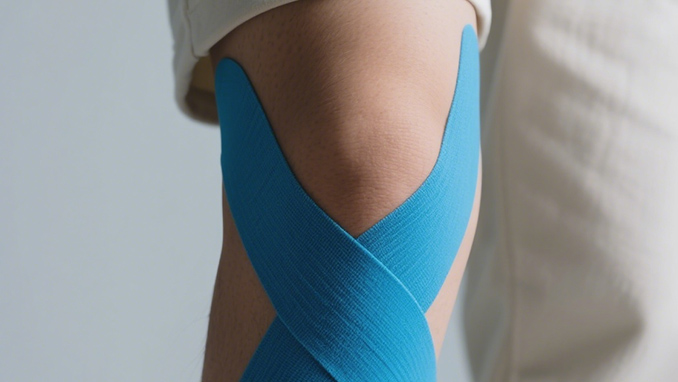
Knee tracking: Helps guide patella movement in runners dealing with mild tracking issues.
Physiotherapists frequently note that taping is most effective as part of a broader plan that includes strengthening and mobility work, not as a standalone fix for chronic pain.
How Do You Put On Athletic Tape? A Step-by-Step Overview
Correct application matters as much as tape choice. Poor technique can reduce circulation or fail to provide any real support. Below is a general sequence used across most taping protocols.
Step
Action
1
Clean and dry the skin; remove oils and hair if needed for adhesion
2
Apply anchor strips above and below the joint to be supported
3
Add support strips in the direction that limits unwanted movement
4
Lock the support strips with horizontal closure strips
5
Check circulation and range of motion before activity begins
Skin prep is often the step athletes rush the most, yet it determines how long the tape holds under sweat and movement. A dry, oil-free surface can noticeably extend wear time compared to skin that has not been cleaned.
Visualizing the Taping Process
The diagram below summarizes the general application flow described above, from skin preparation to the final circulation check.
Why Do So Many Athletes Wear Black Tape?
The black tape worn by athletes on television is functionally the same as any other color; the shade itself has no mechanical benefit. Darker colors are simply popular for practical reasons: they hide dirt and grass stains during long matches, show less visible wear, and, for some athletes, have become a personal or team aesthetic choice over time. From a support standpoint, color has no bearing on adhesion strength, stretch, or how well the tape restricts a joint.
Adhesive strapping methods for joint support date back to early 20th-century sports medicine, when trainers began experimenting with cloth-backed adhesive strips to manage recurring ankle and wrist injuries in contact sports. Over the following decades, the material evolved from simple cloth adhesive into the specialized rigid and elastic variants used today, shaped by ongoing feedback from physiotherapists and athletic trainers working directly with injured athletes.
Frequently Asked Questions
Q1: What is athletic tape used for?
It is used to support joints and muscles, restrict unwanted movement after an injury, and provide sensory feedback that can improve balance and reaction time during activity.
Q2: Does athletic tape actually prevent injuries?
It can reduce the risk of re-injury in joints with a prior history of sprains by limiting extreme ranges of motion, though it does not replace proper strength and mobility training.
Q3: How long can athletic tape be worn?
Rigid strapping tape is typically applied for a single training session or match, while elastic kinesiology tape can often be worn for several days depending on skin sensitivity and adhesion quality.
Q4: Is athletic tape safe for sensitive skin?
Most people tolerate it well, but proper skin prep and periodic removal breaks help reduce irritation for those with sensitive skin.
Q5: Can athletic tape help with back pain?
Yes, taping techniques applied to the lower back can reduce excessive movement during repetitive bending or lifting, which is why athletic tape for back pain is common in strength and field sports.






 English
  русский
  Français
  Español
  عربى
عربى 

 ENG
ENG