The durability and performance consistency of a pbt bandage have become essential considerations for medical suppliers, distributors, and clinical users. As the demand for high-quality elastic bandaging increases across healthcare facilities, first-aid applications, rehabilitation centers, and sports environments, understanding how pbt bandage maintains elasticity over extended periods gains significant importance.
Understanding the Material Characteristics of PBT and Its Elastic Benefits
The primary factor influencing long-term elasticity in pbt bandage is the intrinsic property of polyester-based PBT (polybutylene terephthalate) fibers. These fibers provide stable extension capabilities, enabling the bandage to stretch repeatedly without losing structural integrity. Unlike natural fibers, which may degrade more quickly during use, PBT demonstrates more consistent behavior under mechanical stress.
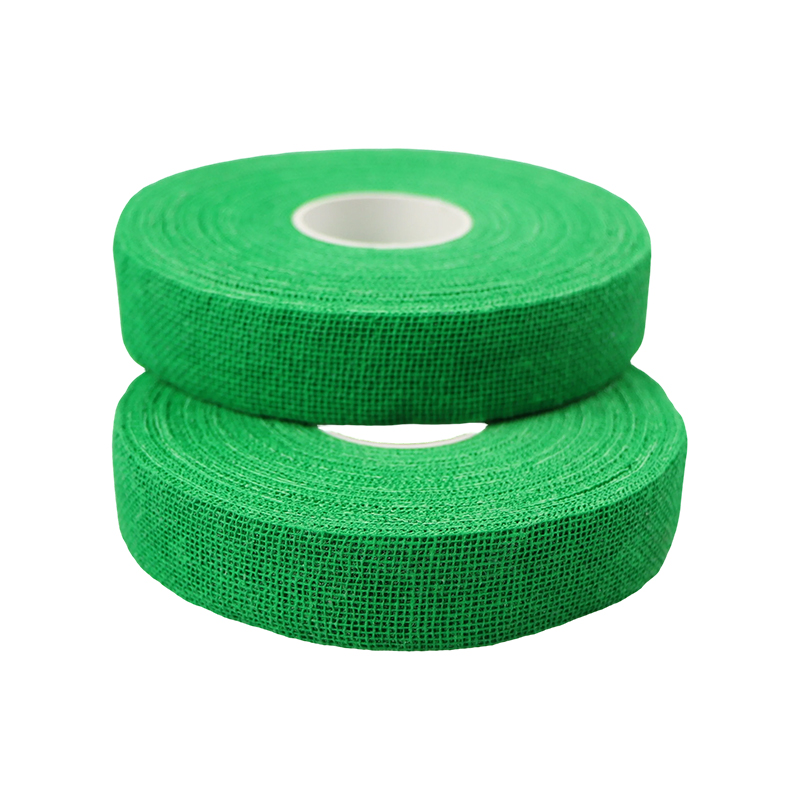
A soft thin and permeable pbt bandage uses fine PBT yarns woven in a way that enhances softness and breathability. This material design helps maintain elasticity because the structure minimizes fiber fatigue and retains a uniform tension distribution. In comparison, a high elasticity polyester pbt bandage uses denser PBT filaments with stronger stretch characteristics, allowing the bandage to sustain repeated extension cycles while preserving its original length-to-stretch ratio.
These inherent material differences create a foundation for high elasticity, long-term stability, and resistance to deformation, making PBT an ideal choice for medical and support bandaging applications.
The Structural Weaving Design and Its Influence on Elastic Sustainability
One of the most defining characteristics of pbt bandage performance is its weaving structure. The use of warp and weft PBT yarns arranged in a controlled pattern contributes to uniform elongation and efficient pressure distribution during use.
A soft thin and permeable pbt bandage typically adopts a lightweight open-weave structure. This configuration integrates micro-gaps within the fiber network to enhance breathability while preserving a stable stretch capacity. The ability of the bandage to release heat and moisture efficiently also prevents fiber fatigue caused by excessive humidity, supporting long-term elasticity retention.
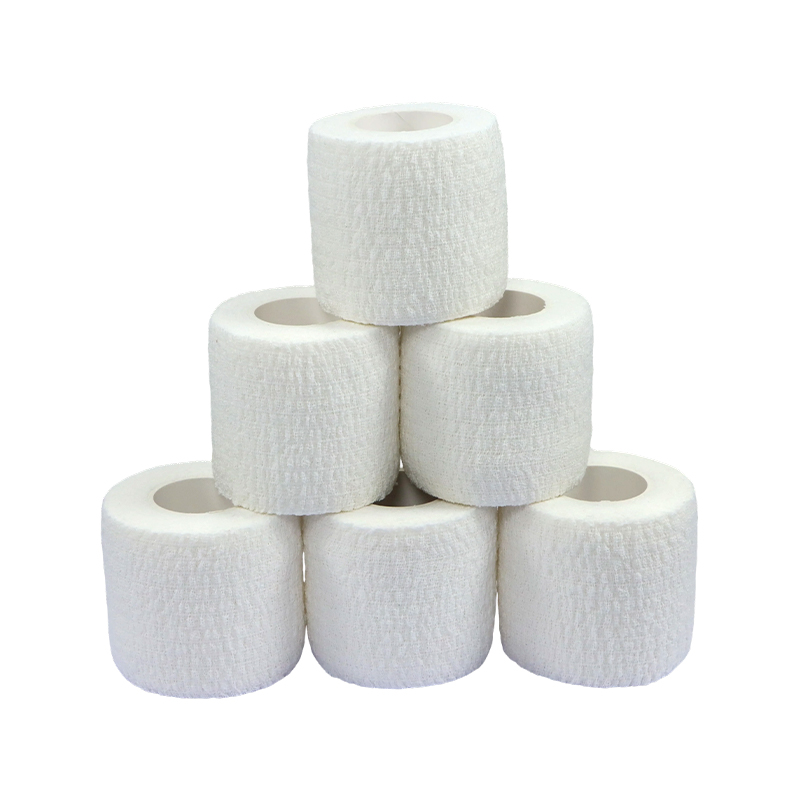
On the other hand, a high elasticity polyester pbt bandage often incorporates a tighter and thicker weave design, optimized for sustained compression and stability. The structural density of the weave ensures consistent rebound after stretching, enabling the product to maintain its form even after extended periods of use or storage.
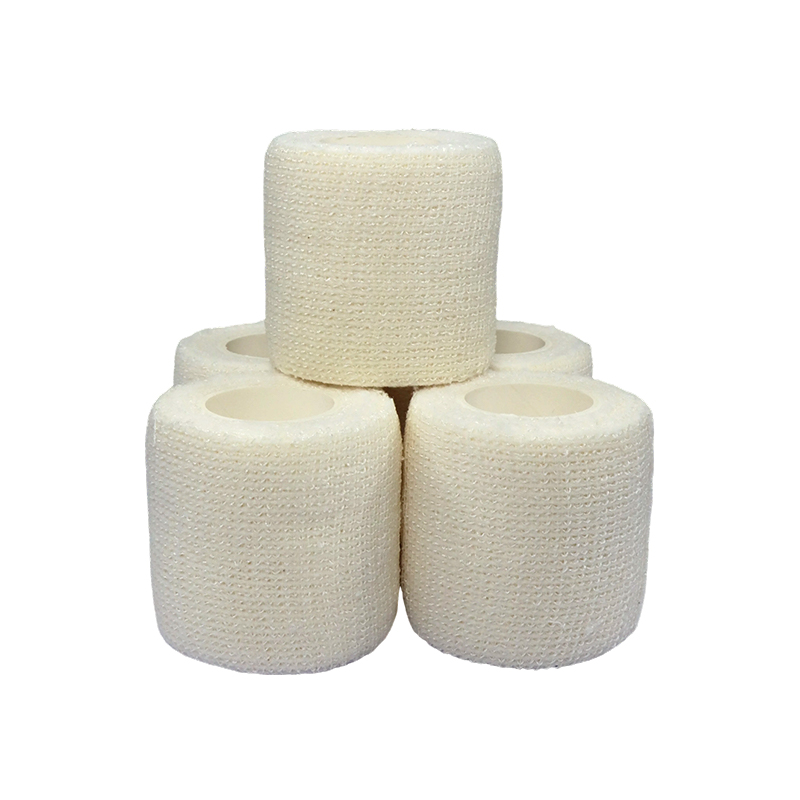
A fracture fixation pbt bandage demands a more reinforced structural pattern to maintain stable support during immobilization. Although the weave density is higher, the elastic component remains essential to distributing pressure evenly around injured areas without causing circulation obstruction. The structural strength in this type helps reduce premature fiber relaxation.
The overall arrangement of fibers within the weave significantly affects the long-term elasticity of pbt bandage, influencing how the bandage withstands various levels of stress, environmental exposure, and clinical usage conditions.
The Manufacturing Process and Its Impact on Elastic Durability
Manufacturing processes directly influence the elastic consistency of pbt bandage and its suitability for long-term use. Several production elements determine how effectively the bandage maintains its stretching performance:
Heat-setting treatment
Heat-setting stabilizes PBT fibers during the production process. This structural stabilization allows the bandage to retain its elasticity even after repeated stretching and washing. A properly heat-set bandage resists deformation, keeping its original length and maintaining stable compression levels.
Controlled tensioning
Tension control during weaving ensures uniform elasticity throughout the entire length of the pbt bandage. If tension is inconsistent, the product may exhibit uneven stretch performance or localized loss of elasticity during use.
Surface finishing processes
Softening, permeability enhancement, and debris removal treatments further optimize the texture, breathability, and cleanliness of products like soft thin and permeable pbt bandage and sterile and non-sterile pbt bandage. Proper finishing reduces premature surface fiber breakage, improving long-term durability.
Sterilization and its effect
In sterile and non-sterile pbt bandage, sterilization must not compromise elasticity. A controlled sterilization method preserves fiber elasticity while meeting hygiene standards. When properly executed, the elasticity of a sterile product closely matches that of its non-sterile equivalent.
Each process step contributes to the overall performance stability and ability of the bandage to maintain elasticity during prolonged use.
How Usage Conditions Influence Elastic Retention Over Time
The way users handle, apply, and store a pbt bandage significantly impacts long-term elasticity. Although PBT fibers offer inherent durability, improper usage may accelerate elasticity loss.
Repeated overstretching
Stretching the bandage beyond its intended extension range may strain PBT fibers. This is particularly relevant in high elasticity polyester pbt bandage, which is designed for consistent extension but still requires controlled application tension.
Exposure to excessive moisture
While breathable structures like those in soft thin and permeable pbt bandage effectively minimize moisture accumulation, prolonged exposure to wet conditions may weaken the mechanical properties of stretched fibers.
Improper storage conditions
Exposure to extreme temperatures or prolonged UV exposure may accelerate degradation. Users must store pbt bandage in a controlled environment to preserve elasticity.
Excessive compression pressure
During fracture management, clinicians may apply fracture fixation pbt bandage under conditions requiring higher stability. While the product is designed for strength, excessive force during application may still reduce fiber resilience.
These factors illustrate how user behavior and clinical environment affect the long-term stretching performance of pbt bandage.
Comparison of Elastic Performance Among Different Types of PBT Bandage
Various pbt bandage types demonstrate distinct elastic characteristics due to differences in materials, structures, production processes, and clinical uses. The following table presents a comparative overview:
| PBT bandage type |
Elastic characteristics |
Suitable applications |
| soft thin and permeable pbt bandage |
Moderate elasticity, lightweight, retains shape well under low to medium tension |
General wound care, daily compression, breathable wrapping |
| high elasticity polyester pbt bandage |
High elongation ratio, strong rebound, maintains tension over repeated cycles |
Sports support, edema management, stable compression needs |
| fracture fixation pbt bandage |
Reinforced elasticity, stable pressure distribution, resistant to deformation |
Immobilization support, orthopedic applications |
| sterile and non-sterile pbt bandage |
Elasticity varies by sterilization method but remains stable when correctly processed |
Clinical procedures, first-aid, sanitary applications |
This comparison helps buyers understand how each bandage type aligns with specific performance requirements and how elasticity plays a role in application suitability.
Why Elastic Stability Is Essential in Clinical and Rehabilitation Settings
Elastic stability in pbt bandage affects clinical effectiveness, patient comfort, and overall treatment outcomes. Consistent elasticity ensures that applied pressure remains uniform, reducing risks such as circulation obstruction, wound displacement, or inconsistent support.
Pressure consistency
Elastic retention ensures that compression remains stable over time. This is particularly important for high elasticity polyester pbt bandage, where improper or weakened tension may affect edema control or sports recovery.
Support reliability
In orthopedic settings, fracture fixation pbt bandage must maintain reliable support during immobilization. Elastic performance stability contributes to patient safety and comfort during recovery.
Breathability and comfort
A soft thin and permeable pbt bandage maintains both elasticity and airflow, supporting skin health during extended wear.
Hygiene stability
A sterile and non-sterile pbt bandage used in clinical settings must maintain elasticity while meeting hygiene standards to reduce infection risk during procedures.
Elastic durability therefore directly impacts the functionality, reliability, and safety of pbt bandage products in healthcare environments.
Buyer Considerations When Selecting PBT Bandage for Long-Term Elastic Performance
Buyers evaluating pbt bandage must consider several factors to ensure the products maintain elasticity throughout their intended usage period.
Fiber quality
High-grade PBT fibers improve durability, especially in high elasticity polyester pbt bandage.
Weave density
Weave pattern influences breathability, strength, and elastic retention. Buyers should match weave density with application demands.
Product type selection
Choosing between soft thin and permeable pbt bandage, fracture fixation pbt bandage, and sterile and non-sterile pbt bandage depends on clinical requirements, user scenarios, and hygiene standards.
Packaging and storage considerations
Proper protective packaging helps reduce premature elasticity loss caused by moisture and environmental exposure.
Regulatory compliance
Buyers should ensure the products meet relevant quality and safety standards, confirming that the elasticity is stable through repeated clinical use.
Proper evaluation of these factors ensures consistent performance and long-term reliability.
Future Trends in Elastic Materials for PBT Bandage Applications
Advancements in polymer technology and textile engineering continue to improve the elastic performance of pbt bandage. Innovations in fiber blending, micro-weaving technologies, and environmentally improved processes contribute to enhanced elasticity and user comfort.
Future developments may include:
- Improved breathability in soft thin and permeable pbt bandage
- Enhanced rebound capability in high elasticity polyester pbt bandage
- Greater structural reinforcement for fracture fixation pbt bandage
- High-precision sterilization techniques for sterile and non-sterile pbt bandage
Such advancements support growing market demands for performance-stable, comfortable, and durable bandage solutions.
FAQs About PBT Bandage
1. Does pbt bandage lose elasticity after washing?
It may lose some elasticity if washed improperly, but high-quality PBT fibers and controlled heat-setting help minimize deformation.
2. Is a soft thin and permeable pbt bandage suitable for long-term compression?
It is suitable for light to moderate compression but may not be ideal for high-pressure applications.
3. Can a high elasticity polyester pbt bandage be used for sports injuries?
Yes. Its strong rebound and stable tension make it suitable for supporting joints and muscle recovery.
4. Is a fracture fixation pbt bandage reusable?
It depends on clinical protocols. In general, orthopedic bandages are intended for single-patient use.
5. Does sterilization affect the elasticity of a sterile and non-sterile pbt bandage?
Proper sterilization maintains elasticity, but poorly controlled processes may reduce fiber resilience.





 English
  русский
  Français
  Español
  عربى
عربى 

 ENG
ENG