Understanding the Role of Density in Foam Under Wrap
Density fundamentally influences how foam under wrap behaves under pressure, strain, and prolonged use. Whether selecting pu foam under wrap for professional athletic teams or stocking lightweight material foam under wrap for general sports retail, density determines compression resistance, flexibility, breathability, and cushioning effect.
Low-density foam under wrap is generally softer, lighter, and more pliable, providing gentle cushioning suitable for short-term or low-impact applications. High-density foam under wrap, by contrast, delivers greater structural stability, reduced deformation, and stronger support during taping procedures.
Because foam under wrap is commonly used beneath adhesive athletic tape to prevent irritation and enhance comfort, understanding density allows buyers to match the product precisely to athlete needs and taping objectives.
Material Composition of PU Foam Under Wrap and Density Effects
Characteristics of PU Material Across Different Densities
As the term pu foam under wrap indicates, polyurethane foam serves as the base material for most high-quality under wrap products. PU offers softness, elasticity, and stability, but density determines how these qualities manifest.
Low-density PU foam contains a more open structure with greater air permeability, resulting in good breathability foam under wrap that prevents moisture build-up during training. High-density PU foam contains a tighter structural formation, enhancing durability but slightly reducing ventilation.
Across both versions, PU maintains consistent safety, non-abrasive characteristics, and hypoallergenic properties when properly produced. This makes it appropriate for athletes with sensitive skin or those who require frequent taping sessions.
Influence of Density on Surface Texture and Skin Comfort
Density directly affects the tactile sensation of foam under wrap:
- Low-density versions typically offer a smoother, softer surface that reduces friction against the skin.
- High-density foam under wrap has a slightly firmer, more compact texture, helping the wrap maintain shape during intense movement.
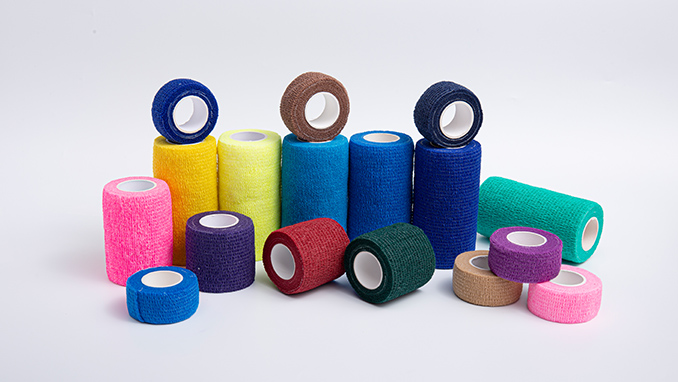
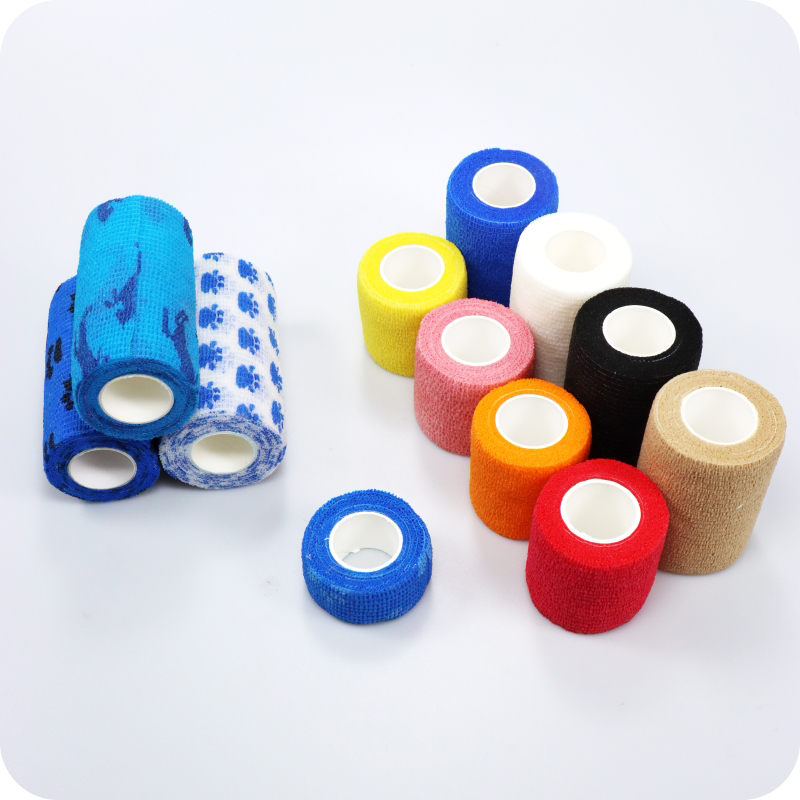
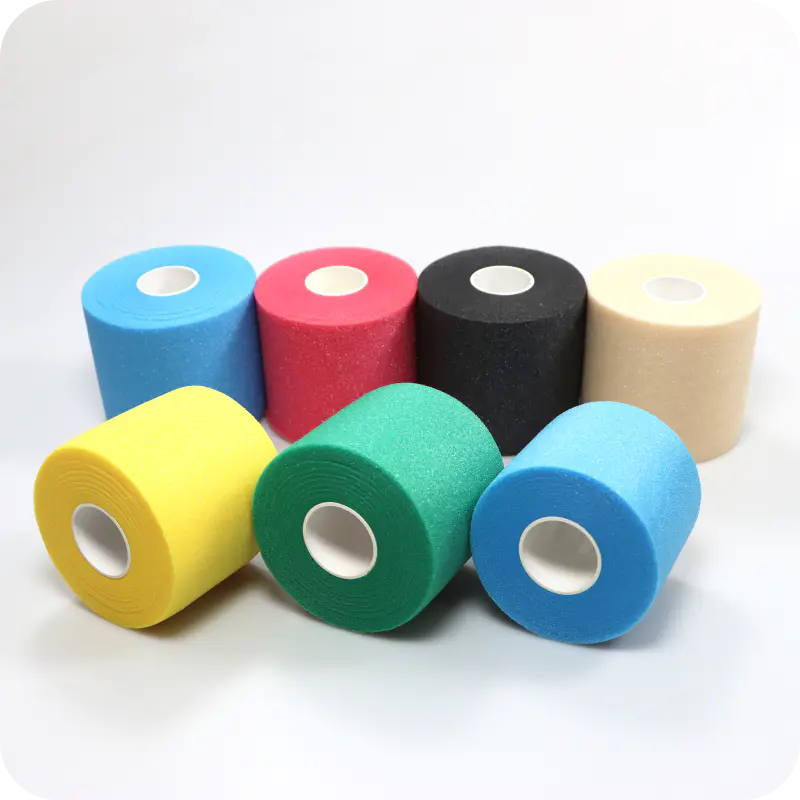
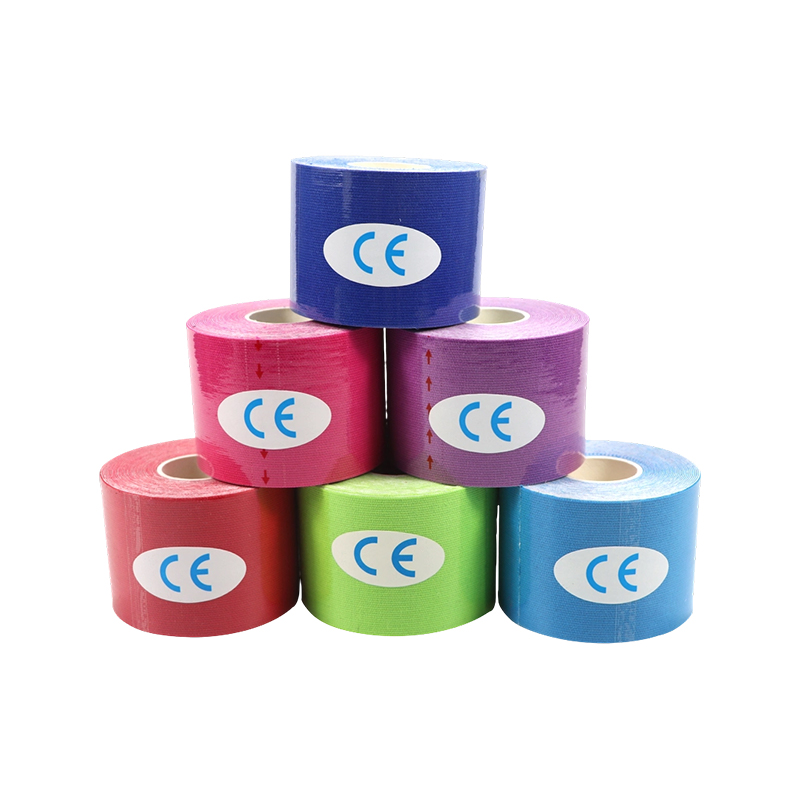
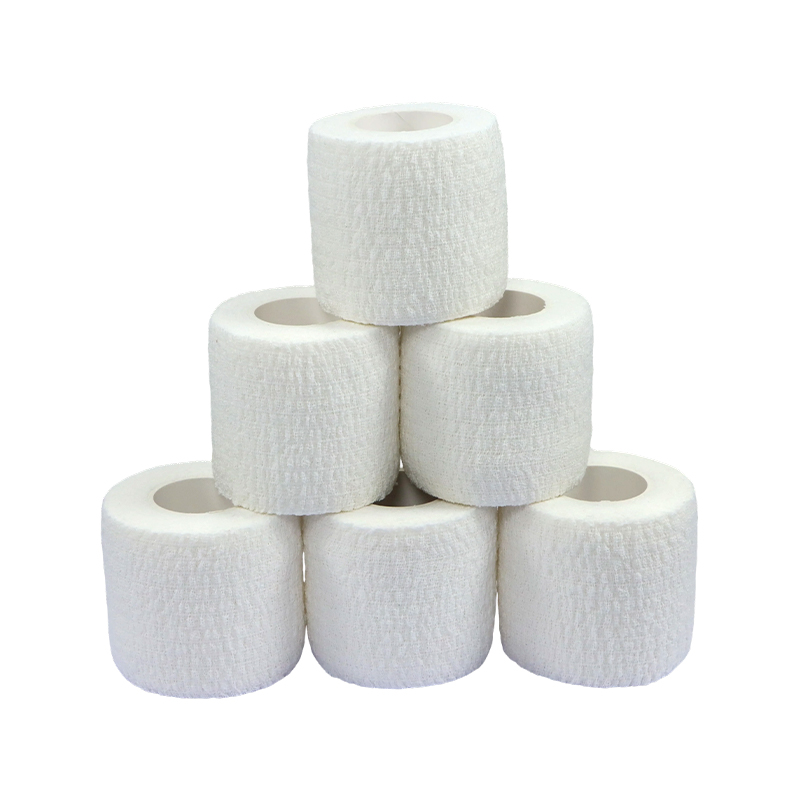
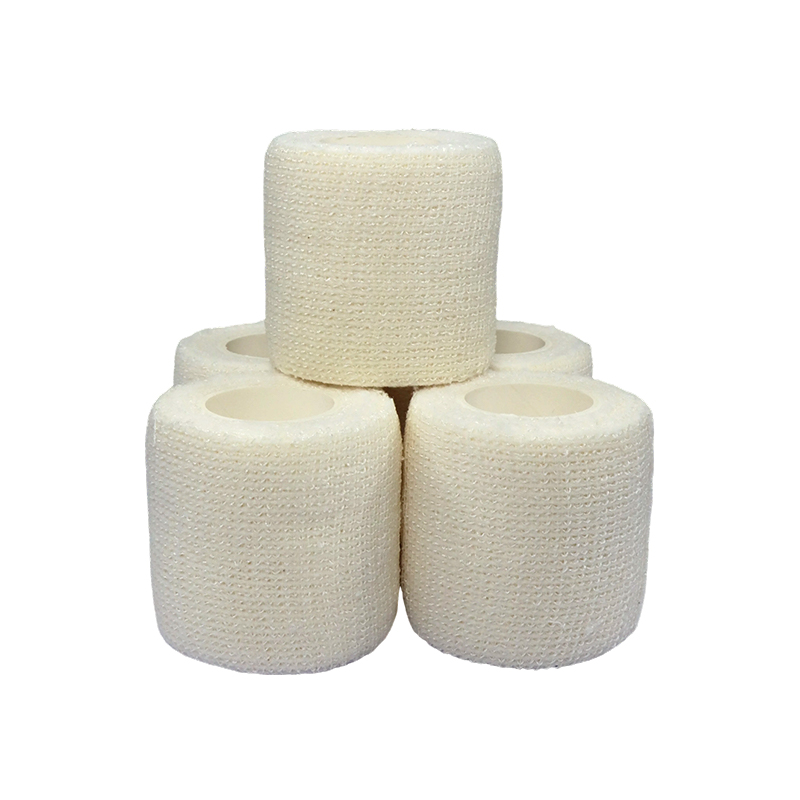
Both versions remain compatible with various colors and packages foam under wrap, allowing aesthetic or brand-consistent product selection without affecting the inherent density-related quality.
Performance Differences Between Low-Density and High-Density Foam Under Wrap
Compression Resistance and Structural Integrity
One of the most critical differences between low-density and high-density foam under wrap lies in compression resistance. High-density foam resists flattening under tape tension, making it preferred for sports that require strong joint stabilization such as football, basketball, or trail running.
Low-density foam is more prone to compression but offers higher softness, making it suitable for light protective layers or situations where minimal resistance is preferred.
Breathability and Moisture Control
Good breathability foam under wrap is essential for preventing discomfort and skin irritation. Low-density foam generally provides superior ventilation due to its open-cell structure. Athletes engaged in prolonged activities often prefer it as it helps reduce trapped sweat and heat.
High-density foam, however, still maintains acceptable breathability but prioritizes support over ventilation. For taping in colder environments or shorter durations, breathability differences may become less significant.
Flexibility and Stretch Behavior
Low-density foam under wrap tends to stretch more easily, making it adaptable for areas requiring contouring, such as the wrist, elbow, or ankle. This flexibility improves user comfort and facilitates smooth tape transitions.
High-density foam maintains its shape, preventing over-stretching during application. This can be beneficial when:
- Building a stronger protective layer
- Applying tape to high-mobility joints
- Creating secure underlayers for rigid taping techniques
Even in these cases, high-density versions still retain enough give to remain comfortable, particularly in lightweight material foam under wrap formats designed to keep bulk to a minimum.
Durability and Long-Term Use Considerations
Structural Longevity During Athletic Performance
High-density foam under wrap outperforms low-density versions in long-duration applications because it resists breakdown and maintains consistency under repeated movement and stress. This makes it an ideal choice for competitive sports or extended training sessions.
Low-density foam may gradually lose volume during extended use, but its comfort makes it suitable for general fitness, recreational sports, and youth athletics.
Tearing Strength and Handling Efficiency
Foam under wrap must be easy to apply and tear cleanly by hand. High-density versions generally produce more controlled, straighter tears because of their firmer composition. Low-density wraps tear effortlessly but may produce more irregular edges if users lack proper technique.
This difference matters especially for athletic trainers and physiotherapists who require fast, efficient application under time constraints.
User Experience: Comfort, Application, and Versatility
Comfort Differences for Athletes and Regular Users
Low-density foam under wrap delivers maximum comfort due to its cushioned profile. It is commonly chosen for:
- Sensitive skin
- Long-term pre-wrap on delicate areas
- Youth sports
- General fitness consumers
High-density foam under wrap provides comfort with added protection. It is preferred by athletes who require firmness beneath rigid athletic tape or in areas exposed to repeated movement.
Versatility Across Sports and Taping Methods
Both densities work effectively in a broad range of taping scenarios. However:
- Low-density foam excels in cushioning, hair protection, and creating a protective barrier under adhesive tapes.
- High-density foam excels in stabilizing tape layers and providing increased support for high-impact sports.
Because both variants can be produced as various colors and packages foam under wrap, buyers may choose based on sport type, team colors, or product categorization for retail.
Packaging, Colors, and Market Preferences
Color Variety and Application Context
Color selection does not impact performance, but it does affect user experience and product identity. Markets often request:
- Neutral tones for clinical or physiotherapy settings
- Bright colors for youth sports
- Multiple assorted colors for retail packaging
Both low-density and high-density foam under wrap can be manufactured in various colors and packages foam under wrap, helping businesses target different customer groups.
Packaging Preferences for Wholesale and Retail
Packaging formats may include:
- Individual rolls
- Multipacks
- Bulk wholesale cartons
- Custom package sizes
These choices depend on distribution channels such as sporting goods retail, medical suppliers, online shops, or professional athletic team procurement. Density does not affect packaging types, but high-density foam may require more robust inner cores to maintain roll shape.
Below is a sample table highlighting common packaging differences:
| Packaging Type |
Low-Density Foam |
High-Density Foam |
Typical Application |
| Individual Roll |
Common |
Common |
Retail |
| Bulk Carton |
Common |
Common |
Wholesale |
| Mixed Color Packs |
Very common |
Common |
Consumer retail |
| Heavy-duty Core Tubes |
Less common |
More common |
Professional sports |
Choosing Between Low-Density and High-Density Foam Under Wrap
Decision Factors for Buyers
Buyers should consider the following when selecting foam under wrap:
- Desired comfort level: Low-density for softness; high-density for structure.
- Sport type: High-impact sports often require high-density.
- Application duration: Longer sessions favor high-density.
- Skin sensitivity: Low-density provides gentler contact.
- Taping style: Rigid taping benefits from high-density underlayers.
- Product positioning: Retail consumers often prefer low-density options with more color choices.
Conclusion
The differences between low-density and high-density foam under wrap significantly influence performance, user comfort, breathability, and durability. Low-density foam excels in flexibility, ventilation, and comfort, making it preferred for general athletic use and sensitive skin applications. High-density foam provides superior structural support, compression resistance, and long-term performance during intensive sports.
FAQs About Foam Under Wrap
Q1: Does foam under wrap cause skin irritation?
Foam under wrap is designed to minimize irritation by creating a barrier between the skin and adhesive tape. Choosing the correct density and ensuring good breathability improves comfort further.
Q2: Is low-density or high-density foam better for long training sessions?
High-density foam is typically preferred for extended use because it maintains structural stability over time.
Q3: Can foam under wrap be reused?
Foam under wrap is generally intended for single use to ensure hygiene and consistent performance.
Q4: Does density affect compatibility with athletic tapes?
Both densities are compatible with adhesive sports tapes, but high-density versions provide enhanced support for rigid taping.
Q5: Are there differences in color availability between densities?
Both densities can be manufactured in multiple colors; color variety depends on supplier production choices, not density.






 English
  русский
  Français
  Español
  عربى
عربى 

 ENG
ENG