Finger protection solutions are used widely across industries such as manufacturing, food processing, packaging, sports training, and medical first-aid. As product categories diversify, buyers often encounter both cohesive and adhesive versions, each designed with different application needs in mind. Understanding the differences between cohesive and adhesive structures is essential for making informed purchasing decisions, especially for industries requiring precise performance, durability, and hygiene control.
Overview of cohesive and adhesive finger protection bandage structures
Cohesive and adhesive finger protection products may appear similar in shape and application method, but they differ fundamentally in how they bond to the finger surface. Understanding the bonding principle is the foundation for comparing performance characteristics.
The bonding principle of cohesive finger protection bandage
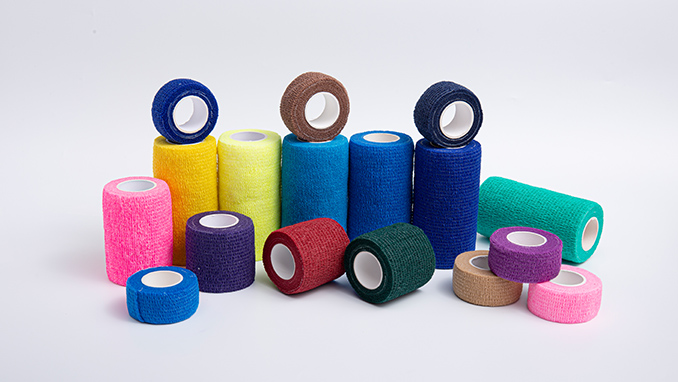
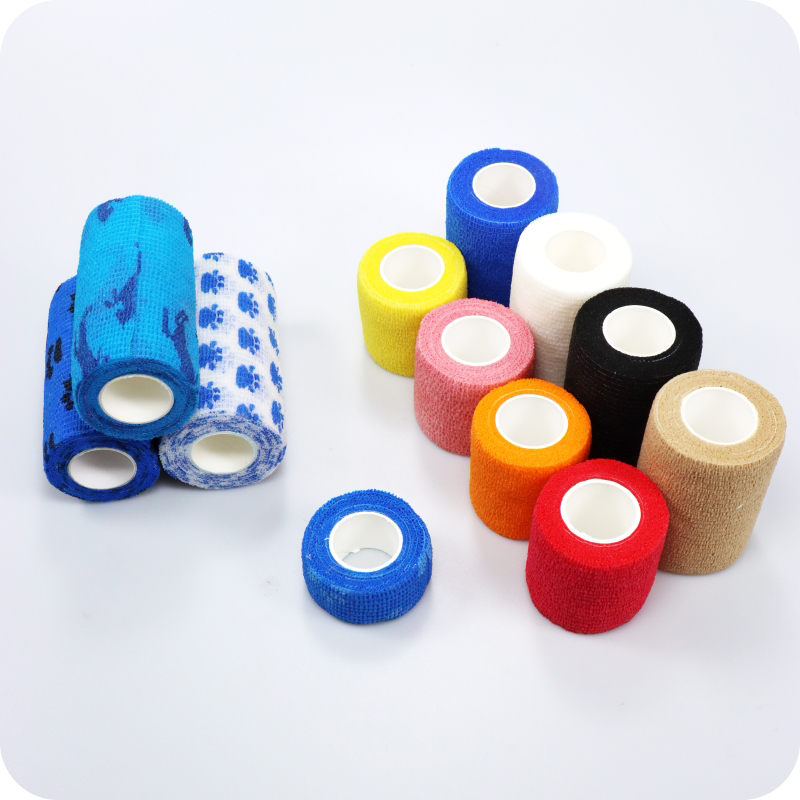
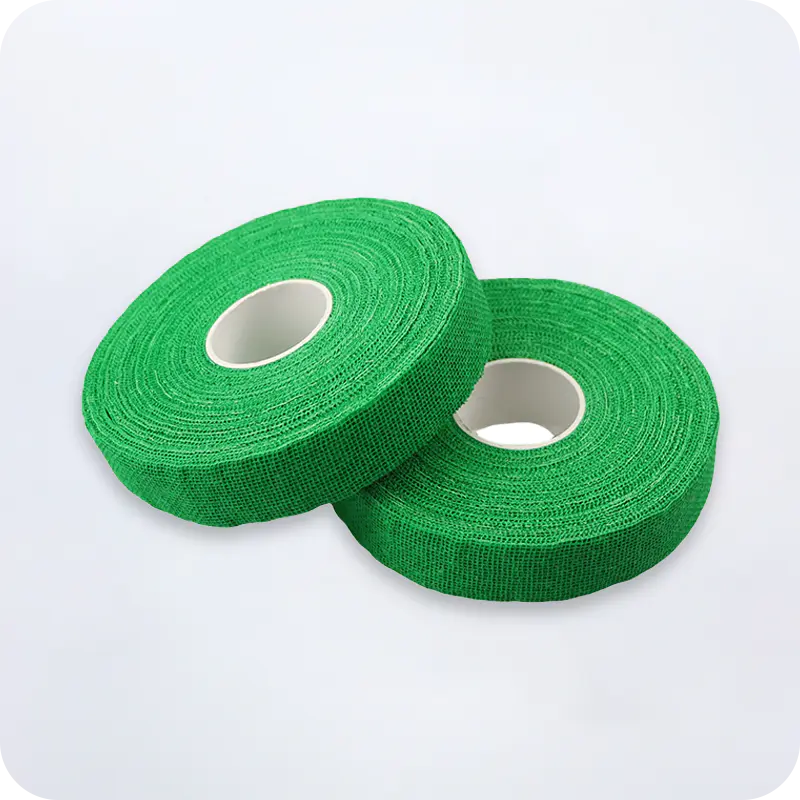
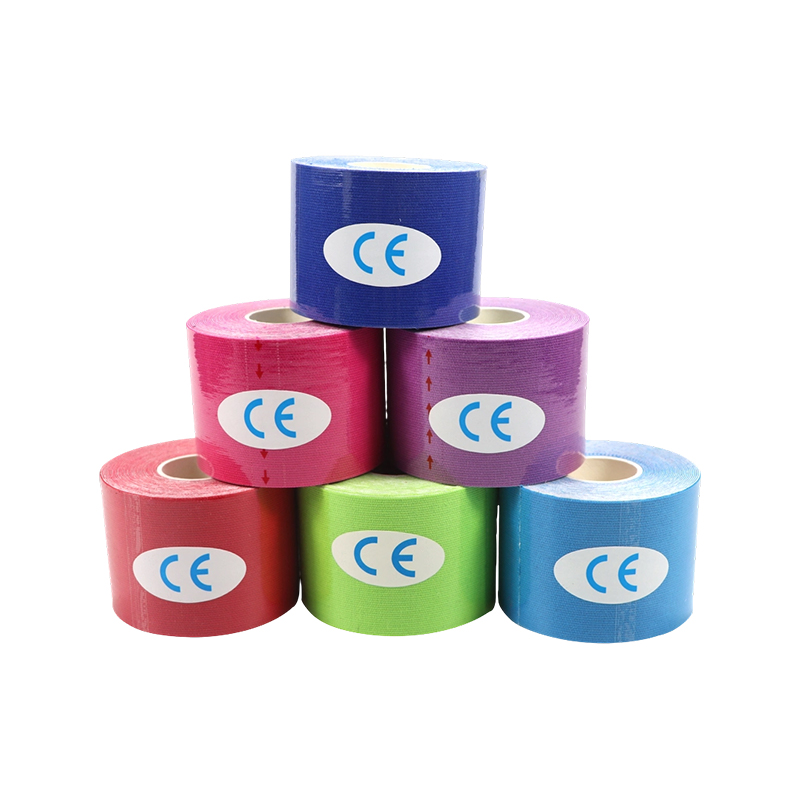
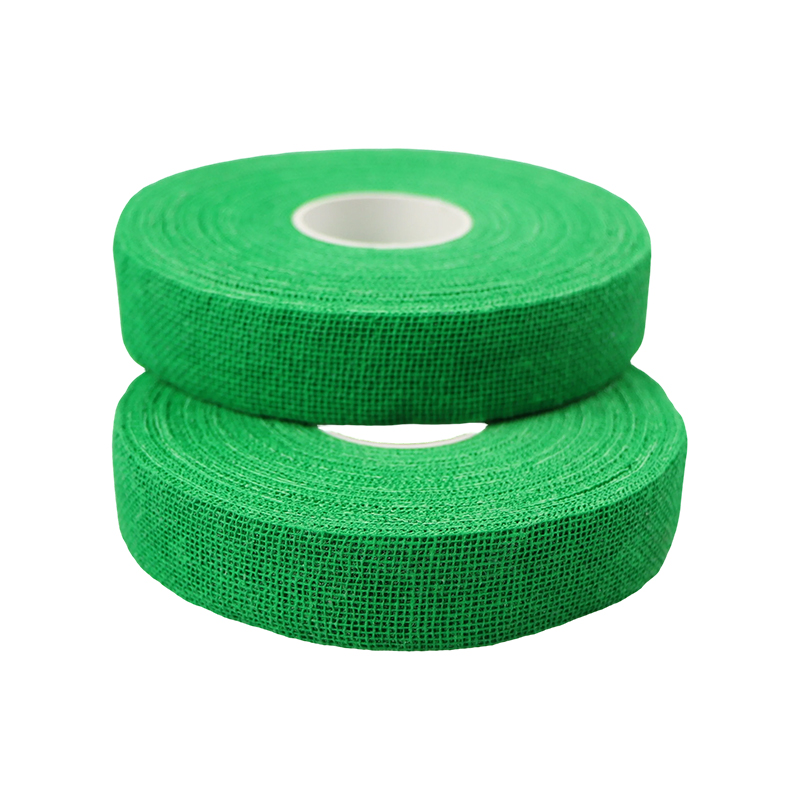
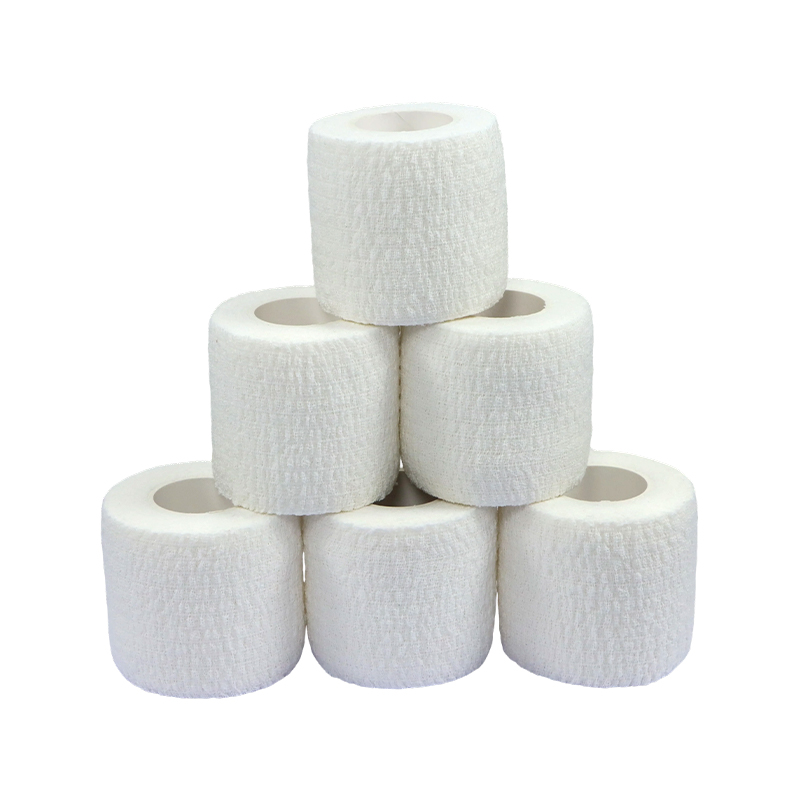
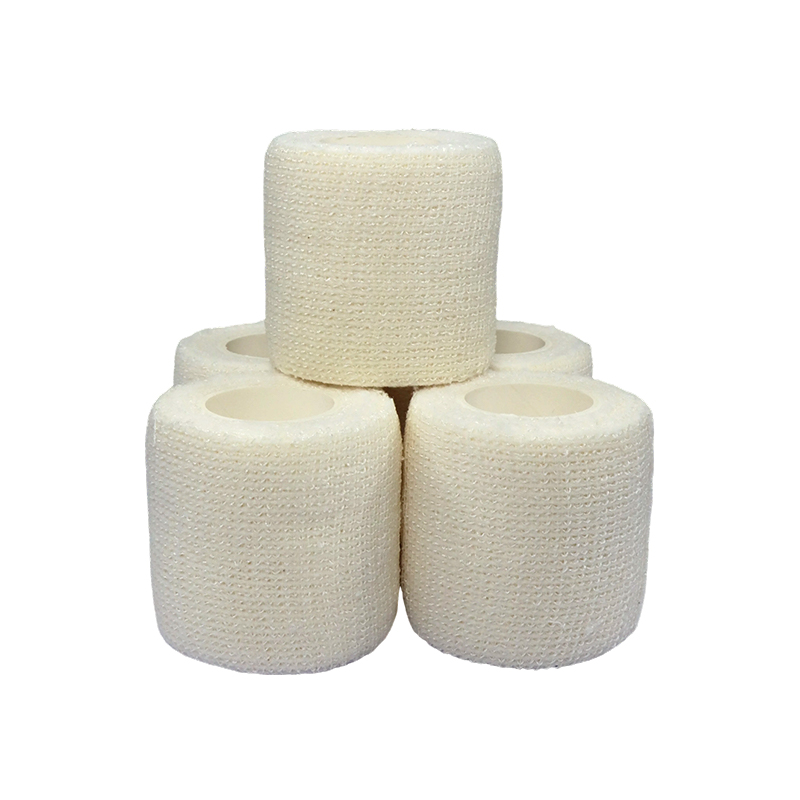
Cohesive bandages are based on a self-adhesion mechanism. The material clings to itself rather than to the skin. In cohesive products such as red/green/lake blue/fluorescent yellow finger protection bandage, the fibers are engineered so that when the bandage overlaps, the layers hold together firmly. This allows users to secure the bandage tightly without any external adhesive layer.
Key characteristics of cohesive bandages include:
- No direct adhesion to the skin, which reduces discomfort during removal.
- Adjustable tightness, allowing compression control suitable for long shifts or high-mobility tasks.
- Reduced risk of residue, important for users who need clean hands immediately after removal.
- Breathable fabric options, especially found in breathable preventing stuffiness finger protection bandage products.
These factors make cohesive bandages popular among industries where hands must remain clean and irritation-free, such as food handling, electronics assembly, and retail packaging.
The bonding principle of adhesive finger protection bandage
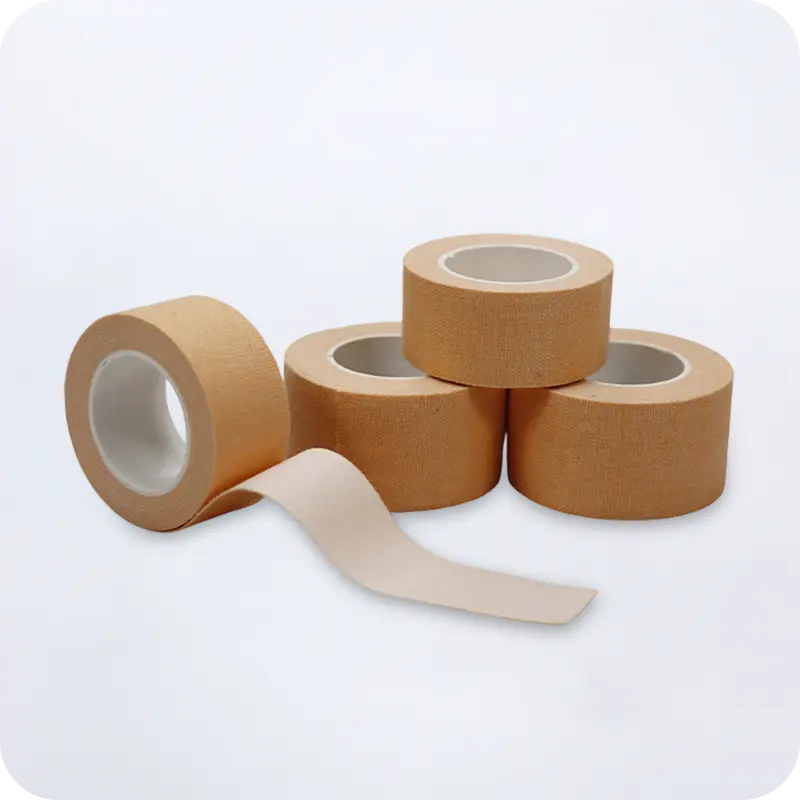
Adhesive bandages rely on a tacky surface that sticks directly to the skin. Products categorized as highly adhesive finger protection bandage fall into this group. They incorporate a pressure-sensitive adhesive layer designed to offer strong and consistent grip on both dry and slightly moist skin surfaces.
Key characteristics of adhesive bandages include:
- Strong initial tack, preferred for high-intensity tasks.
- Secure bonding, even under movement or friction.
- Firm position stability, helpful in sports scenarios, industrial work, and tool handling.
- Availability in waterproof or sweat-resistant variations, depending on the material.
These features make adhesive finger protection solutions favored in environments requiring quick application and long-lasting securement, such as sports training facilities, construction sites, and precision carpentry tasks.
Material structure and performance differences
The internal material structure greatly influences flexibility, comfort, airflow, and protective level. Both cohesive and adhesive products are available in multiple variations, including sports protection finger protection bandage and breathable versions. However, the behavior of the material under stress differs significantly between the two categories.
Fabric and material properties
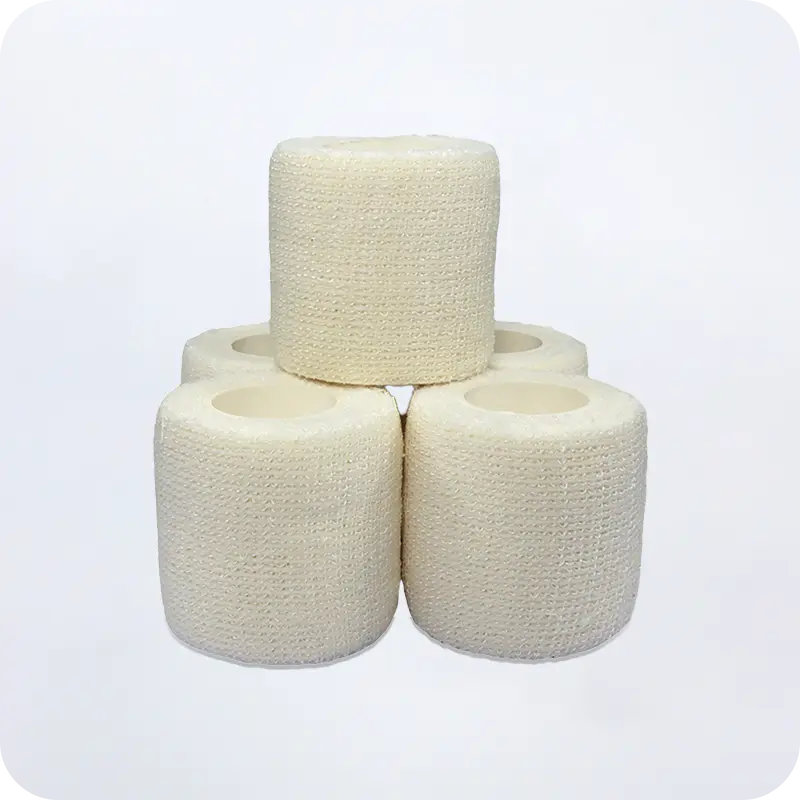
Cohesive bandages are often made from elastic non-woven fabrics or elastic cloth blends. These materials integrate micro-cohesive fibers capable of bonding to themselves without adhesive. As a result:
- They maintain high breathability.
- They offer softer edges, reducing irritation during long-term wear.
- They adapt easily to finger movements due to high stretchability.
In contrast, adhesive bandages may use woven fabrics, elastic films, or polymer-coated materials that withstand friction and moisture better. These materials are chosen to optimize:
- Adhesive stability during movement.
- Stronger surface friction resistance.
- Durability in sports or industrial use.
These differences explain why products such as highly adhesive finger protection bandage are typically preferred for intense work environments, while breathable preventing stuffiness finger protection bandage is commonly selected for long-duration, low-irritation usage needs.
Breathability and heat dissipation design
Breathability is a critical factor for buyers who need comfort during extended periods of use. Cohesive bandages naturally allow better airflow due to their non-woven structure. This is why many cohesive options fall under the category of breathable preventing stuffiness finger protection bandage.
Adhesive bandages, while available in breathable options, may have reduced airflow in areas where the adhesive layer covers the fabric. As a result:
- Adhesive bandages are generally warmer on the skin.
- Cohesive bandages are better suited for sweat-prone workplaces.
- Adhesive products may incorporate perforations to improve airflow, though this varies by design.
Differences in application scenarios and usage requirements
Choosing between cohesive and adhesive bandages depends largely on application needs. Industry users typically prioritize comfort, hygiene, durability, or grip strength depending on the task environment.
Industrial and manufacturing use
In industries where repetitive finger contact with tools is common—such as cutting, machining, assembly, or warehouse labeling—workers often require fast wrapping combined with slip resistance.
Cohesive products are suitable when:
- Skin irritation must be minimized.
- Workers need a wrap that stays secure without leaving residue.
- Clean removal is necessary mid-shift.
Adhesive products are preferred when:
- Strong grip is required during tool handling.
- Tasks involve constant friction or impact.
- Workers need stability without frequent readjustment.
In these applications, both highly adhesive finger protection bandage and cohesive-type red/green/lake blue/fluorescent yellow finger protection bandage are widely used, depending on task intensity.
Food handling and hygienic environments
Cohesive bandages are often the industry standard because they do not contain adhesive that may detach or mix with food. The clean removal advantage is also crucial in environments needing strict hygiene.
Cohesive breathable preventing stuffiness finger protection bandage products are especially preferred because they maintain comfort during long hours without affecting food safety standards.
Sports protection and training environments
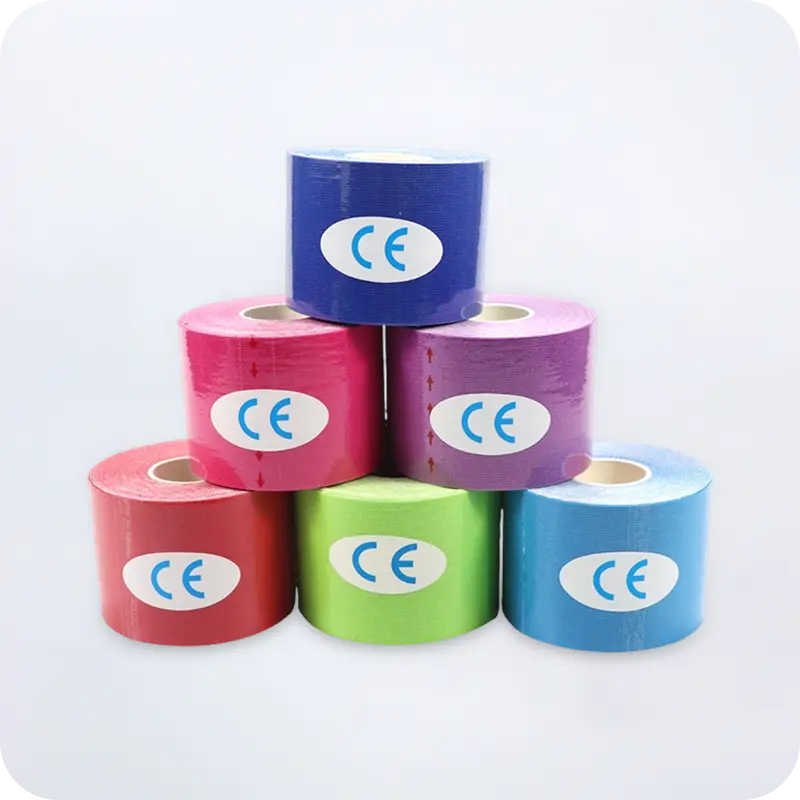
Sports training environments require bandages that can remain stable under rapid movement, sweat, and repeated impact. This makes adhesive types a popular option in sports protection finger protection bandage products.
Athletes often use adhesive finger tape for:
- Ball-handling sports
- Weightlifting
- Racquet sports
- Climbing
- Martial arts
However, cohesive wraps are also used in sports settings where lower tension is required or when the user prefers a soft, breathable wrap with customizable tightness.
Comfort, flexibility, and movement compatibility
Since finger protection bandages are used during dynamic tasks, comfort and flexibility are essential quality indicators. These factors influence user preference when comparing cohesive and adhesive options.
Comfort during extended wear
Cohesive fabric-based options are typically more comfortable for prolonged use due to their breathable structure. Users commonly report:
- Less heat buildup
- Lower risk of irritation
- Better skin moisture regulation
Adhesive bandages may offer firmer structure but can cause mild discomfort when worn for extended periods, especially if applied too tightly. This is why breathable preventing stuffiness finger protection bandage products are popular among users with sensitive skin or long work sessions.
Flexibility and movement control
Both bandage types offer strong flexibility, but their movement behavior differs:
- Cohesive wraps adjust more naturally to finger bending and twisting.
- Adhesive wraps maintain position better during vigorous motion.
For tasks involving frequent gripping or lifting, adhesive wraps provide greater stability. However, for precision tasks such as electronics repair, packaging, or sewing, cohesive wraps offer superior fine-motor flexibility.
Protective performance and durability
Protection is a key purchasing criterion, especially for industrial and sports users. The necessary protection level varies depending on the workplace environment and the risk factors present.
Friction resistance
Adhesive bandages generally offer improved resistance to surface friction due to their stronger bonding and denser fabric structure. This is why highly adhesive finger protection bandage solutions are commonly used in high-intensity work environments.
Cohesive bandages provide moderate friction protection and excel in environments where abrasion risk is lower.
Impact and compression protection
The level of protection depends on the thickness and elasticity of the material:
- Cohesive wraps excel in compression-type protection, offering controllable tightness.
- Adhesive wraps provide impact-resistant stability, important for handling tools or balls.
Sports protection finger protection bandage products can be found in both cohesive and adhesive formats, depending on the need for stability or breathability.
Table: Key differences between cohesive and adhesive finger protection bandage
| Feature |
Cohesive Bandage |
Adhesive Bandage |
| Bonding mechanism |
Sticks to itself |
Sticks to skin |
| Skin irritation risk |
Low |
Moderate |
| Breathability |
High |
Moderate to high (varies) |
| Grip strength |
Moderate |
Strong |
| Residue after removal |
None |
Possible |
| Best application |
Long wear, hygiene-sensitive tasks |
High-intensity work, sports |
| Available colors |
red/green/lake blue/fluorescent yellow finger protection bandage options |
Similar color variations |
| Suitable product types |
breathable preventing stuffiness finger protection bandage |
highly adhesive finger protection bandage, sports protection finger protection bandage |
Color variations and their practical significance
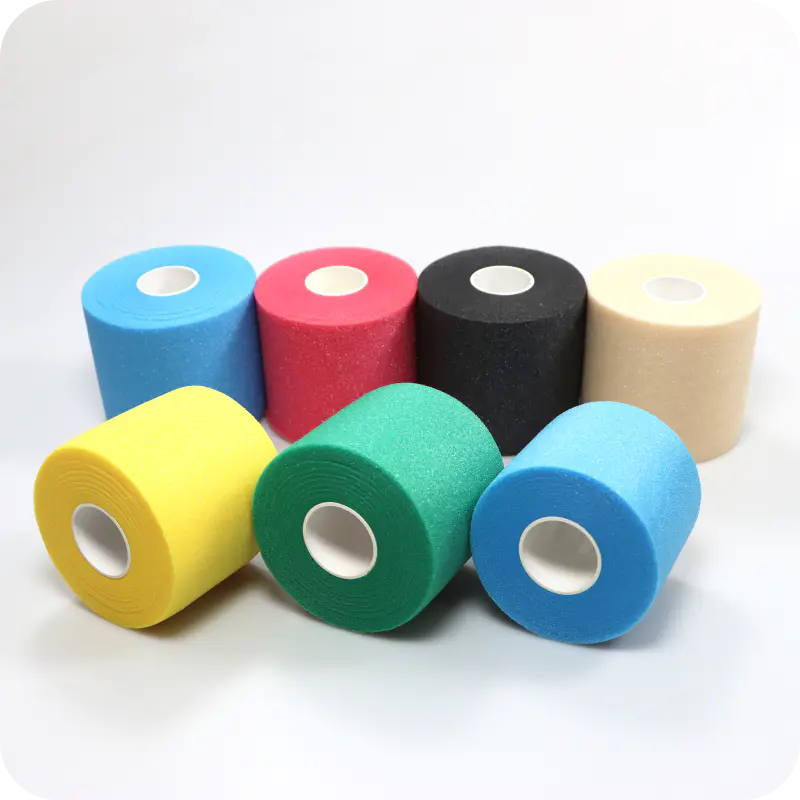
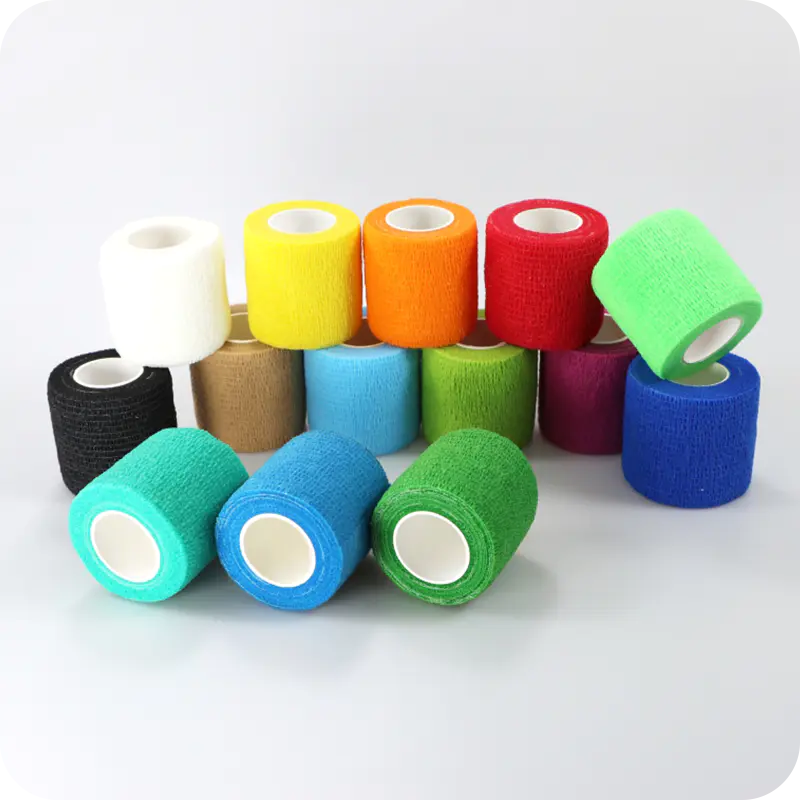
Many buyers look for color-coded options such as red/green/lake blue/fluorescent yellow finger protection bandage. Colors can support workplace organization by helping supervisors visually determine usage compliance or distinguishing between different departments or risk classifications.
Bright colors are commonly used in food processing to ensure easy detection, while athletic applications often prefer colors that match team or training gear.
Market trends and user preferences
Several trends influence buyer decisions:
- Increased demand for breathable preventing stuffiness finger protection bandage products due to rising focus on skin comfort.
- Growth in sports protection finger protection bandage usage as more people engage in strength and endurance sports.
- Preference for highly adhesive finger protection bandage in industries emphasizing durability and grip.
- Rising interest in multi-color options such as red/green/lake blue/fluorescent yellow finger protection bandage for functional and visual organization.
These trends reflect an expanding global market where customization and performance segmentation continue to increase.
Conclusion
Cohesive and adhesive finger protection bandages both play essential roles across industries. Cohesive variations offer comfort, breathability, and residue-free removal, making them ideal for hygiene-sensitive and long-duration tasks. Adhesive products provide stronger grip, better friction resistance, and high stability, which are crucial in sports and high-impact industrial environments.
FAQs about finger protection bandage products
What are the main uses of cohesive finger protection bandages?
Cohesive bandages are used for tasks requiring comfort, breathability, and residue-free removal. They are ideal for food processing, packaging, light industrial work, and situations requiring frequent bandage changes.
When should I choose an adhesive finger protection bandage?
Adhesive bandages are recommended when strong grip, stability, and long-lasting hold are required. They are commonly used in sports, manual labor, and high-friction environments.
Are color options like red/green/lake blue/fluorescent yellow functional or decorative?
They serve both purposes. Colors help with visual classification in workplaces and also allow users to choose according to preference or team coordination.
Is a breathable preventing stuffiness finger protection bandage suitable for sports?
It can be, but sports users often prefer variants from the sports protection finger protection bandage category to ensure stronger stability during intense movement.
Does a highly adhesive finger protection bandage irritate the skin?
It depends on the material and sensitivity level of the user. While these bandages provide strong adhesion, they may cause mild discomfort during removal for users with sensitive skin.






 English
  русский
  Français
  Español
  عربى
عربى 

 ENG
ENG