In sports medicine, physical rehabilitation, and athletic performance support, external taping and bandaging systems play an essential role in joint stabilization, soft tissue protection, and movement control. Among the most frequently discussed solutions are athletic strapping tape and cohesive bandages. Although both are commonly used in sports, clinical, and training environments, they differ significantly in material composition, mechanical behavior, application logic, and functional intent.
Understanding athletic strapping tape as a support solution
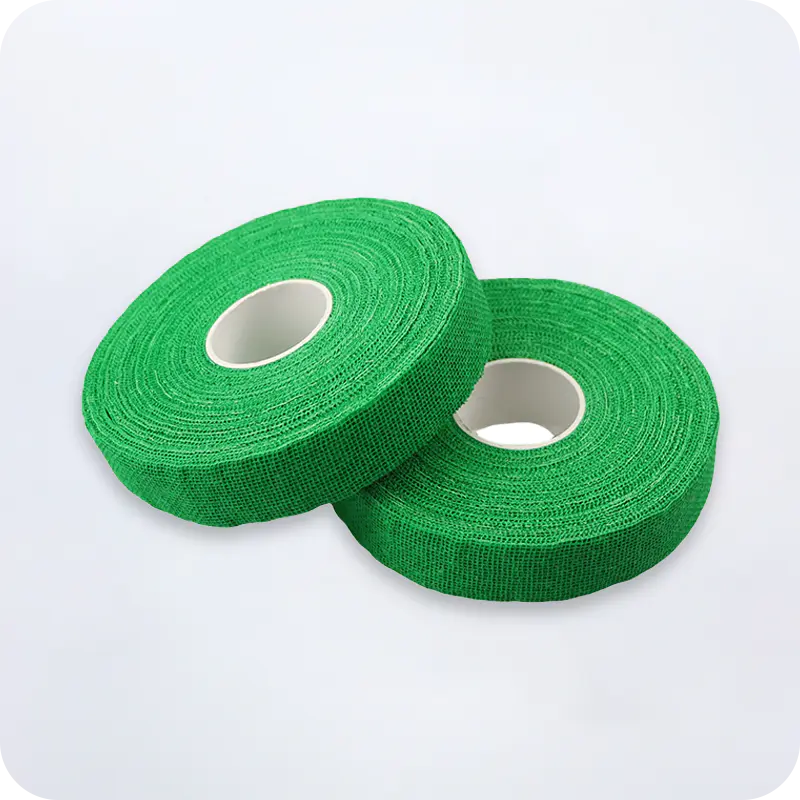
Athletic strapping tape is a non-elastic or minimally elastic adhesive tape designed primarily to restrict excessive joint movement and provide structural reinforcement during physical activity. Its core function is mechanical control rather than compression or self-adherence.
From a design perspective, athletic strapping tape relies on adhesive-backed fabric substrates that bond directly to the skin or to underwrap layers. Once applied, the tape forms a rigid or semi-rigid external framework that limits motion in specific directions.
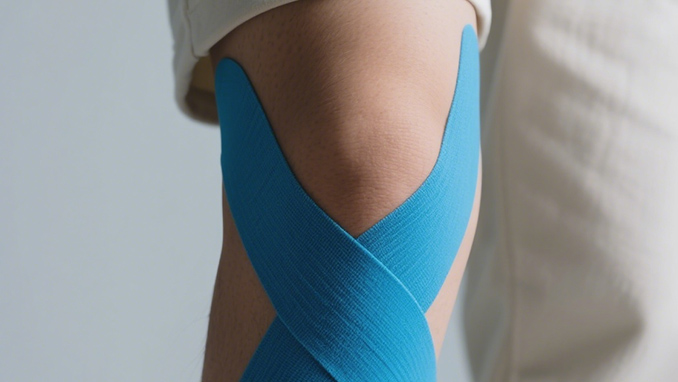
In many professional settings, athletic strapping tape is selected when precise movement restriction is required. This is particularly relevant for joints such as the ankle, wrist, thumb, and knee, where controlled immobilization can reduce the risk of aggravating existing injuries.
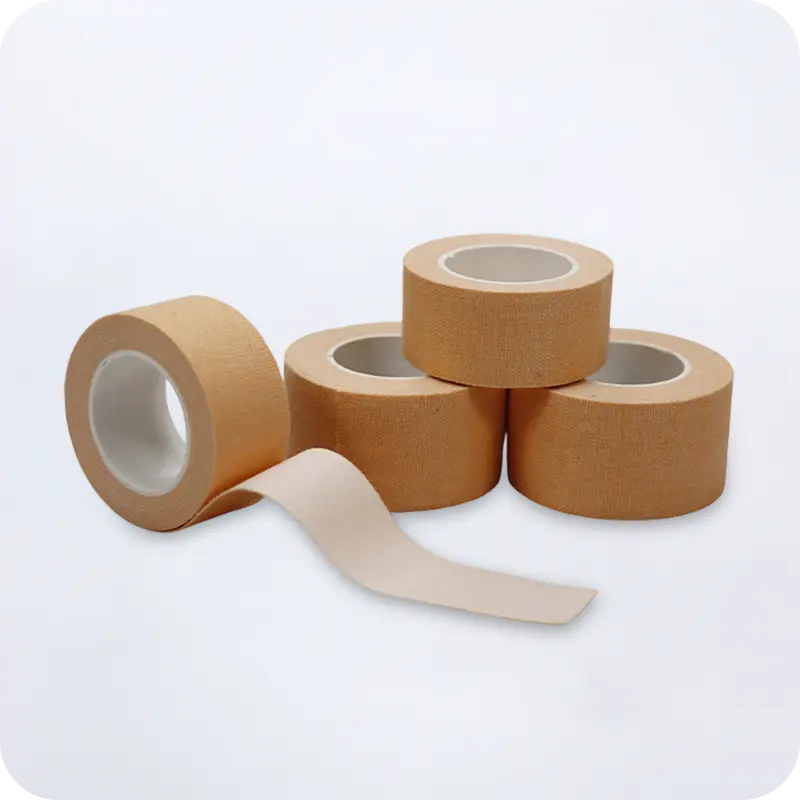
Closely associated with this category is zinc oxide tape, which is widely recognized for its stable adhesive properties, consistent tensile behavior, and predictable performance under stress. Zinc oxide tape is often considered a reference material within the broader classification of athletic strapping tape due to its long-standing use in clinical and sports contexts.
Understanding cohesive bandages as a support solution
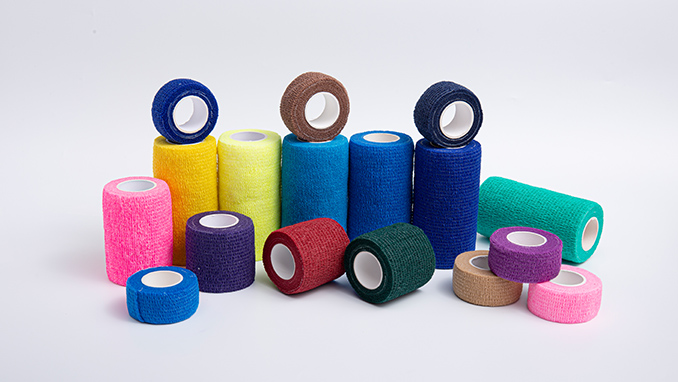
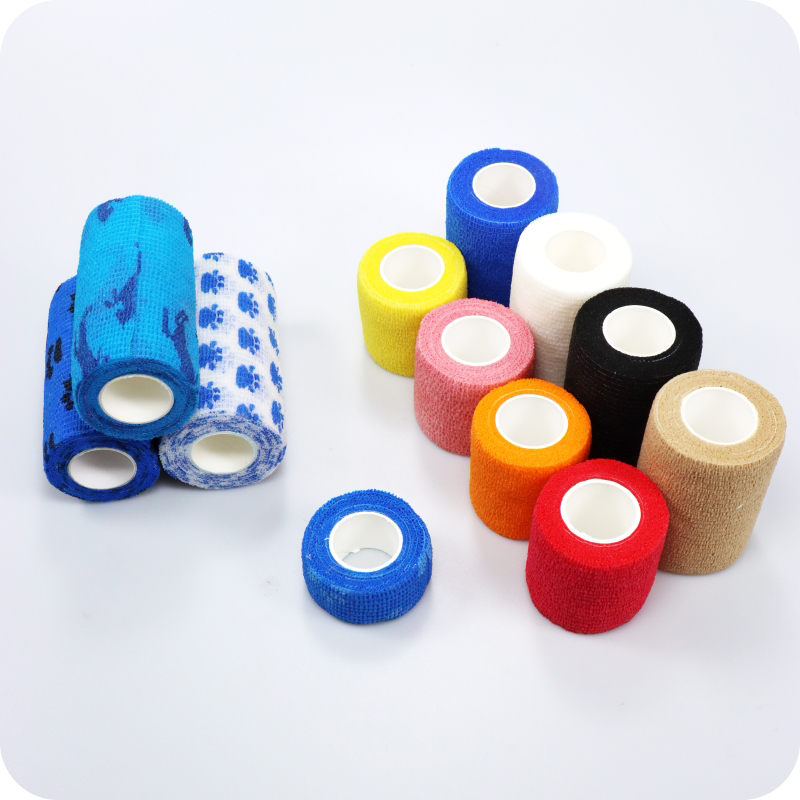
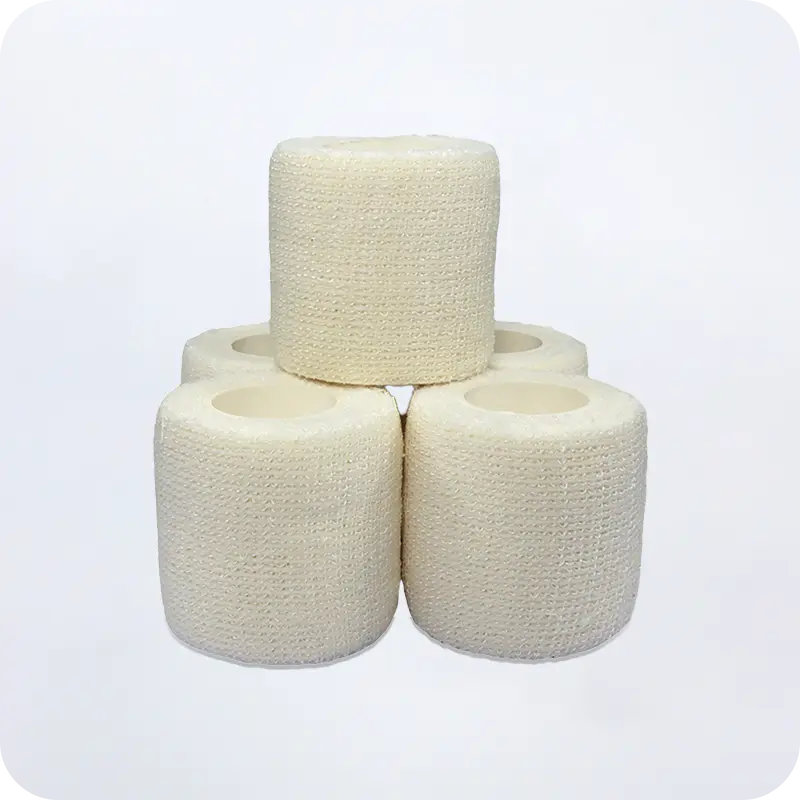
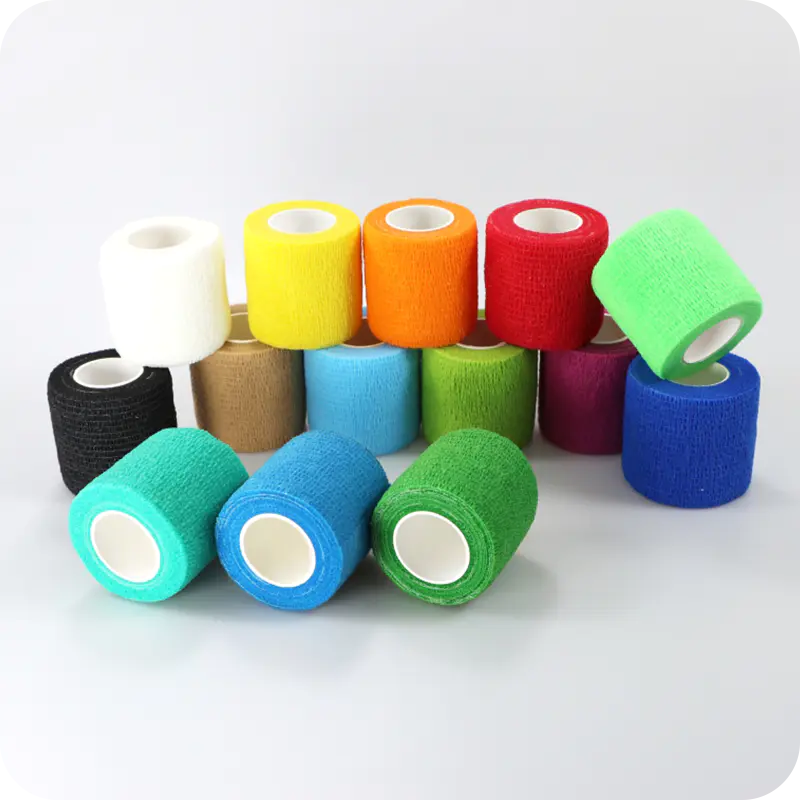
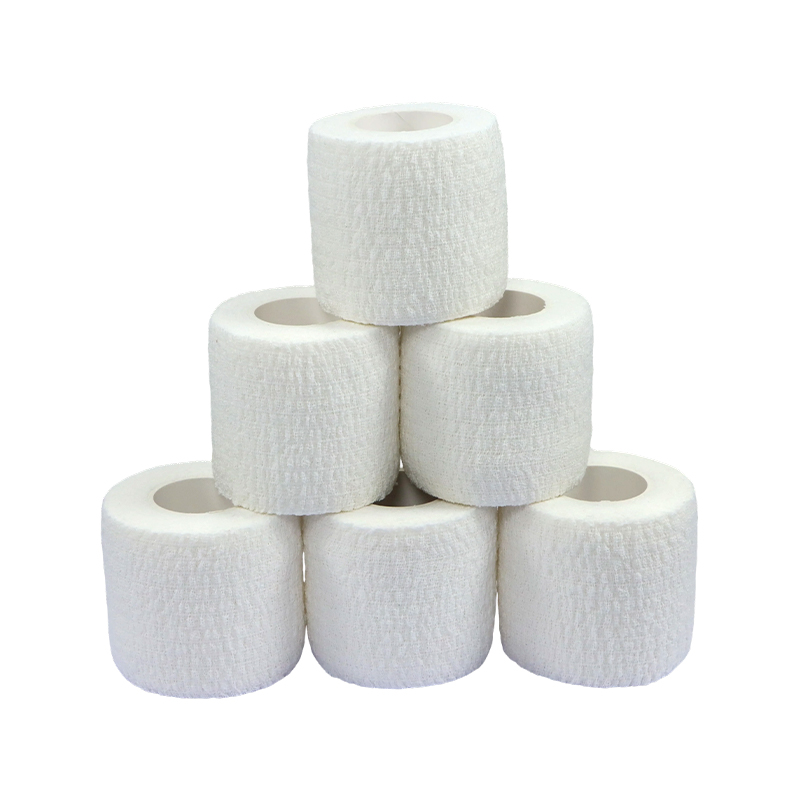
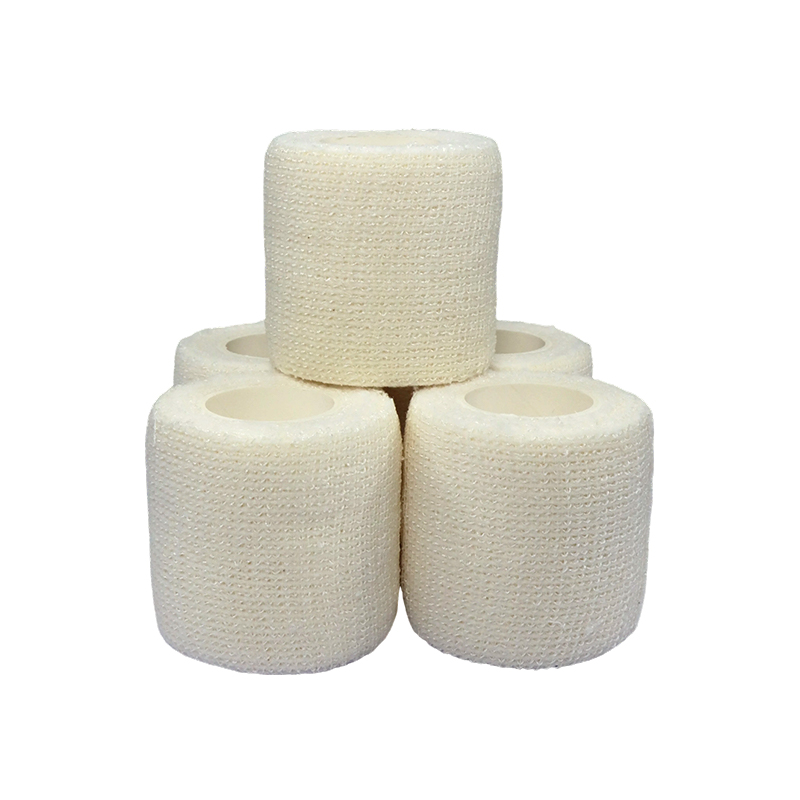
Cohesive bandages represent a fundamentally different approach to external support. Rather than relying on adhesive contact with the skin, cohesive bandages adhere only to themselves, forming a secure wrap without bonding to hair, skin, or clothing.
This self-adhering behavior is also reflected in industry terms such as self-adhering wrap, self-cohesive bandage, and Self Stick Athletic Sports Tape, which emphasize ease of application and removal. Unlike athletic strapping tape, cohesive bandages are typically elastic, allowing them to stretch and conform to body contours while maintaining compression.
Cohesive bandages are commonly used for compression support, light stabilization, and protective wrapping, especially in situations where frequent adjustment or removal is anticipated. Their design prioritizes comfort, skin compatibility, and application speed rather than rigid mechanical control.
Conceptual differences in support philosophy
The most important distinction between athletic strapping tape and cohesive bandages lies in their support philosophy.
Athletic strapping tape is inherently restrictive. It is applied with a clear intention to limit joint movement within defined parameters. This approach assumes that controlled restriction contributes to functional stability and injury prevention during high-load or repetitive activities.
Cohesive bandages, by contrast, are adaptive rather than restrictive. They support tissue through compression and containment, allowing movement while maintaining localized pressure. This makes them suitable for swelling management, muscle support, and post-activity recovery.
These conceptual differences influence not only product selection but also training requirements, application protocols, and expected outcomes.
Material composition and structural characteristics
Material selection plays a decisive role in how each product behaves under real-world conditions.
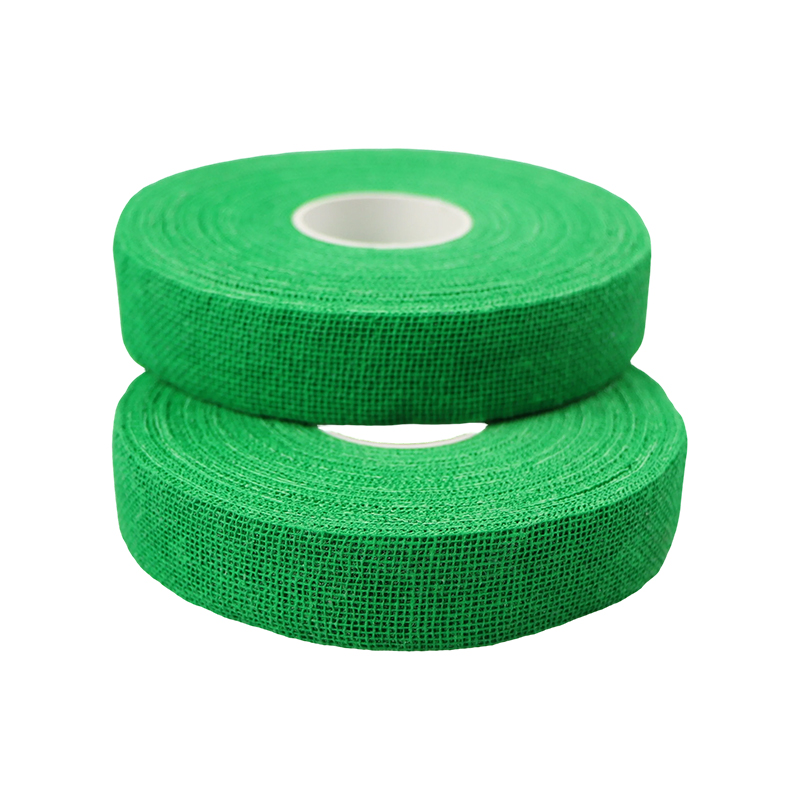
Athletic strapping tape is typically constructed from cotton or synthetic woven fabrics combined with a pressure-sensitive adhesive. The weave density, fiber orientation, and adhesive formulation collectively determine tear resistance, edge stability, and adhesion duration. Zinc oxide tape, in particular, is known for its firm backing and consistent adhesion, which contributes to predictable performance during extended activity.
Cohesive bandages are generally made from elastic nonwoven substrates coated with a cohesive agent. This agent allows layers of the bandage to bond to one another without sticking externally. The elasticity of the substrate enables the bandage to stretch and recover, maintaining compression without rigid fixation.
The following table summarizes key material-level differences.
| Aspect |
Athletic strapping tape |
Cohesive bandages |
| Primary substrate |
Woven fabric |
Elastic nonwoven |
| Adhesion mechanism |
Skin-contact adhesive |
Self-cohesive bonding |
| Elasticity |
Minimal or none |
Moderate to high |
| Structural intent |
Movement restriction |
Compression and containment |
Adhesion behavior and skin interaction
Adhesion is a defining characteristic of athletic strapping tape. Once applied, the adhesive layer creates a direct bond with the skin or underwrap, forming a stable external structure. This bond must remain intact under conditions such as sweating, friction, and repetitive motion.
The adhesive used in zinc oxide tape is often selected for its balanced tack and holding strength, allowing secure fixation without immediate loss of adhesion. However, prolonged adhesion can also lead to skin sensitivity if not applied or removed properly.
Cohesive bandages eliminate direct skin adhesion entirely. Their self-bonding nature reduces the risk of skin irritation and makes them suitable for users with sensitive skin or dense body hair. This property also simplifies removal, as the bandage can be unwrapped without adhesive residue.
The difference in adhesion behavior directly influences user comfort, application time, and post-use skin condition.
Application technique and skill requirements
Applying athletic strapping tape effectively requires technical knowledge and practice. The practitioner must understand joint anatomy, movement patterns, and taping sequences to achieve the desired level of restriction without compromising circulation or comfort.
Incorrect application may lead to uneven tension, reduced effectiveness, or unintended movement limitation. As a result, athletic strapping tape is often applied by trained professionals in sports medicine or athletic training environments.
Cohesive bandages are more forgiving. Their elasticity and self-adhering nature allow for rapid application with minimal technical expertise. Users can adjust tension during wrapping, and errors can be corrected easily by rewrapping.
This difference makes cohesive bandages particularly attractive in high-turnover environments, emergency response situations, or settings where professional taping skills are not always available.
Functional performance during activity
Performance expectations differ significantly between the two solutions.
Athletic strapping tape excels in scenarios where joint stability under load is critical. By limiting excessive range of motion, it helps maintain alignment during rapid directional changes, jumping, or impact activities. This makes it a preferred option in competitive sports where injury risk is elevated.
Cohesive bandages, while supportive, do not provide the same level of mechanical restriction. Their strength lies in maintaining consistent compression and accommodating movement. This makes them suitable for muscle support, swelling control, and protective wrapping during moderate activity.
The table below outlines functional performance differences.
| Performance factor |
Athletic strapping tape |
Cohesive bandages |
| Movement control |
High |
Low to moderate |
| Compression capability |
Limited |
Strong and adjustable |
| Stability under load |
Strong |
Moderate |
| Adaptability to motion |
Limited |
High |
Comfort and wearability considerations
Comfort is influenced by multiple factors, including material stiffness, breathability, and interaction with the skin.
Athletic strapping tape, due to its rigid nature, may feel restrictive during prolonged use. While this is often intentional, it can lead to discomfort if applied too tightly or worn beyond its intended duration.
Cohesive bandages are generally perceived as more comfortable due to their elasticity and absence of skin adhesion. They can accommodate swelling and movement without creating concentrated pressure points.
However, comfort should always be evaluated in relation to functional goals. What feels restrictive in one context may be essential in another.
Durability and performance over time
Durability expectations vary depending on use conditions.
Athletic strapping tape is designed to maintain its structure during intense, short-duration activities. Sweat, friction, and movement gradually degrade adhesion, but within its intended use window, performance remains consistent.
Cohesive bandages can be adjusted or replaced more easily during extended wear. Their elastic recovery may diminish over time, especially under continuous tension, but this does not typically compromise short-term support.
From a practical standpoint, athletic strapping tape is often considered single-application focused, while cohesive bandages offer greater flexibility for adjustment.
Removal process and post-use considerations
Removal is an important but sometimes overlooked aspect of product selection.
Athletic strapping tape removal often requires careful technique to minimize discomfort and skin irritation. Adhesive residue may remain, and improper removal can cause superficial skin trauma.
Cohesive bandages can be removed simply by unwrapping or cutting, with no adhesive residue left behind. This makes them particularly suitable for repeated daily use or for users with sensitive skin.
Typical application scenarios and use cases
Athletic strapping tape is commonly used in:
- Preventive joint stabilization during competitive sports
- Post-injury support where movement limitation is required
- Situations demanding precise mechanical control
Cohesive bandages are frequently used in:
- Compression wrapping for soft tissue support
- Temporary stabilization during transport or first aid
- Protective wrapping over dressings or padding
These use cases reflect the intentional design differences rather than a hierarchy of effectiveness.
Buyer and procurement considerations
From a procurement perspective, selection criteria often extend beyond functional performance.
Buyers evaluating athletic strapping tape typically focus on adhesive consistency, fabric strength, roll uniformity, and application predictability. Zinc oxide tape is often evaluated based on its adhesion stability and material integrity.
Cohesive bandages are assessed in terms of elastic recovery, self-adhesion reliability, ease of use, and storage stability. Packaging format and roll length may also influence purchasing decisions.
Understanding these criteria helps align product selection with end-user needs and operational workflows.
Comparative overview of advantages and limitations
| Aspect |
Athletic strapping tape |
Cohesive bandages |
| Primary function |
Structural support |
Compression support |
| Skill required |
High |
Low |
| Skin adhesion |
Yes |
No |
| Repositioning |
Limited |
Easy |
| Comfort focus |
Secondary |
Primary |
This comparison highlights that neither solution replaces the other. Instead, they serve distinct roles within sports and rehabilitation practices.
Conclusion: choosing based on functional intent
When comparing athletic strapping tape to cohesive bandages, the most important factor is functional intent. Athletic strapping tape is engineered for controlled restriction and stabilization, while cohesive bandages are designed for adaptive compression and ease of use.
Frequently asked questions (FAQ)
What is the main difference between athletic strapping tape and cohesive bandages?
The main difference lies in their function. Athletic strapping tape is used for movement restriction and joint stabilization, while cohesive bandages provide compression and adaptive support without restricting motion.
Is zinc oxide tape considered a type of athletic strapping tape?
Yes. Zinc oxide tape is widely categorized as a form of athletic strapping tape due to its rigid structure and adhesive-backed fabric design.
Can cohesive bandages replace athletic strapping tape in sports use?
Cohesive bandages cannot fully replace athletic strapping tape when rigid joint control is required. They are better suited for compression and light support.
Does Self Stick Athletic Sports Tape adhere to the skin?
Self Stick Athletic Sports Tape adheres only to itself, not directly to the skin, making it easier to apply and remove.
Which option is better for users with sensitive skin?
Cohesive bandages are generally more suitable for sensitive skin because they do not rely on skin-contact adhesives.
References
- Clinical sports taping and bandaging practices literature
- Sports injury prevention and external support guidelines
- Rehabilitation support materials and application methodology studies






 English
  русский
  Français
  Español
  عربى
عربى 

 ENG
ENG