Kinesiology taping has evolved from a specialized sports technique into a widely adopted method for joint support, muscle stabilization, and daily body care. Although the fundamental principles of kinesiology taping remain consistent, usage scenarios, performance expectations, and physical demands create substantial differences in how the tape is applied, selected, and maintained.
Understanding the Functional Principles of Kinesiology Tape
Kinesiology tape is engineered to mimic the elasticity and thickness of human skin while providing non-restrictive support. Whether used by elite athletes or individuals in daily life, the tape aims to improve proprioception, stabilize tissues, and reduce minor discomfort. However, the emphasis on performance shifts based on user type.
Athletes require superior adhesion, increased elasticity, and longer-lasting durability, which makes strong stickness kinesiology tape and high elasticity kinesiology tape more critical for them.
Daily users often prioritize comfort, breathability, and ease of application, making soft and comfortable kinesiology tape more suitable.
The core principle across all user levels remains the same: kinesiology tape influences muscle and joint movement without restricting natural biomechanics. This subtle balance is what differentiates it from conventional rigid athletic tape and allows it to serve a wide range of user needs.
Different User Needs: Athletes vs Daily Users
Athlete Usage Requirements
Athletes rely on kinesiology tape in high-intensity environments. Their usage scenarios frequently include:
- High-impact training sessions
- Rapid and multidirectional movements
- Exposure to sweat, water, dust, and friction
- Long-term adhesion during competitions
- Reinforcement for overstressed joints and muscles
These conditions demand a tape that is durable, highly elastic, and able to remain secure for extended periods. kinesiology tape used for sports protection is engineered with these pressures in mind, often requiring advanced adhesive technologies and higher resistance performance.
Daily User Requirements
Daily users generally seek:
- Light support for minor discomfort
- Enhanced posture correction
- Relief from extended periods of sitting or standing
- Comfort for everyday movements
- Breathable material suitable for sensitive skin
In such cases, soft and comfortable kinesiology tape becomes more appropriate because daily usage does not typically require extreme adhesion or stretching capacity. Comfort and skin compatibility often take priority over athletic durability.
Material Composition Differences Based on Use Cases
Although the base material of kinesiology tape is typically cotton or synthetic fiber, variations in weaving and adhesive layers create tapes suited for different users.
Material Features for Athletes
Athletic-focused tapes often include:
- Synthetic fibers with high elasticity, capable of extended stretch
- Enhanced adhesive layers designed for strong stickness
- Sweat-resistant, waterproof structures for long-term wear
- Durable backing materials to prevent peeling during movement
These features allow high elasticity kinesiology tape and strong stickness kinesiology tape to perform effectively in competitive conditions.
Material Features for Daily Users
Daily users benefit from:
- Breathable cotton-based materials
- Softer textures designed for comfort
- Milder adhesive suitable for extended wear without irritation
- Smooth, flexible fabric for everyday tasks
For these applications, soft and comfortable kinesiology tape provides the necessary balance between comfort and functional support.
Differences in Application Techniques
Application techniques vary significantly between athletes and daily users due to differences in required tension, taping zones, and purpose.
Application for Athletes
Athletes often require precise taping methods performed by trained professionals. Techniques typically include:
1. Increased Tension
Athletes may have tape applied with moderate to strong tension to stabilize targeted muscle groups.
Key point: Athletes’ tapes often use higher stretch percentages to optimize performance stability.
2. Complex Taping Patterns
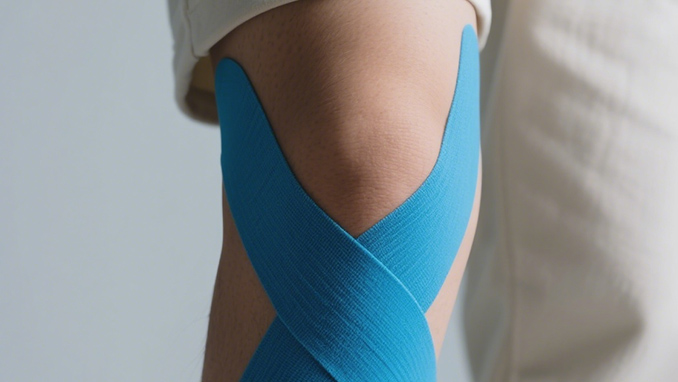
Athletes often require multi-layer or cross-pattern application for enhanced support around high-stress joints such as the knees, shoulders, and ankles.
3. Reinforcement Taping
Before competitions, specialists apply reinforcement strips for extra durability. kinesiology tape used for sports protection frequently incorporates additional layering in high-demand areas.
4. Extended Wear Time
Athletic events may require the tape to stay secure for several days. This requires strong stickness kinesiology tape designed for high resistance.
Application for Daily Users
Daily users typically apply tape themselves or receive simple guidance from professionals.
1. Lower Tension
Daily application often uses light to moderate tension to avoid discomfort and ensure gentle support.
2. Simple Application Patterns
Daily users typically apply single-strip applications aimed at posture correction or relieving mild muscle discomfort.
3. Comfort-Oriented Placement
The emphasis is on maintaining comfort during daily tasks such as walking or desk work, making soft and comfortable kinesiology tape ideal.
4. Shorter Wear Time
Daily users usually wear the tape for shorter periods, often replacing it after regular daily activities or as needed.
Functional Purpose: Performance vs Lifestyle Support
Athletic Functionality
For athletes, kinesiology tape serves to:
- Enhance athletic performance
- Support fatigued muscle groups
- Stabilize joints during rapid motion
- Prevent sports injuries
- Assist in quick recovery
- Provide sports protection during competitions
In these scenarios, high elasticity kinesiology tape ensures natural movement while resisting tension changes caused by strenuous activity.
Daily Lifestyle Functionality
Daily users focus on:
- Posture correction
- Muscle relaxation
- Reducing tension from sedentary work
- Minimizing minor swelling
- Overall comfort
For these purposes, the qualities of soft and comfortable kinesiology tape become more beneficial, as daily use does not require high durability or extreme performance.
Adhesive Performance Requirements
A critical difference between tapes used by athletes and daily users lies in adhesive characteristics.
Adhesive Needs for Athletes
Athletes need a tape that can withstand sweating, friction against sports gear, and repeated stretching. Thus, strong stickness kinesiology tape becomes essential. Key aspects include:
- Enhanced acrylic adhesive formulas
- Strong adherence to maintain stability
- Resistance to moisture and heat
- Long-duration bonding capabilities
Adhesive Needs for Daily Users
Daily users typically prioritize skin comfort, breathability, and easy removal. Adhesive features include:
- Milder adhesive strength
- Reduced risk of redness or irritation
- Greater breathability
- Comfortable long-term wear
Adhesives used in soft and comfortable kinesiology tape are specifically designed to achieve these goals.
Performance Comparison Table
Below is a table summarizing the functional differences in kinesiology tape usage between athletes and daily users:
| Aspect |
Athlete requirements |
Daily user requirements |
| Tape type |
high elasticity kinesiology tape, strong stickness kinesiology tape |
soft and comfortable kinesiology tape |
| Application tension |
Moderate to high |
Light to moderate |
| Wear duration |
Long, continuous |
Short to medium |
| Purpose |
Performance enhancement, sports protection |
Comfort, posture support |
| Adhesion |
Very strong |
Gentle to moderate |
| Environment |
Intense movement, sweat, impact |
Daily activities |
This table provides a quick reference for identifying the most suitable tape type for each user category.
Durability and Environmental Resistance
Athletic Conditions
Athletes frequently perform under challenging conditions, including:
- High temperatures
- Humidity from sweat
- Outdoor wind and dust
- Constant friction from sportswear
Under these conditions, strong stickness kinesiology tape maintains adhesion and structural stability. Additionally, kinesiology tape used for sports protection is constructed for resistance against peeling, maintaining its functional integrity through intense activity.
Daily Environment
Daily users typically operate in controlled environments such as offices, homes, or casual settings. Therefore:
- Durability demands are lower
- Comfort takes priority
- Adhesion does not need to withstand extreme stress
For such settings, soft and comfortable kinesiology tape offers sufficient performance.
Considerations for Different Body Areas
Different users apply kinesiology tape in different body regions depending on their needs.
Athletes
Common application areas include:
- Ankles
- Knees
- Shoulders
- Lower back
- Calves
- Hamstrings
These areas experience high force loads during activity and typically require high elasticity kinesiology tape with reinforced adhesion.
Daily Users
Daily application tends to focus on:
- Neck
- Upper back
- Lower back
- Wrists
- Thighs
Each of these areas benefits from gentle support, making soft and comfortable kinesiology tape more suitable.
Expected Usage Outcomes
Athletes
Athletes expect:
- Improved joint stability
- Enhanced muscle coordination
- Reduced fatigue
- Better movement efficiency
- Support under heavy physical loads
These outcomes rely on the advanced performance characteristics of high elasticity kinesiology tape and strong stickness kinesiology tape.
Daily Users
Daily users expect:
- Mild support
- Gradual improvement in posture
- Reduction in discomfort from repetitive movements
- General muscle relaxation
Comfortable and easy-to-use tapes meet these needs effectively.
Best Practices for Selecting the Right Kinesiology Tape
To ensure optimal results, users should consider several selection criteria:
For Athletes
- Prioritize strong stickness kinesiology tape for long events.
- Choose high elasticity kinesiology tape for dynamic movement.
- Look for products designed specifically for sports protection.
- Ensure durability for sweat-heavy conditions.
For Daily Users
- Select soft and comfortable kinesiology tape for sensitive skin.
- Opt for breathable materials for extended daily wear.
- Consider lower-tension application methods.
Understanding the performance expectations helps buyers make choices aligned with their intended use.
Common Misapplications and How They Differ Between Athletes and Daily Users
Athlete Misapplications
Athletes may experience performance issues due to:
- Excessive tension causing discomfort
- Incorrect pattern layering reducing effectiveness
- Poor adhesion due to insufficient skin preparation
Since athletic requirements are high, any misapplication can significantly impact performance.
Daily User Misapplications
Daily users often make simple mistakes, such as:
- Applying tape too loosely
- Positioning tape without considering muscle alignment
- Using strong adhesive tapes that irritate skin
Awareness of proper techniques improves outcomes across both user groups.
Final Insights
The application of kinesiology tape differs considerably between athletes and daily users, not only in terms of technique but also in purpose, material selection, adhesive performance, and expected outcomes.
By selecting the correct tape type and applying it correctly, both athletes and daily users can benefit significantly from the support and functional advantages kinesiology tape provides.
FAQs
1. What is the main difference between athletic and daily kinesiology tape?
Athletic tape emphasizes performance, durability, and stronger adhesion, while daily-use tape focuses on comfort and breathability.
2. Can daily users wear high elasticity kinesiology tape?
Yes, but it may provide more tension than necessary for general lifestyle support.
3. Is strong stickness kinesiology tape suitable for sensitive skin?
It may not be ideal. Users with sensitive skin typically prefer soft and comfortable kinesiology tape.
4. How long can kinesiology tape used for sports protection stay on the skin?
Depending on conditions, it can stay adhered for several days during athletic activity.
5. Do athletes always need professional taping?
While not mandatory, professional taping ensures correct tension and placement for optimal performance.






 English
  русский
  Français
  Español
  عربى
عربى 

 ENG
ENG