Sports strapping tape plays a critical role in modern sports medicine, injury prevention, and athletic performance enhancement. Whether used during training, competition, or rehabilitation, the correct application of strapping tape is essential for providing targeted support to vulnerable joints such as ankles and wrists.
Understanding the Function of Sports Strapping Tape
Sports strapping tape is designed to stabilize joints, prevent excessive movement, limit strain on injured tissues, and help athletes perform safely under physical stress. While the goals of taping vary by sport and condition, the essential purpose is to provide controlled support without restricting functional movement.
Different types of strapping tape are used according to the needs of athletes and physiotherapists. The expertise of a sports strapping tape manufacturer influences tape stability, adhesive quality, tensile strength, tearability, and skin compatibility. Professional-grade tape must be engineered to support joints such as ankles and wrists effectively, even in high-intensity environments.
Why Joint Support Matters in Physical Activities
The ankle and wrist joints endure substantial biomechanical loads. Sudden changes in direction, repetitive movements, impacts, and overuse injuries can compromise joint stability. Taping helps:
- Reduce the risk of ligament strain
- Limit harmful joint angles
- Support weakened or recovering tissues
- Promote proprioception for improved movement control
- Enhance athlete confidence during performance
Sports teams, physiotherapists, and medical staff frequently look for wholesale sports adhesive tape and athletic strapping tape supplier options to meet high-volume usage needs.
Types of Sports Strapping Tape Commonly Used in Joint Support
Sports strapping tape varies in material, adhesive system, flexibility, and intended application. A reputable zinc oxide tape manufacturer or sports strapping tape manufacturer typically produces several categories tailored to ankle, wrist, knee, shoulder, and hand support.
Rigid Strapping Tape
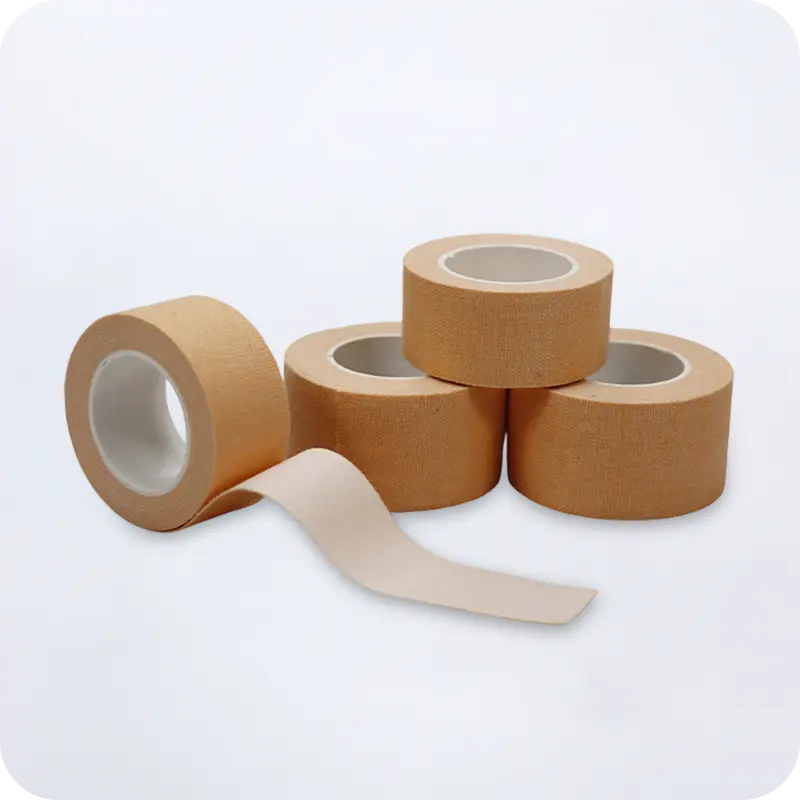
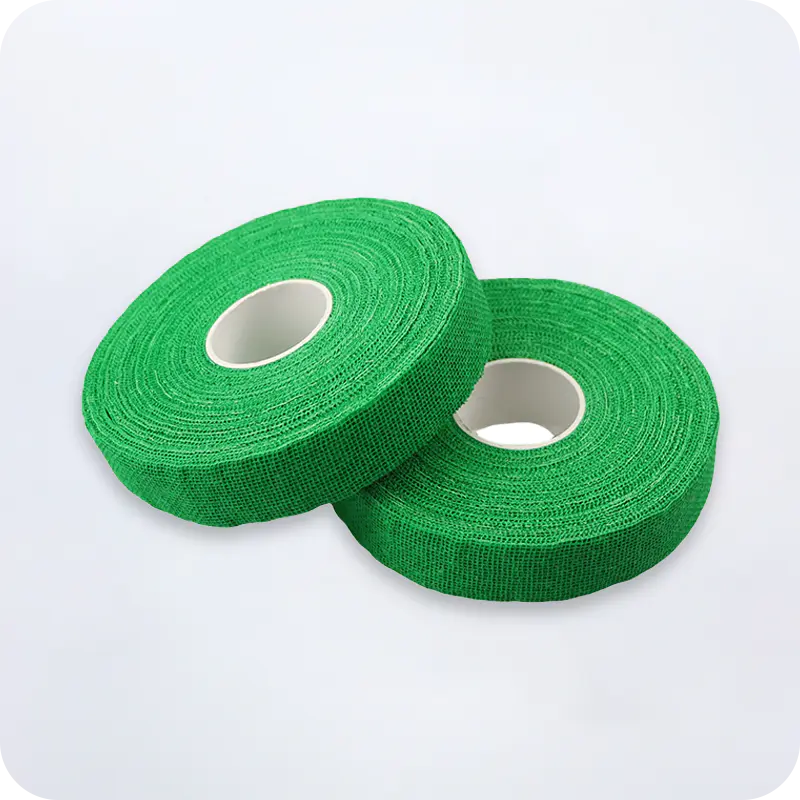
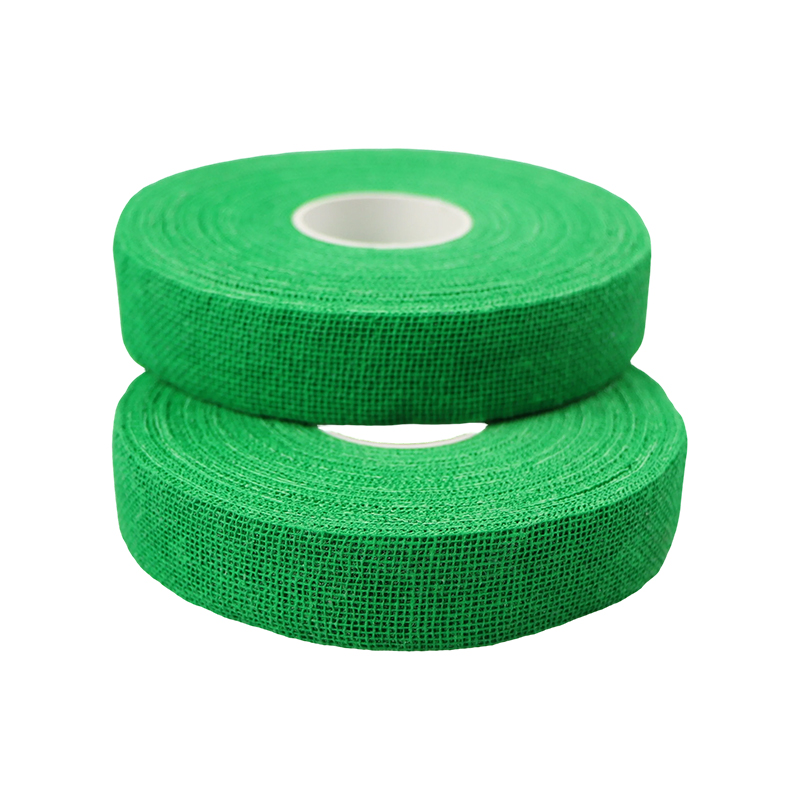
Rigid strapping tape, often associated with zinc oxide adhesive systems, is used for firm joint immobilization and directional control. Its characteristics include:
- High tensile strength
- Low stretch capability
- Excellent lateral support
- Strong adhesive for secure placement
Rigid tape is frequently selected for ankles and wrists due to its ability to limit joint movement effectively.
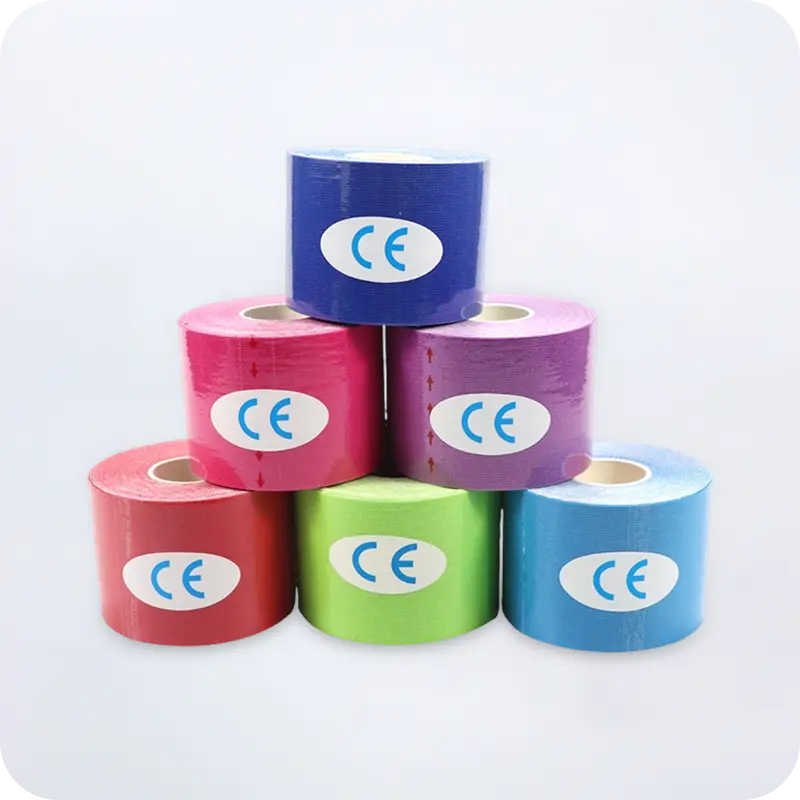
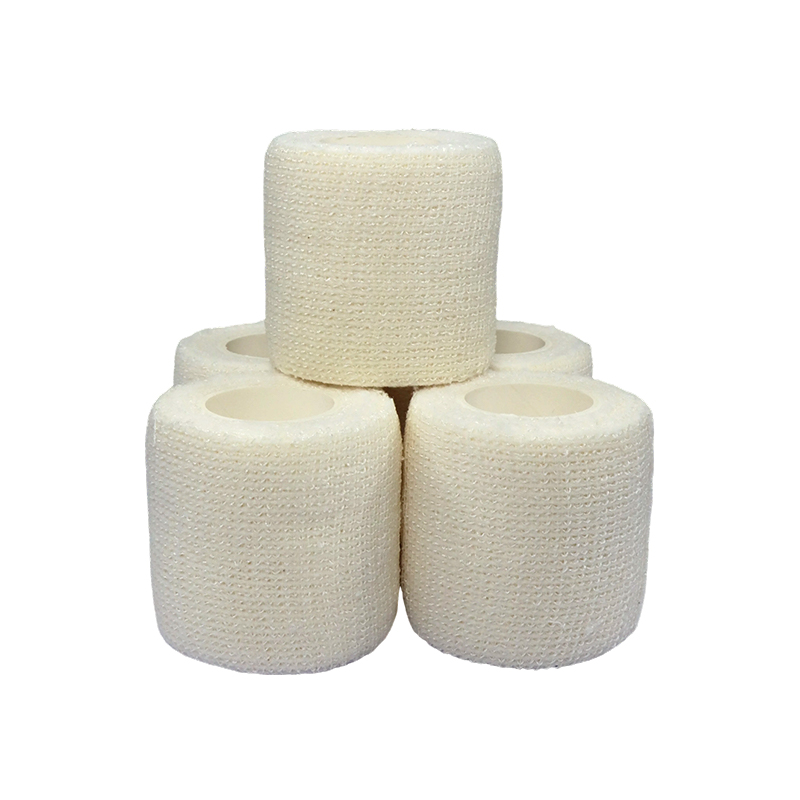
Elastic Adhesive Bandage Tape
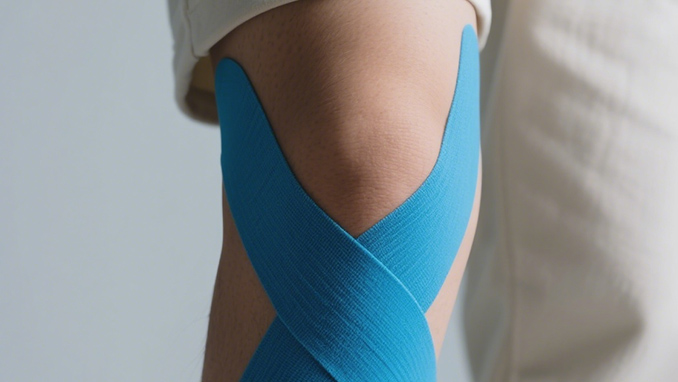
Elastic adhesive bandage tape provides moderate compression and flexible support. While not as restrictive as rigid tape, it enhances muscle and ligament stability.
Applications include:
- Supporting strains and sprains
- Offering compression for swelling
- Allowing controlled movement
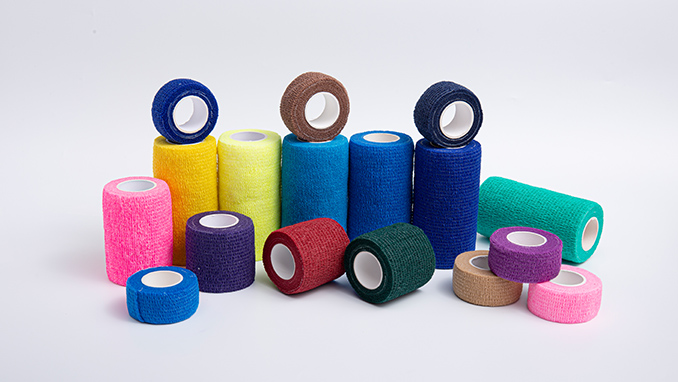
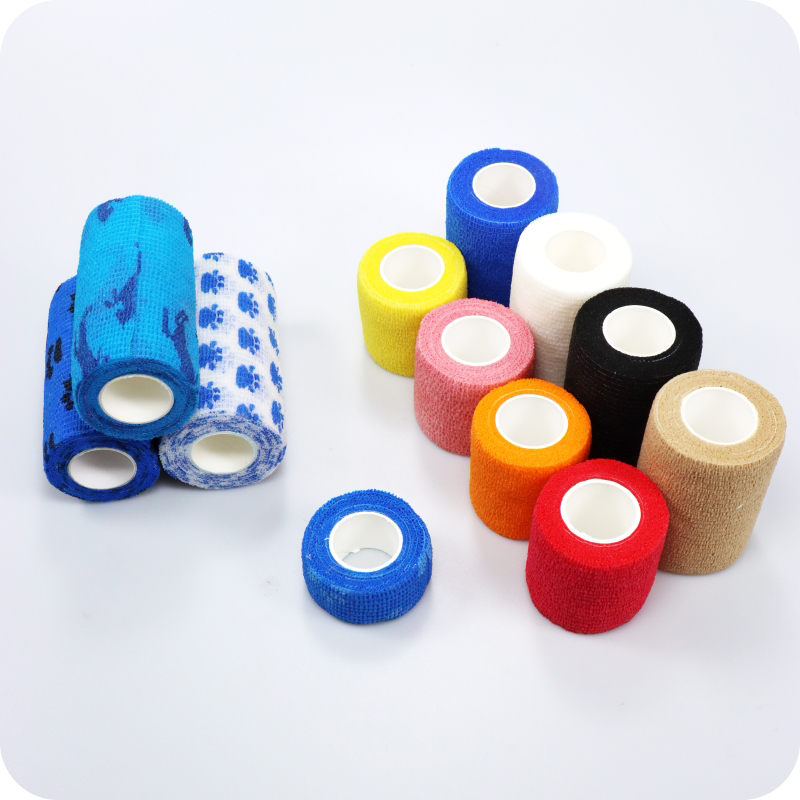
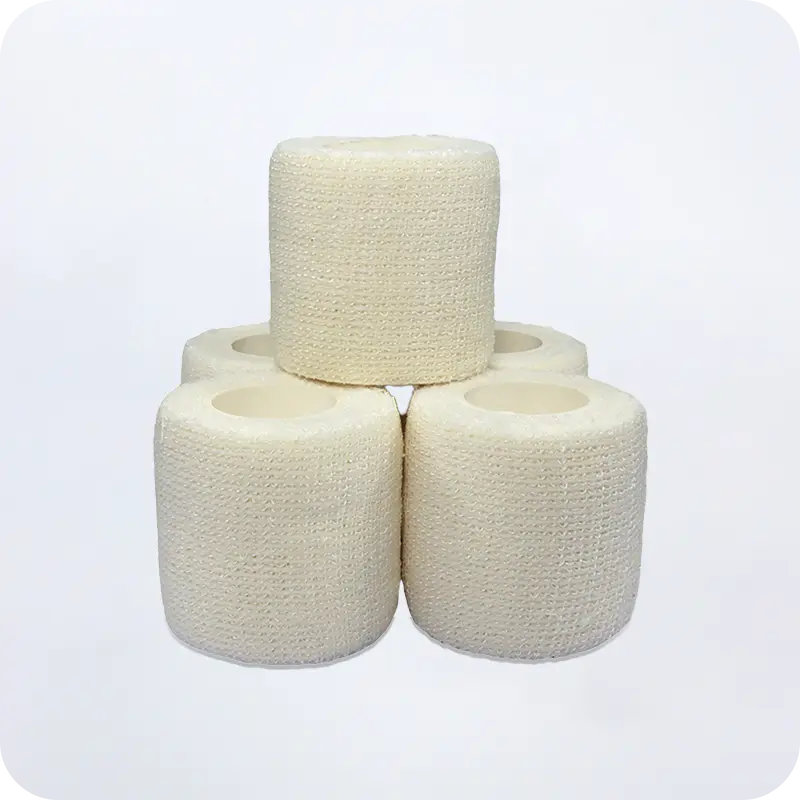
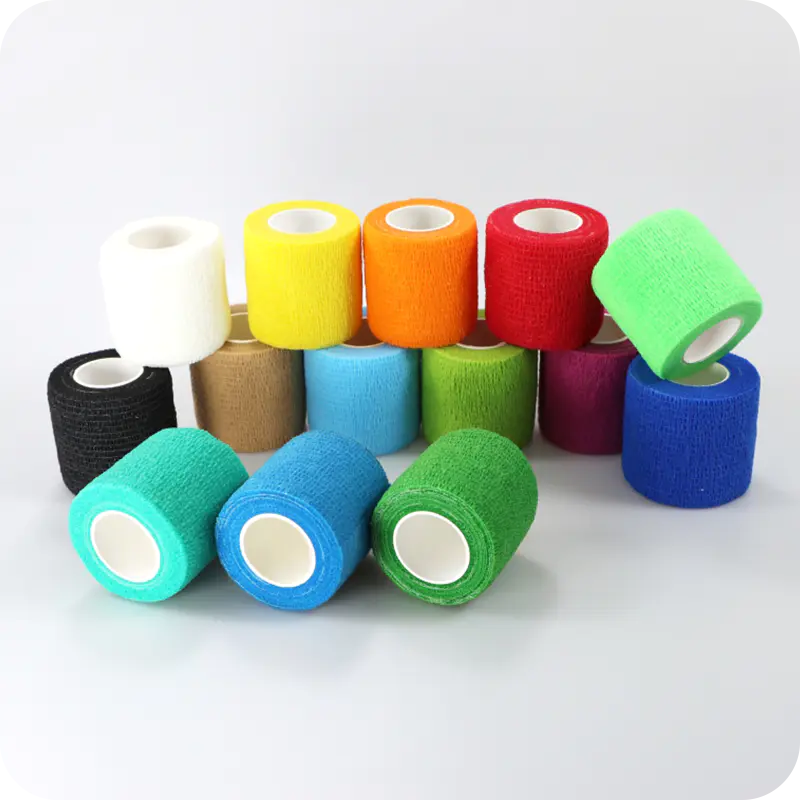
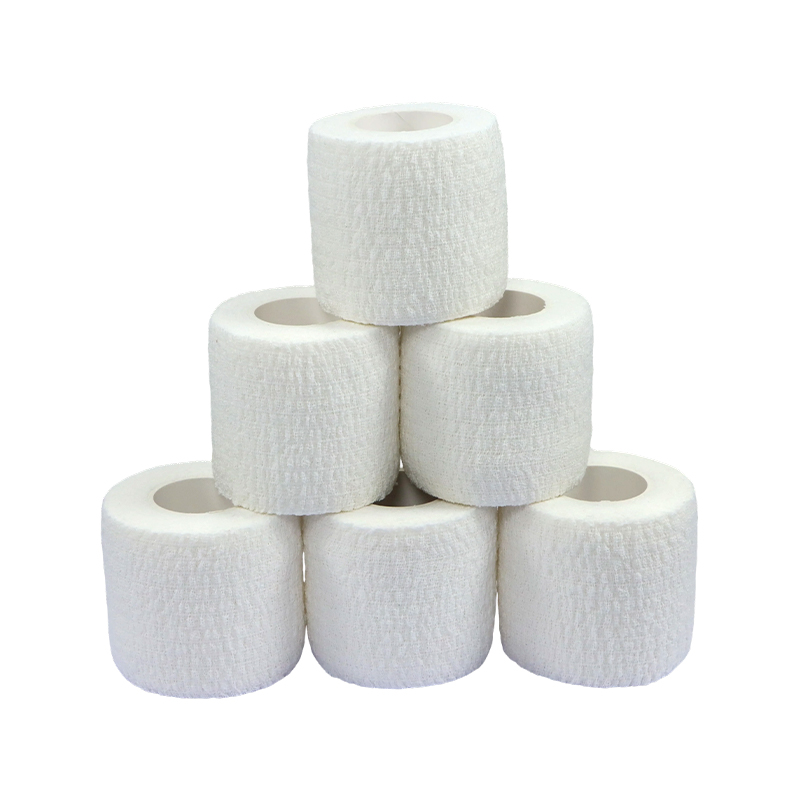
Lightweight Cohesive Tape
This type adheres to itself rather than the skin, making it suitable for repeated use during training. It is less commonly used for primary joint stabilization but serves as an outer layer to secure rigid tape.
Comparison Table of Common Tape Types
| Tape Type |
Stretchability |
Support Level |
Typical Use Cases |
Suitability for Ankles |
Suitability for Wrists |
| Rigid zinc oxide tape |
Low |
High |
Ligament stabilization |
Excellent |
Excellent |
| Elastic adhesive tape |
Medium |
Moderate |
Compression and dynamic support |
Good |
Good |
| Cohesive bandage |
High |
Low–Moderate |
Wrapping, fixing, training |
Moderate |
Moderate |
The type of tape selected influences the taping technique. Many buyers search for wholesale sports adhesive tape options across multiple tapes to support varied sports scenarios.
Key Material and Performance Characteristics Influencing Taping Effectiveness
The quality offered by a sports strapping tape manufacturer directly affects taping outcomes. Tape must be engineered with performance-focused properties, particularly for high-impact sports.
Adhesive Strength and Skin Compatibility
A reliable tape should maintain adhesion under sweat, friction, and rapid movement. It should also avoid causing skin irritation, particularly for athletes with frequent taping routines. A zinc oxide tape manufacturer usually offers adhesive systems optimized for:
- Long wear times
- High-performance bonding
- Moisture resistance
- Sensitivity-safe formulations
Tensile Strength and Tear Resistance
Tape must resist tearing during application and while under tension. Manufacturers focus on fabric structure, thread density, and coating uniformity to achieve strong tensile properties.
Breathability and Comfort
Breathability ensures that moisture does not accumulate under the tape, reducing discomfort and skin issues. High-airflow tape is favored by many professional teams.
Ease of Application
Strapping tape should be easily torn by hand along both length and width, helping practitioners apply it quickly during training or competition.
How Sports Strapping Tape Supports the Ankle Joint
Common Conditions Requiring Ankle Taping
The ankle joint is prone to sprains, instability, and overuse injuries, especially in sports requiring running, jumping, or rapid directional changes. Ankle taping is used to:
- Control inversion and eversion angles
- Prevent ligament overstretching
- Support previously injured ligaments
- Enhance stability during motion
These needs drive purchasing decisions among professionals seeking athletic strapping tape supplier options for ongoing use.
Step-by-Step Application of Ankle Taping
Correct ankle strapping relies on firm, structured layers applied with controlled tension. The process typically includes these steps:
-
Preparation
The skin is cleaned and dried. Pre-wrap may be applied if needed to reduce irritation.
-
Anchor Strips
Two to three anchor strips are applied around the lower calf and foot to create a stable base.
-
Stirrups
Stirrups run from the medial to lateral or lateral to medial sides of the ankle, providing the primary support against inversion.
-
Figure-6 Strips
A figure-6 configuration reinforces stability during lateral movements.
-
Heel Locks
Heel locks secure the heel in place, controlling rotational movements.
-
Closing Strips
Additional strips finalize the structure and lock all layers in place.
A well-developed sports strapping tape manufacturer typically provides product samples to physiotherapists to ensure proper tape behavior during such procedures.
Benefits of Ankle Taping
- Enhanced functional stability
- Reduced risk of ligament injury
- Support for returning athletes during rehabilitation phases
- Improved proprioceptive feedback
These advantages make ankle taping essential for team sports, including basketball, football, volleyball, and track events. Teams sourcing wholesale sports adhesive tape often purchase rigid and elastic tapes together to support comprehensive joint care.
How Sports Strapping Tape Supports the Wrist Joint
Why Wrist Taping Is Important
The wrist joint is vulnerable to repetitive strain, impact injuries, and ligament instability, particularly in sports such as weightlifting, gymnastics, tennis, boxing, and cross-training. Professional procurement teams often look for athletic strapping tape supplier options to meet these sport-specific needs.
Wrist Taping Procedure
-
Anchor Strips
An initial anchor is placed around the lower forearm.
-
Support Strips
Rigid strips are applied across the joint line, usually in a circular or figure-8 pattern.
-
Stabilization Layers
Additional layers reinforce the joint without excessively restricting functional movements.
-
Checking Range of Motion
The practitioner ensures that the tape allows necessary flexion and extension for the specific sport.
Advantages of Wrist Taping
- Provides firm support for high-load activities
- Limits harmful ranges of motion
- Reduces tendon strain
- Helps athletes maintain grip strength
The quality and adhesive performance of a product from a zinc oxide tape manufacturer directly influence its suitability for wrist taping.
Product Quality and Manufacturing Considerations
Professional buyers frequently evaluate how a sports strapping tape manufacturer controls material selection, adhesive formulation, testing standards, and production consistency.
Material Sourcing and Fabrication Techniques
High-quality tape typically uses:
- Durable cotton or blended fabric
- Engineered adhesive coatings
- Reinforced weaves for enhanced strength
Adhesive Formulation Technology
Manufacturers may develop:
- Zinc oxide adhesive systems
- Hot-melt adhesive systems
- Latex-free formulas for sensitive skin
Professionals searching for wholesale sports adhesive tape expect multiple adhesive systems to serve different usage scenarios.
Quality Testing
Manufacturers perform:
- Tensile strength testing
- Peel adhesion testing
- Long-duration wear testing
- Environmental resistance testing
These processes ensure that tape from an athletic strapping tape supplier or zinc oxide tape manufacturer meets sports medicine standards.
Choosing a Reliable Supplier in the Sports Tape Industry
Factors Buyers Consider When Evaluating Suppliers
When selecting a sports strapping tape manufacturer or a wholesale sports adhesive tape distributor, buyers generally assess:
- Production capacity
- Material stability and adhesive performance
- Customization options
- Shipment reliability
- Price-to-quality ratio
- Packaging and labeling capability
Sports teams, medical suppliers, and retail chains often seek long-term partnerships with an athletic strapping tape supplier that can provide steady supply and consistent quality control.
Global Market Trends
Demand for zinc oxide tape continues to grow due to its reliability in high-performance environments. A trustworthy zinc oxide tape manufacturer typically offers improved adhesive systems, breathable fabric options, and diverse product specifications.
The Role of Technical Support
Professional tape manufacturers often provide:
- Application training
- Product usage guidance
- Technical documentation
- Bulk purchasing recommendations
These services help teams, clinics, and retailers use sports adhesives effectively.
Common Mistakes During Joint Taping
Incorrect taping can reduce effectiveness and increase injury risk. Practitioners should avoid:
- Applying excessive tension
- Overlapping layers unevenly
- Restricting circulation
- Creating wrinkles that cause friction
- Using inappropriate tape types
A reliable athletic strapping tape supplier supports users by offering educational materials and product compatibility guidance.
Conclusion
Sports strapping tape is an essential tool for supporting the ankle and wrist joints during sports activities and rehabilitation. Its effectiveness relies heavily on proper taping techniques, tape quality, adhesive performance, and product suitability for specific sports.
FAQs About Sports Strapping Tape
1. What is the difference between rigid and elastic sports strapping tape?
Rigid tape restricts movement and stabilizes joints, while elastic tape provides compression and moderate support with flexible mobility.
2. How long can sports strapping tape stay applied during activity?
High-quality tape from a reliable manufacturer can stay secure for the duration of training or competition when properly applied.
3. Is zinc oxide tape suitable for sensitive skin?
Many zinc oxide adhesive systems are designed for skin compatibility, but buyers should look for latex-free options if necessary.
4. How should sports strapping tape be stored?
Tape should be stored in cool, dry conditions away from direct sunlight to maintain adhesive performance.
5. Can wrist and ankle taping be done without professional help?
Basic techniques can be learned, but professional taping ensures optimal joint support and reduces injury risk.
6. Why do teams buy from wholesale and bulk suppliers?
High-consumption environments such as sports teams and clinics benefit from cost efficiency and consistent supply from wholesale sports adhesive tape distributors.
7. What qualities should buyers look for in a sports strapping tape manufacturer?
Buyers should evaluate adhesive consistency, tensile strength, fabric quality, packaging, and production capacity.






 English
  русский
  Français
  Español
  عربى
عربى 

 ENG
ENG