Self adhesive cohesive tape and self-adhesive bandage wraps are two widely used categories of flexible, stretchable, and easy-to-apply binding materials used across medical, veterinary, sports, and industrial environments. Although they are often grouped together due to their similar appearance and overlapping applications, these materials differ in structure, composition, performance, and user experience. Understanding these differences is essential for buyers in healthcare, veterinary care, sports therapy, warehouses, first-aid supply chains, and Veterinary Self Adhesive Bandage Bulk procurement.
Understanding self adhesive cohesive tape
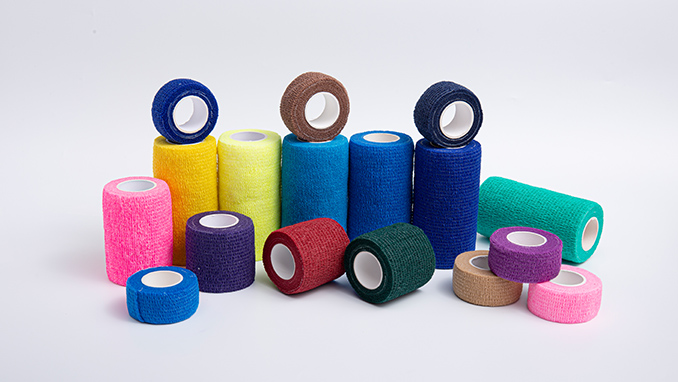
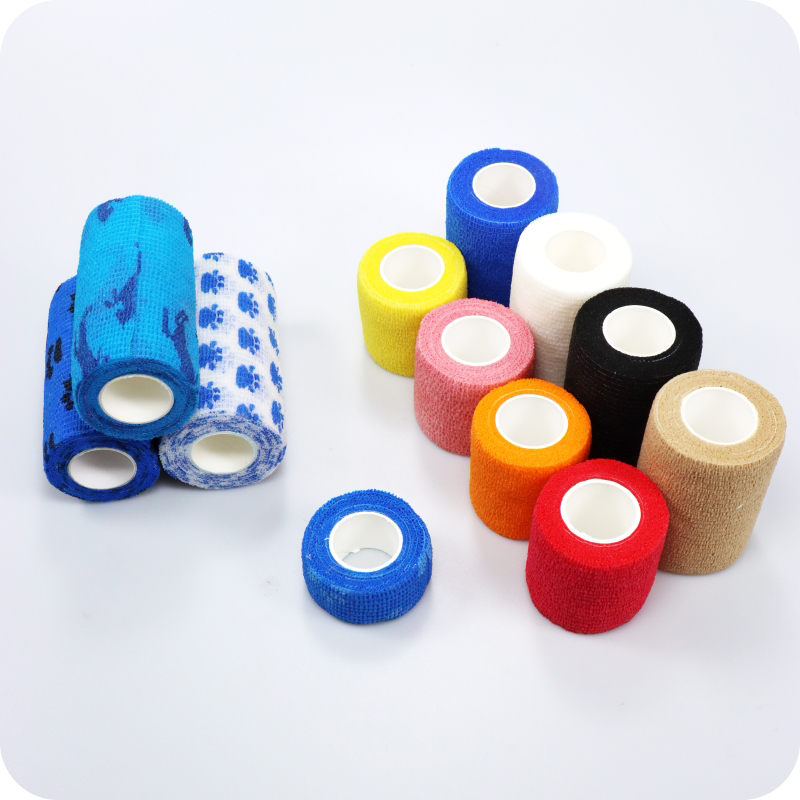
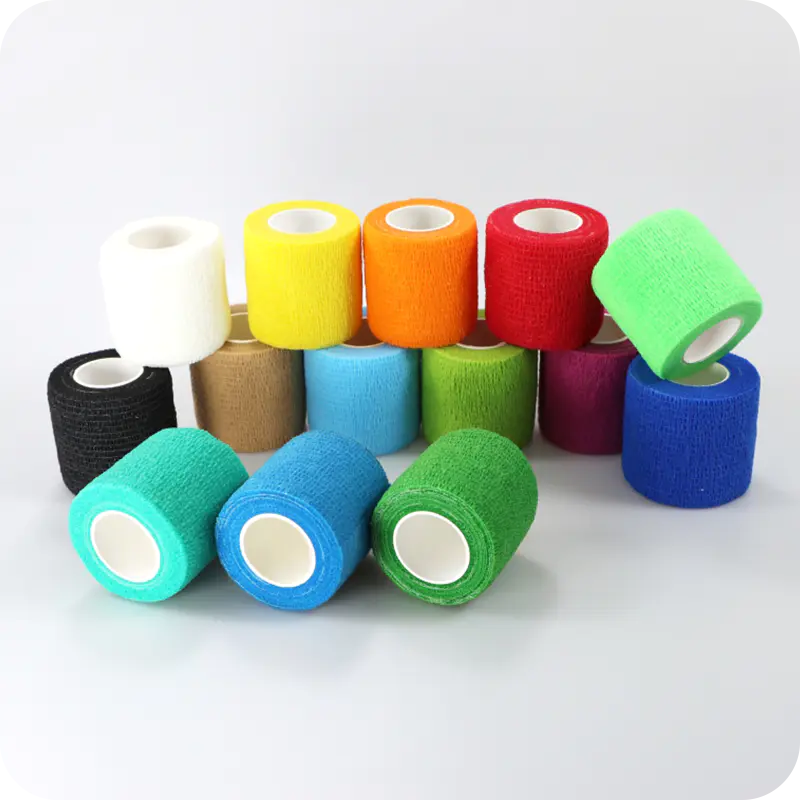
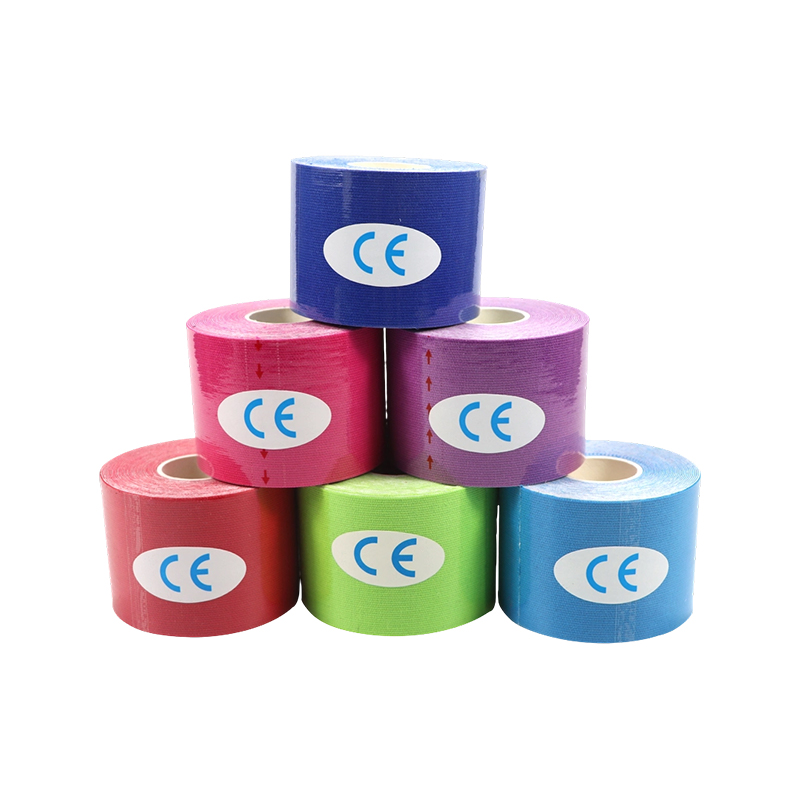
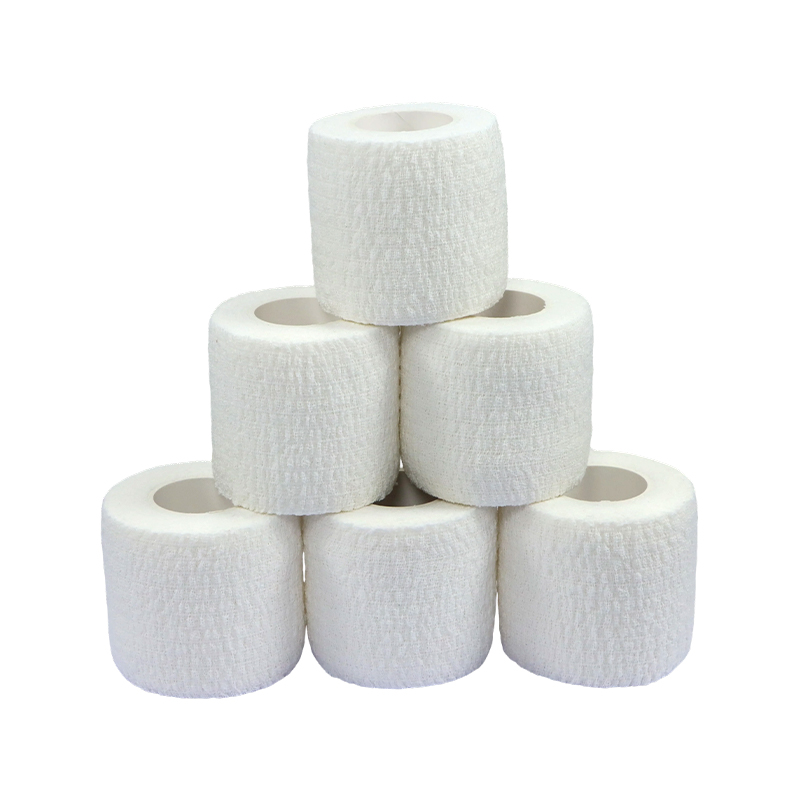
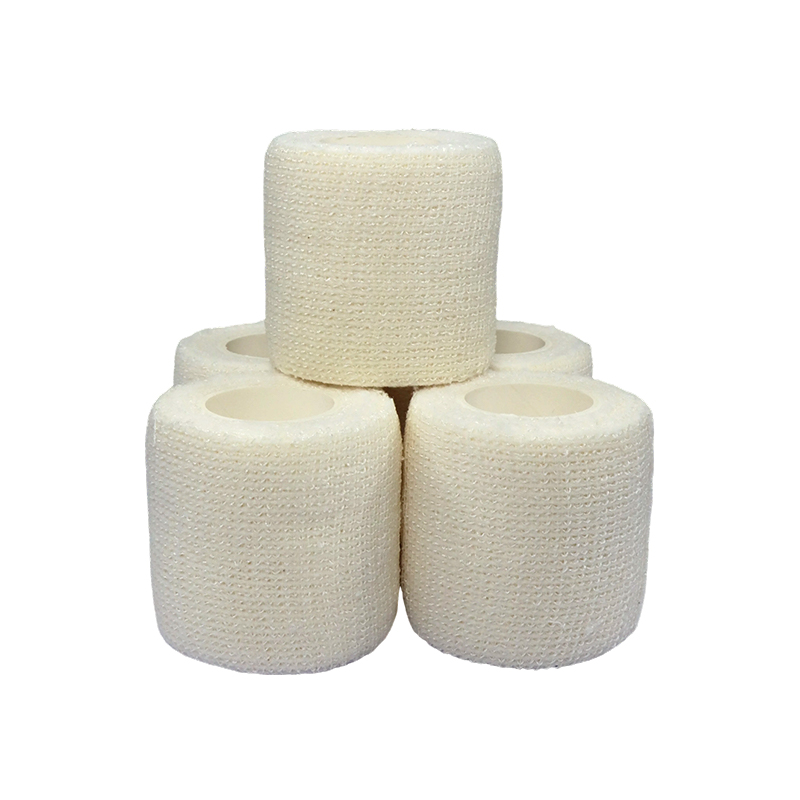
Self adhesive cohesive tape is a pressure-sensitive, elastic tape that adheres only to itself, not to skin, hair, fur, or other surfaces. This type of cohesion is mechanical rather than chemical, providing a gentle yet secure binding effect. It is commonly available in neutral colors or as colorful self adhesive cohesive tape, which is widely used in sports, clinics, and veterinary applications due to its aesthetic appeal and identification convenience.
Key characteristics of self adhesive cohesive tape
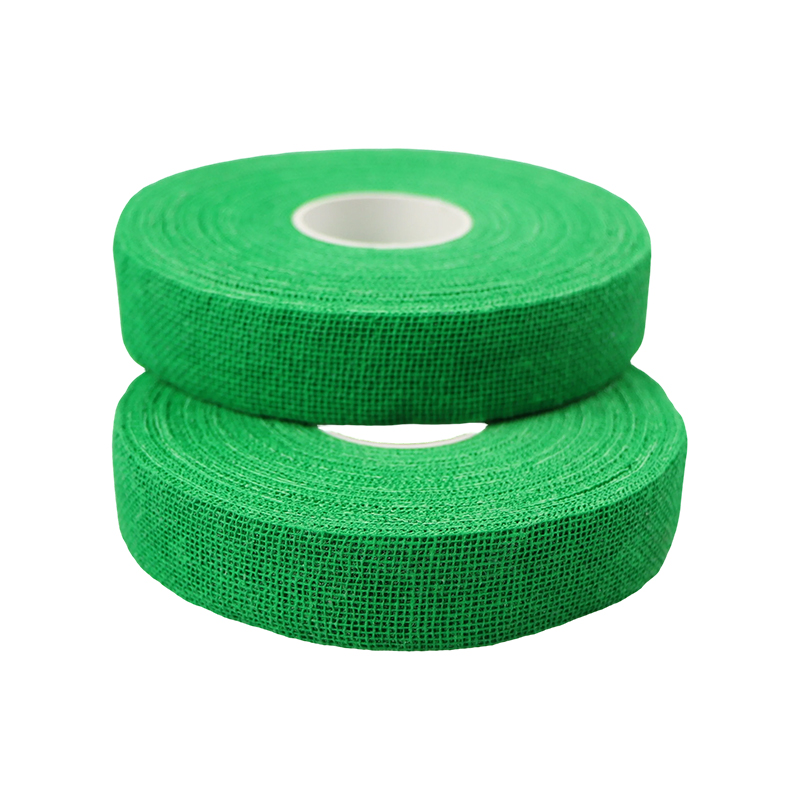
Self adhesive cohesive tape is constructed using nonwoven materials, elastic fibers, and cohesive compounds. These tapes offer controlled stretch, reusability during application, and reliable performance even in active environments. Cohesive tapes are designed for quick application without clips, fasteners, or adhesives.
Important attributes include:
- Cohesion-based adhesion rather than adhesive glue.
- Ease of tearing for fast application.
- Breathability to reduce moisture buildup under the wrap.
- Secure compression without restricting natural movement.
- Surface friendliness, making it suitable for animals and sensitive skin types.
Common usages of self adhesive cohesive tape
Self adhesive cohesive tape is widely employed in protective wrapping, joint support, first-aid applications, and controlled compression scenarios. These tapes are also integral to veterinary care, where they serve as hoof wraps, injury protection layers, and restraining wraps. The market often offers them in Veterinary Self Adhesive Bandage Bulk formats for professional buyers.
Applications include:
- Sports injury prevention and recovery
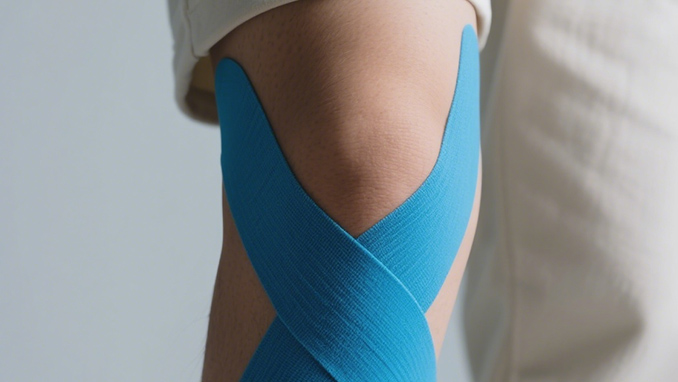
- Joint support for wrists, ankles, and knees
- Veterinary wound dressing and leg protection
- Compression for swelling control
- Securing padding and medical tubing
- Protective binding for paws or hooves
Understanding self-adhesive bandage wraps
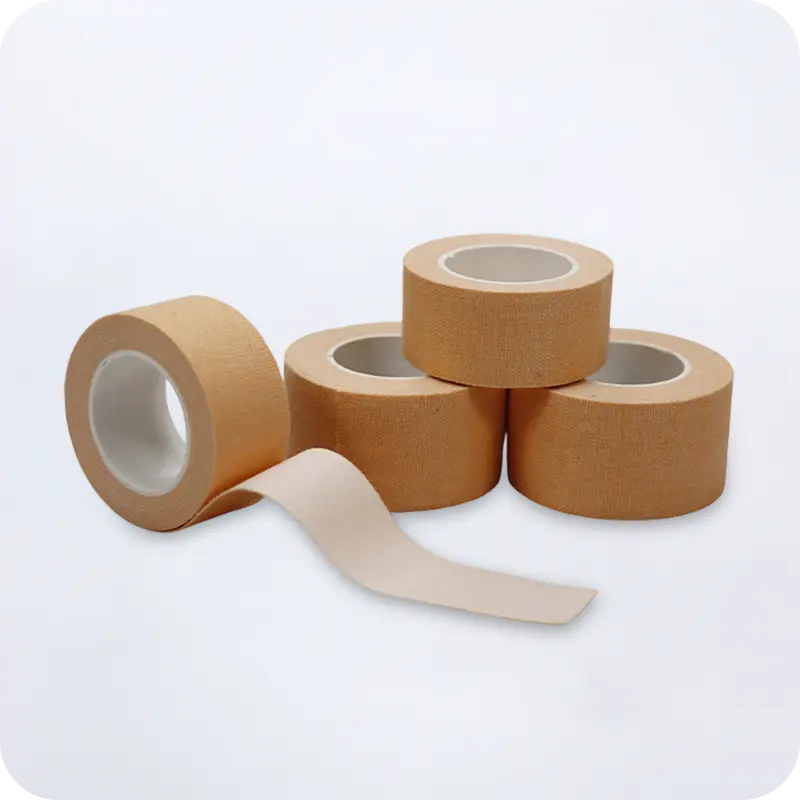
Self-adhesive bandage wraps feature an adhesive component that bonds to skin or fur, depending on the product formulation. Unlike cohesive tape, which sticks only to itself, self-adhesive bandage wraps contain a medical-grade adhesive that ensures firm placement and minimal shifting during movement. They are available in varied materials, including latex-containing and latex-free self adhesive wrap/bandage options for sensitive users.
Key characteristics of self-adhesive bandage wraps
Self-adhesive bandage wraps incorporate adhesive layers designed to maintain stable placement for the duration of use. These wraps are commonly used in first-aid kits, hospitals, walk-in clinics, and rehabilitation environments.
Important attributes include:
- Adhesive bonding that attaches to the skin or fur.
- Enhanced stability during movement.
- Suitable tension control for firm support.
- Single-use structure, as adhesive effectiveness diminishes after removal.
- Availability of latex-free versions to prevent allergic reactions.
Depending on user needs, self-adhesive wraps may be selected in breathable, sensitive-skin, high-adhesion, or multi-layer variations.
Common usages of self-adhesive bandage wraps
Self-adhesive bandage wraps are typically used in scenarios requiring more secure placement and stronger adhesion than cohesive tape can provide. They are common in general medical care, minor wound treatment, athletic therapy, and veterinary first-aid.
Applications include:
- Securing dressings directly on the skin
- Providing additional support for soft tissue injuries
- Stabilizing joints during sports activities
- Veterinary wound protection
- First-aid wrapping in clinical or field environments
Core differences between self adhesive cohesive tape and self-adhesive bandage wraps
While both materials serve similar functions—providing support, compression, and protection—their differences influence product selection across industries. Buyers in breathable self adhesive bandage wholesale, medical supply distribution, and animal care rely on these distinctions when sourcing products in bulk.
Difference in adhesive mechanism
The adhesive mechanism is the primary distinction.
Self adhesive cohesive tape:
- Sticks only to itself.
- Does not use chemical adhesive.
- Ideal for delicate skin or fur.
Self-adhesive bandage wraps:
- Use adhesives to bond to the skin or fur.
- Provide firmer bonding.
- May cause discomfort during removal.
Difference in intended usage
Cohesive tapes excel in scenarios requiring temporary, adjustable, and gentle support. They are especially popular in Veterinary Self Adhesive Bandage Bulk supply because animals often require materials that do not pull fur.
Bandage wraps, on the other hand, are preferred when users need more secure fixation, particularly for medical dressings.
Difference in user comfort and removability
Cohesive tape offers greater comfort due to the absence of adhesive. It minimizes discomfort during removal and avoids residue.
Self-adhesive wraps provide stronger fixation but may cause slight discomfort, depending on adhesives or duration of wear.
Difference in surface compatibility
Cohesive tape is compatible with:
- Human skin
- Animal fur
- Textiles
- Bandages or foam layers
Self-adhesive wraps adhere directly to skin and may not perform consistently on moist or furry surfaces.
Difference in durability and wear time
Self-adhesive bandage wraps generally maintain secure positioning longer due to adhesive bonding. Cohesive tape remains effective but may require occasional adjustment depending on activity level.
Difference in breathability and moisture control
Buyers sourcing breathable self adhesive bandage wholesale often consider airflow properties, which vary by product type. Generally:
- Cohesive tape: Usually more breathable due to nonwoven structure.
- Self-adhesive wraps: May trap more moisture depending on adhesive density.
Summary table of differences
| Comparison Item |
Self Adhesive Cohesive Tape |
Self-Adhesive Bandage Wraps |
| Adhesion Method |
Sticks to itself only |
Sticks to skin or fur |
| Adhesive Type |
No chemical adhesive |
Medical-grade adhesive |
| Comfort Level |
High comfort |
Moderate, varies by adhesive |
| Removal |
Easy, residue-free |
May pull slightly, depending on adhesive |
| Best For |
Sports, veterinary, temporary wraps |
Medical dressings, secure fixation |
| Breathability |
Generally higher |
Varies by product |
| Surface Compatibility |
Works with skin/fur/padding |
Best on dry skin |
The impact of material variations on product performance
Modern market demand has led to diversified product versions such as colorful self adhesive cohesive tape and latex-free self adhesive wrap/bandage. These variations influence performance, user safety, and product suitability.
Color variations
Color options are particularly popular in:
- Sports teams needing color coding
- Veterinary clinics using different colors for identification
- Retail buyers looking for visually appealing first-aid supplies
Color does not significantly affect performance but may improve usage management.
Breathable product options
Breathable versions enhance wearer comfort and reduce moisture retention. Such products are commonly purchased by buyers searching for breathable self adhesive bandage wholesale supply.
Latex-free options
Latex-free products help prevent allergic reactions and are essential for medical environments. When buyers select latex-free self adhesive wrap/bandage, they ensure broader compatibility with sensitive users.
Veterinary-specific products
Veterinary versions often include reinforced construction for hoof or leg wrapping, extended stretch, and enhanced durability. Bulk buyers frequently select Veterinary Self Adhesive Bandage Bulk due to high consumption in animal clinics and farms.
Choosing between self adhesive cohesive tape and self-adhesive bandage wraps
Several factors determine the appropriate choice:
Factors influencing cohesive tape selection
Buyers should choose cohesive tape when they require:
- Non-slip wrapping without adhesive
- Reusable adjustability during application
- Higher comfort for continuous wear
- Compatibility with fur-covered surfaces
- Breathable, flexible binding for active movement
Cohesive tape also supports bulk procurement due to its high usage rate in sports, hospitals, and veterinary facilities.
Factors influencing adhesive bandage wrap selection
Self-adhesive bandage wraps are preferred when users need:
- Stronger bonding to prevent shifting
- Direct adhesion to skin or hair
- Better stability during physical activity
- Enhanced retention of nonwoven dressings
- Long-term placement for wound protection
The role of cohesive tape and bandage wraps in various industries
Demand varies across industries, and understanding the application environment is essential when purchasing or distributing these products.
Medical and healthcare
In clinics or home care, self-adhesive bandage wraps are commonly used for dressing fixation. Cohesive tape is preferred for compression and non-slip wrapping.
Veterinary care
Veterinary practices heavily rely on cohesive tape, especially Veterinary Self Adhesive Bandage Bulk, because it does not pull fur and offers flexible wrapping for animals of different sizes.
Sports and rehabilitation
Cohesive tape is widely used for joint support, pre-workout binding, and post-injury care. Colorful self adhesive cohesive tape is popular due to color-coded taping strategies.
Industrial and first-aid supply companies
These companies prioritize durability, packaging flexibility, and wholesale pricing. Variants such as breathable self adhesive bandage wholesale fill high-volume procurement needs.
Conclusion
Self adhesive cohesive tape and self-adhesive bandage wraps differ significantly in adhesive mechanisms, performance, user comfort, and industry applications. Cohesive tape is preferred for skin-friendly, fur-friendly, adjustable, and breathable wrapping scenarios. Self-adhesive bandage wraps are better suited for stable dressing fixation and firm adhesion during extended wear.
These materials continue to evolve, with variations such as Veterinary Self Adhesive Bandage Bulk, breathable self adhesive bandage wholesale, colorful self adhesive cohesive tape, and latex-free self adhesive wrap/bandage meeting diverse market requirements. Understanding these features enables buyers to make informed, professional decisions tailored to specific industry needs.
FAQs
What makes self adhesive cohesive tape ideal for veterinary use?
It adheres to itself rather than fur, causing minimal discomfort during application and removal. This makes it suitable for routine veterinary wrapping.
Is self adhesive cohesive tape breathable?
Most versions, especially those marketed through breathable self adhesive bandage wholesale channels, are designed to allow airflow for improved comfort.
What is the benefit of using latex-free self adhesive wrap/bandage?
It avoids allergic reactions and is suitable for sensitive users, including medical patients and animals with irritability to latex.
Can colorful self adhesive cohesive tape be used in professional environments?
Yes. Color variations help identify treatment zones, differentiate sizes, and improve visual clarity without affecting performance.
Are self-adhesive bandage wraps better for long-term wear?
They often provide more secure fixation for extended use, as their adhesive retains placement more firmly than cohesive tapes.
Which product should I choose for sports activities?
Cohesive tape is generally preferred because it offers flexible, adjustable support without sticking to the skin.






 English
  русский
  Français
  Español
  عربى
عربى 

 ENG
ENG