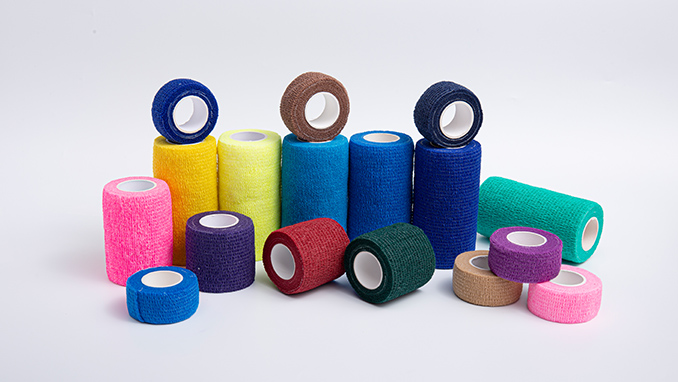
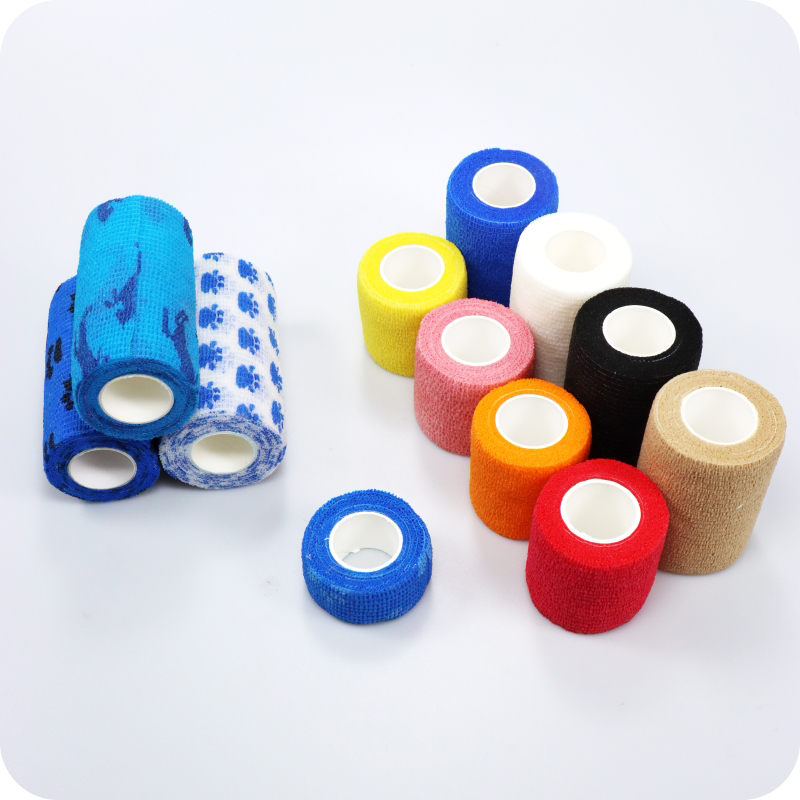
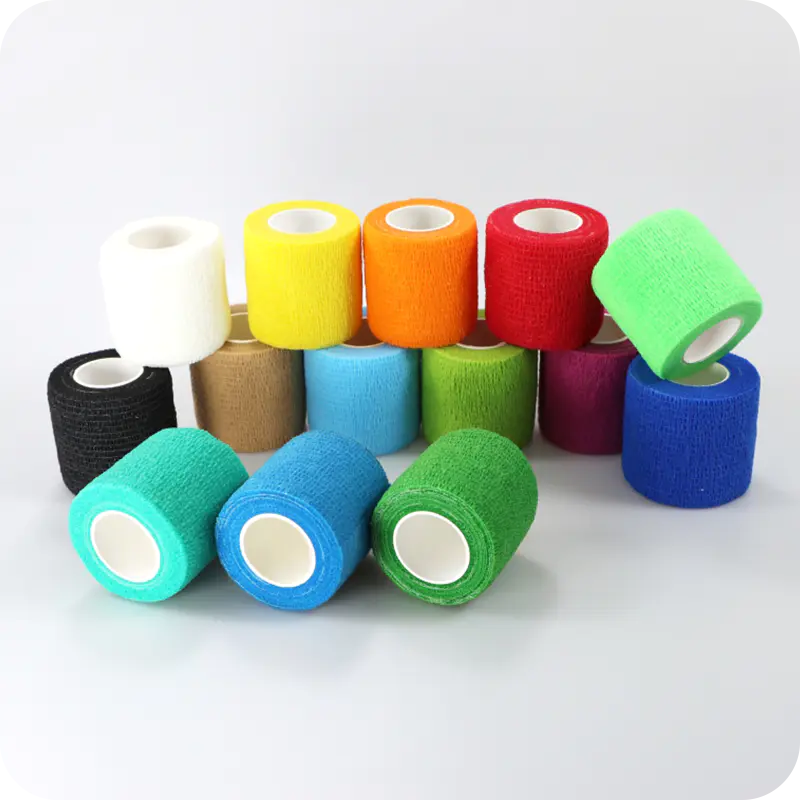
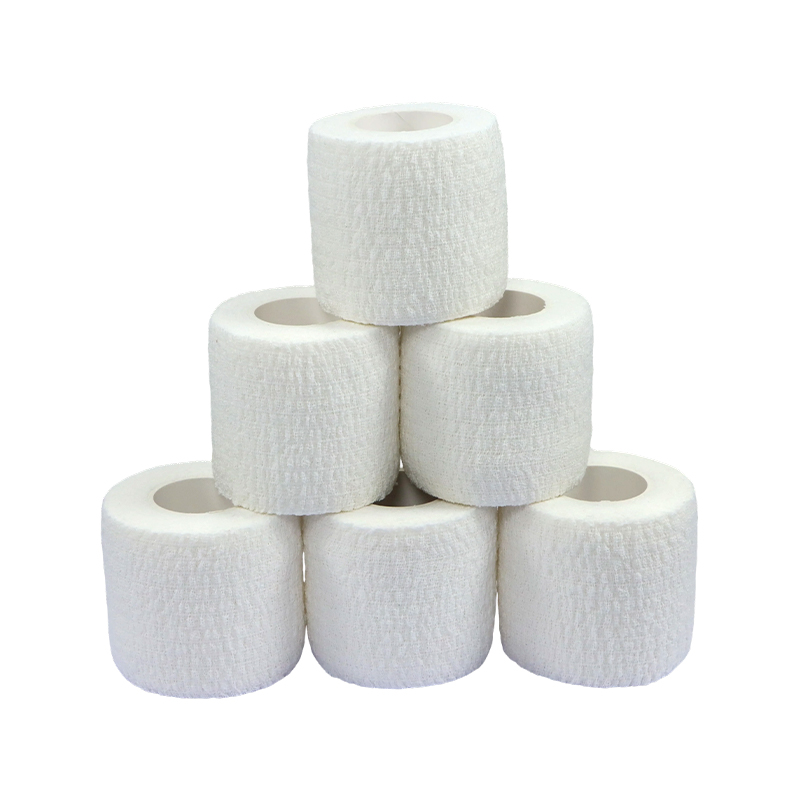
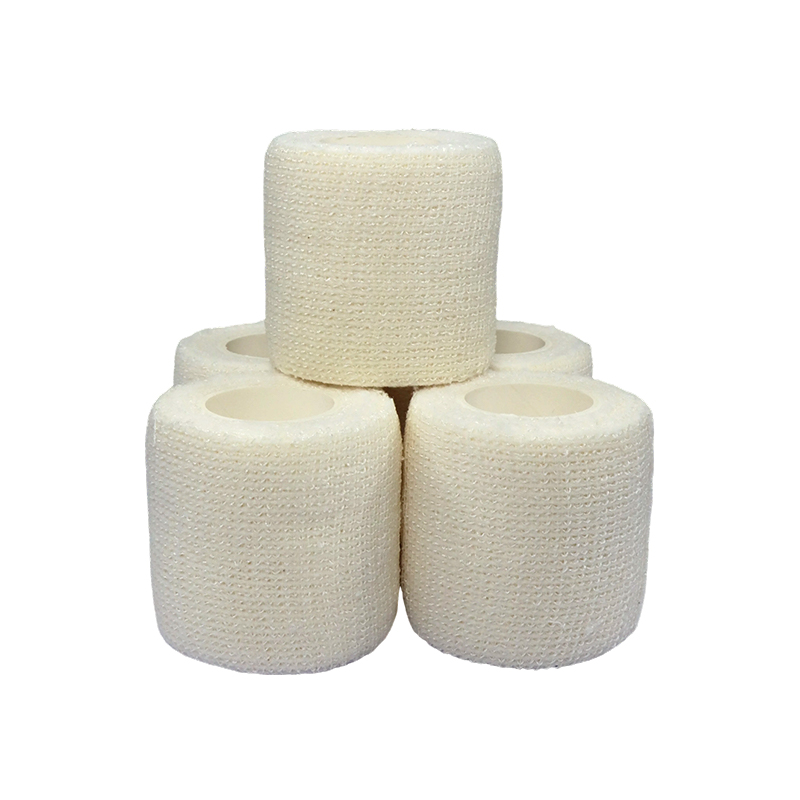
One product that has gained noticeable attention is tear by hand cohesive wrap, a self-adhering elastic wrap that bonds to itself without relying on adhesives. Understanding how tear by hand cohesive wrap performs in relation to widely used adhesive bandages is essential for purchase decisions involving wound care, sports taping, veterinary use, and general-purpose wrapping.
Understanding the functional differences between cohesive wraps and adhesive bandages
Material behavior and adhesion characteristics
The most notable distinction between tear by hand cohesive wrap and traditional adhesive bandages lies in their adhesion mechanism. Adhesive bandages rely on a glue-based layer that attaches directly to the skin. While convenient for quick application, adhesive-based attachment can lead to issues such as skin irritation, reduced adhesion due to moisture, and discomfort during removal.
In contrast, tear by hand cohesive wrap adheres to itself rather than the skin. This cohesive property eliminates the need for glue, making the wrap flexible, breathable, and adjustable. For buyers prioritizing ease of removal, self-adhering materials offer a clear advantage. Additionally, cohesive wraps perform effectively even when sweat, moisture, or lotions are present, conditions that often weaken adhesive bandages.
Handling and application
Traditional adhesive bandages, particularly strip-style versions, have a fixed shape and size. While ideal for minor cuts and abrasions, they offer limited adaptability. Buyers who require a multifunctional wrapping solution often find adhesive bandages insufficient, especially in sports care, joint stabilization, or compression needs.
On the other hand, tear by hand cohesive wrap offers considerable manipulation flexibility. The ability to tear the wrap manually allows quick adjustments in length without tools. This feature is particularly valued in fast-paced environments such as first-aid stations, athletic fields, and veterinary care.
The self-adhering design also allows buyers to use the wrap for a wide range of purposes beyond wound dressing, including:
- Light compression
- Joint support
- Securing splints
- Post-surgical wrapping
- Paw protection and animal care
- Equipment grip enhancement
Such versatility enhances the value perception for buyers seeking a single product to meet multiple operational needs.
Comparing comfort and skin compatibility from the buyer’s perspective
Sensitivity and irritation considerations
People often evaluate products based on comfort, especially when purchasing for patients, athletes, or individuals with delicate skin. Traditional adhesive bandages may cause irritation due to the adhesive layer, especially when left on for extended periods. Repeated removal can also strip the skin’s surface layers, a common concern for pediatric and geriatric care.
In contrast, tear by hand cohesive wrap avoids direct contact with adhesives altogether. This makes it more suitable for:
- Sensitive skin
- Elderly patients
- Pediatric users
- Individuals with adhesive allergies
- Situations requiring repeated bandage removal
Breathability and comfort during extended wear
Traditional adhesive bandages vary in breathability depending on the material—plastic styles often trap moisture, while fabric-based versions perform moderately better. Prolonged exposure to moisture under adhesive layers can lead to maceration or discomfort.
Tear by hand cohesive wrap, with its porous design, offers improved airflow and moisture evaporation, contributing to higher comfort during long-term wear. Buyers often value products that support natural movement and do not cause overheating or sweating beneath the wrap.
Durability, stability, and performance in different conditions
Resistance to moisture and external factors
Adhesive bandages are known to lose effectiveness when exposed to water, sweat, or oils. Even water-resistant adhesive bandages have limited performance under extended moisture exposure. This remains a limitation for buyers in sports medicine and outdoor activity markets.
In comparison, tear by hand cohesive wrap maintains cohesive strength even in moisture-rich environments. Because the wrap bonds to itself rather than relying on adhesive, sweat and minor water exposure do not significantly reduce performance. Users who participate in activities like running, cycling, weight training, or field sports benefit from the stable placement of cohesive wraps.
Strength and elasticity
The durability of tear by hand cohesive wrap is an important factor for buyers requiring joint stabilization or compression support. The elastic nature of the wrap allows adaptable tension without compromising structural integrity. This balance between elasticity and cohesive bonding contributes to sustained performance, even during prolonged physical movement.
Traditional adhesive bandages do not offer elasticity at similar levels. Their primary function is to keep dressings in place rather than provide compression or structural reinforcement.
Expected durability comparison table
Below is a simple table comparing expected durability factors from a buyer’s perspective:
| Performance Factor |
tear by hand cohesive wrap |
Traditional Adhesive Bandage |
| Moisture Resistance |
Good |
Low to moderate |
| Elasticity |
High |
Low |
| Reusability |
Limited (single use) |
None |
| Strength During Activity |
High |
Moderate |
| Skin Adhesion Stability |
Consistent (self-binding) |
Variable (skin-dependent) |
| Breathability |
Good |
Variable |
This table highlights why professional buyers in sports medicine, emergency care, and veterinary fields often lean toward cohesive wraps for dynamic environments.
Versatility across industries and buyer segments
Medical and clinical settings
Hospitals, clinics, and first-aid providers often value tear by hand cohesive wrap for its versatility and skin-safe characteristics. These buyers typically require bandages that minimize skin trauma, especially for patients who need repeated dressing changes.
Clinical buyers also appreciate the ability to quickly apply and adjust the wrap without scissors, improving workflow efficiency.
Sports and athletic environments
Athletic trainers and sports medicine providers rely on products that offer stability, joint support, and quick application. Traditional adhesive bandages do not provide sufficient reinforcement for high-movement scenarios.
Cohesive wraps are widely used in:
- Ankle taping
- Wrist stabilization
- Muscle compression
- Equipment grip enhancement
Veterinary and animal care
Animals typically have fur, making adhesive bandages impractical. Adhesive materials do not adhere well to fur and can cause discomfort upon removal.
Tear by hand cohesive wrap is widely used in veterinary settings due to its secure self-binding properties and gentle removal.
Industrial, household, and emergency use
Cohesive wraps also serve in non-medical applications, including:
- Tool grip enhancement
- Temporary bundling
- Emergency gear kits
- Outdoor equipment stabilization
These use cases broaden the buyer demographic beyond healthcare professionals.
Buyer-focused comparison: strengths and limitations
Strengths of tear by hand cohesive wrap from a buyer’s viewpoint
Buyers often highlight several strengths, including:
- Self-adhering design eliminates the need for adhesives
- Adjustable, customizable length improves usability
- Breathable and comfortable for extended wear
- Hypoallergenic performance suitable for sensitive skin
- Versatility for medical, sports, and veterinary use
- Stable performance even in moisture-heavy environments
- Reduced waste due to customizable tear length
These factors significantly influence purchasing decisions for multipurpose environments.
Limitations buyers may consider
While cohesive wraps offer many advantages, buyers may also note certain limitations:
- They are less suitable for very small wounds requiring sealed coverage.
- They do not offer the simplicity of single-application adhesive strips for minor cuts.
- They require proper wrapping technique to achieve optimal tension.
- They may not adhere effectively if the layers are applied too loosely.
However, these limitations are generally outweighed by the broader benefits, especially for professional buyers.






 English
  русский
  Français
  Español
  عربى
عربى 

 ENG
ENG