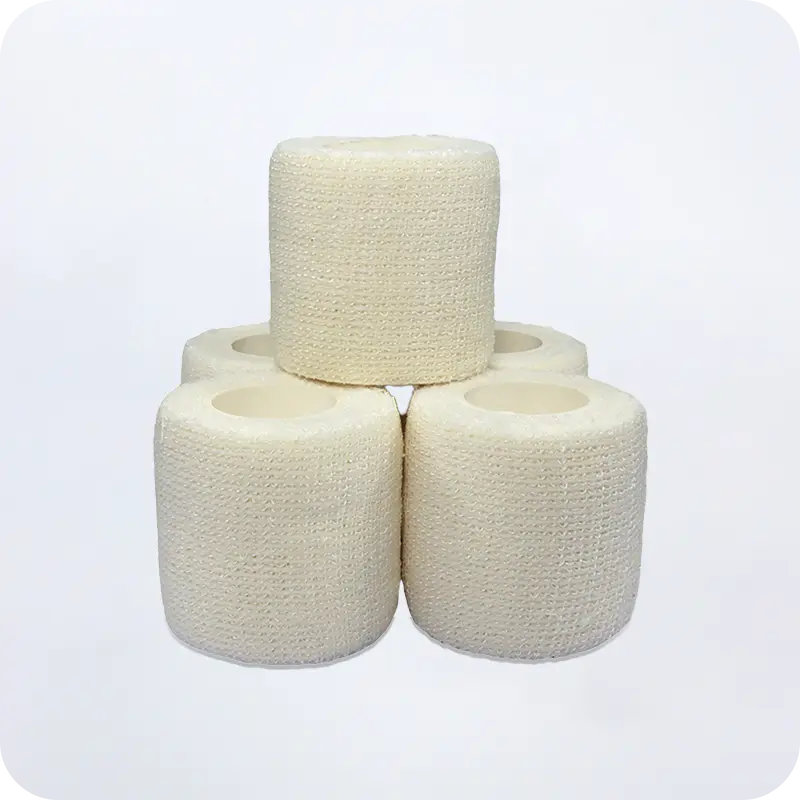
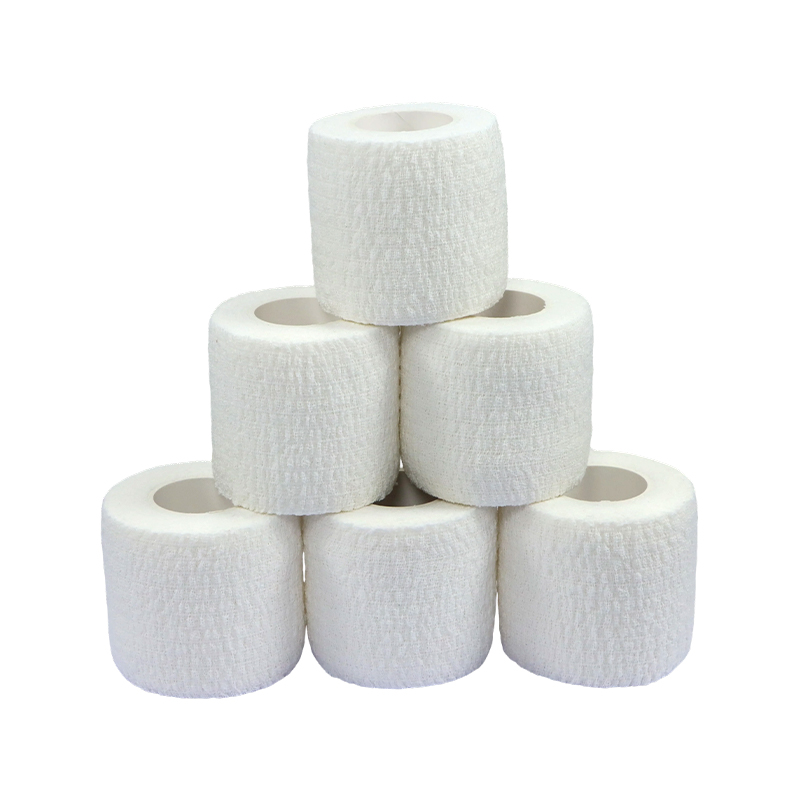
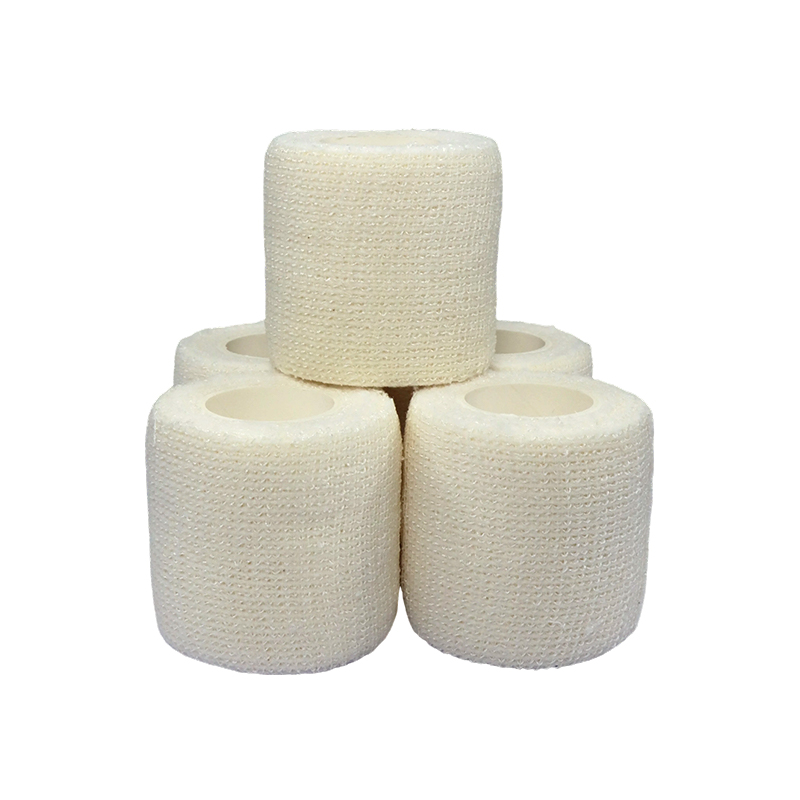
A cotton cohesive bandage is widely used across both human healthcare and animal care due to its combination of flexibility, cohesive adhesion, and breathable cotton materials. In veterinary applications, deciding whether a cotton cohesive bandage is appropriate involves evaluating a series of structural, performance, safety, and application-related criteria. Veterinary scenarios require the product to provide secure wrapping, strong cohesive strength, high comfort, and adequate durability under movement.
Understanding the functional role of a cotton cohesive bandage in veterinary care
The effectiveness of a cotton cohesive bandage in animal care depends on how well it supports immobilization, surface protection, compression, and wound dressing stability. Cohesive bandages used on animals must maintain their structure even when exposed to outdoor environments, moisture, fur, and active movement. A cotton cohesive bandage designed for veterinary use must also prevent slippage, avoid sticking to fur, and provide enough breathability to reduce the risk of skin irritation.
The importance of cohesive technology in veterinary scenarios
The cohesive properties of a cotton cohesive bandage allow it to adhere to itself without the need for clips, adhesives, or fasteners. This design is important for animals because adhesive tapes often cause discomfort or damage to fur. Cohesive adhesion prevents slippage and ensures that the bandage remains secure during activities such as walking, paw movement, grazing, or general grooming behaviors. For this reason, understanding cohesive performance is a primary factor in determining whether a cotton cohesive bandage is suitable for veterinary use.
Evaluating material composition and structural integrity
Material composition is central to the performance of a cotton cohesive bandage. Veterinary-grade bandages require specific material features to ensure comfort, safety, and resilience under active conditions.
Cotton quality and fiber density
Cotton fiber density affects elasticity, softness, breathability, and overall user experience. In veterinary use, cotton must have a balanced density that provides comfort while offering enough thickness to protect the animal’s skin. A cotton cohesive bandage with overly loose fibers may lose durability, while one with overly tight fibers may compromise comfort. The density should also allow the bandage to conform to curved body areas such as legs, tails, or paws.
Cohesive coating and adhesion level
The cohesive agent applied to the cotton fabric determines whether the bandage adheres securely during motion. Veterinary scenarios require a strong yet controlled cohesive effect, which prevents the bandage from loosening while avoiding excessive stickiness. The cohesive layer must be evenly distributed; uneven coating may result in weak adhesion in some areas or discomfort in others.
Elasticity and stretch performance
Elasticity is critical for allowing controlled compression without restricting circulation. A suitable cotton cohesive bandage must maintain tension consistently when wrapped. Poor stretch capability can cause loose applications, while excessive elasticity may risk over-tightening. Evaluating the stretch ratio and its consistency across the roll helps determine whether the product is suitable for veterinary purposes.
Assessing comfort and skin compatibility for animal use
Animals have different skin sensitivities and fur densities. The comfort level provided by a cotton cohesive bandage can directly affect its usability. A veterinary-appropriate bandage should minimize friction, prevent irritation, and avoid interfering with natural movement.
Softness and skin-friendliness
Cotton provides natural softness, which improves comfort during extended use. For animals, a soft texture reduces rubbing on sensitive areas such as paws or legs. A veterinary-appropriate cotton cohesive bandage should be free from harsh fibers or rigid textures that might lead to discomfort.
Breathability and moisture management
Breathability is critical for preventing moisture buildup under the bandage. Animals may sweat or experience humidity-related irritation more quickly than humans due to fur coverage. A breathable cotton cohesive bandage helps maintain temperature balance and reduces the risk of skin maceration.
Hypoallergenic properties
Veterinary bandages should avoid causing allergic reactions. A hypoallergenic cotton cohesive bandage minimizes the risk of inflammation, especially when used on sensitive species.
Analyzing cohesive strength, durability, and long-term holding power
Securing the dressing properly is essential in veterinary treatment, as animals tend to be active and may attempt to remove or chew on bandages.
Cohesive strength evaluation
Cohesive strength determines how well the bandage remains in place without external adhesives. For veterinary use, the strength should be sufficient to withstand motion but not so strong that removal becomes uncomfortable or risks pulling fur.
Resistance to slippage and movement
Slippage occurs when a bandage begins to loosen under movement. A cotton cohesive bandage designed for veterinary applications must maintain its grip even when applied on fur. Its resistance to slippage is influenced by fiber structure, cohesive coating uniformity, and elasticity.
Durability under stress
Animals may engage in scratching, biting, running, or rolling. A durable cotton cohesive bandage must resist tearing and fraying. Rolls that tear too easily may compromise wound protection or require frequent replacement.
Determining suitability based on environmental adaptability
Veterinary environments vary widely, from indoor clinics to outdoor farms, stables, and shelters. A cotton cohesive bandage must perform well in diverse settings.
Moisture and humidity resistance
Although cotton absorbs moisture, cohesive bandages intended for animals should maintain their structural performance even when exposed to light moisture. The cohesive effect should not be significantly reduced by humidity, as animals may encounter wet grass, rain, or damp conditions.
Temperature tolerance
Bandages may be used in varying climates. Performance consistency in both warm and cool environments ensures that the cohesive layer does not stiffen or melt under temperature changes.
Surface adaptability on fur
Fur poses a unique challenge for cohesive bandages. A veterinary-appropriate cotton cohesive bandage must adhere to itself effectively without trapping hair or causing discomfort. This characteristic is essential for preventing slippage while allowing painless removal.
Evaluating ease of application and removal
Ease of application is a practical factor in veterinary care. A bandage that is difficult to apply may cause unnecessary stress for both animals and caregivers.
Smooth unrolling and tension control
The cotton cohesive bandage should unroll smoothly without excessive resistance. Caregivers should be able to maintain consistent tension, which is particularly important when wrapping moving animals. Uneven unrolling can cause sudden tightening or loose spots.
Tearability by hand
Hand-tearable cohesive bandages allow quick adjustments during application. A veterinary-suitable cotton cohesive bandage should tear cleanly without uneven edges, which simplifies use in fast-paced or emergency scenarios.
Safe and comfortable removal
Veterinary bandages must be removable without causing discomfort or fur loss. The cohesive design prevents adherence to skin or hair, enabling painless removal. A suitable cotton cohesive bandage should peel away smoothly while keeping the fur intact.
Reviewing quality-control indicators and product standards
To determine veterinary suitability, buyers often evaluate manufacturing quality and available testing information.
Cohesive performance consistency
Quality control measures ensure that cohesive properties remain stable across production batches. Cohesive variation may cause inconsistencies in application results. Buyers often reference “cohesive uniformity test” or “cotton bandage adhesion standards” when comparing suppliers.
Fabric integrity and weave consistency
Uniform weaving helps maintain structural stability. Loose or uneven weaves can lead to premature tearing. Veterinary applications require a consistent weave pattern to withstand movement.
Safety compliance and material verification
Buyers frequently look for material verification terms such as “non-irritating cotton bandage” or “animal-safe cohesive wrap”. These indicators help confirm that the product meets general safety expectations for veterinary environments.
Identifying practical application areas in veterinary medicine
Understanding the typical use cases helps determine the necessary performance level of a cotton cohesive bandage for veterinary applications.
Wound care stabilization
A cotton cohesive bandage is often used to secure gauze or pads in place. For animals, movement tends to disrupt wound dressings more easily than in humans. Therefore, the bandage must maintain secure, stable coverage around dynamic areas.
Support and compression
Veterinarians use cohesive bandages to provide light support or compression in cases of mild sprains or soft-tissue injuries. Proper elasticity ensures that the cotton cohesive bandage delivers adequate compression without restricting circulation.
Protection against environmental exposure
Animals may encounter dirt, dust, or debris. The cotton cohesive bandage helps create a protective layer over wound dressings or sensitive areas. The cotton construction also provides comfort during extended periods of use.
Post-surgical care
After surgery, stabilization of surgical dressings is important. A cotton cohesive bandage should maintain its position even when the animal moves, lies down, or shakes.
Comparing veterinary requirements with general human medical needs
Although cotton cohesive bandages are used in both human healthcare and veterinary care, several distinctions exist in their application requirements.
Greater mobility challenges
Animals move unpredictably. Veterinary bandages must handle quick shifts in motion likely to loosen or twist a bandage. Therefore, cohesive strength for veterinary use is often higher.
Higher risk of environmental exposure
Animals may go outdoors, walk on rough surfaces, or encounter contaminants. A veterinary-friendly cotton cohesive bandage must provide durability and a secure grip under these conditions.
Behavioral tendencies
Animals may chew or scratch at bandages. This behavior requires cohesive bandages with stronger resistance to tearing and fraying.
Evaluating bandage width, thickness, and length requirements
Physical dimensions influence application efficiency and comfort.
Width considerations
Veterinary bandages are commonly available in different widths to accommodate various animal body parts. Wider bandages are often preferred for large animals, while narrow bandages are ideal for small limbs or paws.
Thickness and cushioning
Thickness affects protection and comfort. A veterinary-appropriate cotton cohesive bandage typically offers a moderate thickness to protect the skin while retaining flexibility.
Roll length and usage efficiency
Longer rolls allow covering larger areas or creating multiple layers when needed. Efficient roll length is beneficial in clinical and farm environments with frequent bandage use.
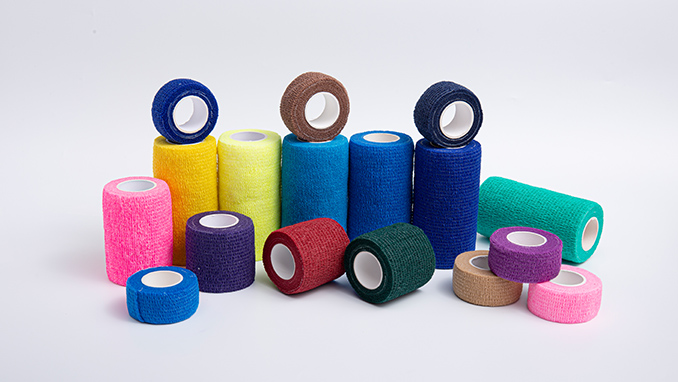
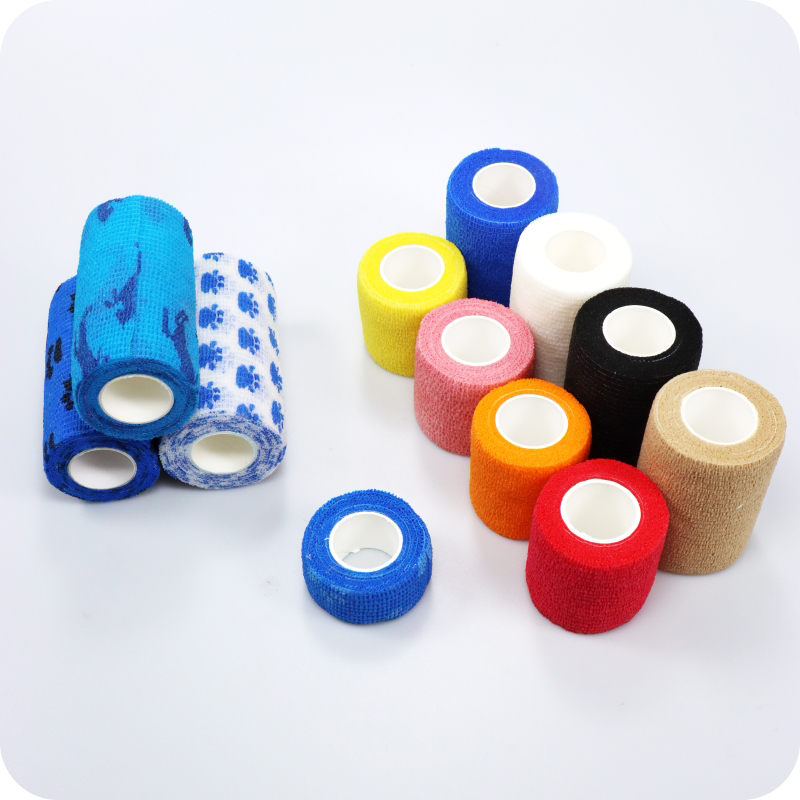
Understanding color options and their functional relevance
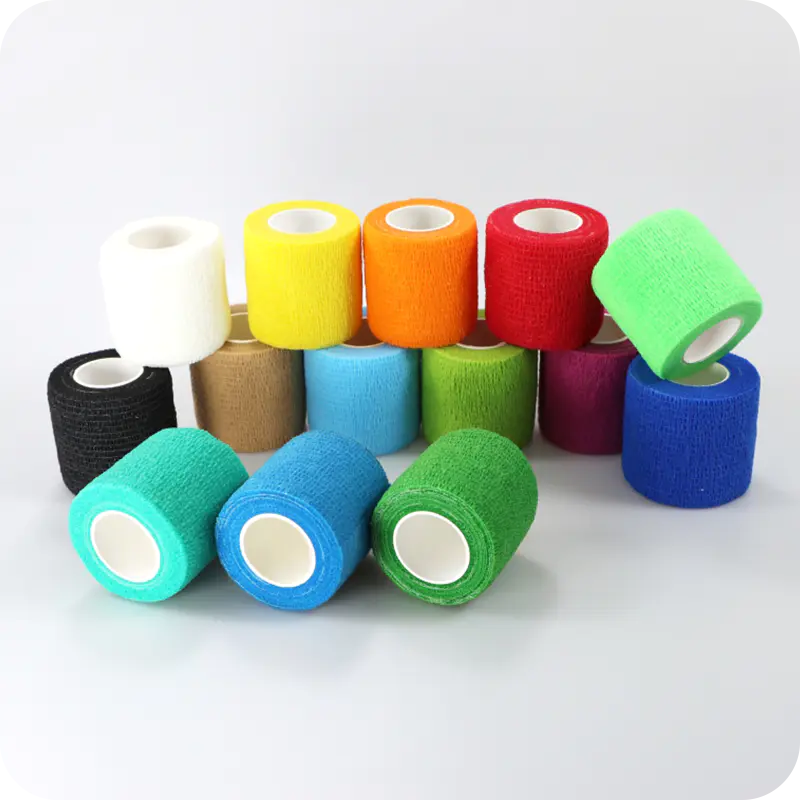
Color availability is often an overlooked factor in functional performance.
Visibility for monitoring
Bright colors help caregivers quickly spot bandages during inspection. This is useful in situations where monitoring is required for early detection of slippage or soiling.
Behavioral considerations
Some animals react differently to certain colors. Neutral tones may be less distracting, while vibrant colors assist with high-visibility environments.
Using tables to compare key evaluation criteria
The following table summarizes essential indicators for evaluating a cotton cohesive bandage for veterinary suitability:
| Evaluation Criteria |
Veterinary Requirements |
Indicators of Suitability |
| Material |
Soft, breathable cotton |
Uniform fiber structure |
| Cohesive Strength |
Strong but controllable |
Even coating, consistent adhesion |
| Elasticity |
Flexible, moderate stretch |
Stable tension, does not over-tighten |
| Durability |
Tear-resistant |
Holds shape under activity |
| Comfort |
Non-irritating |
Soft texture, safe for fur |
| Environmental Adaptability |
Performs in moisture and outdoor conditions |
Stable cohesive effect |
| Application Ease |
Smooth unrolling, clean tearing |
Quick to apply |
| Removal |
Does not pull fur |
Easy peel-off |
Indicators that a cotton cohesive bandage is unsuitable for veterinary use
Not all cohesive bandages are designed for animal care. Unsuitability may stem from several issues:
Insufficient cohesive adhesion
Weak adhesion results in slippage, which compromises wound stability. If a bandage cannot maintain position during movement, it is not suitable for veterinary use.
Excessive stiffness
A bandage that is too rigid may limit natural movement. For animals that rely on mobility, a stiff bandage can cause discomfort or behavioral problems.
Poor tearability
Bandages that do not tear easily can complicate application and cause unnecessary stress.
Inadequate durability
Bandages that tear prematurely fail to protect wounds or provide sufficient support.
Practical steps to determine suitability before purchasing
Evaluating a cotton cohesive bandage for veterinary use involves several steps:
Review product specifications
Technical sheets commonly list cohesive strength, material composition, and stretch properties. These indicators help assess suitability.
Test sample rolls
Testing a sample involves checking adhesion, elasticity, softness, and tearability. Applying the bandage to a simulated surface can provide insight into real-world performance.
Evaluate user feedback
Feedback from veterinary professionals may highlight practical advantages or limitations. This helps validate performance claims and identify consistent quality patterns.







 English
  русский
  Français
  Español
  عربى
عربى 

 ENG
ENG