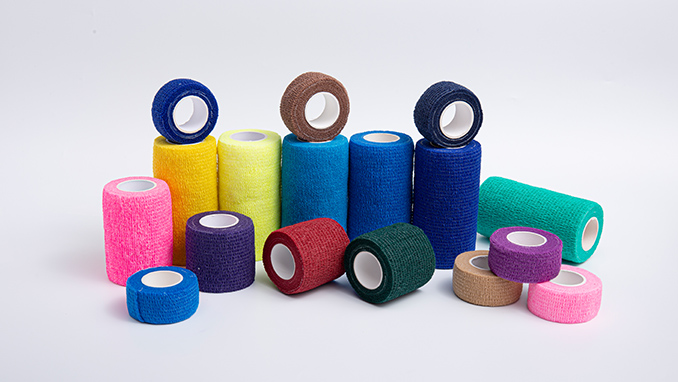
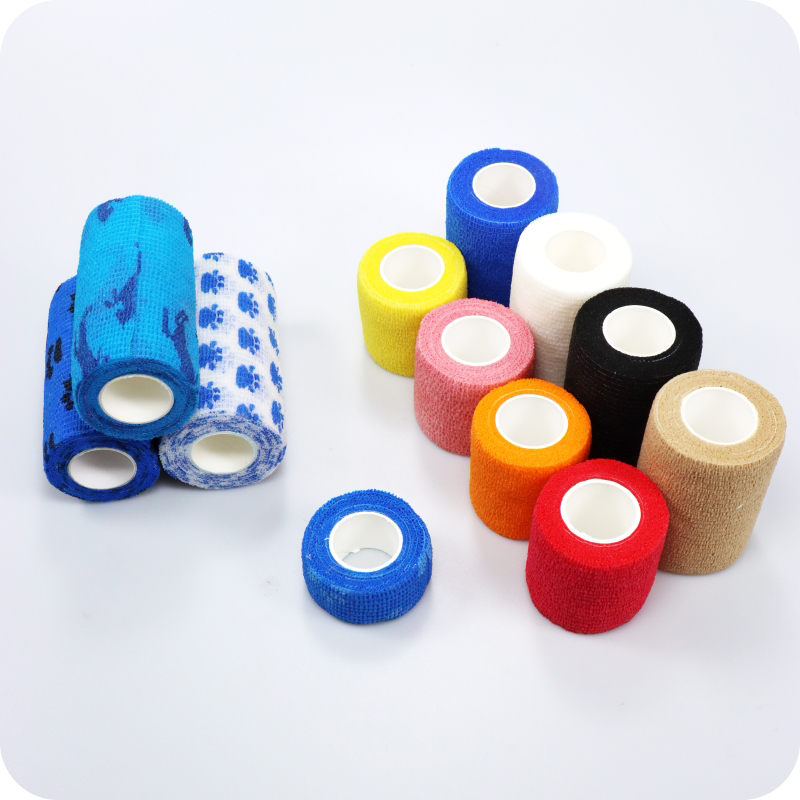
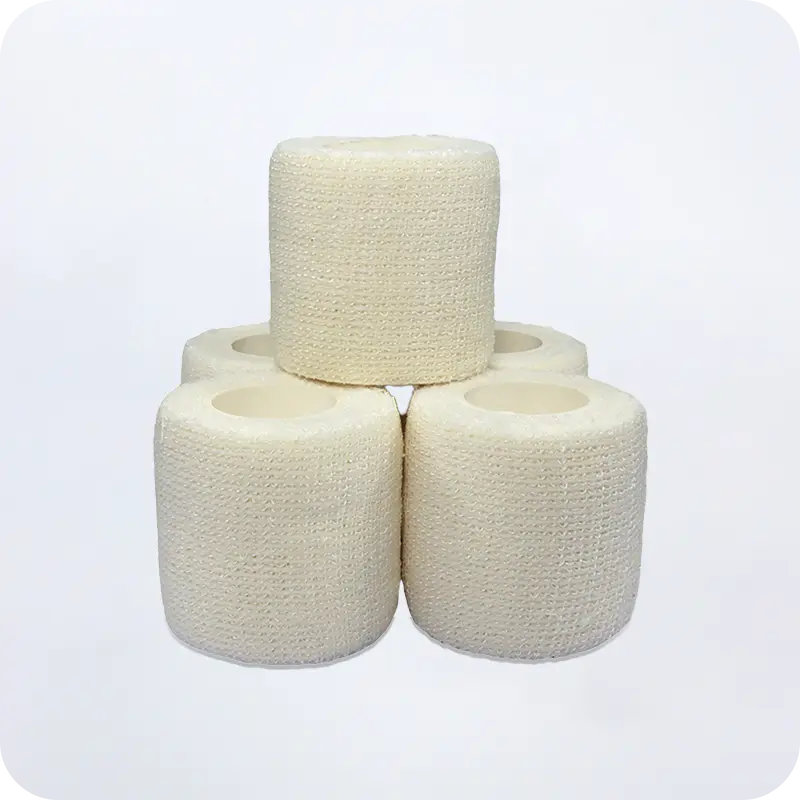
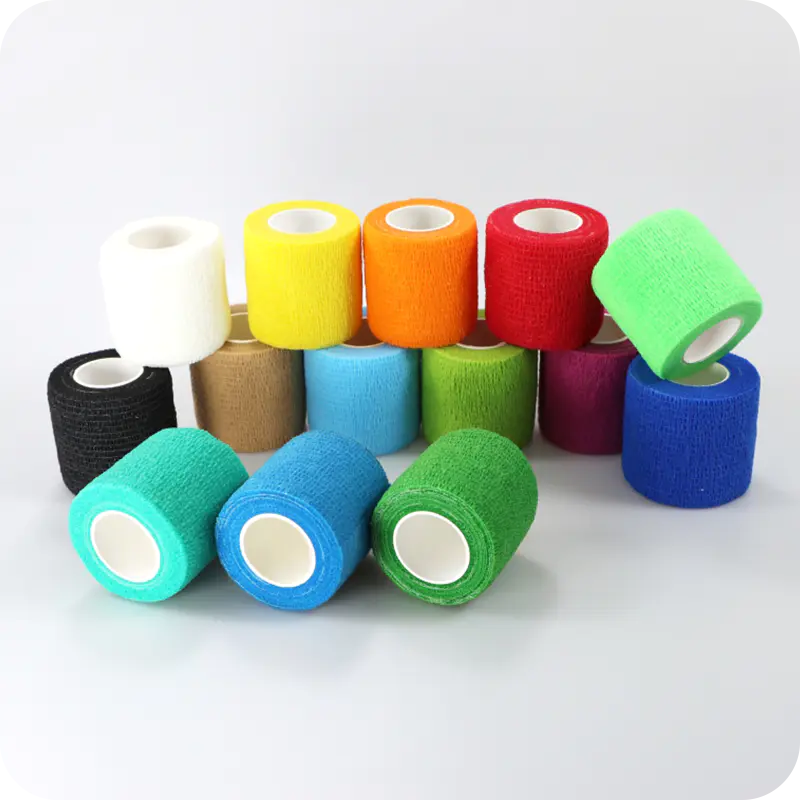
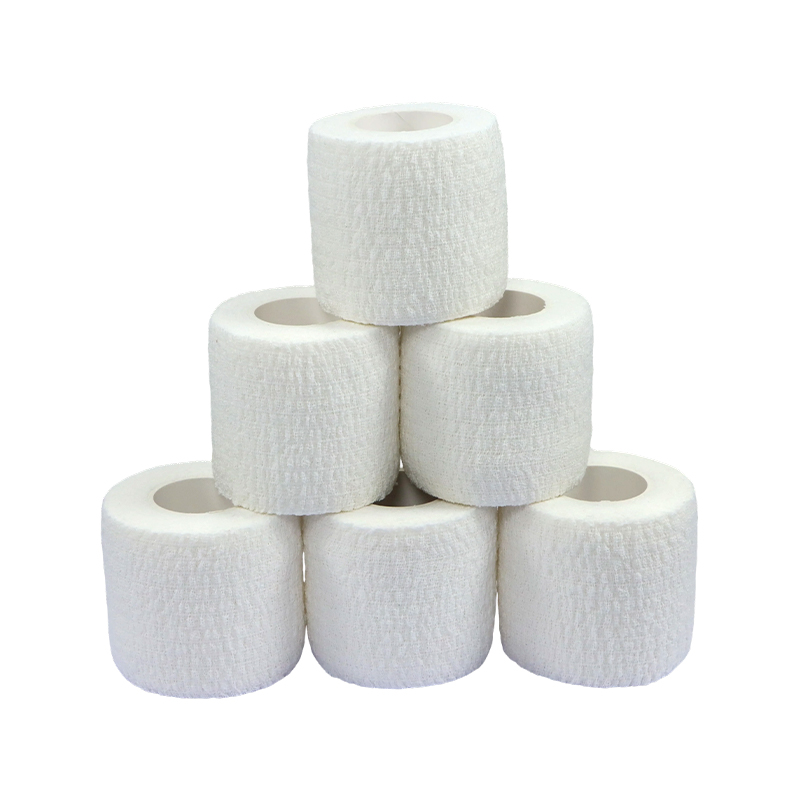
Self-adhesive elastic bandages are self-adhesive and elastic medical dressings primarily used to bandage and protect wounds, promoting wound healing. Their primary functions include securing and protecting wounds, preventing bacterial intrusion, and promoting wound healing. Self-adhesive elastic bandages are typically made of high-quality elastic materials and medical adhesives. They typically consist of a multi-layered structure, including a wound-contacting dressing layer, a middle elastic layer, and an outer protective layer.
Shanghai Qinghong Healthcare Products Co., Ltd. located in Jiading District, Shanghai, is a leading manufacturer and supplier specializing in high-quality elastic bandages and athletic tape. Jiangsu Qinghong Healthcare Products Co., Ltd., headquartered in Suqian City, Jiangsu Province, has been committed to providing high-quality self-adhesive bandages, kinesiology tape, and cotton athletic tape to customers worldwide since its establishment in 2018. Leveraging strong R&D capabilities, stringent quality control, and customer-centric service, we have become a trusted partner in the industry.
Empowering Athletes to Confidently Push Their Limits
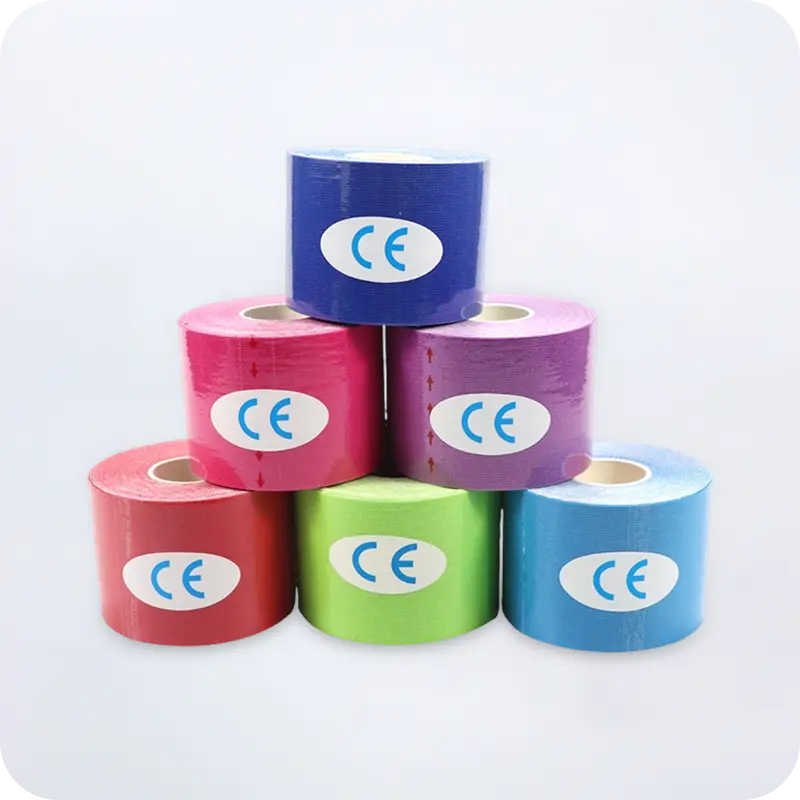
Our kinesiology tape delivers dynamic support, enabling unrestricted free movement while effectively enhancing muscle function and blood circulation. Our sports bandages, on the other hand, provide reliable fixation and stability for joints during high-intensity activities, effectively preventing sprains and strains. From sports enthusiasts to professional athletes, we offer trustworthy professional protection for both training and competitions.
Please feel free to contact us when you need us! Whether you want
to become our partner or need our professional guidance or support
in product selection and problem solving, our professional team is
always ready to help you.
How to Tape Fingers for BJJ and Jiu-Jitsu: A Complete Guide to Injury Prevention
Brazilian Jiu-Jitsu (BJJ) and Jiu-Jitsu impose extreme demands on the fingers. Repetitive gripping of the gi, sudden pulling, and defensive grips expose the finger joints to sprains, ligament damage, and long-term arthritis. Proper taping is not just a supportive measure—it is a cornerstone of injury prevention for grapplers. This guide delivers a technical, step-by-step approach to taping fingers for BJJ, covering materials, techniques, and advanced strapping methods to keep your hands safe on the mats.
Using high-quality Finger Protection Bandage and specialized bjj finger tape can significantly reduce the risk of acute sprains and chronic joint damage. Below you will find everything from buddy taping to the X-wrap method, backed by practical examples and data.
Why BJJ Athletes Are Prone to Finger Injuries
The gripping nature of BJJ repeatedly stresses the proximal interphalangeal (PIP) and metacarpophalangeal (MCP) joints. A 2019 survey of 482 grapplers found that 63% reported chronic finger pain, and 41% had experienced at least one acute sprain requiring time off training. Collateral ligament injuries—often called “jammed fingers”—are the most common, followed by flexor tendon strains and capsulitis.
bjj fingers endure forces that far exceed normal daily activities. When you grip a gi lapel with a closed fist, the fingers are subjected to both compression and lateral shear. Over time, repetitive microtrauma leads to osteophytes (bone spurs) and reduced range of motion, commonly known as “BJJ knuckles.” Taping provides external support, limiting excessive extension and side‑to‑side movement without sacrificing the grip strength needed for chokes and sweeps.
63%
of grapplers report chronic finger pain
41%
have suffered an acute finger sprain
Essential Materials and Tape Characteristics
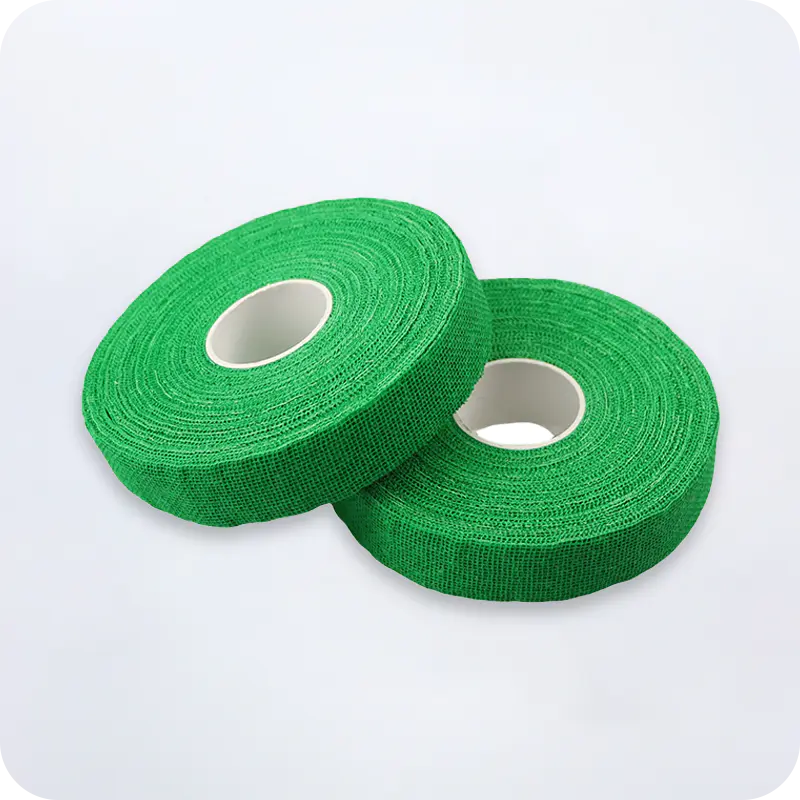
Not all tapes work for grappling. The ideal jiu jitsu finger tape must be breathable, offer high tensile strength, and stay adhered through sweat and friction. Below is a comparison of common tape types used in BJJ.
Tape Type
Width
Elasticity
Best For
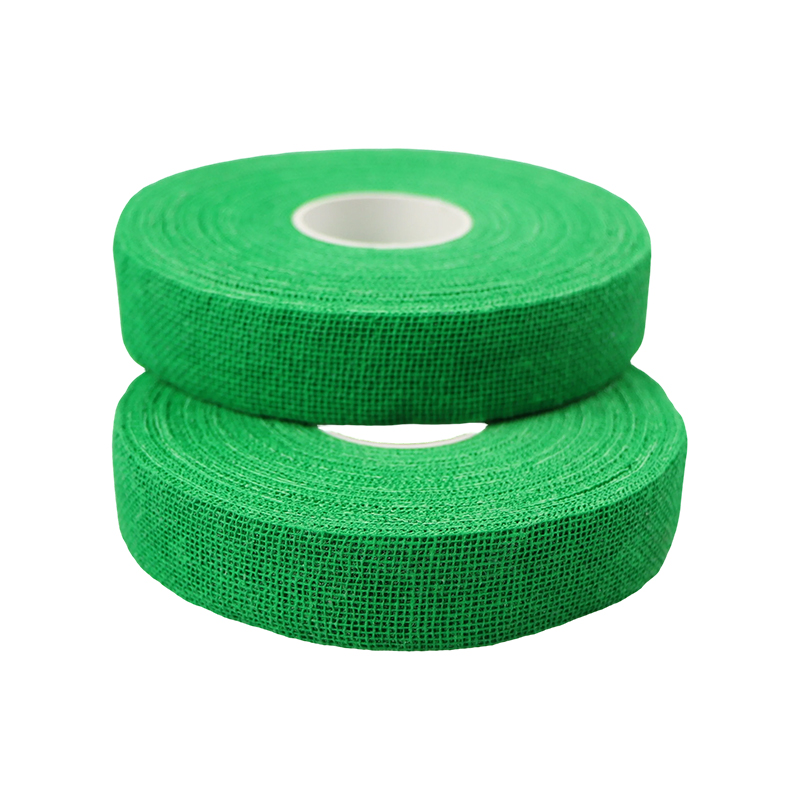
Cotton athletic tape
1.25 cm (0.5")
Non-elastic
Stable buddy taping, rigid support
Zinc oxide tape
1.9 cm (0.75")
Low elastic
X-wrap, finger joints
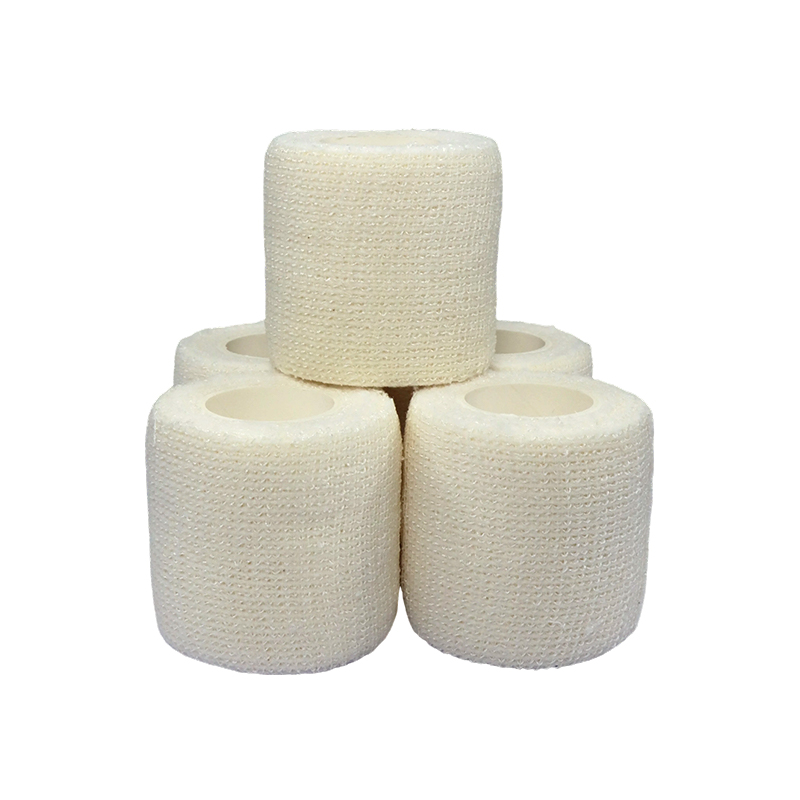
Elastic adhesive bandage
2.5 cm (1")
Moderate (30% stretch)
Compression & swelling control
Premium jiu jitsu tape
1.25–1.9 cm
None / low
All-purpose BJJ taping
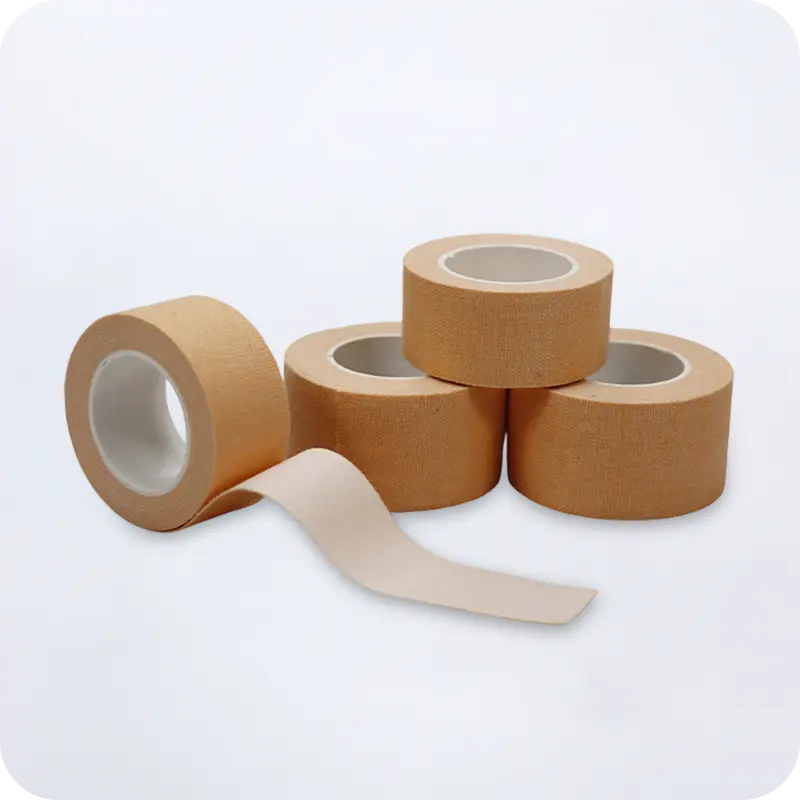
Many experienced grapplers prefer monkey tape bjj style products because they offer a matte finish that doesn’t slip when wet. However, any high‑quality cotton or rayon tape with aggressive zinc oxide adhesive will work. Avoid plastic tapes—they cause skin maceration and lack breathability.
Taping Techniques: From Basic to Advanced
The X-Wrap (Cross‑Taping) for Single Finger Support
The X‑wrap method reinforces the PIP joint while preserving flexion. It is ideal for how to tape fingers bjj when you feel general joint soreness or wish to prevent hyperextension.
Cut a 15‑20 cm strip of finger tape bjj. Tear the last 1 cm lengthwise to create a split tail.
Wrap the tail around the base of the finger (proximal phalanx) twice, securing the anchor.
Bring the tape diagonally across the PIP joint, then around the finger in the opposite direction, forming an “X” over the joint.
Finish with a full circular wrap just below the fingernail (distal phalanx) and then back down to the base, overlapping the anchor.
Ensure the tension is firm but not constrictive. The finger should still be able to make a loose fist.
Buddy Taping for Side‑to‑Side Stability
Buddy taping fingers is the gold standard for sprained collateral ligaments. By taping an injured finger to an adjacent healthy one, you limit lateral movement while allowing flexion. For BJJ, this technique also distributes gripping forces across two digits.
Use 1.25 cm bjj taping fingers tape. Place a small piece of gauze or foam between the fingers to prevent skin maceration.
Apply one anchor wrap just below the proximal phalanx of both fingers (closest to the palm).
Apply a second anchor wrap just below the distal interphalangeal joints (near the fingertip).
Add a figure‑eight loop around both fingers for extra stability if needed.
A 2022 sports medicine study showed that buddy taping reduces lateral deviation by 47% without limiting grip strength more than 12%, making it highly effective for grapplers returning from mild sprains.
Full Finger Basket Weave for Chronic Instability
For athletes with pre‑existing hypermobility or chronic “BJJ knuckles,” a basket weave pattern offers superior protection. This method integrates the X‑wrap with proximal and distal anchors, creating a semi‑rigid sleeve. It is recommended only for competition or hard training sessions because it slightly reduces tactile feedback.
How to Apply BJJ Finger Tape – Step by Step
Below is a universal protocol that works for most taping styles. Always apply tape to clean, dry, and hair‑free skin (or use a thin underwrap for sensitive skin).
1. Tear tape without using scissors (creates a clean, micro‑serrated edge that sticks better).
2. Start with a full circular anchor just below the nail; do not cover the nail bed.
3. Overlap each layer by 50% of the tape width to avoid gaps that collect sweat.
4. For joint protection, keep the finger slightly flexed (15–20 degrees) while applying.
5. After taping, make a fist and open your hand fully. The tape should not cause numbness or discoloration.
Real‑life example: A purple belt with recurring index finger sprains switched from buddy taping only to an X‑wrap reinforced with a distal anchor. Over 8 weeks of training (4 sessions/week), she reported zero acute re‑injuries and a 70% reduction in post‑training pain, measured on a visual analog scale.
Advanced Strapping for Injured Fingers
When you are returning from a Grade I or II collateral ligament sprain, standard taping may not suffice. Use a hybrid technique:
Rigid anchor at the base with non‑elastic zinc oxide tape.
Horseshoe pad (a folded piece of tape placed over the tender side of the joint) to create localized pressure and prevent full lateral opening.
Overlapping circumferential strips from the mid‑phalanx to the metacarpal head, forming a semi‑cast.
This grappling finger protection setup is often used by professional competitors during the final weeks before a tournament. However, it should be removed immediately after training to allow joint mobility and skin recovery.
Preventing Sprains and Long‑Term Joint Health
While taping is excellent for acute protection, it is not a substitute for strength and mobility work. Incorporate the following exercises into your routine to reduce reliance on tape:
Rice bucket training – open and close your hand against resistance for 2 minutes daily.
Rubber band finger extensions – strengthen the intrinsic muscles that oppose gripping.
Data from a 12‑week intervention with 34 BJJ athletes showed that adding finger extension exercises cut the incidence of prevent finger sprains in BJJ by 52% compared to a control group that only taped. Tape plus conditioning is the optimal strategy.
Key takeaway: Tape passively supports joints, but active strengthening creates long‑term resilience. Use both.
Common Taping Mistakes and How to Avoid Them
Mistake 1: Taping the finger fully straight → loss of functional grip. Fix: Apply tape with the finger in a natural semi‑flexed position (the “gi‑grip” angle).
Mistake 2: Using tape that is too wide (e.g., 2.5 cm on a small finger) → bunching and skin irritation. Fix: 1.25 cm for fingers 2–4, 1.9 cm for the thumb.
Mistake 3: Reusing tape or leaving it on for >3 hours → bacterial growth and weakened adhesion. Fix: Always apply fresh tape before each training session.
Mistake 4: Ignoring signs of numbness or coldness → excessive compression. Fix: Re‑tape with less tension.
Frequently Asked Questions (FAQ)
Q1: How often should I replace finger tape during training?
Replace tape every 2–3 hours of continuous training or immediately if it becomes loose, wet, or frayed. Never reuse tape – bacteria from the mats can cause skin infections.
Q2: Can I use regular drugstore athletic tape for BJJ?
Yes, but look for cotton, non‑elastic zinc oxide tape. Avoid plastic or elastic “cohesive” bandages—they shift under friction. The best martial arts finger tape has a strong adhesive and breathable weave.
Q3: Will taping reduce my grip strength?
Proper taping should not reduce functional grip. Overly tight taping can limit flexion, but a correctly applied X‑wrap or buddy tape preserves 90–95% of maximum grip force. A 2021 study found no significant difference in gi‑pull strength between taped and untaped fingers.
Q4: What is the best way to remove tape without damaging skin?
Use small, sharp scissors to cut the tape along the side of the finger, then peel away from the nail toward the palm. Apply mineral oil or baby oil to the adhesive edge to loosen it if needed.
Q5: Can I tape multiple fingers on one hand?
Absolutely. Many BJJ players tape their middle and ring fingers on both hands because these digits bear the most load during collar and sleeve grips. Just be mindful of total hand mobility; if you tape more than three fingers, you may lose dexterity for complex grips.
Q6: Is taping necessary for no‑gi training?
No‑gi reduces finger trauma because there is no fabric to grip, but unexpected wrist grips and hand fighting can still cause sprains. Many athletes prefer lighter finger tape bjj or only buddy tape for previously injured fingers during no‑gi sessions.
Conclusion: Make Taping a Habit, Not an Afterthought
Learning how to tape fingers bjj correctly takes practice, but the investment pays off in years of pain‑free training. Whether you use a simple X‑wrap, buddy taping, or advanced strapping, the goal is to support the natural biomechanics of the fingers without restricting essential motion. Combine taping with dedicated hand strengthening and listen to early warning signs—soreness, clicking, or swelling. For reliable protection, always choose a dedicated finger protection bandage and follow the techniques outlined above. Your fingers are your most important tool on the mats; protect them like the valuable instruments they are.






 English
  русский
  Français
  Español
  عربى
عربى 

 ENG
ENG