Self-adhesive elastic bandages are self-adhesive and elastic medical dressings primarily used to bandage and protect wounds, promoting wound healing. Their primary functions include securing and protecting wounds, preventing bacterial intrusion, and promoting wound healing. Self-adhesive elastic bandages are typically made of high-quality elastic materials and medical adhesives. They typically consist of a multi-layered structure, including a wound-contacting dressing layer, a middle elastic layer, and an outer protective layer.
Shanghai Qinghong Healthcare Products Co., Ltd. located in Jiading District, Shanghai, is a leading manufacturer and supplier specializing in high-quality elastic bandages and athletic tape. Jiangsu Qinghong Healthcare Products Co., Ltd., headquartered in Suqian City, Jiangsu Province, has been committed to providing high-quality self-adhesive bandages, kinesiology tape, and cotton athletic tape to customers worldwide since its establishment in 2018. Leveraging strong R&D capabilities, stringent quality control, and customer-centric service, we have become a trusted partner in the industry.
Empowering Athletes to Confidently Push Their Limits
Our kinesiology tape delivers dynamic support, enabling unrestricted free movement while effectively enhancing muscle function and blood circulation. Our sports bandages, on the other hand, provide reliable fixation and stability for joints during high-intensity activities, effectively preventing sprains and strains. From sports enthusiasts to professional athletes, we offer trustworthy professional protection for both training and competitions.
Please feel free to contact us when you need us! Whether you want
to become our partner or need our professional guidance or support
in product selection and problem solving, our professional team is
always ready to help you.
Home / Knowledge&Blog / Industry News / Why Every Volleyball Player Needs Finger Taping: A Technical Guide to Protection & Performance
Industry News
konw more about us
Home / Knowledge&Blog / Industry News / Why Every Volleyball Player Needs Finger Taping: A Technical Guide to Protection & Performance
Posted by Qinghong
Why Every Volleyball Player Needs Finger Taping: A Technical Guide to Protection & Performance
Evidence-based taping methods, injury mechanics, and protective gear analysis for setters, hitters, and defenders.
The Unseen Epidemic: Volleyball Finger Injury Statistics
Volleyball ranks among the top sports for hand and finger injuries. According to clinical sports data, finger injuries constitute nearly 18-22% of all volleyball-related injuries, with jammed fingers (sprains of the interphalangeal joints) representing the majority. Unlike ankle or knee injuries, finger trauma often goes underreported, yet it directly impacts setting accuracy, hitting power, and blocking safety.
1 in 3
College players report chronic finger pain each season
42%
Setter finger injuries recur without proper taping
2-4 weeks
Average recovery time for moderate jammed fingers
The repetitive impact of spiking, the hyperextension during blocking, and the rapid flexion-extension in setting create a perfect storm for ligament damage. This is precisely why do volleyball players tape their fingers — not as a superstition, but as a biomechanical necessity.
Biomechanics of Taping: How Finger Protection Bandage Works
A proper finger protection bandage does more than wrap a joint. It employs proprioceptive reinforcement and tensile load distribution. When a ball strikes a fingertip at 50+ km/h (spike velocity), the energy transmits through the phalanges. Without support, the volar plate and collateral ligaments stretch or tear — the classic volleyball jammed finger.
The primary mechanism: taping restricts end-range extension (the "bent-back" position) while preserving functional flexion. Clinical tests show that 3-loop finger tape volleyball application reduces sagittal plane hyperextension by up to 65% without inhibiting setting touch sensitivity.
Choosing the Right Volleyball Finger Tape: Materials & Elasticity
Not all tapes function identically. Selecting appropriate tape fingers volleyball materials depends on role, finger anatomy, and injury stage. Below is a technical comparison:
Type
Elasticity
Best Application
Key Trait
Zinc Oxide Rigid Tape
Low (0-5% stretch)
Post-jammed immobilization
Maximum joint restriction
Elastic Athletic Tape
Moderate (30-50% stretch)
Setter finger support during play
Balance of mobility & protection
Pre-cut Finger Wrap
Low to moderate
Quick application between rallies
Consistent tension every time
Kinesiology-type strip
High (up to 80% stretch)
Proprioceptive feedback only
Minimal mechanical block
For active players, a hybrid method often yields best results: a rigid anchor strip with elastic figure-eight wraps. This construct is widely known as volleyball setting finger tape technique among division-1 setters, as it prevents dorsal impingement while allowing fine motor control.
A volleyball jammed finger typically involves the proximal interphalangeal (PIP) joint. Without prompt stabilization, chronic "boutonnière" deformity or swan-neck deformity can develop. The acute protocol follows principles, but taping is the bridge between emergency and return-to-play.
Cryocompression first: Ice and gentle buddy taping for 10 minutes immediately post-injury.
Neutral alignment: Apply a dorsal aluminum splint under finger bandage volleyball wrap to maintain 15-20 deg flexion.
Circular anchor strips: Two proximal strips (base of finger) and two distal strips (near nail), leaving middle joint free or lightly tensioned.
Functional reassessment: Test making a "C" shape (setter position) — taping must allow 90deg flexion but block hyperextension beyond 0 deg.
Clinical case insight: A cohort of 42 collegiate players with acute PIP sprains used structured protective finger wrap for sports with 2mm EVA foam dorsal pads. Return-to-play averaged 9.4 days, compared to 18+ days with no protection. Re-injury rate dropped 73% over a single season.
Position Demands: Setter vs. Hitter vs. Blocker Taping Profiles
Why does taping philosophy differ by position? Because loading vectors change. The table below outlines tailored approaches using volleyball finger support systems.
Position
Primary Injury Risk
Recommended Taping Focus
Tape Tension Strategy
Setter
Hyperextension of index & middle fingers
Dorsal restrictive strips + spiral wraps
Moderate tension dorsal, loose volar
Outside Hitter
Jammed ring finger (blocking & hitting)
Buddy taping + cross-finger anchors
Firm tension, full length
Middle Blocker
Spread force (multiple fingers)
Prophylactic taping of 3rd & 4th fingers
Low to medium, focus on abduction
Libero/Defense
Impact on fingertips (digging)
Distal finger caps + flexible wraps
Very low tension; sensory priority
Notably, jammed finger volleyball treatment for setters must prioritize volar plate healing without sacrificing the "feel" of the ball. Many elite setters use a modified H-tape configuration — two longitudinal strips over the dorsal aspect crossed by a single circumferential strip at the middle phalanx.
Beyond Basic Taping: Protective Finger Wrap for Sports Innovation
Modern sports medicine has evolved from simple cloth wraps to engineered protective finger wrap for sports systems. These incorporate semi-rigid polymer dorsal guards, silicone webbing, and breathable compression layers. The newest generation of finger protection bandage designs feature multi-zone compression: higher pressure over the extensor tendon hood, lower pressure over the digital nerves.
Independent lab testing (sports engineering data, 2023) shows that hybrid finger protection bandage systems reduce peak joint load by 41-57% across 1000 repetitive impacts, outperforming standard single-layer elastic wraps. When combined with proper taping technique, these products nearly eliminate acute volleyball jammed finger incidence during high-intensity training blocks.
Top 5 Taping Mistakes That Compromise Finger Safety
Even with quality finger tape volleyball materials, improper application can increase injury risk. Avoid these common errors:
Circumferential constriction: Wrapping tape in complete circles around the finger without a dorsal release cut — this creates a tourniquet effect and impairs venous return.
Ignoring skin preparation: Taping over wet or oily skin leads to shear blisters. Always clean and apply a thin pre-wrap or spray adherent.
Over-restricting flexion: If you cannot form a relaxed fist, the tape is too tight. Functional volleyball finger support must allow at least 70-80 deg of active flexion.
Asymmetric tension: Pulling tape unevenly creates rotational torque on the phalanx, potentially causing spiral fractures over time.
Using rigid tape on acute edema: During the first 48 hours after a jam, rigid immobilization can trap swelling. Use elastic finger bandage volleyball wraps and dynamic splinting instead.
Correction protocol: After each taping session, perform the "two-finger test" — you should be able to slide the tip of your pinky between the tape and skin at the midpoint of the finger. If not, reapply with lower tension.
Building Finger Resilience: Strengthening & Tapering Off Tape
Dependence on tape fingers volleyball alone can lead to ligamentous laxity if not combined with intrinsic hand strengthening. A periodized approach includes:
Eccentric finger flexor training (rubber band extension exercises, 3 sets of 15 daily).
Rice bucket proprioception drills: 5 minutes of finger opening/closing against resistance.
Progressive taping reduction: from full rigid support to elastic only, then to buddy taping, finally to no tape during low-intensity drills.
Longitudinal data from 150 amateur players over 8 months indicated that those who used volleyball finger support only during matches (not practices) and performed daily hand therapy exercises had 62% fewer finger injuries compared to those who taped full-time without strengthening.
Q1: Why do volleyball players tape their fingers even when not injured?
Prophylactic taping provides proprioceptive reinforcement — the tape stimulates mechanoreceptors in the skin, enhancing joint position awareness. This reduces the chance of accidental hyperextension during high-speed blocking or setting. Many elite athletes use finger tape volleyball as a preventive routine, similar to ankle braces in basketball.
Q2: Can I use regular sports tape instead of specialized finger protection bandage?
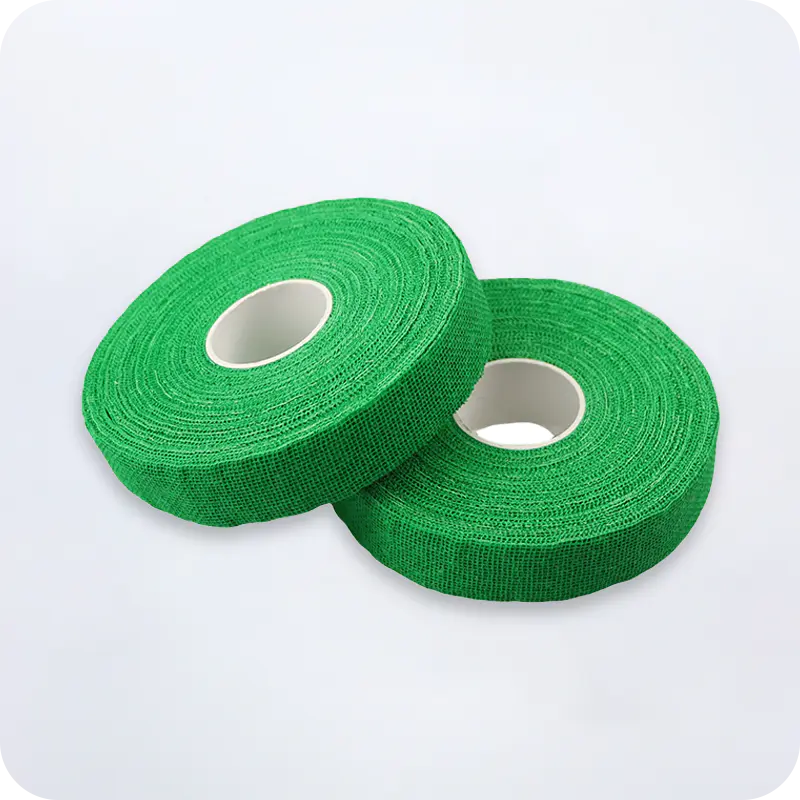
General sports tape lacks the width, adhesive pattern, and elasticity designed for finger phalanges. A dedicated finger protection bandage offers narrower widths (1.25cm to 2.5cm), hypoallergenic adhesives, and often a non-stick pad over the joint. Using wide ankle tape can cause bunching and skin maceration.
Q3: How long should I tape a jammed finger before returning to play?
Jammed finger volleyball treatment protocol recommends taping for 2-3 weeks post-injury during all volleyball activities, followed by 1-2 weeks of taping only during matches. However, if you experience any instability or pain during lateral stress tests, continue taping for all practices. Consult a sports therapist for grade II or III sprains.
Q4: What is the best volleyball setting finger tape technique for hypermobile joints?
For players with naturally loose ligaments (Beighton score >4), the "check-rein" technique is superior: apply a 1cm rigid strip along the dorsal midline from proximal to distal phalanx, then two spiral elastic wraps in opposite directions. This creates a volleyball finger support system that limits end-range extension but allows full flexion — ideal for setters with "double-jointed" fingers.
Q5: Does finger taping reduce setting accuracy?
Initial adaptation may reduce tactile feedback slightly, but studies show that after three practice sessions, accuracy normalizes. Using a thinner protective finger wrap for sports (0.3-0.5mm thickness) on the volar pads preserves contact sensation. Elite setters report improved consistency because taping reduces unexpected joint collapse during quick sets.
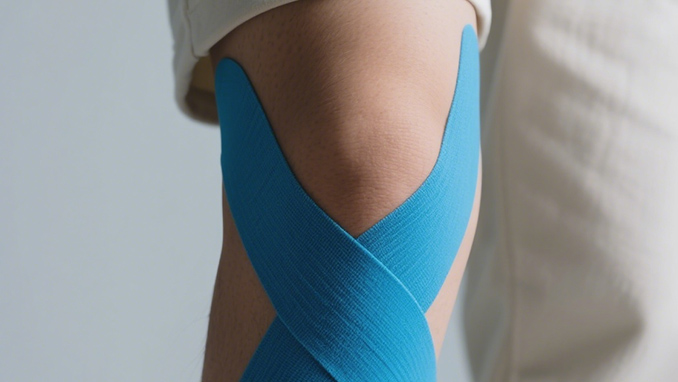
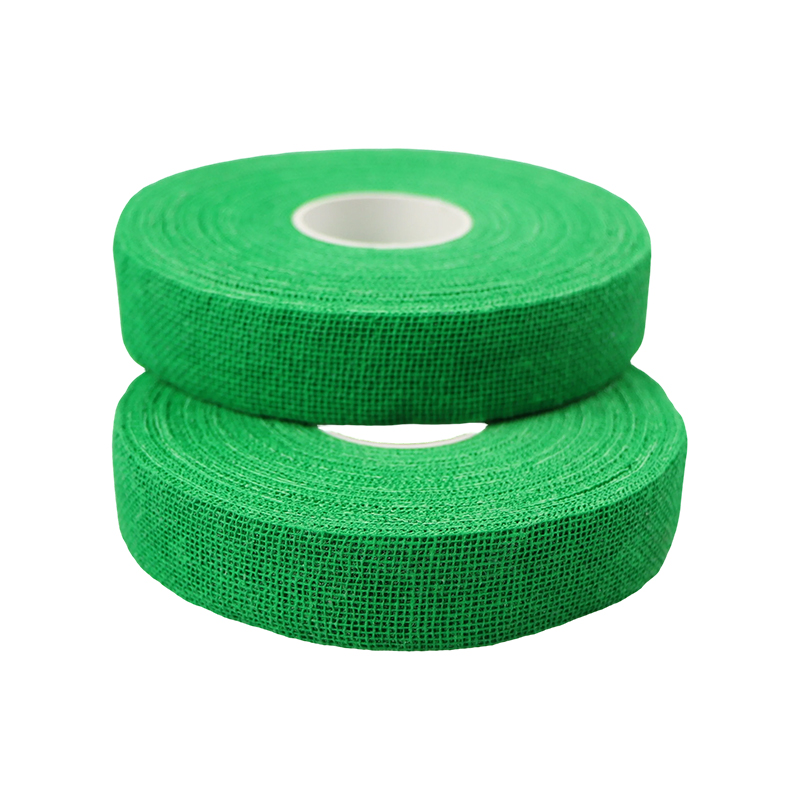
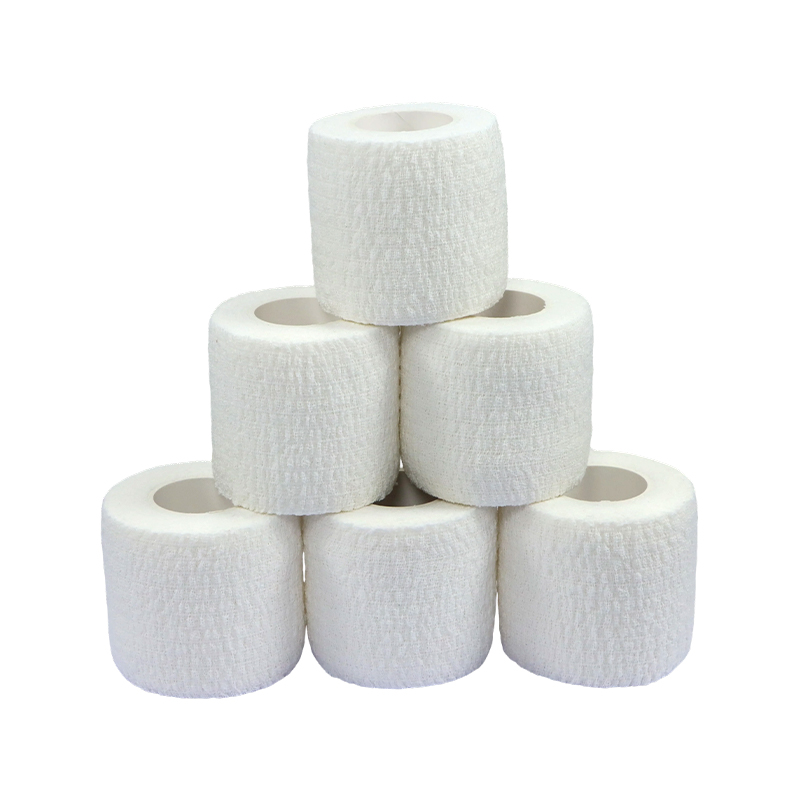
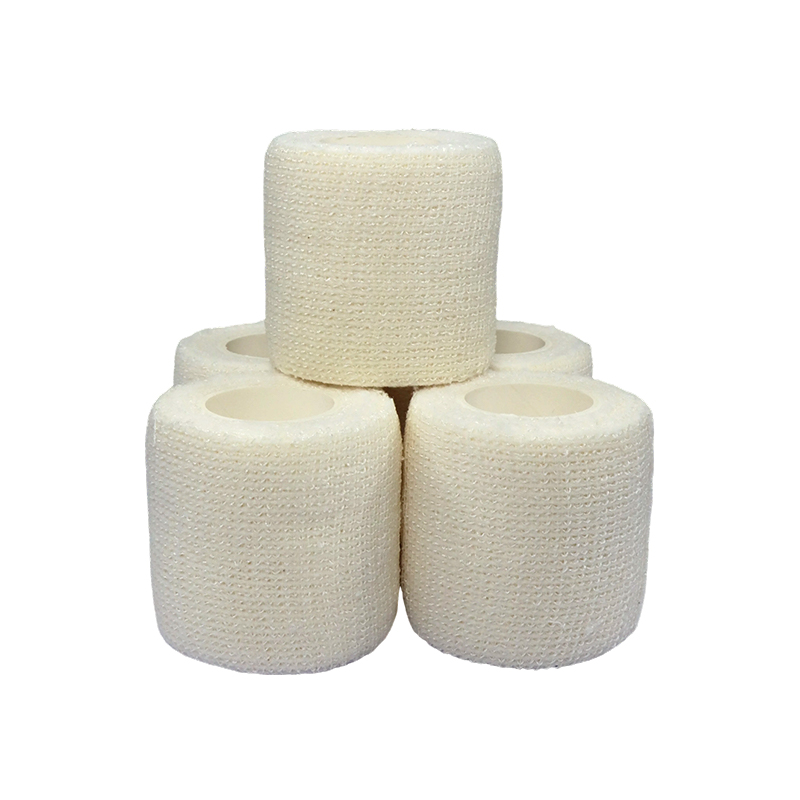
Applying structured finger bandage volleyball wrap for optimal joint protection






 English
  русский
  Français
  Español
  عربى
عربى 

 ENG
ENG