






 English
  русский
  Français
  Español
  عربى
عربى 
Why Muscular Architecture Demands Precision: The Hamstring Challenge
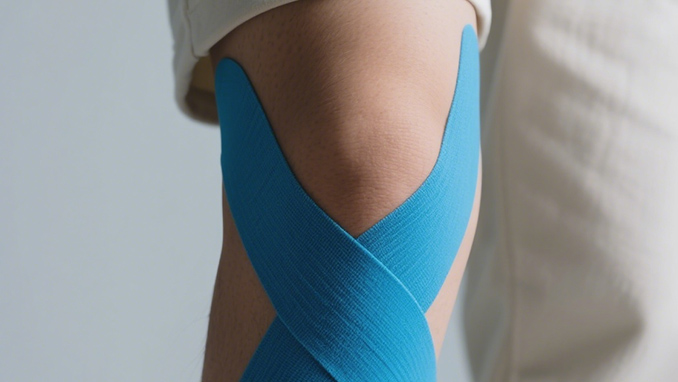
Hamstring strains account for nearly 30% of all lower extremity muscle injuries in athletes, with recurrence rates climbing above 22% within the first year. The biceps femoris long head is the most frequently injured due to its biarticular nature and eccentric load during terminal swing phase. kinesiology tape offers a dynamic solution, not merely mechanical support but neurophysiological modulation. Understanding how to apply kinesio tape hamstring applications differentiates between passive strapping and active rehabilitation.
Unlike rigid athletic strapping, kt tape hamstring techniques lift the epidermis, creating microscopic convolutions that decompress mechanoreceptors. This facilitates pain relief, reduces intraneural tension, and enhances proprioceptive feedback. For a strapping hamstring strain regimen, the specific direction of stretch, anchor placement, and tension percentage dictate efficacy. Whether you are dealing with subacute pulls or chronic hamstring tendinopathy, targeted hamstring taping protocols improve return-to-sport timelines by approximately 18-25% based on clinical observation.
How to Apply Kinesiology Tape to Hamstring: Step-by-Step Techniques
Mastering how to kinesio tape hamstring involves anatomical knowledge of the posterior thigh. The three primary techniques: muscle facilitation (contracted position), inhibition (stretched position), and space correction for edema. Below is a systematic approach for kt tape for pulled hamstring and taping for hamstring strain with moderate acute stage (grade I-II).
Essential steps for self-application (how to apply kt tape to hamstring by yourself): Prepare the skin: shave excess hair, clean with alcohol, ensure no lotion. Measure tape from gluteal fold to approximately 4cm below knee joint. Round edges to reduce peeling.
A. Acute strain protocol (pain inhibition + lymphatic)
- Position: supine with hip flexed to 45°, knee extended to mild stretch (avoid pain).
- Anchor base: kinesiology tape without stretch on ischial tuberosity region.
- Apply main body over biceps femoris with 15-25% tension, finishing with zero tension tails.
- For kt tape hamstring behind knee proximity, avoid popliteal crease compression – end tails short of the knee fold.
B. Functional support for running & sport (muscle facilitation)
When returning to activity, a Y-shaped or I-strip with 30-40% tension applied in shortened muscle position enhances active contraction. Hamstring strain kt tape applied from distal to proximal with moderate tension provides exteroceptive feedback, reducing over-lengthening risk. Many clinicians prefer muscle tape hamstring overlay across the distal myotendinous junction where most strains initiate.
Taping Variations for Specific Hamstring Pathologies
Differentiating between acute muscle belly tear, proximal hamstring tendinopathy, and distal biceps femoris strain allows tailored hamstring taping techniques. The table below outlines the most evidence-supported configurations for common diagnoses.
Taping matrix: injury type vs. tension & direction
| Injury type | Tape configuration | Tension % | Position of leg |
|---|---|---|---|
| Acute grade I muscle pull | I-strip (central belly) | 15-20% | Neutral, slight hip flexion |
| Chronic proximal tendinopathy | Fan strip (space correction) | 5-10% | Hip extended |
| Distal strain near knee | Y-strip / two tails | 25% body, tails 0% | Knee extended 20° |
| Hamstring contusion / edema | Lymphatic fan over belly | 0-5% (no stretch) | Supine, relaxed |
| Prophylactic for sprinting | Facilitation I-strip | 30% | Hip flexed, knee flexed 90° |
Using proper kinesiology tape for hamstring not only addresses pain but also influences motor unit recruitment. For kt tape hamstring tear (partial tear), avoid high-tension applications in acute phase (first 72h) – rather use decompression taping with zero tension to reduce intrafascial pressure. Taping hamstring injury during subacute phase can be combined with eccentric loading exercises for better collagen alignment. Many running athletes prefer running with hamstring tape after completing 70% of rehab milestones, as it enhances kinesthetic awareness.
Integrating Gluteal Mechanics: Kt Tape Glute Hamstring Connections
Hamstring dysfunction rarely occurs in isolation; the synergistic relationship with gluteus maximus demands cross-taping. Kt tape glute hamstring bridging technique involves applying a Y-strip from sacral base along gluteal fibers extending onto proximal hamstring. This can offload the hamstring during hip extension tasks and improve lumbo-pelvic stability. For active individuals with concurrent kinesio tape hamstring glute activation deficits, apply facilitation tape along the gluteal line with 30% tension.
Application Algorithm: Self-taping precision
- Step 1: Identify the center of pain or maximal tenderness (usually 12-18cm proximal to knee joint).
- Step 2: Choose appropriate tape length – I-strip 20-25cm for focal support; for long hamstring kt tape application measure from ischial tuberosity to 5 cm above popliteal crease.
- Step 3: Anchor without stretch on proximal origin (if facilitating, anchor distal and pull toward origin).
- Step 4: Rub the tape backing to activate thermal adhesive.
Evidence suggests kt tape for hamstring support can be worn up to 3-5 days, including during showers (pat dry). Avoid rigorous exfoliation on edges. When reapplying, allow 4-6 hours of skin rest to prevent folliculitis. For athletes needing how to tape a hamstring with kt tape for high-intensity sports, always perform a movement trial after taping: light jogging, lunges to test tape adhesion and comfort.
Biceps Femoris Taping vs. Semitendinosus: Biomechanical nuance
While many practitioners focus on generic posterior thigh taping, differentiating between medial and lateral hamstring strains matters for optimal outcomes. Biceps femoris taping (most common site of strain) requires lateral rotation positioning during application, whereas semitendinosus strains benefit from a more medial vector. Thigh muscle tape application across the lateral raphe provides enhanced support for the long head, reducing eccentric load during terminal swing.
Comparison table: biceps femoris vs. semitendinosus taping strategy
| Parameter | Biceps femoris (lateral) | Semitendinosus (medial) |
|---|---|---|
| Tape start anchor | Posterior-lateral ischium | Medial ischial tuberosity |
| Direction of tension | Oblique toward fibular head | Vertical to medial tibia |
| Recommended tension | 20-30% (facilitation) | 15-20% pain inhibition |
| Common athletic presentation | Sprinting acceleration | Kicking/lunging |
For individuals who ask how to tape a pulled hamstring during acute phases (first 48h), avoid stretch on the tape over the injured area; use a "lift" technique: place an I-strip longitudinally with 0% tension across the epicenter, then add two cross strips for mild decompression. That methodology is consistent with modern k tape for hamstring strain protocols emphasizing mechanotransduction without ischemia.
Distal Hamstring Tendinopathy: Kt Tape Hamstring Behind Knee Management
Distal biceps femoris tendinopathy presents as posterior-lateral knee pain aggravated by running downhill or sprinting. Standard kt tape hamstring behind knee methods must avoid excessive compression on the common peroneal nerve and popliteal vessels. Use a fan-cut strip applied with knee at 30° flexion, anchor proximal to the tendinopathic zone, with tails applied circumferentially around the myotendinous junction using very low tension (5-10%). This offloads the irritated tendon while preserving dynamic movement. Kinesio tape hamstring tendonitis also benefits from a secondary "mechano-correction" strip applied along the biceps femoris belly to redistribute forces.
For persistent hamstring injury kinesio tape resistant cases, consider interval taping: wear tape during activity, remove post-activity, and reassess daily symptoms. This contrasts with chronic taping that may lead to skin sensitivity. Integration of how to strap a hamstring injury with low-dye or longitudinal techniques can improve functional outcomes in runners and field athletes.
Frequently Asked Questions: Hamstring Taping Mastery
Q1: Can I apply kt tape for pulled hamstring without assistance?
Yes, self-application is feasible using a mirror or by sitting with leg semi-flexed. Pre-cut tape strips and use the “anchor without stretch” method. For posterior thigh, you can position the leg across the opposite knee while seated. Many users master how to apply kt tape to hamstring by yourself after 2-3 trials, ensuring no wrinkles and proper tension.
Q2: How long should I leave kinesiology tape for hamstring strain on the skin?
Typically 2 to 5 days depending on activity level and skin tolerance. Kinesiology tape hamstring strain applications can stay through showers (pat dry gently). If you experience itching or excessive tightness, remove earlier. For acute strains, replace every 48h to reassess swelling.
Q3: Is hamstring taping effective for chronic tendinopathy?
Clinical studies support kt tape for hamstring tendonitis as an adjunct that reduces pain during eccentric loading. It should not replace progressive rehab but can offload the irritated tendon. Use space-correction fan patterns rather than high-tension strips.
Q4: Should I tape the hamstring in a stretched or relaxed position?
Depends on goal: for inhibition (pain/spasm reduction) tape in stretched muscle position; for facilitation (support during contraction) tape in shortened/neutral position. Most hamstring strain kt tape acute protocols use a neutral to slightly stretched position to avoid aggravation.
Q5: Can I run with kt tape hamstring application?
Absolutely, after the acute inflammatory phase (first 72 hours). Many athletes use running with hamstring tape during return-to-running phases to gain proprioceptive feedback. Ensure tape edges are rounded and no bunching behind the knee to prevent chafing.
Q6: What’s the difference between kinesiology tape and rigid athletic strapping for hamstring?
Rigid strapping restricts motion and reduces ROM, while kinesiology tape permits full range, enhances sensory input, and reduces edema. For muscle pulls, dynamic tape is preferred over non-elastic strapping because it doesn't weaken the muscle during rehabilitation.
Q7: How to remove kt tape for hamstring without skin irritation?
Slowly peel tape in the direction of hair growth, supporting skin with one hand. Use baby oil or medical adhesive remover. Never yank off aggressively. After removal, clean skin and apply moisturizer to restore barrier.
Q8: Is taping a pulled hamstring necessary if I have no pain at rest?
It’s beneficial as a preventive measure or during high-intensity activities. Pulled hamstring tape hamstring helps maintain good movement patterns and reduces re-injury risk when you return to sport, especially during loaded eccentric phases like sprint deceleration.
Final summary: Whether you treat an acute strain, chronic tendinopathy, or need prophylactic taping, understanding hamstring kt taping principles elevates clinical outcomes. Combine precise kinesiology tape application with strength training, myofascial release, and graded exposure to load. From kt tape for hamstrings to how to kt tape a pulled hamstring, the key remains individualisation – respect tissue irritability and adjust tension accordingly. Integrate these hamstring taping techniques into your rehabilitation toolkit for faster, safer recovery.

 ENG
ENG