What Is Kinesiology Tape
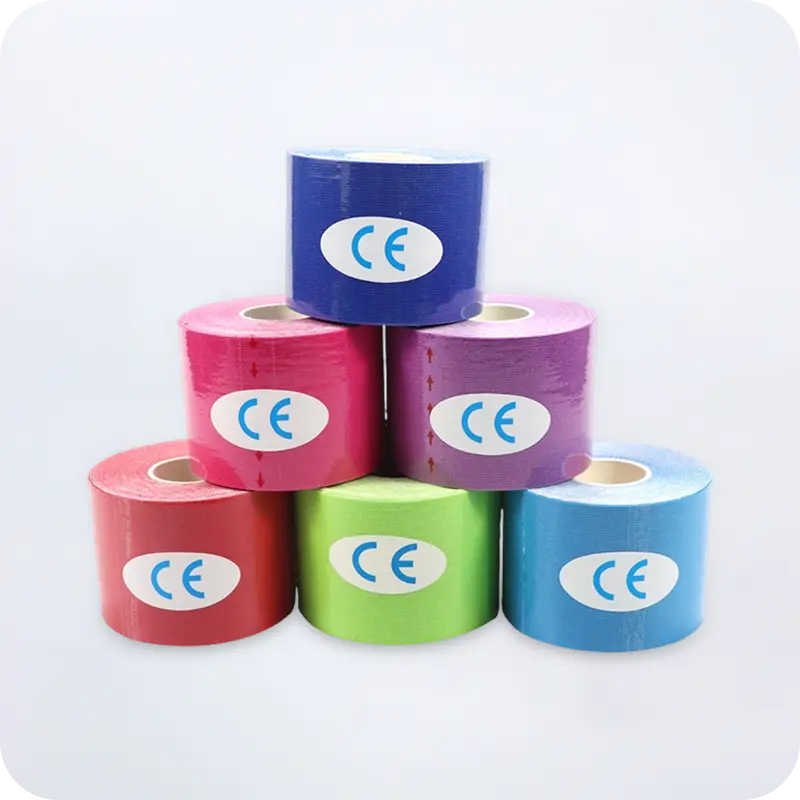
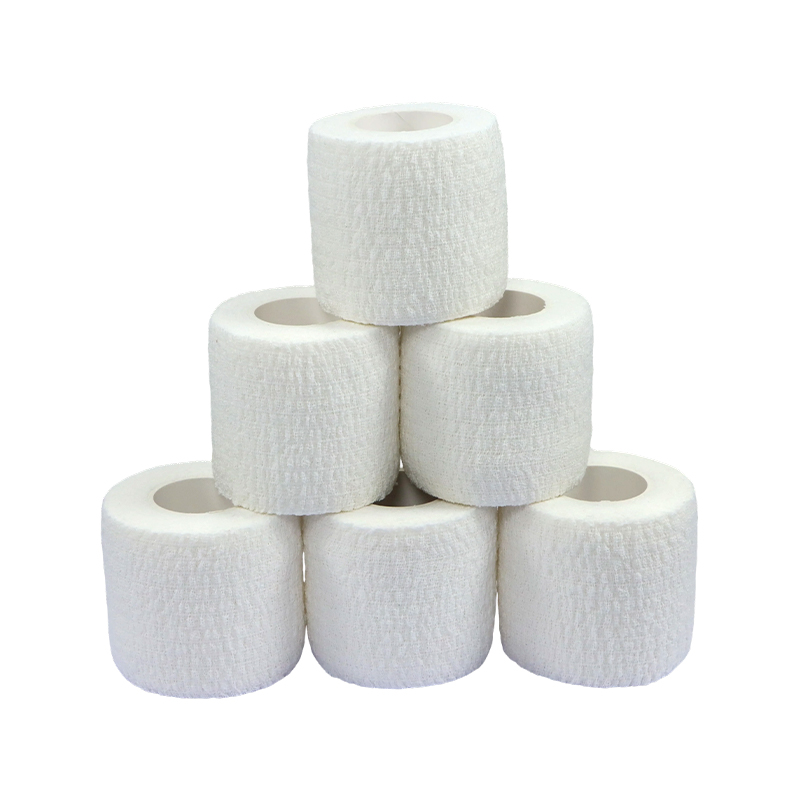
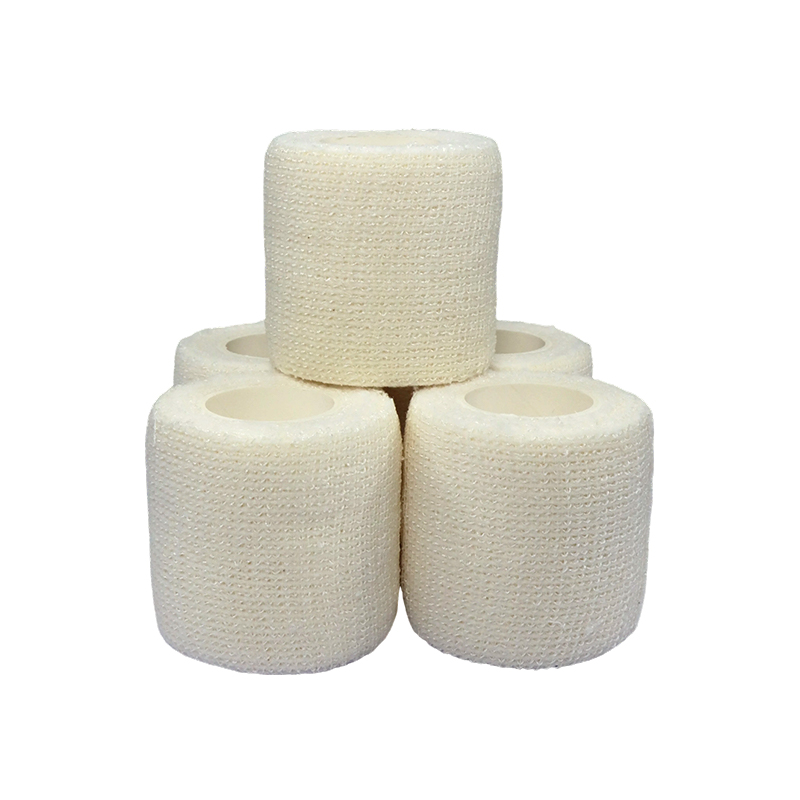
Kinesiology tape is a specialized elastic therapeutic tape designed to support muscles, joints, and ligaments without restricting range of motion. Unlike traditional athletic tape that immobilizes body parts, kinesiology tape provides dynamic support that moves with your body while delivering therapeutic benefits through its unique elastic properties.
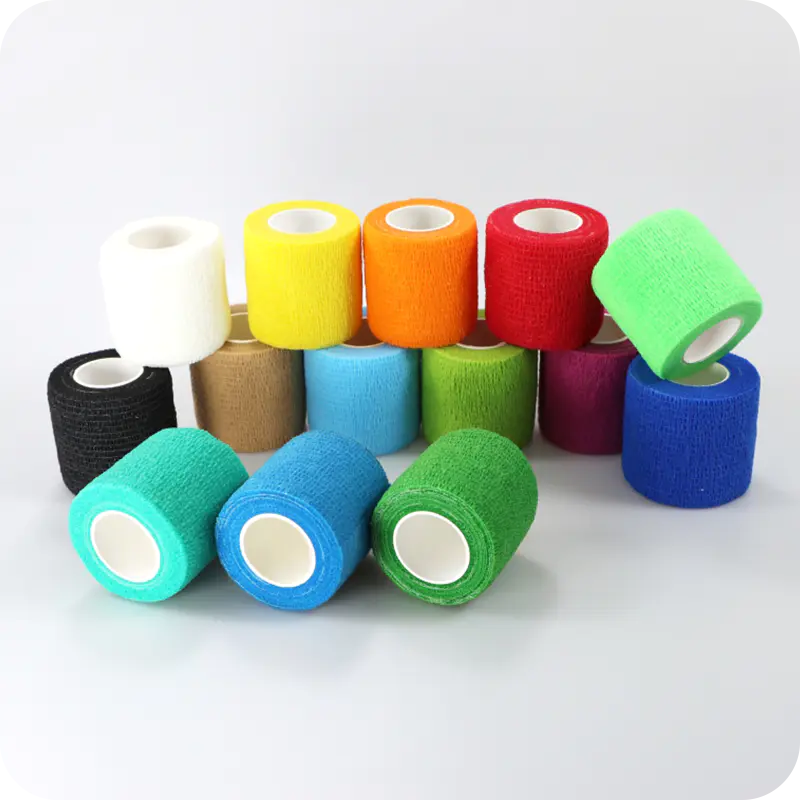
The tape typically measures between 5 to 10 centimeters in width and can stretch up to 140% to 160% of its original length. This elasticity mimics the natural elasticity of human skin and muscles, allowing for comfortable wear during daily activities, sports, and rehabilitation exercises. Most high-quality kinesiology tapes are made from cotton fibers with a medical-grade acrylic adhesive that activates with body heat.
The thickness of kinesiology tape generally ranges from 0.3 to 0.5 millimeters, making it lightweight and barely noticeable when applied correctly. The breathable material allows moisture to escape while maintaining adhesion, enabling wearers to shower, swim, and engage in vigorous physical activity without the tape peeling away. A single application can remain effective for 3 to 7 days depending on activity level and proper application technique.
How Kinesiology Tape Works
Mechanism of Action
When applied to the skin, kinesiology tape creates a microscopic lifting effect that separates the skin from the underlying tissues. This lifting action creates additional space between the epidermis and the muscle fascia, which can reduce pressure on pain receptors and improve circulation in the affected area. The space created is typically measured at less than 1 millimeter but is sufficient to facilitate improved lymphatic drainage and blood flow.
The elastic recoil of the tape provides continuous proprioceptive feedback to the brain, helping improve body awareness and movement patterns. This neurological input can help prevent re-injury by alerting the wearer when they are approaching positions or movements that may strain the affected area. Studies have shown that this proprioceptive enhancement can reduce injury recurrence rates by up to 30% in athletes who use taping protocols consistently.
Physiological Benefits
The continuous gentle tension provided by kinesiology tape helps facilitate muscle contraction and relaxation cycles. When applied with appropriate stretch percentages, the tape can assist weakened muscles by providing external support during movement while allowing full range of motion. For overactive or tense muscles, specific application techniques can help inhibit excessive muscle activity and promote relaxation.
Research indicates that proper taping can increase local blood flow by approximately 15% to 20%, which accelerates the removal of metabolic waste products and delivers oxygen and nutrients to healing tissues. This enhanced circulation contributes to reduced swelling and faster recovery times following injuries or intense physical activity.
Key Benefits of Using Kinesiology Tape
Pain Management
One of the primary applications of kinesiology tape is pain relief for both acute and chronic conditions. The tape works by stimulating mechanoreceptors in the skin, which can override pain signals traveling to the brain through the gate control theory of pain management. Users often report pain reduction of 30% to 50% within the first 24 hours of application for conditions such as lower back pain, shoulder impingement, and knee discomfort.
For individuals suffering from chronic pain conditions such as fibromyalgia or arthritis, kinesiology tape provides a non-pharmacological option for managing daily discomfort. The continuous low-level stimulation from the tape can help interrupt pain cycles and reduce reliance on oral pain medications.
Swelling and Edema Reduction
The lifting effect of kinesiology tape creates pathways for lymphatic fluid to drain away from swollen areas. When applied using specific fan or web cutting techniques, the tape can effectively reduce edema following injuries, surgeries, or during pregnancy. Clinical observations show that properly applied edema taping can reduce limb circumference measurements by 10% to 25% within 48 to 72 hours.
Athletes recovering from ankle sprains frequently use kinesiology tape to manage swelling while maintaining mobility. The tape provides compression without the constriction associated with elastic bandages, allowing for natural movement while supporting the lymphatic system.
Muscle Support and Performance Enhancement
During high-intensity activities, kinesiology tape can provide external support to muscles that are fatigued or recovering from previous strain. The elastic properties of the tape assist with deceleration and acceleration phases of movement, potentially reducing muscle vibration and micro-trauma during impact activities such as running or jumping.
Endurance athletes report improved performance metrics when using kinesiology tape on key muscle groups. Marathon runners, for example, often apply tape to the quadriceps and calves to delay the onset of muscle fatigue and maintain consistent pace throughout long-distance events. The tape helps maintain proper muscle alignment and recruitment patterns during extended periods of exertion.
Joint Stability Without Restriction
Unlike rigid taping methods that completely immobilize joints, kinesiology tape provides dynamic stability that allows for functional movement. This characteristic makes it ideal for athletes who need joint support during competition without sacrificing performance. The tape can be applied around knees, ankles, wrists, and shoulders to enhance proprioception and provide neuromuscular feedback that promotes proper joint positioning.
For individuals with hypermobility or joint instability, kinesiology tape offers a middle ground between complete immobilization and no support. The tape reminds the wearer of proper joint alignment through tactile feedback while permitting the full range of motion necessary for daily activities and sports participation.
Essential Tools and Preparation
Materials Needed for Application
Successful kinesiology tape application requires minimal equipment but demands quality materials. The essential items include medical-grade kinesiology tape in the appropriate width, typically 5 centimeters for most body areas or 2.5 centimeters for smaller joints and fingers. Round scissors with blunt tips are recommended for cutting tape to prevent accidental skin injury during the application process.
Additional preparation materials include alcohol wipes or skin cleanser to remove oils and lotions from the application area, ensuring optimal adhesion. A spray adhesive or skin primer may be necessary for individuals with oily skin or in high-sweat environments. Paper tape measure helps ensure consistent strip lengths, while a tape cutter or specialized kinesiology tape scissors with serrated edges prevent fraying.
Skin Preparation Guidelines
Proper skin preparation determines the longevity and effectiveness of kinesiology tape application. The skin must be clean, dry, and free from any moisturizers, oils, or sunscreen that could interfere with adhesion. Shaving hair from the application area is recommended but not mandatory, as excessive hair can prevent proper tape-to-skin contact and cause discomfort during removal.
Allow the skin to return to normal temperature after showering or exercising before applying tape, as warm skin can cause premature adhesive activation. For individuals with sensitive skin, applying a thin layer of skin barrier spray or waiting 30 minutes after shaving can prevent irritation. Avoid applying tape over open wounds, rashes, or areas with compromised skin integrity.
How to Apply Kinesiology Tape
Basic Application Principles
All kinesiology tape applications follow fundamental principles regardless of the specific body area. The anchor end of the tape, typically the last 5 centimeters, should be applied with zero stretch to prevent skin irritation and ensure secure attachment. The middle portion of the tape carries the therapeutic stretch, which varies from 0% to 100% depending on the desired effect and body location.
The final anchor at the opposite end should also be applied with zero stretch. Rubbing the tape firmly after application activates the heat-sensitive adhesive and ensures proper bonding to the skin. The tape should be applied at least 30 minutes before activity or showering to allow full adhesive activation.
Common Cutting Techniques
Different therapeutic goals require specific tape cutting methods. The I-strip is the most basic cut, consisting of a straight rectangular piece used for muscle support and pain relief. Y-strips are created by splitting one end of an I-strip into two tails, useful for applications around joints or over areas requiring multiple anchor points.
X-strips provide four anchor points radiating from a central point, ideal for areas requiring multi-directional support. Fan or web cuts involve creating multiple parallel strips from a single base, specifically designed for lymphatic drainage and edema reduction. Donut cuts feature a hole in the center to accommodate bony prominences such as the patella or elbow while providing support to surrounding tissues.
|
Cut Type
|
Best Used For
|
Stretch Percentage
|
|
I-Strip
|
Muscle support, pain relief
|
15% to 50%
|
|
Y-Strip
|
Joint support, hamstrings
|
25% to 75%
|
|
X-Strip
|
Multi-directional support
|
15% to 35%
|
|
Fan/Web
|
Edema reduction
|
0% to 15%
|
|
Donut
|
Patella, elbow support
|
25% to 50%
|
Step-by-Step Application Process
Begin by measuring and cutting the appropriate length of tape, typically adding 5 to 10 centimeters beyond the target area to accommodate anchors. Round all corners of the tape to prevent catching on clothing and premature peeling. Position the body in the appropriate pre-tension state, which usually involves stretching the target muscle or joint to create space for the tape application.
Remove the backing paper from the anchor end and apply it to the skin with zero stretch. Gradually peel the backing while applying the tape with the recommended stretch percentage, maintaining consistent tension throughout the middle section. Once the final anchor is reached, apply it with zero stretch and rub the entire application vigorously for 30 to 60 seconds to activate the adhesive.
Application Techniques for Common Body Areas
Knee Support Applications
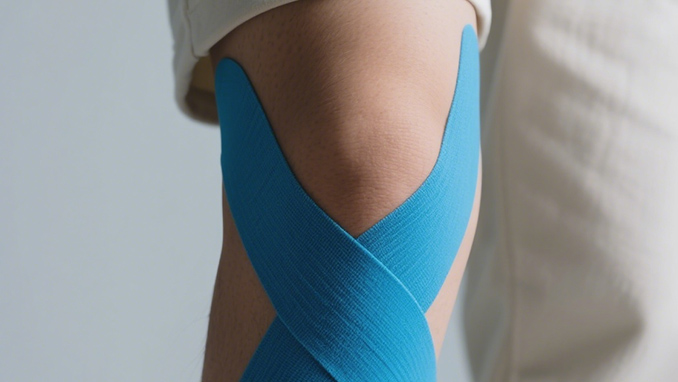
Knee taping addresses various conditions including patellar tracking issues, general knee pain, and ligament support. For general knee support, a Y-strip is applied with the base above the kneecap and the tails wrapping around the medial and lateral sides of the joint with 50% stretch. This technique provides proprioceptive feedback while allowing full knee flexion and extension.
For patellar stabilization, a donut cut centers over the kneecap while four strips radiate outward with 25% to 35% stretch, creating a supportive network that guides patellar movement during activity. Athletes recovering from minor meniscus irritation often benefit from horizontal strips applied above and below the joint line with 15% to 25% stretch to provide compression and support.
Shoulder and Rotator Cuff Support
Shoulder applications typically require multiple strips to address the complex anatomy of the rotator cuff and deltoid muscles. A common technique involves applying an I-strip along the deltoid muscle from the acromion process to the mid-humerus with 25% to 35% stretch to facilitate proper muscle activation during overhead movements.
For rotator cuff support, Y-strips are positioned with the base near the scapula and tails wrapping around the shoulder toward the front of the chest. This application provides support during throwing motions and overhead activities while reminding the wearer to maintain proper shoulder positioning. Swimmers and tennis players frequently use this technique to prevent shoulder fatigue during repetitive overhead movements.
Lower Back Pain Management
Lower back applications focus on providing support to the erector spinae muscles and reducing tension in the lumbar region. Two I-strips are typically applied vertically along each side of the spine from the lower thoracic region to the sacrum with 15% to 25% stretch. The strips should be positioned approximately 2 to 3 centimeters lateral to the spine to avoid direct pressure on the vertebrae.
For acute lower back spasms, a fan cut can be applied horizontally across the painful area with minimal stretch to encourage lymphatic drainage and reduce muscle tension. This technique is particularly effective for individuals who experience lower back discomfort after prolonged sitting or standing.
Ankle Stability Techniques
Ankle taping for stability typically involves stirrup configurations that provide lateral support without restricting normal ankle motion. A Y-strip is applied with the base on the lateral malleolus, one tail wrapping under the heel and up the medial side, and the other tail crossing the front of the ankle. This application provides proprioceptive feedback that helps prevent inversion sprains.
For swelling management following an ankle sprain, fan cuts are applied from the mid-calf down toward the foot with the tails arranged like a web to encourage fluid movement away from the injured area. This technique can reduce recovery time by 20% to 30% when combined with proper rest and rehabilitation exercises.
Wrist and Hand Applications
Wrist taping addresses conditions such as carpal tunnel syndrome, wrist sprains, and repetitive strain injuries. An I-strip is wrapped around the wrist with 25% to 50% stretch, starting from the dorsal side and circling the wrist to provide circumferential support. This application reminds the wearer to maintain neutral wrist positioning during typing or manual activities.
For finger support, narrower 2.5-centimeter tape is used to create buddy taping configurations or individual digit support. These applications help prevent hyperextension injuries and provide stability for sprained fingers while maintaining the dexterity necessary for daily tasks.
Specialized Application Methods
Lymphatic Drainage Techniques
Edema reduction requires specific taping protocols that differ from muscle support applications. The tape is applied with minimal stretch, typically 0% to 15%, to create a gentle lifting effect that facilitates lymphatic fluid movement. Fan or web cuts are positioned with the base proximal to the heart and the tails extending distally toward the swollen area.
The spacing between tails should be approximately 1 to 2 centimeters to create channels for fluid drainage. These applications are commonly used post-surgery, during pregnancy for lower limb swelling, and for lymphedema management. The tape should be replaced every 2 to 3 days for optimal effectiveness in fluid management.
Scar Tissue Management
Kinesiology tape can assist in scar tissue remodeling when applied correctly to healed surgical or traumatic scars. The tape is applied with 25% to 50% stretch perpendicular to the scar line to create tension that encourages collagen fiber realignment. This technique can improve scar mobility and reduce adhesions between the scar and underlying tissues.
Applications should only be performed on fully healed scars that are at least 6 to 8 weeks post-injury or surgery. The tape is typically worn for 5 to 7 days and replaced regularly as part of a comprehensive scar management program that may include massage and stretching exercises.
Postural Correction Applications
Postural taping aims to provide tactile reminders for proper alignment rather than forcing the body into position. Applications for rounded shoulders typically involve strips applied from the anterior shoulder toward the spine with 15% to 25% stretch when the shoulders are in correct alignment. This creates a gentle pull that alerts the wearer when they begin to slump forward.
For lower back posture support, strips can be applied horizontally across the lumbar region with 15% stretch to encourage engagement of core muscles and proper pelvic positioning. These applications are particularly useful for office workers and students who spend extended periods in seated positions.
Best Practices for Optimal Results
Timing and Duration Guidelines
Apply kinesiology tape at least 30 to 60 minutes before engaging in physical activity or showering to allow full adhesive activation. A single application can remain effective for 3 to 7 days depending on activity level, skin type, and environmental conditions. Remove the tape immediately if you experience itching, burning, or skin irritation.
For best results, remove the tape during evening hours to allow the skin to breathe overnight before reapplying fresh tape in the morning. Avoid wearing the same application for more than 7 days as adhesive breakdown can occur, reducing effectiveness and potentially causing skin irritation.
Removal Techniques
Proper removal prevents skin damage and discomfort. Peel the tape back slowly in the direction of hair growth, keeping the tape close to the skin surface rather than pulling away from the body. Apply gentle pressure to the skin adjacent to the tape with one hand while removing the tape with the other hand to reduce tension on the skin.
If the tape is resistant to removal, apply warm water or oil-based products to loosen the adhesive. Never rip the tape off quickly as this can cause skin irritation and damage hair follicles. After removal, clean the skin thoroughly and allow it to rest for several hours before reapplying new tape to the same area.
Activity and Maintenance Recommendations
While kinesiology tape is water-resistant, pat the tape dry after showering or swimming rather than rubbing it vigorously. Avoid applying lotions or oils directly over the taped area as these products can break down the adhesive. When exercising, monitor the tape edges and press them back down if they begin to lift.
Store unused tape in a cool, dry place away from direct sunlight to preserve adhesive quality. Extreme temperatures can affect the elasticity and stickiness of the tape, reducing its effectiveness when applied.
Safety Considerations and Contraindications
When to Avoid Kinesiology Tape
Kinesiology tape should not be applied over open wounds, broken skin, or areas with active infection. Individuals with known allergies to acrylic adhesives should test a small patch of tape on the inner forearm for 24 hours before full application. Those with fragile skin conditions, such as elderly patients or individuals on blood-thinning medications, should consult healthcare providers before use.
Avoid taping over areas with deep vein thrombosis, severe arterial insufficiency, or uncontrolled congestive heart failure. Pregnant women should avoid abdominal taping techniques unless specifically directed by qualified healthcare providers familiar with taping protocols during pregnancy.
Recognizing Adverse Reactions
Normal responses to kinesiology tape include mild itching as the skin adjusts to the adhesive and slight redness that resolves within 24 hours of removal. However, discontinue use immediately if you experience significant itching, burning sensations, blistering, or rash development under or around the taped area.
If skin irritation occurs, remove the tape gently and clean the area with mild soap and water. Apply a hypoallergenic moisturizer and allow the skin to recover completely before attempting future applications. Consider using tape specifically formulated for sensitive skin or applying a skin barrier product before taping.
Integrating Kinesiology Tape Into Recovery Programs
Combining With Physical Therapy
Kinesiology tape serves as an excellent adjunct to formal physical therapy programs. The tape can maintain the benefits of manual therapy between sessions by providing continued support and proprioceptive feedback. Physical therapists often apply tape after treatment sessions to prolong the effects of soft tissue mobilization and corrective exercises.
Patients performing home exercise programs benefit from taping during rehabilitation exercises as the tape provides external cues for proper movement patterns. This combination of passive support and active participation accelerates recovery timelines and improves long-term outcomes for musculoskeletal conditions.
Athletic Training Integration
Athletic trainers incorporate kinesiology tape into comprehensive injury prevention and management protocols. Pre-activity taping can prepare muscles and joints for the demands of competition, while post-activity applications address recovery and edema management. The tape bridges the gap between rigid athletic taping and complete freedom of movement, allowing athletes to train through minor injuries safely.
Elite athletes often use kinesiology tape during competition to maintain confidence in previously injured areas. The psychological benefit of feeling supported, combined with the physiological effects of improved proprioception, contributes to optimal performance even when managing chronic conditions.
Frequently Asked Questions
Q1: How long can I wear kinesiology tape?
Kinesiology tape can typically be worn for 3 to 7 days depending on your activity level, skin type, and environmental conditions. The tape is designed to withstand showering, swimming, and exercise. Replace the tape when edges begin to lift significantly or if you notice any skin irritation.
Q2: Can I apply kinesiology tape myself?
Yes, many applications can be self-applied with practice, particularly for accessible areas such as knees, wrists, and lower back. However, applications for shoulders, upper back, and complex injuries may require assistance from a trained professional or family member to ensure proper placement and stretch.
Q3: Does kinesiology tape really work for pain relief?
Research and clinical experience support kinesiology tape effectiveness for pain management through multiple mechanisms. The tape provides proprioceptive feedback, improves circulation, and reduces pressure on pain receptors. Many users report significant pain reduction within 24 hours of application, though results vary by individual and condition.
Q4: Can I shower or swim with kinesiology tape applied?
Yes, quality kinesiology tape is water-resistant and designed to withstand showering and swimming. Pat the tape dry after water exposure rather than rubbing it. Wait at least one hour after application before submerging the tape in water to allow the adhesive to fully activate.
Q5: What should I do if the tape irritates my skin?
Remove the tape immediately if you experience itching, burning, or rash. Clean the area with mild soap and water, then apply a gentle moisturizer. Allow the skin to recover completely before reapplying. Consider using sensitive skin formula tape or applying a skin barrier spray before future applications.
Q6: How is kinesiology tape different from regular athletic tape?
Kinesiology tape is elastic and allows full range of motion while providing support, whereas regular athletic tape is rigid and designed to immobilize joints. Kinesiology tape can be worn for multiple days, while athletic tape is typically removed after each activity session. The elastic properties of kinesiology tape make it suitable for muscle support and edema management.
Q7: Can children use kinesiology tape?
Yes, kinesiology tape is safe for children when applied correctly. Pediatric applications often use lower stretch percentages and shorter wear times. Consult with a pediatric healthcare provider or physical therapist for specific guidance on taping children, particularly for sports injuries or postural concerns.
Q8: Should I shave before applying kinesiology tape?
Shaving is recommended for areas with dense hair to ensure proper skin contact and adhesion. However, avoid applying tape immediately after shaving as this can increase skin sensitivity. Wait at least 30 minutes after shaving, or apply the tape to unshaved skin if the hair is not excessively thick.
Q9: Can kinesiology tape help with swelling?
Yes, specific lymphatic drainage techniques using fan or web cuts can effectively reduce swelling and edema. These applications use minimal tape stretch to create channels that facilitate fluid movement toward lymph nodes. Results are typically visible within 24 to 48 hours for acute swelling.
Q10: Where can I purchase quality kinesiology tape?
Quality kinesiology tape is available through medical supply stores, physical therapy clinics, and reputable online retailers. Look for medical-grade products made from cotton with hypoallergenic acrylic adhesive. Ensure the tape provides appropriate elasticity of 140% to 160% stretch for optimal therapeutic benefits.






 English
  русский
  Français
  Español
  عربى
عربى 

 ENG
ENG