Understanding Fingertip Anatomy and Common Injuries
The fingertip is one of the most frequently injured parts of the human body, comprising a complex network of nerve endings, blood vessels, and specialized skin tissue. Unlike other areas of the body, fingertips endure constant use throughout daily activities, making them particularly vulnerable to cuts, abrasions, burns, and cracks. The skin on fingertips is approximately 0.5 to 1.0 millimeters thick, significantly thinner than skin on the palms or soles, which explains why even minor injuries can cause substantial discomfort and functional impairment.
Common fingertip injuries include shallow cuts from kitchen knives or paper edges, deep lacerations from machinery or tools, thermal burns from hot surfaces, chemical burns from cleaning agents, and painful cracks caused by dryness or repetitive stress. Each injury type requires specific bandaging approaches to ensure optimal healing while maintaining finger dexterity. Understanding these distinctions is crucial for selecting the appropriate finger protection bandage for your specific situation.
The fingertip's high concentration of sensory receptors means that injuries in this area are often disproportionately painful compared to similar wounds elsewhere on the body. Additionally, the frequent flexing and extending of finger joints during normal activities creates unique challenges for bandage adhesion and durability. A bandage that works perfectly on a stationary body part may fail miserably on an active fingertip, falling off within minutes or restricting necessary movement.
Types of Finger Protection Bandages for Fingertip Care
The medical supply market offers several distinct categories of finger protection bandages, each engineered with specific materials and designs to address different injury types and activity levels. Understanding the characteristics, advantages, and limitations of each type enables informed decision-making when treating fingertip wounds.
Adhesive Fingertip Bandages
Adhesive fingertip bandages represent the most commonly available option in pharmacies and first aid kits. These bandages feature a specialized hourglass or butterfly shape designed specifically to wrap around the contours of fingertips and knuckles. The adhesive backing secures the bandage to the skin, while a non-stick pad covers the wound area to prevent the dressing from adhering to the healing tissue. Fabric variants offer superior flexibility and breathability compared to plastic alternatives, conforming to finger movement without wrinkling or bunching.
Standard adhesive fingertip bandages typically measure between 1.75 to 2 inches in length and are constructed with ventilated materials to promote air circulation. Heavy woven fabric versions provide enhanced durability for manual labor or industrial environments, while sheer variants offer discreet protection for professional settings. The adhesive strength varies by manufacturer, with medical-grade options providing up to 48 hours of secure attachment under normal conditions.
When selecting adhesive bandages for fingertip use, prioritize latex-free options to minimize allergic reaction risks. Some advanced models incorporate metal detection capabilities for food service or pharmaceutical processing environments, featuring distinctive blue coloring and internal foil layers that trigger security scanners. These specialized bandages ensure compliance with workplace safety protocols while providing essential wound protection.
Cohesive Finger Bandage Wraps
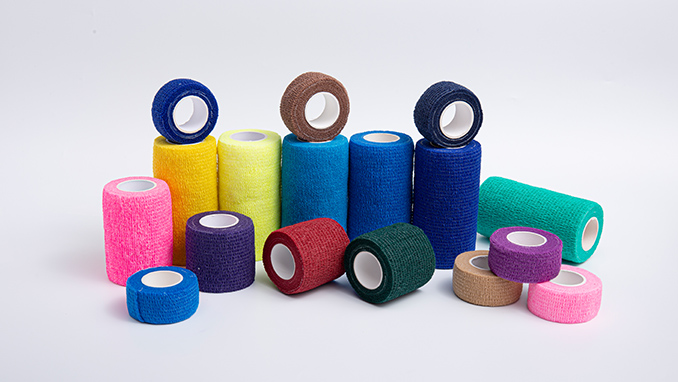
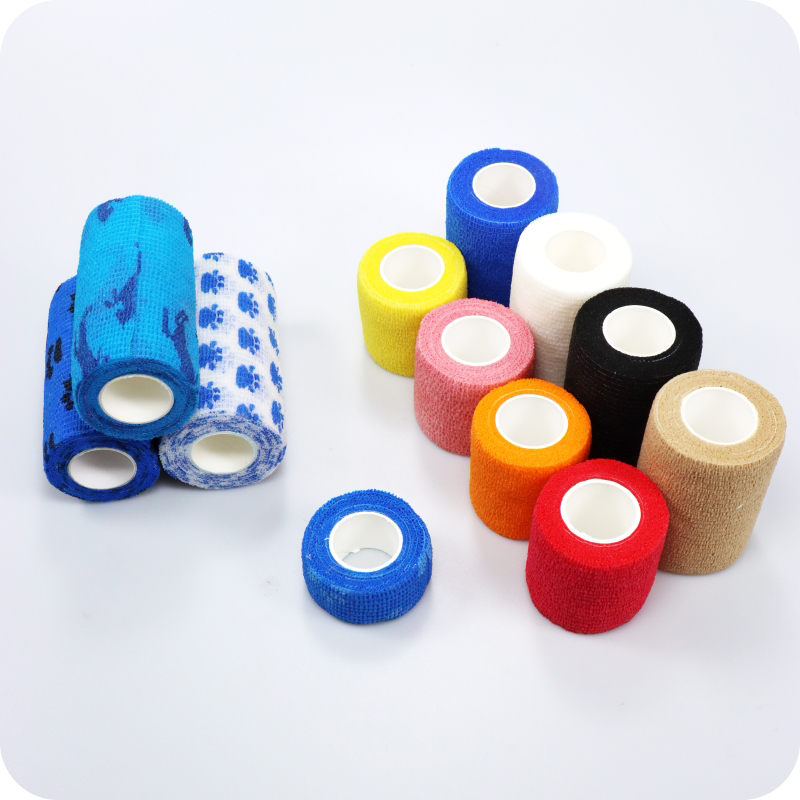
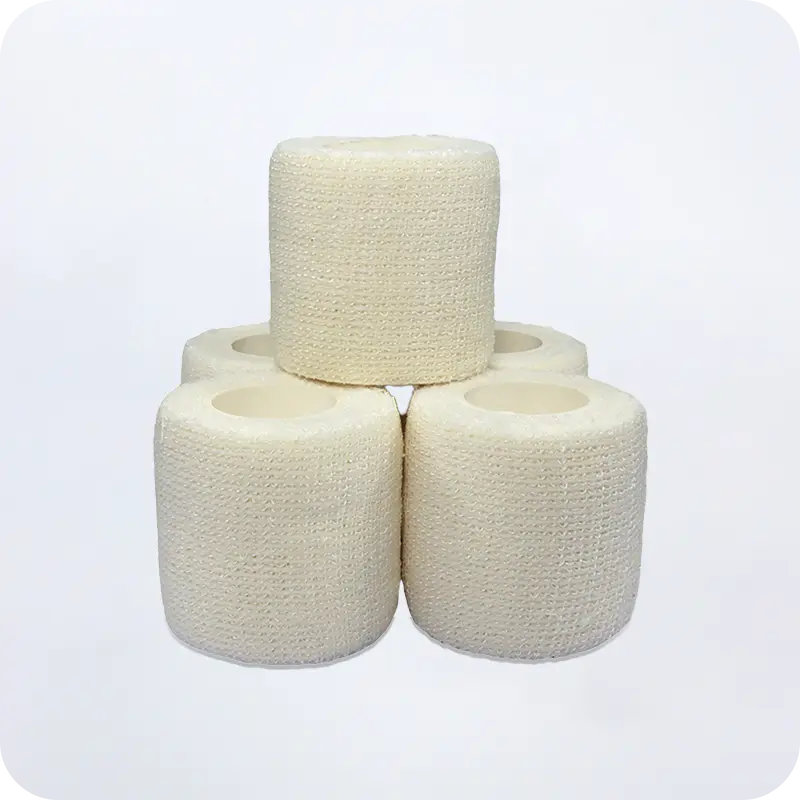
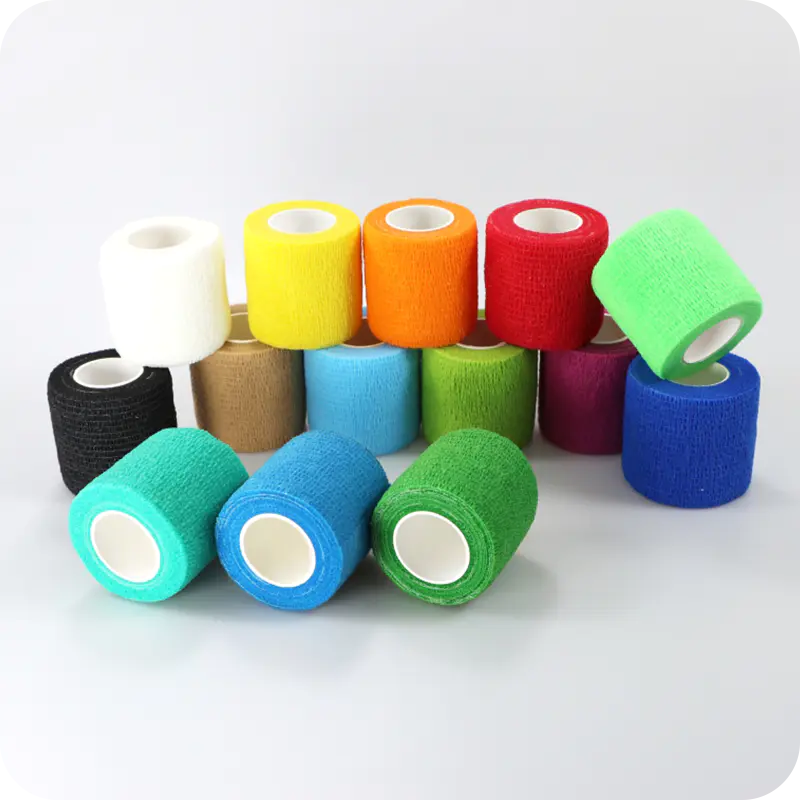
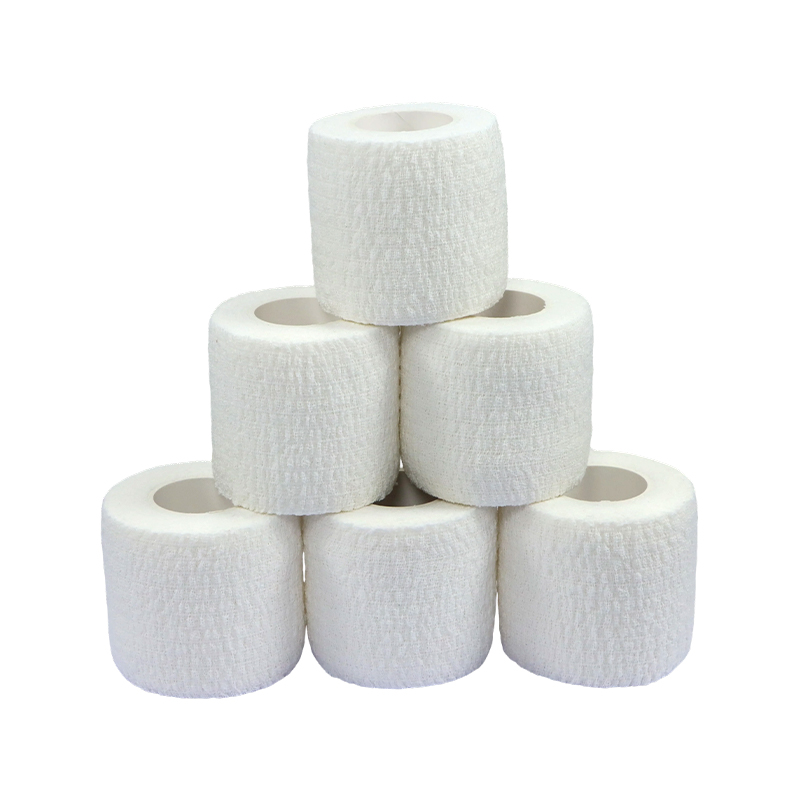
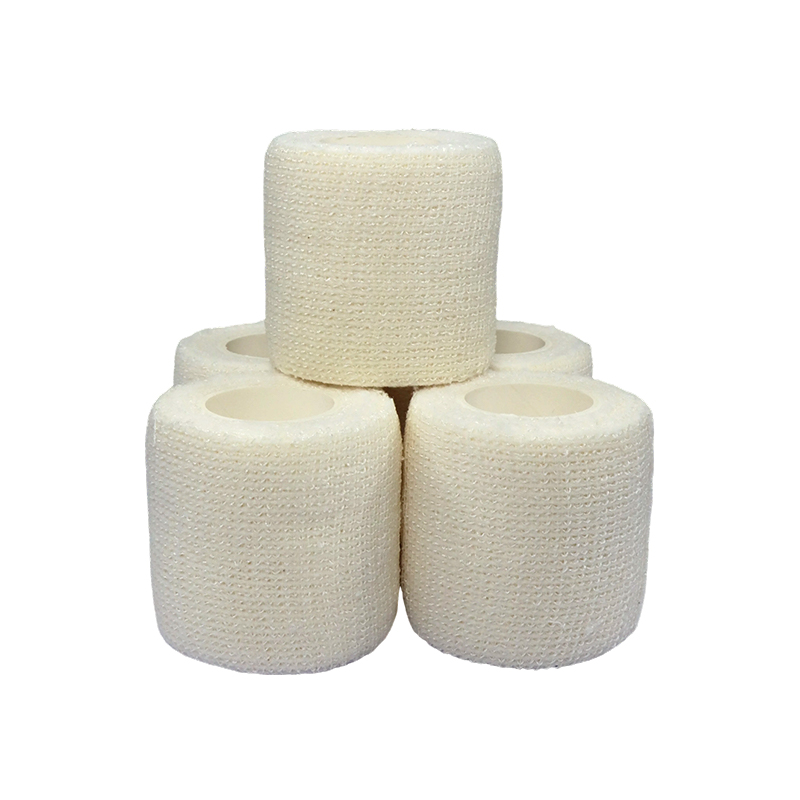
Cohesive bandages, also known as self-adherent wraps, represent a revolutionary advancement in finger protection technology. Unlike traditional adhesive bandages that stick to skin, cohesive bandages adhere only to themselves, creating a secure wrap without pulling hair or causing skin irritation upon removal. This characteristic makes them exceptionally suitable for sensitive skin types and for use on hairy areas of the body.
The material composition typically involves non-woven fabric coated with a hypoallergenic cohesive agent that activates when the bandage is stretched and wrapped. These bandages provide moderate compression that helps reduce swelling while maintaining blood circulation. The self-adhering nature allows for easy repositioning during application, enabling users to achieve optimal tension and coverage without wasting materials.
Cohesive finger bandages excel in situations requiring frequent dressing changes, as removal causes no trauma to healing wounds or surrounding skin. They are particularly valuable for securing gauze dressings over larger fingertip wounds, providing a secondary protective layer that stays in place during hand washing and daily activities. The breathable construction prevents moisture accumulation, reducing the risk of maceration and bacterial growth.
Liquid Bandages for Cracked Fingertips
Liquid bandages offer a unique approach to fingertip protection, forming a transparent, waterproof barrier directly over cracks, cuts, or abrasions. These products typically contain cyanoacrylate compounds or similar medical-grade adhesives that polymerize upon contact with skin, creating a flexible shield that moves naturally with finger motion. Modern formulations have eliminated the painful stinging sensation associated with earlier generations, incorporating soothing agents like Vitamin E and tea tree oil.
The application process involves brushing or spraying the liquid directly onto clean, dry skin, where it dries within 60 seconds to form an invisible protective layer. This barrier effectively seals out water, dirt, and bacteria while allowing the underlying skin to breathe. Liquid bandages are particularly effective for treating painful fingertip cracks caused by dryness, frequent hand washing, or exposure to harsh chemicals.
Clinical observations indicate that liquid bandages can reduce healing time for superficial fingertip cracks by 30 to 50 percent compared to leaving wounds exposed or using traditional bandages. The waterproof nature enables normal hand washing without compromising protection, and the transparent appearance makes them virtually invisible in professional or social settings. However, they are not suitable for deep wounds, punctures, or heavily bleeding injuries.
Elastic Compression Bandages
Elastic compression bandages provide support and stabilization for fingertip injuries involving sprains, strains, or joint trauma. These bandages feature woven elastic fibers that stretch longitudinally while maintaining consistent pressure against the skin. When applied correctly using a figure-eight wrapping pattern, they stabilize the finger while allowing partial range of motion necessary for daily activities.
The compression function helps manage swelling and inflammation by promoting venous return and limiting fluid accumulation in injured tissues. This characteristic makes elastic bandages particularly valuable during the initial 24 to 72 hours following acute fingertip injuries. The adjustable tension allows users to customize support levels based on pain severity and activity requirements.
Proper application technique requires wrapping from the base of the fingers toward the wrist in overlapping layers, ensuring that fingertips remain exposed to allow circulation monitoring. The bandage should feel snug but not tight, with no numbness, tingling, or discoloration indicating compromised blood flow. Securing the end with medical tape or clips prevents unraveling during use.
Hydrocolloid and Foam Dressings
Hydrocolloid dressings represent an advanced wound care option for fingertip injuries requiring moist healing environments. These dressings contain gel-forming agents that interact with wound exudate to create a protective gel layer over the injury. This environment promotes autolytic debridement, where the body's natural enzymes break down dead tissue while maintaining optimal moisture levels for cell migration and proliferation.
Foam dressings provide cushioned protection for fingertip wounds, absorbing moderate to heavy exudate while protecting against mechanical trauma. The polyurethane foam construction creates a soft barrier that conforms to fingertip contours, reducing pressure on sensitive nerve endings. These dressings are particularly suitable for blisters, abrasions, and partial-thickness burns where cushioning is essential for pain management.
Both hydrocolloid and foam dressings typically require secondary securing methods, such as cohesive bandage wraps or adhesive tape, to maintain position on active fingertips. They generally remain in place for 3 to 7 days depending on exudate levels, reducing the frequency of dressing changes and minimizing disruption to healing tissue.
Material Properties and Performance Characteristics
The effectiveness of finger protection bandages depends significantly on material composition and engineering specifications. Understanding these technical characteristics helps users select products that match their specific needs and environmental conditions.
Cotton and Fabric Variants
Cotton remains a staple material in finger bandage construction due to its natural breathability, softness, and absorbency. Woven cotton fabrics allow air circulation that promotes healing while wicking moisture away from wound sites. However, cotton bandages lose structural integrity when saturated with water or exudate, requiring frequent changes in wet conditions. Elastoplast materials combine cotton with elastic fibers to create stretchable dressings that maintain shape during finger movement.
Synthetic Non-Woven Materials
Non-woven synthetic fabrics, typically composed of polypropylene, polyester, or rayon fibers, offer superior durability and moisture management compared to natural cotton. These materials are engineered through thermal bonding or chemical adhesion processes that create consistent pore structures for controlled breathability. Non-woven bandages resist tearing and maintain adhesive properties even when exposed to moderate moisture levels, making them suitable for extended wear during active work or athletic activities.
Waterproof and Water-Resistant Technologies
Waterproof bandages incorporate impermeable polyurethane films or hydrophobic coatings that prevent water penetration while maintaining vapor permeability. This selective permeability allows moisture vapor from perspiration to escape while blocking liquid water from entering, preventing maceration while enabling hand washing and showering. Advanced waterproof fingertip bandages can maintain integrity for up to 7 days of normal activity, significantly reducing the frequency of dressing changes.
Adhesive Formulations
The adhesive component of finger bandages significantly impacts wear time, skin compatibility, and removal comfort. Acrylic adhesives provide strong initial tack and long-term adhesion suitable for oily skin types, while silicone-based adhesives offer gentle removal characteristics ideal for fragile or sensitive skin. Hot-melt rubber adhesives deliver aggressive bonding for industrial or high-moisture environments but may cause skin irritation with prolonged use. Hypoallergenic formulations eliminate common allergens such as latex and natural rubber, reducing adverse reaction risks.
Selection Criteria for Different Injury Types
Matching the appropriate finger protection bandage to specific injury characteristics ensures optimal healing outcomes and user comfort. The following guidelines provide evidence-based recommendations for common fingertip injury scenarios.
Superficial Cuts and Abrasions
Minor cuts and abrasions affecting only the outer skin layers require protection primarily against contamination and mechanical irritation. Standard adhesive fingertip bandages provide adequate coverage for these injuries, with fabric options preferred for their breathability and conformability. The bandage should extend at least 1 centimeter beyond the wound margins on all sides to ensure complete protection. For injuries located on the fingertip pad, specialized butterfly-shaped bandages offer better adhesion and coverage than rectangular strips.
Deep Lacerations and Puncture Wounds
Deep fingertip cuts involving subcutaneous tissue or significant bleeding require multi-layer dressing approaches. Initial management involves applying sterile gauze pads to absorb blood and apply pressure, followed by cohesive bandage wrapping to secure the dressing without adhesive contact with the wound. Foam-padded finger bandages provide additional cushioning that protects against impact and pressure while the wound heals. These injuries often require medical evaluation to assess the need for sutures or tetanus prophylaxis.
Thermal and Chemical Burns
Fingertip burns require specialized dressings that maintain moist healing environments while protecting exposed nerve endings. Hydrocolloid dressings are generally preferred for partial-thickness burns, providing pain relief through their cooling gel layer and promoting epithelial migration across the wound bed. Foam dressings offer alternative protection for burns with higher exudate levels. Adhesive bandages should be avoided on fresh burns due to potential skin damage upon removal; instead, use non-adherent dressings secured with cohesive wraps.
Dry Cracks and Fissures
Painful fingertip cracks caused by dryness, frequent hand washing, or environmental exposure respond well to liquid bandages that seal the fissure while allowing flexibility. The liquid formulation penetrates into the crack, creating a unified protective layer that prevents further splitting while the underlying skin heals. For deep cracks, initial application of moisturizing ointment followed by liquid bandage sealing provides enhanced healing support. Cohesive bandages can provide supplementary protection during sleep or heavy manual work.
Blister Prevention and Protection
Friction blisters on fingertips commonly result from repetitive activities such as writing, playing musical instruments, or using tools. Prevention involves applying protective tape to high-friction areas before activity begins. Self-adhesive athletic tape or specialized finger protection bandage products create a low-friction interface between skin and contact surfaces. For existing blisters, hydrocolloid dressings provide cushioning while maintaining the moist environment that promotes healing without rupturing the blister roof.
| Injury Type |
Recommended Bandage |
Wear Duration |
Change Frequency |
| Minor cuts/abrasions |
Adhesive fingertip bandage |
1-2 days |
Daily or when wet |
| Deep lacerations |
Gauze + cohesive wrap |
1-3 days |
Daily |
| Partial burns |
Hydrocolloid dressing |
3-7 days |
Every 3-5 days |
| Dry cracks |
Liquid bandage |
1-3 days |
Reapply as needed |
| Blisters |
Hydrocolloid or foam |
3-5 days |
Every 3 days |
| Sprains/strains |
Elastic compression bandage |
Variable |
Daily |
Proper Application Techniques for Maximum Effectiveness
Correct application of finger protection bandages significantly impacts their adhesion, comfort, and protective capabilities. Following standardized protocols ensures optimal performance and reduces complications.
Wound Preparation Protocol
Before applying any bandage, thorough wound preparation is essential. Begin by washing hands with antibacterial soap to prevent contamination. Clean the fingertip injury using mild soap and lukewarm water, gently irrigating to remove debris and bacteria. Avoid using hydrogen peroxide or iodine on fresh wounds, as these agents can damage healthy tissue and delay healing. Pat the area completely dry with sterile gauze or a clean towel, ensuring no moisture remains that could compromise adhesive properties.
For bleeding wounds, apply direct pressure with sterile gauze for 5 to 10 minutes until hemostasis is achieved. Elevating the hand above heart level during this process reduces blood flow to the area and facilitates clotting. Once bleeding stops, apply a thin layer of antibiotic ointment to prevent infection and prevent the bandage pad from adhering to the wound.
Adhesive Bandage Application
When applying adhesive fingertip bandages, position the non-stick pad directly over the wound, ensuring complete coverage of the injured area. For butterfly-shaped fingertip bandages, center the pad on the wound and wrap the wings around the finger, overlapping slightly on the opposite side. Press firmly along all adhesive edges, working from the center outward to eliminate air bubbles and wrinkles that could compromise adhesion.
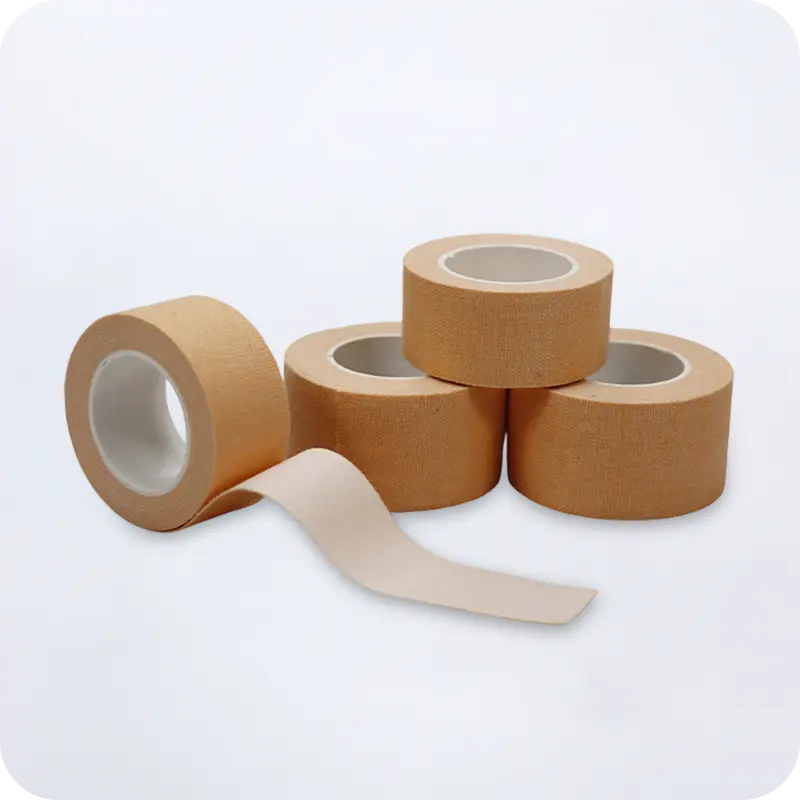
Avoid stretching the bandage excessively during application, as this creates tension that can cause the bandage to peel at the edges. The bandage should lie flat against the skin without pulling or bunching. For added security in high-movement areas, apply a strip of medical tape around the bandage edges perpendicular to the finger axis.
Cohesive Wrap Technique
Applying cohesive bandages requires a specific wrapping technique to ensure secure attachment without compromising circulation. Begin by holding the bandage roll with the adhesive side facing the finger. Start wrapping at the base of the finger, just above the knuckle, and proceed toward the fingertip using overlapping turns that cover approximately 50 percent of the previous layer. Maintain consistent tension throughout the wrapping process, stretching the bandage to activate its self-adhering properties.
When covering the fingertip itself, create a figure-eight pattern that crosses over the top and around the sides, ensuring the wrap conforms to the rounded contour. Secure the end by pressing it firmly against the underlying layers; no clips or tape are necessary due to the cohesive properties. Check that the wrapped finger maintains normal coloration and sensation, adjusting tension if any numbness or tingling occurs.
Liquid Bandage Application
Liquid bandages require precise application for optimal results. Hold the bottle upright and brush a thin, even layer directly over the clean, dry crack or cut. Avoid applying excessive product, as thick layers take longer to dry and may crack during movement. Allow the liquid to dry completely, approximately 60 seconds, before touching surfaces. For deep cracks, a second coat can be applied after the first layer dries completely.
The liquid bandage will gradually wear away as the skin heals, typically lasting 1 to 3 days depending on hand washing frequency and activity level. Reapply when the protective layer becomes thin or begins to peel at the edges. Do not attempt to remove the liquid bandage manually, as this can damage healing tissue.
Activity-Specific Bandage Considerations
Different activities place unique demands on finger protection bandages, requiring selection of appropriate types and materials to maintain protection during specific tasks.
Workplace and Industrial Applications
Industrial environments involving machinery, tools, or chemical exposure require heavy-duty bandage solutions. Heavy woven fabric bandages provide superior durability and tear resistance compared to standard plastic variants. Metal-detectable bandages are essential in food processing or pharmaceutical manufacturing facilities, ensuring that any detached bandage pieces can be identified and removed before products reach consumers.
For workers exposed to moisture or chemicals, waterproof bandages with aggressive adhesives maintain protection during hand washing and light chemical contact. However, chemical-resistant gloves should be worn over bandages when handling corrosive substances, as no standard bandage provides adequate protection against strong acids or bases.
Sports and Athletic Activities
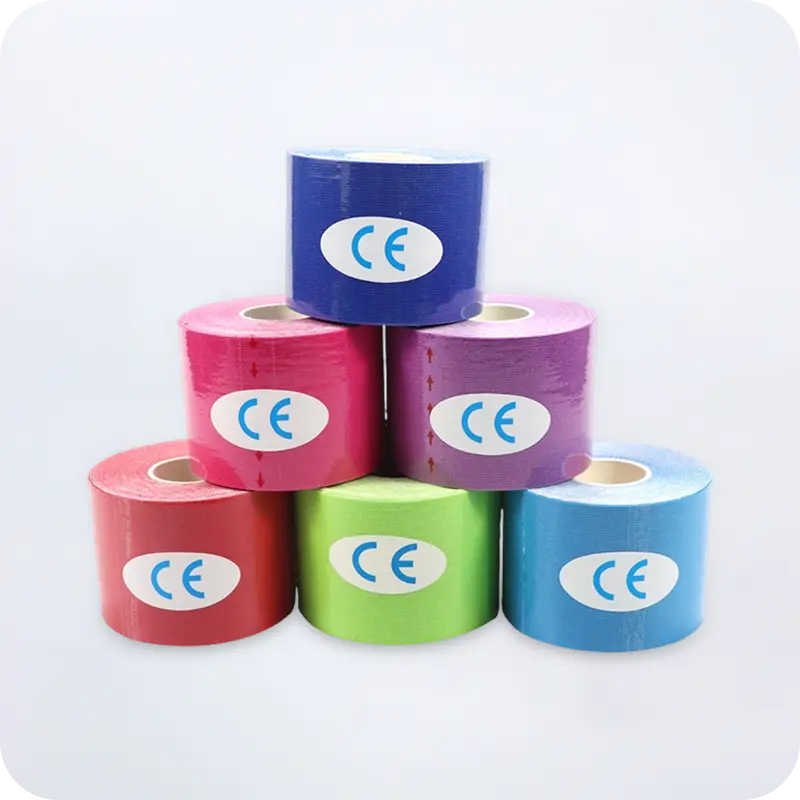
Athletic activities require bandages that withstand sweat, friction, and rapid movement without compromising performance. Cohesive athletic tapes provide secure support for finger sprains or jammed fingers while allowing the flexibility necessary for ball handling or grip activities. These tapes maintain adhesion even when exposed to perspiration, unlike standard adhesive bandages that may loosen during intense physical activity.
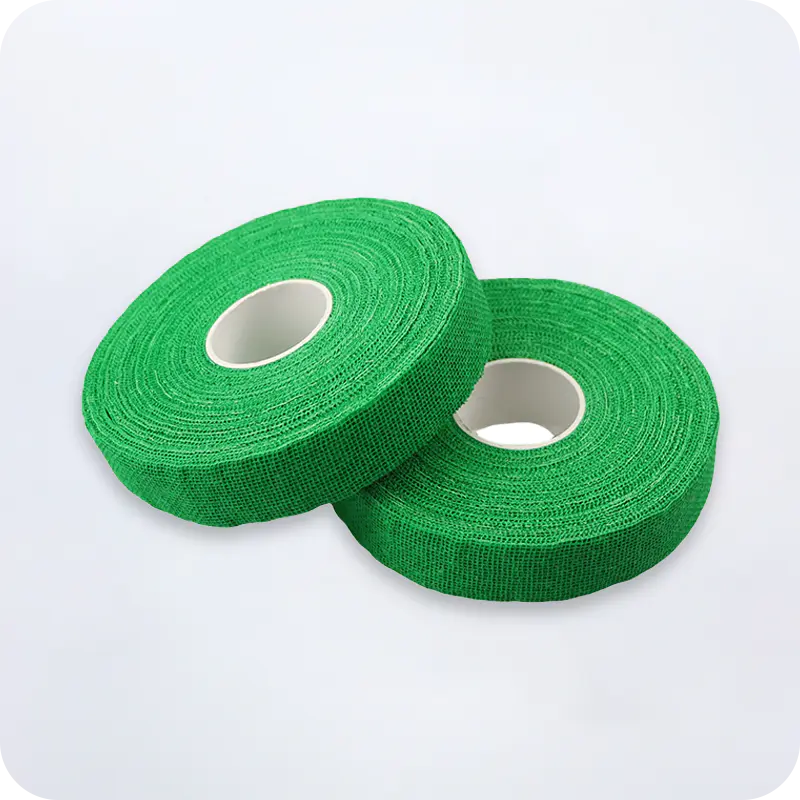
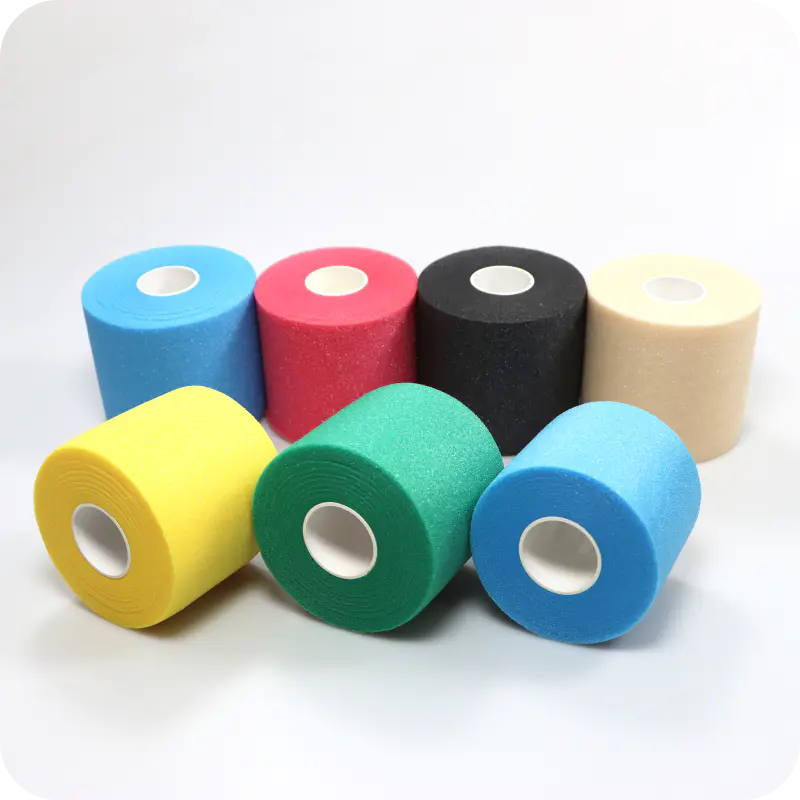
For racket sports, climbing, or weightlifting, specialized finger protection tapes prevent blisters and provide grip enhancement. The thin profile of these tapes maintains tactile sensitivity while reducing friction between skin and equipment. Pre-wrap foam underwrap can be applied beneath cohesive tape to prevent skin irritation during prolonged use.
Water Activities and Swimming
Swimming and water sports present significant challenges for wound protection, as standard bandages quickly detach when submerged. Waterproof bandages specifically designed for swimming incorporate aggressive adhesives and occlusive backings that maintain integrity during pool or ocean activities. These bandages typically remain secure for up to 7 days of intermittent water exposure.
For extended swimming sessions, liquid bandages provide superior waterproofing compared to adhesive strips, as they form a molecular bond with the skin that cannot be displaced by water pressure. However, liquid bandages should not be applied to fresh wounds that have not begun healing, as the occlusive nature can trap bacteria against the injury.
Musical Instrument Performance
Musicians require finger protection that maintains tactile sensitivity and does not interfere with instrument technique. String instrument players, particularly violinists and guitarists, often develop calluses or blisters on fingertips from repetitive string contact. Thin, self-adhesive finger protection tapes provide cushioning without significantly altering fingerpad thickness or sensation.
The ideal bandage for musical performance measures less than 0.5 millimeters in thickness and uses low-tack adhesives that allow for quick removal between performances. Clear or skin-tone variants minimize visual distraction during performances. Cohesive bandage wraps can be used for practice sessions where appearance is less critical, providing more substantial protection during extended rehearsal periods.
Office and Computer Work
Office environments present unique challenges for fingertip bandages, as frequent typing and mouse use subject dressings to constant friction and repetitive motion. Standard adhesive bandages often roll at the edges or detach within hours of keyboard use. Fabric bandages with reinforced edges provide better durability for office settings, while liquid bandages offer an alternative that does not interfere with typing mechanics.
For individuals who type extensively, bandages applied to fingertip pads should be positioned to avoid contact with keyboard keys, or alternative finger positions should be used temporarily. Buddy taping, where an injured finger is wrapped to an adjacent healthy finger using cohesive bandage, can provide stability while maintaining typing capability.
Safety Considerations and Contraindications
While finger protection bandages are generally safe for most users, certain precautions and contraindications must be observed to prevent complications.
Circulation Monitoring
Any bandage applied to fingers has the potential to compromise circulation if applied too tightly. After applying a bandage, check that the fingertip maintains normal pink coloration and warmth. Press the fingernail until it blanches white, then release; normal color should return within 2 seconds. Delayed return of color indicates excessive tightness requiring immediate bandage adjustment or removal.
Numbness, tingling, or increased pain after bandage application are warning signs of compromised circulation or nerve compression. Remove the bandage immediately if these symptoms occur and reapply with reduced tension. Individuals with peripheral circulation disorders, such as diabetes or Raynaud’s disease, should consult healthcare providers before applying compression bandages.
Allergic Reactions and Skin Sensitivities
Adhesive components in bandages can cause contact dermatitis in sensitive individuals, characterized by redness, itching, or blistering at the bandage edges. Latex allergies affect approximately 1 to 6 percent of the general population, making latex-free bandage selection essential for many users. Even latex-free products may contain other allergens such as rosin, rubber accelerators, or acrylic adhesives that trigger reactions in susceptible individuals.
Perform a patch test when using new bandage brands by applying a small piece to the back of the hand for 24 hours before using on wounds. If irritation develops, discontinue use and select hypoallergenic alternatives. Silicone-based adhesive bandages generally cause fewer allergic reactions compared to traditional rubber-based adhesives.
Infection Prevention
Bandages that remain in place too long or become saturated with exudate create moist environments conducive to bacterial growth. Change bandages at least daily, or more frequently if they become wet, dirty, or loose. Monitor wounds for signs of infection including increasing redness, warmth, swelling, pus formation, or red streaks extending from the injury site.
Tetanus prophylaxis should be considered for puncture wounds or cuts caused by dirty objects if the individual has not received a tetanus booster within 5 to 10 years. Seek medical attention for deep wounds, animal bites, or injuries that do not show improvement within 48 hours of proper bandaging.
Special Populations
Children under 8 years old require supervision when using finger bandages to prevent choking hazards from loose bandage pieces or improper application that could restrict circulation. Elderly individuals with thin, fragile skin may experience skin tears upon bandage removal; silicone-based or cohesive bandages are preferred for this population.
Pregnant women and individuals with compromised immune systems should maintain heightened vigilance for infection signs and seek medical evaluation for wounds that would be considered minor in healthy adults. Occupational health guidelines may require specific bandage types in certain workplace environments to ensure compliance with safety regulations.
Maintenance, Removal, and Disposal
Proper maintenance of bandaged fingertip injuries and safe removal techniques minimize trauma to healing tissue and reduce complication risks.
Bandage Maintenance During Wear
To maximize bandage longevity and effectiveness, keep bandaged fingers as dry as possible. When showering, cover the bandage with a waterproof finger cot or plastic wrap secured with tape. Avoid submerging bandaged fingers in dishwater or cleaning solutions. If the bandage becomes wet, replace it promptly to prevent maceration of the surrounding skin.
Inspect bandages periodically throughout the day, particularly during high-activity periods. Loose edges should be pressed back into place if possible, or the bandage should be replaced if adhesion cannot be restored. Carry spare bandages in work bags or vehicles to enable prompt replacement when needed.
Safe Removal Techniques
Removing adhesive bandages without causing pain or skin damage requires proper technique. Soak the bandage in warm water for several minutes to loosen the adhesive, or apply a small amount of baby oil or adhesive remover along the edges. Peel the bandage back slowly in the direction of hair growth, keeping the tape close to the skin surface rather than pulling upward. Support the skin behind the bandage with your other hand to minimize tension.
For cohesive bandages, simply unwrap in the reverse direction of application; no soaking is necessary. If the bandage has adhered to wound drainage, moisten the pad with sterile saline or water to release it without pulling healing tissue. Never rip bandages off quickly, as this can reopen wounds and damage surrounding skin.
Disposal and Environmental Considerations
Used bandages containing blood or bodily fluids should be disposed of in sealed plastic bags to prevent biohazard exposure. Standard household waste is acceptable for minor wound dressings, but medical facilities may require specific disposal protocols for contaminated materials. Consider environmental impact when selecting bandages; some manufacturers now offer biodegradable options made from sustainable materials.
Cost Considerations and Value Analysis
The economic aspects of finger protection bandage selection involve balancing upfront costs against performance characteristics and healing outcomes.
Price Range by Bandage Type
Standard adhesive fingertip bandages typically cost between 5 to 15 cents per unit when purchased in bulk boxes of 100 or more. Specialized variants such as waterproof, metal-detectable, or heavy woven options command premium prices ranging from 20 to 50 cents per unit. Cohesive bandage rolls generally cost between 3 to 8 dollars per roll, with each roll providing multiple applications depending on wrapping technique.
Liquid bandages are the most expensive option on a per-application basis, with typical costs ranging from 50 cents to 2 dollars per application depending on bottle size and brand. However, their extended wear time and superior waterproofing can provide better value for specific use cases such as swimming or showering with fingertip cracks.
Cost-Effectiveness Factors
When evaluating bandage value, consider the total cost of ownership including change frequency and complication risks. A more expensive bandage that remains secure for 3 days may provide better value than a cheaper option requiring daily replacement. Similarly, bandages that prevent infection or promote faster healing reduce indirect costs associated with medical visits or lost productivity.
Bulk purchasing for households or workplaces significantly reduces per-unit costs. First aid kits should contain a variety of bandage types to address different injury scenarios, with quantities based on historical usage patterns. Workplace safety regulations may mandate specific bandage types and minimum stock levels regardless of cost considerations.
Frequently Asked Questions About Finger Protection Bandages
Q1: How long should I keep a finger protection bandage on a minor fingertip cut?
For minor cuts, change the bandage daily or whenever it becomes wet, dirty, or loose. Most superficial fingertip cuts heal within 3 to 7 days. Once the wound has closed and formed a scab, you can leave it uncovered during the day to promote air circulation, but protect it with a bandage during activities that might reopen the injury.
Q2: Can I wash my hands with a bandage on my fingertip?
Standard adhesive bandages are not waterproof and should be kept dry. If hand washing is necessary, cover the bandaged finger with a waterproof finger cot or plastic wrap, or replace the bandage immediately after washing. Waterproof bandages or liquid bandages allow normal hand washing without compromising protection.
Q3: Why does my fingertip bandage keep falling off?
Bandage adhesion failure typically results from improper skin preparation, excessive moisture, or high-movement areas. Ensure the skin is completely clean and dry before application. Avoid touching the adhesive with your fingers. Consider using cohesive bandage wraps that stick to themselves rather than skin, or apply medical tape around the edges of adhesive bandages for additional security.
Q4: Is it better to let a fingertip wound breathe or keep it bandaged?
Modern wound care supports keeping wounds moist and covered rather than exposed to air. A covered wound heals faster and with less scarring than one left open. However, once the wound has sufficiently healed and formed a protective scab, brief periods without bandages during low-risk activities can be beneficial. Always cover wounds during activities involving dirt, chemicals, or mechanical stress.
Q5: What should I do if my fingertip bandage sticks to the wound?
Never rip a stuck bandage off, as this can reopen the wound and damage healing tissue. Soak the bandage in warm water or sterile saline for 10 to 15 minutes to loosen the adhesive. You can also apply a small amount of petroleum jelly or antibiotic ointment around the edges to help release the pad. For future applications, use non-stick pads or hydrocolloid dressings that are designed not to adhere to wounds.
Q6: Can I reuse cohesive finger bandages?
Cohesive bandages can be repositioned during initial application if they have not become contaminated. However, once removed after extended wear, they should not be reused as they lose self-adhering properties and may harbor bacteria. For cost savings, cut only the length needed for each application rather than unwrapping entire rolls for small injuries.
Q7: How do I know if my fingertip injury is too serious for home bandaging?
Seek medical attention if the bleeding does not stop after 10 minutes of direct pressure, the cut is deep enough to expose fat or bone, the finger is numb or cannot move, the wound is caused by a dirty or rusty object, or signs of infection develop. Puncture wounds, animal bites, and injuries involving crushed tissue also require professional evaluation.
Q8: Are liquid bandages safe for children?
Liquid bandages are generally safe for children over 2 years old, but application should be supervised by adults. Ensure the child does not pick at or peel the liquid bandage, as this can damage healing skin. Avoid using liquid bandages on large wounds or areas with active infection. For young children who may put fingers in their mouths, traditional adhesive bandages may be safer to prevent ingestion of bandage materials.
Q9: What is the difference between waterproof and water-resistant bandages?
Waterproof bandages create an occlusive seal that prevents water penetration even during submersion, making them suitable for swimming or showering. Water-resistant bandages repel light moisture such as splashes or brief hand washing but will eventually allow water penetration during extended exposure. For swimming or dishwashing, choose fully waterproof options; for everyday activities, water-resistant bandages provide adequate protection.
Q10: How can I prevent skin irritation from bandage adhesive?
To minimize skin irritation, choose hypoallergenic or silicone-based adhesive bandages. Apply a thin layer of barrier cream or petroleum jelly to the skin around the wound before bandaging, keeping it away from the injury itself. Remove bandages slowly and gently, using warm water or adhesive remover if necessary. If irritation occurs, give the skin breathing periods between bandage applications and consider cohesive bandages that do not adhere to skin.






 English
  русский
  Français
  Español
  عربى
عربى 

 ENG
ENG