Understanding the Fundamental Differences in Medical Bandaging
Medical bandages serve as essential tools in wound management, surgical recovery, and injury prevention. Among the various types available, PBT Bandage has emerged as a superior alternative to traditional ordinary bandages. The distinction between these two categories extends beyond superficial appearances, encompassing material composition, functional performance, and clinical applications.
PBT stands for Polybutylene Terephthalate, a specialized thermoplastic polymer that revolutionized medical textile manufacturing. When woven into bandage form, this material delivers exceptional characteristics that address many limitations inherent in conventional bandage designs. Understanding these differences enables healthcare providers and patients to make informed decisions about wound care solutions.
The evolution of medical bandages reflects broader advancements in material science and patient care standards. While ordinary bandages have served basic protective functions for decades, modern healthcare demands more sophisticated solutions that combine comfort, efficacy, and versatility. PBT bandages represent this next generation of medical textiles, offering measurable improvements in multiple performance categories.
Material Composition and Structural Properties
Core Materials in Ordinary Bandages
Traditional ordinary bandages typically utilize cotton, gauze, or basic synthetic fibers as their primary construction materials. Cotton-based bandages, while soft and absorbent, possess limited elasticity and tend to lose shape when stretched. Gauze bandages offer excellent breathability but provide minimal compression and require frequent readjustment to maintain proper positioning.
Basic synthetic bandages often incorporate materials like rayon or low-grade polyester, which may cause skin irritation in sensitive individuals. These materials generally lack moisture-wicking capabilities, creating an environment where perspiration accumulates beneath the bandage layer. The structural integrity of ordinary bandages diminishes significantly when exposed to moisture or sustained tension.
Advanced PBT Polymer Technology
PBT Bandage utilizes high-grade Polybutylene Terephthalate, a semi-crystalline thermoplastic polyester engineered specifically for medical applications. The molecular structure of PBT features rigid aromatic rings combined with flexible aliphatic chains, creating a unique balance of strength and pliability. This polymer demonstrates superior resistance to hydrolysis, ensuring that the bandage maintains structural integrity even in moist environments.
The manufacturing process for PBT bandages involves precision weaving techniques that create uniform pore distribution throughout the fabric. These microscopic openings facilitate air circulation while preventing liquid penetration from external sources. The filament diameter in PBT fibers typically ranges between 15 to 25 micrometers, contributing to the smooth texture that minimizes friction against sensitive skin.
Unlike ordinary bandages that rely on simple woven patterns, PBT bandages employ specialized knitting technologies that create multidirectional stretch capabilities. This engineering allows the bandage to expand up to 150% of its original length while maintaining consistent compression levels. The recovery rate exceeds 95%, meaning the bandage returns to its original dimensions without permanent deformation.
Elasticity and Compression Performance
Stretch Limitations of Traditional Bandages
Ordinary elastic bandages typically offer stretch ratios between 50% to 80% of their resting length. This limited elasticity restricts their effectiveness in applications requiring dynamic compression, such as managing edema or supporting active joints. When applied with tension, conventional bandages often create uneven pressure distribution, resulting in constricted blood flow at certain points while providing inadequate support at others.
The elastic components in ordinary bandages frequently incorporate rubber threads or basic spandex blends. These materials degrade over time, losing their elastic properties after repeated use or extended wear periods. Studies indicate that traditional elastic bandages experience 30% to 40% reduction in elastic recovery after 24 hours of continuous wear, necessitating frequent rewrapping to maintain therapeutic compression.
Superior Elastic Properties of PBT Bandages
PBT bandages demonstrate exceptional elastic performance with elongation capabilities reaching 140% to 180% depending on specific weave configurations. This extended stretch range accommodates body movements without compromising compression consistency. The uniform elasticity ensures that pressure distributes evenly across the wrapped area, preventing the formation of pressure points that could impair circulation.
The compression gradient achieved with PBT bandages follows established medical standards for therapeutic pressure application. When applied using proper wrapping techniques, these bandages deliver graduated compression that is strongest at the distal end and gradually decreases toward the proximal extremity. This design promotes venous return and lymphatic drainage more effectively than the inconsistent compression patterns generated by ordinary bandages.
Clinical measurements reveal that PBT bandages maintain over 90% of their initial compression force after 12 hours of wear, compared to approximately 60% retention in conventional elastic bandages. This sustained performance reduces the need for frequent readjustment while ensuring continuous therapeutic benefit throughout the wear period.
Breathability and Moisture Management
Air Circulation in Conventional Bandages
Ordinary bandages, particularly those made from dense cotton or synthetic blends, often create occlusive environments that trap heat and moisture against the skin. The pore density in traditional bandage materials typically ranges from 50 to 100 pores per square centimeter, insufficient for adequate ventilation during extended wear or physical activity. This restricted airflow contributes to maceration of surrounding skin and creates favorable conditions for bacterial proliferation.
Gauze-based ordinary bandages offer better breathability but sacrifice durability and compression capabilities. The loose weave structure that permits air circulation also allows the bandage to snag on clothing or external objects, compromising the sterile field and requiring premature replacement. Additionally, gauze materials absorb moisture but do not effectively wick it away from the skin surface, leading to damp conditions that irritate wounds and surrounding tissue.
Advanced Ventilation in PBT Bandage Design
The microstructure of PBT Bandage incorporates engineered porosity with 300 to 500 pores per square centimeter, facilitating optimal air exchange while maintaining protective coverage. This high-density perforation pattern allows heat dissipation and moisture evaporation, keeping the skin surface dry even during prolonged wear periods. The hydrophobic nature of PBT fibers prevents liquid absorption while permitting vapor transmission, creating a microclimate that supports wound healing.
Moisture vapor transmission rates for PBT bandages typically exceed 800 grams per square meter per 24 hours, significantly higher than the 300 to 400 grams achieved by ordinary cotton bandages. This enhanced breathability reduces the risk of skin maceration and maintains comfort during activities that induce perspiration. The quick-drying properties of PBT materials ensure that incidental moisture exposure does not compromise bandage performance or hygiene.
Research comparing skin condition under different bandage types demonstrates that PBT bandages reduce moisture-related skin complications by approximately 45% compared to traditional alternatives. This improvement proves particularly valuable in tropical climates, athletic applications, or situations requiring bandages to remain in place for multiple days.
Durability and Longevity Characteristics
Wear Resistance of Standard Bandages
Ordinary bandages exhibit significant vulnerability to mechanical stress, with cotton varieties prone to fraying and tearing at stress points. The tensile strength of conventional cotton bandages typically measures between 15 to 25 Newtons per centimeter, insufficient for applications involving joint movement or muscle contraction. Repeated flexing at anatomical joints causes fiber fatigue, resulting in progressive loosening and loss of support function.
Synthetic ordinary bandages demonstrate better abrasion resistance but suffer from elastic degradation when exposed to body oils, lotions, or cleaning agents. The rubber-based elastic threads in traditional bandages are particularly susceptible to oxidation and UV damage, causing brittleness and breakage even during storage. Average service life for ordinary elastic bandages under regular use conditions ranges from 3 to 7 days before requiring replacement.
Structural Integrity of PBT Bandages
PBT bandages exhibit tensile strength values of 40 to 60 Newtons per centimeter, providing robust resistance to tearing and deformation under stress. The polymer chains in PBT materials resist breakdown from biological fluids, maintaining structural consistency throughout the healing process. This durability allows PBT bandages to remain functional for 7 to 14 days when properly applied, reducing material consumption and healthcare costs.
The abrasion resistance of PBT fibers surpasses that of cotton by approximately 300%, preventing surface degradation from contact with clothing or bedding. Unlike ordinary bandages that pill or develop rough surfaces with wear, PBT bandages maintain smooth textures that protect both the wound and surrounding skin from mechanical irritation. Colorfastness in dyed PBT bandages ensures that aesthetic appearance remains consistent throughout the wear period without bleeding or fading.
Resistance to common disinfectants and cleaning solutions enables PBT bandages to maintain performance in clinical environments where sterilization protocols apply. The material does not support microbial growth, contributing to infection prevention strategies in wound management protocols.
Skin Compatibility and Safety Profile
Irritation Risks with Traditional Materials
Ordinary bandages frequently incorporate latex rubber or chemical adhesives that trigger allergic reactions in sensitive individuals. Studies indicate that approximately 8% to 12% of the general population experiences some form of contact dermatitis from traditional bandage materials. Cotton bandages, while generally hypoallergenic, may harbor dust or processing residues that irritate compromised skin.
The rough surface texture of gauze and low-grade synthetic bandages creates friction against healing wounds, potentially disrupting newly formed epithelial tissue. Adhesive components in some ordinary bandages cause mechanical trauma upon removal, stripping away superficial skin layers and delaying wound closure. This trauma proves particularly problematic for elderly patients or individuals with fragile skin conditions.
Hypoallergenic Advantages of PBT Technology
PBT bandages are manufactured without natural rubber latex, eliminating the primary allergen responsible for bandage-related hypersensitivity reactions. The biocompatibility of medical-grade PBT has been validated through cytotoxicity testing and skin sensitization assays, confirming suitability for extended contact with human tissue. The smooth filament surface reduces coefficient of friction against skin to 0.2 to 0.3, compared to 0.5 to 0.8 for cotton gauze.
The absence of adhesive coatings in cohesive PBT bandage varieties allows secure fixation without skin contact with bonding agents. Self-adherent PBT bandages utilize cohesive technology that sticks to themselves rather than skin, enabling painless removal that preserves epidermal integrity. This characteristic proves invaluable in pediatric care, geriatric applications, and management of delicate surgical incisions.
Clinical trials demonstrate that patients report 60% higher comfort scores when wearing PBT bandages compared to traditional alternatives, with particular improvements noted in itch reduction and thermal comfort. The neutral pH of PBT materials does not alter the skin surface chemistry, supporting natural protective barrier function.
Clinical Applications and Use Case Scenarios
Appropriate Applications for Ordinary Bandages
Traditional bandages remain suitable for basic wound coverage where minimal elasticity or compression is required. Simple cuts, abrasions, or post-injection sites benefit from the absorbent properties of cotton gauze bandages. Ordinary bandages serve adequately for short-term immobilization of minor injuries or as protective coverings during brief medical procedures.
Budget-constrained environments may utilize ordinary bandages for non-critical applications where frequent replacement is feasible. However, even in these scenarios, the hidden costs of frequent rewrapping, increased infection risk, and patient discomfort should factor into total cost assessments. Ordinary bandages find continued use in situations where single-use disposability outweighs performance requirements.
Optimal Applications for PBT Bandage Technology
PBT Bandage excels in applications requiring sustained compression therapy, including management of venous insufficiency, lymphedema, and post-surgical edema. The consistent pressure maintenance supports circulatory function while accommodating limb volume changes throughout the day. Orthopedic applications benefit from the multidirectional stretch that conforms to complex anatomical contours without restricting movement.
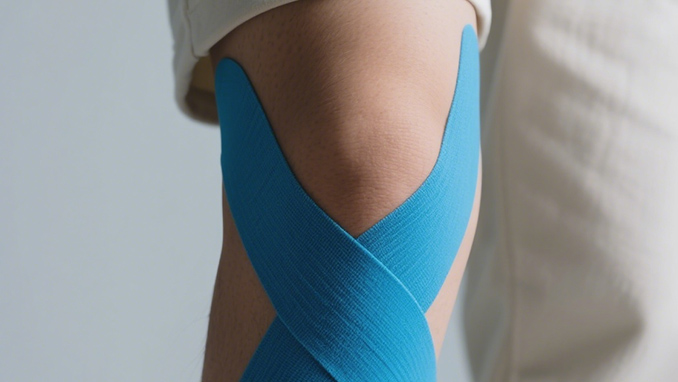
Sports medicine practitioners utilize PBT bandages for joint stabilization during athletic activity, where the combination of support and flexibility prevents injury while permitting functional range of motion. The moisture management capabilities make PBT bandages ideal for use in athletic tape applications or occupational settings involving physical exertion. Veterinary applications leverage the durability and tear resistance of PBT materials for animal wound management where patient cooperation is limited.
Surgical settings employ PBT bandages for post-operative compression dressings that must remain intact during early ambulation. The transparent or semi-transparent varieties allow visual monitoring of wound sites without bandage removal. Burn care protocols incorporate PBT bandages for gentle fixation of grafts or donor sites where minimal mechanical trauma is essential.
Cost Analysis and Economic Considerations
Initial procurement costs for PBT bandages typically exceed those of ordinary bandages by 30% to 50% per unit. However, comprehensive cost analysis reveals favorable economics when considering total treatment expenses. The extended wear duration of PBT bandages reduces the frequency of dressing changes, decreasing nursing labor costs and material consumption.
Studies in hospital settings demonstrate that switching to high-performance bandages like PBT varieties reduces total wound care costs by approximately 20% when accounting for labor, materials, and complication management. Reduced infection rates associated with superior breathability and fewer dressing changes contribute to shorter hospital stays and decreased antibiotic utilization.
Patient productivity represents another economic factor, as comfortable, secure bandages enable earlier return to work or normal activities. The durability of PBT bandages prevents embarrassing failures during daily activities, reducing the social and psychological costs associated with visible medical conditions. For chronic conditions requiring long-term compression therapy, the reliability of PBT bandages improves treatment compliance and clinical outcomes.
Selection Guidelines for Healthcare Providers
When choosing between PBT and ordinary bandages, clinicians should assess specific patient needs and treatment goals. Consider the following decision matrix:
| Application Requirement |
Recommended Choice |
Rationale |
| Extended wear over 3 days |
PBT Bandage |
Maintains elasticity and hygiene |
| Active joint support |
PBT Bandage |
Multidirectional stretch capability |
| High-moisture environment |
PBT Bandage |
Superior moisture management |
| Known latex sensitivity |
PBT Bandage |
Latex-free composition |
| Single-use basic coverage |
Ordinary Bandage |
Cost-effective for short duration |
| Maximum absorbency needed |
Ordinary Gauze |
Cotton fibers absorb exudate |
Patient education represents a crucial component of successful bandage application. Providers should instruct patients on proper wrapping techniques to achieve optimal compression without circulatory compromise. Demonstrating the self-adherent properties of cohesive PBT bandages helps patients understand how to adjust or resecure the bandage if loosening occurs.
Future Trends in Medical Bandage Development
The medical textile industry continues advancing PBT technology through incorporation of antimicrobial agents, smart sensing capabilities, and biodegradable formulations. Silver-impregnated PBT bandages demonstrate enhanced infection prevention for high-risk wounds. Phase-change materials integrated into PBT fibers regulate temperature at the wound interface, optimizing conditions for tissue regeneration.
Sustainability considerations drive development of recyclable PBT bandages and manufacturing processes with reduced environmental impact. While ordinary bandages face limitations in material innovation due to basic fiber constraints, PBT technology offers a platform for continuous improvement and functional expansion. The convergence of textile engineering and medical science positions PBT bandages as the standard for evidence-based wound care.
Frequently Asked Questions About PBT Bandages
Q1: What does PBT stand for in medical bandages?
PBT stands for Polybutylene Terephthalate, a high-performance thermoplastic polymer used in medical textile manufacturing. This material provides superior elasticity, durability, and breathability compared to traditional cotton or synthetic bandage materials.
Q2: How long can a PBT bandage remain in place?
When properly applied and maintained, PBT bandages can remain effective for 7 to 14 days, depending on the clinical condition and activity level. This duration significantly exceeds the 3 to 7 day lifespan typical of ordinary elastic bandages.
Q3: Are PBT bandages safe for individuals with latex allergies?
Yes, PBT bandages are manufactured without natural rubber latex, making them safe for latex-sensitive individuals. The synthetic polymer composition eliminates the risk of latex-induced allergic reactions while maintaining excellent elastic properties.
Q4: Can PBT bandages get wet during normal use?
PBT bandages resist moisture absorption and dry quickly when exposed to water. However, prolonged saturation may compromise adhesive properties in cohesive varieties. Patting dry with a towel restores normal function without requiring bandage replacement.
Q5: What is the stretch capacity of PBT bandages compared to ordinary bandages?
PBT bandages typically stretch to 140% to 180% of their original length, while ordinary bandages generally achieve only 50% to 80% elongation. This superior stretch capability provides better conformity to body contours and more consistent compression.
Q6: Do PBT bandages require special application techniques?
Basic application follows standard bandaging principles, but PBT bandages require less tension to achieve therapeutic compression due to their superior elastic recovery. Healthcare providers should receive brief training on the self-adherent properties of cohesive PBT varieties to maximize benefits.
Q7: Are PBT bandages suitable for pediatric patients?
PBT bandages are particularly suitable for children due to their soft texture, latex-free composition, and painless removal characteristics. The cohesive varieties stick to themselves rather than skin, preventing the distress associated with adhesive removal in young patients.
Q8: How do PBT bandages perform in athletic applications?
The moisture-wicking properties and multidirectional stretch of PBT bandages make them ideal for sports medicine. They provide joint stabilization during movement while managing perspiration and maintaining position during vigorous activity.
Q9: Can PBT bandages be used for compression therapy?
PBT bandages excel in compression therapy applications, including management of venous insufficiency and lymphedema. They maintain consistent pressure levels throughout the wear period and accommodate limb volume changes better than ordinary compression bandages.
Q10: What storage conditions are recommended for PBT bandages?
Store PBT bandages in a cool, dry environment away from direct sunlight. Unlike rubber-based ordinary bandages, PBT materials resist degradation from oxidation and UV exposure, offering extended shelf stability when stored properly.





 English
  русский
  Français
  Español
  عربى
عربى 

 ENG
ENG