What Is a Light Elastic Bandage and How Does It Work
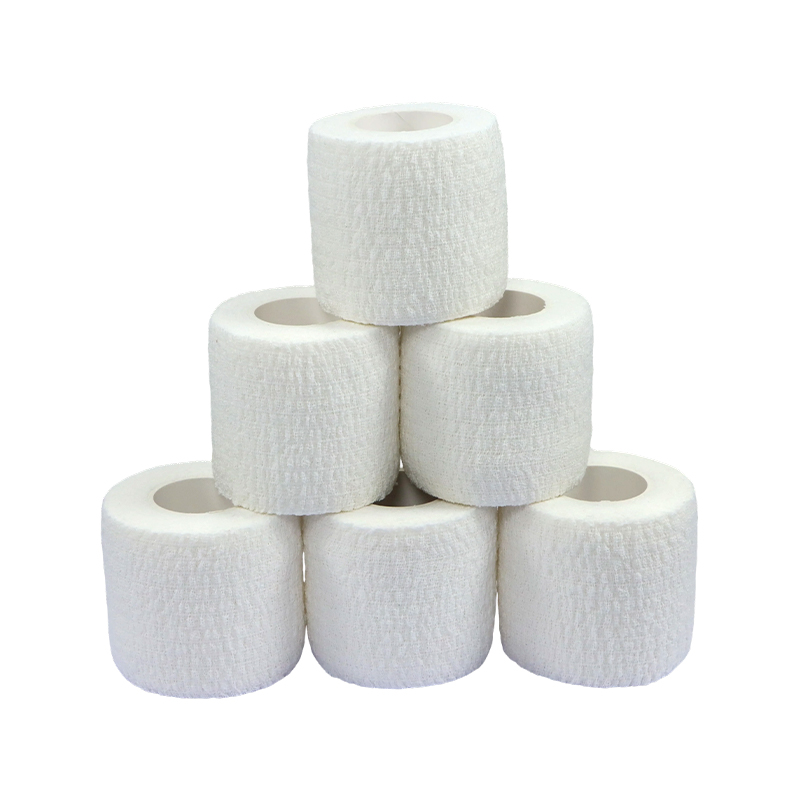
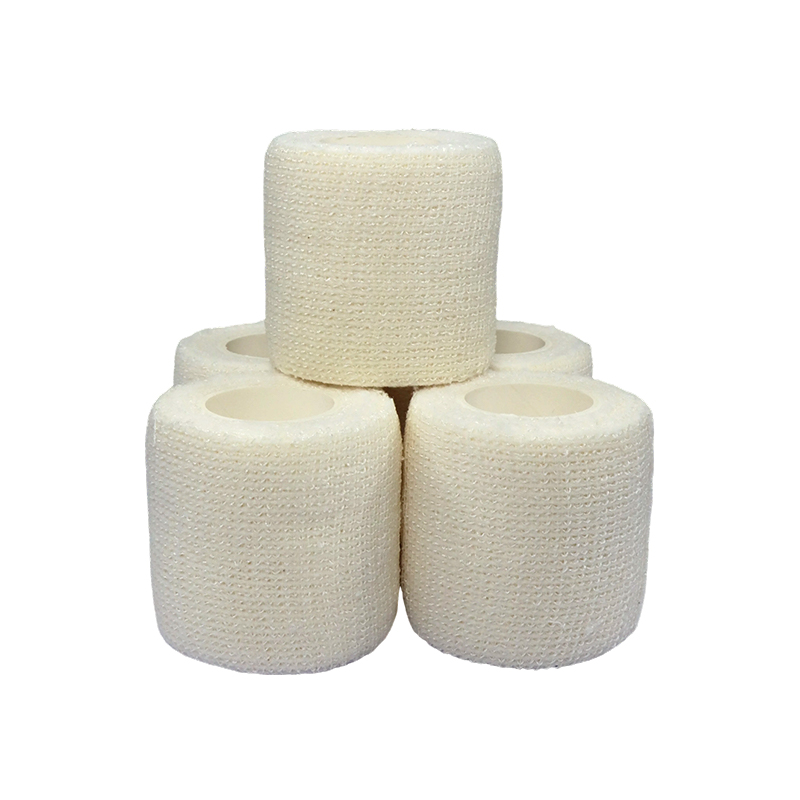
A light elastic bandage is a specialized medical wrapping material designed to provide gentle compression and support to injured or vulnerable body parts. Unlike rigid immobilization devices, this bandage offers controlled elasticity that allows for natural movement while maintaining therapeutic pressure. The fundamental principle behind its effectiveness lies in the woven elastic fibers that create graduated compression, typically ranging from 15 to 20 mmHg at the ankle and gradually decreasing toward the calf or thigh.
The construction of these bandages typically involves a blend of cotton, polyester, and latex or latex-free elastic threads. This combination creates a breathable fabric that stretches up to 150% of its original length and returns to shape without losing elasticity. Medical professionals value this characteristic because it enables consistent pressure application throughout the day, even as the patient moves or changes position. The lightweight nature distinguishes it from heavy-duty compression garments, making it suitable for extended wear during daily activities.
When applied correctly, the bandage works by compressing superficial veins and tissues, which enhances venous return and reduces fluid accumulation in the interstitial spaces. This mechanism proves particularly beneficial for managing edema, preventing blood clots in post-surgical patients, and supporting weakened joints during rehabilitation. Studies indicate that proper compression therapy can reduce swelling by up to 40% within the first 48 hours of application, demonstrating the clinical significance of this seemingly simple medical tool.
Key Applications and Clinical Uses
Sports Injury Management and Prevention
Athletes across various disciplines rely on light elastic bandages for both acute injury management and preventive taping. The bandage provides proprioceptive feedback, which enhances joint position awareness and reduces the risk of re-injury. Common applications include ankle stabilization for basketball and soccer players, wrist support for gymnasts and weightlifters, and knee reinforcement for runners experiencing patellar tracking issues. Research published in sports medicine journals shows that athletes using elastic bandaging experience 25% fewer recurrent sprains compared to those using rigid tape alone.
The preventive application technique involves wrapping the bandage in a figure-eight pattern around vulnerable joints, creating a supportive lattice that allows functional movement while restricting dangerous ranges of motion. This approach has become standard practice in professional sports, with team medical staff applying bandages before high-intensity training sessions and competitive events.
Post-Surgical Recovery and Rehabilitation
Following surgical procedures, particularly those involving orthopedic interventions or vascular repairs, light elastic bandages serve multiple therapeutic purposes. They help control post-operative swelling, which can delay wound healing and increase pain levels. Surgeons typically recommend applying the bandage immediately after surgery and maintaining consistent compression for periods ranging from one to six weeks, depending on the procedure type and individual healing rates.
In rehabilitation settings, physical therapists utilize these bandages to facilitate lymphatic drainage and prevent complications such as deep vein thrombosis. The gentle pressure encourages the movement of lymph fluid through the lymphatic vessels, reducing the risk of lymphedema development. Patients recovering from joint replacement surgeries benefit from the added stability that allows earlier mobilization and faster return to functional independence.
Chronic Condition Management
Individuals living with chronic venous insufficiency, varicose veins, or chronic edema incorporate light elastic bandages into their daily management routines. Unlike prescription compression stockings, these bandages offer customizable compression levels that can be adjusted throughout the day as swelling fluctuates. Healthcare providers often teach patients self-wrapping techniques, empowering them to manage their conditions independently.
The bandages also prove valuable for patients with diabetes who experience peripheral edema or minor foot injuries. The breathable material reduces the risk of skin maceration while providing protection and support. However, diabetic patients require careful monitoring to ensure the compression does not compromise circulation, making the light compression level particularly appropriate for this population.
Proper Application Techniques for Maximum Effectiveness
Preparing the Skin and Selecting the Right Size
Before applying a light elastic bandage, proper skin preparation ensures comfort and prevents complications. The skin should be clean, dry, and free from lotions or oils that could affect adhesion. Inspect the area for cuts, abrasions, or signs of infection, as compression over compromised skin can worsen existing conditions. For individuals with sensitive skin or hairy areas, applying a thin cotton underwrap or stockinette creates a protective barrier without significantly affecting compression levels.
Selecting the appropriate bandage width depends on the body part being treated. Standard widths include 5 centimeters for fingers and toes, 7.5 centimeters for wrists and ankles, 10 centimeters for knees and elbows, and 15 centimeters for thighs and torsos. Using a bandage that is too narrow for a large area creates uneven pressure points, while an excessively wide bandage may bunch or slip during activity. Most manufacturers provide sizing guidelines based on limb circumference measurements.
Step-by-Step Wrapping Methods
The spiral wrapping technique represents the most basic and widely used method for applying light elastic bandages. Begin by anchoring the bandage with two circular wraps around the narrowest part of the limb, typically just above the ankle or wrist. Maintain approximately 50% overlap between each turn, ensuring consistent tension without creating tourniquet-like constriction. The bandage should lie flat against the skin without wrinkles or gaps, and the patient should experience a snug but comfortable sensation.
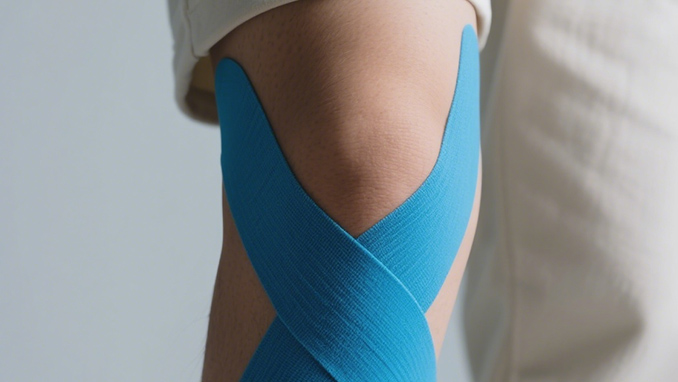
For joints requiring multi-directional support, the figure-eight technique provides superior stability. Start below the joint, wrap upward in a diagonal pattern across the front, circle behind the joint, cross diagonally again, and repeat. This creates an X-shaped support structure that limits excessive movement while preserving functional range of motion. When wrapping knees, incorporate the patella by leaving it slightly exposed or creating a window to prevent pressure on the kneecap.
Secure the end of the bandage using the provided clips, tape, or self-adherent properties depending on the product type. Avoid using safety pins, which can puncture the skin or damage the elastic fibers. Check the distal circulation by assessing skin color, temperature, and capillary refill time. The patient should be able to wiggle fingers or toes without numbness or tingling sensations. If the extremity becomes cold, pale, or blue, remove the bandage immediately and reapply with less tension.
Common Mistakes to Avoid
One of the most frequent errors involves applying excessive tension, particularly at the beginning of the wrap. This creates a tourniquet effect that impairs venous return and can cause tissue damage. The bandage should feel supportive but never painful. Another mistake involves inconsistent overlap, which results in areas of high pressure alternating with ineffective loose sections. Maintaining steady tension throughout the application process requires practice but significantly improves therapeutic outcomes.
Failing to reassess the wrap throughout the day also compromises effectiveness. As swelling decreases, the bandage loosens and requires rewrapping to maintain proper compression. Conversely, if swelling increases due to prolonged standing or activity, the bandage may become too tight and need immediate adjustment. Educating patients about these dynamic changes helps them manage their conditions more effectively between healthcare visits.
Material Properties and Quality Considerations
Fabric Composition and Breathability
High-quality light elastic bandages feature a balanced composition that prioritizes both elasticity and breathability. Cotton content typically ranges from 40% to 60%, providing softness and moisture absorption. Synthetic fibers like polyester or nylon contribute durability and shape retention, while the elastic component, usually spandex or rubber threads, delivers the necessary stretch and recovery properties. Premium products incorporate moisture-wicking technologies that draw perspiration away from the skin, reducing the risk of irritation during extended wear.
The weave pattern significantly impacts performance. Open-weave designs allow maximum air circulation, making them ideal for warm climates or patients prone to skin sensitivity. Closed-weave or knitted constructions provide more consistent compression and better durability but may retain more heat. Some advanced products incorporate antimicrobial treatments to inhibit bacterial growth, particularly important for patients with open wounds or compromised immune systems.
Latex-Free Alternatives and Allergen Considerations
Given the prevalence of latex allergies affecting approximately 1% to 6% of the general population, manufacturers now offer latex-free elastic bandages using synthetic rubber alternatives. These products provide comparable elasticity and strength while eliminating the risk of allergic reactions. Healthcare facilities increasingly stock latex-free options as their standard supply to ensure patient safety across all demographics.
When selecting bandages for patients with known sensitivities, examine not only the elastic component but also any adhesives used in self-adherent varieties. Hypoallergenic adhesives minimize skin irritation while maintaining secure positioning. For patients with fragile skin, such as the elderly or those on corticosteroid medications, choosing bandages with silicone-based gripping surfaces rather than traditional adhesives prevents skin tears during removal.
Durability and Reusability Factors
While some light elastic bandages are designed for single-use in clinical settings, reusable varieties offer economic and environmental advantages for long-term management. Washable bandages maintain their elastic properties through approximately 50 to 100 laundering cycles when proper care instructions are followed. Hand washing in mild soap and air drying preserves elasticity better than machine washing and drying, which subjects the fibers to mechanical stress and heat damage.
Signs that a bandage requires replacement include permanent stretching beyond its original length, loss of elasticity causing the material to sag, fraying edges, or persistent odors despite washing. Using a degraded bandage compromises therapeutic effectiveness and may cause skin irritation due to uneven pressure distribution. Maintaining a rotation of two to three bandages allows proper cleaning and drying between uses while ensuring continuous treatment availability.
Comparing Light Elastic Bandages with Alternative Support Options
Understanding the distinctions between light elastic bandages and other support modalities helps healthcare providers and patients make informed treatment decisions. Each option offers unique advantages depending on the clinical scenario, activity level, and patient preferences.
| Feature |
Light Elastic Bandage |
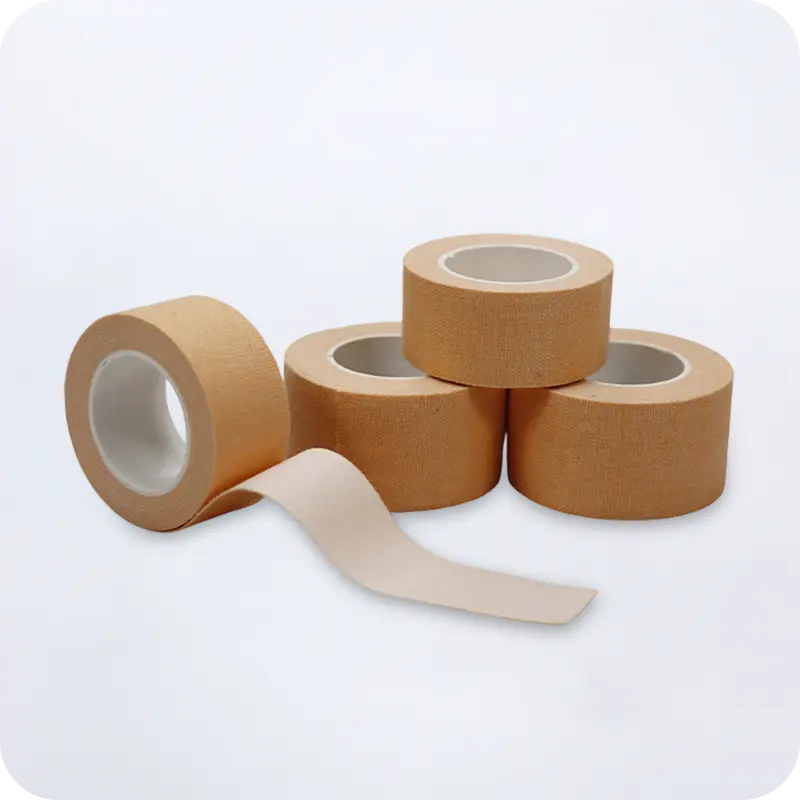
Rigid Athletic Tape |
Compression Stockings |
Neoprene Braces |
| Compression Level |
15-20 mmHg |
Variable |
15-40 mmHg |
Minimal |
| Range of Motion |
Full |
Restricted |
Full |
Partial |
| Breathability |
High |
Low |
Moderate |
Low |
| Reusability |
Yes |
No |
Yes |
Yes |
| Application Skill Required |
Moderate |
High |
Low |
Low |
| Best For |
Mild support, edema control |
Immobilization |
Chronic venous conditions |
Joint stabilization |
Light elastic bandages occupy a unique position in this spectrum, offering the adjustability of taping with the reusability of braces. Unlike rigid tape that restricts movement entirely, these bandages accommodate functional activity while providing sufficient feedback to prevent dangerous positions. Compared to compression stockings, bandages allow customized pressure application that can be modified as swelling changes throughout the day.
The versatility extends to cost-effectiveness. A single quality elastic bandage, priced between 5 and 15 dollars, can provide weeks of support when properly maintained. This compares favorably to disposable tape applications that cost 2 to 5 dollars per use, or custom-fit compression garments ranging from 50 to 200 dollars per pair. For patients requiring long-term management, this economic advantage significantly impacts treatment adherence.
Safety Guidelines and Contraindications
When to Avoid Compression Therapy
Despite their widespread utility, light elastic bandages are not appropriate for all patients or conditions. Absolute contraindications include suspected or confirmed deep vein thrombosis, severe peripheral arterial disease with ankle-brachial index below 0.8, and uncontrolled congestive heart failure where increased venous return could overwhelm cardiac function. Patients with acute skin infections, weeping dermatitis, or open wounds without proper dressing coverage should avoid bandaging until the skin integrity improves.
Relative contraindications require clinical judgment and possible modification of compression levels. These include sensory neuropathy where patients cannot detect excessive pressure, fragile skin prone to tearing, and severe peripheral edema caused by renal or hepatic dysfunction rather than venous insufficiency. In these cases, lighter compression or alternative support methods may prove safer while still providing therapeutic benefit.
Monitoring for Complications
Regular assessment prevents complications associated with improper bandage application. Healthcare providers should instruct patients to perform neurovascular checks every two hours during the initial use period, monitoring for the five Ps: pain, pallor, pulselessness, paresthesia, and paralysis. Any of these symptoms warrant immediate bandage removal and medical evaluation.
Skin inspection at each bandage change identifies early signs of pressure injury, allergic reaction, or moisture-related maceration. Redness that persists more than 30 minutes after removal, blistering, or skin breakdown indicates the need for technique modification or product change. Patients with diabetes or peripheral vascular disease require particularly vigilant monitoring due to impaired healing capacity and reduced sensation.
Integration with Other Treatments
Light elastic bandages often function as components of comprehensive treatment protocols rather than standalone interventions. In lymphedema management, they work alongside manual lymphatic drainage, exercise programs, and skin care regimens. For sports injuries, they complement physical therapy exercises, cryotherapy, and progressive loading programs. Understanding these synergistic relationships maximizes patient outcomes.
Coordination with pharmacological treatments also requires attention. Patients taking anticoagulant medications may experience increased bruising under compression, though this rarely contraindicates use. Those using topical anti-inflammatory gels should apply them before bandaging to ensure absorption, while ensuring the skin surface remains dry to prevent bandage slippage. Communication between prescribing physicians, therapists, and patients ensures safe integration of all therapeutic modalities.
Selecting the Right Product for Specific Needs
Self-Adherent Versus Clip-Closure Varieties
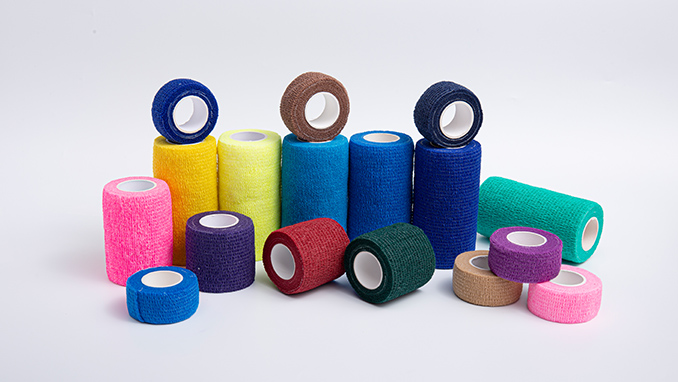
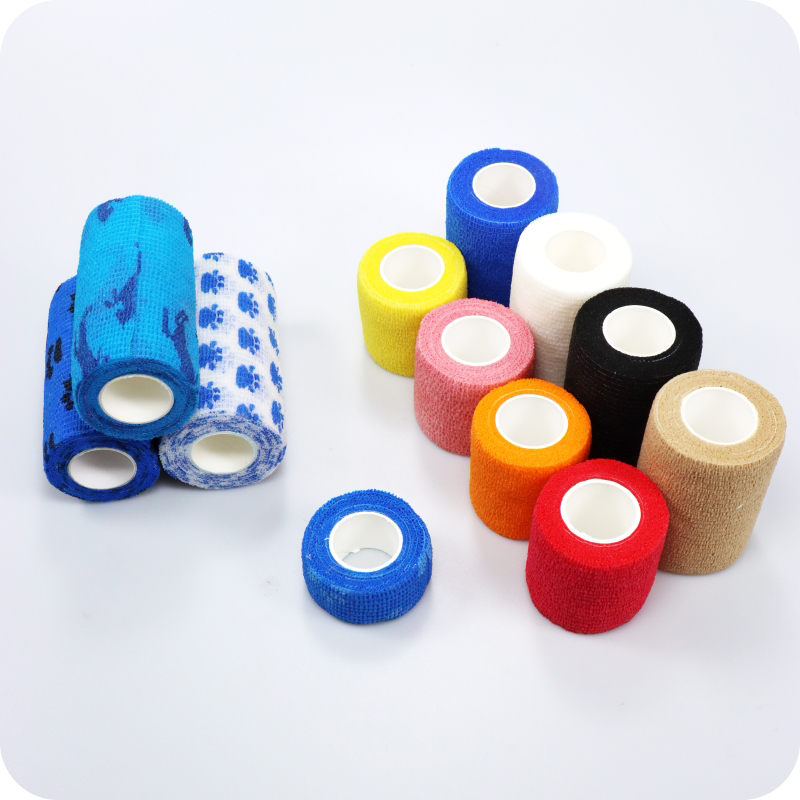
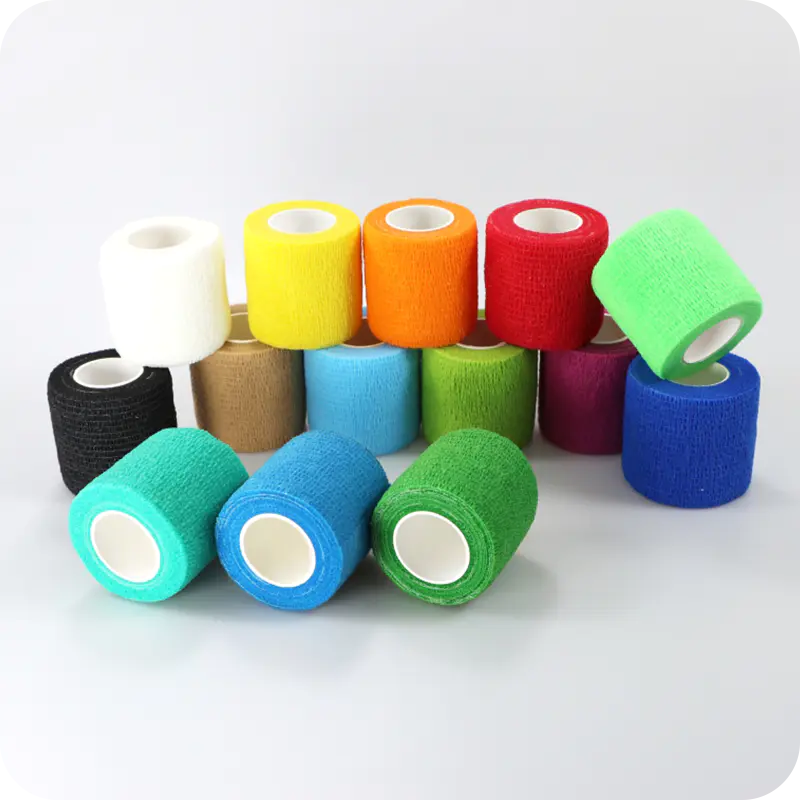
Modern light elastic bandages come in two primary closure types, each suited to different applications. Self-adherent or cohesive bandages contain a surface treatment that causes the material to stick to itself without adhering to skin, hair, or clothing. This feature proves invaluable for wrapping difficult-to-secure areas, providing coverage over wounds without tape irritation, and allowing quick removal and reapplication. The self-gripping property maintains position during activity but allows easy adjustment when needed.
Traditional bandages with metal clips or hook-and-loop closures offer advantages in clinical settings where precise tension control is essential. These closures allow micro-adjustments to compression levels and provide secure fastening that does not loosen with movement. However, they require more skill to apply correctly and may cause discomfort if the clips press against bony prominences. Some patients prefer the familiar feel of traditional bandages, particularly older adults who have used them throughout their lives.
Specialized Variants for Unique Applications
Manufacturers have developed specialized light elastic bandages to address specific clinical needs. Extra-wide varieties measuring 20 centimeters accommodate thoracic or abdominal wrapping following surgery or trauma. Pediatric sizes with fun patterns encourage compliance in young patients who might otherwise resist medical treatments. Waterproof or water-resistant options allow showering without bandage changes, though they require careful drying afterward to prevent skin maceration.
High-visibility colors serve safety purposes in occupational settings, making workers' support wraps noticeable to prevent accidents. Reflective strips incorporated into athletic bandages enhance visibility during early morning or evening training sessions. These innovations demonstrate how a basic medical product evolves to meet diverse user requirements while maintaining core therapeutic functionality.
Care and Maintenance Best Practices
Cleaning and Storage Protocols
Proper maintenance extends the functional lifespan of light elastic bandages and prevents skin complications. Wash reusable bandages after each day of wear using mild soap and lukewarm water. Avoid harsh detergents, bleach, or fabric softeners, which degrade elastic fibers and reduce compression effectiveness. Gently squeeze excess water without wringing, which can permanently stretch the material. Lay flat or hang to dry away from direct sunlight and heat sources, as ultraviolet radiation and high temperatures accelerate elastic deterioration.
Store clean, dry bandages in a cool, dry location away from direct sunlight. Rolling rather than folding prevents creases that could create pressure points during application. Keep bandages separate from sharp objects, Velcro fasteners, or jewelry that could snag the woven material. Organizing multiple bandages by size and compression level facilitates quick selection during urgent situations.
Recognizing When Replacement Is Necessary
Even with diligent care, elastic bandages eventually lose therapeutic value. Key indicators that replacement is needed include:
- Permanent stretching exceeding 10% beyond original length
- Loss of elasticity causing the bandage to sag within one hour of application
- Fraying, holes, or thinning areas in the fabric
- Persistent odors despite proper washing
- Discoloration or staining that cannot be removed
- Failed closures or clips that no longer secure properly
Continuing to use a degraded bandage not only fails to provide therapeutic compression but may create new problems through uneven pressure distribution or skin irritation. Maintaining a supply of fresh bandages ensures continuous effective treatment without interruption.
Frequently Asked Questions
Q1: How tight should a light elastic bandage be wrapped?
The bandage should feel snug but not painful. You should be able to slide one finger under the wrap, and distal extremities should remain warm with normal color. If you experience numbness, tingling, or increased pain, the bandage is too tight and should be loosened.
Q2: Can I sleep with a light elastic bandage on?
Generally, light elastic bandages can be worn during sleep if prescribed by your healthcare provider for conditions like edema management. However, ensure the compression is lighter than daytime application and check circulation upon waking. Some conditions require nighttime elevation instead of compression.
Q3: How often should I change or rewrap the bandage?
Rewrap every 8 to 12 hours or whenever the bandage becomes loose, wet, or uncomfortable. For post-surgical applications, follow your surgeon's specific instructions, which may require more frequent changes during the initial recovery period.
Q4: Can I get the bandage wet?
Standard cotton elastic bandages should not get wet as moisture compromises elasticity and can cause skin maceration. Remove before bathing unless using a waterproof cover. Some specialized water-resistant varieties exist but still require thorough drying after exposure.
Q5: Is it normal for the skin to have indentations after removing the bandage?
Mild temporary marks from the weave pattern are normal and should fade within 15 to 30 minutes. Deep grooves, persistent redness, or skin discoloration lasting longer than 30 minutes indicate excessive compression and require technique adjustment or medical consultation.
Q6: Can children use light elastic bandages?
Yes, but with pediatric-specific sizes and closer monitoring. Children's skin is more sensitive, and they may not communicate discomfort effectively. Check circulation more frequently and use lighter compression than adult applications.
Q7: How do I wash a reusable elastic bandage?
Hand wash in mild soap and lukewarm water, rinse thoroughly, and air dry flat or hanging. Avoid machine washing, dryers, bleach, and fabric softeners. Proper care maintains elasticity for 50 to 100 wash cycles.
Q8: What is the difference between light and heavy compression bandages?
Light compression provides 15 to 20 mmHg pressure suitable for mild swelling and preventive support. Heavy compression delivers 30 to 40 mmHg or higher for severe lymphedema or venous ulcers. Light bandages allow






 English
  русский
  Français
  Español
  عربى
عربى 

 ENG
ENG