The Evolution of Finger Protection in Modern Athletics
In the contemporary landscape of competitive sports, the margin between peak performance and a season-ending injury is often measured in millimeters. Athletes across disciplines—ranging from basketball and volleyball to rock climbing and weightlifting—rely heavily on the structural integrity of their hands. The fingers, while remarkably versatile, are composed of intricate small bones, ligaments, and tendons that are highly susceptible to strain, hyperextension, and skin abrasions. The introduction of the self-adhesive finger bandage has revolutionized how athletes manage these risks, providing a non-restrictive yet highly supportive barrier that adapts to the dynamic movements of the hand.
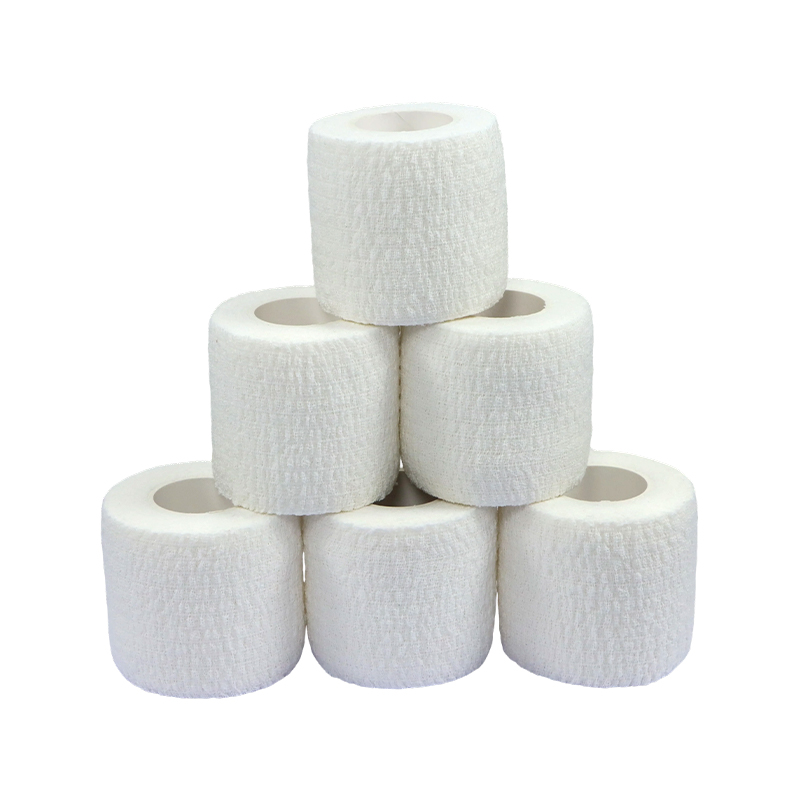
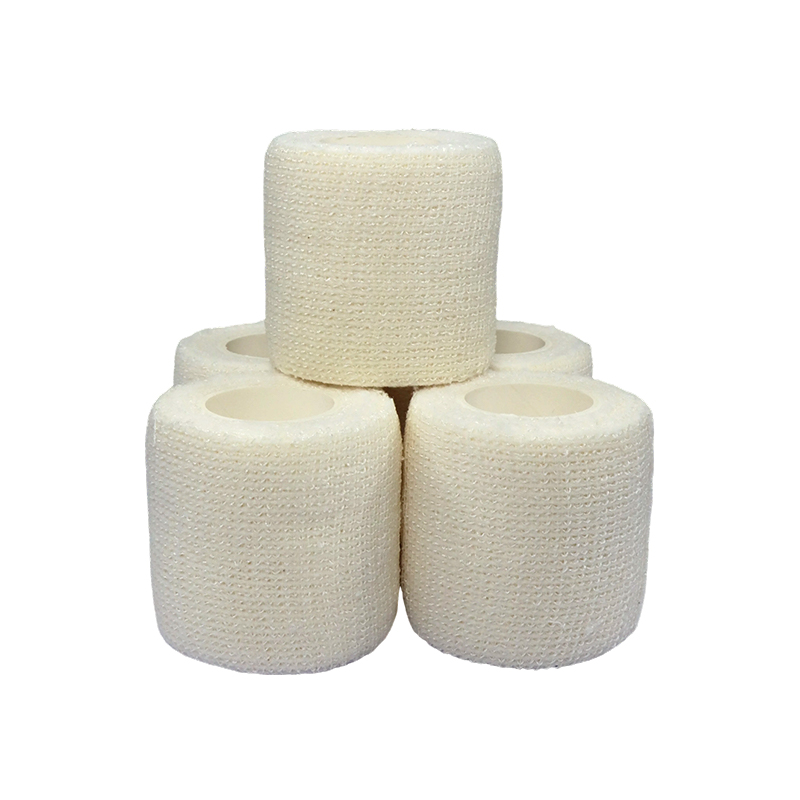
Unlike traditional medical tapes that require separate adhesives or zinc oxide coatings which can irritate the skin, modern self-adhesive wraps utilize a cohesive technology. This means the material sticks only to itself and not to the skin or hair. This characteristic is particularly vital for fingers, where the skin is sensitive and the range of motion is complex. A Breathable Finger Protection Bandage allows for the natural evaporation of sweat, which is a critical factor in maintaining the friction necessary for ball handling or equipment manipulation during high-intensity intervals.
The technical utility of these bandages extends beyond mere injury prevention. They serve as a secondary skin, reinforcing the pulleys of the finger and providing compression that can reduce post-activity swelling. By understanding the mechanical advantages of these wraps, trainers and athletes can better implement them into their daily preparation routines, ensuring that the smallest parts of the body are capable of withstanding the greatest forces.
Mechanical Advantages and Material Composition
The efficacy of a finger bandage is determined by its material composition. Most professional-grade wraps are constructed from a blend of non-woven fibers and elastic yarns. This combination ensures that the bandage can stretch to accommodate joint flexion while maintaining enough tensile strength to prevent the joint from moving into dangerous ranges of motion. The "self-adhesive" property is usually achieved through a latex or synthetic coating that creates a microscopic interlocking mechanism when the layers are pressed together.
The Importance of Breathability
During physical exertion, the hands are one of the primary areas for heat dissipation. If a bandage traps moisture, the skin can become macerated, leading to blisters and a decrease in the structural integrity of the skin. A high-quality Breathable Finger Protection Bandage features a porous structure that facilitates airflow. This is not just about comfort; it is about performance. A dry hand maintains a more consistent grip on a basketball, a tennis racket, or a gymnastics bar, reducing the likelihood of slips that could lead to more severe orthopedic injuries.
Tensile Strength and Compression
Compression is a fundamental principle in sports medicine for managing acute injuries. The elastic properties of self-adhesive wraps allow the user to apply a specific amount of tension. This localized pressure helps in managing the inflammatory response by limiting the space available for fluid buildup. Furthermore, the tensile strength of the wrap acts as an external ligament, reinforcing the medial and lateral collateral ligaments of the finger joints during lateral stress movements common in sports like volleyball.
Practical Applications Across Different Sports
The application of finger bandages varies significantly depending on the demands of the specific sport. The following table outlines how different athletic needs are met by the properties of self-adhesive wraps:
| Sport Category |
Primary Finger Stress |
Bandage Benefit |
| Ball Sports (Basketball/Volleyball) |
Impact & Hyperextension |
Joint Stabilization & Impact Absorption |
| Racket Sports (Tennis/Badminton) |
Friction & Blisters |
Skin Protection & Enhanced Grip |
| Strength Training (Weightlifting) |
Callus Tearing & Pressure |
Friction Reduction & Load Distribution |
| Combat Sports (BJJ/Judo) |
Gripping & Entanglement |
Buddy Taping & Ligament Support |
Buddy Taping Techniques
One of the most effective uses of the self-adhesive bandage is "buddy taping," where an injured finger is wrapped together with an adjacent healthy finger. The healthy finger acts as a natural splint, allowing for functional movement while preventing the injured finger from twisting or bending awkwardly. Because self-adhesive wraps are thin and conformable, they are ideal for this technique as they do not add excessive bulk, allowing the athlete to still fit their hand into a glove or maintain a natural grip on a ball.
Psychological and Visual Benefits of Color Coding
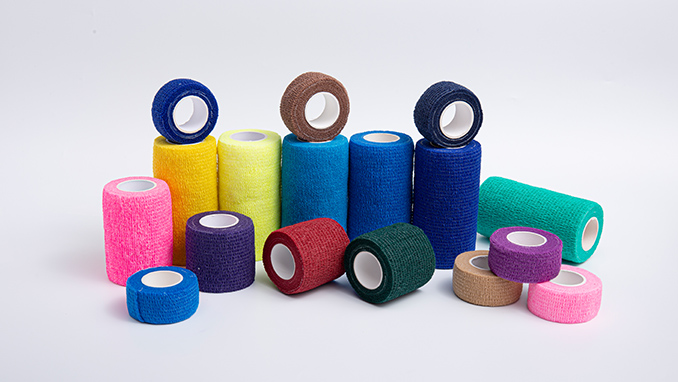
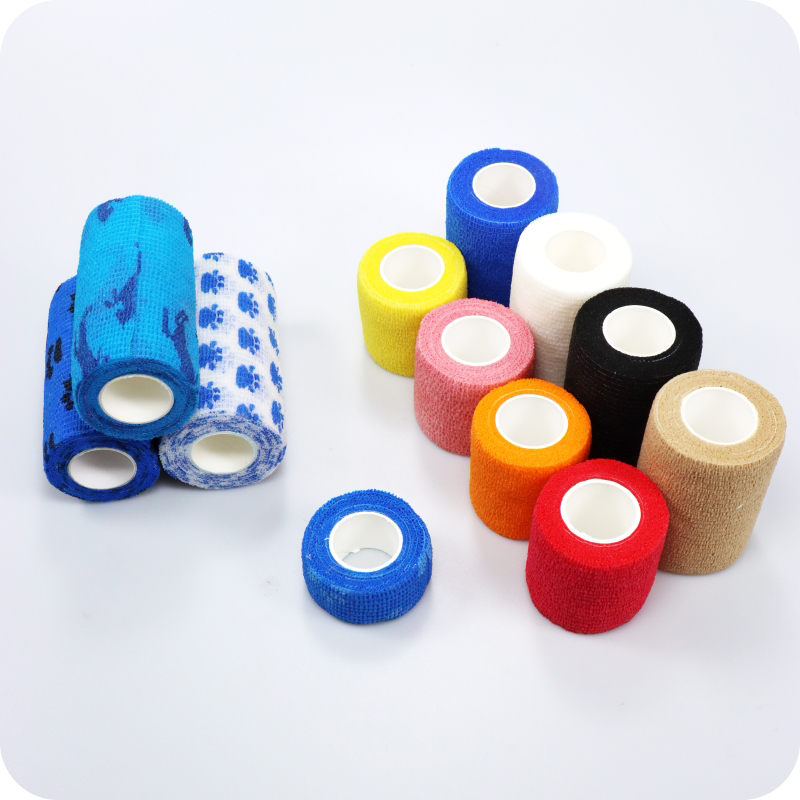
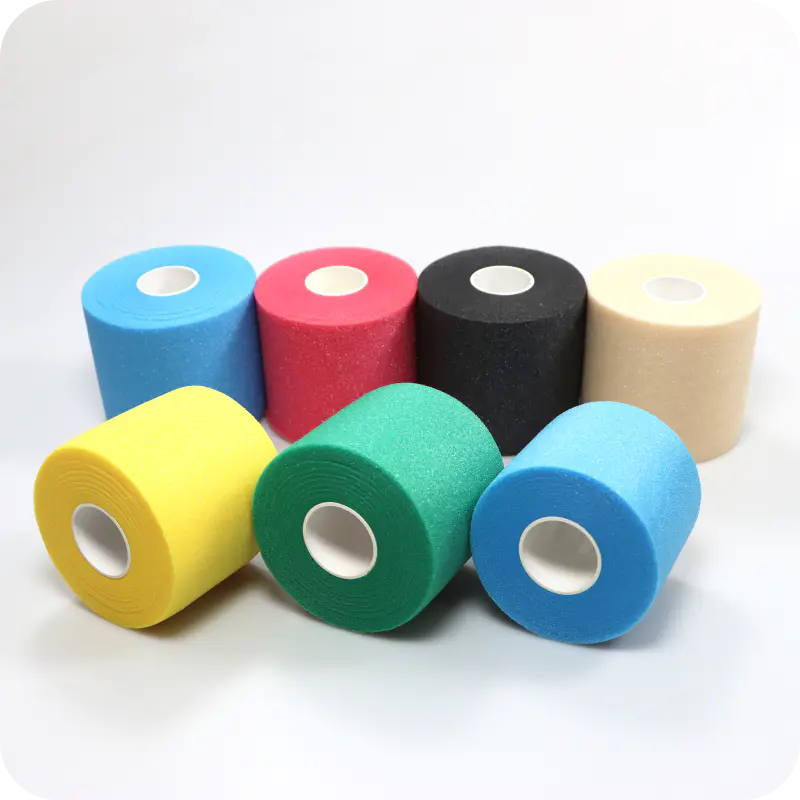
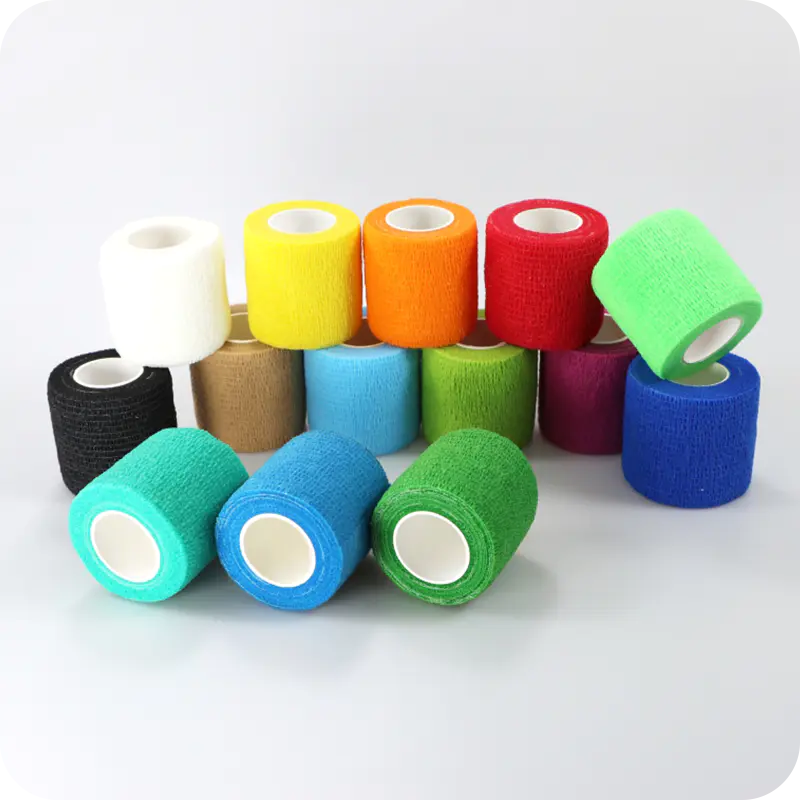
While the primary function of a bandage is physical support, the psychological aspect of "war paint" or uniform matching cannot be ignored in sports. The availability of various colors serves both aesthetic and functional purposes. For instance:
- Red Finger Protection Bandage: Often used for high visibility. In sports like basketball, a coach or trainer can easily see if a player’s injured finger is properly protected from across the court. It also serves as a visual reminder to the athlete to be mindful of that specific digit.
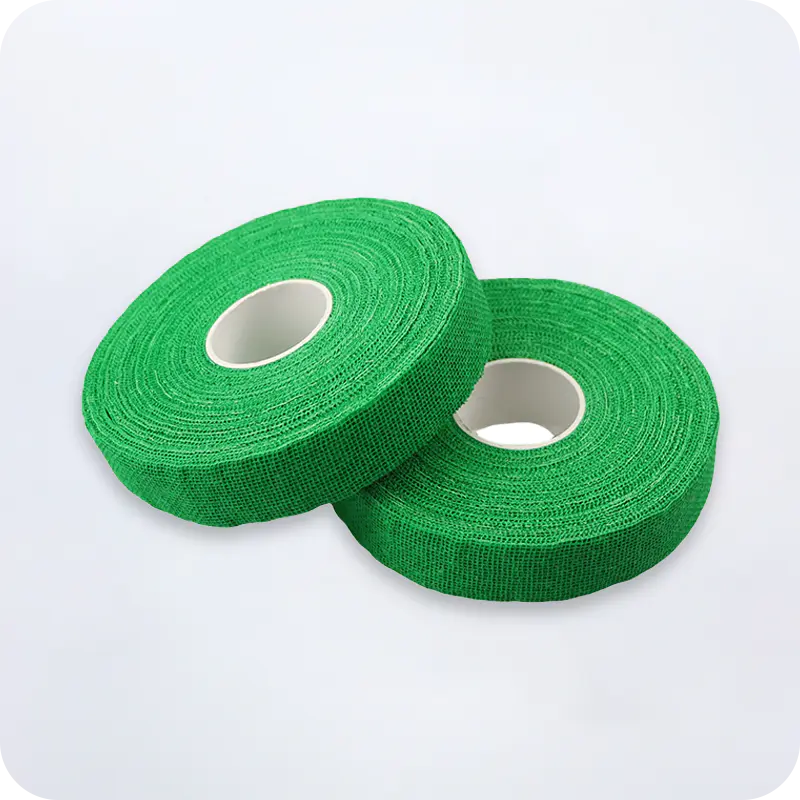
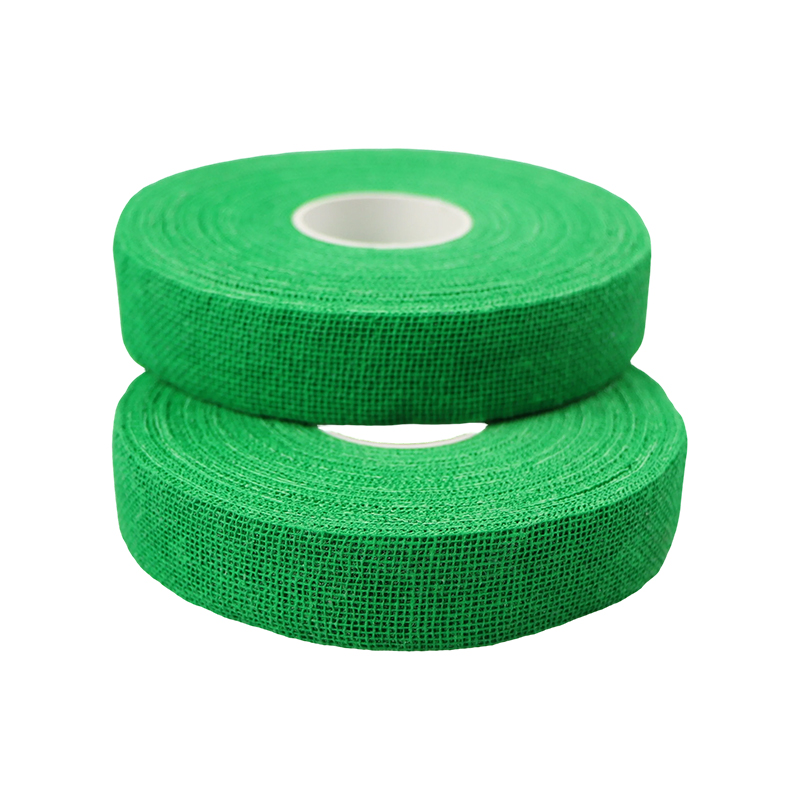
- Green Finger Protection Bandage: Frequently chosen for outdoor sports or as part of a team’s color scheme. It provides a professional look that integrates seamlessly with athletic gear.
- Lake blue Finger Protection Bandage: A popular choice for aquatic-related sports or for athletes who prefer a calming, cool aesthetic. The color remains vibrant even when exposed to moisture and sweat.
The ability to choose colors allows athletes to maintain a sense of personal style and team cohesion, which can contribute to a positive mental state during recovery and competition. Consistency in equipment often leads to consistency in performance.
Detailed Application Guide for Maximum Efficacy
To maximize the benefits of a self-adhesive wrap, proper application is essential. Incorrect wrapping can lead to restricted blood flow or inadequate support. Follow these steps for a professional-grade application:
- Clean and Dry: Ensure the finger is free of oils, dirt, and excessive moisture. This ensures the first layer of the bandage sets the foundation for the rest of the wrap.
- Anchor Point: Start the wrap at the base of the finger, just above the knuckle. Make one full rotation without tension to act as an anchor.
- Spiral Technique: Move up the finger in a spiral motion, overlapping each layer by approximately 50%. Apply moderate tension on the "up" stroke and release tension slightly as you come around the finger to avoid a tourniquet effect.
- Joint Flexion: If you are wrapping a joint, keep the finger slightly bent (in a functional position). This ensures the bandage doesn't become too tight when the athlete grips an object.
- Finish and Press: Once the desired area is covered, tear the bandage (most are hand-tearable) and press the end firmly against the underlying layers to lock the cohesive bond.
Pro Tip: For sports involving significant lateral movement, consider an "X" pattern over the joints. This mimics the anatomical structure of the collateral ligaments, providing targeted support exactly where the finger is most vulnerable.
The Science of Cohesive Adhesion
The primary technology behind the self-adhesive bandage is its cohesive property. This is achieved by coating the fibers with a material that has a high affinity for itself but a low affinity for other surfaces. This is a significant advantage in sports for several reasons:
First, it eliminates the "adhesive creep" often found with traditional tapes. As the body heats up and sweats, traditional adhesives can melt or slide, causing the tape job to lose its tension and support. A cohesive bandage maintains its position because the bond is mechanical between the layers, not chemical between the tape and the skin.
Second, the absence of sticky residue means that the athlete can remove and reapply the bandage quickly during a game if necessary. This is particularly useful in tournament settings where an athlete might have multiple matches in a single day and needs to refresh their support system between rounds.
Comparative Analysis: Self-Adhesive vs. Traditional Athletic Tape
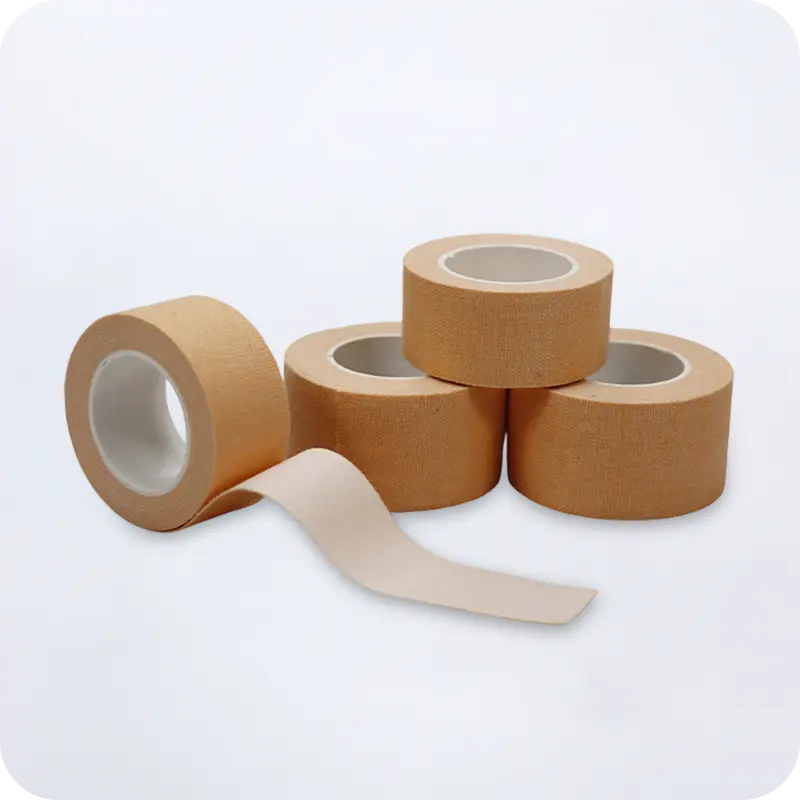
While traditional rigid athletic tape has its place in sports medicine, the self-adhesive finger bandage offers distinct advantages for specific scenarios:
| Feature |
Traditional Rigid Tape |
Self-Adhesive Bandage |
| Skin Irritation |
High (due to glue) |
Very Low (cohesive) |
| Flexibility |
Low / Restrictive |
High / Dynamic |
| Reusability |
None |
Limited Reapplication Possible |
| Breathability |
Low |
High |
For fingers, where precision movement is as important as stability, the flexibility and breathability of the self-adhesive option usually make it the superior choice for active play, whereas rigid tape might be reserved for total immobilization following a fracture or severe tear.
Maintenance and Storage for Longevity
To ensure that your bandages retain their cohesive properties and elasticity, proper storage is required. These products are sensitive to extreme temperatures and prolonged UV exposure. High heat can cause the cohesive coating to become overly "gummy," while extreme cold can make the elastic fibers brittle.
Athletes should keep their rolls in a cool, dry place, ideally within a dedicated medical kit or a side pocket of their gym bag. It is also advisable to keep the rolls in their original individual packaging until use to prevent dust and lint from sticking to the edges, which can compromise the integrity of the self-adhesive bond when applied.
Frequently Asked Questions
Q1: Can I wear a finger protection bandage while swimming?
While most self-adhesive bandages are water-resistant and will stay on during short periods of immersion, prolonged swimming may eventually loosen the cohesive bond. It is recommended to apply a fresh wrap after exiting the water for maximum support.
Q2: How tight should I wrap my finger for sports?
The wrap should be snug enough to provide support and stay in place, but not so tight that it causes tingling, numbness, or a change in skin color (turning blue or white). A good rule of thumb is that you should still be able to feel your pulse and have some degree of joint movement unless total immobilization is required.
Q3: Are these bandages reusable?
Generally, self-adhesive bandages are designed for single use in a sports context to ensure maximum hygiene and tension. However, if the wrap was only used for a short period and remains clean, it can sometimes be reapplied. For competitive play, a fresh roll is always recommended.
Q4: Does the color of the bandage affect its performance?
No, the performance characteristics like elasticity and breathability are identical across colors. Whether you choose a Red, Green, or Lake Blue Finger Protection Bandage, the technical specifications remain the same; the choice is purely based on visibility and personal preference.






 English
  русский
  Français
  Español
  عربى
عربى 

 ENG
ENG