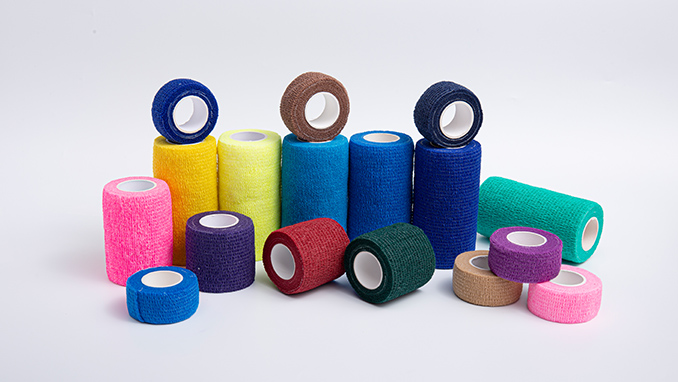
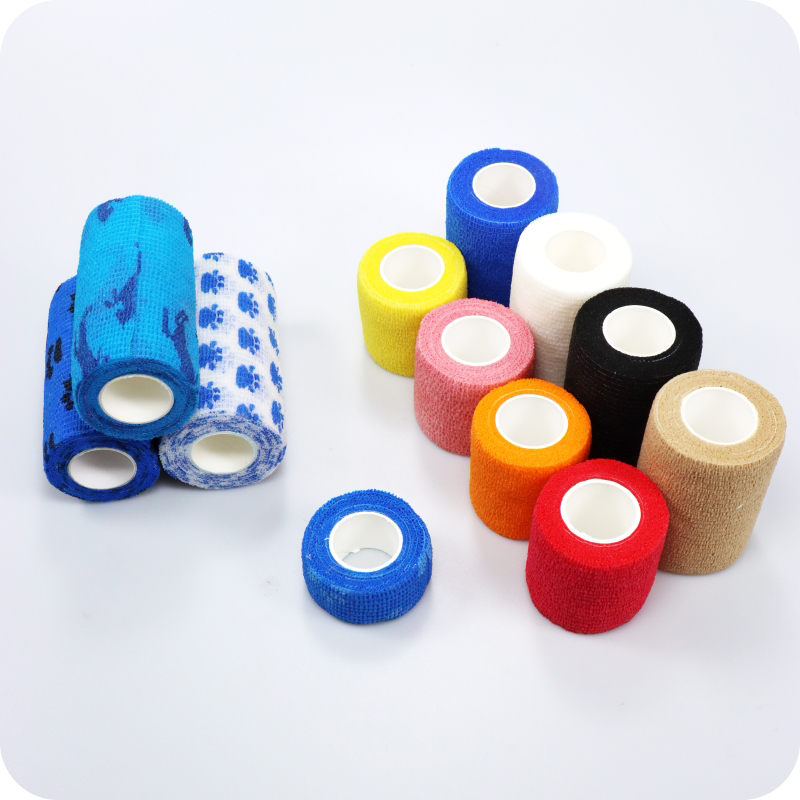
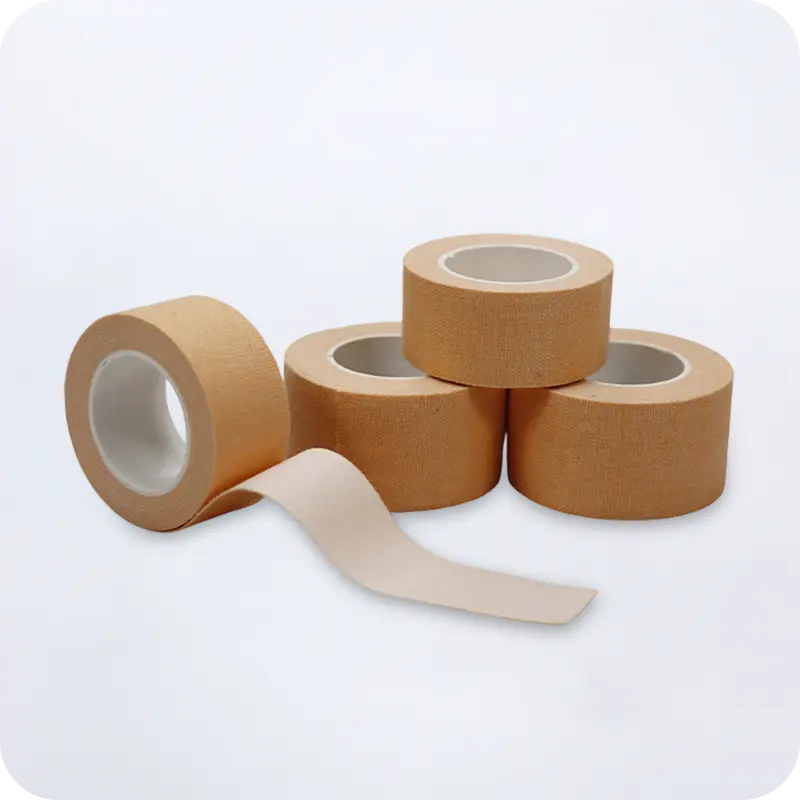
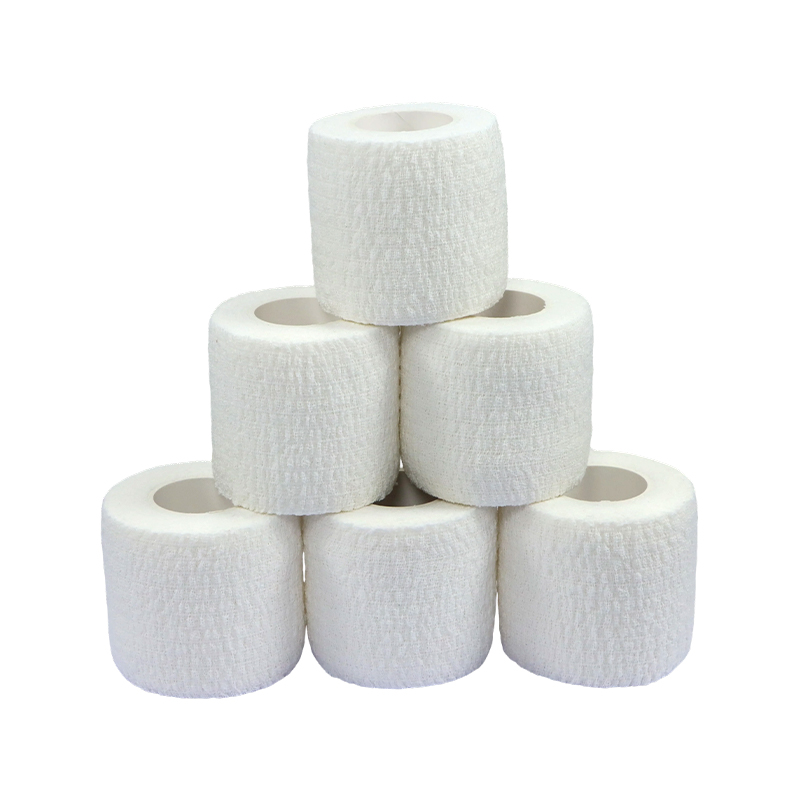
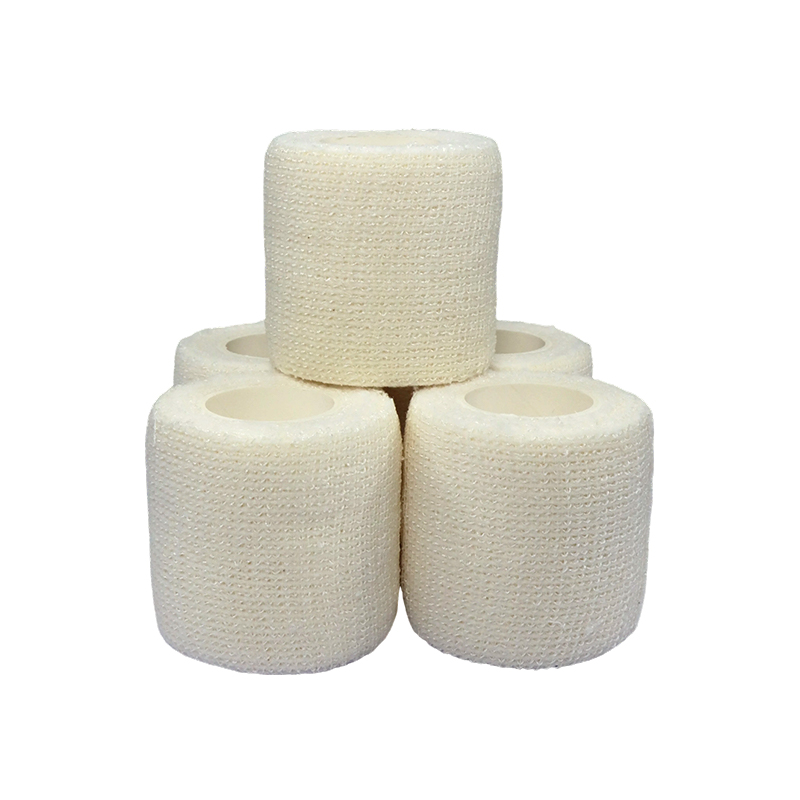
Hypoallergenic underwraps for athletic protection are an essential product used by athletes across various sports to provide comfort, prevent skin irritation, and enhance the performance of athletic tape. These products, while highly beneficial, can be ineffective or even cause discomfort if not used correctly.
Mistake 1: Applying Hypoallergenic Underwraps Too Tight
One of the most common mistakes athletes make is applying hypoallergenic underwraps for athletic protection too tightly. This can lead to restricted blood flow, discomfort, and even skin abrasions. Proper application ensures the wraps are snug but not restrictive, allowing for full range of motion and comfort during physical activity.
Why It Happens
Athletes often mistake tightness for better support or durability, thinking a tighter wrap will hold the athletic tape in place more securely. However, overly tight application can cause serious consequences such as swelling, numbness, or even skin damage.
How to Avoid This Mistake
To avoid this mistake, athletes should ensure the underwraps are applied with moderate tension, maintaining a balance between securing the tape and leaving enough room for circulation. It’s also advisable to periodically check for signs of discomfort, such as tingling or tightness, and adjust the wrap accordingly.
Mistake 2: Not Cleaning the Skin Before Application
Before using hypoallergenic underwraps for athletic protection, it is crucial to ensure the skin is clean and dry. Dirt, oils, or sweat on the skin can cause the underwraps to adhere improperly, reducing their effectiveness and potentially causing irritation.
Why It Happens
In the rush to get ready for practice or competition, athletes may neglect to properly clean their skin before applying the wraps. This mistake can lead to poor adhesion, discomfort, and skin rashes due to friction between the wrap and the skin.
How to Avoid This Mistake
Athletes should make sure the skin is thoroughly cleaned with soap and water, and fully dried before applying any underwraps. In cases of excessive sweating, using a gentle skin wipe or cloth can help keep the skin clean.
Mistake 3: Overlapping Too Much of the Underwrap
When wrapping with hypoallergenic underwraps for athletic protection, some athletes make the mistake of overlapping the material excessively. This can create bulky, uncomfortable layers, which not only increase friction but may also hinder movement and flexibility.
Why It Happens
The tendency to overlap too much stems from the belief that additional layers will provide more protection or will make the wrap last longer. In reality, this can cause discomfort and create uneven pressure points on the skin.
How to Avoid This Mistake
Athletes should aim to overlap the underwrap just slightly—enough to ensure it stays in place, but not so much that it adds unnecessary thickness. A single, smooth layer should be sufficient for most athletes.
Mistake 4: Using Underwraps as a Substitute for Athletic Tape
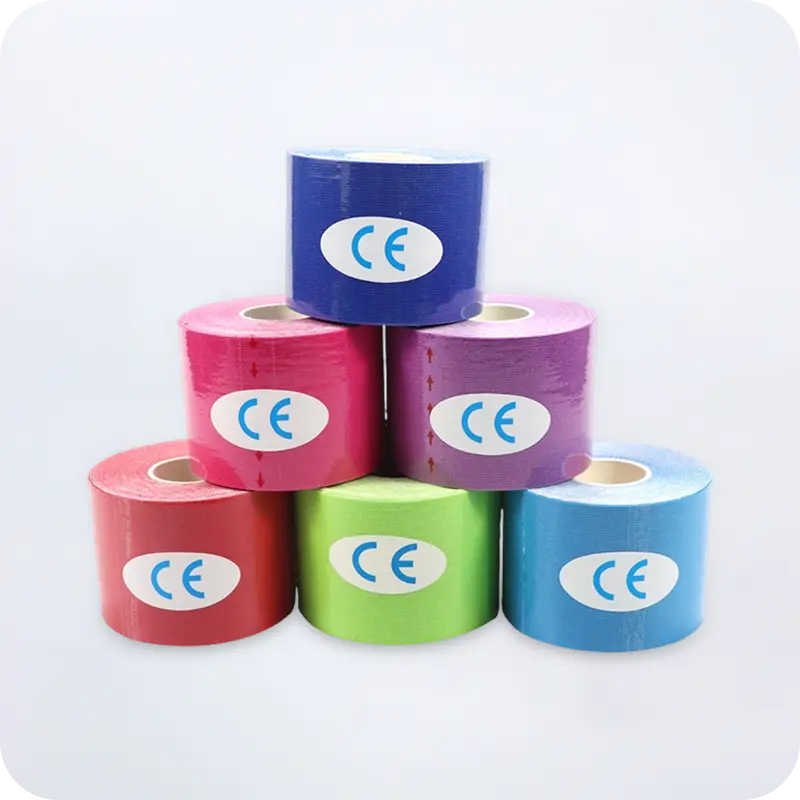
While hypoallergenic underwraps for athletic protection help protect the skin, they are not designed to replace athletic tape. Some athletes mistakenly use underwraps in place of tape, thinking it will provide the same level of support and stability.
Why It Happens
Some athletes might think that underwraps alone can provide adequate support, especially for minor injuries or for protection against friction. However, underwraps are primarily designed for comfort and skin protection, not stabilization or immobilization.
How to Avoid This Mistake
Athletes should use hypoallergenic underwraps for athletic protection as a base layer underneath athletic tape for additional comfort and protection. When more support is needed, proper athletic tape should be applied over the underwraps to stabilize muscles or joints.
Mistake 5: Failing to Replace Underwraps After Multiple Uses
Although hypoallergenic underwraps for athletic protection can be durable, using them repeatedly without replacement can lead to loss of effectiveness, especially if they become stretched out, dirty, or damaged.
Why It Happens
Athletes may overlook replacing their underwraps, believing that as long as they are still intact, they can continue using them. However, over time, underwraps can lose their elasticity, making them less effective at providing the desired protection and comfort.
How to Avoid This Mistake
Athletes should check their underwraps after each use for any signs of wear, such as fraying edges or stretching. When the material begins to lose its shape or becomes less effective, it’s time to replace it with a new roll.
Mistake 6: Ignoring Skin Sensitivities
Hypoallergenic underwraps for athletic protection are designed to minimize skin irritation, but they are not immune to causing discomfort in highly sensitive individuals. Athletes may not take their unique skin sensitivities into account when choosing their underwraps.
Why It Happens
Not all athletes are aware of their individual skin sensitivities or may assume that hypoallergenic options will work for everyone. Some athletes may have an allergic reaction or irritation, even with hypoallergenic materials.
How to Avoid This Mistake
Before applying hypoallergenic underwraps for athletic protection, athletes should test the product on a small area of skin to check for any adverse reactions. If irritation occurs, the underwraps should be discontinued, and alternative materials should be explored.
Mistake 7: Applying Underwraps Over Open Wounds
Athletes should avoid applying hypoallergenic underwraps for athletic protection over open cuts, abrasions, or wounds. Doing so can lead to infections, worsen the injury, or cause further discomfort.
Why It Happens
In the heat of competition or training, athletes may neglect to assess their skin for injuries before applying underwraps, thinking they can tape over it for protection. This mistake can trap bacteria and irritants under the wrap, causing complications.
How to Avoid This Mistake
Athletes should carefully inspect their skin before applying underwraps, avoiding areas with cuts or wounds. If necessary, protective bandages should be used on injured areas before applying underwraps to avoid irritation and prevent infection.
Conclusion
Using hypoallergenic underwraps for athletic protection correctly is crucial for ensuring optimal comfort and performance. By avoiding common mistakes such as applying them too tightly, failing to clean the skin, and using them as a substitute for tape, athletes can enjoy the full benefits of these products without unnecessary complications.
Frequently Asked Questions (FAQ)
-
What is the primary benefit of hypoallergenic underwraps for athletic protection?
Hypoallergenic underwraps for athletic protection primarily offer comfort and skin protection for athletes. They help prevent skin irritation, chafing, and blisters, especially when used in combination with athletic tape. These wraps are designed for sensitive skin and reduce the risk of allergic reactions that can occur with regular underwraps or adhesive tapes.
-
Can hypoallergenic underwraps be reused?
Generally, hypoallergenic underwraps for athletic protection are designed for single-use. While some high-quality underwraps may last through a few training sessions, it is best to replace them after they begin to lose elasticity or become dirty. Reusing underwraps beyond their intended lifespan can reduce their effectiveness and may lead to skin irritation.
-
Are hypoallergenic underwraps safe for all skin types?
Hypoallergenic underwraps for athletic protection are designed to be safe for most skin types, particularly those prone to irritation or allergic reactions. However, it’s important for athletes with sensitive or highly allergic skin to perform a patch test before use. While they are designed to minimize irritation, individual skin sensitivities can still vary.
-
How do I remove hypoallergenic underwraps after use?
Removing hypoallergenic underwraps for athletic protection is typically easy and painless. Gently peel the underwrap off the skin, taking care not to pull too hard, especially in areas with hair. If the underwraps are stuck, using a mild lotion or adhesive remover can help to loosen them without damaging the skin.
-
Can hypoallergenic underwraps be used in extreme weather conditions?
Hypoallergenic underwraps for athletic protection can be used in extreme weather conditions, such as hot or cold climates, as they are generally breathable and moisture-wicking. However, in very hot and humid conditions, athletes may experience more sweat buildup, which can affect the adhesion of the underwraps. In these cases, it’s advisable to check the wraps during use and adjust as needed to maintain comfort and effectiveness.
References
- Smith, J., & Jones, M. (2022). Athletic Tape and Skin Protection: A Guide for Athletes. Sports Health Press.
- Davis, R. (2021). Understanding Sports Injury Prevention and Protection. Sports Medicine Journal.
- Williams, L. (2020). The Role of Underwraps in Athletic Performance and Comfort. Athletic Science Review.






 English
  русский
  Français
  Español
  عربى
عربى 

 ENG
ENG