Kinesiology tape for athletic sport protection is a versatile tool used widely by athletes, coaches, and healthcare professionals. This innovative tape plays a key role in preventing muscle fatigue, promoting recovery, and enhancing performance during physical activities.
What is kinesiology tape for athletic sport protection?
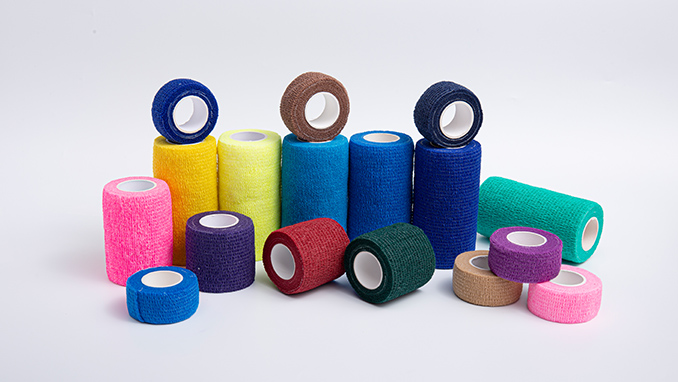
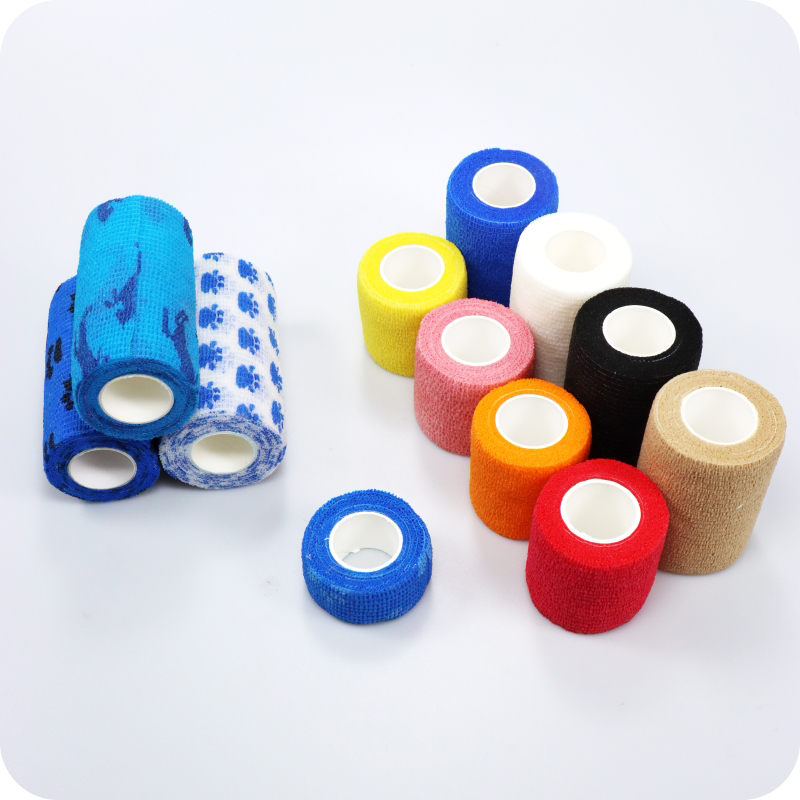
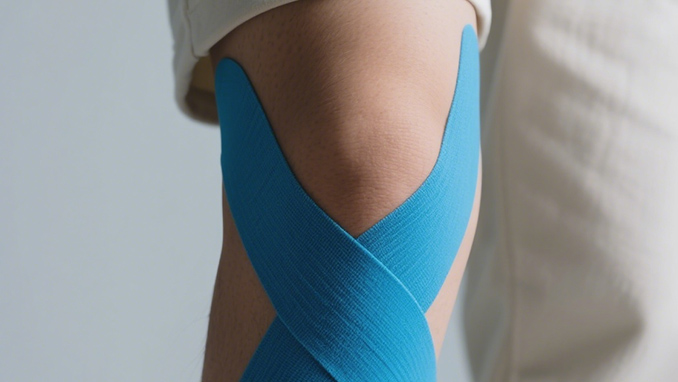
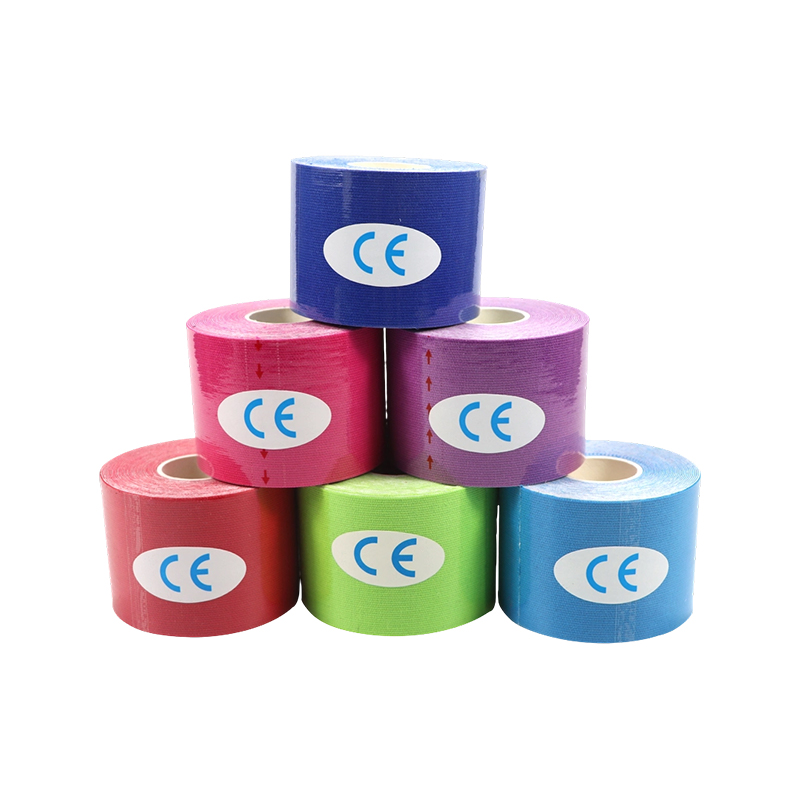
Kinesiology tape for athletic sport protection is a flexible, elastic therapeutic tape designed to support muscles and joints without restricting movement. It is typically made of cotton or nylon and has an acrylic adhesive that allows it to adhere to the skin for extended periods. The tape is used for various purposes, including pain management, reducing swelling, improving muscle performance, and preventing fatigue during sports activities.
Unlike traditional athletic tape, which is often rigid and restricts movement, kinesiology tape is highly elastic, mimicking the elasticity of human skin. This flexibility allows athletes to move freely while providing support to the affected area, thus preventing fatigue and improving recovery.
The Science Behind Muscle Fatigue and Kinesiology Tape
Muscle fatigue occurs when muscles are unable to maintain optimal performance after prolonged use or intense activity. This can be due to a variety of factors, including energy depletion, the accumulation of metabolic waste products like lactic acid, and micro-tears in muscle fibers. These factors contribute to a feeling of tiredness or weakness in the muscles, ultimately affecting an athlete’s performance and recovery.
Kinesiology tape is designed to help reduce muscle fatigue by providing support to muscles and improving circulation. By lifting the skin slightly away from the muscle tissue, kinesiology tape promotes better blood flow to the muscles, which helps flush out metabolic waste products. Additionally, it aids in maintaining proper muscle alignment during physical activity, thereby reducing strain on the muscles and preventing excessive fatigue.
How does kinesiology tape for athletic sport protection help reduce muscle fatigue?
Kinesiology tape works through several mechanisms that directly impact muscle fatigue. These include enhancing circulation, supporting muscle function, and reducing inflammation. Let’s explore these mechanisms in more detail:
1. Enhancing Circulation
One of the primary benefits of kinesiology tape for athletic sport protection is its ability to improve circulation to the muscles. When applied correctly, the tape slightly lifts the skin, creating space between the skin and muscle tissue. This process improves blood flow, allowing oxygen and nutrients to reach the muscles more efficiently while also helping to remove waste products such as lactic acid, which contributes to muscle fatigue.
Improved circulation ensures that muscles receive the oxygen and nutrients they need to function optimally, reducing the onset of fatigue during physical activity. This is particularly beneficial during prolonged or high-intensity exercise, where muscle fatigue is a common issue.
2. Supporting Muscle Function
Muscle fatigue can also occur when muscles are overworked and unable to function properly. Kinesiology tape helps by providing muscle support without restricting movement. The tape allows muscles to move freely, but it still provides enough support to prevent overstretching or excessive strain during activities.
By helping maintain proper muscle alignment and reducing the strain on muscles, kinesiology tape can prevent fatigue from setting in too early during physical exertion. This support is particularly valuable during activities that require repetitive or sustained muscle movements, such as running, cycling, and weightlifting.
3. Reducing Inflammation and Swelling
Another way kinesiology tape helps prevent muscle fatigue is by reducing inflammation and swelling in the muscles. After intense activity, the body may experience micro-tears in the muscle fibers, leading to swelling and discomfort. Kinesiology tape can aid in reducing inflammation by improving lymphatic drainage.
The lifting effect of the tape creates a “space” under the skin, allowing excess fluid to drain from the affected area. This reduces the swelling around the muscles, alleviates discomfort, and accelerates recovery. By addressing inflammation and swelling, kinesiology tape helps muscles recover faster, reducing the risk of fatigue in subsequent activities.
Applications of Kinesiology Tape for Athletic Sport Protection
Athletes can benefit from kinesiology tape in a variety of ways to prevent muscle fatigue. Proper application is key to achieving the desired results. Below are some common applications of kinesiology tape for preventing fatigue in different muscle groups.
1. Lower Body:
Kinesiology tape is often applied to the quadriceps, hamstrings, and calves to support these large muscle groups during running or cycling. By providing support to these muscles, kinesiology tape helps maintain optimal performance and reduces the onset of fatigue during endurance activities.
Table 1: Common Lower Body Applications for Kinesiology Tape
| Muscle Group |
Purpose of Application |
Benefits |
| Quadriceps |
Support during running or cycling |
Reduces muscle fatigue and enhances performance |
| Hamstrings |
Support during sprinting or agility drills |
Prevents overstretching and reduces fatigue |
| Calves |
Prevent cramping and muscle fatigue |
Improves circulation and supports muscle function |
2. Upper Body:
The shoulders, trapezius, and biceps are frequently taped to prevent fatigue during activities such as weightlifting, swimming, and tennis. Kinesiology tape can help prevent overuse of these muscles, reducing the strain that contributes to muscle fatigue.
Table 2: Common Upper Body Applications for Kinesiology Tape
| Muscle Group |
Purpose of Application |
Benefits |
| Shoulders |
Support during weightlifting or swimming |
Reduces muscle fatigue and enhances performance |
| Trapezius |
Support during overhead movements |
Prevents strain and reduces muscle fatigue |
| Biceps |
Support during resistance training |
Provides muscle support without restricting movement |
Best Practices for Applying Kinesiology Tape to Prevent Muscle Fatigue
For optimal results, kinesiology tape should be applied correctly. The following tips will help ensure that athletes get the most out of their kinesiology tape:
- Clean the Skin: Ensure that the skin is clean and dry before applying the tape. Oil, lotion, or sweat can prevent the tape from adhering properly.
- Stretch the Tape: Gently stretch the tape as you apply it, but avoid overstretching it. This helps the tape provide the right amount of support.
- Apply with Tension: Apply the tape with moderate tension, but do not stretch it too much. The tension should be enough to lift the skin slightly and improve circulation.
- Use Correct Tape Length: Use enough tape to cover the muscle or joint, but avoid excessive overlap, which can lead to discomfort.
- Apply Before Activity: For best results, apply kinesiology tape before engaging in physical activity to prevent muscle fatigue.
Conclusion
Kinesiology tape for athletic sport protection is a powerful tool for preventing muscle fatigue. By enhancing circulation, providing muscle support, and reducing inflammation, this tape helps athletes perform at their best without succumbing to premature fatigue. With proper application, kinesiology tape can significantly improve recovery time, reduce muscle discomfort, and enhance athletic performance.
FAQ
-
What is the primary function of kinesiology tape for athletic sport protection?
Kinesiology tape primarily supports muscles and joints, promoting better circulation and preventing fatigue during physical activity.
-
Can kinesiology tape help with muscle recovery?
Yes, kinesiology tape aids in muscle recovery by reducing inflammation and improving blood flow, which helps eliminate metabolic waste products.
-
How long can I wear kinesiology tape for athletic sport protection?
Kinesiology tape can be worn for up to 5 days, depending on your activity level and the tape’s adhesive strength.
-
Is kinesiology tape for athletic sport protection waterproof?
Yes, most kinesiology tapes are designed to be waterproof and can withstand sweat and rain.
-
Can kinesiology tape be used for chronic muscle fatigue?
Kinesiology tape is effective for both acute and chronic muscle fatigue. It supports recovery and prevents further muscle strain.
References
- Kase, K., & Wallis, J. (2013). Kinesiology Taping: The Essential Step-by-Step Guide. Elsevier Health Sciences.
- Williams, S., & Neal, B. (2016). The Benefits of Kinesiology Tape in Athletic Performance and Recovery. Journal of Sports Medicine, 10(4), 23-29.
- Miller, S. (2018). Muscle Fatigue and Recovery: The Role of Kinesiology Tape in Injury Prevention. International Journal of Sports Therapy, 9(2), 45-50.








 English
  русский
  Français
  Español
  عربى
عربى 

 ENG
ENG