In medical care, sports protection, rehabilitation, and daily injury prevention, elastic bandages remain one of the most commonly used support and compression tools. However, among the many types available, the light elastic bandage and the standard elastic bandage are often confused by users and buyers. Although they appear similar, they serve different purposes, are constructed differently, and offer distinct performance characteristics.
Understanding the Basic Concepts
What is a Light Elastic Bandage?
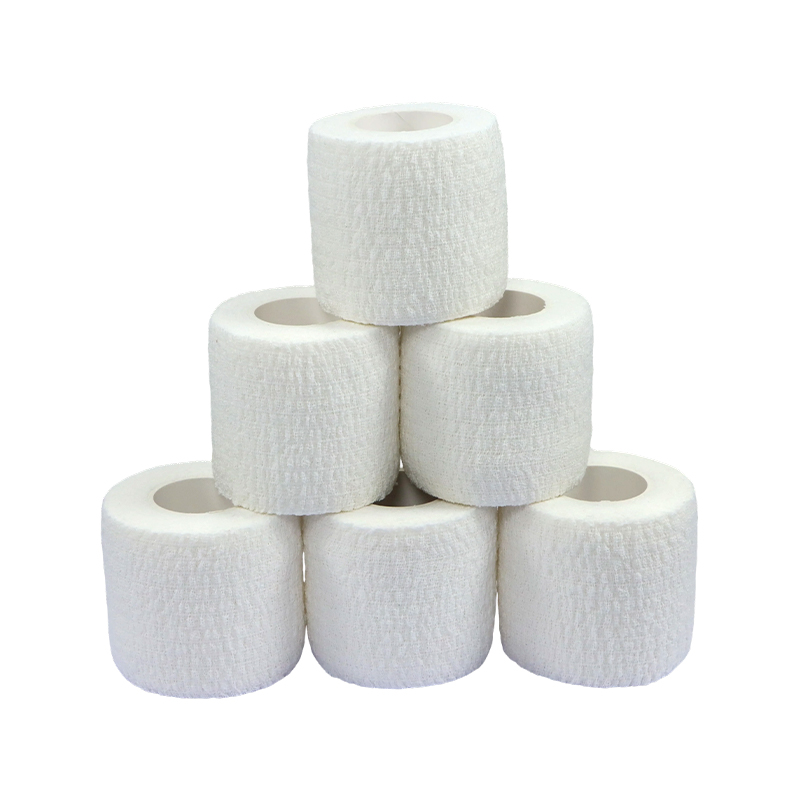
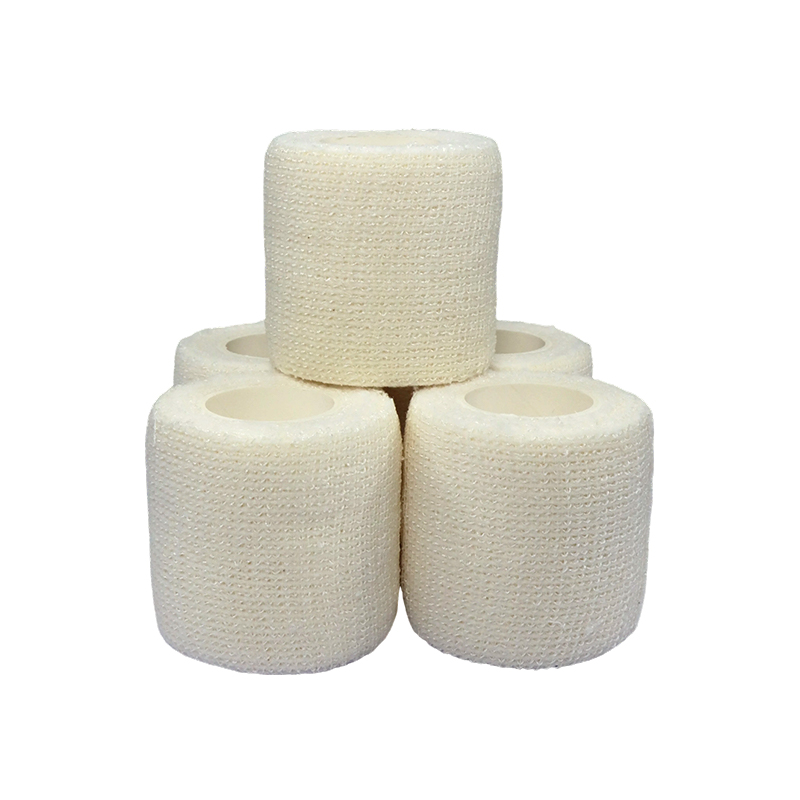
A light elastic bandage is a lightweight, breathable compression wrap designed for mild support and controlled compression. These bandages typically use soft cotton-based materials blended with elastic fibers, producing moderate elasticity and a gentle level of support. They are often used for early-stage injuries, light sprains, swelling control, postoperative care, and general-purpose compression.
The compression force generated by a light elastic bandage is intentionally mild. This makes it suitable for applications where circulation must not be overly restricted, such as managing sensitive areas, pediatric care, and early stage soft-tissue recovery. In addition, the structure of light elastic bandages tends to prioritize comfort, breathability, and extended wear, making them suitable for low-intensity daily activities.
What is a Standard Elastic Bandage?
A standard elastic bandage, sometimes referred to as a heavy elastic bandage or traditional support wrap, is designed to offer stronger compression and more powerful stabilization. It typically features a denser weave, higher tension characteristics, and a more robust mix of elastic and non-elastic fibers. These bandages are commonly used for moderate to severe sprains, muscular support, swelling reduction, and stabilizing joints that require firm support.
Compared with light elastic bandages, standard elastic bandages generate higher compression pressure, often requiring more skill for proper application. They are favored in demanding environments such as sports injury treatment, physiotherapy sessions, and heavy-use scenarios.
Key Differences Between a Light Elastic Bandage and a Standard Elastic Bandage
1. Compression Strength and Support Level
The most fundamental difference lies in the level of compression and support each type provides.
A light elastic bandage offers controlled, mild compression. This is ideal for minor injuries or situations requiring circulation-friendly pressure. Its elasticity is designed to adapt to delicate usage needs where comfort and moderate support are essential.
A standard elastic bandage offers significantly higher compression strength. It is designed to stabilize joints, protect injured muscle groups, and reduce swelling more aggressively. Its compression is robust and remains stable even during substantial movement.
In summary, light elastic bandages prioritize gentle compression and comfort, whereas standard elastic bandages prioritize firm support and structural stability.
2. Material Composition
Light elastic bandages frequently contain a high proportion of cotton fibers to enhance softness and breathability. The elastic fibers embedded within the cotton allow controlled stretching but limit excessive tension.
Standard elastic bandages incorporate a stronger mix of elastic fibers, often with a higher density weave, creating stronger tension and longer-lasting support. The material composition tends to be more durable, enabling repetitive stretching without loss of elasticity.
Products such as powerlifting wrist wrap support, competitive weightlifting wrist bandage, sweat proof weightlifting wrist wrap, and cotton elastic wrist support wrap often utilize similar elastic structures. However, their specific design focuses on wrist stabilization during heavy training. This similarity makes it important for buyers to distinguish between therapeutic elastic bandages and specialized performance wraps.
3. Elasticity Range and Performance
Elasticity determines how well the bandage conforms to the body and maintains tension.
Light elastic bandages offer moderate elasticity. Their stretch range allows flexible movement while maintaining a comfortable level of support. They tend to have softer recoil strength, meaning the bandage gradually returns to its original length without applying excessive force.
Standard elastic bandages possess high elasticity with stronger recoil force. This quality enables them to maintain firm compression across longer periods and during intense activities. Their elasticity also allows for repeated adjustments without permanent deformation.
4. Intended Usage Scenarios
Light elastic bandages are generally used for:
- Minor sprains and strains
- Swelling control
- Postoperative care
- Pediatric applications
- Securing wound dressings
- Reducing mild discomfort during daily activities
Standard elastic bandages are used for:
- Moderate to severe sprains
- High-support joint stabilization
- Sports protection and injury management
- Managing significant swelling
- Physiotherapy support
- Post-injury rehabilitation for active individuals
Buyers who frequently handle products such as powerlifting wrist wrap support or competitive weightlifting wrist bandage should understand that these sports wraps target high-load joint support. Light elastic bandages, on the other hand, are not intended for heavy training environments.
5. Durability and Wear Resistance
Durability differs substantially between the two types.
Light elastic bandages focus on comfort and lightweight design. Their fibers are not intended for high-frequency, high-pressure applications. While durable enough for medical usage, their lifespan is shorter under repeated stretching or heavy athletic movement.
Standard elastic bandages are built for long-term durability. Their dense weave and reinforced fibers offer excellent resistance to stretching fatigue, making them suitable for rigorous use.
Accessories like sweat proof weightlifting wrist wrap and cotton elastic wrist support wrap are specifically designed to resist sweat, friction, and repeated tension during training. Elastic bandages do not share these performance characteristics.
6. Breathability and Comfort
Breathability is essential for prolonged wear, especially during rehabilitation.
Light elastic bandages use porous cotton-based structures that enhance air circulation. They remain comfortable even during extended wear and do not trap excessive heat.
Standard elastic bandages offer less breathability due to their tighter weave and elastic density. While still comfortable for shorter periods or athletic use, they may retain more heat compared with light elastic bandages.
7. Safety Considerations
Safety concerns vary based on compression strength.
Light elastic bandages pose minimal risk of excessive compression, making them suitable for individuals with sensitive skin, children, or those recovering from surgery.
Standard elastic bandages must be applied properly to avoid circulation restriction. Incorrect wrapping may result in numbness, discoloration, or overheating of the area. This is why professional guidance is recommended for new users.
8. Application Techniques
Applying a light elastic bandage is relatively simple. The bandage conforms easily and does not generate excessive tension, reducing the risk of improper application.
Applying a standard elastic bandage requires more precision. The tension level needs to be carefully adjusted to ensure adequate compression without restricting blood flow. Professionals often use specific wrapping patterns to optimize support.
9. Cost Differences and Buyer Considerations
Light elastic bandages are generally more cost-effective, particularly in bulk procurement. They are widely used in clinics, rehabilitation centers, and wound care facilities.
Standard elastic bandages cost slightly more due to their enhanced durability and performance. Buyers in sports medicine, physiotherapy, and athletics often prefer them for demanding applications.
Comparative Table
The following table highlights some of the major performance differences:
| Feature |
Light Elastic Bandage |
Standard Elastic Bandage |
| Compression Level |
Mild, controlled |
Strong, firm support |
| Material Softness |
High |
Moderate |
| Breathability |
High |
Medium |
| Durability |
Moderate |
High |
| Ease of Application |
Easy, beginner-friendly |
Requires skill and precision |
| Typical Use |
Minor injuries, swelling control |
Sports injury, joint stabilization |
| Stretch Range |
Moderate |
High |
| Comfort for Long Wear |
Excellent |
Good |
This overview helps buyers quickly identify which product aligns best with their usage requirements.
Relationship With Sports Wrist Wraps
Although the focus of this article is the comparison between light elastic bandages and standard elastic bandages, many industries that use these products also procure powerlifting wrist wrap support, competitive weightlifting wrist bandage, sweat proof weightlifting wrist wrap, and cotton elastic wrist support wrap. These items share some structural similarities with elastic bandages but differ in purpose and performance.
Sports wrist wraps are designed to:
- Increase wrist stability under heavy load
- Provide targeted compression for lifting sessions
- Resist moisture and sweat
- Maintain structural performance even after repeated high-tension wrapping
These performance products serve a different purpose from elastic bandages, which are primarily therapeutic rather than training-specific. Understanding these distinctions helps buyers allocate purchase categories more effectively.
How Buyers Can Select the Right Product
Selecting between a light elastic bandage and a standard elastic bandage requires careful consideration of application needs, user safety, and performance expectations.
Key buyer considerations include:
- Required compression level
- Intended application environment (medical, home care, sports injury, etc.)
- Expected wear duration
- User comfort requirements
- Budget and procurement volume
- Need for specialized products like cotton elastic wrist support wrap or sweat proof weightlifting wrist wrap
By evaluating the above factors, buyers can significantly improve procurement efficiency and ensure better product performance for end users.
Conclusion
The difference between a light elastic bandage and a standard elastic bandage lies in compression force, material composition, tension performance, application range, durability, and safety considerations. Light elastic bandages offer soft, breathable, and gentle compression suitable for minor injuries and extended wear. Standard elastic bandages provide stronger stabilization and are suited for more demanding conditions.
FAQs
1. Can a light elastic bandage replace a standard elastic bandage?
No. A light elastic bandage is intended for mild compression and cannot match the support level of a standard elastic bandage.
2. Which bandage is better for sports injuries?
A standard elastic bandage provides stronger compression and is better suited for sports-related injuries.
3. Are light elastic bandages safe for long-term wear?
Yes. Their breathable structure and mild compression make them comfortable for extended periods.
4. Are sports wraps such as powerlifting wrist wrap support the same as elastic bandages?
No. Sports wraps are designed for high-load wrist stabilization, whereas elastic bandages are meant for therapeutic support.
5. Do both bandage types require special training to apply?
Light elastic bandages are easy to apply, but standard elastic bandages require more skill to ensure proper compression.






 English
  русский
  Français
  Español
  عربى
عربى 

 ENG
ENG