The Foundational Role of Foam Underwrap in Athletic Therapy
In the realm of sports medicine and orthopedic rehabilitation, the application of adhesive tapes is a standard procedure for joint stabilization, injury prevention, and proprioceptive feedback. However, the direct application of high-tack adhesive tapes to human skin presents several physiological and practical challenges. This is where foam underwrap, a specialized thin polyurethane material, becomes indispensable. Often referred to simply as "underwrap" or "pre-wrap," this component serves as the interface between the biological surface of the athlete and the mechanical support of the tape.
The primary utility of this material lies in its ability to mitigate skin irritation while enhancing the overall comfort of the taping application. For many athletes, particularly those with sensitive skin or those who require frequent taping, the repetitive cycle of applying and removing aggressive adhesives can lead to skin breakdown, folliculitis, and allergic contact dermatitis. By utilizing a lightweight material Foam Under Wrap, clinicians can provide a protective barrier that preserves the integrity of the skin without compromising the structural support required for high-performance activities.
Beyond simple protection, foam underwrap plays a critical role in the moisture management system of a clinical taping job. During intense physical exertion, the skin produces sweat and heat. If moisture is trapped directly under an adhesive layer, it can lead to maceration—a softening and breaking down of skin—which increases the risk of fungal infections and blistering. The structural composition of high-quality underwrap allows for a degree of vapor transmission that is essential for maintaining skin health over several hours of wear.
Technical Characteristics of Polyurethane Foam Wraps
To understand why foam underwrap is preferred over other barrier methods, one must examine its technical properties. The material is typically manufactured through a process that creates a highly porous, open-cell structure. This configuration is what gives the good breathability Foam Under Wrap is known for, allowing air to circulate and moisture to evaporate more efficiently than solid plastic or heavy fabric barriers.
Material Composition and Texture
Most professional-grade underwraps are composed of thin layers of polyurethane. This polymer is chosen for its exceptional strength-to-weight ratio. Despite being only a fraction of a millimeter thick, the foam can withstand the tension applied during the "locking" phases of a taping procedure. The texture is non-fibrous, meaning it does not leave lint or residue on the skin or the tape, ensuring that the adhesive properties of the outer tape remain focused on the wrap itself rather than becoming clogged with debris.
Adhesion without Chemical Irritants
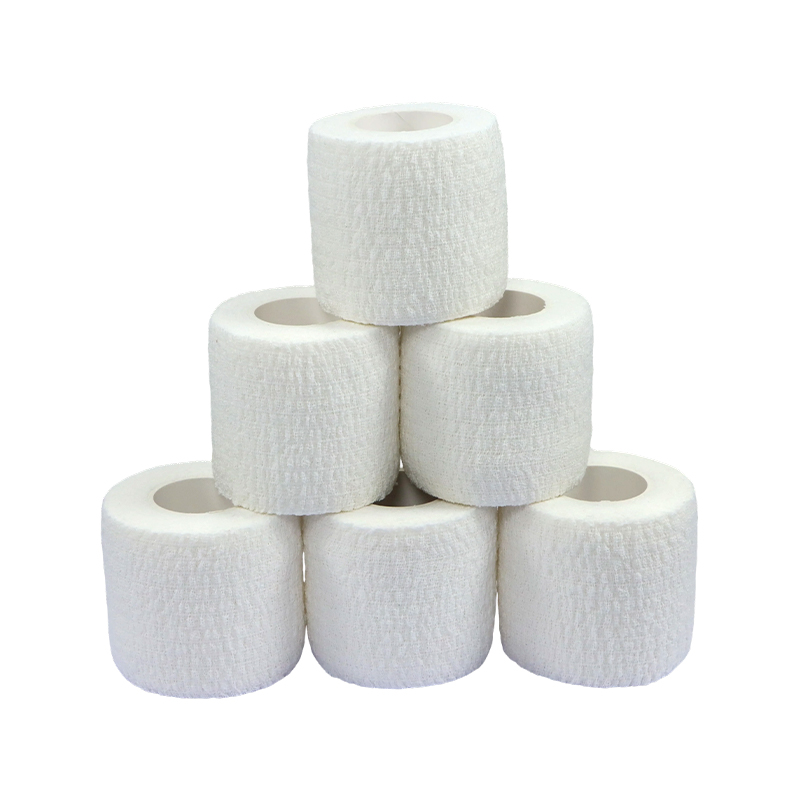
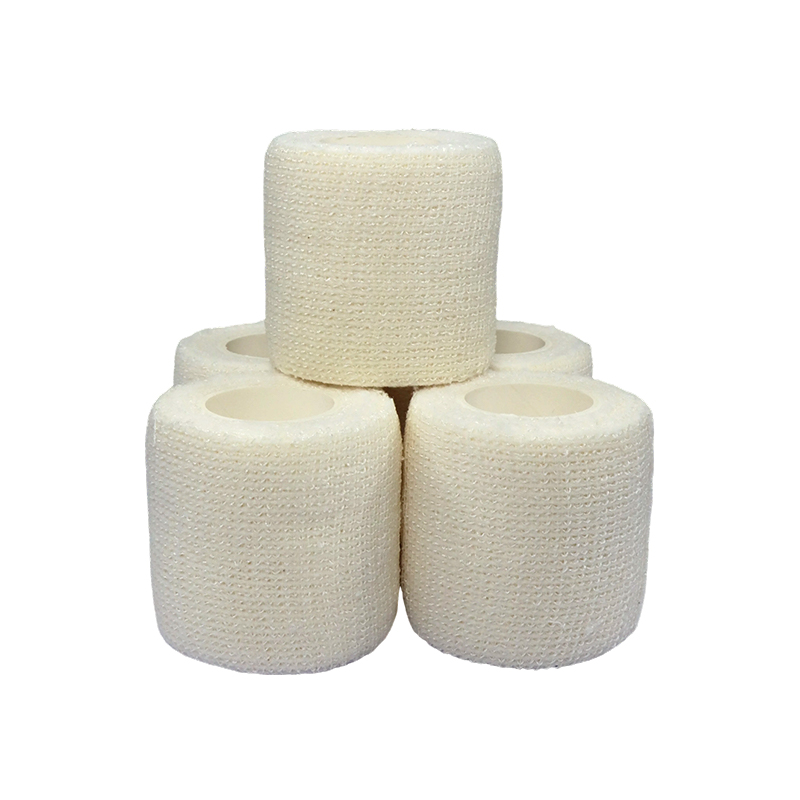
One of the most significant features of this product is that it is a self adhesive free Foam Under Wrap. It does not rely on chemical glues to stay in place; instead, it utilizes the inherent friction of the foam cells against the skin and the overlapping layers of the wrap itself. This is vital for athletes who have documented sensitivities to zinc oxide or latex-based adhesives commonly found in traditional sports tapes.
Clinical Applications and Performance Benefits
The application of foam underwrap is not merely about comfort; it is a technical step that improves the functionality of the entire taping system. When a clinician applies tape directly to the skin, the removal process can pull at hair follicles and the superficial layers of the epidermis. This causes micro-trauma. By using underwrap, the removal process becomes painless and significantly faster, which is a major logistical advantage in high-volume environments like professional training rooms or tournament sidelines.
| Feature |
Direct Taping |
Taping with Underwrap |
| Skin Protection |
Minimal |
Maximum |
| Breathability |
Low |
High |
| Removal Speed |
Slow / Painful |
Fast / Pain-free |
| Reusable Base |
No |
Yes (for quick re-adjusts) |
Furthermore, the use of underwrap ensures there is no displacement Foam Under Wrap performance when the outer tape is applied correctly. While some might worry that adding a layer of foam would make the tape slip, the opposite is often true. The foam provides a consistent, slightly compressible surface that the adhesive tape can grip onto more uniformly than the varying textures of human skin and hair.
Proper Application Techniques for Maximum Stability
To maximize the benefits of foam underwrap, specific application techniques must be followed. It is not enough to simply wrap the limb; the tension and overlap are critical factors in ensuring the base remains stable throughout the athletic event.
- Skin Preparation: Ensure the area is clean and dry. While underwrap does not use adhesive, skin oils can affect the friction coefficient.
- Consistent Tension: Apply the foam with a slight, even stretch. Too much tension can cause the foam to roll or snap; too little can lead to bunching under the tape.
- Overlapping Layers: Each pass should overlap the previous one by approximately 50%. This creates a smooth, continuous surface.
- Anchor Points: Always start and end the foam wrap outside the primary zone of the adhesive tape anchors to ensure the skin is fully protected.
Managing the Ankle and Knee Joints
When wrapping complex joints like the ankle or knee, the foam must conform to bony prominences such as the malleolus or the patella. Because of its lightweight material Foam Under Wrap properties, it can be easily pinched or folded to accommodate these contours without creating pressure points that could lead to discomfort or circulation issues.
Comparison with Alternative Barrier Methods
Historically, practitioners have used various methods to protect the skin, including adhesive sprays, gauze, or even tubular bandages. However, foam underwrap has emerged as the industry standard for several technical reasons. Adhesive sprays provide a barrier but do not eliminate the "pull" during removal. Gauze is too bulky and interferes with the tactile feedback needed by the athlete. Foam strikes the perfect balance between protection and precision.
The good breathability Foam Under Wrap offers is superior to liquid barriers which can clog pores. In terms of mechanical stability, the no displacement Foam Under Wrap ensures that the support system remains locked in place during the multi-directional movements required in sports like soccer, basketball, and rugby. This stability is achieved through the micro-interlocking of the foam's surface with the adhesive of the sports tape.
The Importance of Being Adhesive-Free
Modern sports medicine places a high priority on hypoallergenic solutions. A self adhesive free Foam Under Wrap reduces the chemical load on the athlete's skin. This is particularly important for long-term injury management where an athlete might be taped daily for several months. By eliminating the direct contact of adhesive chemicals, the risk of developing a late-onset allergy to tape materials is significantly minimized.
Moreover, the absence of adhesive allows for "emergency" adjustments. If a wrap is applied too tightly, a clinician can carefully slide a bandage scissor under the foam layer much more easily than they could if the tape were fused to the skin and hair. This enhances the safety profile of the intervention.
Versatility Beyond Joint Taping
While primarily used for sports taping, the utility of this foam extends to several other clinical and practical applications:
- Securing Cold Packs: It can be used to hold ice packs in place without the need for adhesive tape, which can be difficult to apply to cold, wet skin.
- Pads and Protectors: It serves as a base to secure foam donuts or felt pads over blisters or bruises.
- Hair Management: Many athletes use it as a makeshift headband to keep hair out of their eyes during competition, as it does not pull hair upon removal.
- Sleeve Compression: It can provide a very light layer of compression for minor swelling when applied in multiple layers.
Sustainability and Storage Considerations
Because foam underwrap is a lightweight material Foam Under Wrap, it is highly efficient to transport and store. However, because it is a polyurethane product, it should be kept away from direct sunlight and extreme heat to prevent the foam from becoming brittle. When stored in a cool, dry environment, the material retains its elasticity and friction properties for an extended period, making it a cost-effective staple for any medical kit.
From an economic standpoint, the use of underwrap actually reduces the total volume of expensive adhesive tape required. Because the foam creates a uniform surface, the practitioner can achieve the same level of stability with fewer "locking" strips, as the tape is less likely to wrinkle or lift at the edges.
Frequently Asked Questions (FAQ)
Q1: Can foam underwrap be applied directly to an open wound?
No, foam underwrap is not a sterile product and is not designed for direct wound contact. A sterile dressing should be applied to any broken skin before the underwrap and taping procedure begins.
Q2: Does the color of the foam underwrap affect its performance?
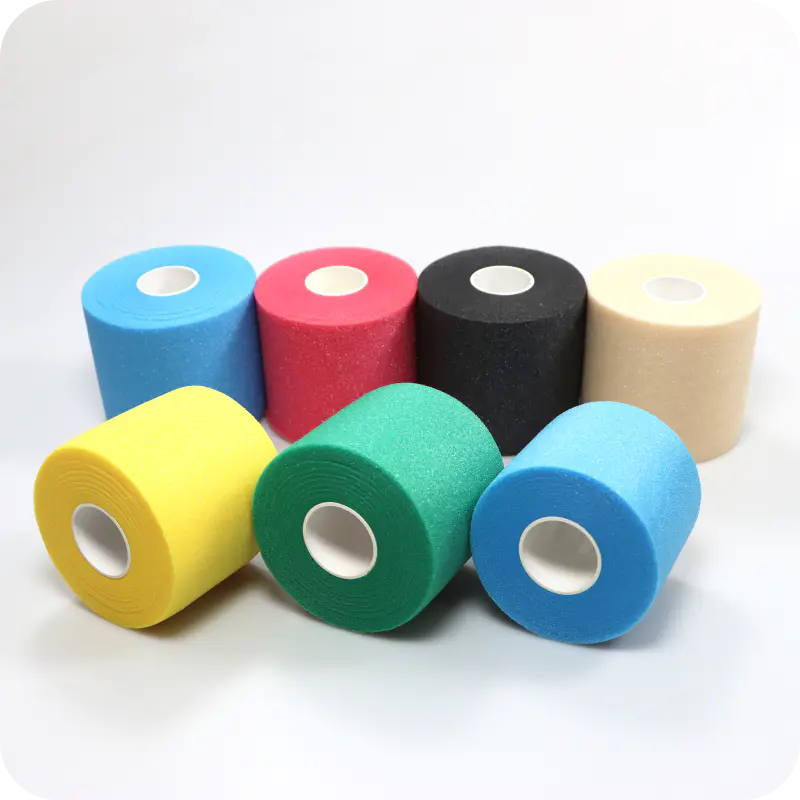
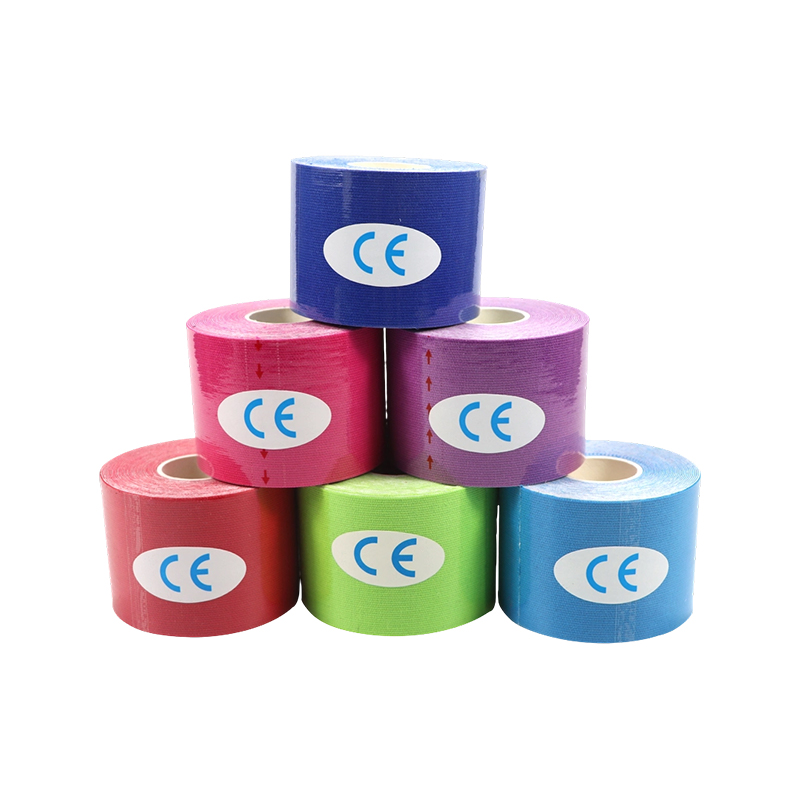
Generally, the color is purely aesthetic and does not change the physical properties of the foam. However, some practitioners prefer specific colors to differentiate between different types of wraps or for team branding purposes.
Q3: How many layers of underwrap should be used?
For most applications, one to two layers of 50% overlap are sufficient. Excessive layering can create too much bulk, which may reduce the corrective or supportive effect of the adhesive tape on the joint.
Q4: Is underwrap waterproof?
While the polyurethane material itself does not absorb large amounts of water, the open-cell structure can trap moisture. It is water-resistant enough for sweat and light rain, but if it becomes saturated, the integrity of the taping job may be compromised.
Q5: Why does my underwrap sometimes roll up during application?
This usually occurs if the tension is uneven or if the starting anchor of the foam was not secured properly. Ensuring a smooth first pass and maintaining consistent light tension will prevent the edges from rolling.






 English
  русский
  Français
  Español
  عربى
عربى 

 ENG
ENG