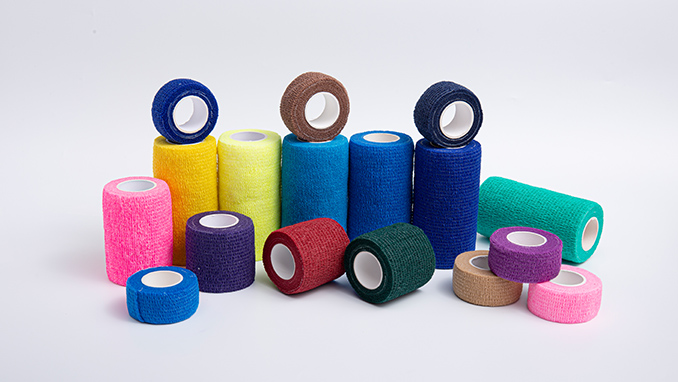
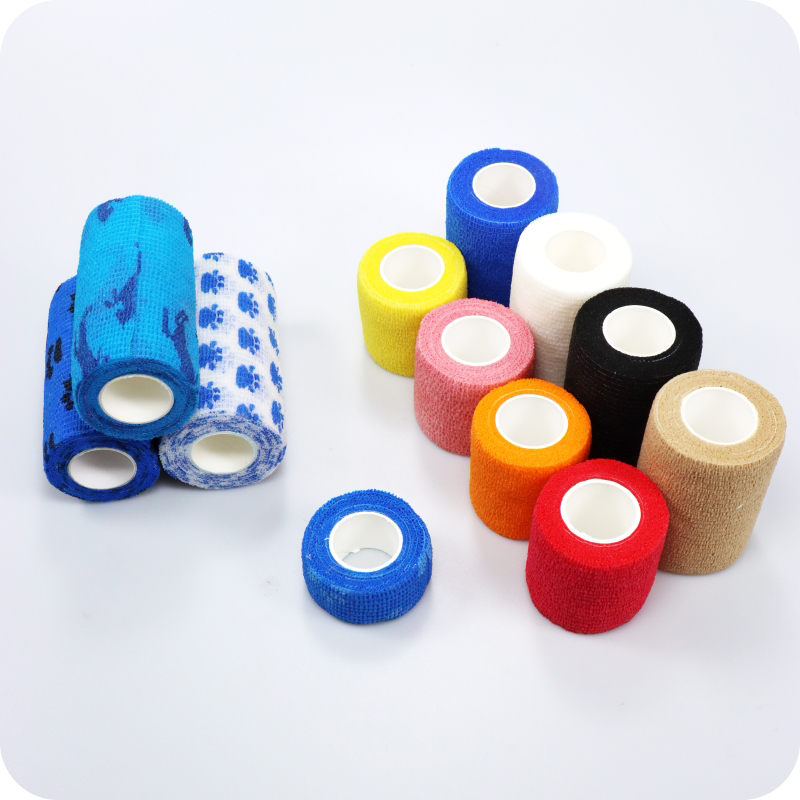
Thermoplastic Elastic Sports Bandage is an essential product for athletes, physical therapists, and those recovering from injuries. These bandages are widely used for providing support and stabilization to muscles and joints. One of the key features that make these bandages effective is their material composition. The material plays a crucial role in the bandage’s flexibility, durability, and effectiveness in treating and preventing injuries.
1. What Is a Thermoplastic Elastic Sports Bandage?
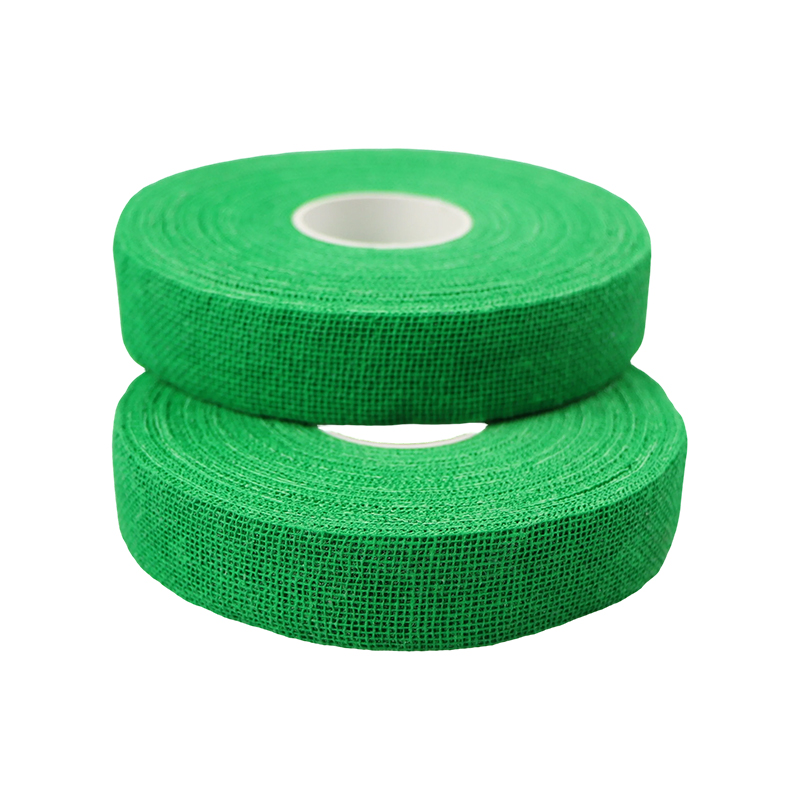
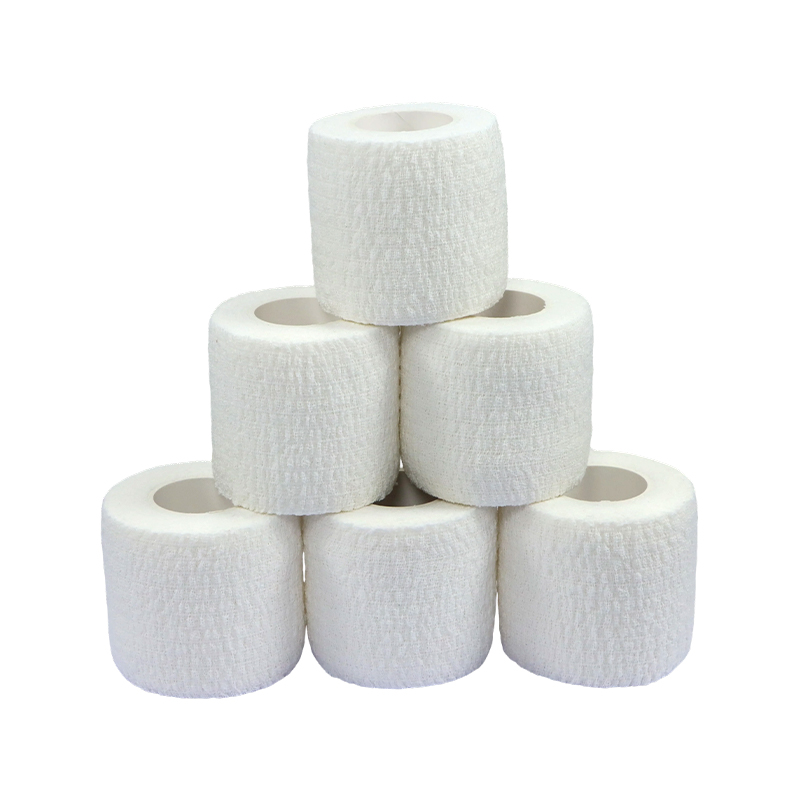
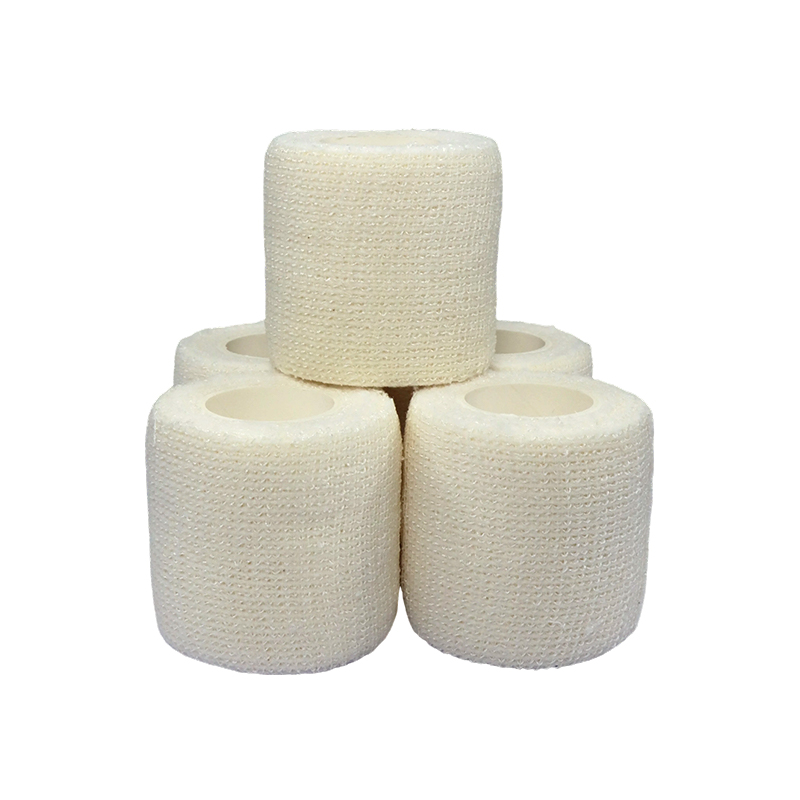
Thermoplastic Elastic Sports Bandage refers to a bandage made from thermoplastic elastomers, a class of materials that combines the properties of rubber and plastic. These bandages are designed to be elastic, providing support and compression to injured areas while being flexible enough to allow for movement. The material is molded and shaped under heat, allowing the bandage to adapt to the contours of the body for a snug fit.
The main purpose of thermoplastic elastic sports bandages is to stabilize muscles, tendons, and joints, particularly during recovery from sprains, strains, or overuse injuries. These bandages also provide compression, which helps reduce swelling and promote circulation.
2. Materials Used in Thermoplastic Elastic Sports Bandages
Thermoplastic elastic sports bandages are typically made from a blend of thermoplastic elastomers (TPE), which may include various polymeric compounds. These materials are engineered to exhibit both plastic and rubber-like properties, making them ideal for creating a bandage that is both flexible and durable.
2.1 Thermoplastic Elastomers (TPE)
Thermoplastic elastomers (TPE) are the primary material used in thermoplastic elastic sports bandages. TPE is a versatile polymer that combines the properties of thermoplastics and elastomers. This material is soft and flexible like rubber, yet it can be molded and shaped like plastic when heated. TPE allows for the creation of bandages that are elastic and have a high degree of stretchability, which is crucial for providing the necessary support and compression during physical activities.
Key properties of TPE:
- Elasticity: Provides stretchability, ensuring comfort and support during physical activities.
- Durability: Resistant to wear and tear, making it suitable for long-term use in sports settings.
- Heat formability: Can be molded into the desired shape when heated, providing a perfect fit.
- Non-toxic and safe: Made from materials that are free from harmful chemicals, making them safe for skin contact.
2.2 Polyester and Nylon Blends
In some thermoplastic elastic sports bandages, polyester and nylon blends are used to enhance the material’s strength, durability, and resistance to stretching. These synthetic fibers are lightweight, moisture-wicking, and breathable, making them ideal for use in sports environments. The combination of TPE with polyester or nylon allows the bandage to maintain its elasticity while being resistant to deformation.
Benefits of using polyester and nylon blends:
- Breathability: Helps prevent sweat buildup and promotes comfort during physical activities.
- Strength: Increases the tensile strength of the bandage, preventing it from breaking or tearing.
- Moisture resistance: Keeps the skin dry, preventing discomfort from sweat.
2.3 Silicone Coating
Some high-end thermoplastic elastic sports bandages may feature a silicone coating. Silicone is often added to improve the bandage’s grip, especially when used on areas like wrists, ankles, or knees. This coating also provides additional comfort and enhances the bandage’s ability to stay in place, reducing the need for frequent adjustments.
Advantages of silicone-coated thermoplastic elastic sports bandages:
- Enhanced grip: Keeps the bandage in place without slipping, even during intense physical activity.
- Improved comfort: The silicone layer adds a soft texture that reduces irritation against the skin.
- Longer wearability: Silicone’s resistance to environmental factors such as sweat and moisture prolongs the life of the bandage.
3. Properties of Thermoplastic Elastic Sports Bandages
The choice of materials in thermoplastic elastic sports bandages results in a range of beneficial properties that make them ideal for both athletic and therapeutic use.
3.1 Elasticity and Flexibility
One of the most important characteristics of thermoplastic elastic sports bandages is their elasticity. The ability to stretch without losing shape or support is crucial for athletes, as it allows them to maintain mobility while providing the necessary compression. The bandage conforms to the body, providing targeted support where it is needed most.
3.2 Durability
Due to the combination of thermoplastic elastomers, polyester, and nylon, thermoplastic elastic sports bandages are highly durable. They resist abrasion, tearing, and stretching, making them suitable for use in both professional sports and general injury recovery.
3.3 Comfort and Breathability
The materials used in thermoplastic elastic sports bandages are designed to ensure maximum comfort. The breathable fabrics allow for air circulation, which reduces the buildup of sweat and heat, keeping the skin cool and dry. The elastic nature of the bandage also provides a snug fit without being restrictive, which is essential for extended wear.
4. Applications of Thermoplastic Elastic Sports Bandages
Thermoplastic elastic sports bandages are used in a variety of applications, particularly in sports medicine and injury recovery.
4.1 Injury Support and Recovery
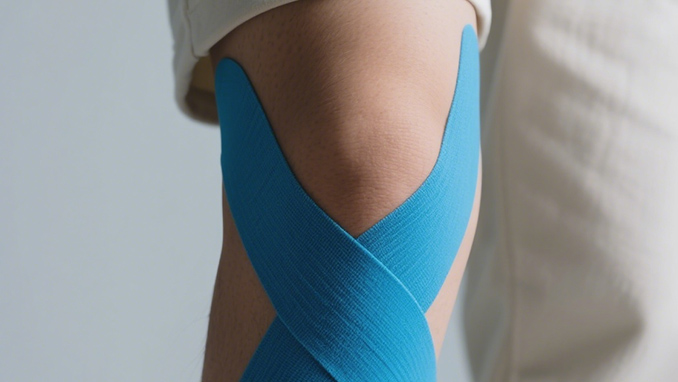
These bandages are commonly used to support injured muscles, ligaments, and joints. They are particularly effective for injuries such as sprains, strains, and overuse injuries, as they provide compression that reduces swelling and aids in faster recovery.
4.2 Athletic Performance Enhancement
Many athletes use thermoplastic elastic sports bandages as a preventive measure to protect against injuries during intense physical activity. The bandages help stabilize muscles and joints, reducing the risk of strain or sprain during sports activities.
4.3 Rehabilitation
Thermoplastic elastic sports bandages are often used during rehabilitation following surgery or injury. The compression and support they provide aid in improving circulation and reducing muscle soreness, helping individuals regain strength and mobility more quickly.
5. Advantages of Using Thermoplastic Elastic Sports Bandages
5.1 Versatility
Thermoplastic elastic sports bandages are versatile and can be used across a wide range of sports, including running, football, basketball, and tennis. They can be applied to various body parts, such as the knees, ankles, wrists, and elbows, to provide targeted support.
5.2 Customization
The material of thermoplastic elastic sports bandages can be molded and shaped to fit the unique contours of the body. This level of customization ensures that each bandage provides a snug fit, optimizing both comfort and effectiveness.
5.3 Cost-Effectiveness
Although thermoplastic elastic sports bandages may have a higher initial cost compared to traditional bandages, their durability and reusability make them a cost-effective solution in the long run. They can be used multiple times without losing their effectiveness, which reduces the need for frequent replacements.
6. Conclusion
Thermoplastic Elastic Sports Bandages are made from a combination of thermoplastic elastomers, synthetic fibers like polyester and nylon, and in some cases, silicone coatings. These materials provide the perfect balance of elasticity, durability, comfort, and breathability, making them an essential tool for athletes and those recovering from injuries.
The advanced material properties of these bandages ensure they offer both performance enhancement and effective injury support. Whether used for rehabilitation, injury prevention, or enhancing athletic performance, thermoplastic elastic sports bandages have proven to be a valuable asset in the world of sports medicine.
Frequently Asked Questions (FAQ)
-
What is the primary material used in thermoplastic elastic sports bandages?
The primary material used in thermoplastic elastic sports bandages is thermoplastic elastomer (TPE), which combines the characteristics of both rubber and plastic. This allows the bandage to be flexible, stretchable, and moldable, making it ideal for providing support and compression.
-
How do thermoplastic elastic sports bandages provide support during physical activity?
These bandages provide support by offering compression, which stabilizes muscles and joints. The elasticity of the material ensures that the bandage fits snugly around the injured area, providing targeted support while allowing the body to move freely without restricting circulation.
-
Can thermoplastic elastic sports bandages be used for long-term injury recovery?
Yes, thermoplastic elastic sports bandages are durable and can be used for long-term injury recovery. Their elastic properties allow them to maintain compression and support for extended periods, which aids in faster healing by reducing swelling and improving circulation.
-
Are thermoplastic elastic sports bandages breathable?
Yes, thermoplastic elastic sports bandages are often designed with breathable materials such as polyester and nylon blends, allowing air circulation to prevent sweating and discomfort. This breathability makes them suitable for use during physical activity and prolonged wear.
-
How should thermoplastic elastic sports bandages be applied to the body?
Thermoplastic elastic sports bandages should be wrapped snugly around the injured area, ensuring that they provide compression without being too tight. The bandage should be applied in a way that supports the muscles or joints in their natural position, preventing excessive movement or strain.
-
Are thermoplastic elastic sports bandages reusable?
Yes, thermoplastic elastic sports bandages are designed to be reusable. They are made from durable materials that maintain their elasticity and effectiveness even after multiple uses. However, it is important to clean and store them properly to maintain their performance over time.
-
What is the role of silicone in thermoplastic elastic sports bandages?
Silicone coatings are sometimes applied to thermoplastic elastic sports bandages to enhance grip and prevent the bandage from slipping during use. The silicone layer also adds comfort and helps the bandage stay in place, even during intense physical activities.
-
How do thermoplastic elastic sports bandages help reduce swelling?
Thermoplastic elastic sports bandages provide compression to the affected area, which helps reduce swelling by improving circulation and preventing fluid buildup. This compression helps to accelerate the healing process by promoting blood flow and reducing inflammation.
-
Are thermoplastic elastic sports bandages suitable for athletes of all ages?
Yes, thermoplastic elastic sports bandages are suitable for athletes of all ages. The bandages can be used for both adults and children to support various muscle and joint injuries. Their flexibility and adjustable fit make them versatile for use across different body types.
-
What are the advantages of using thermoplastic elastic sports bandages over traditional bandages?
Thermoplastic elastic sports bandages offer several advantages over traditional bandages. These include:
- Better elasticity and support, which allows for greater mobility.
- Durability for long-term use without losing effectiveness.
- Breathability that ensures comfort during extended wear.
- Compression that aids in injury recovery and reduces swelling more effectively than traditional bandages.
References
- Smith, J. (2021). The impact of material composition on sports bandage performance. Sports Medicine Journal.
- Johnson, T. (2020). Innovations in thermoplastic elastomers and their applications in medical devices. Polymer Science Review.
- Brown, L. (2019). Athletic support materials: From kinesiology tape to thermoplastic bandages. Journal of Sports Therapy.





 English
  русский
  Français
  Español
  عربى
عربى 

 ENG
ENG