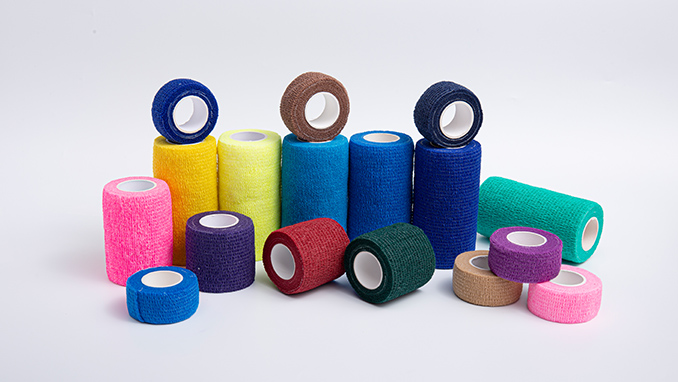
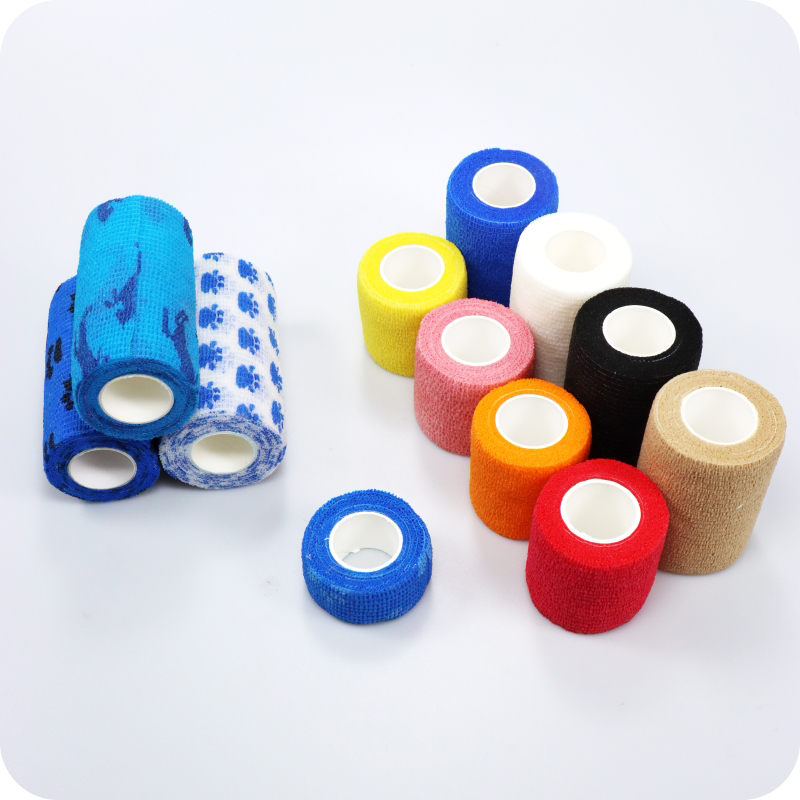
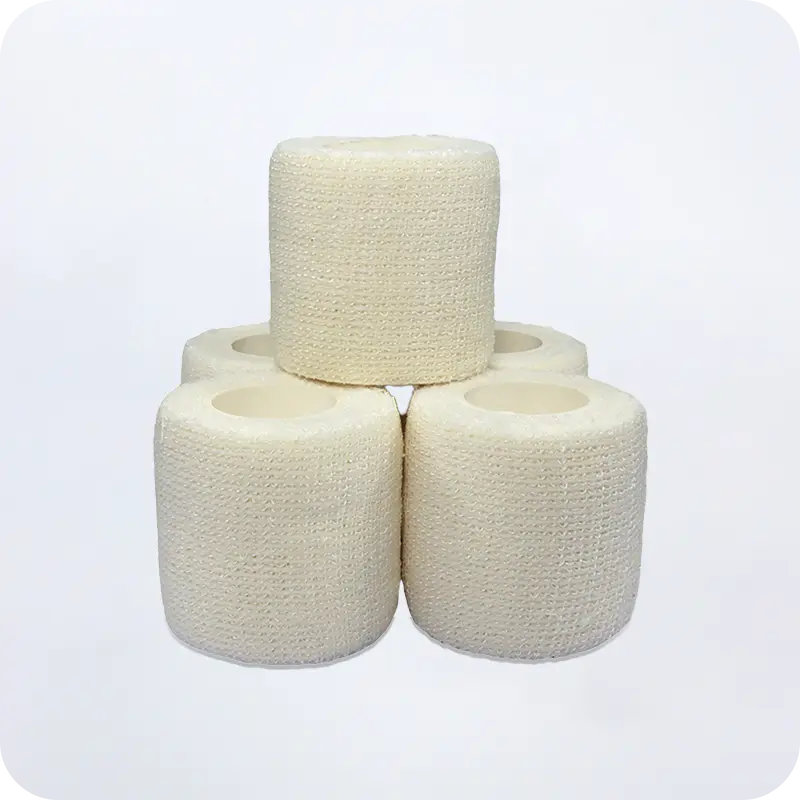
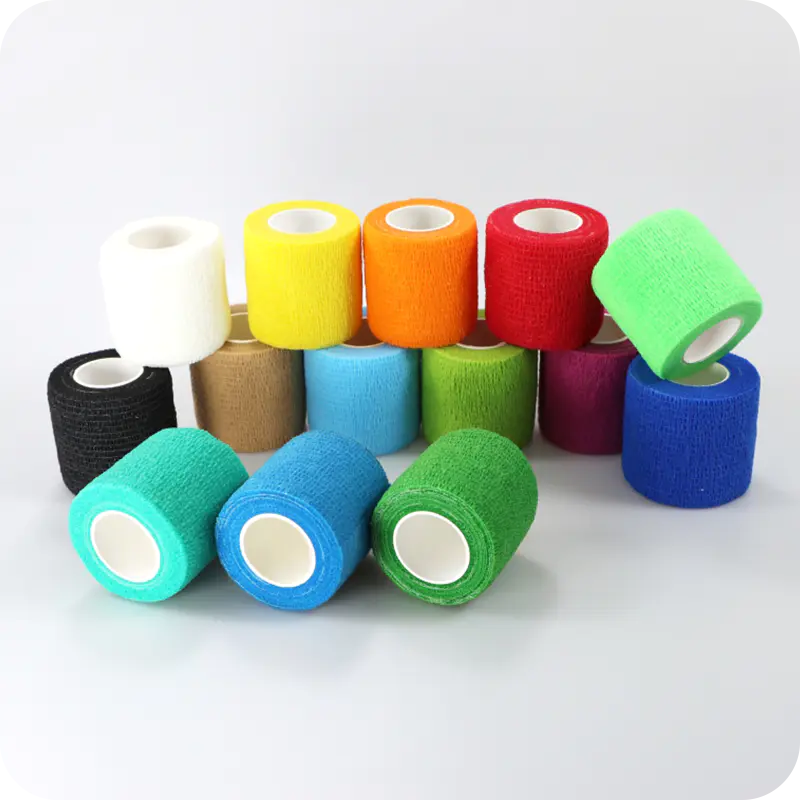
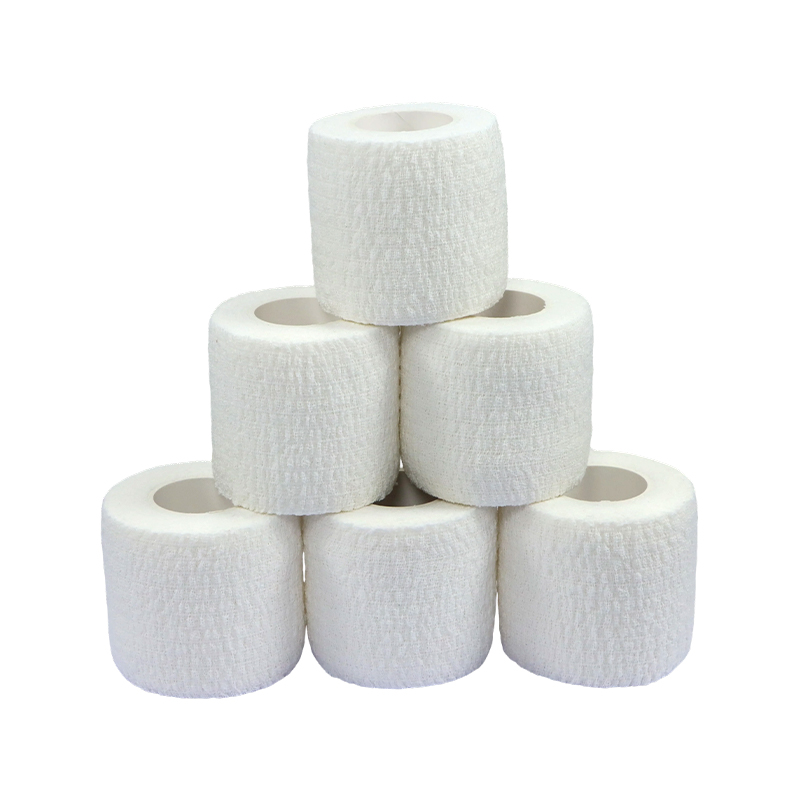
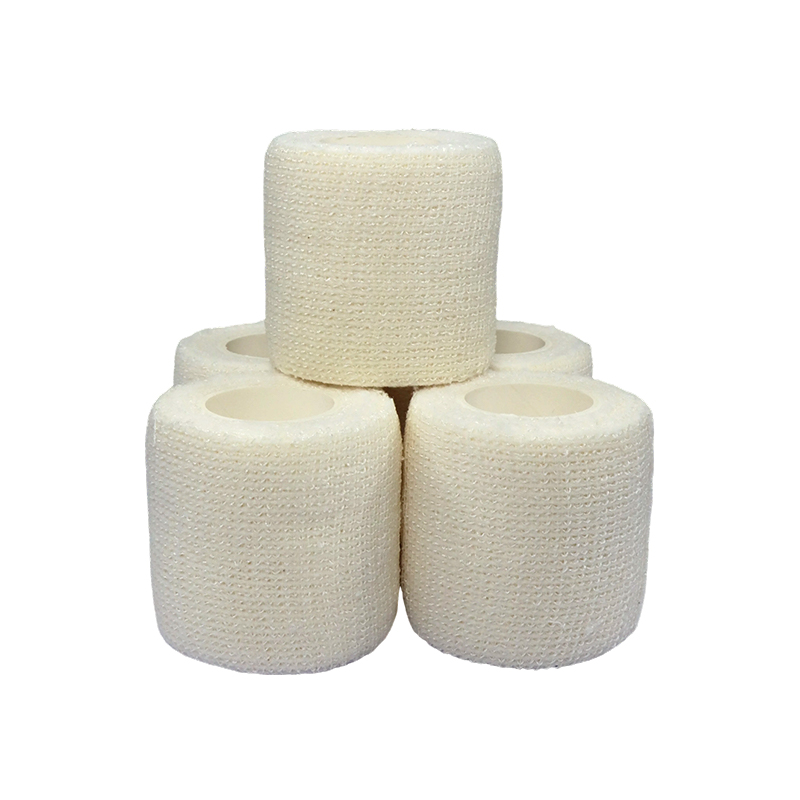
Self-adhesive elastic bandages are self-adhesive and elastic medical dressings primarily used to bandage and protect wounds, promoting wound healing. Their primary functions include securing and protecting wounds, preventing bacterial intrusion, and promoting wound healing. Self-adhesive elastic bandages are typically made of high-quality elastic materials and medical adhesives. They typically consist of a multi-layered structure, including a wound-contacting dressing layer, a middle elastic layer, and an outer protective layer.
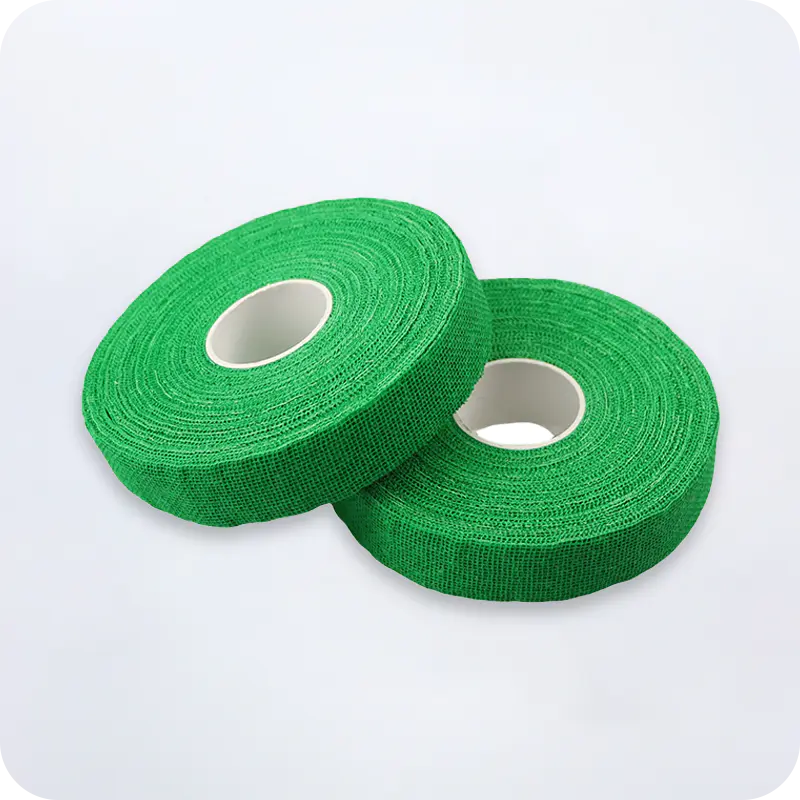
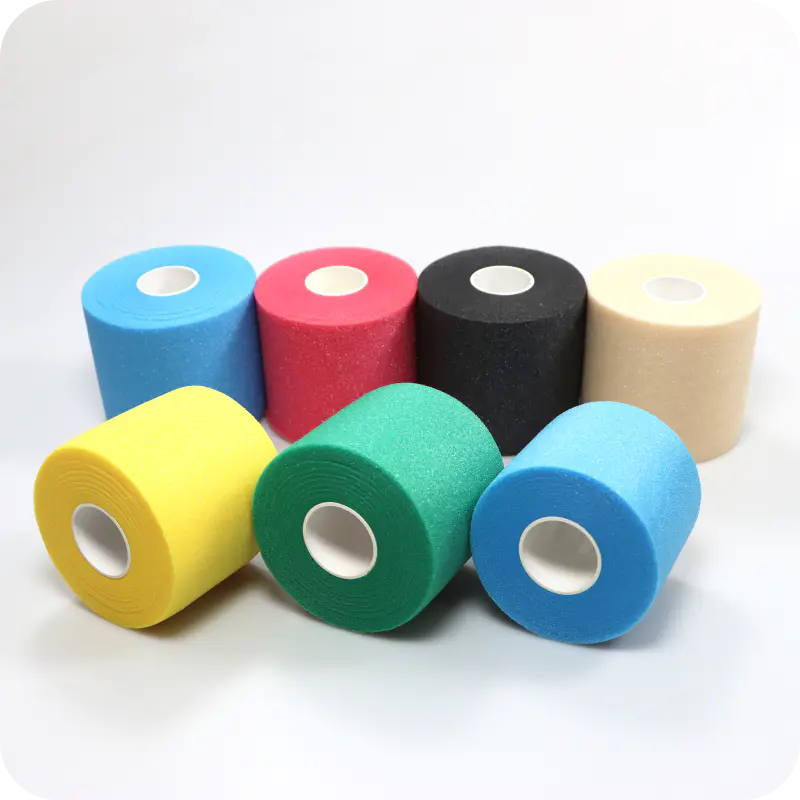
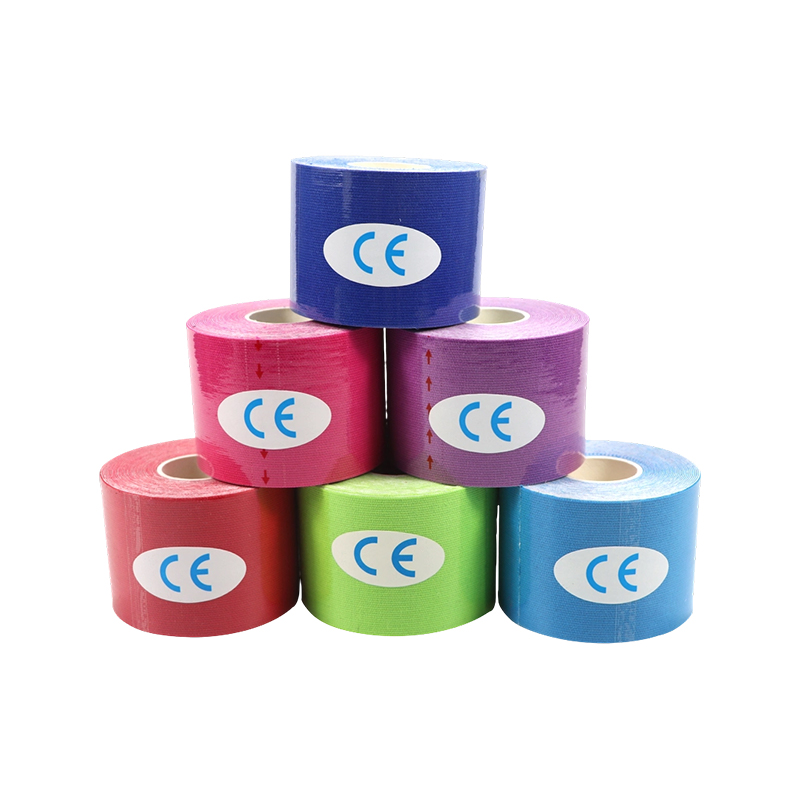
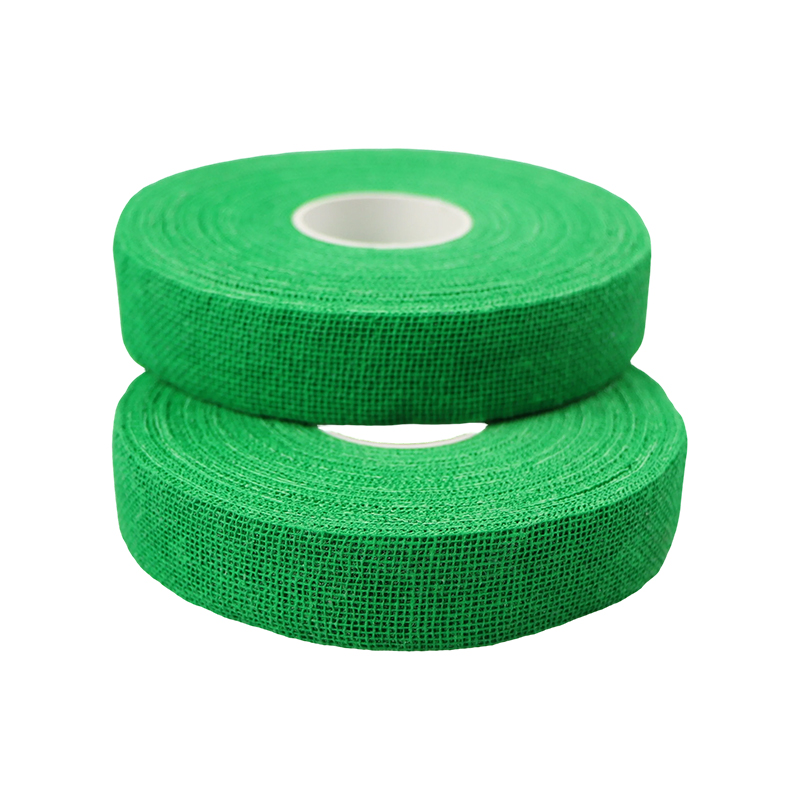
Shanghai Qinghong Healthcare Products Co., Ltd. located in Jiading District, Shanghai, is a leading manufacturer and supplier specializing in high-quality elastic bandages and athletic tape. Jiangsu Qinghong Healthcare Products Co., Ltd., headquartered in Suqian City, Jiangsu Province, has been committed to providing high-quality self-adhesive bandages, kinesiology tape, and cotton athletic tape to customers worldwide since its establishment in 2018. Leveraging strong R&D capabilities, stringent quality control, and customer-centric service, we have become a trusted partner in the industry.
Empowering Athletes to Confidently Push Their Limits
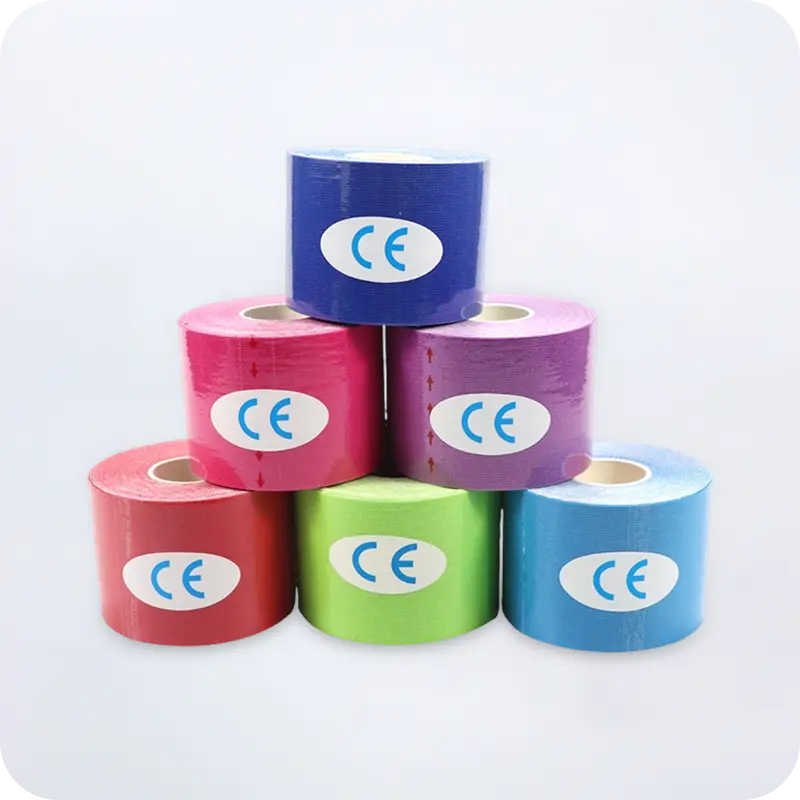
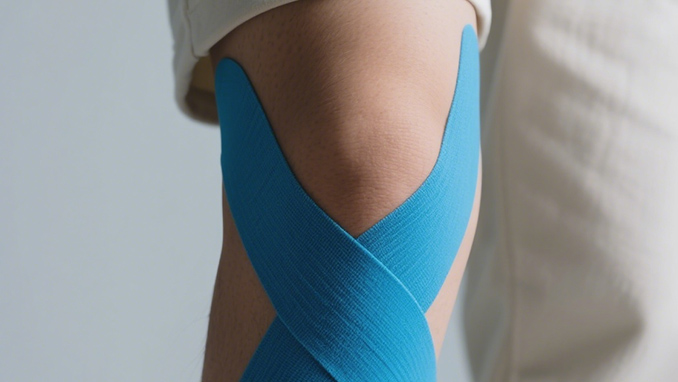
Our kinesiology tape delivers dynamic support, enabling unrestricted free movement while effectively enhancing muscle function and blood circulation. Our sports bandages, on the other hand, provide reliable fixation and stability for joints during high-intensity activities, effectively preventing sprains and strains. From sports enthusiasts to professional athletes, we offer trustworthy professional protection for both training and competitions.
Please feel free to contact us when you need us! Whether you want
to become our partner or need our professional guidance or support
in product selection and problem solving, our professional team is
always ready to help you.
Can You Put a Bandaid on a Blister? What Actually Helps Blisters Heal Faster
Why Blister Protection Matters More Than You Think
A blister forms when repeated friction, pressure, or heat separates the upper layers of skin, creating a fluid-filled pocket that cushions the tissue underneath. On its own, this pocket is doing a useful job: it keeps the raw nerve endings below covered and reduces further mechanical damage. The trouble starts when the roof of the blister is torn open by a shoe, a glove, or a tool handle, because that exposed layer is where bacteria and repeated friction do the most damage.
Understanding blister recovery starts with recognizing that a blister is not a static injury. It moves through stages, and the right covering at each stage changes how quickly the skin underneath can rebuild. This is where the debate around bandaging comes in, and where a bit of technical nuance goes a long way.
2 to 3 daysaverage time for an intact blister roof to reabsorb on its own
40 percentreported reduction in reported pain when a cushioned covering is used during activity
5 to 7 daystypical healing window for a properly protected open blister
Can You Put a Bandaid on a Blister? What the Evidence Shows
So, finger protection bandage options aside, the short answer to can you put a bandaid on a blister is yes, but the reasoning matters more than the yes or no. A basic adhesive strip does two useful things: it creates a barrier against dirt and bacteria, and it reduces further friction against the area. What it does not do particularly well is manage moisture, which is the real variable that determines whether a blister heals cleanly or gets worse.
Clinics that treat friction injuries regularly describe two broad situations:
Intact, unbroken blisters: a light covering mainly protects against further rubbing.
Broken or drained blisters: the covering needs to manage fluid, cushion the site, and prevent contamination.
This is a common point of confusion for people searching should i put bandaids on blisters before every activity. The honest answer depends on whether the skin is still closed. A standard adhesive strip is often fine for a closed blister on a low-friction area. For anything on a weight-bearing surface, a joint, or a fingertip, a slightly more structured covering tends to outperform a basic strip.
Blister Band Aid Options: Matching Protection to Blister Type
Not every blister band aid is built the same way, and matching the covering to the blister location changes the outcome noticeably. Fingertip and hand blisters, for example, need a covering that stays put through repeated flexing and washing, while foot blisters need something that can survive sweat and shoe pressure for hours at a stretch.
A Finger Protection Bandage style covering is generally shaped to wrap securely around a digit without bunching at the joint, which matters because most fingertip blisters come from repetitive gripping, writing, or tool use. A flat adhesive strip tends to peel at the corners within a few hours on a finger, while a shaped wrap holds position through normal hand movement.
Blister Location
Main Challenge
Suggested Covering Style
Fingertip
Repeated flexing, frequent hand washing
Wraparound finger bandage
Heel or sole
Sustained pressure, sweat, shoe friction
Cushioned pad with strong adhesive border
Palm
Grip friction, sweat
Low profile pad that does not add bulk
Toe or between toes
Moisture, tight spacing
Thin breathable strip
Bandage for Blood Blister: Special Considerations
A blood blister forms when the friction or impact is sharp enough to rupture small blood vessels under the skin, filling the pocket with blood rather than clear fluid. Choosing the right bandage for blood blister care is slightly different from a standard friction blister because the area is more prone to soreness and the skin above it is often more fragile.
Three practical points apply specifically to blood blisters:
Avoid puncturing it unless a professional has advised otherwise, since blood-filled tissue is more prone to infection if opened incorrectly.
Use a cushioned, non-stick covering so the dressing does not adhere to the blister roof.
Change the covering more frequently than you would for a standard blister, since blood blisters tend to be more sensitive to repeated pressure.
If the blood blister does rupture on its own, treat it the same way you would treat any open friction wound: clean gently, apply a protective covering, and monitor for warmth, spreading redness, or discharge, which are signs a healthcare provider should take a look.
How to Protect a Blister: A Step by Step Approach
Knowing how to protect a blister correctly is less about a single product and more about a short routine. The following sequence works for most friction blisters on hands or feet.
1Clean the area gently with mild soap and water
→
2Pat dry completely before covering
→
3Apply a cushioned covering slightly larger than the blister
→
4Smooth edges down firmly to prevent rolling or peeling
→
5Replace daily or sooner if wet or loose
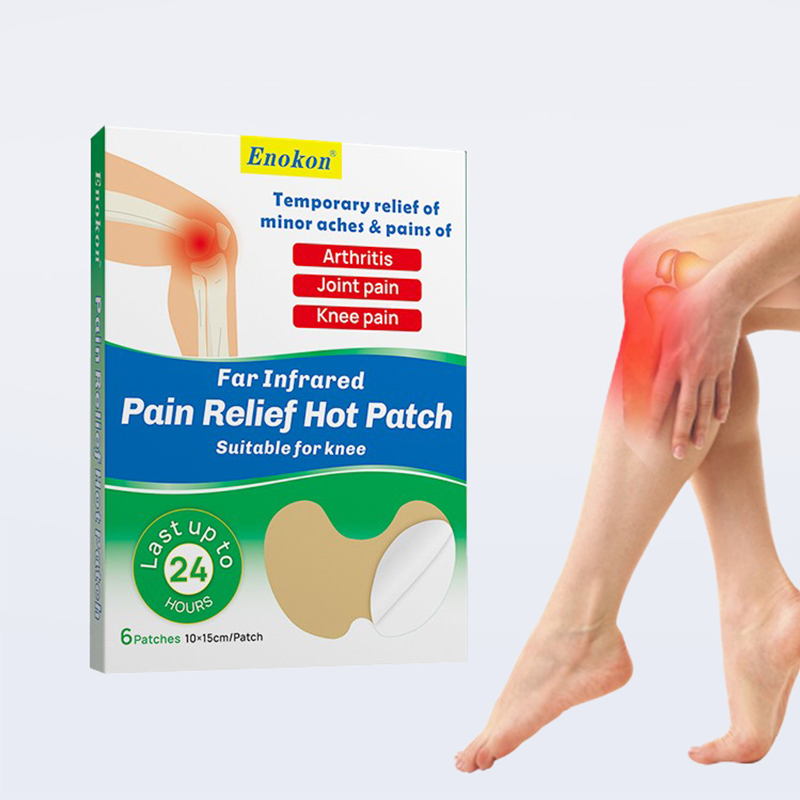
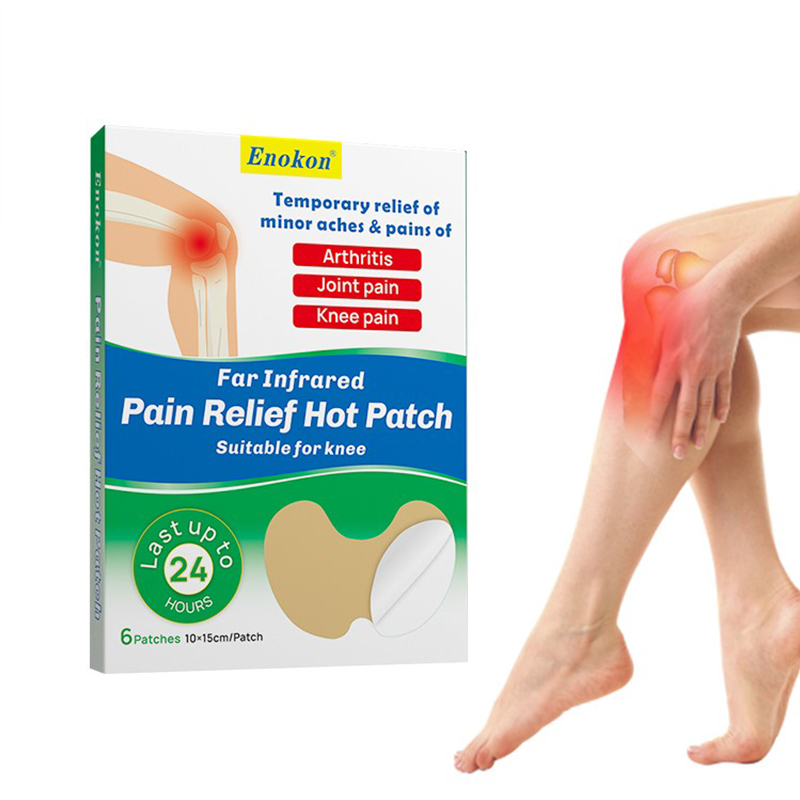
If the area is tender to the touch even under a covering, a thin local analgesic patch placed just around the blister margin, rather than directly on the open skin, can take the edge off discomfort during a workday without interfering with the primary dressing.
Sports Blister Prevention and Friction Blister Tape Techniques
Sports blister prevention is largely about reducing friction before a hot spot ever turns into a full blister. Runners, hikers, and racket sport players tend to develop blisters in predictable locations, which makes preemptive taping worthwhile.
Friction blister tape differs from a standard bandage in that it is designed to be applied before symptoms appear, over areas that historically blister during long activity. A thin, low-friction tape layered directly on the skin, smoothed flat with no wrinkles, reduces the shear force that causes the skin layers to separate in the first place.
Practical prevention habits that reduce blister frequency during activity:
Break in new footwear gradually rather than wearing it for a full activity on day one.
Keep feet and hands dry, since moisture increases friction against skin.
Apply tape or a preventive pad to known hot spots before starting, not after pain begins.
Choose moisture-wicking socks or gloves over cotton for long sessions.
An athletic bandage for blisters used mid-activity should stay flexible enough to move with the joint while still gripping the skin edges firmly, since a dressing that bunches up during motion often causes more irritation than no dressing at all.
Comparing Protection Methods: A Data Look
The charts below summarize general patterns reported across friction-injury care resources, comparing common covering approaches on comfort, protection, and typical wear time.
Reported Comfort Rating by Covering Type (out of 10)
Reported Discomfort Over Time With and Without Protection
Common Blister Locations Reported by Active Individuals
Covering Attributes Compared
Common Mistakes That Slow Blister Recovery
Even with the right materials on hand, a few habits routinely undo good blister recovery progress:
Leaving the same covering on for several days without checking underneath.
Popping a blister with unclean tools, which introduces bacteria directly into the wound.
Covering a wet or sweaty blister without drying it first, trapping moisture that softens surrounding skin.
Using a covering too small to reach past the blister edges, so friction still reaches the injured skin.
Returning to high-friction activity too soon without any preventive taping over the healing site.
Most of these mistakes come down to timing and fit rather than the covering itself, which is why matching the dressing to the activity and checking it daily matters as much as the initial choice of product.
Frequently Asked Questions
Q1: Can you put a bandaid on a blister that has not popped?
Yes. A light covering over an unbroken blister mainly guards against further friction and does not need to manage fluid drainage, so a standard adhesive strip is often enough.
Q2: Should I put bandaids on blisters before they start hurting?
If you know a specific spot blisters during certain activities, applying a thin protective covering before symptoms start is a reasonable prevention step rather than waiting for pain to appear.
Q3: What is the best bandage for blood blister care?
A cushioned, non-stick covering that will not adhere to the blister roof and can be changed frequently tends to work better than a thin adhesive strip for blood blisters.
Q4: How long does a protected blister take to heal?
Most properly protected friction blisters heal within five to seven days, though location, activity level, and how consistently the covering is changed all affect the timeline.
Q5: Is friction blister tape different from a regular bandage?
Yes. Friction tape is typically applied preventively to known hot spots before a blister forms, while a standard bandage is applied after skin damage has already occurred.






 English
  русский
  Français
  Español
  عربى
عربى 

 ENG
ENG