Typing for hours, washing dishes, completing a fine repair in the workshop, or playing basketball for several days in a row: a small wound on the fingertip often becomes the most distracting part of the day. Ordinary adhesive strips curl at the edges with every bend of the finger, lose their stick after contact with water, or simply fail to conform to the tapered shape of a fingertip. The more frustrating reality is that the strip falls off three times before the wound has a chance to heal. After repeated testing and comparison, the conclusion is clear: for fingertip wounds, a self-adhesive elastic finger bandage is usually the best choice. It relies on the cohesive layer of the bandage itself to secure the end, so no extra tape or clip is needed, and it stretches with the finger joints, which makes slipping much less likely. The sections below explain why fingertips are so difficult to dress, what to check when selecting a product, and how to wrap one so that it actually stays in place.
Why Fingertips Are the Hardest Area to Dress
The shape of a fingertip is one of the trickiest things in bandage design. The finger ends in a cone-like form, the fingertip pad has a full curved surface, and the interphalangeal joint bends through close to a hundred degrees every day. Most ordinary adhesive strips are designed for flat sections of a limb, so they tend to lift at the edges when placed on a fingertip. On top of that, the fingertip area has a higher density of sweat glands than many other parts of the body, and fingers frequently come into contact with water, oils, and detergents, which quickly weaken the backing adhesive of conventional strips.
Apart from the physical conditions, fingertips also carry a heavy frictional load in daily tool use. When gripping a pen, lifting a dumbbell, or striking a keyboard, the skin on the finger experiences both contact pressure and sliding displacement against the tool surface. If the bandage cannot stretch and adapt, it will lose its hold after just a few repetitions. The following table shows the practical differences clearly.
Ordinary adhesive strips versus self-adhesive elastic finger bandages for fingertip use
| Comparison dimension |
Ordinary adhesive strip |
Self-adhesive elastic finger bandage |
| Contour fit |
Fails to cover the full fingertip curve |
Follows the fingertip outline closely |
| Stability when bending |
Edges lift and dislodge at the joint |
Stays adhered through normal movement |
| Sweat and water |
Adhesion drops noticeably |
Cohesive layer keeps its grip better |
| Reapplication |
Adhesive weakens after repositioning |
Usually can be adjusted and re-fixed |
What to Look for in a Fingertip Bandage
When selecting a fingertip bandage, look at five parameters rather than the packaging or color. These values determine wearing comfort, fixing durability, and how well the healing site is protected.
- Self-adhesive strength: Whether the material can secure its own end without an additional strip of tape is a basic test of convenience. The behavior of the cohesive layer after sweating or water contact matters just as much. Detailed usage factors can be found in the benefits of a self-adhesive finger bandage.
- Elasticity: The finger joints move through a wide range, so the material should be able to stretch by at least 40% to 60% without causing edge lift or pressure marks.
- Breathability: Cotton or nonwoven materials with good air permeability reduce the risk of maceration and skin wrinkling during extended wear.
- Cut-to-size flexibility: A rolled bandage can be trimmed to the width of each finger, which reduces waste and improves adaptability on different digits.
- Low sensitization: Latex-free and protein-free formulations are safer for sensitive skin and align with medical and nursing procurement requirements.
Practical tolerance guidance: If the goal is everyday activity, choose a material with high stretch and a mild cohesive layer. For different usage contexts, Sports Protection Medical Care Daily Healthcare scenarios can guide the selection of thickness and roll length.
Best Bandage Types for Fingertips: A Practical Comparison
Fingertip dressings are not all the same. They differ greatly in how well they adapt to the finger form. When preparing a first-aid kit or planning a bulk purchase, the working principles of each type should be clear.
Applicability comparison of different fingertip dressing materials
| Type |
Elasticity |
Fixing method |
Best-fit scenario |
| Ordinary adhesive strip |
Low |
Backing adhesive |
Minor cuts and short-term protection |
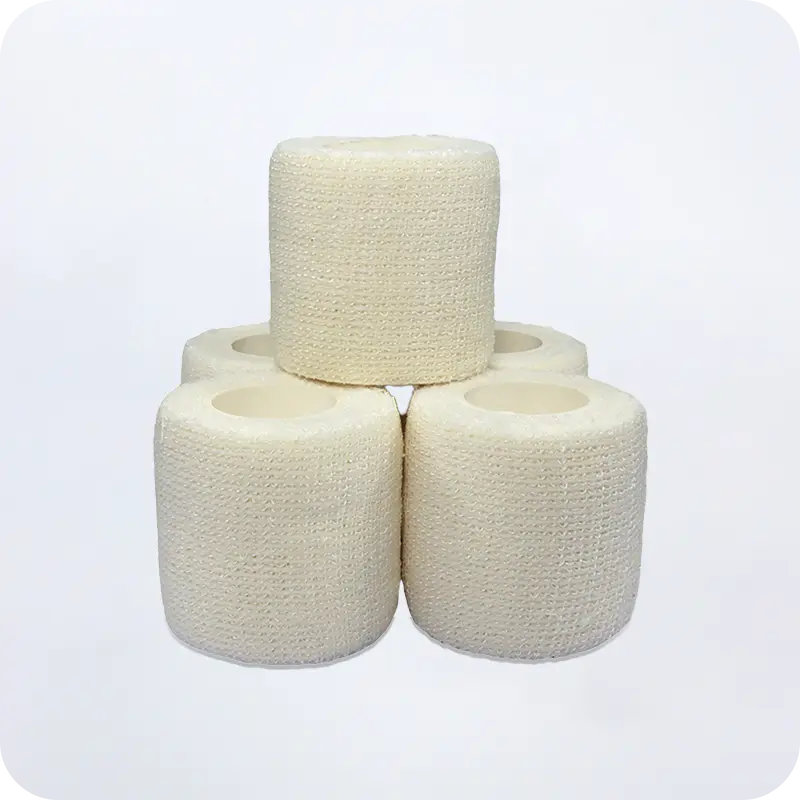
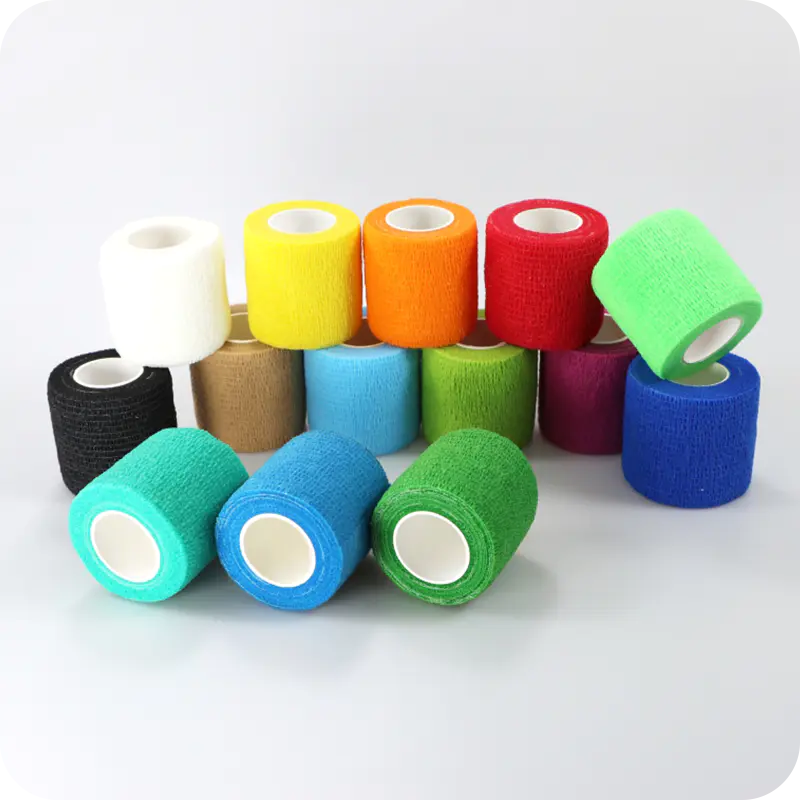
| Self-adhesive elastic bandage |
High |
Cohesive self-tacking |
Sports, prolonged work, medical dressing |
| PBT bandage |
Medium |
External tape or end fixation |
Cases that need an additional fixing layer |
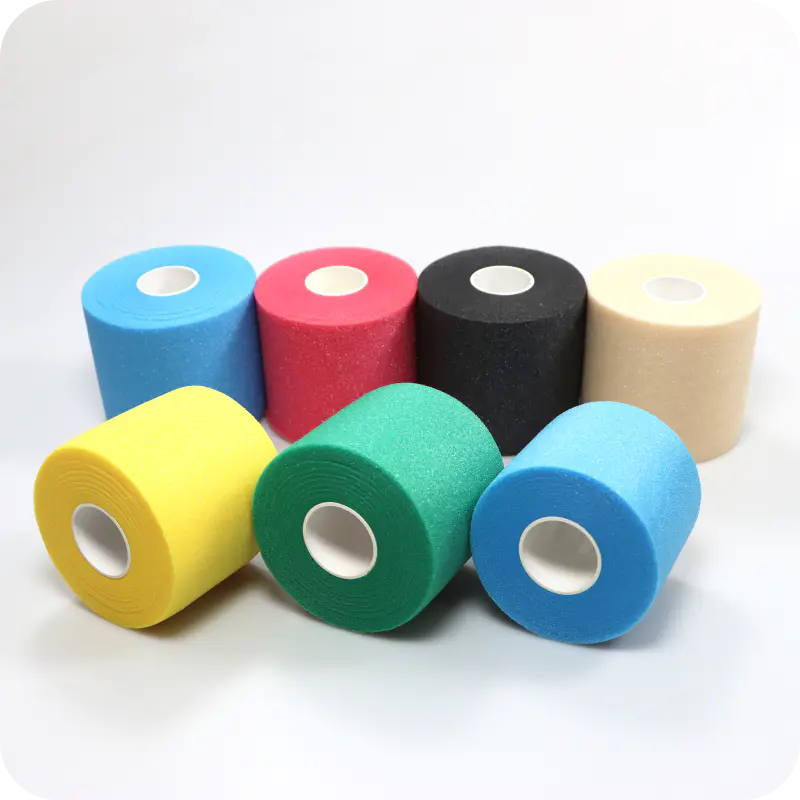
| Foam underwrap |
Medium |
Underwrap before sports tape |
Friction prevention and protection during sport |
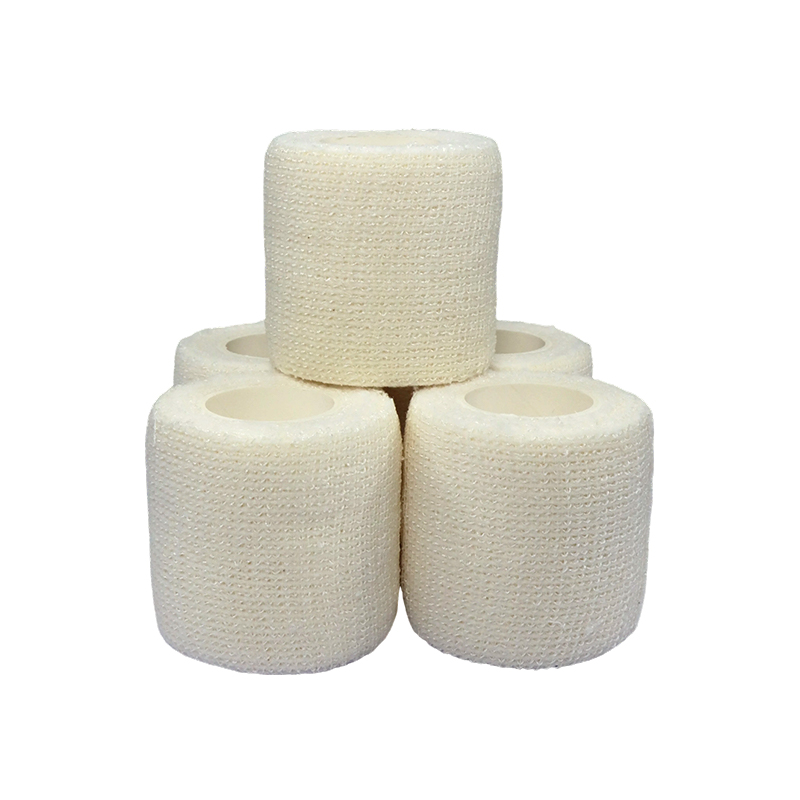
For most fingertip injuries, the self-adhesive elastic bandage offers the clearest overall advantage in conformity, bending stability, and application speed. If you need a finger-specific product, consider self-adhesive finger protection wrap tape as a practical option.
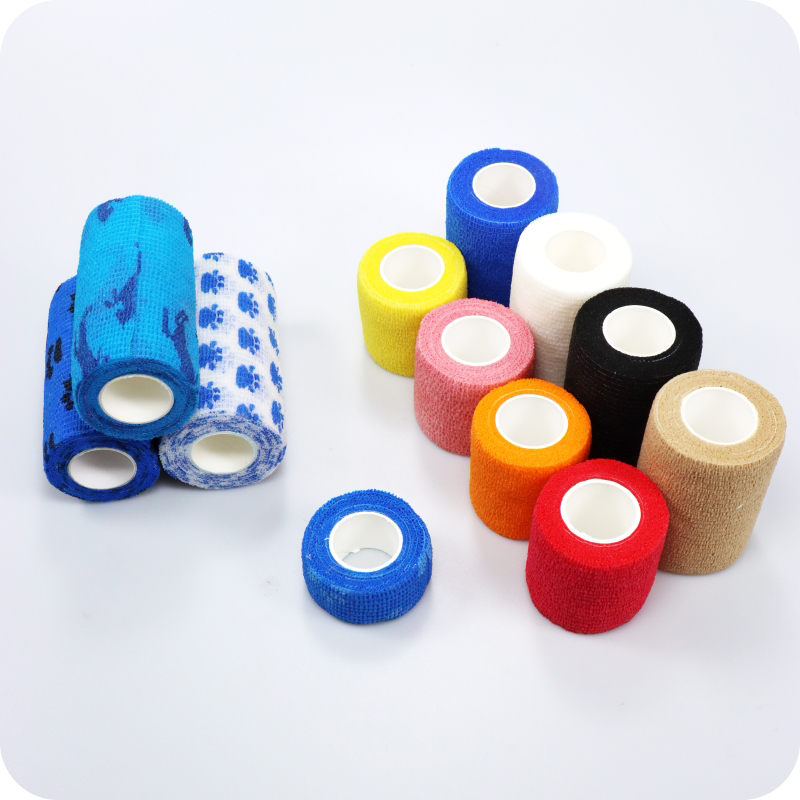
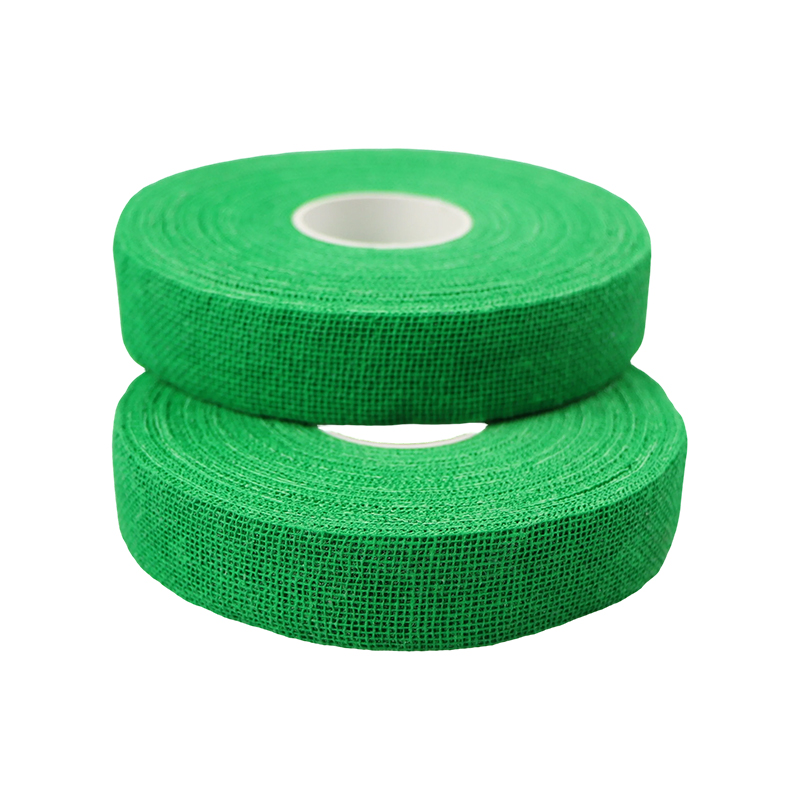
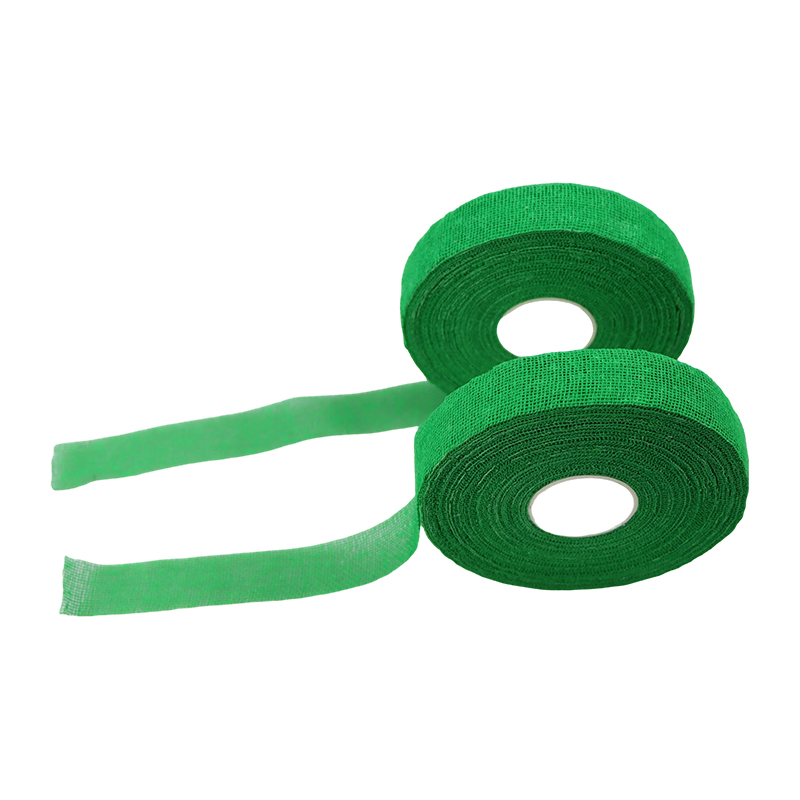 Self-Adhesive Finger Wrap Tape for Reliable SupportThis self-adhesive tape sticks only to itself, needs no pins, and offers adjustable tension. Its breathable cotton blend keeps skin dry during sports, making it a practical choice for fingertip injuries and active use.View Product →
Fingertip Bandages for Sports, Gym, and Outdoor Work
Sports put the harshest demands on a fingertip bandage: frequent bending, palm sweat, and repeated friction against rackets, bars, or grips. In basketball, tennis, badminton, certain grappling sports, and resistance training, ordinary strips often come off after a single explosive movement. A breathable cotton or nonwoven self-adhesive material performs far better because it absorbs moisture while maintaining a stable support layer on the skin.
Before training, cut the bandage to a suitable width, then apply it in a spiral from the fingertip toward the metacarpophalangeal joint. This approach protects the wound and also reduces friction between the finger and the equipment. For a fitness-level wrap that balances comfort and durability, cotton self-adhesive finger protector tape is a solid choice.
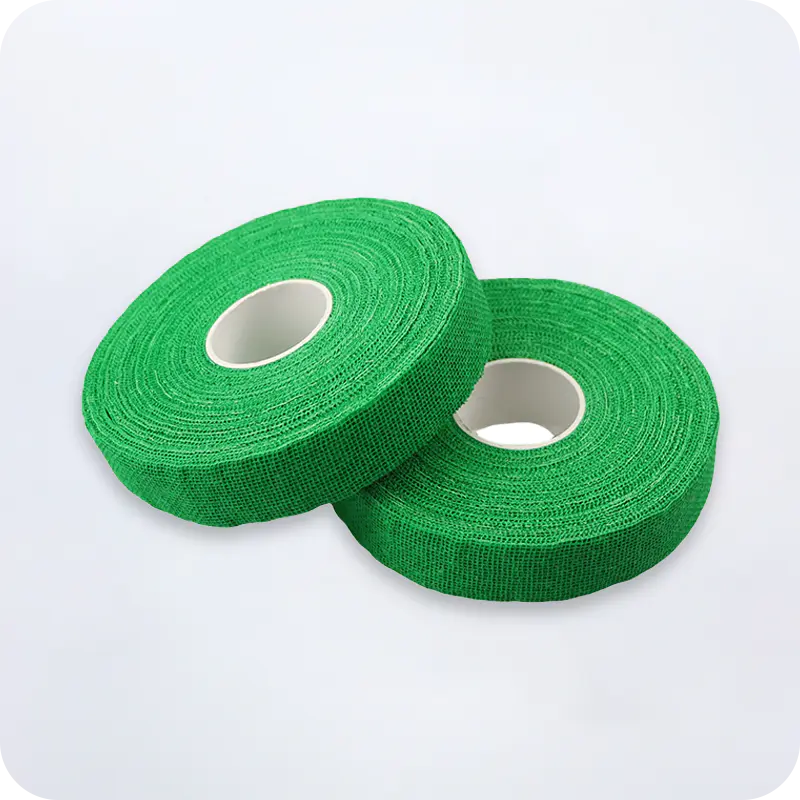
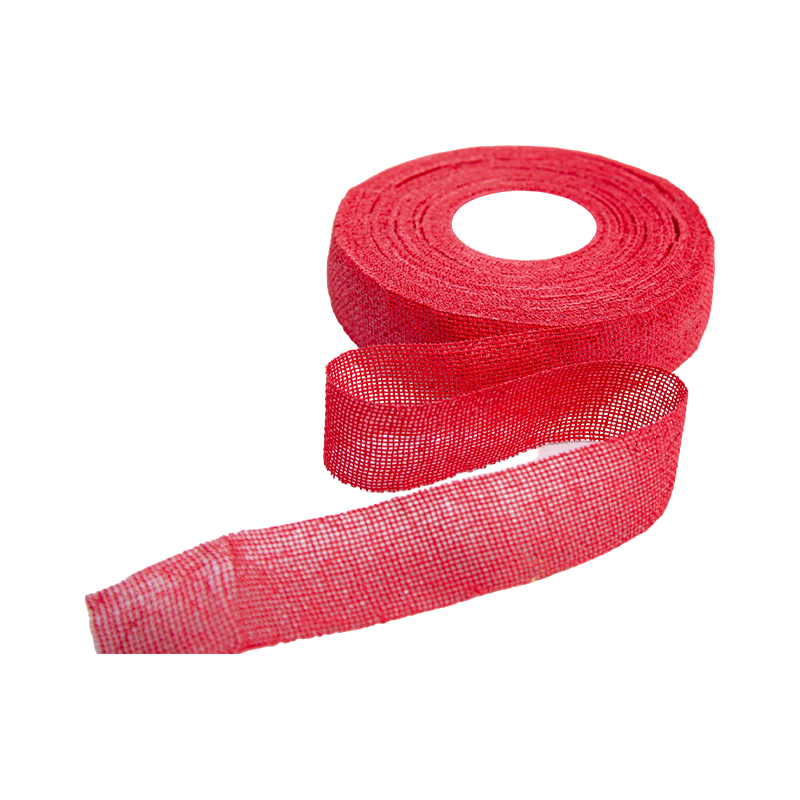 Cotton Self-Adhesive Finger Protector Tape for ComfortFeaturing a soft cotton inner layer and self-adhesive outer coating, this tape provides breathable comfort and secure fixation. It applies quickly without clips, ideal for balancing durability and comfort in daily or athletic tasks.View Product →
How to Wrap a Fingertip Correctly
Once the material is selected properly, application technique decides whether the bandage holds. The following steps work well with self-adhesive elastic bandages and can also be combined with a gauze pad when needed.
Step 1: Clean and Dry the Finger
Remove dust, grease, and sweat gently. Dry the finger completely with a clean cloth. If a wound needs a primary dressing, place a thin non-adherent pad over it before bandaging.
Step 2: Cut the Bandage to the Right Width
Cut about 8 to 12 centimeters from the roll, matching the width to the thickness of the finger. Oversized material can hinder neighboring fingers and create folding bulk.
Step 3: Anchor at the Fingertip and Wrap in Spirals
Press the end on the volar side of the fingertip, pass it around the tip, and continue with spiral overlaps toward the joint. Each lap should cover 30% to 50% of the previous layer so a continuous protective surface is formed.
Step 4: Fix the End and Check the Tension
The final circle must attach only to the bandage itself, with a slight stretch and a gentle press. Avoid wrapping too tightly. Watch the fingertip for whitening or numbness. In high-friction activities, the outer layer can be reinforced with a sports cohesive bandage for finger protection.
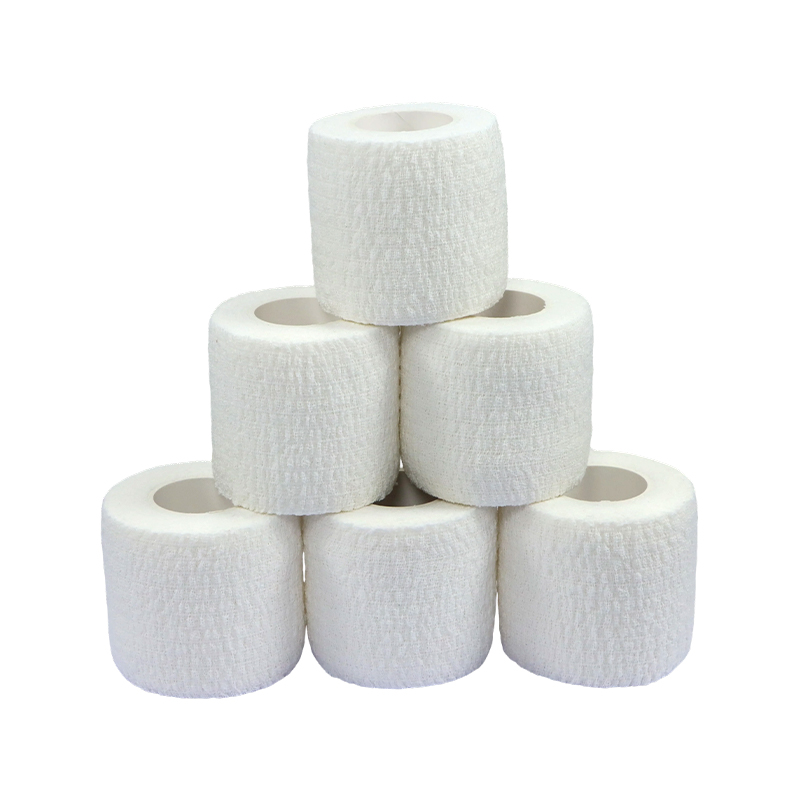
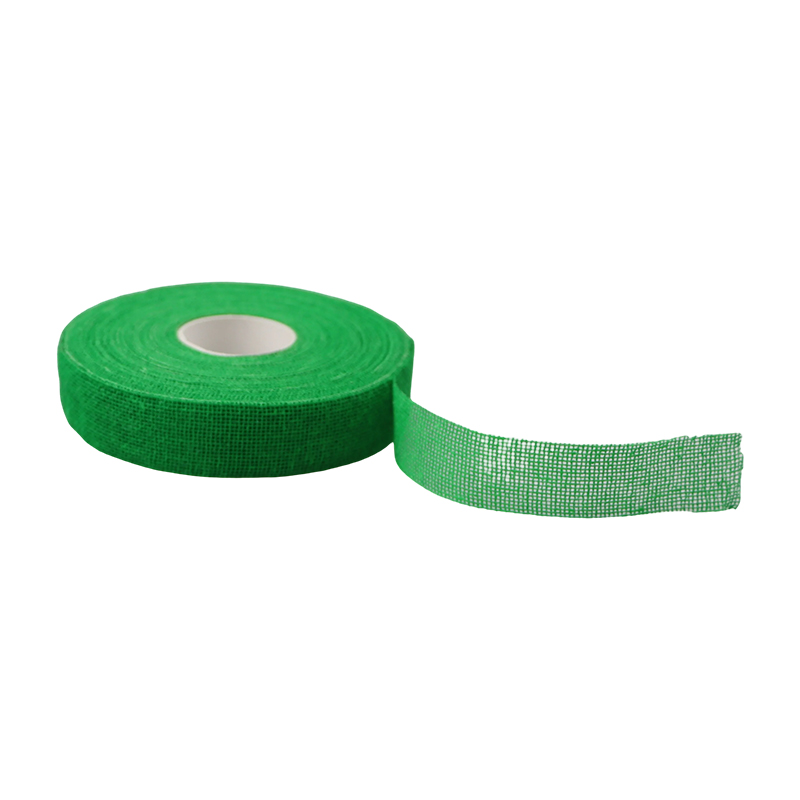 Sports Cohesive Bandage for Finger StabilityThis cohesive bandage offers professional-grade stabilization, hypoallergenic adhesive, and easy tear application. Its breathable fiber material ensures comfort during high-friction activities, providing effective finger protection without residue.View Product →
Frequently Asked Questions About Fingertip Bandages
Q1: How can I keep a fingertip bandage from falling off?
The answer lies in material selection and wrapping sequence. Self-adhesive elastic bandages hold better than ordinary backing-adhesive strips. Keep the finger dry, anchor the start at the fingertip pad, and make the final end fix only on the bandage itself to reduce edge lifting.
Q2: Should a fingertip wound stay moist or dry?
Modern moist healing concepts can support recovery, but breathability is still important on a fingertip. Cotton and nonwoven materials allow vapor exchange and reduce moisture buildup. If the wound exudes, cover it with a non-adherent pad before applying the bandage.
Q3: What is the best fingertip bandage for workouts?
For training, cotton self-adhesive or sports-grade finger bandages are preferable. They tolerate skin moisture and joint flexion while maintaining adhesion. If pre-wrap is needed, apply foam underwrap as a base, but the outer layer should still be fixed securely.
Q4: Can a self-adhesive bandage be reapplied?
Most self-adhesive products can be repositioned briefly, but repeated peeling will reduce the cohesive quality. Use a fresh cut segment for each new application and keep sufficient length for the final end.
Choosing the Right Fingertip Bandage Starts with the Material
The fingertip is a small area, but it is subjected to constant movement and friction. The most straightforward way to escape the cycle of repeated dressing changes is to keep a roll of self-adhesive elastic bandage on hand. When selecting or procuring, focus on self-adhesion, elasticity, breathability, cut-to-size flexibility, and low sensitization. Fit the type to the actual setting: sports, medical care, rehabilitation, or daily home use.
For users with long-term or bulk needs, practical comparison and proper wrapping technique together make fingertip protection reliable. The most effective first step is to choose a bandage that can follow the finger instead of fighting against it.






 English
  русский
  Français
  Español
  عربى
عربى 

 ENG
ENG