Cleaning a wound properly is the single most important step in preventing infection and supporting faster healing. Whether you have a minor cut from preparing food, a scrape from a bike fall, or a puncture from a garden thorn, the process is essentially the same: remove contamination, protect the wound bed, and apply a suitable dressing. As a wound care manufacturer, we see preventable infections every day caused by one simple oversight: using the wrong technique or the wrong materials. Here is the method we recommend.
Why Proper Wound Cleaning Matters
A dirty wound is a breeding ground for bacteria. If you leave foreign material in the wound, your immune system must work harder, and the risk of infection rises. Infection not only delays healing but also increases scarring and can lead to systemic complications. A wound that is cleaned promptly and correctly reduces bacterial counts enough for the body's repair mechanisms to start working immediately. The goal of wound cleaning is not to sterilize the wound (that is impossible), but to bring the microbial load down to a level your immune defense can manage.
What You Need Before You Start
Everyone has these items at home, but it is worth checking before you begin. Keep the supplies in one small kit so you are not fumbling when you need them.
- Clean running water (tap water is fine)
- Mild, unscented soap
- Sterile tweezers (cleaned with alcohol)
- Clean gauze pads or a soft cloth
- Antibiotic ointment (optional, for superficial wounds)
- A self-adhesive elastic bandage or a suitable dressing to cover the wound
Make sure your hands are clean or wear disposable gloves. The first rule of wound care is that the person who cleans the wound should not become a new source of bacteria.
Step-by-Step: How to Clean a Wound Properly
- Wash your hands. Use soap and warm water for at least 20 seconds. If the wound is on your finger, avoid washing it directly with soap; clean the surrounding area instead.
- Stop the bleeding. Apply gentle pressure with a clean cloth or gauze for 5-10 minutes. If the bleeding stops, proceed. If it continues after 15 minutes, seek medical help.
- Rinse the wound with running water. Hold the area under lukewarm tap water for a few minutes to flush away loose dirt and debris. The water stream should be gentle, not forceful.
- Clean the skin around the wound. Use mild soap on the intact skin surrounding the wound. Lather gently and rinse thoroughly. Keep the soap outside the wound itself; soap can irritate the exposed tissue.
- Remove visible debris. Use sterile tweezers dipped in alcohol to lift out any remaining particles such as glass, gravel, or splinters. If you cannot remove them easily, do not dig; leave it for a professional.
- Pat the area dry. Use a clean gauze pad or a soft, lint-free cloth. Patting is better than rubbing. Drying the surrounding skin makes the dressing adhere well.
- Apply a thin layer of antibiotic ointment. This step is optional but useful for minor cuts and scrapes. It keeps the wound moist and provides a protective barrier. Avoid using too much.
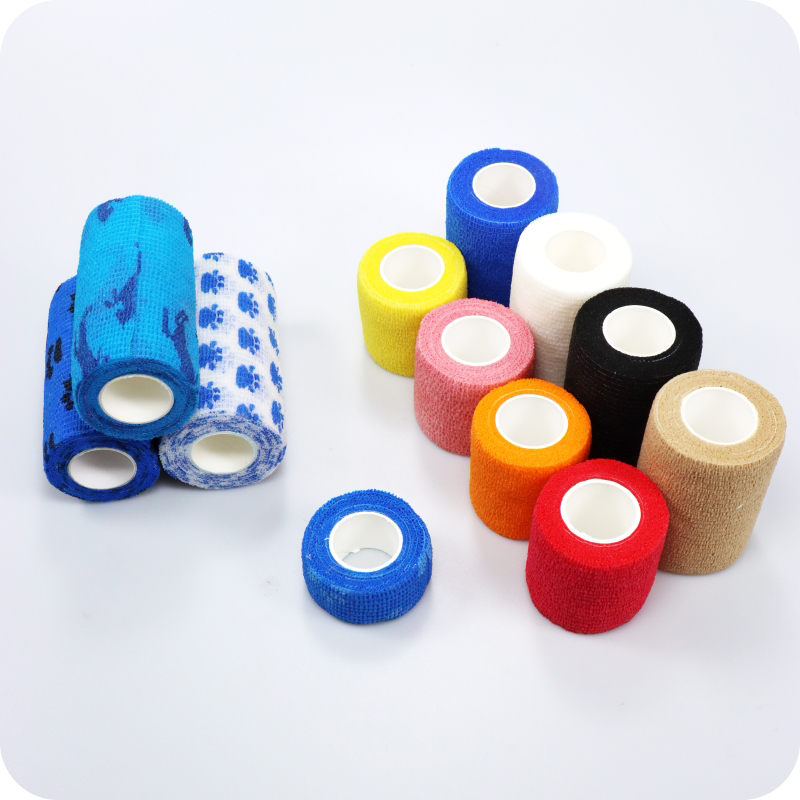
- Cover the wound. Select a dressing that matches the wound size and location. For small cuts, an adhesive bandage is enough. For larger wounds, a self-adhesive elastic bandage offers gentle support while protecting the area.
Choosing the Right Bandage for the Wound
Not every bandage is the same. The type of dressing you choose depends on the wound's location, the amount of movement it must withstand, and whether it needs to be visible or discreet.
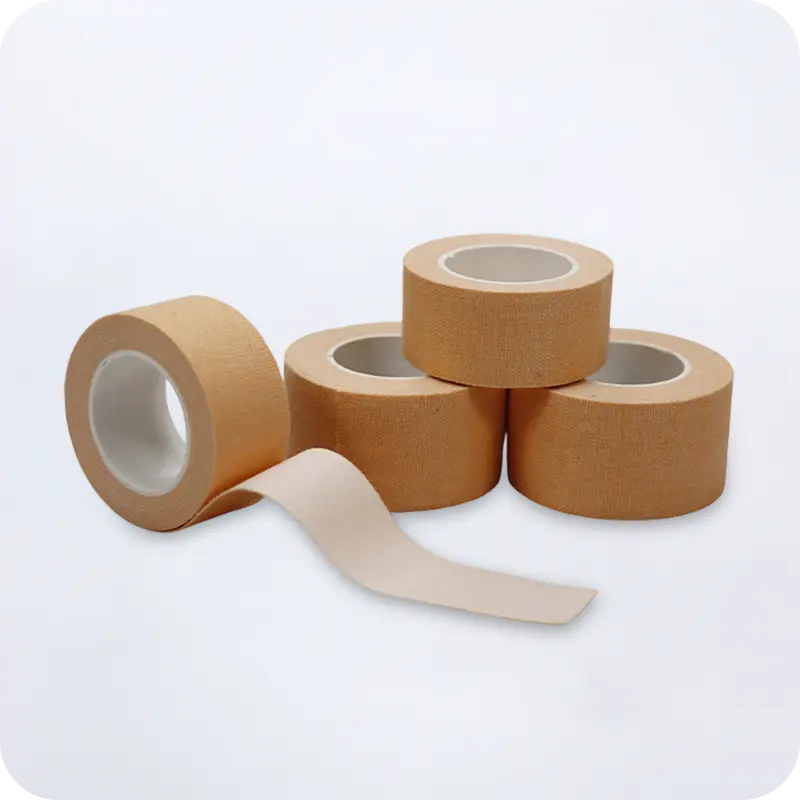
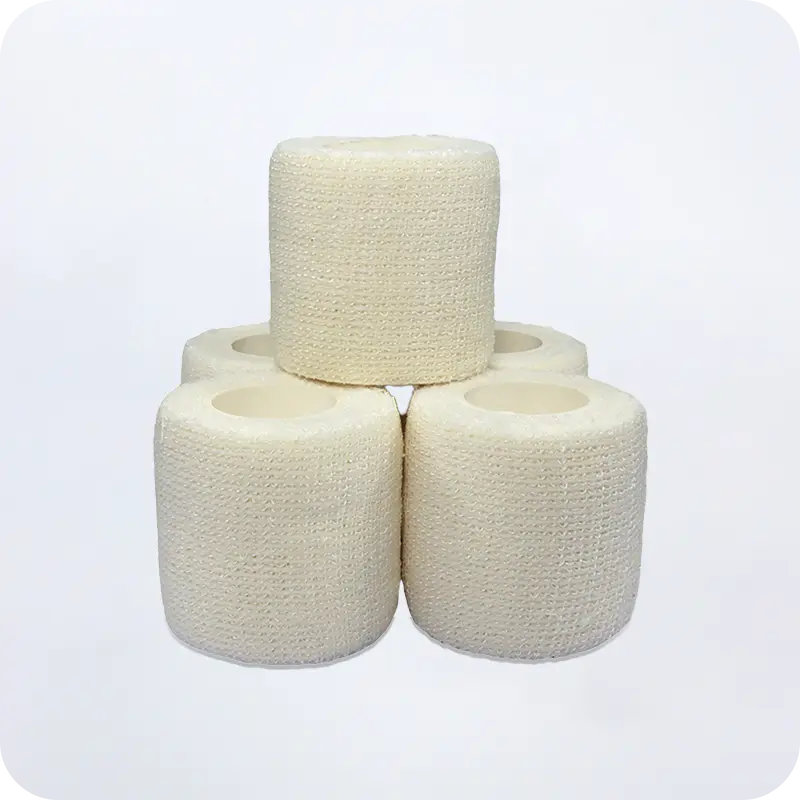
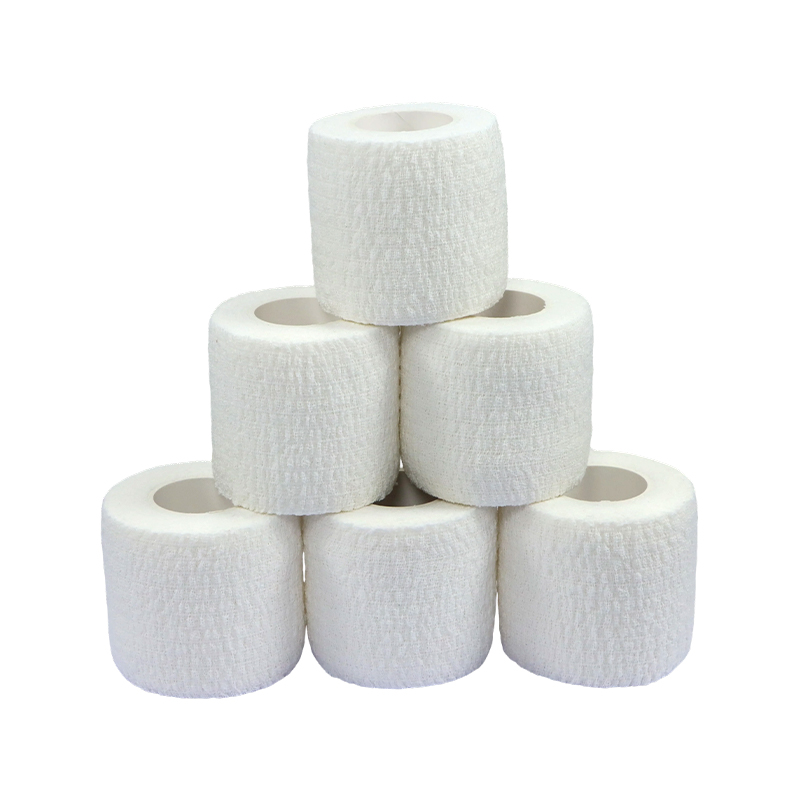
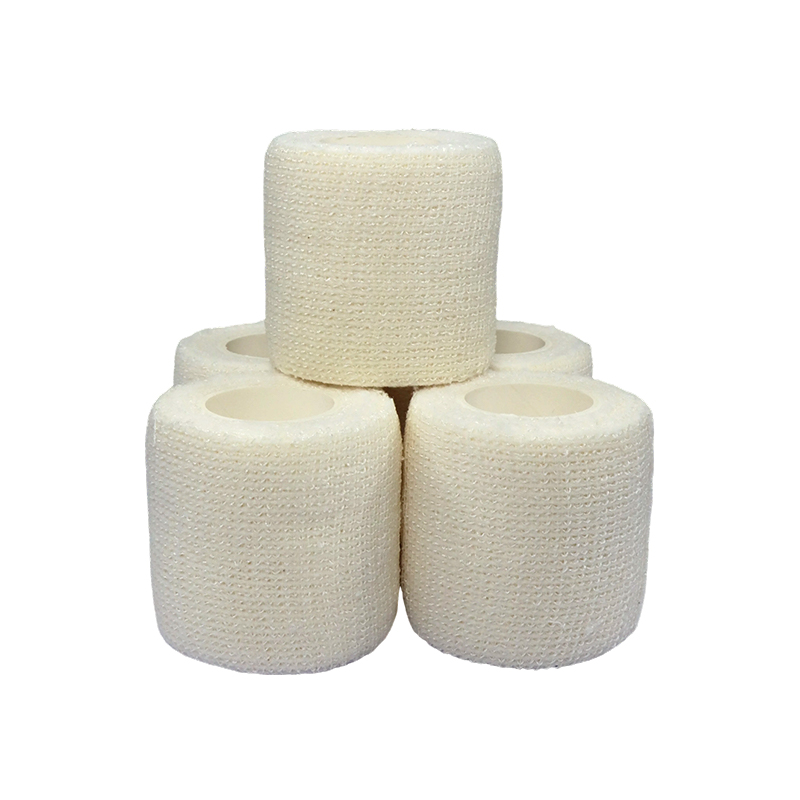
For wounds on the arms, legs, or torso that require a dressing that stays in place without adhesive tape, a skin-colored self-adherent elastic wrap roll is an excellent option. It conforms to the body, provides light compression, and does not stick to the wound itself, making dressing changes easier.
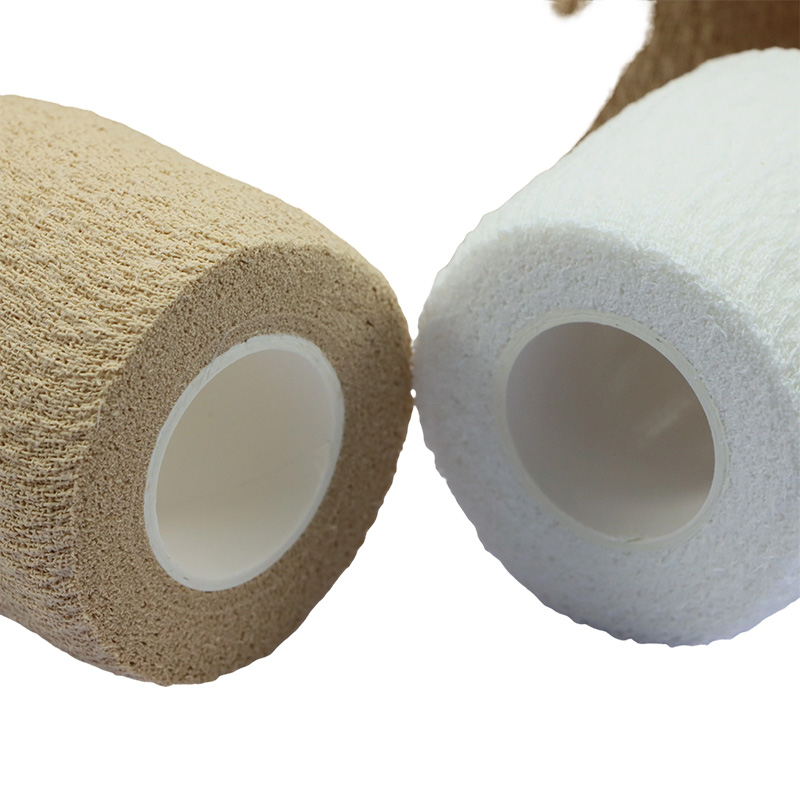 Skin-Colored Self-Adhesive Elastic Bandage Wrap for Discreet SupportThis cotton elastic bandage offers a natural skin tone for subtle wrapping, with self-adhesive closure and even compression. Its breathable, allergy-conscious design suits daily care and rehabilitation needs, making dressing changes simple.View Product →
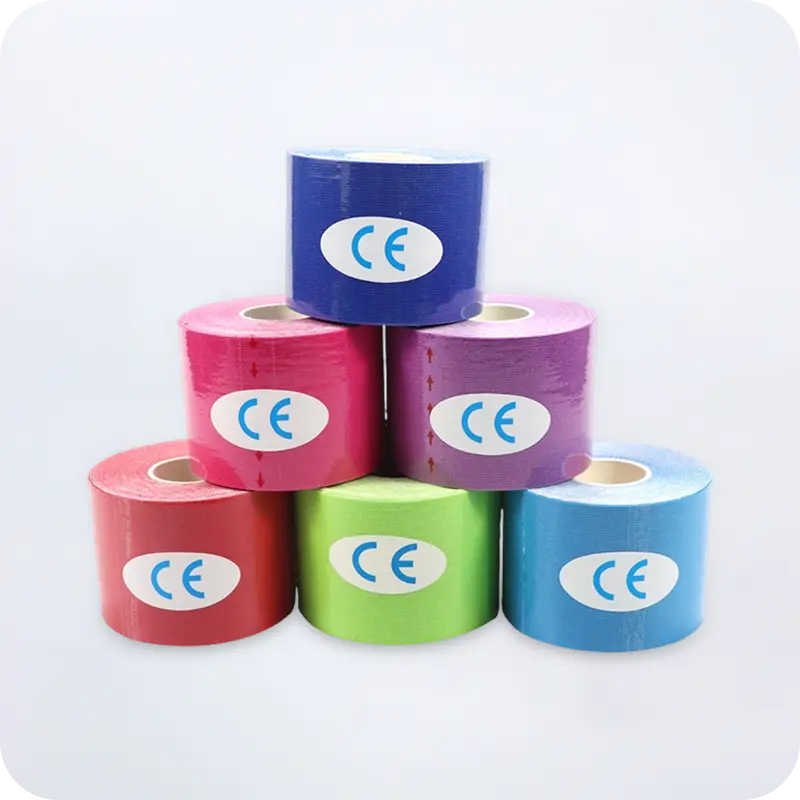
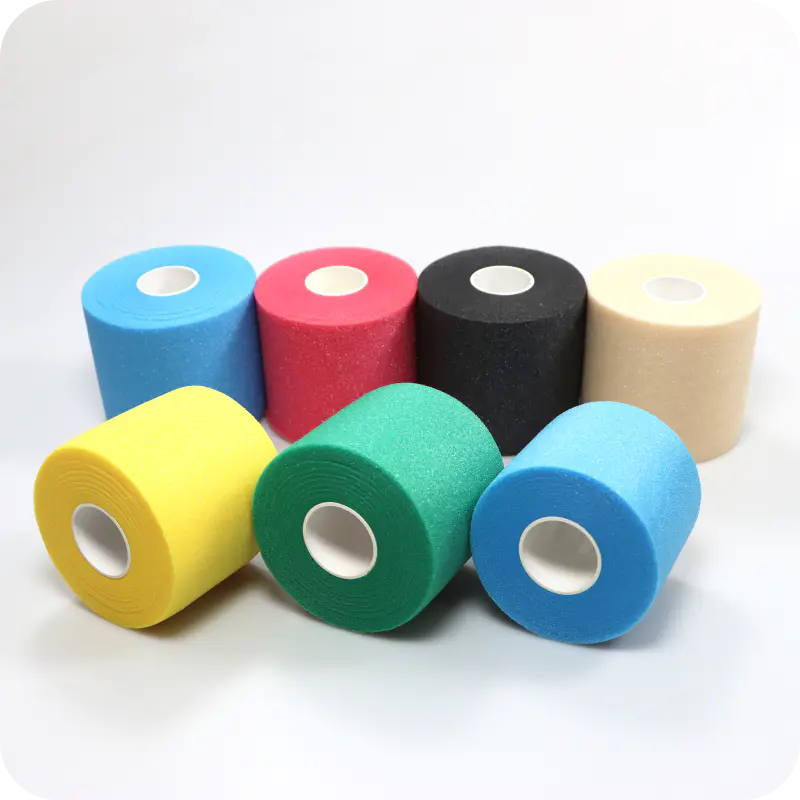
If the wound is minor and you are looking for a lightweight, breathable option that allows the skin to stay dry, a breathable PBT bandage for sports injuries works well. It is soft, stretchable, and does not cut off circulation, making it suitable for regular movement.
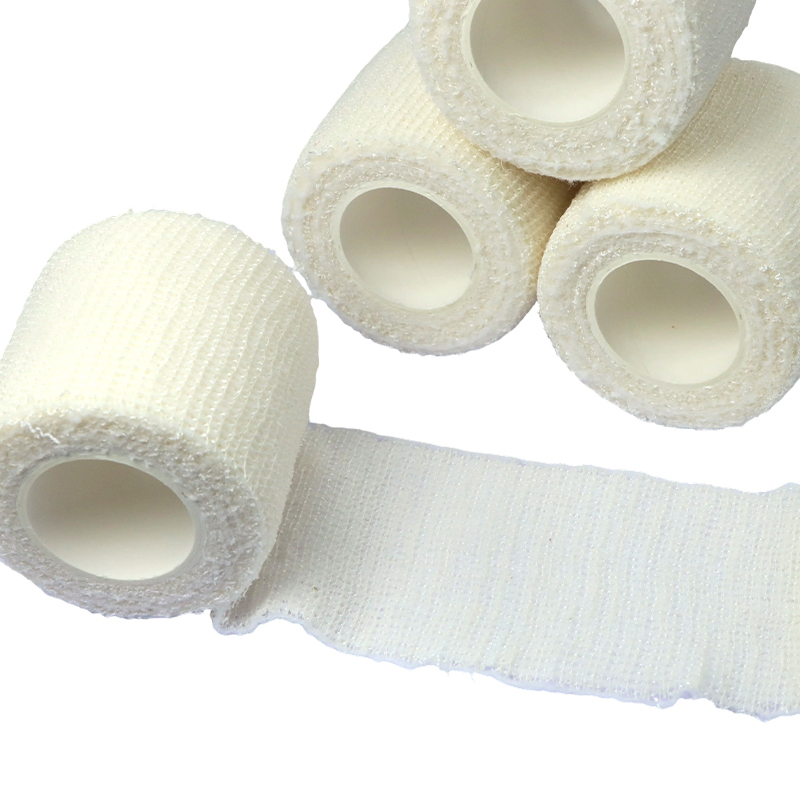 Breathable PBT Self-Adherent Bandage for Sports Injury SupportEngineered with open mesh weave, this latex-free bandage promotes airflow and moisture evaporation, keeping skin dry during activity. Its self-adherent design secures without clips, ideal for joint stability and muscle strain management.View Product →
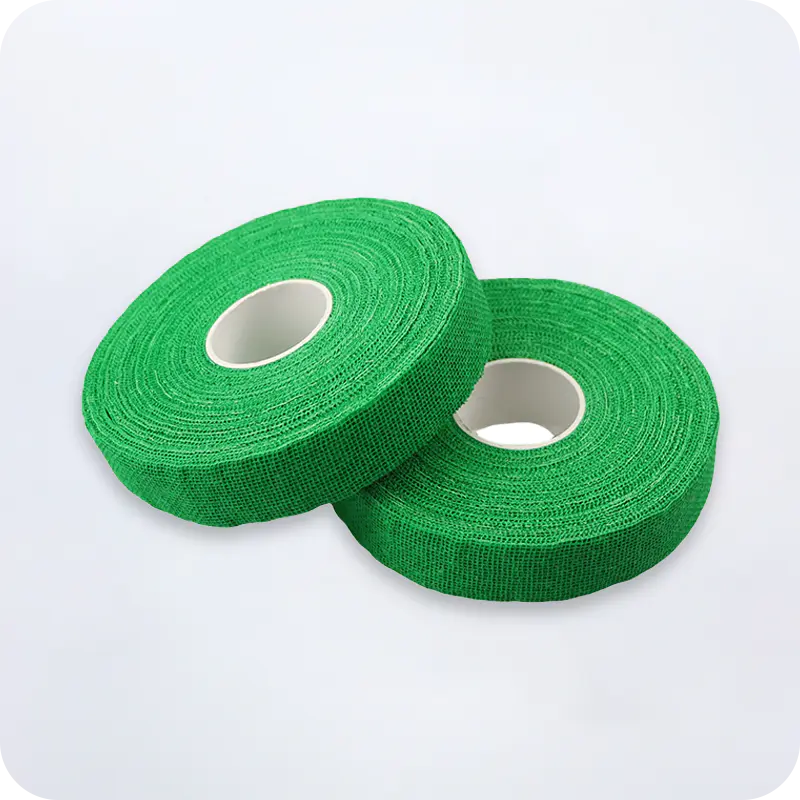
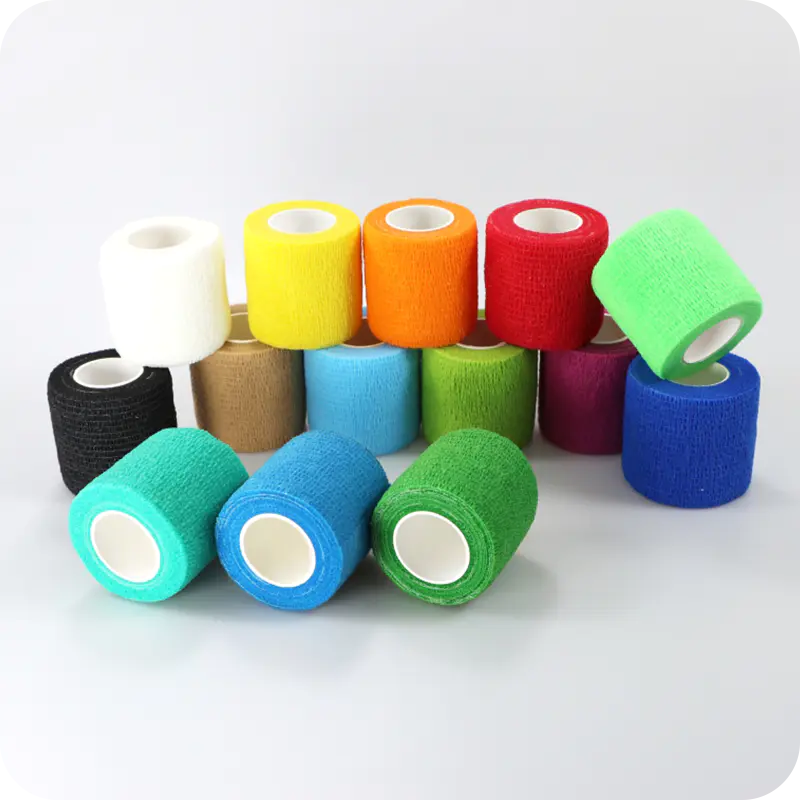
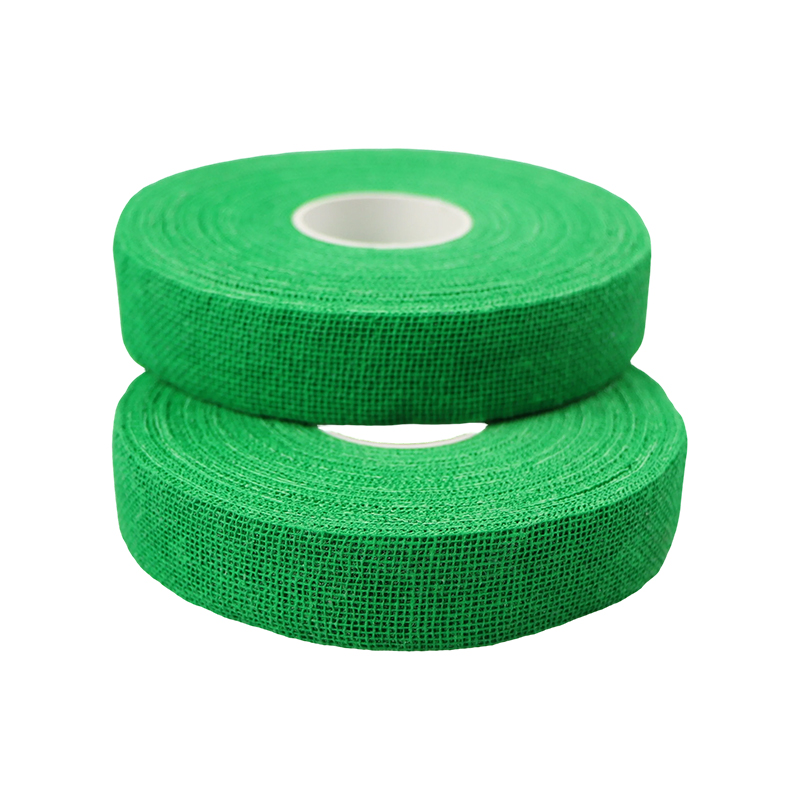
For small wounds on the fingers or hands where you still need to use your hands, a cotton self-adhesive finger protector tape provides a snug fit without restricting fingertip movement. This is especially useful for people who work with their hands or for sports injuries.
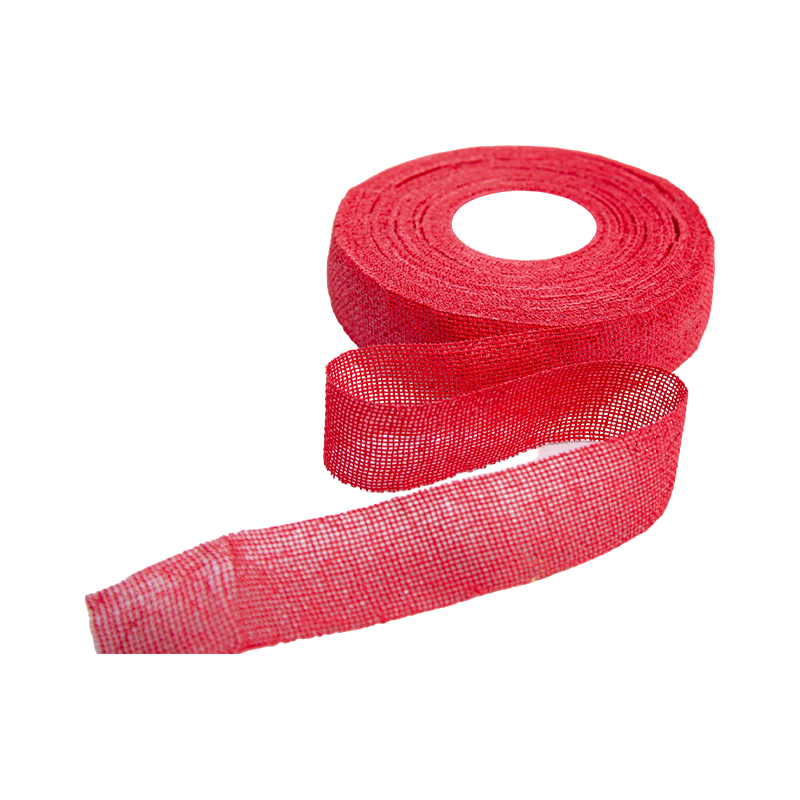 Cotton Self-Adhesive Finger Protector Tape for Active UseThis finger tape combines a soft cotton inner layer with a self-adhesive outer finish, providing a snug fit without restricting movement. It stays in place during manual tasks and offers breathable comfort for minor wounds.View Product →
Always ensure the bandage is not too tight. A dressing that stops blood flow can cause tissue damage. Check the fingers and toes for the color and warmth after applying the bandage.
Common Mistakes When Cleaning a Wound
Many people think they are helping when they actually slow down healing. Here are the most common mistakes we see:
Do not use alcohol, iodine, or hydrogen peroxide to clean an open wound. These substances can damage the fragile new tissue and delay healing. They are useful for intact skin and equipment, but not for open wounds.
- Scrubbing the wound. Gauze and soap should be used gently, never aggressively.
- Allowing soap to enter the wound. Soap can irritate the wound bed and increase pain.
- Leaving a dressing on for too long. Change the dressing when it becomes wet or dirty, or at least every 24 hours for the first few days.
- Touching the wound with bare hands. Even clean hands carry bacteria.
- Removing a stuck dressing without moistening it. This rips away new tissue and causes bleeding.
When to Seek Medical Help
Not every wound can be managed at home. You should see a doctor if any of the following conditions apply:
- The wound is deep, gaping, or longer than about 1.5 centimeters.
- The wound is a puncture wound, especially from a rusty object or an animal bite.
- Bleeding does not stop after 15 minutes of direct pressure.
- The wound is contaminated with soil, saliva, or feces.
- You notice increasing redness, swelling, warmth, or drainage after 24 hours.
- You have diabetes or a weakened immune system.
- You have not had a tetanus booster in the past 10 years.
In these situations, professional wound care is the safest path. Early treatment can prevent a small problem from becoming a serious infection.
Frequently Asked Questions About Wound Cleaning
Q1: Can I use soap directly in the wound?
No. Soap is for the intact skin around the wound. If soap goes into the wound, it can irritate the exposed nerve endings and cause pain. Use running water to flush the wound itself. If you want to learn more about preventing skin damage, you can read how medical nonwoven tape helps prevent skin damage after surgery.
Q2: How often should I change the dressing?
For the first 24-48 hours, change the dressing at least once a day, or immediately if it becomes wet or soiled. After that, change it every 1-2 days depending on the wound. A moist wound environment is ideal, but not a soaked one.
Q3: How do I know if the wound is infected?
Watch for redness that spreads, swelling that worsens, warmth, throbbing pain, and pus or cloudy drainage. Fever and feeling poorly are also signs of infection. If you see these symptoms, see a healthcare provider as soon as possible.
Q4: Should I keep the wound open or covered?
Cover it. An open wound dries out, forms a hard crust, and heals slower. A covered wound stays moist, which supports cell migration and reduces scarring. Use a dressing that lets the skin breathe.
Cleaning a wound properly takes five minutes, but it sets the entire healing process on the right track. Remember the key points: wash your hands first, rinse with clean water, keep soap on the skin around the wound, remove debris gently, and cover it with the right dressing. If you ever need help selecting a dressing, contact us; we have the knowledge and the product range to support you. And when in doubt, medical advice is always one step away.






 English
  русский
  Français
  Español
  عربى
عربى 

 ENG
ENG

