When you reach for a hot pan or brush against a steamer, the immediate sting is unmistakable. Within hours, a raised, fluid-filled burn blister may form. The good news is that most burn blisters heal well with simple first aid: cool the area, keep the blister intact, and protect it with a clean dressing. The keys are speed, clean technique, and knowing when the burn is beyond home care.
What a Burn Blister Actually Is
Burn blisters form when heat damages the upper layers of skin, causing fluid to collect beneath the dermis. In burn classification terms, a blister usually signals a second-degree burn, often called a partial-thickness burn. This is deeper than a first-degree burn, which leaves the skin red and painful but intact. Because the barrier is open, a blister needs different care than simple redness.
Key point: A burn blister is a natural sterile dressing. Keeping it intact is one of the simplest ways to prevent infection.
A first-degree burn may be uncomfortable, but it does not produce blisters. A second-degree burn damages the epidermis and part of the dermis, leading to pain, redness, swelling, and a blister. Remember that the size and location of the blister matter more than the blister itself.
Step 1: Cool the Burn Quickly
Cooling is the single most important action for any burn blister. Hold the affected area under clean, cool running water for 20 minutes, starting as soon as possible. Cool water helps stabilize the skin, reduce pain, and limit the damage that continues after the heat source is gone.
Use tap water at a comfortable cool temperature, not icy water, and avoid ice directly on the skin because extreme cold can worsen tissue damage. Continue for the full 20 minutes even if the pain seems to fade. Remove any clothing or jewelry that could trap heat, but do not pull at skin or clothing stuck to the wound.
Why You Should Never Pop a Burn Blister
The blister roof is a natural sterile dressing. Popping it invites bacteria and turns a manageable second-degree burn into a higher infection risk.
- Do not pop the blister with a needle, pin, or razor.
- Do not soak the area in hot water or apply heat.
- Do not use butter, toothpaste, or tea tree oil, which can irritate the burn.
If the blister breaks on its own, leave the roof in place, or trim only the loose edges with clean scissors. Rinse gently with plain water, avoid harsh antiseptics, and cover with a sterile, nonstick dressing. Keep the area moist with a thin layer of petroleum jelly or a medical-grade ointment to prevent the dressing from sticking.
How to Bandage a Burn Blister Safely
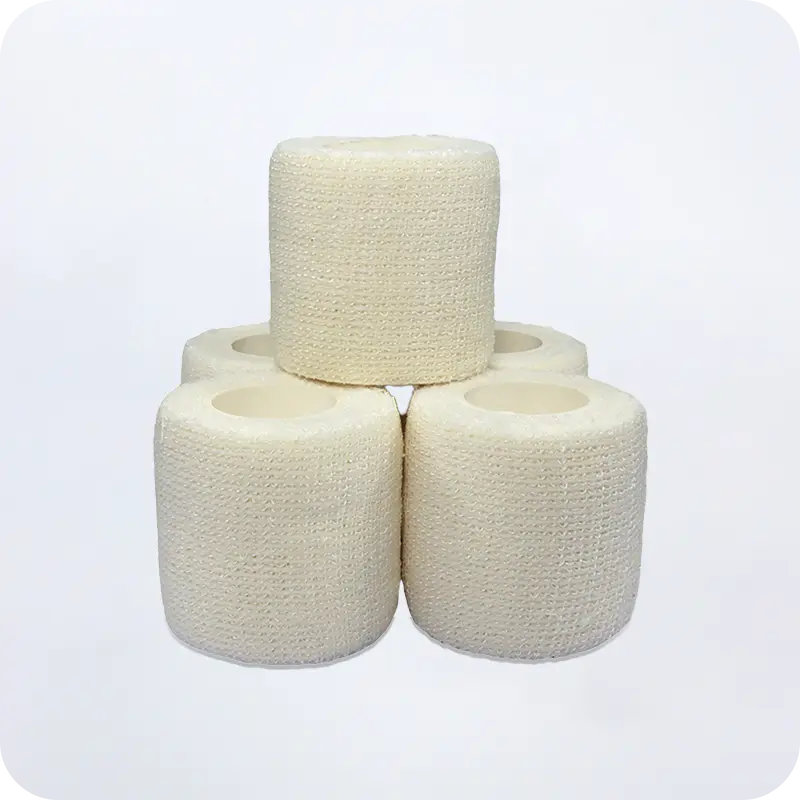
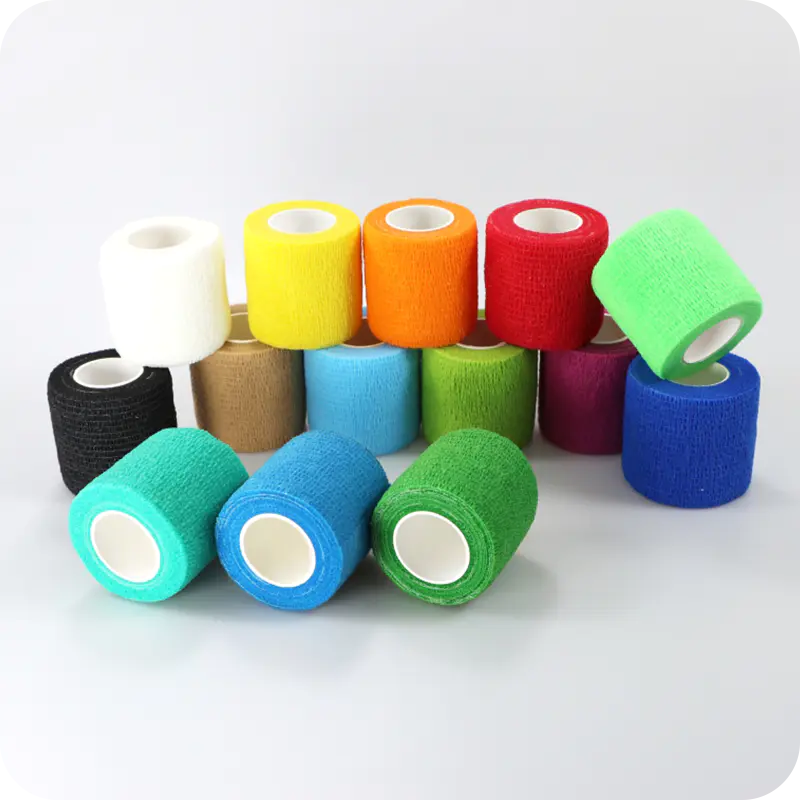
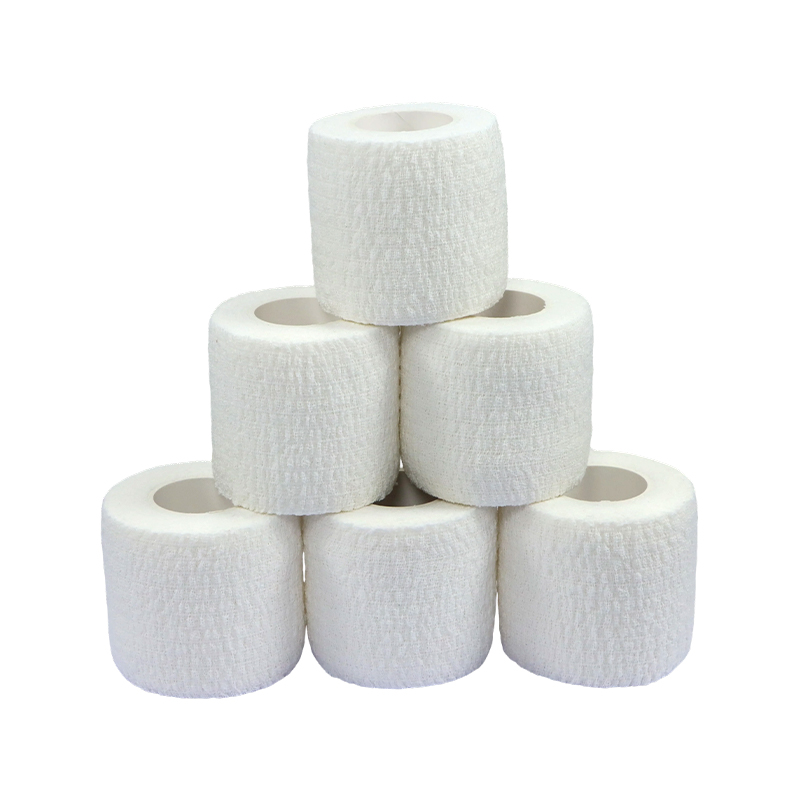
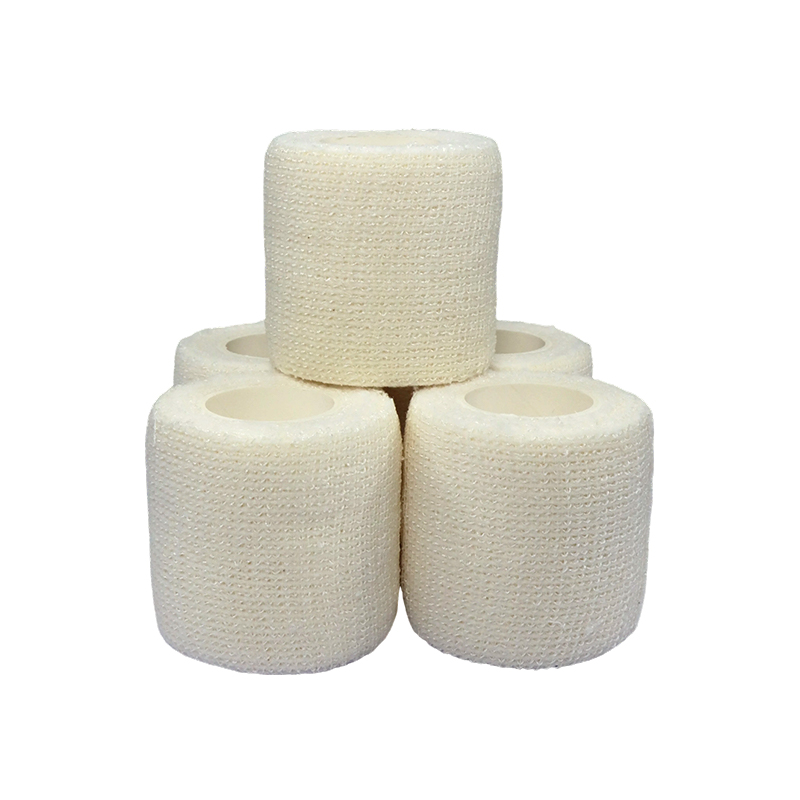
The dressing should be secured without pressure. A self-adherent elastic wrap is often useful because it sticks to itself rather than the skin, so it stays in place without tape that could irritate the surrounding area. For example, a skin-colored self-adherent elastic wrap roll can hold a dressing in place comfortably around a forearm or shin.
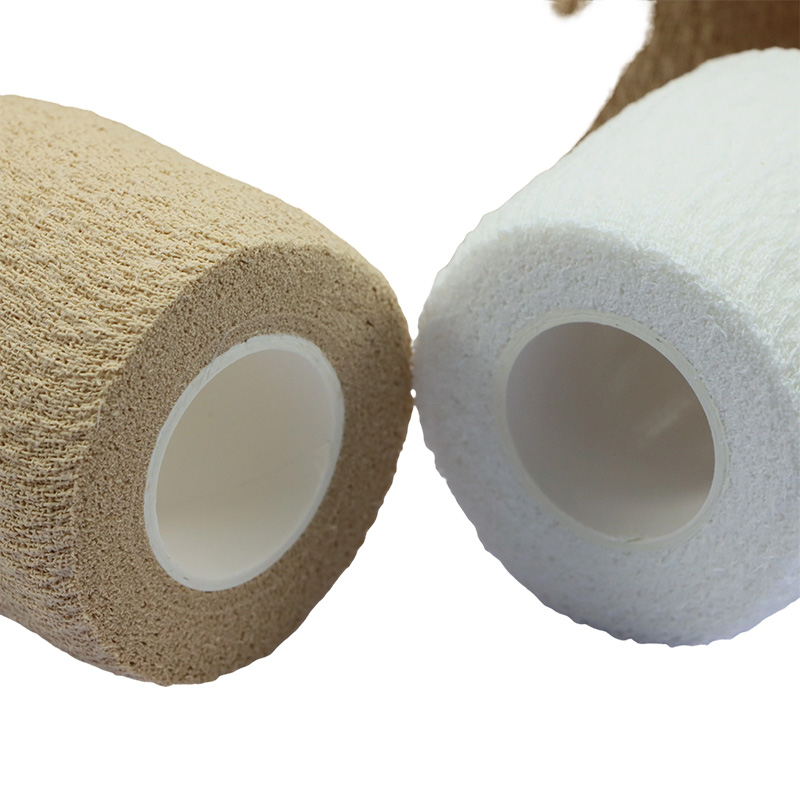 Skin-Colored Self-Adherent Elastic Wrap RollThis self-adherent cotton wrap secures dressings without tape, reducing skin irritation. Its skin tone and breathable design provide comfortable, adjustable support for daily use.View Product →
For a deeper look at why these wraps work well for fragile skin, you can read about the advantages of self-adhesive elastic bandages.
Check the dressing once or twice a day, and change it if it becomes wet, soiled, or loose. If fluid leaks through, do not press it back in. Instead, replace the dressing and keep the area clean.
Signs of Infection and When to Get Medical Help
Most burn blisters heal without problems, but infection changes the plan. Watch for the following signs:
- Increasing redness spreading beyond the blister
- Warmth around the area
- Swelling that grows over time
- Pus or a foul odor
- Fever
- Pain that feels worse than the injury size suggests
Seek professional help for these signs, for burns covering a large area, for blistering on the face, hands, feet, or genitals, and for any burn that looks full thickness, such as a dry, white, brownish, or leathery area. If you are managing a complex injury at home, it is wise to check with a medical professional as well.
Frequently Asked Questions
Q1: Should I use ice on a burn blister?
No. Ice can cause frostbite and deepen the burn. Cool running water is safer and more effective.
Q2: Can a blister heal without a bandage?
A blister can remain open to air, but a clean dressing helps prevent infection and accidental rupture, especially around clothing or activities.
Q3: When should I change the dressing?
Change it whenever it becomes wet, soiled, or loose, and at least once a day.
Q4: Does a burn blister always mean a second-degree burn?
Usually. The presence of a blister is the common marker for a partial-thickness burn. A first-degree burn typically does not blister.
Treating a burn blister is about preserving the body's own protection. Cool it, don't pop it, clean it gently, and keep it covered with a clean dressing. If signs of infection appear or the burn is extensive, seek professional help promptly. A calm approach and the right supplies make a meaningful difference in recovery.






 English
  русский
  Français
  Español
  عربى
عربى 

 ENG
ENG