The Short Answer: Keep It Covered
You cut your finger while slicing vegetables, scrape your knee during a walk, or get a small burn from a hot pan. The old advice says to let the wound "breathe." But the evidence points the other way: for the first several days of healing, you should keep the wound covered with a clean, breathable bandage or dressing.
Why? Because wounds heal best in a moist environment. When you leave a fresh wound open, the surface cells dry out and form a scab that slows the healing process. A covered wound stays slightly damp, which allows new cells to move across the surface and close the cut faster.
There are a few exceptions, and we'll get to those later. But the default answer to "should you let wounds air out" is a clear no — at least until the wound has closed and formed a protective new layer.
Why Wounds Need Moisture to Heal
The wound healing process runs on moisture. Right after injury, the body releases growth factors and immune cells that need a fluid environment to do their job. If the wound surface dries out, those cells have a harder time reaching the site and rebuilding tissue.
A moist wound bed helps in several concrete ways:
- Faster cell migration: New skin cells stretch and slide across the wound surface more easily when it's damp.
- Reduced scab formation: Scabs are dry and rigid, and they can act as a barrier that traps and slows down healing tissue.
- Lower pain: A wet wound is less likely to crack, pull, or sting than a dry, exposed one.
- Less scarring: When skin cells reconstruct in an even layer, the final scar is usually thinner and less noticeable.
This is why modern wound dressings focus on maintaining a moist environment. The bandage you put on after cleaning a cut isn't just there to stop bleeding; it creates the conditions your body needs to repair itself.
What Happens When You Leave a Wound Open
Let's walk through what actually happens when you leave a cut open for a few hours. The blood and plasma dry out, forming a raw crust. That crust can crack when you bend your finger or knee, reopening the wound and causing more pain. At the same time, bacteria and debris from the air have an easier time entering the damaged tissue.
50 percent faster healing in covered wounds compared to air-drying
Covered Versus Open Wound Healing
| Factor |
Left Open / Air-Dried |
Covered with Dressing |
| Cell migration |
Slower under hard scab |
Faster on moist wound bed |
| Infection risk |
Higher with direct exposure |
Lower with protective barrier |
| Pain and discomfort |
Higher, scab cracks and pulls |
Lower, wound stays supple |
| Scar appearance |
Likely more prominent |
More even and less noticeable |
The brief period during a bandage change is fine — you're only exposing the wound for a minute or two. But deliberately leaving a fresh wound open for hours or days runs against everything we know about proper wound care.
How a Bandage Supports the Four Phases of Healing
The body heals wounds in four overlapping phases. A well-chosen bandage or dressing supports each one:
- Hemostasis: Immediately after injury, the body stops bleeding. A sterile bandage applies gentle pressure and helps the blood clot form.
- Inflammation: In the next two to four days, immune cells clean the wound and remove damaged tissue. A dressing keeps bacteria out and maintains the moisture the immune response needs.
- Proliferation: New tissue and blood vessels start to form. This is the most moisture-sensitive phase — cell migration and collagen production thrive in a damp environment.
- Maturation: The wound closes and the new skin strengthens. Keeping the area covered until it's fully healed prevents the fragile tissue from cracking or being reinjured.
When you air out a wound too early, you're mainly interfering with phases two and three. The surface dries, immune cells slow down, and the new tissue has to struggle through a rigid scab.
When Is It Okay to Let a Wound Air Out?
There is a time to stop covering a wound. Once the edges have closed and the wound bed is dry and no longer weeping, you can start exposing it to air for short periods. This usually happens around day five to seven, depending on the size and depth of the injury.
Signs that a wound is ready to be left uncovered:
- The wound is closed and no longer has a red, wet surface.
- There is no more drainage or oozing.
- A thin, dry scab has formed, or the new skin looks intact.
- There is no sign of infection, such as increased redness, swelling, or warmth.
Key point: Even when a wound is ready for air exposure, many clinicians still recommend covering it during the day or while sleeping if you're likely to bump it or get it dirty. For stitches or surgical wounds, always follow your surgeon's specific instructions.
Choosing the Right Bandage for Your Wound
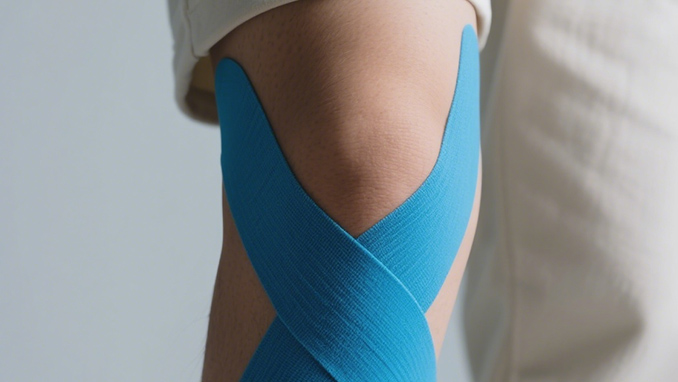
Minor cuts Joint scrapes Surgical wounds Finger wounds — match the bandage to the situation.
Not all bandages are equal. The best dressing depends on the wound type, location, and how much protection it needs. Here's how to match the bandage to the situation:
- Minimal daily cuts and scrapes: A breathable adhesive bandage with a non-stick pad works well for small injuries. It keeps the wound moist and won't stick to the delicate new tissue.
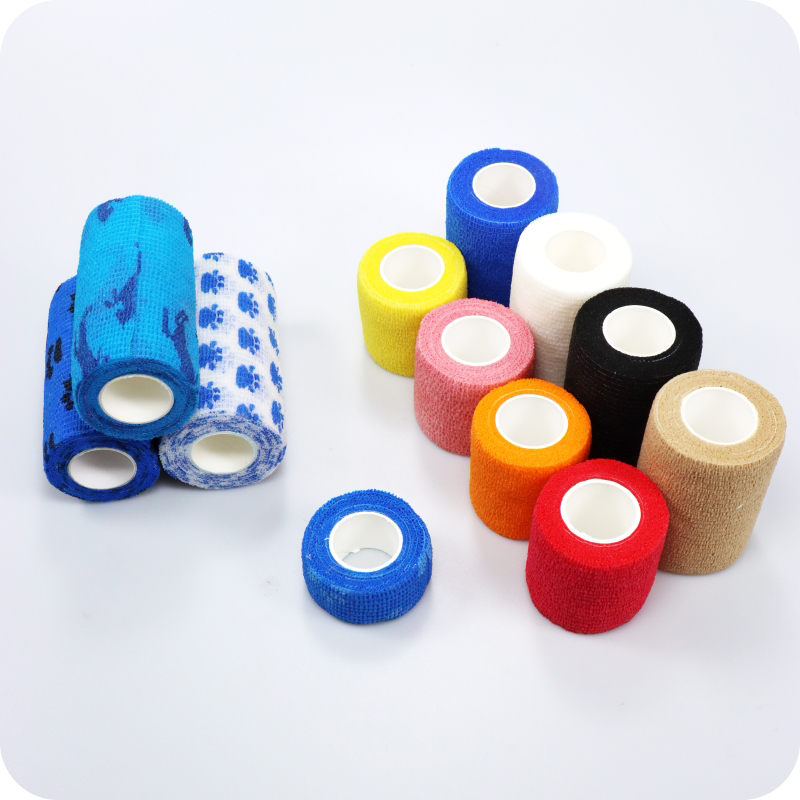
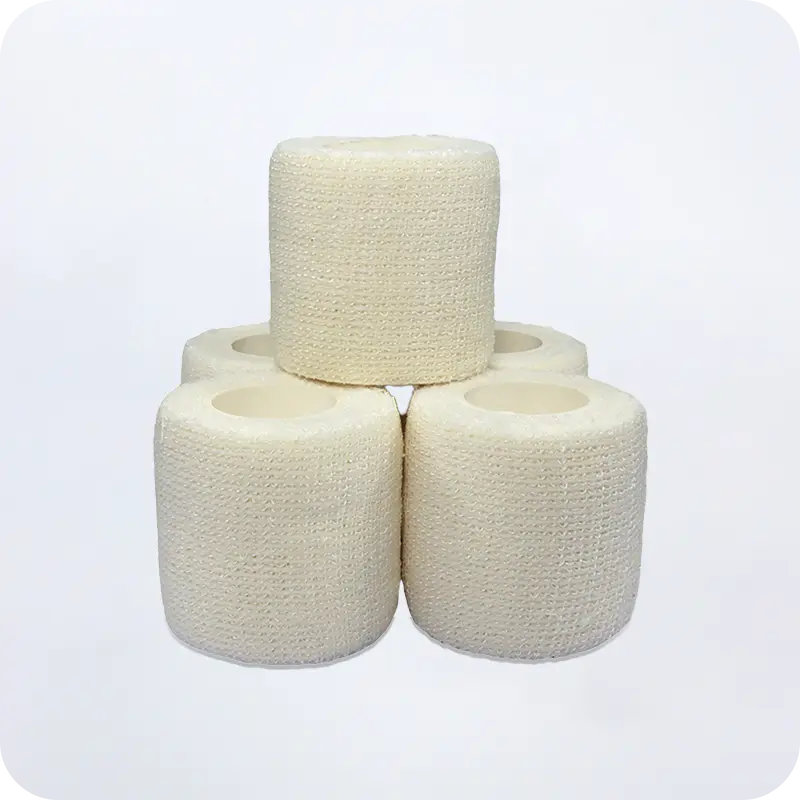
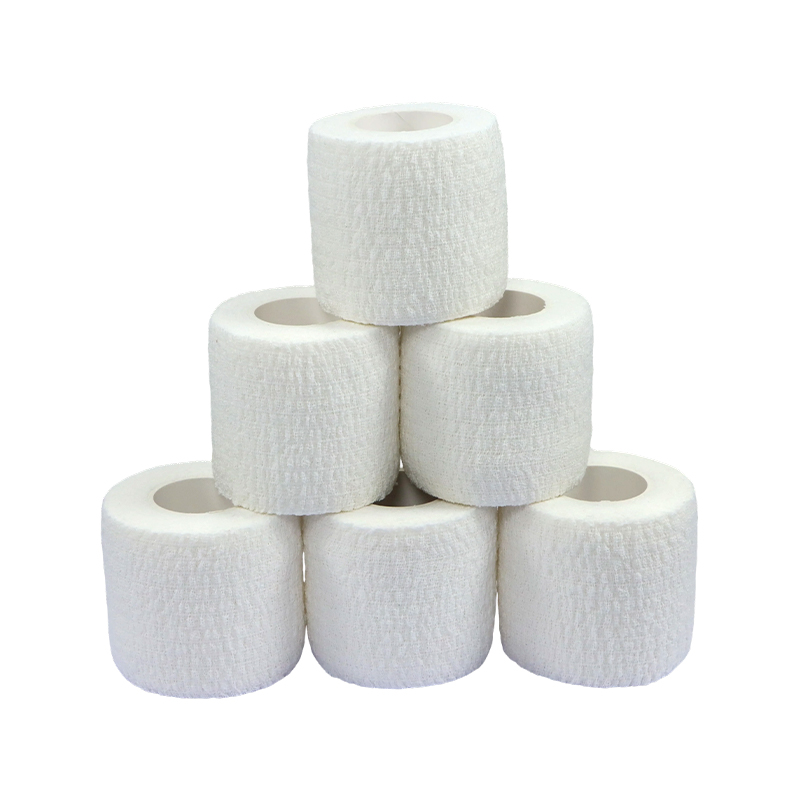
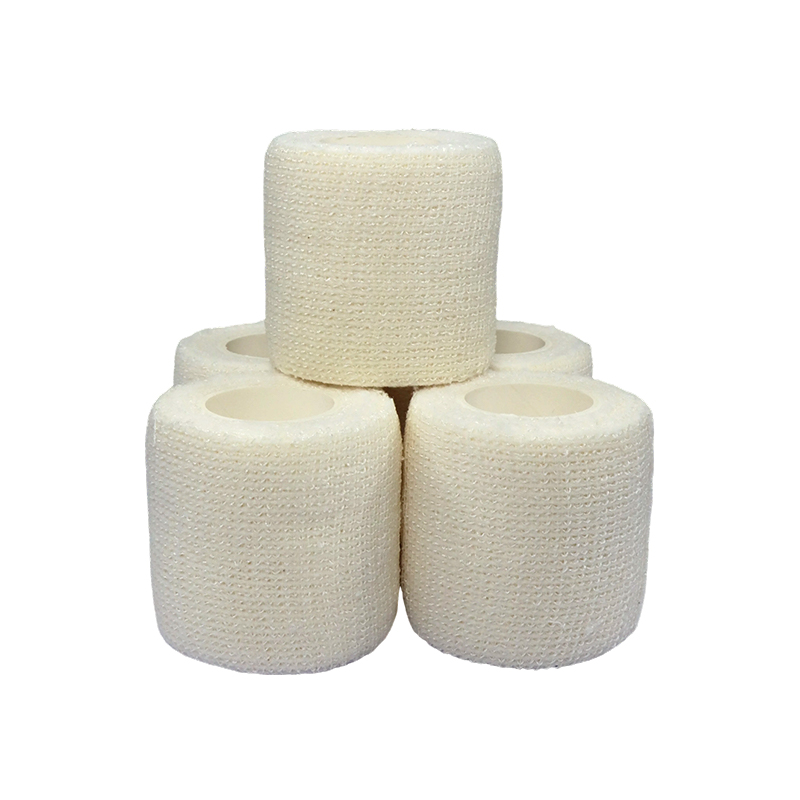
- Larger or deeper wounds that need compression: A self-adhesive elastic bandage holds a dressing in place, conforms to the body, and provides light compression. For example, a physiotherapy skin-color self-adherent elastic wrap roll
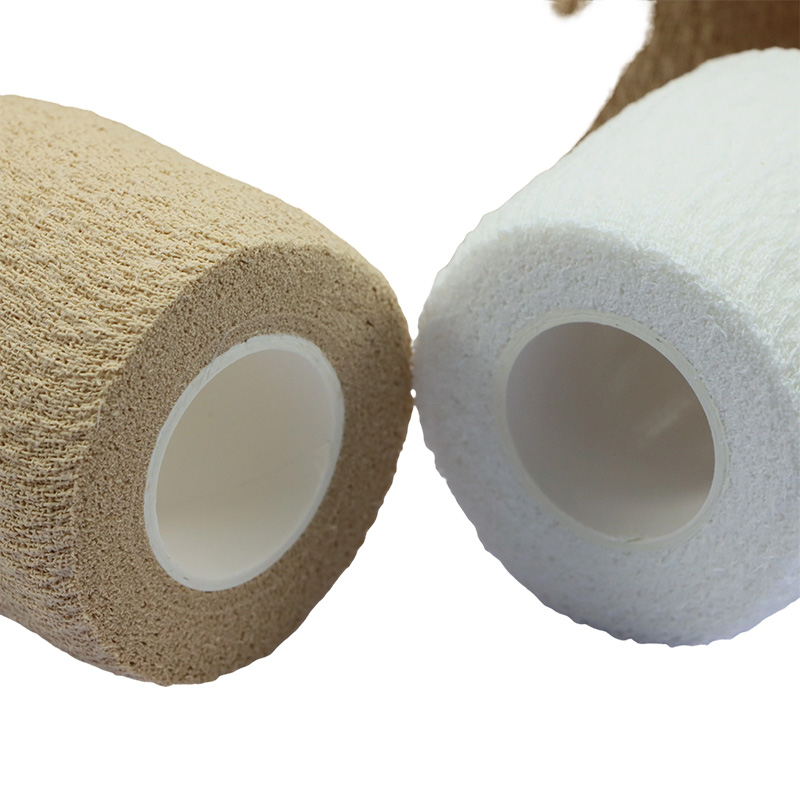 Skin-Tone Self-Adhesive Elastic Bandage for Discreet SupportThis cotton, skin-colored bandage sticks to itself for secure fixation without extra fasteners. It blends with skin tone, making it ideal for visible areas while providing breathable, adjustable compression.View Product → is often used for joint wounds and areas that need flexible compression.
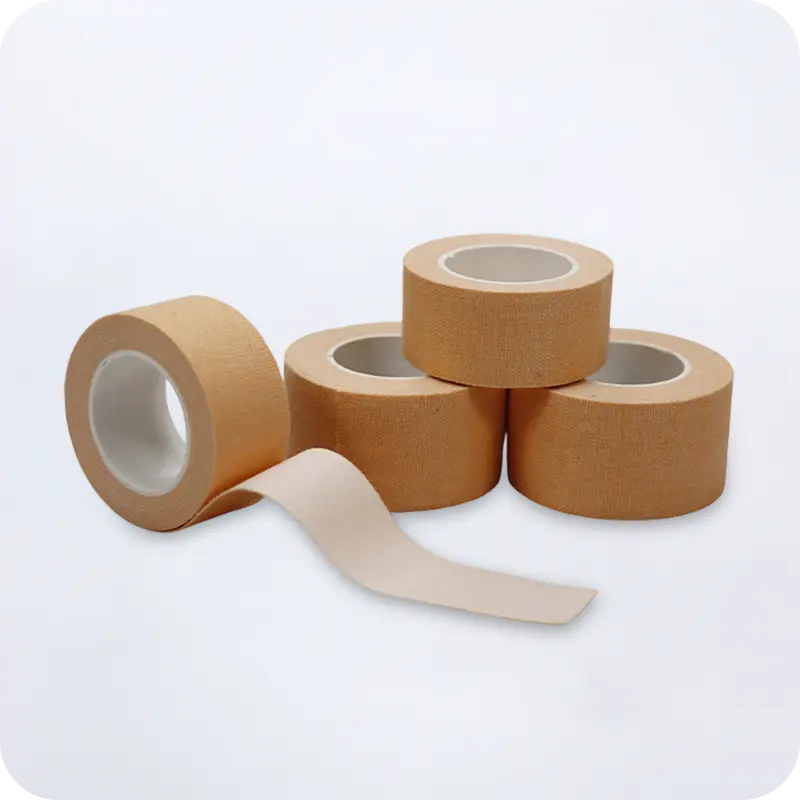
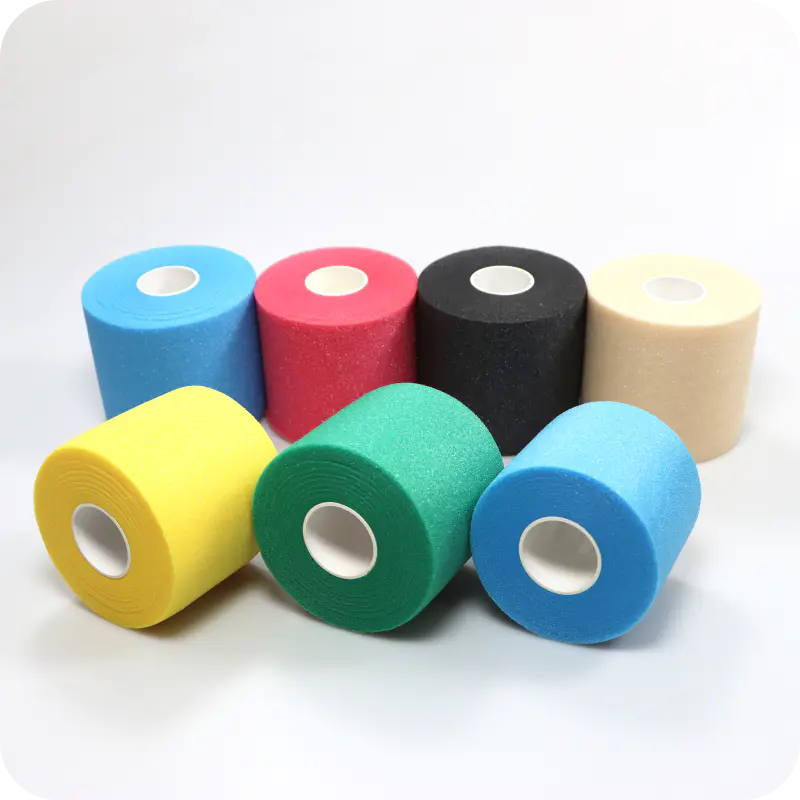
- Surgical or post-surgical wounds: A medical PBT bandage is light, breathable, and conformable. It's designed specifically for fixing dressings in place while allowing air to reach the skin. A medical PBT elastic bandage
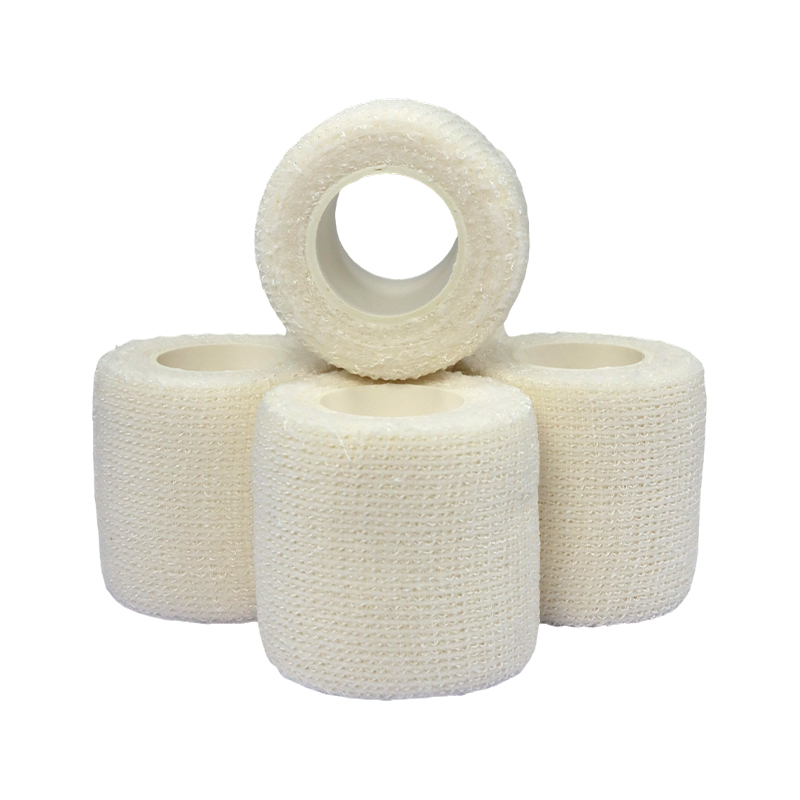 Latex-Free PBT Elastic Bandage for Stable Medical CompressionMade from high-performance PBT fiber, this bandage offers superior elasticity and shape recovery. It delivers uniform pressure, supports circulation, and suits post-operative care and chronic edema.View Product → can be secured over the dressing and changed daily.
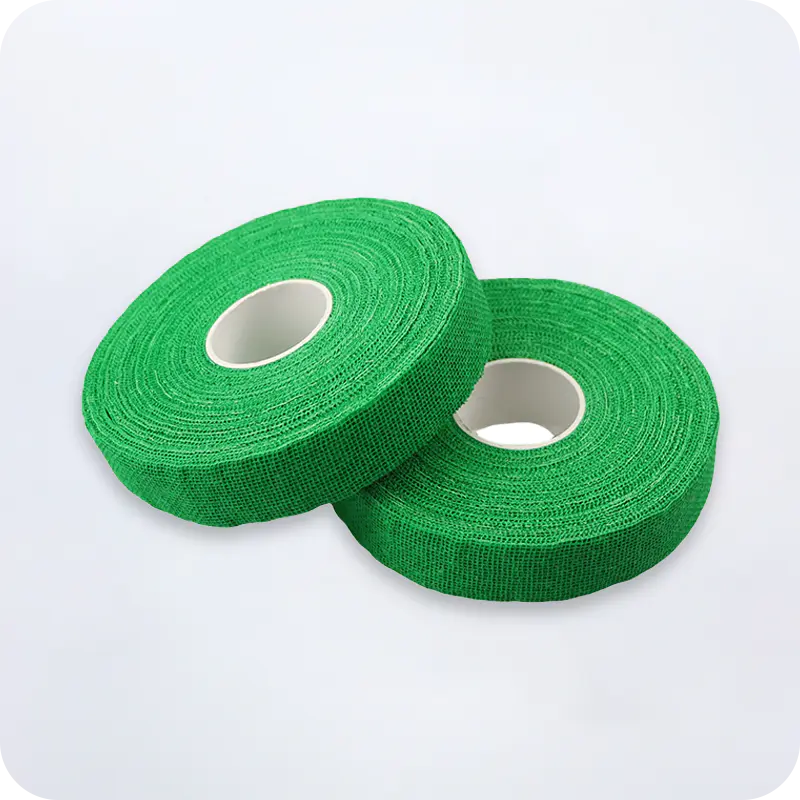
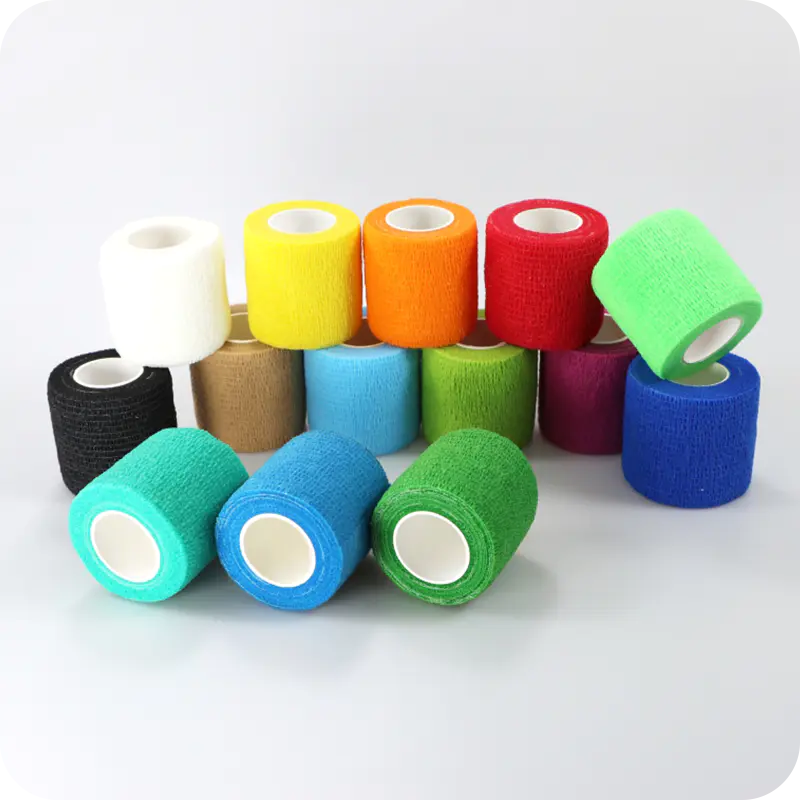
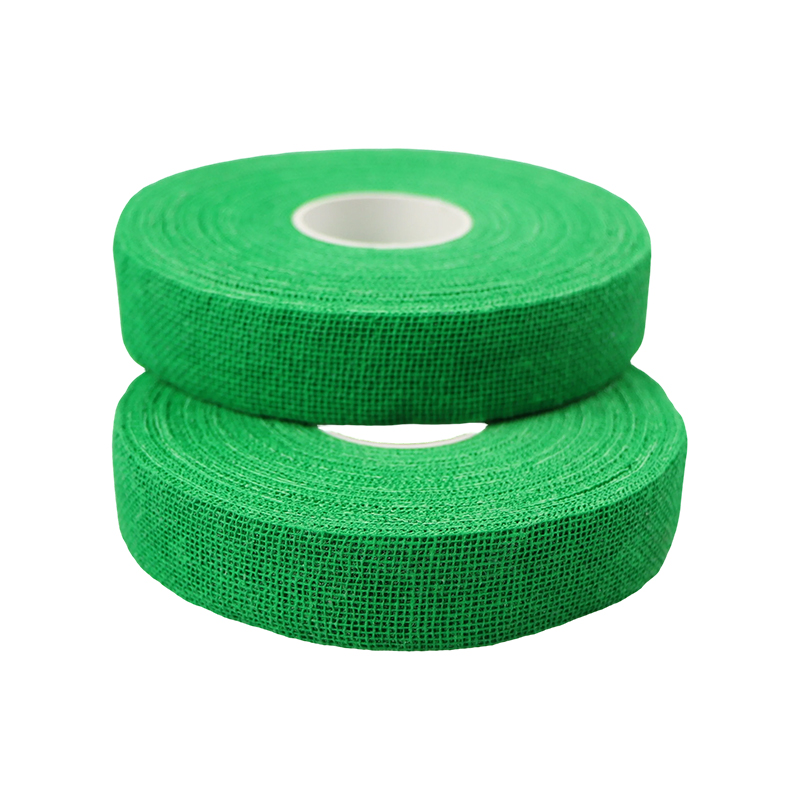
- Finger and toe cuts: Finger wounds are notoriously hard to keep covered because normal bandages slide off. A dedicated finger wrap with self-adhesive properties stays in place without clips or pins. If you cut your finger, a self-adhesive finger protection wrap tape
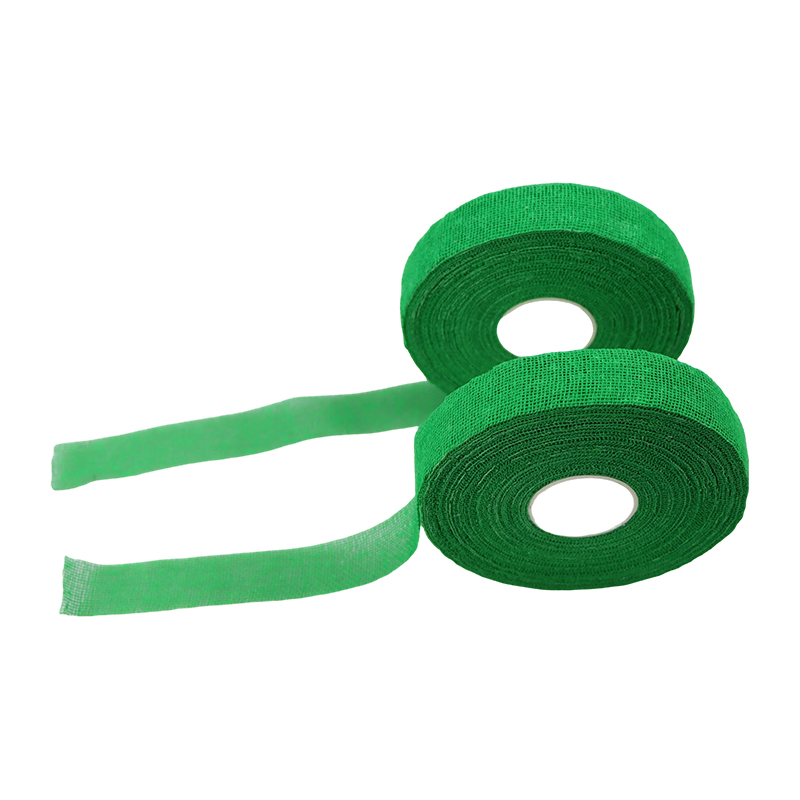 Self-Adhesive Finger Wrap Tape for Quick, Customizable SupportThis self-bonding tape requires no pins or tools, allowing easy hand-tearing and adjustable tension. Its breathable cotton blend protects fingers during sports, work, or rehabilitation.View Product → gives you a snug, breathable hold that stays put through washing and daily tasks.
Bandage Types and Their Best Uses
| Bandage Type |
Best For |
Key Features |
| Self-adhesive elastic bandage |
Joints, compression, securing dressings |
Self-sticking, stretchy, no clips needed |
| PBT bandage |
Post-surgical fixation, breathable dressings |
Lightweight, conformable, low elasticity |
| Finger protection bandage |
Finger and toe cuts |
Narrow width, self-adhesive, stays in place |
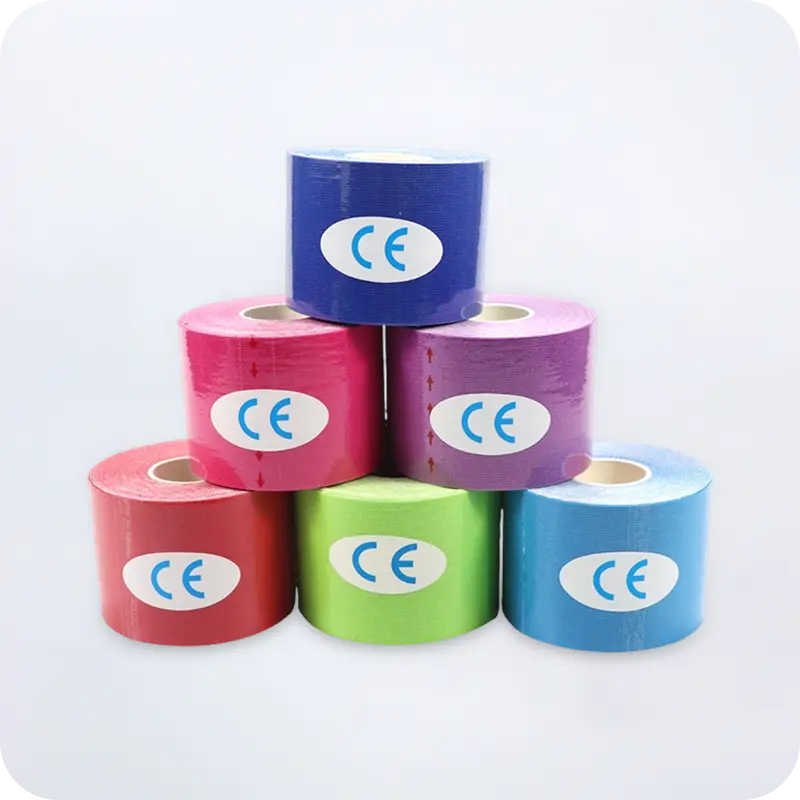
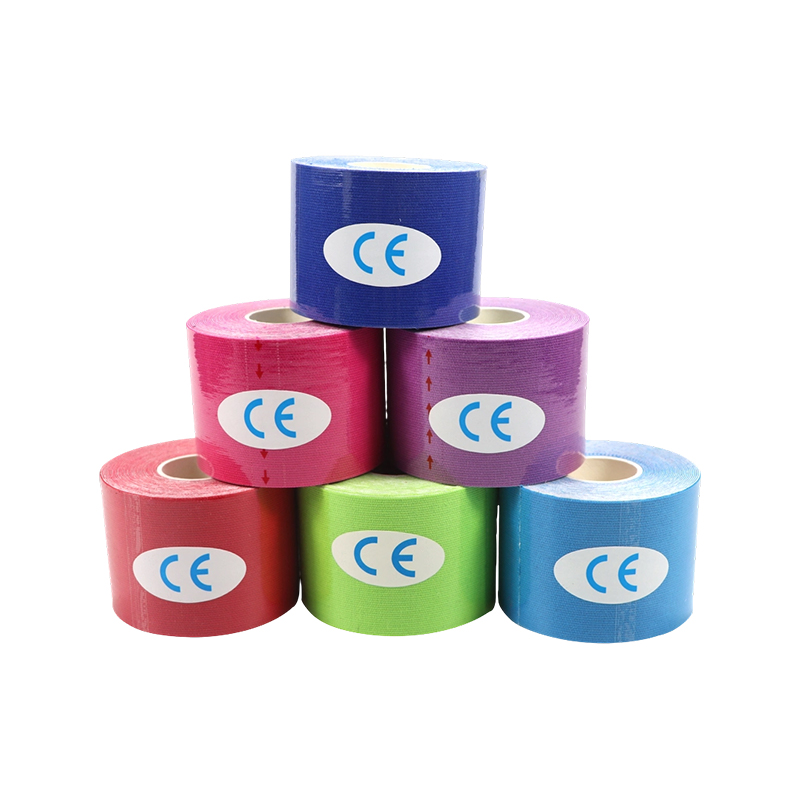
| Sports strapping tape |
Support, not for open wounds |
Rigid, good for joints, not for cuts |
Choosing the right bandage directly affects how quickly the wound closes and how it looks afterward. If you're sourcing products through a medical distributor, look for a trusted manufacturer that covers everything from self-adhesive elastic bandages to PBT bandages and finger wraps.
Practical Wound Care Steps You Can Follow at Home
Let's put the whole process into a simple routine you can follow after you get a cut or scrape:
- Clean the wound thoroughly. Wash your hands first, then rinse the cut under cool running water. Use mild soap around the wound but avoid getting it directly inside if the cut is deep.
- Control bleeding. Apply gentle pressure with a clean cloth or sterile gauze for a few minutes until bleeding stops.
- Apply a thin layer of ointment. Petrolatum-based ointment keeps the wound moist and prevents the dressing from sticking. Antibiotic ointment can be used on minor cuts if you prefer.
- Cover the wound with a bandage. Choose the appropriate bandage based on the wound's location and size. For a small cut, a simple adhesive bandage is enough. For larger wounds or joints, a self-adhesive elastic bandage or PBT bandage works better.
- Change the dressing daily. Remove the old bandage gently, clean the wound again with water, and apply a fresh dressing. The wound should stay moist but not wet.
- Monitor for signs of infection. If you notice increasing redness, swelling, warmth, pain, or pus, see a professional. A wound that does not heal within seven to ten days also deserves a medical check.
For more detailed instructions on bandaging technique, you can follow this step-by-step guide on bandaging a wound with gauze. It covers the basics of wrapping, securing, and changing a dressing safely.
FAQ: Common Questions About Wound Healing
Q1: How long should I keep a wound covered?
For most minor cuts and scrapes, keep the wound covered for about five to seven days. Change the dressing once daily and keep the wound moist. Once the wound closes and stops draining, you can stop covering it.
Q2: Can I shower with a bandage on?
Yes. Use a waterproof bandage or cover your bandage with a plastic sleeve when showering. Keep the wound dry, and replace the bandage after you finish.
Q3: Does a wound heal faster covered or uncovered?
Covered. A moist, covered wound can heal up to 50 percent faster than an uncovered, air-dried wound. Coverage also reduces infection risk and scarring.
Final Word
So, should you let wounds air out? For fresh wounds, the answer is no. Keep the wound clean, keep it covered, and keep it moist. When the wound closes and stops weeping, you can gradually start leaving it uncovered for short periods. Until then, a good dressing or bandage is your best friend.
If you work in healthcare procurement, sports medicine, or run a medical supply business, selecting the right bandage material matters as much as the technique. Products like self-adhesive elastic bandages, PBT bandages, and finger wraps from a reliable manufacturer can make a real difference in patient comfort and healing outcomes. For more on how these products support clinical wound care, explore Qinghong Medical's medical care solutions.






 English
  русский
  Français
  Español
  عربى
عربى 

 ENG
ENG