Are They the Same Thing?
"Sports tape" and "athletic tape" are often used interchangeably, but they are not the same product. "Sports tape" is a broad umbrella term that covers many types of tape used in athletic and medical settings — including kinesiology tape, cohesive bandages, pre-wrap foam, and rigid strapping tape. "Athletic tape," on the other hand, typically refers to a specific type: a firm, non-stretch, zinc oxide–based tape designed primarily for joint support and injury prevention. Understanding this distinction helps athletes, coaches, and medical staff choose the right tape for the right purpose.
What Is Athletic Tape?
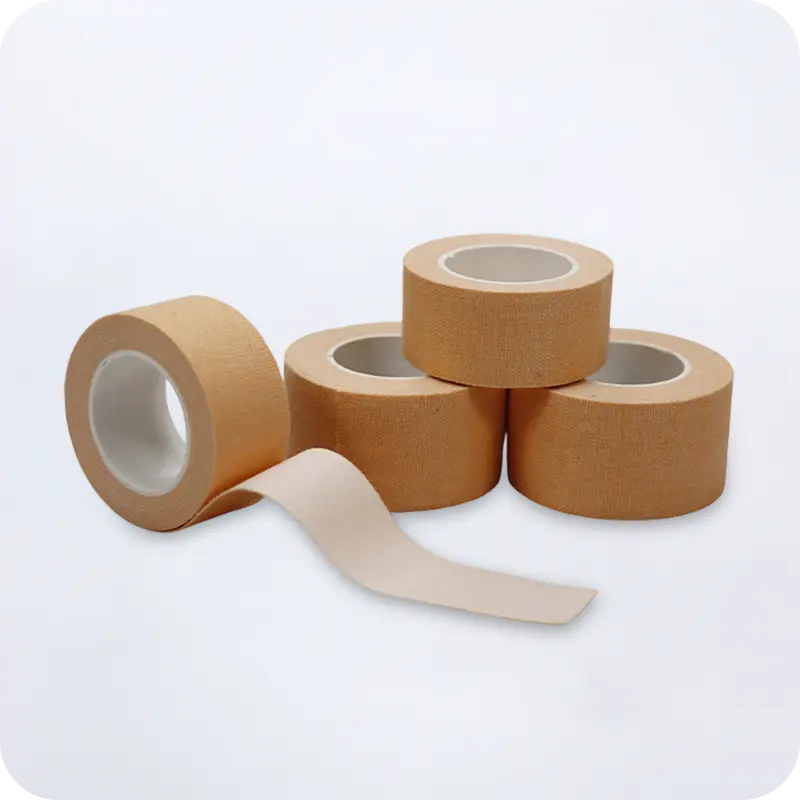
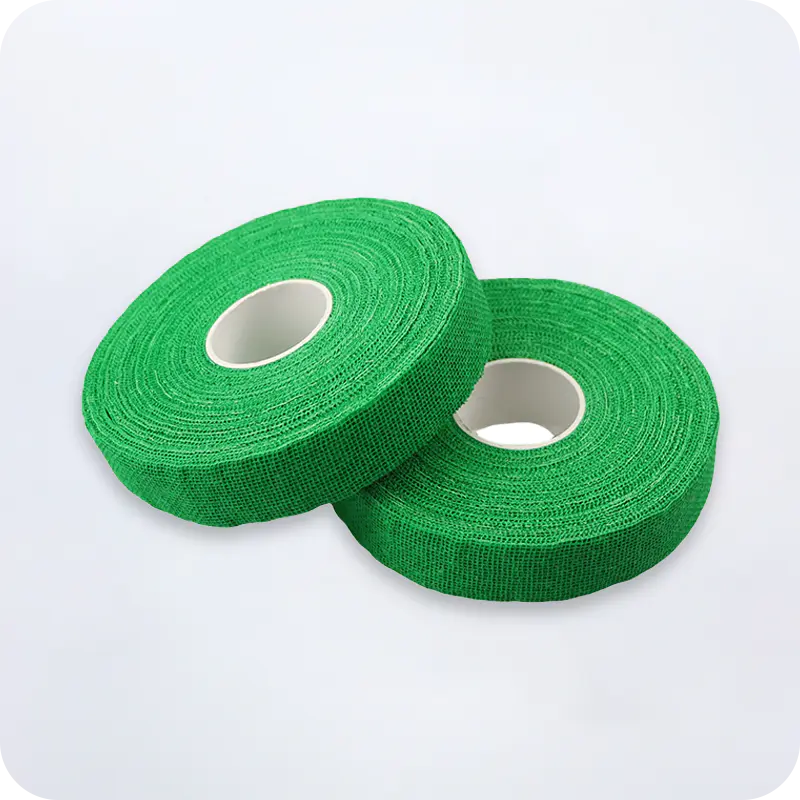
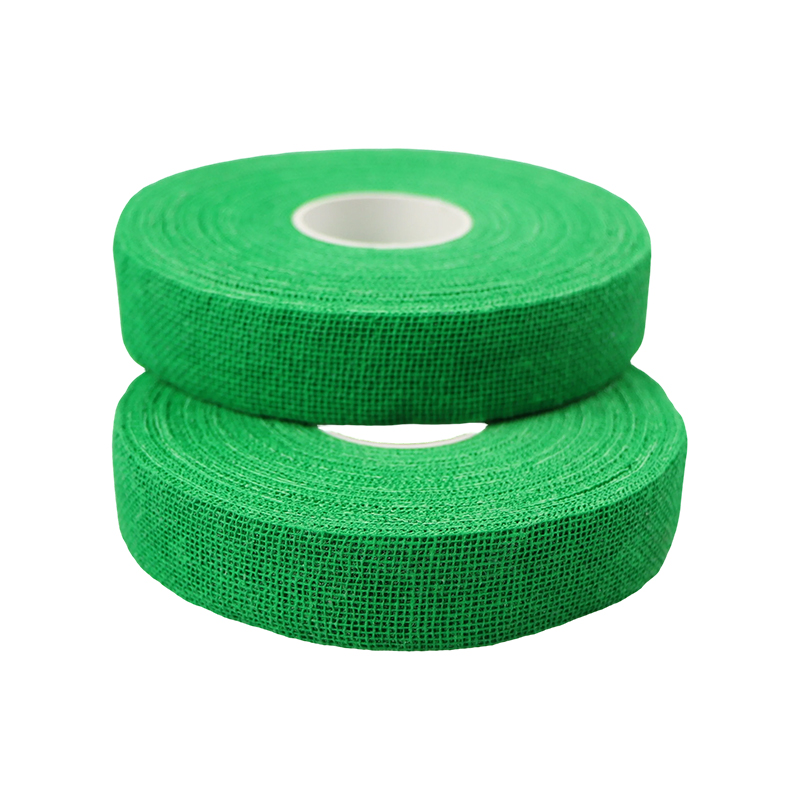
Athletic tape — also known as athletic strapping tape — is a rigid, non-elastic tape traditionally made with a cotton or rayon backing coated with zinc oxide adhesive. It is engineered to immobilize joints, restrict unwanted movement, and provide firm structural support to ligaments and tendons during physical activity.
Key physical properties of athletic tape include:
- Non-stretch construction for maximum joint restriction
- Strong zinc oxide adhesive that adheres securely during sweat and movement
- Typical width of 38mm (1.5 inches), the standard for most ankle and wrist applications
- Tear-by-hand design for quick application in the field
- White or beige coloring (though colored variants exist)
Common uses include ankle taping, wrist stabilization, thumb spica techniques, and finger buddy-taping in contact sports like rugby, football, basketball, and wrestling.
What Falls Under the "Sports Tape" Category?
Sports tape is a collective term that includes multiple distinct products, each serving a different physiological or mechanical purpose. Below is a comparison of the most common types:
| Type |
Elasticity |
Primary Use |
Typical Application |
| Athletic (Strapping) Tape |
None (rigid) |
Joint immobilization, injury prevention |
Ankles, wrists, fingers |
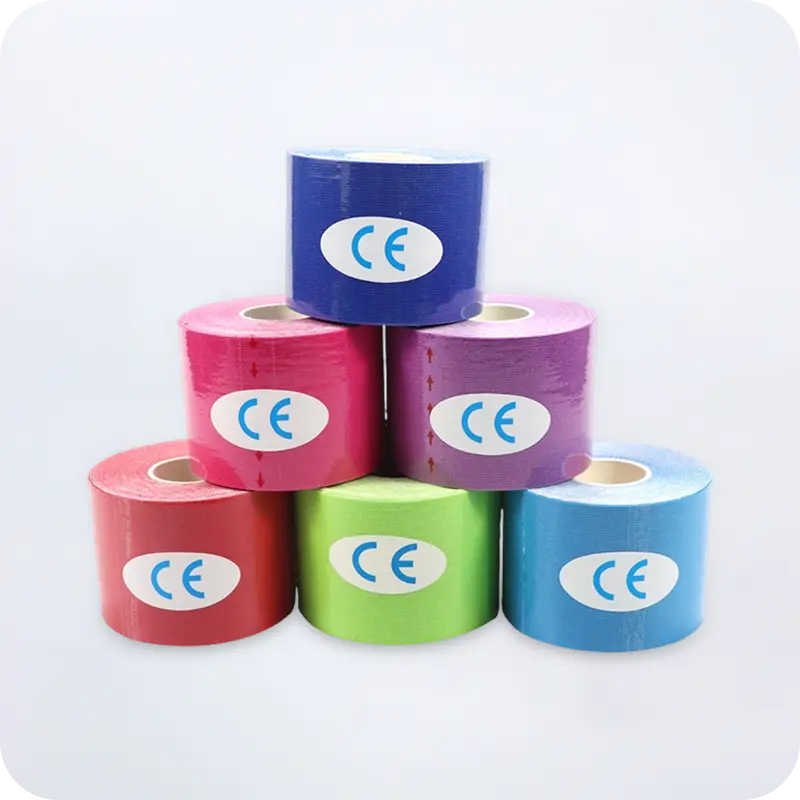
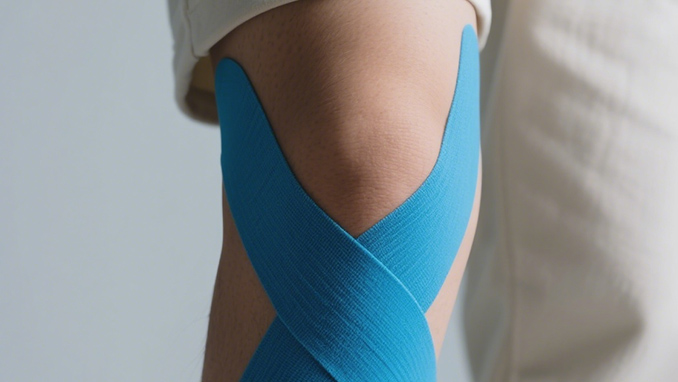
| Kinesiology Tape |
High (up to 140%) |
Muscle support, lymphatic drainage |
Knee, shoulder, back |
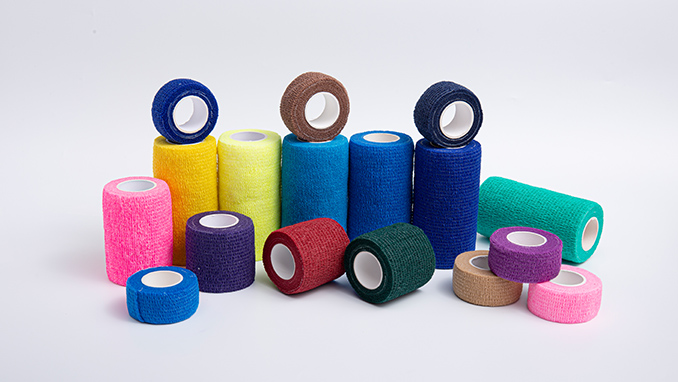
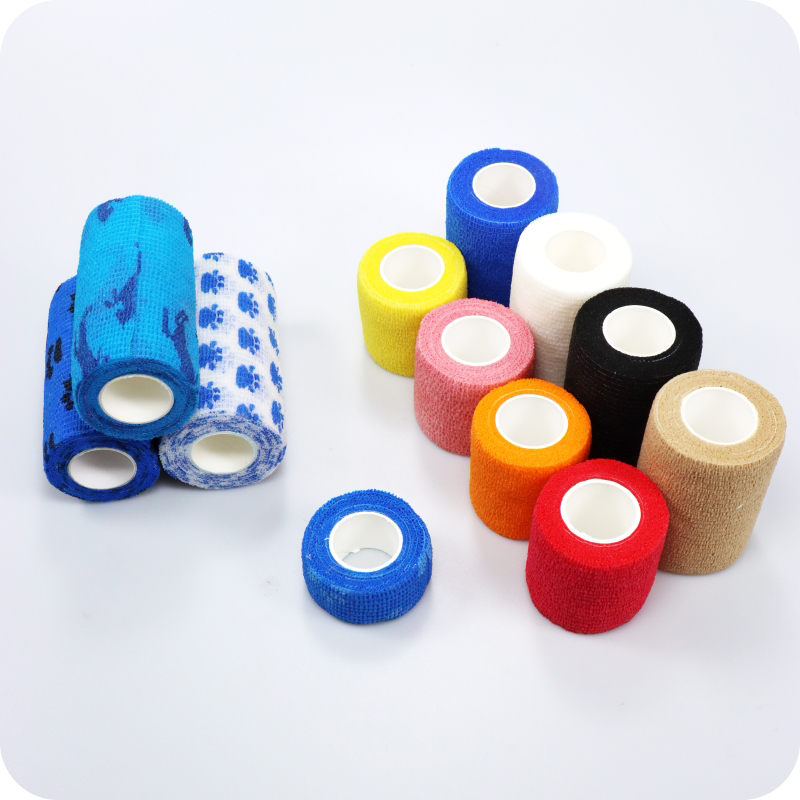
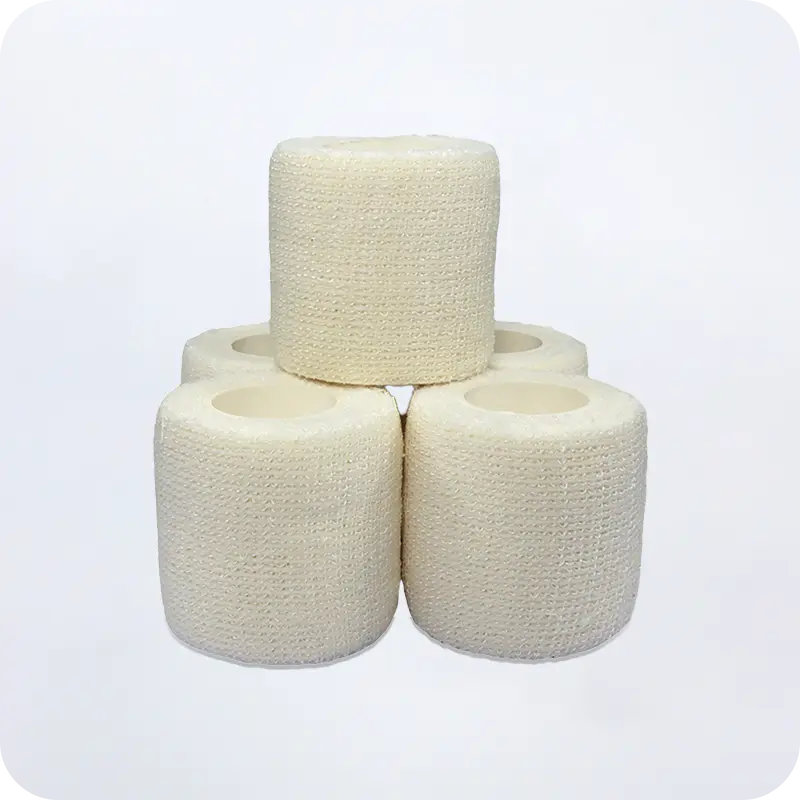
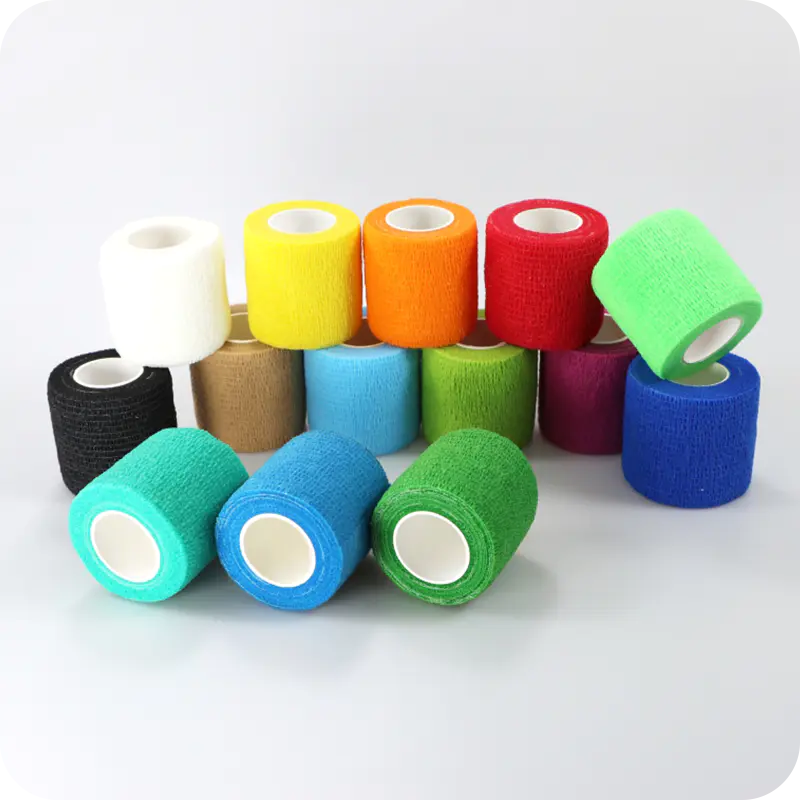
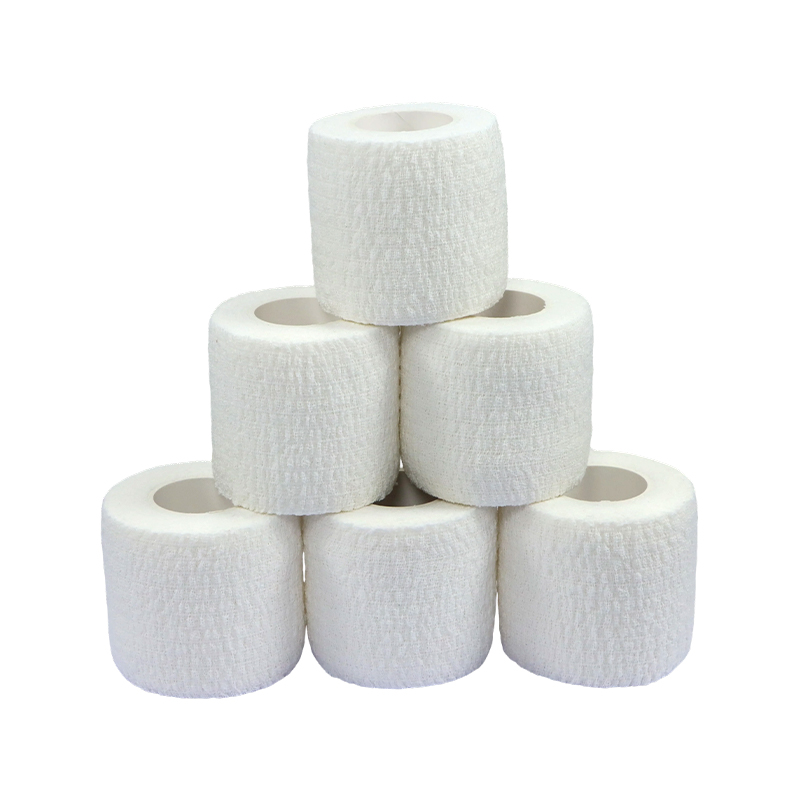
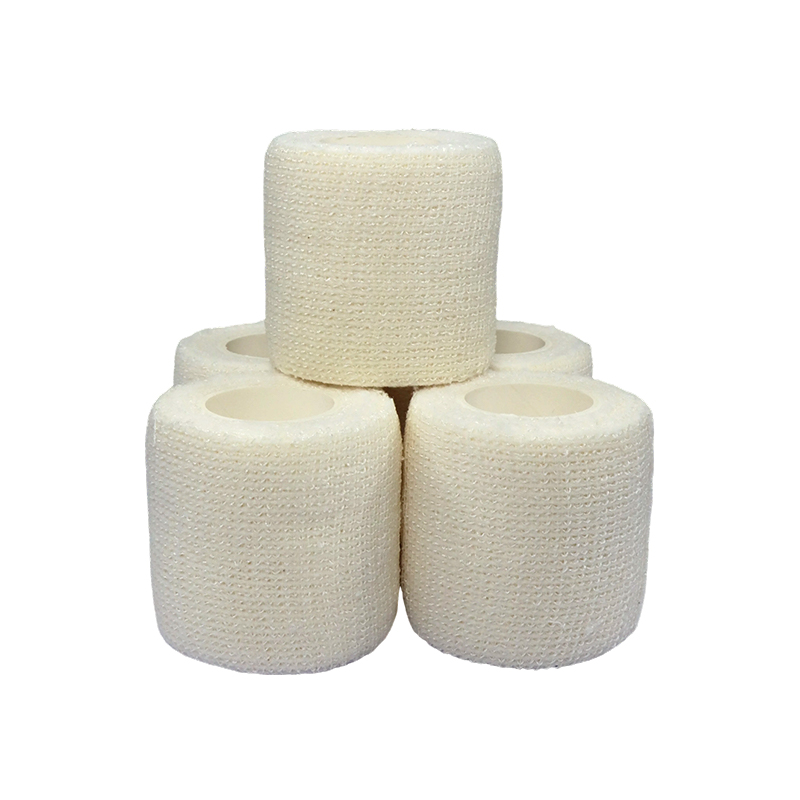
| Cohesive Bandage (Cohesive Tape) |
Moderate |
Light compression, wound covering |
Hands, forearms, shins |
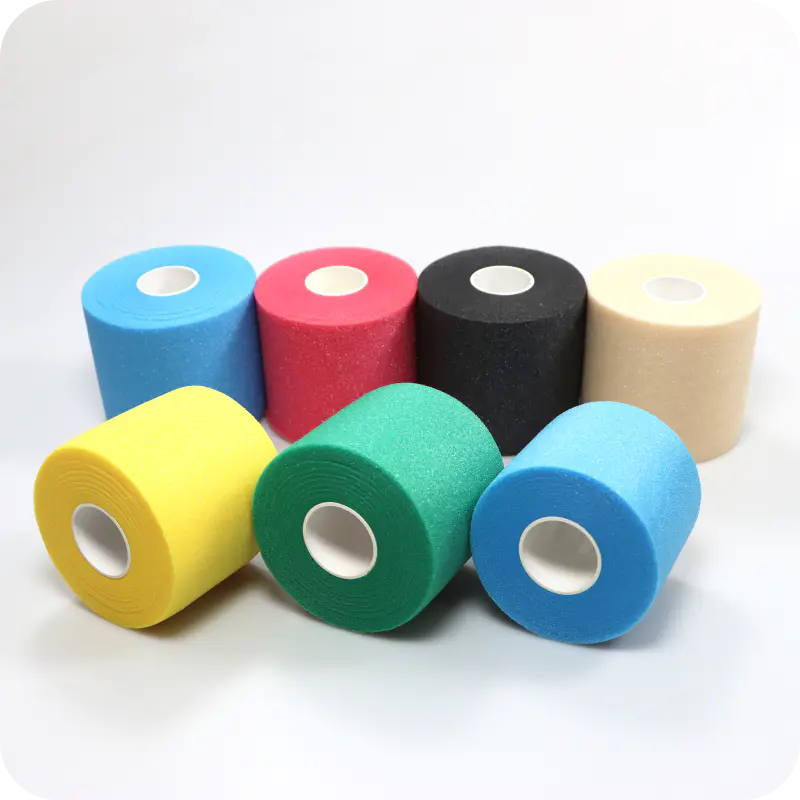
| Pre-wrap Foam |
Moderate |
Skin protection under rigid tape |
Used beneath athletic tape |
| Elastic Adhesive Bandage (EAB) |
Moderate-high |
Flexible joint support |
Knees, ankles, shoulders |
Each of these tape types has a specific biomechanical role. Choosing the wrong one — for example, using kinesiology tape to immobilize a sprained ankle — can result in insufficient support and potentially worsen an injury.
Key Differences: Sports Tape vs Athletic Tape
1. Stretch and Flexibility
Athletic strapping tape has zero elastic stretch, making it ideal for rigid immobilization. In contrast, many sports tapes — like kinesiology tape — stretch up to 140% of their original length, allowing full range of motion while providing muscle or fascia support.
2. Adhesive Strength
Athletic tape uses zinc oxide adhesive, known for its high tack and durability under moisture. This means it stays in place during intense sweating for up to 90 minutes of continuous play. Kinesiology tape uses an acrylic adhesive designed to last 3–5 days on the skin, including through showers.
3. Application Purpose
Athletic tape is applied to restrict joint movement — its rigidity is its core function. Sports tapes like kinesiology tape are applied to facilitate movement, reduce pain signals, or improve circulation. These are fundamentally different therapeutic goals.
4. Skin Contact Duration
Athletic tape is typically worn during activity only and removed immediately after (usually within 2–4 hours). Prolonged wear can cause skin irritation or maceration. Kinesiology tape is designed for multi-day wear.
5. Professional vs. Self-Application
Effective athletic taping — especially for ankles — requires training in specific taping techniques (e.g., closed basket weave, heel locks). Poor application can create pressure points or be ineffective. Kinesiology tape and cohesive bandages are generally easier for self-application.
When Should You Use Athletic Strapping Tape?
Athletic strapping tape is the right choice in the following scenarios:
- Ankle sprains and instability: Studies show that rigid ankle taping reduces the risk of ankle sprain recurrence by approximately 50% in high-risk sports
- Wrist protection in contact sports: Prevents hyperextension during tackles or falls
- Finger joint injuries: Buddy taping or individual digit support
- Post-injury return to play: Provides mechanical reinforcement while ligament heals
- Pre-competition prophylactic taping: Preventive application for athletes with injury history
It is not suitable for areas requiring significant movement (such as the knee during running) where elastic support would be more appropriate.
When Should You Use Other Sports Tapes?
Other types of sports tape serve different needs:
- Kinesiology tape: Best for muscle overuse injuries, postural correction, PFPS (patellofemoral pain syndrome), and recovery taping between training sessions
- Cohesive bandage: Ideal for hand wrapping in boxing, light compression on minor abrasions, or covering padding during play
- EAB (Elastic Adhesive Bandage): Good for areas needing flexible but firm support, such as the shoulder or thigh
- Pre-wrap: Always used beneath rigid athletic tape to protect the skin from direct adhesive contact
How to Choose the Right Tape for Your Needs
Use the following framework to select the appropriate tape:
- Identify the goal: Immobilization → rigid athletic tape; Muscle support → kinesiology tape; Compression → cohesive bandage
- Consider the joint: High-movement joints (knee, shoulder) → elastic tapes; Low-movement joints in sport (ankle, wrist) → rigid strapping tape
- Duration of wear: Hours → athletic tape; Days → kinesiology tape
- Skin sensitivity: Use pre-wrap foam beneath rigid tape for sensitive skin; choose hypoallergenic kinesiology tape for long-term wear
- Who is applying: Complex rigid taping → trained physiotherapist or athletic trainer; Self-care → kinesiology or cohesive tape
Frequently Asked Questions
Q1: Can I use athletic tape directly on my skin?
Yes, but it is strongly recommended to apply a pre-wrap foam layer first. Applying athletic tape directly to bare skin increases the risk of skin irritation, blistering, and adhesive-related injury, especially after repeated applications.
Q2: How long can athletic strapping tape stay on?
Athletic tape is designed for short-term use — typically 2 to 4 hours during activity. Remove it promptly after exercise to prevent skin breakdown and allow circulation to return to normal.
Q3: Is kinesiology tape better than athletic tape?
Neither is universally better. They serve different purposes. Athletic tape excels at joint restriction and injury prevention; kinesiology tape is better suited for muscle support, pain modulation, and multi-day therapeutic wear.
Q4: Can sports tape replace a brace?
Taping can provide similar short-term support to bracing, but tape loses up to 50% of its restrictive effectiveness within 20 minutes of exercise due to loosening. Braces maintain consistent support throughout activity, making them preferable for prolonged or repeated use.
Q5: What width of athletic tape is standard?
The most common width is 38mm (1.5 inches), suitable for ankles and wrists. Narrower 25mm (1-inch) tape is used for fingers and toes; wider options exist for larger body areas such as the shoulder.
Q6: Is athletic tape waterproof?
Athletic tape is water-resistant, not fully waterproof. It is formulated to maintain adhesion through sweat during sport, but prolonged water exposure (such as swimming) will degrade the adhesive and reduce effectiveness.






 English
  русский
  Français
  Español
  عربى
عربى 

 ENG
ENG