
Post-Surgery Compression Wrap
Post-Surgery Compression Wrap is designed to provide adjustable compression and support during selected postoperative care routines. Its wraparound design allows convenient fitting and adjustment, with the appropriate compression level determined by the treating healthcare professional.
- Factory-direct supply
- OEM / ODM support
- Fast quotation
Related Products
Explore products matching this topic.
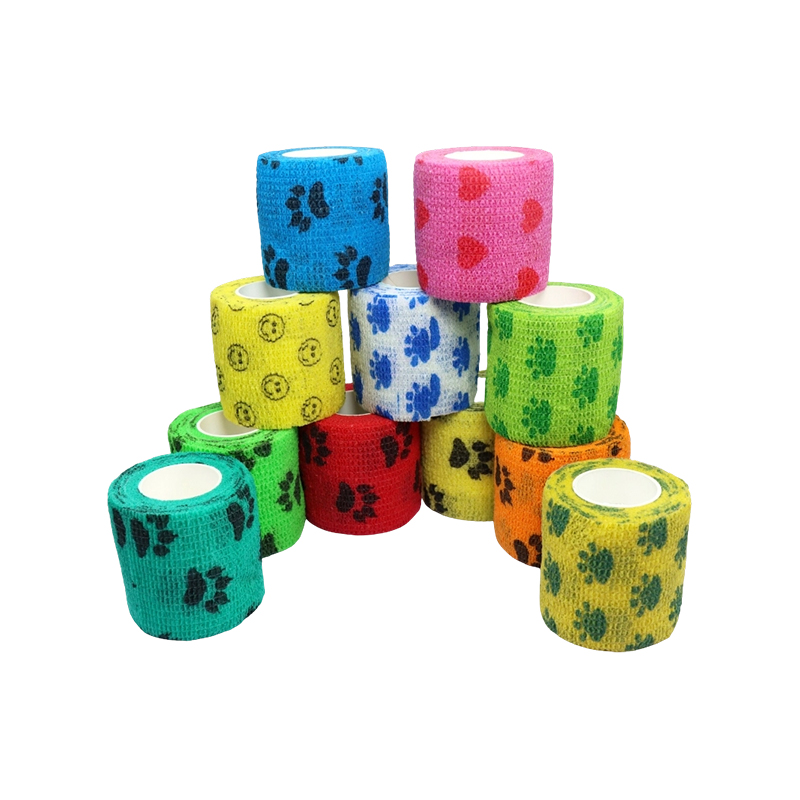
Non-woven Elastic Cohesive Wrap Bandage(Print) Tape
Product DescriptionThis non-woven printed self-adhesive elastic bandage is a novel medical fixation ...
View More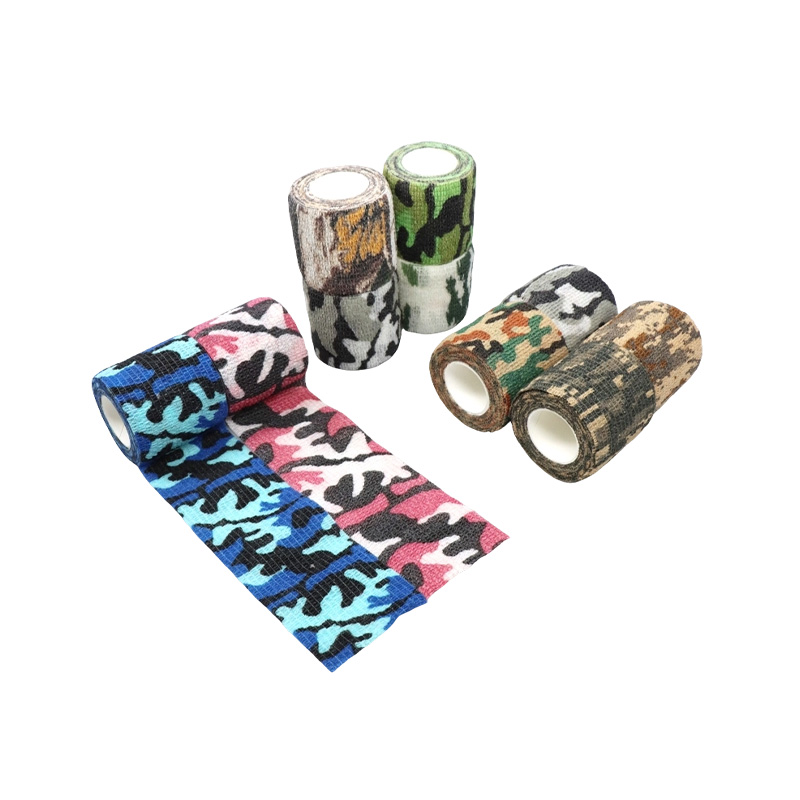
Non-woven Stretch Cohesive Tape Wrap(Camouflage Print)
Product DescriptionNon-woven camouflage print self-adhesive elastic bandages feature a camouflage pa...
View More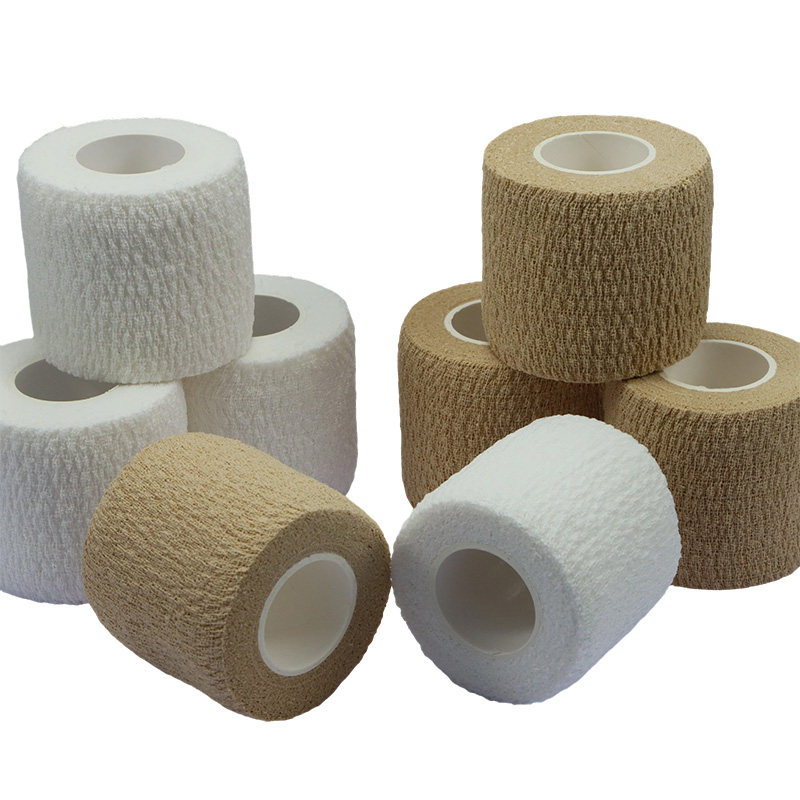
Physiotherapy Skin Color Self-Adherent Elastic Wrap Rolls
Product DescriptionThis skin-colored, all-cotton, self-adhesive elastic bandage is designed to mimic...
View More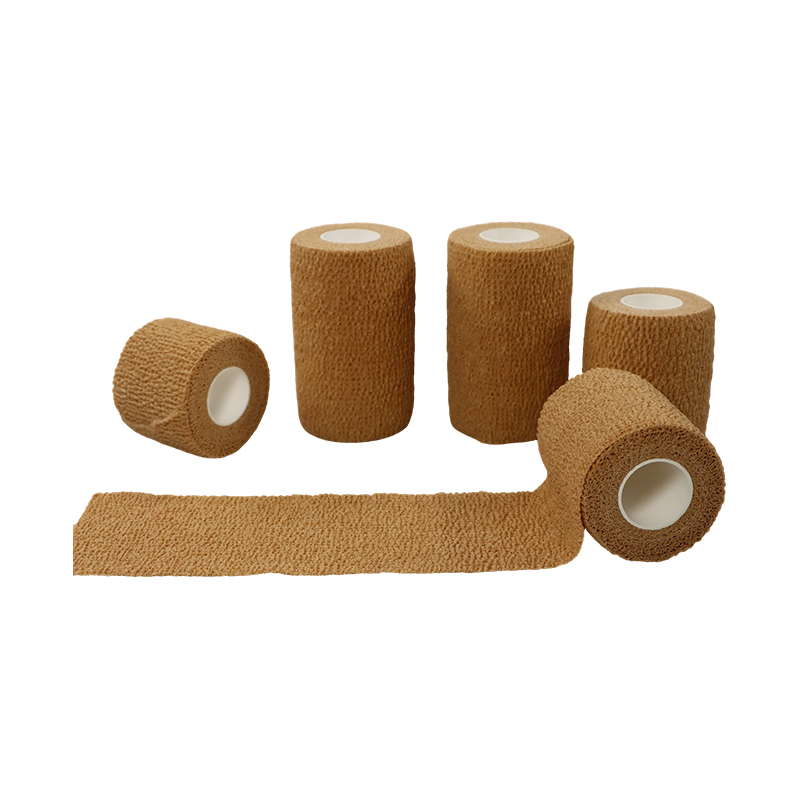
Skin-Colored Fixed Light Elastic Bandage Wrap
The skin-colored fixed light elastic bandage is a versatile fixation solution engineered to deliver...
View More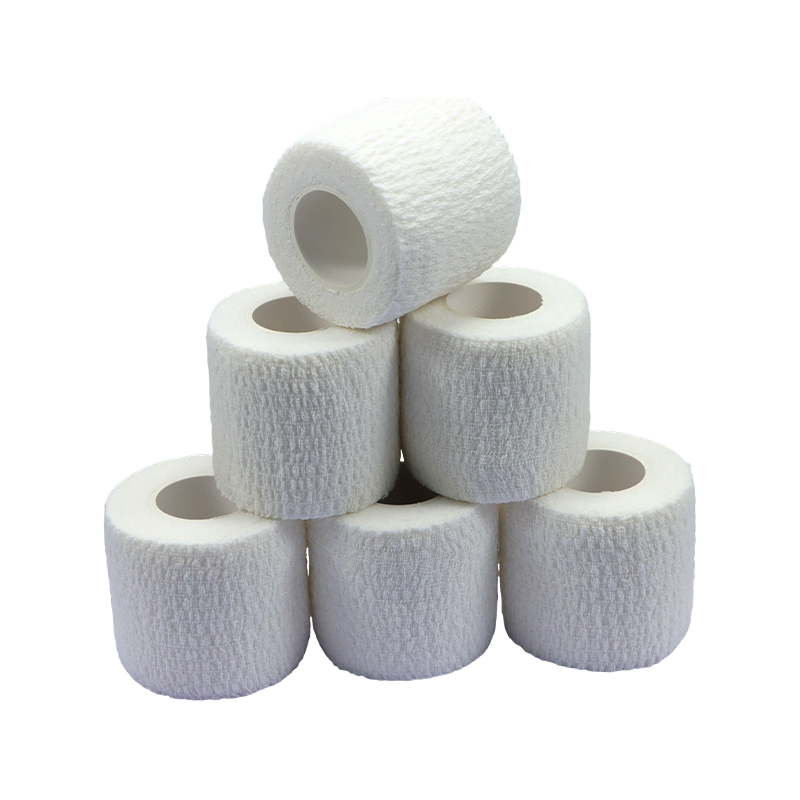
White Waterproof Cohesive Stretch Bandage Wrap
The White Waterproof Cohesive Stretch Bandage Wrap is a purpose-built wound care product engineere...
View More
Self-adhesive Finger Protection Wrap Tape
Product Selling Points ▶ Self-Adhesive Design: Sticks only to itself without needing pins or extra...
View MorePost-Surgery Compression Wrap is designed to provide adjustable external compression and supportive coverage for selected body areas during postoperative recovery. Depending on the treatment area and the product design, it may help maintain dressing position, provide gentle support, and accommodate changes in swelling when used according to healthcare professional instructions.
For medical supply distributors, healthcare product wholesalers, and institutional buyers, product selection should consider the intended anatomical area, closure design, material properties, ease of adjustment, and compatibility with postoperative care protocols. Compression level, wear duration, and application method should be determined by the specific product instructions and the guidance of a qualified healthcare professional.
Key Features of Post-Surgery Compression Wraps
Adjustable Compression Support
An adjustable closure system can help users or caregivers modify the fit according to the product design and prescribed use. The wrap should remain secure without causing excessive pressure or restricting circulation.
Coverage for Targeted Body Areas
Postoperative wraps are available in different configurations for selected body areas. The appropriate shape and coverage depend on the surgical site, recovery requirements, and the intended application.
Practical Fastening Design
Hook-and-loop closures, straps, or other fastening systems may be used to support fitting and removal. The closure should allow controlled adjustment and remain secure during permitted daily activities.
Material and Skin Contact Considerations
Material selection affects flexibility, softness, breathability, and contact comfort. Buyers should confirm the fabric composition, seam construction, and suitability for the intended contact conditions.
Common Applications of Postoperative Compression Wraps
The intended application varies by wrap construction and medical indication. Common product categories may include the following:
Abdominal and Torso Support
Selected abdominal wraps may provide external support after certain surgical procedures when recommended by a healthcare professional. Fit and pressure distribution should be appropriate for the treatment area.
Chest and Upper Body Coverage
Purpose-designed chest or upper-body wraps may be used in specific postoperative care settings. Products for this area must accommodate breathing and follow procedure-specific instructions.
Limbs and Localized Treatment Areas
Some compression wraps are designed for selected areas of the arms or legs. The appropriate configuration depends on the treatment site, circulation status, and prescribed compression requirements.
Postoperative Dressing Support
Where the design permits, a wrap may help maintain external dressings in position. It should not replace wound care instructions or interfere with clinical inspection of the surgical site.
Not every compression wrap is suitable for every surgical procedure. Confirm the intended body area, clinical instructions, and product labeling before use. Compression should not be applied over a surgical site unless permitted by the treating professional.
Material Selection and Construction Considerations
Material and construction requirements vary according to the intended application. Buyers should evaluate the following characteristics when reviewing product specifications.
How to Select the Appropriate Post-Surgery Wrap
Identify the Intended Treatment Area
Determine whether the product is intended for the abdomen, chest, a limb, or another specific area. Select a design that matches the anatomical requirements.
Check Sizing and Adjustability
Review the manufacturer's sizing guidance, measurement method, and available adjustment range. Do not rely on a universal size assumption across different product designs.
Verify Compression Requirements
Confirm whether the product's compression characteristics meet the intended clinical requirements. A general support wrap should not be treated as equivalent to a medically specified compression garment.
Review Wound and Skin Compatibility
Check whether the wrap is intended to contact intact skin, cover a dressing, or be worn over clothing. Follow all restrictions relating to incisions, drains, and wound care.
Confirm Product Documentation
Review the instructions for use, material details, cleaning guidance, intended user population, and applicable regulatory documentation before procurement.
Post-Surgery Compression Wraps Compared with Other Support Products
Although these products may share certain support functions, their intended applications and compression characteristics can differ.
| Product Type | Primary Purpose | Key Selection Consideration |
|---|---|---|
| Post-Surgery Compression Wrap | Adjustable external support for selected postoperative applications | Procedure suitability, fit, and prescribed compression |
| General Support Binder | External support for designated body areas | Body-area compatibility and fastening design |
| Medical Compression Garment | Specified compression for an intended clinical purpose | Compression classification, sizing, and clinical indication |
| Elastic Bandage | Flexible wrapping and support according to application instructions | Wrapping technique, pressure control, and coverage |
| Wound Dressing | Direct wound coverage or management, depending on dressing type | Wound requirements, dressing material, and replacement schedule |
These products are not automatically interchangeable. Product selection should follow the intended use and the relevant clinical instructions.
Application, Fit Adjustment, and Routine Care
Before Application
- Read the product instructions and confirm the intended application area.
- Inspect the wrap, seams, fasteners, and material for visible damage.
- Check whether the surgical dressing must remain accessible for inspection.
During Fit Adjustment
- Position the wrap according to the supplied instructions.
- Adjust the closure evenly without excessive tightening.
- Check for pain, numbness, skin discoloration, breathing restriction, or other signs of excessive pressure.
After Use
- Clean the product according to its care label.
- Allow the wrap to dry fully when required before storage.
- Replace products with damaged closures, stretched-out material, or compromised structural integrity.
Follow the prescribed wearing schedule and do not change compression levels without appropriate guidance. Remove or loosen the wrap as directed and seek prompt medical advice if concerning symptoms develop. Severe pain, sudden swelling, difficulty breathing, or signs of impaired circulation require urgent assessment.
Procurement Checklist for Medical Supply Buyers
For distributors, importers, healthcare procurement teams, and private-label buyers, a consistent evaluation process can help reduce product mismatches and improve purchasing decisions.
Product definition: Confirm the body area, intended use, and whether the product is a support wrap or a specified medical compression device.
Size range: Request the available sizes, measurement instructions, and adjustment details.
Material information: Verify fiber composition, elasticity, skin-contact characteristics, and applicable material declarations.
Quality requirements: Review inspection criteria for stitching, fastening performance, dimensions, labeling, and packaging.
Regulatory documentation: Confirm the documentation required for the intended market and the product's actual regulatory classification.
Packaging and supply: Establish unit packaging, carton configuration, labeling language, order quantities, lead times, and replenishment requirements.
Sample evaluation: Assess fit, adjustment, material quality, and usability against documented acceptance criteria before placing a larger order.
Frequently Asked Questions About Post-Surgery Compression Wraps
Q1: What is a post-surgery compression wrap used for?
It is used to provide external support and adjustable compression for selected postoperative applications. Depending on its design, it may also help support dressings or provide coverage around a treatment area.
Q2: Can a compression wrap be used after any type of surgery?
No. Suitability depends on the procedure, anatomical area, wound condition, and product design. Follow the treating professional's instructions before use.
Q3: How tight should a post-surgery wrap be?
The wrap should fit according to its instructions and the prescribed compression requirements. It should not cause excessive pain, numbness, breathing restriction, or signs of impaired circulation.
Q4: How long should a postoperative compression wrap be worn?
Wearing duration varies by procedure, product type, and individual recovery needs. Follow the prescribed schedule rather than applying a general duration to all patients.
Q5: What materials are used to manufacture compression wraps?
Depending on the model, materials may include elastic textiles, knitted fabrics, woven fabrics, or multilayer constructions. The exact composition should be confirmed in the product specifications.
Q6: Are post-surgery compression wraps reusable?
Reusability depends on the product's intended use and care instructions. Confirm whether the model is intended for single use or repeated use and follow its cleaning and replacement guidance.
Q7: Can a compression wrap be worn directly over an incision?
Only when the product and postoperative instructions permit it. Some applications require a dressing or specific positioning to protect the surgical site and allow appropriate wound monitoring.
Q8: How do buyers choose the correct wrap size?
Use the manufacturer's measurement guide and confirm the body area, circumference range, wrap length, and available adjustment. Sizing systems may vary between designs.
Q9: What is the difference between a compression wrap and a compression garment?
A wrap generally uses an adjustable fastening system, while a compression garment typically has a predefined shape and fit. Their pressure characteristics and indications may differ, so they should not be considered interchangeable.
Q10: What information should importers request before ordering?
Request the product specifications, material composition, sizing guide, instructions for use, packaging details, quality requirements, sample availability, and applicable regulatory documentation for the target market.
Q11: Can post-surgery compression wraps be customized for private-label orders?
Customization may be available depending on the manufacturer and product design. Buyers should confirm feasible options for sizing, materials, closure configuration, labeling, packaging, and minimum order quantities before proceeding.
Q12: When should a compression wrap be checked or replaced?
Inspect the wrap regularly for damaged fasteners, weakened elasticity, torn fabric, and other defects. Replace it when its condition no longer meets the product instructions or the applicable quality requirements.