
Latex-Free Elastic Bandage
Latex-Free Elastic Bandage is designed for users who require a stretchable support wrap without natural latex materials. It provides flexible compression and comfortable support for sports protection, medical care, and everyday wrapping applications. The latex-free construction helps reduce concerns related to latex sensitivity while maintaining elasticity and usability.
- Factory-direct supply
- OEM / ODM support
- Fast quotation
Related Products
Explore products matching this topic.
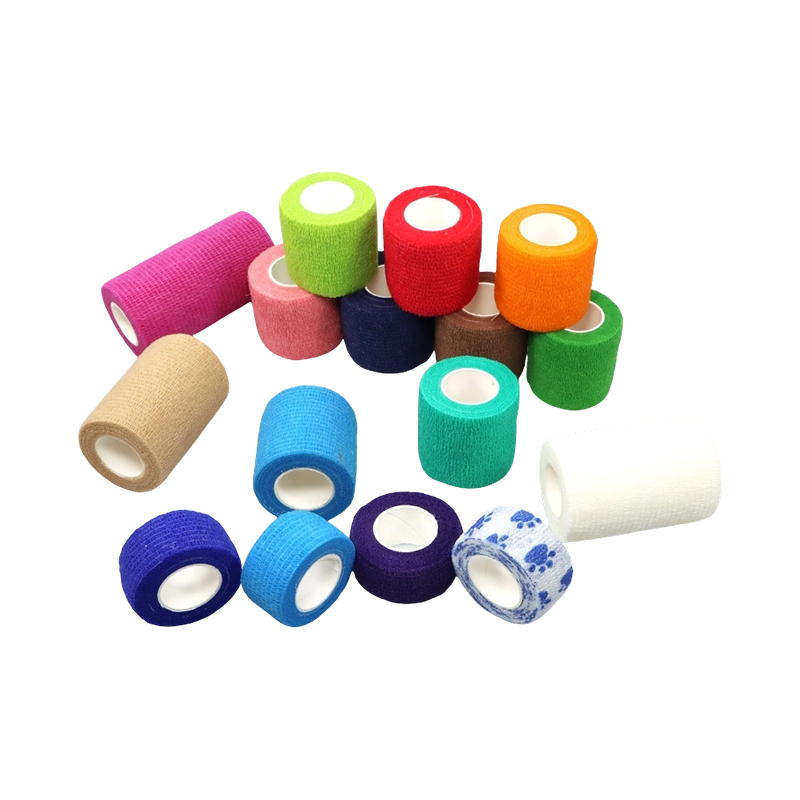
Natural Latex/Latex-free (No Protein) Elastic Self Adhesive Bandage wrap
This natural rubber/non-latex (protein-free) self-adhesive elastic bandage is a safe and practical m...
View More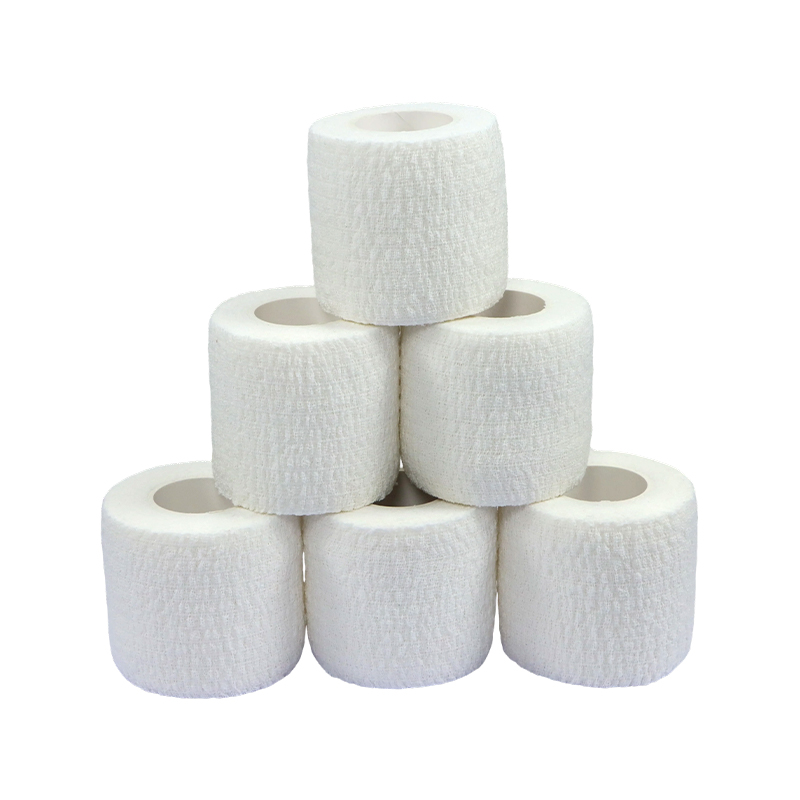
Soft Breathable Solid Color Cotton Self-Adhesive Elastic Bandage
The cotton sotto self-adhesive bandage is a high-quality first aid and sports protection product des...
View More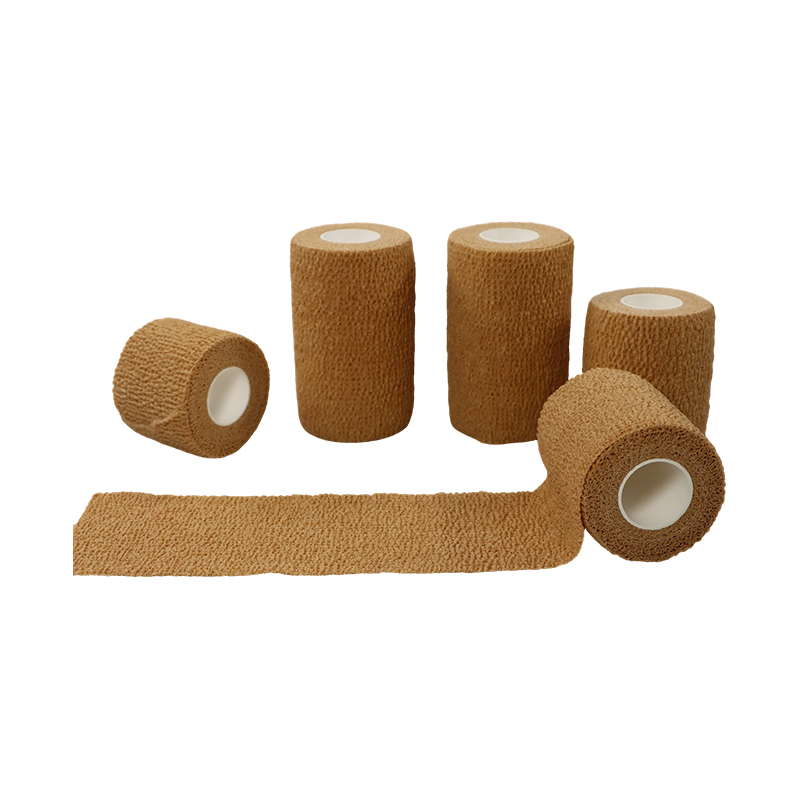
Skin-Colored Fixed Light Elastic Bandage Wrap
The skin-colored fixed light elastic bandage is a versatile fixation solution engineered to deliver...
View More
Solid Color Non-Woven Self-Adhesive Elastic Bandage Wrap
The solid color non-woven self-adhesive elastic bandage wrap is a high-quality elastic bandage desig...
View More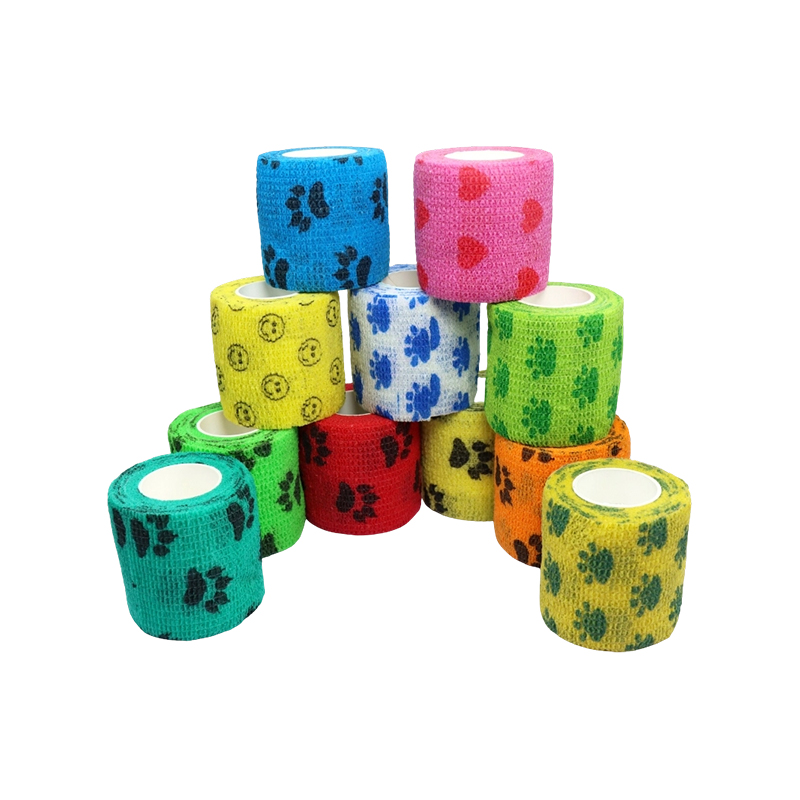
Non-woven Elastic Cohesive Wrap Bandage(Print) Tape
Product DescriptionThis non-woven printed self-adhesive elastic bandage is a novel medical fixation ...
View More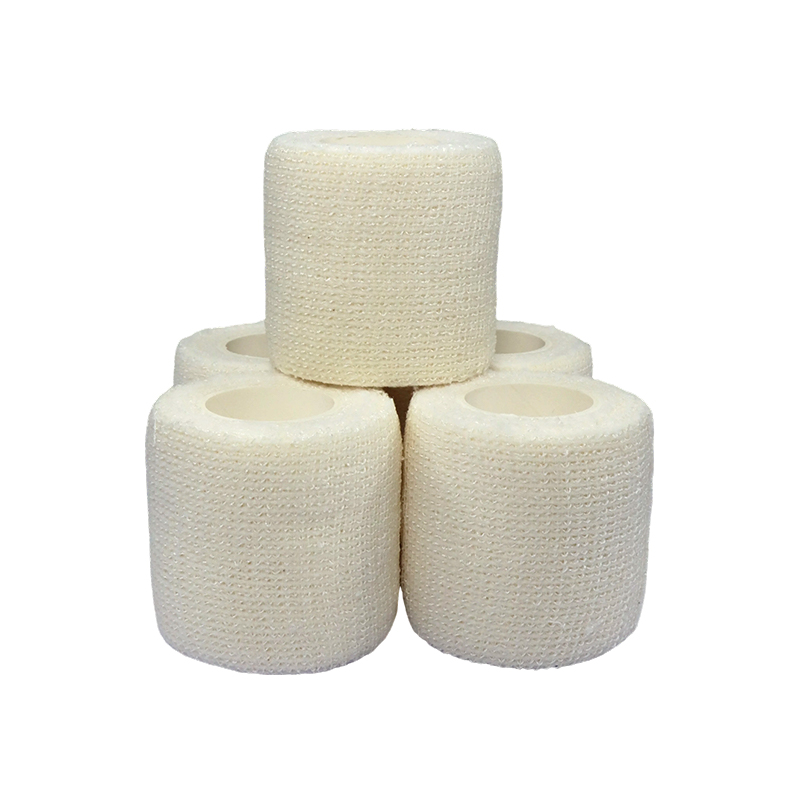
Medical PBT Elastic Bandage
The Medical PBT Elastic Bandage is crafted from high-performance polybutylene terephthalate (PBT) f...
View MoreLatex-free elastic bandage is a stretchable woven or knitted wrap used to hold dressings in place, provide light to moderate compression and support soft tissue, without using natural rubber latex in its elastic component. Elasticity is usually provided by synthetic elastic yarns such as spandex, combined with cotton, polyester or nylon base fibers.
It is commonly selected for users with known sensitivity to natural rubber latex, and by clinics, pharmacies, sports medicine suppliers and first aid kit assemblers who want a single wrap type that avoids latex-related concerns. Width, length, fabric weight and fastening method vary by design, so specifications should always be confirmed with the supplier before purchase.
Key Features of Latex-Free Elastic Bandage
Latex-Free Elastic Component
Stretch comes from synthetic yarns rather than natural rubber, which reduces exposure to latex proteins for sensitive users.
Controlled Stretch and Recovery
The fabric extends under tension and returns toward its original length, helping keep support consistent during movement.
Breathable Textile Structure
Woven or knitted construction lets air and moisture vapor pass more readily than film-based wraps, supporting comfort during longer wear.
Dressing Fixation Without Skin Adhesive
Gauze and pads are held by wrap tension and closures, so no adhesive layer needs to contact the skin.
Adjustable Compression Level
Wrapping tension and overlap can be adjusted by the person applying it to change the level of support.
Reusable Handling
Many designs can be washed and reused according to the care label, which suits repeated-use settings.
Materials and Construction Options in Latex-Free Elastic Bandage
Cotton, polyester, nylon or blends form the visible fabric. Cotton blends are often chosen for a soft hand feel, while synthetic blends are often chosen for faster drying and shape stability.
Synthetic elastic yarns such as spandex provide stretch and recovery. Request a written material declaration confirming that no natural rubber latex is used in yarns, coatings or finishing agents.
Woven selvedge or finished edges help limit fraying and curling. Fabric weight and weave density influence how firm the compression feels and how well the wrap conforms to the body.
Clips, hook-and-loop closures or tie-off ends are common. The choice depends on user skill level, skin contact and whether the wrap will be washed repeatedly.
Typical Applications of Latex-Free Elastic Bandage
Wound Dressing Retention
Holds gauze, pads and cotton padding over minor wounds.
Mild Sprain and Strain Support
Gives external support to joints such as ankles and wrists.
Light Limb Compression
Used under clinician guidance when light compression is advised.
Sports and Training Use
Provides secure wrapping during training and recovery routines.
Latex-Sensitive Patient Care
Fits wards and clinics that standardize on latex-free supplies.
First Aid Kits and Pharmacy Retail
Common component of kits and over-the-counter wrap ranges.
How to Wrap With a Latex-Free Elastic Bandage Step by Step
- Prepare the area. Clean and dry the skin and place any dressing first.
- Anchor the start. Begin below the injured area and secure the bandage end with one or two turns.
- Overlap each turn. Wrap upward so each turn covers about half of the previous turn.
- Keep tension even. The bandage should stretch slightly, not be pulled to its limit.
- Finish above the area. Fasten with a clip or the supplied closure, avoiding placement directly over bony points.
- Check circulation. Look at color, warmth, feeling and movement of fingers or toes, and loosen the wrap if numbness, tingling, pain or swelling appears.
Always follow the compression level and wearing time advised by a healthcare professional.
Latex-Free Elastic Bandage Compared With Other Common Wrap Types
| Comparison Point | Latex-Free Elastic Bandage | Natural Rubber Based Elastic Bandage | Cohesive Bandage |
|---|---|---|---|
| Natural rubber latex | Not used in the elastic component | May be present | Varies, confirm with declaration |
| Fastening | Clips, hook-and-loop or tie-off | Clips or tie-off | Sticks to itself, no clips |
| Typical reuse | Often washable and reusable | Reusable depending on care | Usually single use or limited reuse |
| Common use | Dressing retention, light support | Support, light compression | Light support, sports, dressing retention |
| For latex-sensitive users | Designed for this need, other materials still to be checked | Not recommended | Only if declared latex-free |
This is a general comparison. Individual products differ, so check the product documentation.
Buyer Checklist for Sourcing Latex-Free Elastic Bandage
Material Declaration
Written confirmation of yarn, coating and finishing materials.
Regulatory Classification
How the product is classified in the destination market and which documents apply. Requirements differ by region.
Dimensions and Packaging
Widths, lengths (relaxed and stretched), individual wrapping and carton quantity.
Fastening Type
Clips, hook-and-loop closure or none, matched to the end user.
Labeling and Language
Wording of the latex-free statement, size marking, lot number and any date marking.
Sample Evaluation
Test stretch, recovery after repeated use, washing and skin comfort before a bulk order.
Batch Consistency and Traceability
Lot numbers and inspection records for each shipment.
Custom Packing and Lead Time
Private label options, artwork approval, production schedule and shipping conditions.
Important Notes on Latex-Free Labeling and Skin Sensitivity
A latex-free label addresses natural rubber latex only. Reactions can still be linked to dyes, finishing agents, adhesives or other fibers in the product.
People with a history of severe allergic reactions or skin conditions should consult a healthcare professional before using any compression product, and stop use if redness, itching, swelling or breathing difficulty occurs. Elastic bandages are not a substitute for professional diagnosis or treatment.
Storage, Washing and Handling of Latex-Free Elastic Bandage
Storage Conditions
- Keep in original packaging in a cool, dry place.
- Avoid prolonged exposure to direct sunlight, heat and chemicals.
- Keep away from sharp objects that could snag the fabric.
- Avoid heavy pressure on stored rolls to protect elasticity.
Washing and Replacement
- Wash gently in lukewarm water with mild detergent, following the care label.
- Air dry flat and avoid high heat or tumble drying.
- Do not iron or bleach.
- Replace when elasticity is visibly reduced or the fabric is thin or damaged.
Frequently Asked Questions About Latex-Free Elastic Bandage
Q1: What does latex-free mean for an elastic bandage?
It means natural rubber latex is not used in the product, and stretch comes from synthetic yarns. Ask the supplier for a material declaration to confirm this for a specific item.
Q2: Why do some buyers require latex-free wraps?
Proteins in natural rubber latex can cause allergic reactions in sensitive people, ranging from skin irritation to more serious responses. Many care settings therefore standardize on latex-free supplies.
Q3: Is a latex-free elastic bandage safe for someone with latex allergy?
It is designed to avoid natural rubber latex, but other components such as dyes or finishes may still cause reactions. Anyone with a severe allergy history should consult a healthcare professional first.
Q4: Which materials are commonly used?
Cotton, polyester or nylon fibers combined with synthetic elastic yarns such as spandex are typical. The exact blend affects softness, drying speed and compression feel.
Q5: How tight should the bandage be?
It should feel snug and supportive but not painful. Fingers or toes should keep normal color, warmth and feeling. Follow the level advised by a healthcare professional.
Q6: Can the bandage be washed and reused?
Many designs can, if the care label is followed. Elasticity gradually decreases with use and washing, so replace the wrap once it no longer recovers its shape.
Q7: What is the difference between an elastic bandage and a cohesive bandage?
An elastic bandage is held with clips, a closure or tie-off ends, while a cohesive bandage sticks to itself without clips. Elastic types are often reused, while cohesive types are more often single use.
Q8: How should the bandage width be chosen?
Narrower widths suit fingers, hands and wrists, medium widths suit ankles, elbows and knees, and wider widths suit thighs and larger limbs. Buyers usually stock several widths to cover these uses.
Q9: What documents should buyers request from a supplier?
Common requests include a material declaration, documents required by the destination market, batch inspection records and any relevant test reports. Requirements vary by country and product classification.
Q10: Can packaging and labeling be customized?
Packaging, labeling and sizes can often be adapted for private label or distribution needs, subject to minimum order quantities and artwork approval. Confirm details with the supplier before ordering.
Your Reliable Medical Bandage Manufacturer
Shanghai Qinghong Healthcare Products Co., Ltd. is China wholesale Latex-Free Elastic Bandage manufacturers and Latex-Free Elastic Bandage suppliers. From standard bandages to fully customized OEM projects, we focus on stable quality, on-time delivery and responsive service. We offer Latex-Free Elastic Bandage for sale.
Learn More About Us- ①Factory DirectControl cost and lead time by buying straight from the manufacturer.
- ②CustomizationSize, material, packaging and private label tailored to your market.
- ③Quality ControlConsistent inspection from raw material to finished goods.
Our Strengths
Why B2B buyers build long-term cooperation with us.
- ⚙Manufacturing CapacityStable production lines for trial orders and bulk contracts.
- ✓Strict QualityMulti-step inspection and traceable batches.
- ✎OEM & ODMPrivate label, custom packing and development support.
- ✈Global DeliveryExperienced export team for smooth shipping.
Trusted by Global Buyers
See the factory, certificates and responsibility behind every order.
Solutions for Every Market
From hospital supply to retail packs and private label, we help you build a bandage range that fits your customers.
Frequently Asked Questions
Quick answers before you send your inquiry.
Can I get samples before placing an order?
Do you support OEM and private label?
What is the minimum order quantity?
Send Your Inquiry
Leave your requirements and our team will respond within one business day.
Talk to our sales team about samples, pricing and customization.
- ✉E-mail[email protected]
- ☎Phone / WhatsApp+86-15190236654
- ⚑AddressRoom 2306, Dinggu Commercial Center, No. 378 Chengbei Road, Juyuan New District, Jiading District, Shanghai, China
Tell us what you need and we will reply as soon as possible.