
Hospital Compression Bandage Wholesale
Hospital Compression Bandage Wholesale supplies are intended for healthcare distributors, hospitals, clinics, and medical supply retailers. Available options can support different clinical dressing and compression needs, depending on the bandage type and its intended medical use.
- Factory-direct supply
- OEM / ODM support
- Fast quotation
Related Products
Explore products matching this topic.
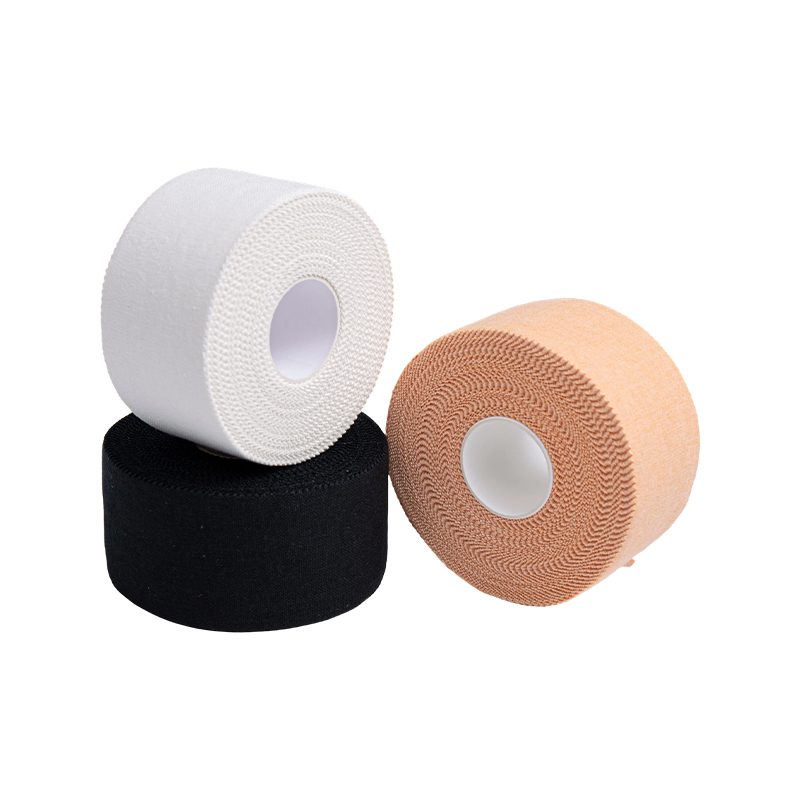
Skin Tone Breathable Stretch Sports Compression Bandages
Product Selling Points ▲ Flexible compression for customized joint and muscle support ▲ Breathable ...
View More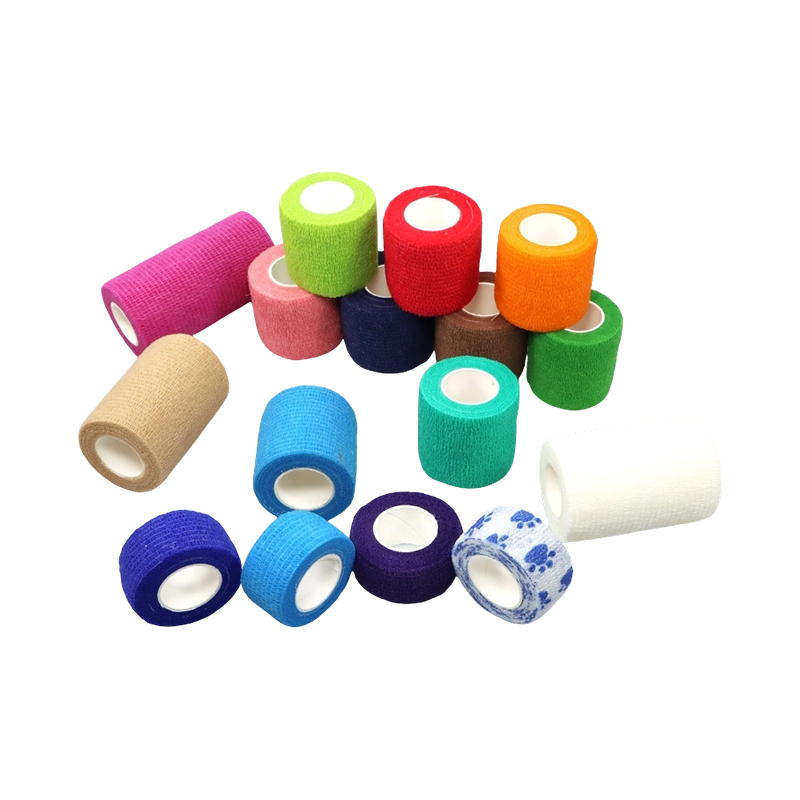
Natural Latex/Latex-free (No Protein) Elastic Self Adhesive Bandage wrap
This natural rubber/non-latex (protein-free) self-adhesive elastic bandage is a safe and practical m...
View More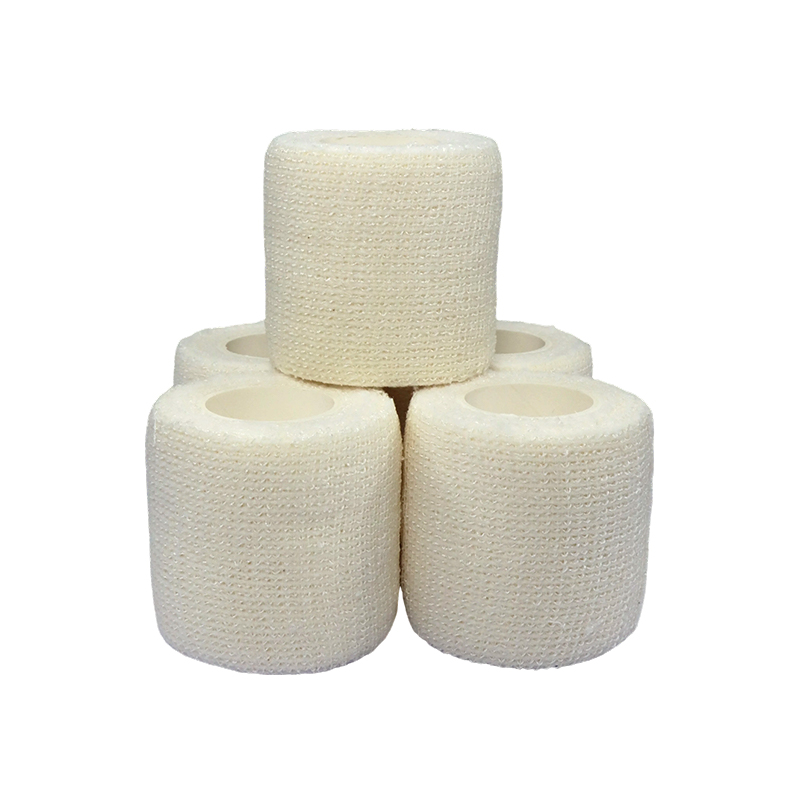
Medical PBT Elastic Bandage
The Medical PBT Elastic Bandage is crafted from high-performance polybutylene terephthalate (PBT) f...
View More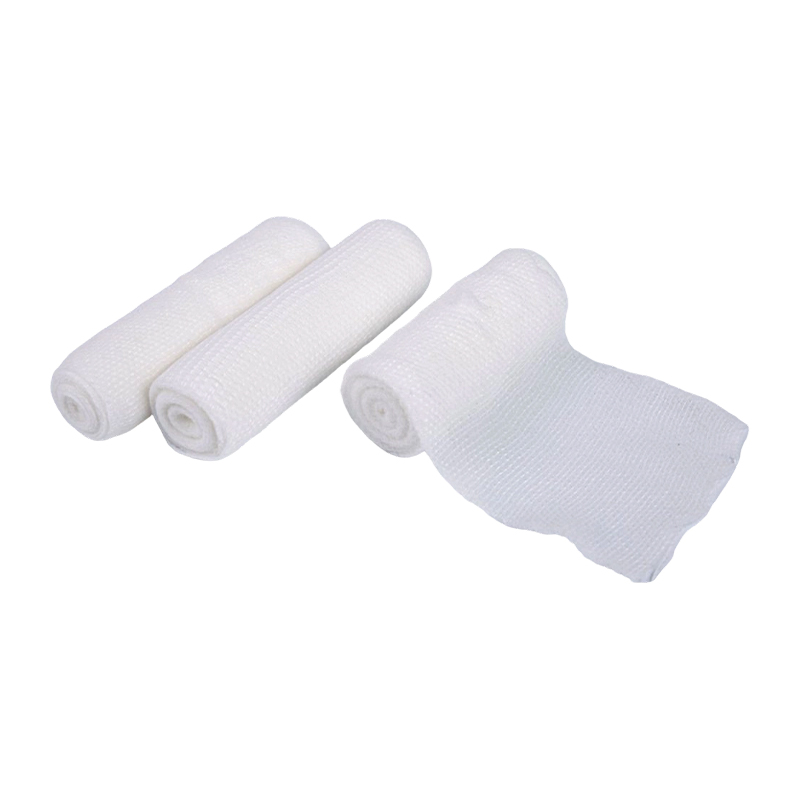
White Breathable Anti-slip PBT Bandage with Locked Edge
The white breathable anti-slip PBT bandage with locked edge combines high-strength polyester fiber ...
View More
Red Soft Wound Dressing Foam Bandage
Selling Points Premium grade medical polyurethane foam for superior comfort. Advanced exudate mana...
View More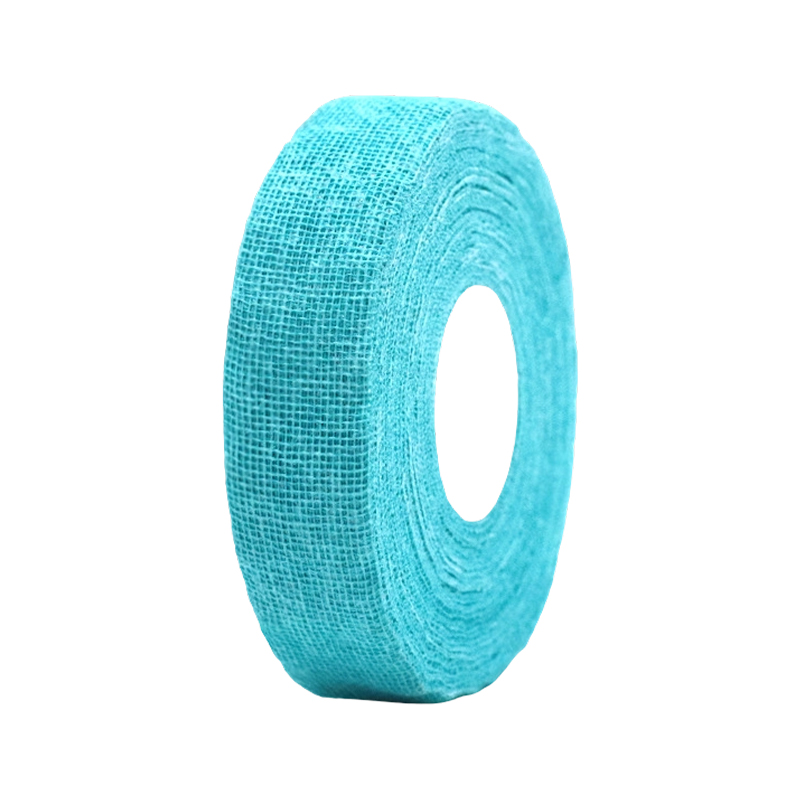
Blue Cotton Breathable Finger Wrap Bandage
Product Selling Points ▲ Premium Cotton Comfort: Crafted from high-quality cotton yarn for a skin-...
View MoreHospital compression bandage wholesale covers the supply of elastic, short-stretch and cohesive bandages in volume to hospitals, clinics, medical distributors and tender suppliers. These bandages are used on wards, in emergency departments and in outpatient care to support injured joints, hold dressings and apply compression when it has been advised by a clinician.
Wholesale buyers care about more than the bandage itself: consistent quality across lots, clear documentation, suitable packing, sterile or non-sterile supply and dependable lead times all matter. Details vary between products and suppliers, so specifications, documents and packing should always be confirmed with the supplier before ordering.
Core Compression Bandage Types Supplied to Hospitals
High-Stretch Elastic Bandage
Long-stretch fabric that extends greatly and conforms well, used for general support and light compression.
Light Elastic Bandage
A lighter stretch wrap for dressing retention and gentle support where firm compression is not needed.
Short-Stretch Bandage
Limited-extension fabric used in specific clinical programs, usually applied by trained staff.
Cohesive Compression Wrap
A self-adhering roll that needs no clips and tears by hand, quick to apply on busy wards.
Padding and Underwrap
Soft foam or cotton padding placed under a bandage to protect bony areas and skin.
Closures and Fixation Items
Clips, tape and hook-and-loop ends that finish the bandage and keep it in place.
Why Hospitals and Distributors Buy Compression Bandages in Wholesale
Bandages are used every day across orthopedic, surgical and emergency areas, so steady supply and predictable replenishment are important.
Using a limited range of types and sizes helps staff apply bandages consistently and simplifies training and stock control.
Volume purchasing and carton packing lower the cost per bandage and reduce order frequency for hospital stores and distributors.
Hospitals and tenders often request lot numbers, inspection records and product documents, so a supplier able to provide them eases approval.
Product Options and Packing for Hospital Compression Bandage Wholesale
Individually wrapped rolls protect cleanliness on wards, while bulk cartons and palletized loads suit distribution and storage efficiency.
Compression bandages are usually supplied non-sterile when they sit over a dressing, with sterile packs for specific uses. State the requirement clearly in the order.
Narrow, medium and wide rolls with clips, hook-and-loop ends or cohesive finish cover limbs and joints. Check whether stated length is relaxed or stretched.
Multilingual labels, instructions, lot marking and private label packaging can often be adapted to tender or distributor requirements.
Typical Hospital Applications of Compression Bandages
Orthopedic and Trauma Wards
Support and fixation for sprains, strains and post-injury care.
Post-Operative Dressing Support
Holds dressings and gives light compression when ordered by the care team.
Emergency and Outpatient Care
Quick support and fixation during assessment and discharge.
Specialist Compression Programs
Used in vascular and lymphatic clinics only under specialist guidance.
Sports Medicine and Rehabilitation
Support during rehabilitation and return to activity.
Discharge and Home Care Supply
Bandages provided to patients to continue care at home.
How a Hospital Compression Bandage Wholesale Order Typically Works
- Specify the need. Define bandage type, widths, lengths, closure, sterile or non-sterile supply and expected annual volume.
- Request samples and documents. Ask for samples, material declarations, inspection records and any documents required by the hospital or tender.
- Evaluate and approve. Clinical or purchasing staff test stretch, recovery, fastening, skin comfort and packaging before approving.
- Confirm packing and labeling. Agree carton size, individual wrapping, label language, lot marking and any private label artwork.
- Production and inspection. The supplier produces the order with lot records and inspection before shipment.
- Shipping and receipt. Goods are shipped to the hospital store or distributor, checked on receipt and stored under suitable conditions.
Lead times, minimum quantities and required documents depend on the product and market, so confirm them with the supplier early.
Hospital Compression Bandage Types Compared
| Comparison Point | High-Stretch Elastic Bandage | Short-Stretch Bandage | Cohesive Compression Wrap |
|---|---|---|---|
| Extension | Large | Limited | Light to moderate |
| Pressure behavior | Tends to keep pressure at rest | Tends to resist during muscle activity | Light, depends on layers |
| Fastening | Clip or hook-and-loop | Clip, tape or self-closing | Bonds to itself |
| Reuse and infection control | Reusable types per policy | Reusable types per policy | Mostly single patient use |
| Typical hospital use | General support, fixation | Specific clinical programs | Quick fixation, light support |
This is a general comparison. Individual products differ, so check the product documentation.
Procurement Checklist for Hospital Compression Bandage Wholesale
Specification Sheet
Stretch, recovery, width, length (relaxed and stretched), closure and fiber composition.
Sterile or Non-Sterile Supply
Required supply form, packaging protection and handling in the hospital store.
Quality and Registration Documents
Documents the hospital or distributor asks for, such as quality system records and product registration where required.
Material Declaration
Written composition, including natural rubber latex status of elastic parts and closures.
Lot Traceability
Lot numbers, inspection records and the ability to trace each shipment.
Packing and Labeling
Individual wrapping, carton and pallet sizes, label language and instructions.
Samples and Trial
Sample evaluation by clinical and purchasing staff before approving a volume order.
Capacity and Lead Time
Production capacity, delivery schedule, replenishment plan and private label timing.
Important Notes on Clinical Use and Responsible Supply
Compression for a medical condition should be ordered and applied under clinical guidance. Too much pressure can restrict circulation, and people with arterial disease, severe nerve problems, heart conditions, fragile skin or infection need professional assessment before compression is used.
Staff should check color, warmth, feeling and movement beyond the bandage and loosen or remove it if pale, blue or cold skin, numbness, tingling, increasing pain or swelling occurs. Suppliers and distributors should keep product claims within what their documents and market rules allow.
Storage and Handling of Hospital Compression Bandages
Warehouse and Store Conditions
- Keep cartons and packs sealed in a cool, dry store.
- Avoid direct sunlight, heat sources, moisture and chemical vapors.
- Stack cartons without crushing rolls, and keep off the floor.
- Use older stock first and check any date marking.
Ward Handling and Infection Control
- Use clean hands or gloves and do not touch the inner surface.
- Use single patient items once, and launder reusable types per hospital policy.
- Do not use packs that are open, damaged or soiled.
- Dispose of used materials according to local medical waste rules.
Frequently Asked Questions About Hospital Compression Bandage Wholesale
Q1: What types of compression bandage do hospitals typically buy?
Hospitals commonly buy high-stretch elastic bandages, light elastic bandages, cohesive wraps and, for specific programs, short-stretch bandages, along with padding and closures.
Q2: What is the difference between high-stretch and short-stretch bandages?
High-stretch bandages extend greatly and tend to keep pressure at rest, while short-stretch bandages extend little and tend to resist more during muscle activity. Short-stretch types are usually used in specific clinical programs.
Q3: Are compression bandages sterile?
Bandages that sit over a dressing are usually supplied non-sterile, while sterile packs exist for specific uses. State the requirement clearly when ordering.
Q4: What documents do hospital buyers usually request?
Common requests include a specification sheet, material declaration, lot and inspection records and documents required by the market or tender. Requirements vary by country and product classification.
Q5: Can samples be evaluated before a volume order?
Samples are normally provided so clinical and purchasing staff can test stretch, recovery, fastening and packaging. Arrange samples early in the approval process.
Q6: How should quality be checked on receipt?
Check carton and pack condition, labels, lot numbers and any date marking, and inspect a sample of rolls for stretch, width and closures against the agreed specification.
Q7: Are latex-free options available?
Many designs use synthetic elastic yarns, but this must be confirmed per product. Request a written material declaration covering fabric, yarns, closures and coatings.
Q8: Are bandages reusable in hospitals?
Some elastic types are reusable if laundered according to hospital policy, while cohesive and many non-woven types are single patient use. Follow local infection control rules.
Q9: What affects minimum order quantity and lead time?
They depend on the product, customization level, packaging and production schedule. Discuss expected volumes and delivery dates with the supplier before confirming an order.
Q10: Can packaging and private label be customized?
Roll sizes, individual wrapping, carton packing, printing and labeling can often be adapted for tender, distributor or private label needs, subject to minimum order quantities. Confirm details, labeling rules and required documents with the supplier before ordering.
Your Reliable Medical Bandage Manufacturer
Shanghai Qinghong Healthcare Products Co., Ltd. is China wholesale Hospital Compression Bandage Wholesale manufacturers and Hospital Compression Bandage Wholesale suppliers. From standard bandages to fully customized OEM projects, we focus on stable quality, on-time delivery and responsive service. We offer Hospital Compression Bandage Wholesale for sale.
Learn More About Us- ①Factory DirectControl cost and lead time by buying straight from the manufacturer.
- ②CustomizationSize, material, packaging and private label tailored to your market.
- ③Quality ControlConsistent inspection from raw material to finished goods.
Our Strengths
Why B2B buyers build long-term cooperation with us.
- ⚙Manufacturing CapacityStable production lines for trial orders and bulk contracts.
- ✓Strict QualityMulti-step inspection and traceable batches.
- ✎OEM & ODMPrivate label, custom packing and development support.
- ✈Global DeliveryExperienced export team for smooth shipping.
Trusted by Global Buyers
See the factory, certificates and responsibility behind every order.
Solutions for Every Market
From hospital supply to retail packs and private label, we help you build a bandage range that fits your customers.
Frequently Asked Questions
Quick answers before you send your inquiry.
Can I get samples before placing an order?
Do you support OEM and private label?
What is the minimum order quantity?
Send Your Inquiry
Leave your requirements and our team will respond within one business day.
Talk to our sales team about samples, pricing and customization.
- ✉E-mail[email protected]
- ☎Phone / WhatsApp+86-15190236654
- ⚑AddressRoom 2306, Dinggu Commercial Center, No. 378 Chengbei Road, Juyuan New District, Jiading District, Shanghai, China
Tell us what you need and we will reply as soon as possible.