
Tear-by-Hand Bandage
Tear-by-Hand Bandage is designed for quick application without the need for scissors or cutting tools. Its convenient tearing feature allows users to adjust the required length easily, making it suitable for sports teams, first-aid kits, medical facilities, and outdoor activities.
- Factory-direct supply
- OEM / ODM support
- Fast quotation
Related Products
Explore products matching this topic.
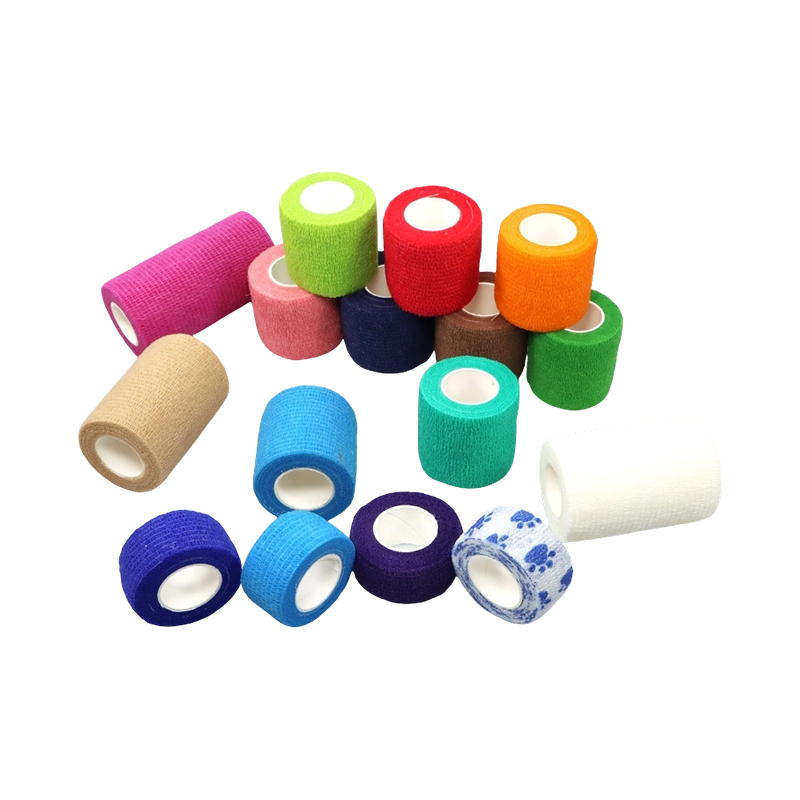
Natural Latex/Latex-free (No Protein) Elastic Self Adhesive Bandage wrap
This natural rubber/non-latex (protein-free) self-adhesive elastic bandage is a safe and practical m...
View More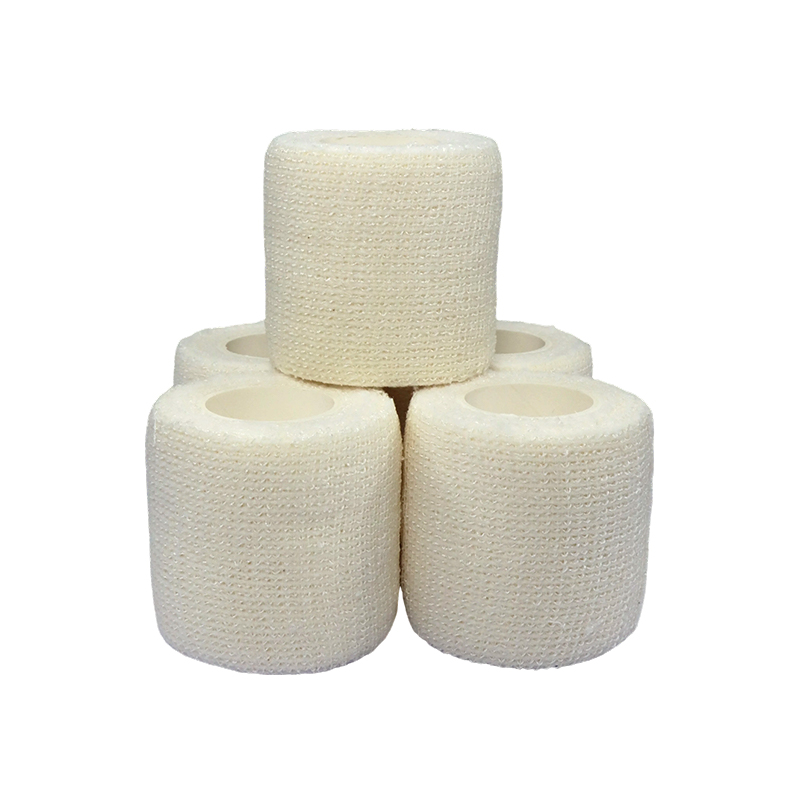
Medical PBT Elastic Bandage
The Medical PBT Elastic Bandage is crafted from high-performance polybutylene terephthalate (PBT) f...
View More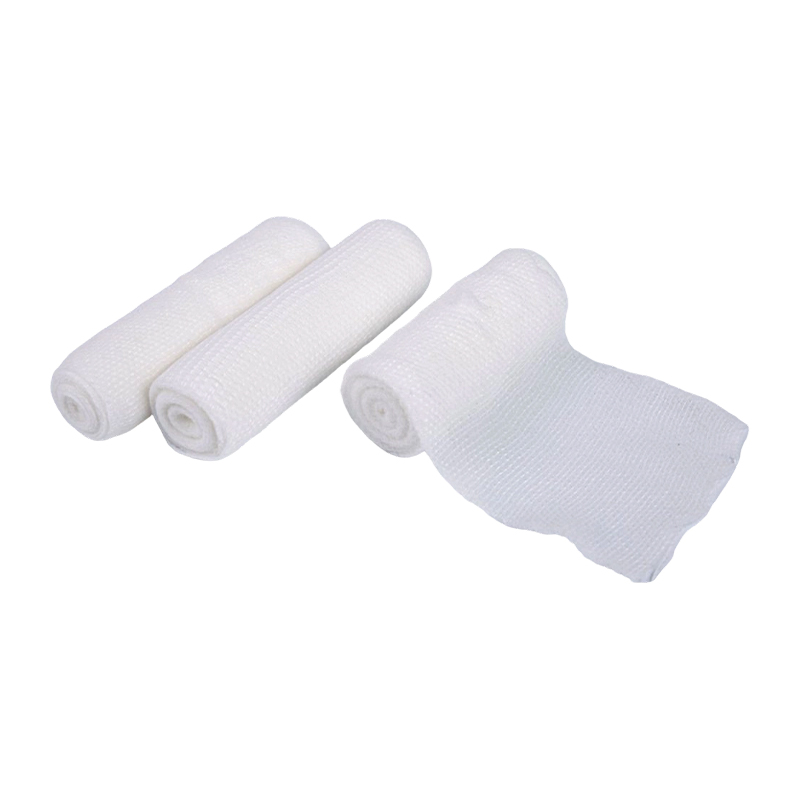
White Breathable Anti-slip PBT Bandage with Locked Edge
The white breathable anti-slip PBT bandage with locked edge combines high-strength polyester fiber ...
View More
Red Soft Wound Dressing Foam Bandage
Selling Points Premium grade medical polyurethane foam for superior comfort. Advanced exudate mana...
View More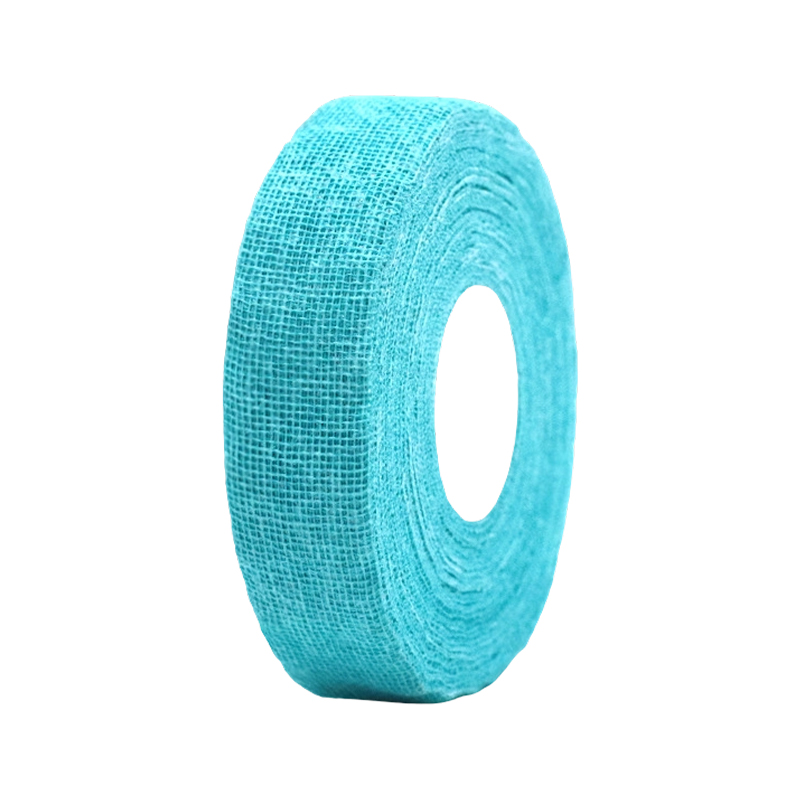
Blue Cotton Breathable Finger Wrap Bandage
Product Selling Points ▲ Premium Cotton Comfort: Crafted from high-quality cotton yarn for a skin-...
View More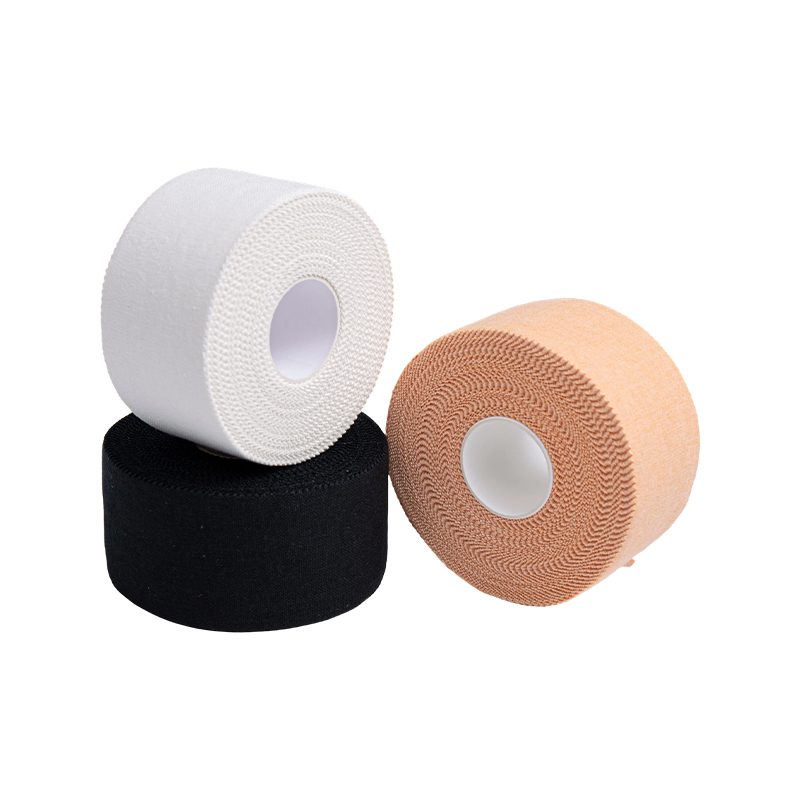
Skin Tone Breathable Stretch Sports Compression Bandages
Product Selling Points ▲ Flexible compression for customized joint and muscle support ▲ Breathable ...
View MoreTear-by-hand bandage is a bandage roll designed to be torn cleanly across its width without scissors. The fabric structure, pre-weakened lines or surface treatment guide the tear, so a strip of the needed length can be separated quickly with both hands, even in the field or during busy dressing changes.
The feature applies to several bandage types, including cohesive wraps, non-woven rolls, cotton-based fabric bandages and some tape-type rolls. Tear quality depends on width, material, moisture and whether gloves are worn, so tear performance and specifications should be confirmed on samples with the supplier before purchase.
Key Features of Tear-by-Hand Bandage
Scissor-Free Cutting
Strips can be separated without tools, which helps when scissors are missing, dull or inconvenient to use.
Faster Application
Tearing takes a moment, which shortens preparation time in first aid, sports care and busy clinics.
Straight, Controlled Edge
Well-designed rolls tear along the width with limited fraying, leaving an edge that lies flat on the body.
Safer Near the Patient
Avoiding blades next to the skin removes the risk of accidental cuts, which matters with children, animals or restless patients.
Practical With Gloves
Many designs can be torn with gloved hands, although grip and tear feel depend on the fabric and glove type.
Light Kit Weight
No separate cutting tool is needed in a kit, which suits travel, outdoor and sideline bags.
How a Bandage Is Engineered to Tear by Hand
Weave pattern or fiber layout can be arranged so threads separate along the width. This is the most common way woven and non-woven rolls achieve a straight tear.
Notches or perforation lines across the width give the tear a defined starting path. They are more typical on narrow rolls and tape-type products.
Cohesive coating, film or adhesive layers change how the material tears. Designs must balance easy tearing with enough strength to hold during wear.
Edge treatment and fabric density affect fraying after tearing. Clean edges look neater, stay flat and are less likely to catch on clothing.
Types and Materials of Tear-by-Hand Bandage
Self-adhering rolls that bond to themselves and are widely made to tear by hand, giving light support and dressing retention without clips.
Light, porous non-woven bandages that tear readily and are often chosen for breathability and low weight.
Woven cotton or blended fabrics constructed to tear straight across the width, with a more traditional textile feel.
Strapping and fixation tapes that tear across the width and are used for joint support and securing pads or dressings.
Typical Applications of Tear-by-Hand Bandage
First Aid Kits
A compact roll that needs no scissors to prepare a dressing wrap.
Sports Sidelines
Quick strips for ankles, wrists and fingers between plays.
Emergency and Field Care
Fast preparation when time and tools are limited.
Home Care and Caregiving
Simple handling for caregivers changing dressings at home.
Clinics and Treatment Rooms
Time saved across repeated dressing changes during a shift.
Veterinary and Farm Use
Easy to prepare with one hand while steadying an animal.
How to Tear and Apply a Tear-by-Hand Bandage Step by Step
- Unroll the length needed. Pull out enough bandage to complete the wrap plus a small allowance.
- Hold on both sides. Grip the bandage close to the intended tear point with a hand on each side.
- Pull in opposite directions. Use a quick, firm motion across the width, which usually tears more cleanly than slow pulling.
- Check the edge. If it frays or curls, trim it with blunt-tip scissors before applying.
- Apply the bandage. Wrap with an even overlap and moderate tension, finishing with the closure suited to the bandage type.
- Check circulation. Look for color change, numbness, tingling or swelling, and loosen the wrap if any appears.
Tear the bandage away from the patient so the pulling motion does not tug on the skin.
Tear-by-Hand Bandage Compared With Other Cutting Methods
| Comparison Point | Tear-by-Hand Bandage | Bandage Cut With Scissors | Pre-Cut Strip Dressing |
|---|---|---|---|
| Tool needed | None | Scissors | None |
| Strip length | Chosen freely | Chosen freely | Fixed by design |
| Edge finish | Clean if well designed, may fray | Straight but may fray | Finished at factory |
| Speed in the field | Fast | Slower, depends on tool access | Fast |
| Typical use | First aid, sport, clinics | Wide, thick or heavily coated bandages | Small, standard wounds |
This is a general comparison. Individual products differ, so check the product documentation.
Buyer Checklist for Sourcing Tear-by-Hand Bandage
Tear Consistency
Test several rolls for a straight tear with minimal fraying, across different batches.
Real-World Conditions
Try tearing with gloves, damp hands and in humid or cold conditions that match actual use.
Bandage Function
Confirm the underlying type, such as cohesive, non-woven, cotton or tape-type, fits the intended use.
Strength During Wear
Make sure easy tearing does not mean the bandage splits under normal tension.
Material Declaration
Written composition of the fabric and any coating, including natural rubber latex status.
Widths, Lengths and Packing
Roll sizes, core type, colors and carton quantity matched to your channel.
Regulatory Classification
How the product is classified in the destination market and which documents apply. Requirements differ by region.
Consistency and Lead Time
Lot records, private label options, artwork approval and shipping schedule.
Important Notes on Tearing Performance and Safe Use
Not every bandage can be torn by hand. Wide, thick or heavily coated rolls, and wet or oily materials, may need scissors even when the product is labeled as hand-tearable.
Do not apply a bandage directly on an open wound without a suitable dressing, and remove it if redness, itching, numbness, tingling, pain or swelling occurs. People with allergies or skin conditions should consult a healthcare professional first. Bandages are not a substitute for professional diagnosis or treatment.
Storage and Handling of Tear-by-Hand Bandage
Storage Conditions
- Keep rolls in original packaging in a cool, dry place.
- Avoid direct sunlight, heat sources and chemical vapors.
- Keep away from dust and oils that affect grip and tearing.
- Avoid heavy pressure that flattens or deforms rolls.
Handling During Use
- Use clean, dry hands or gloves for the best grip when tearing.
- Tear across the width, never along the length.
- Trim frayed edges with blunt-tip scissors if needed.
- Discard soiled or damaged rolls and dispose of used material locally.
Frequently Asked Questions About Tear-by-Hand Bandage
Q1: What is a tear-by-hand bandage?
It is a bandage roll made so a strip can be torn cleanly across the width with the hands, with no scissors needed. The feature is built into the fabric, perforation or surface construction.
Q2: How does a bandage tear in a straight line?
The weave or fiber layout is arranged so threads separate along the width, and some products add notches or perforations. Coatings are balanced so the roll still holds up during wear.
Q3: Can it be torn with gloves or wet hands?
Often, but grip depends on the glove and the fabric. Wet or oily hands and damp bandages can make tearing harder, so test with your usual gloves and conditions.
Q4: Which bandage types are available as tear-by-hand?
Cohesive wraps, non-woven rolls, cotton-based fabric bandages and tape-type rolls are common. Availability varies by width and design.
Q5: Does easy tearing make the bandage weaker?
Tearing across the width is easy, but strength along the length should still be enough for normal wrapping. Buyers should test samples under realistic tension.
Q6: Will the torn edge fray?
Well-designed rolls leave a fairly clean edge, though some fraying is possible, particularly with loose weaves. Trimming with blunt-tip scissors can tidy it.
Q7: Is it always better than cutting with scissors?
Not always. It is faster and tool-free, but very wide, thick or coated bandages may still be easier and neater to cut with scissors.
Q8: How tight should the bandage be applied?
Snug and supportive but not painful. Fingers or toes should keep normal color, warmth and feeling. Follow the level advised by a healthcare professional.
Q9: Does it contain natural rubber latex?
It depends on the elastic component, coating or adhesive used. Request a written material declaration if the end user needs a product without natural rubber latex.
Q10: Can widths, colors and packaging be customized?
Widths, lengths, colors and packaging can often be adapted for private label or distribution needs, subject to minimum order quantities. Confirm tear performance on samples and required documents with the supplier before ordering.
Your Reliable Medical Bandage Manufacturer
Shanghai Qinghong Healthcare Products Co., Ltd. is China wholesale Tear-by-Hand Bandage manufacturers and Tear-by-Hand Bandage suppliers. From standard bandages to fully customized OEM projects, we focus on stable quality, on-time delivery and responsive service. We offer Tear-by-Hand Bandage for sale.
Learn More About Us- ①Factory DirectControl cost and lead time by buying straight from the manufacturer.
- ②CustomizationSize, material, packaging and private label tailored to your market.
- ③Quality ControlConsistent inspection from raw material to finished goods.
Our Strengths
Why B2B buyers build long-term cooperation with us.
- ⚙Manufacturing CapacityStable production lines for trial orders and bulk contracts.
- ✓Strict QualityMulti-step inspection and traceable batches.
- ✎OEM & ODMPrivate label, custom packing and development support.
- ✈Global DeliveryExperienced export team for smooth shipping.
Trusted by Global Buyers
See the factory, certificates and responsibility behind every order.
Solutions for Every Market
From hospital supply to retail packs and private label, we help you build a bandage range that fits your customers.
Frequently Asked Questions
Quick answers before you send your inquiry.
Can I get samples before placing an order?
Do you support OEM and private label?
What is the minimum order quantity?
Send Your Inquiry
Leave your requirements and our team will respond within one business day.
Talk to our sales team about samples, pricing and customization.
- ✉E-mail[email protected]
- ☎Phone / WhatsApp+86-15190236654
- ⚑AddressRoom 2306, Dinggu Commercial Center, No. 378 Chengbei Road, Juyuan New District, Jiading District, Shanghai, China
Tell us what you need and we will reply as soon as possible.