The cut sits directly over your middle knuckle. You apply a standard adhesive strip, bend your finger to reach for a cup, and within an hour the dressing has rolled into a damp strip beside your hand. That is not careless application; it is a geometry problem. Knuckles compress, stretch and change shape with every movement, and a flat, rigid bandage cannot follow that motion.
A fabric knuckle bandage is built for this surface. It uses a woven or knitted textile backing that flexes with the joint, a breathable adhesive that holds on the curved back of the hand, and a width that wraps the finger without material bunching on the palm. For people who work with their hands, train combat sports, or deal with frequent kitchen cuts, the right knuckle dressing is the difference between a wound that heals cleanly and one that reopens every time you make a fist.
Key point: a good fabric knuckle bandage stretches with the joint, breathes through the backing, and stays in place for 8 to 12 hours of normal hand use.
Why Ordinary Bandages Fail on Knuckles
Standard adhesive strips are designed for flat, low-motion surfaces such as forearms, shins and foreheads. The back of the hand is the opposite: a series of convex curves that reverse shape when you flex. When you bend a finger, the skin over the knuckle compresses; when you straighten it, the skin stretches. A non-elastic backing resists both motions. It lifts at the edges, folds along the flex line, and drags adhesive across the skin. That is why a bandage applied to a knuckle often ends up in your desk drawer instead of on your finger.
| Feature |
Standard adhesive strip |
Fabric knuckle bandage |
| Fit over bending joint |
Lifts, curls and shifts |
Conforms during flexion and extension |
| Stretch |
Minimal |
20-30% elastic recovery |
| Breathability |
Moderate; plastic backings trap moisture |
Woven or knitted backing allows airflow |
| Adhesion on oily skin |
Weakens within hours |
Textured textile holds longer |
| Typical wear time |
A few hours |
8-12 hours with correct application |
Fabric solves this by distributing stress. Because the textile stretches in two directions, it follows the skin through a full range of finger motion. The adhesive sits on a porous backing, so sweat evaporates instead of pooling under the dressing. The bond stays intact for hours rather than minutes, and the wound remains covered while the surrounding skin keeps moving normally.
What to Look for in a Fabric Knuckle Bandage
Not every fabric bandage performs the same. The label "fabric" only tells you that the backing is textile; stretch, weight and adhesive chemistry vary significantly between products. From a manufacturer's perspective on elastic bandages and finger protection dressings, these are the properties that matter most.
Material and Stretch
Woven cotton offers the best balance of softness and conformability. It follows the knuckle curve with roughly 20-30% extensibility, enough for full flexion without creating a tourniquet effect. Knitted and nonwoven backings are lighter and thinner, which makes them less visible under gloves or sleeves, but they tend to have less elastic recovery. If the bandage stays stretched out after a few bends, it will loosen quickly and slide off.
Adhesive and Skin Compatibility
Choose an acrylate-based, latex-free adhesive. Latex is a common trigger for contact dermatitis, especially on hands that are injured repeatedly. The adhesive needs to hold on the relatively oily, hairless skin of the knuckles, but it also has to release cleanly without pulling off newly formed scabs. A well-calibrated product grips firmly during movement and still peels away gently at removal time.
Width and Fit
A knuckle bandage should be wide enough to cover the full joint surface without extending far onto the palm. A 2.5 cm width suits most fingers, while wider versions work better for thumb knuckles. If the bandage is too wide, the excess fabric wrinkles on the palm side and traps dirt. If it is too narrow, it shifts sideways with lateral finger movement and leaves the wound edges exposed.
CottonLatex-freeBreathable20-30% stretch
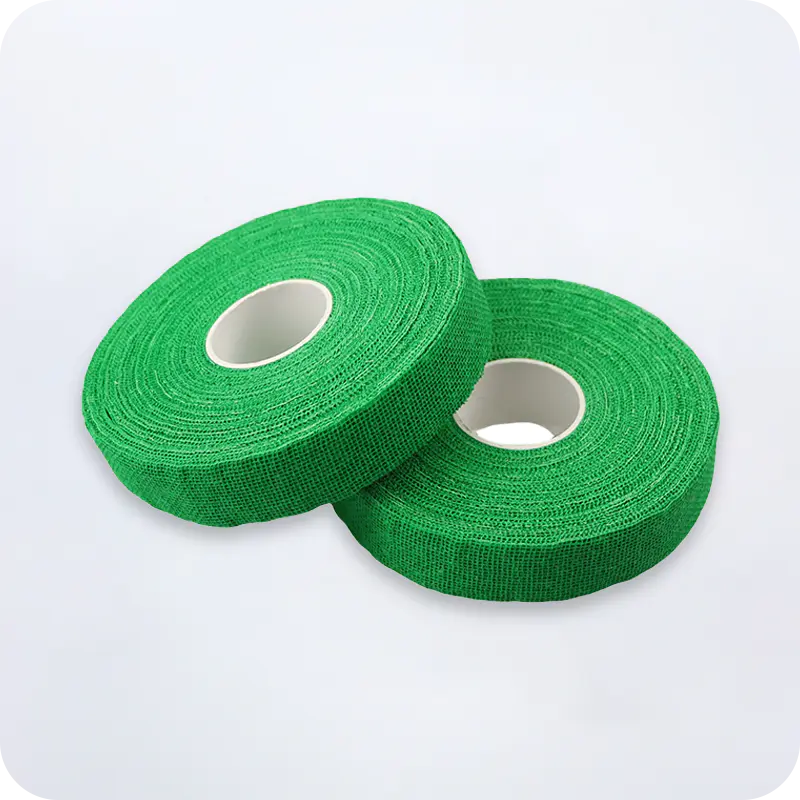
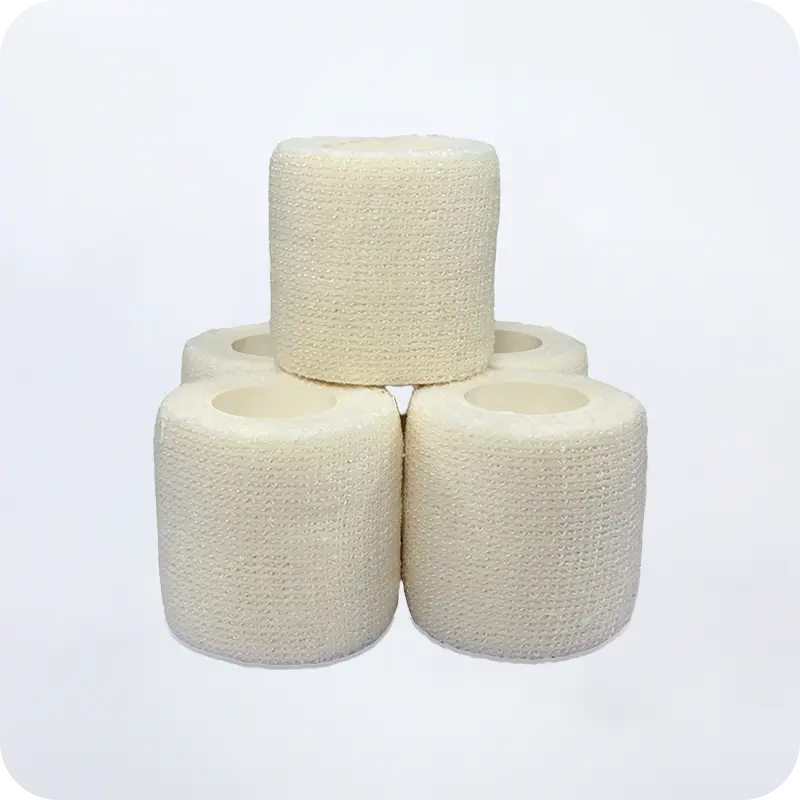
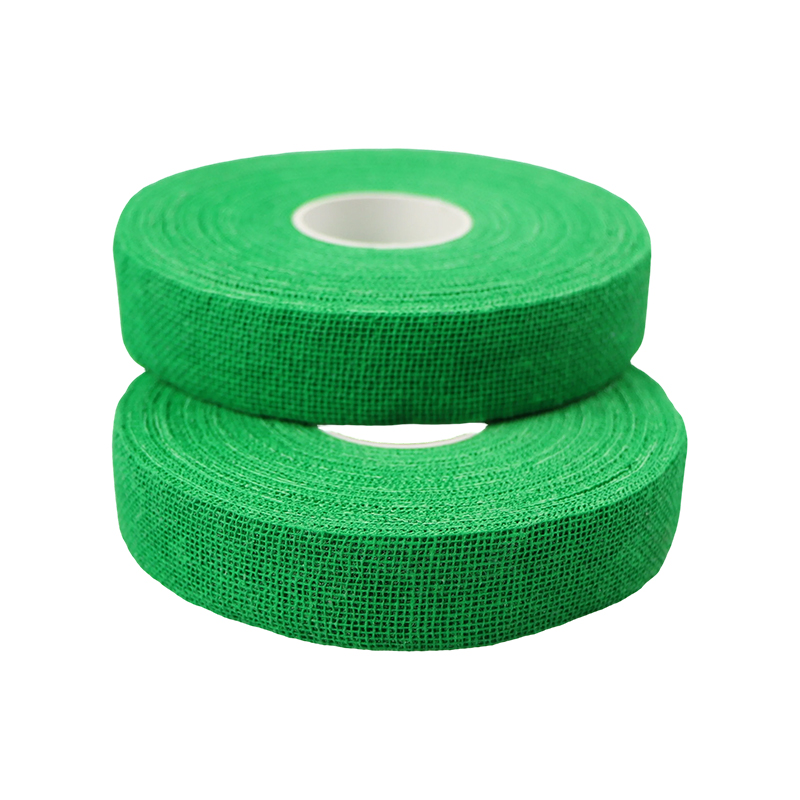
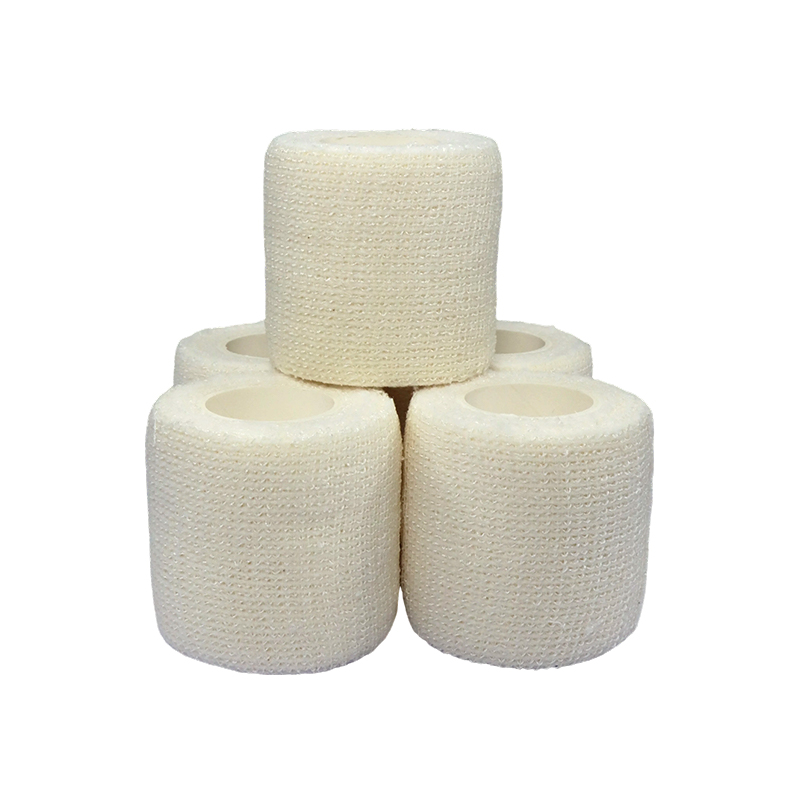
For a cotton, self-adhesive option that follows this exact specification, Qinghong's cotton self-adhesive finger protector tape is a practical choice for everyday knuckle dressing.
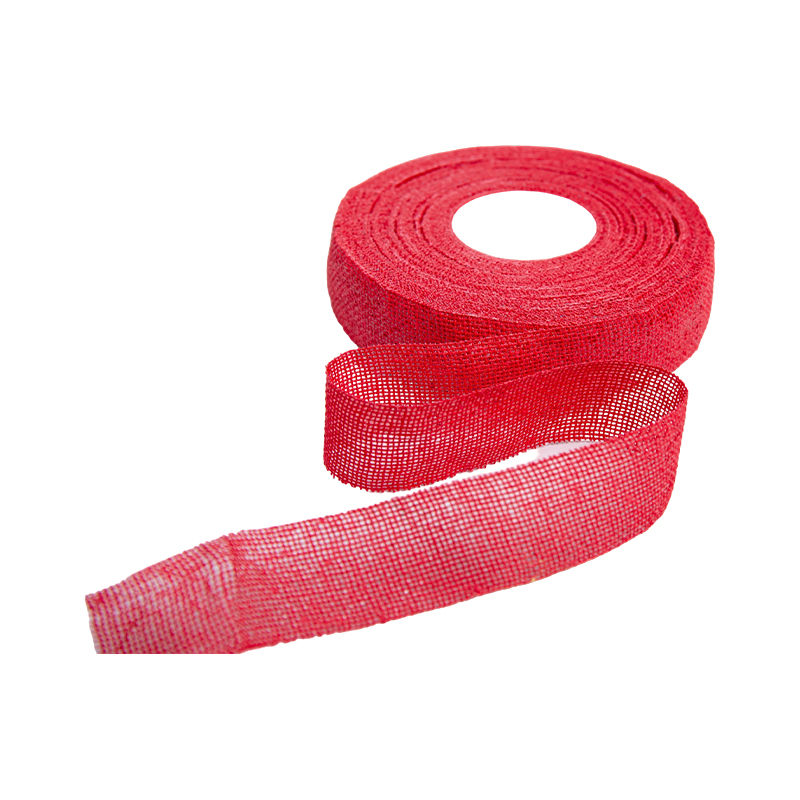 Cotton Self-Adhesive Finger Protector Tape for Daily UseThis dual-layer finger tape combines a breathable cotton inner layer with a self-adhesive outer finish, offering secure protection without sticking to skin or hair, ideal for everyday knuckle dressing.View Product →
How to Apply a Fabric Knuckle Bandage So It Stays Put
Application technique matters as much as the product. The most common mistake is wrapping the bandage tight across the joint and trusting the adhesive to hold. Instead, use a method that works with the finger's movement surface:
- Clean and dry the wound. Even a trace of oil or moisturizer can cut adhesion by roughly half.
- Place the center of the bandage directly over the knuckle with the finger slightly bent.
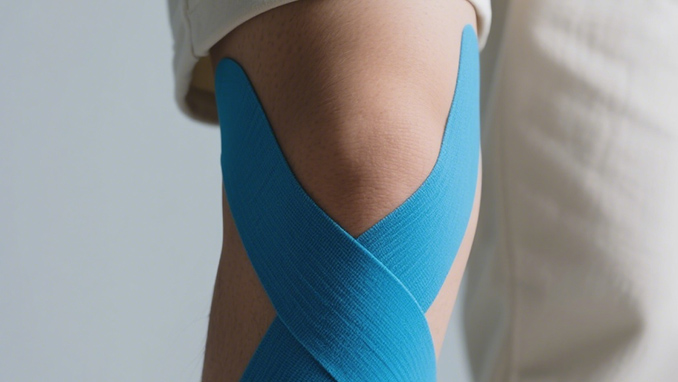
- Wrap the two ends diagonally toward the base of the finger, crossing them in an X over the middle section.
- Bring the ends around the finger and press down with moderate, even pressure.
- Smooth the edges and test a full fist. The bandage should flex without pinching or cutting off circulation.
For movement-heavy activities, the X-pattern has a clear advantage: the crossing strips absorb tension from both directions, so the dressing stays in place while you grip, climb, punch or catch.
Change the bandage at least once a day, and more often if you wash your hands frequently. A soaked dressing no longer breathes, and moisture trapped under the adhesive is the leading cause of macerated skin and delayed healing.
When hands are constantly in motion, a breathable cotton wrap with a secure edge reduces the chance of the dressing rucking up. The blue cotton breathable finger wrap bandage is configured for exactly that kind of repeated use.
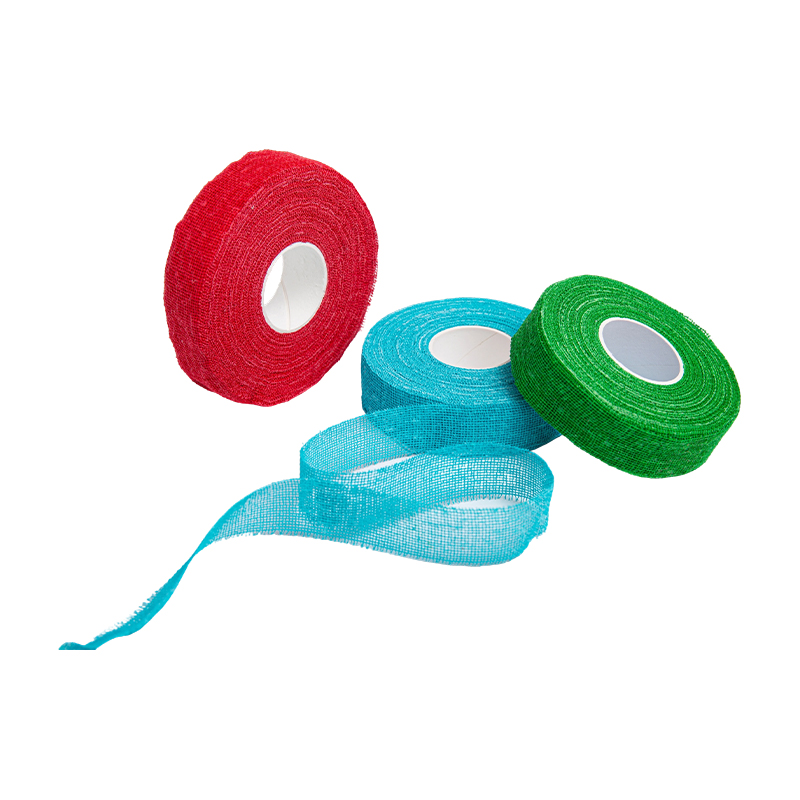 Blue Cotton Breathable Finger Wrap Bandage for SportsMade from high-quality cotton yarn, this reusable wrap provides breathable support and light cushioning, suitable for boxing, grappling, and other sports where finger joints need protection.View Product →
Fabric Knuckle Bandages for Sports and Training
Boxers tape their knuckles to protect the joints under heavy gloves. Brazilian Jiu-Jitsu practitioners wrap fingers so mat friction does not open small cuts during gripping. Volleyball players use finger protection to avoid jammed knuckles and burst blisters while setting and blocking. In all of these sports, the bandage is not just a wound cover; it is mechanical support that reduces repetitive stress on the joint.
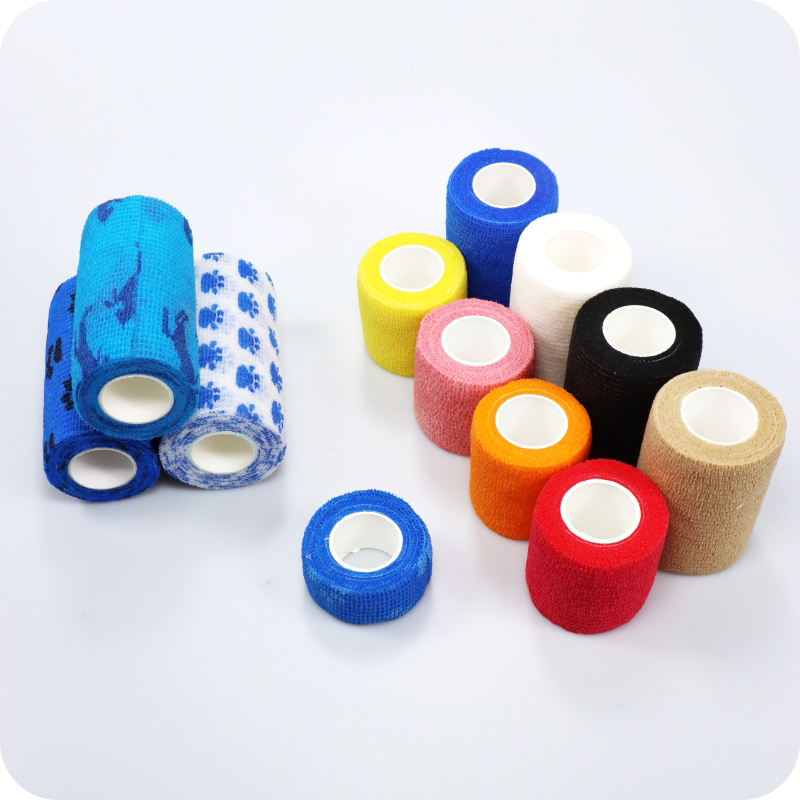
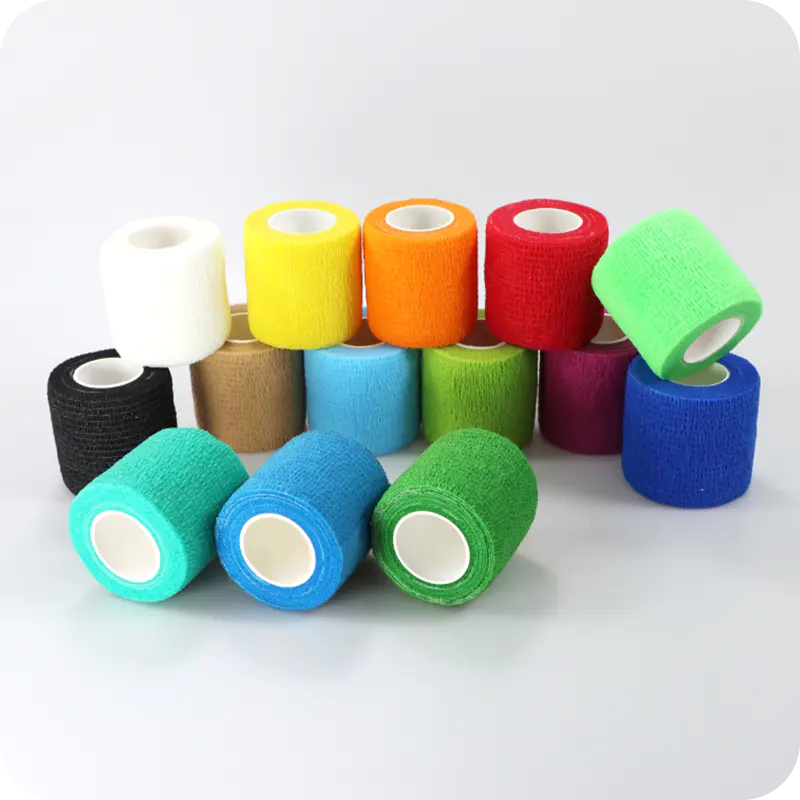
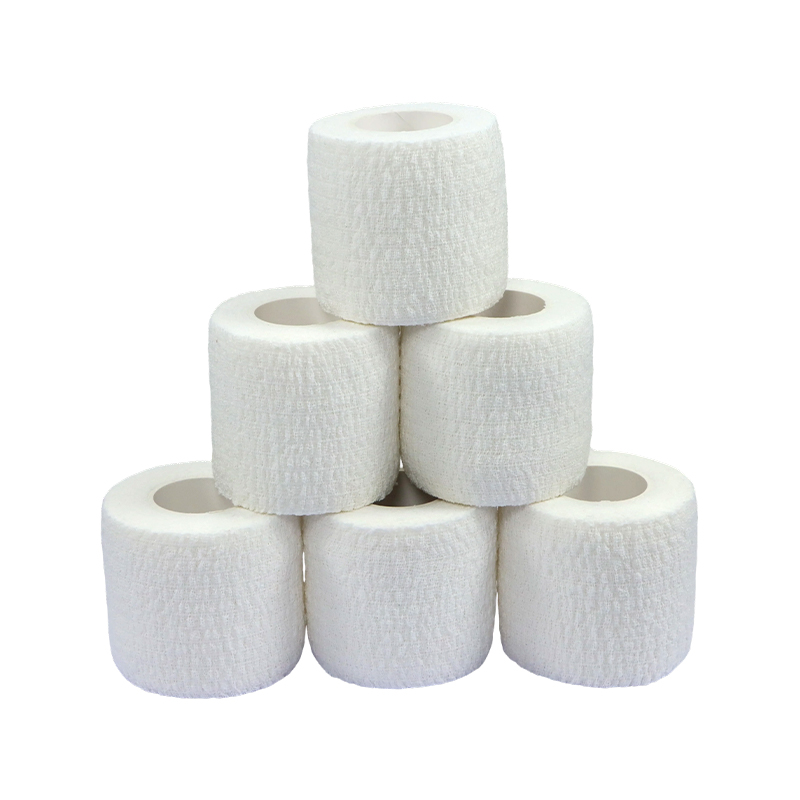
For training environments, choose a cohesive fabric bandage that adheres to itself rather than to the skin. This provides compression and protection without leaving sticky residue on gloves, mats or grip surfaces, and it does not pull hair during removal. The sports cohesive bandage for finger protection is designed specifically for this balance between hold and skin comfort.
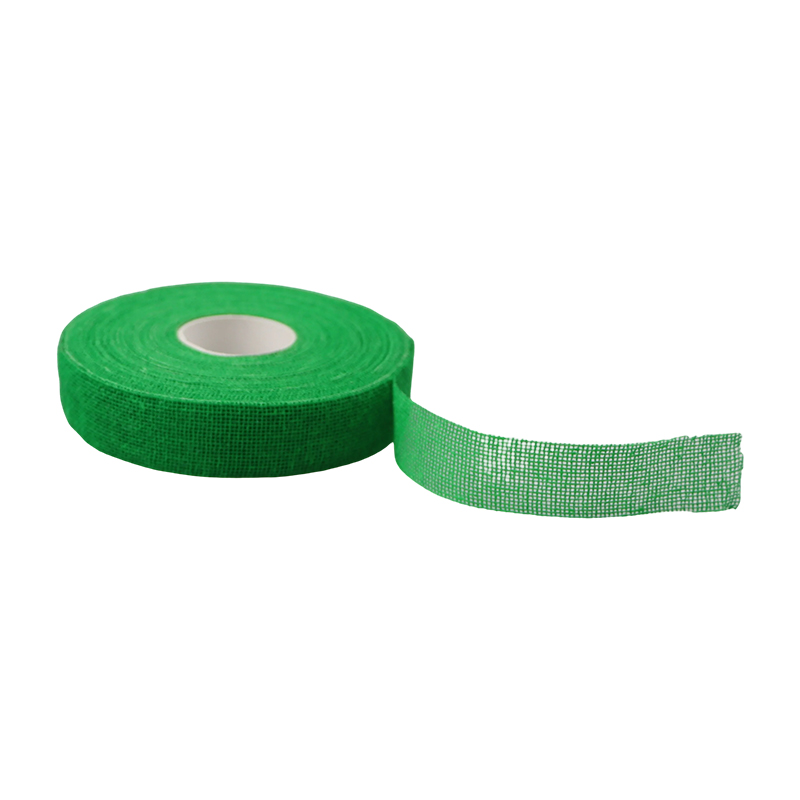 Sports Cohesive Bandage for Finger ProtectionThis self-adhering bandage offers professional-grade stabilization without sticky residue, featuring an easy-tear design and hypoallergenic adhesive for training and competition use.View Product →
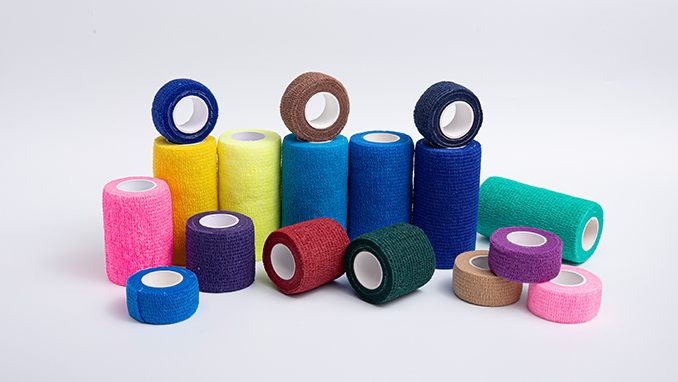
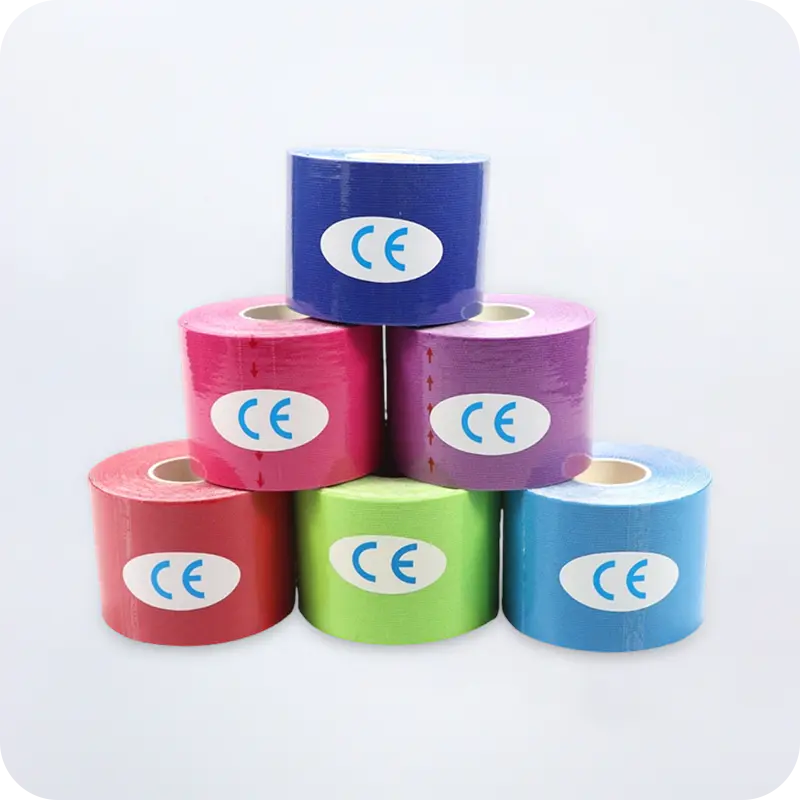
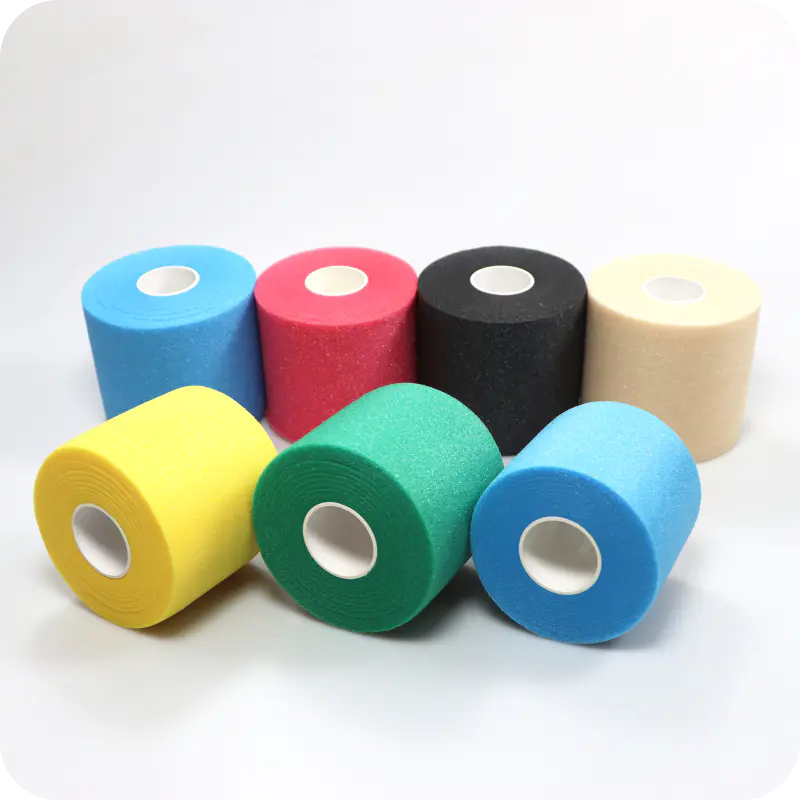
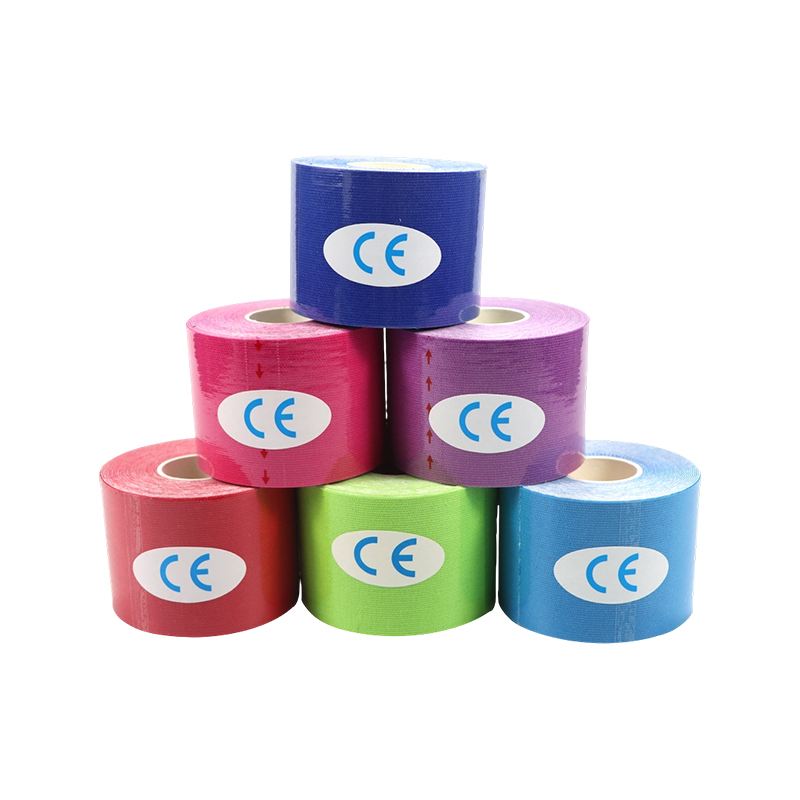
Qinghong's sports protection solutions cover the full range of training needs, from finger bandages and foam prewrap to kinesiology tape and PBT compression wrapping.
When to Change the Bandage and How to Avoid Skin Damage
Wear time depends on the activity. For a minor cut during office work, a fabric knuckle bandage can stay in place for 12 hours. After any training session, replace it immediately, because sweat and friction degrade the adhesive and increase the bacterial load on the wound surface.
| Situation |
Recommended change interval |
| Office or light daily use |
Every 12-24 hours |
| Sports or training |
Immediately after the session |
| Wet or dirty work |
As soon as the bandage becomes wet |
| Sleeping |
Can be left overnight if dry and clean |
Remove the bandage by pulling it back along the direction of the finger while supporting the wound area with your other hand. This reduces the risk of peeling off the healing edge. Change the dressing immediately if you notice any of the following:
- Increasing pain or swelling after the first 24 hours
- Redness spreading beyond the immediate wound edge
- Fluid or discharge soaking through the fabric
- Skin maceration or a rash pattern under the adhesive
Frequently Asked Questions
Q1: Can I wear a fabric knuckle bandage while washing my hands?
Brief handwashing with mild soap is normally fine if you dry the bandage gently with a towel. Fabric knuckle bandages are water-resistant, not fully waterproof. After prolonged water exposure, remove the dressing, dry the skin, and apply a fresh bandage.
Q2: Do fabric knuckle bandages stop cuts from reopening?
They reduce the risk significantly by supporting the wound edges and distributing tension across the joint. However, a deep or wide laceration may still require stitches or professional medical assessment before any bandage is appropriate.
Q3: What is the difference between a knuckle bandage and a fingertip bandage?
Knuckle bandages are short and wide with extra stretch so they can wrap a curved joint, while fingertip bandages have a wider pad and narrow tails for the fingertip and nail edge. For a detailed comparison, read our guide on what type of bandage is best for fingertips.
Q4: Can a fabric knuckle bandage be reused?
No. The adhesive and textile fibers degrade after the first application, and reusing a dressing can introduce bacteria into the wound. A fabric knuckle bandage is a single-use medical dressing.
Fabric knuckle bandages look like a simple commodity, but the difference between a dressing that stays on and one that fails lies in the textile structure, adhesive chemistry and application method. Whether you are a clinician stocking first-aid rooms, a sports retailer building a finger protection range, or a manufacturer planning private-label bandage programs, it pays to evaluate these details before committing to a supplier.
Qinghong Medical manufactures finger protection bandages, self-adhesive elastic bandages and sports taping products in cotton, nonwoven and cohesive fabric variants. If you want to test fabric knuckle bandages against your own use cases, contact our team with your target application and volume, and we will send samples that match your specification.






 English
 русский
 Français
 Español
 عربى


 ENG