Your fingertip catches the edge of a knife, a sheet of paper, or a climbing hold, and within minutes you are reaching for a bandage. Then comes the real test: hand washing, a shower, food prep, or a sweaty training session. If moisture slips underneath the dressing, the wound stays damp, bacteria multiply, and the bandage starts peeling at the edges. A waterproof finger bandage solves this by holding its seal in wet conditions while still letting the skin breathe. This guide explains what makes these bandages different, how to choose one, and how to apply it so the protection lasts through the whole day.
What Is a Waterproof Finger Bandage?
A waterproof finger bandage is a narrow, stretchable dressing designed for the finger's shape and range of motion. It combines three functions: an absorbent surface that sits on the wound, an elastic body that follows the finger as it bends, and a water-repellent layer that stops moisture from penetrating. Unlike a standard plaster, it is built to survive repeated contact with water without losing adhesion.
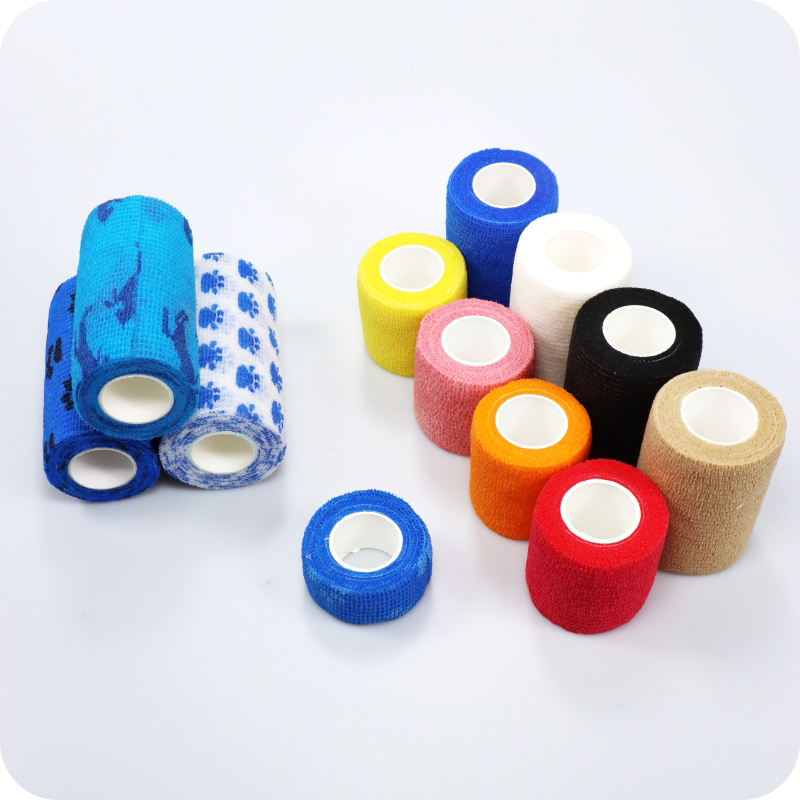
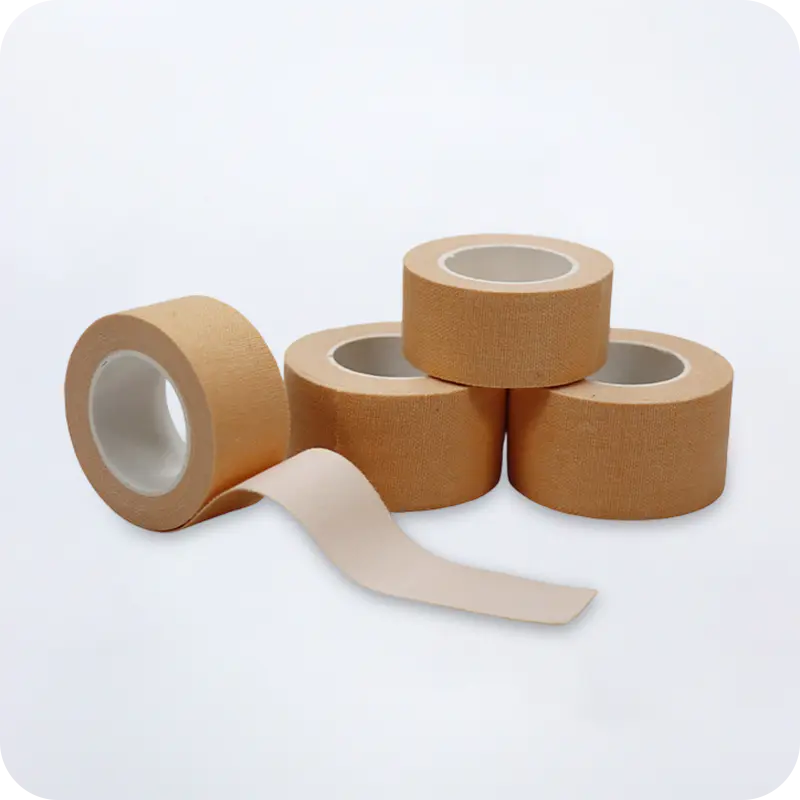
The most common forms are cohesive wraps, which stick to themselves and leave no sticky residue, and adhesive tapes with a waterproof film that resist peeling when wet. Materials range from cotton and nonwoven fabric to PBT and PU foam, and the best versions keep breathability high even with a water barrier. A simple way to judge a product is to check whether the manufacturer lists waterproofing as a tested specification rather than as a marketing word.
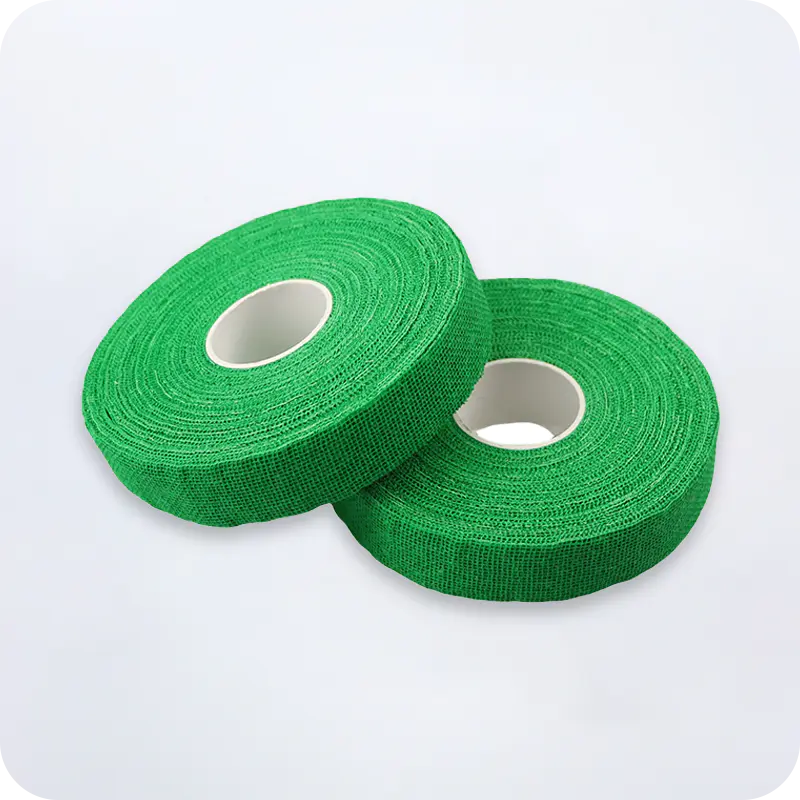
For everyday fingertip cuts and grazes, a compact cotton wrap with a secure self-adherent closure is a practical starting point.
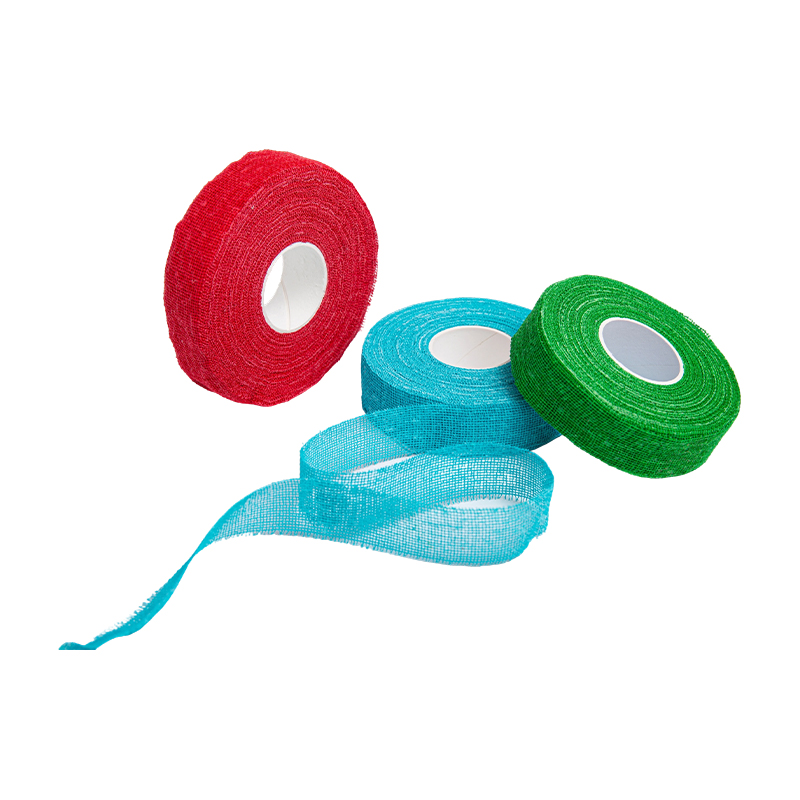 Blue Cotton Breathable Finger Wrap Bandage for Everyday CutsThis cotton finger wrap offers a skin-friendly, breathable layer with moderate elasticity for a snug fit. It suits minor fingertip grazes where basic protection and moisture management are needed.View Product →
Why Waterproofing Matters for Finger Wounds
Fingers are the most exposed part of the body. Every meal, hand wash, or glove change brings water into contact with the dressing. When a regular bandage gets wet, three problems appear quickly: the adhesive softens and lifts, the wound bed becomes macerated, and bacteria find an easier route in. The result is slower healing and more frequent re-dressing.
Moisture barrier
Water-repellent dressings keep soap, sweat, and rain away from the wound surface, reducing the risk of bacterial contamination.
All-day adhesion
A waterproof construction stays fixed through multiple hand washes, so you do not need to change the dressing three times a day.
Faster recovery
Keeping the wound dry prevents maceration and supports the natural healing process, especially for small cuts and splits.
A bandage that fails after the first hand wash is not a bandage; it is a temporary cover that creates more work. Waterproofing is what turns a cover into a dressing.
Waterproof Finger Bandage vs. Standard Bandage
To see where waterproof finger bandages fit, compare them side by side with the two most common alternatives: a standard adhesive bandage and a plain medical tape.
Typical performance of waterproof finger bandages, standard adhesive bandages, and regular medical tape for fingertip wounds.
| Feature |
Waterproof finger bandage |
Standard adhesive bandage |
Regular medical tape |
| Water resistance |
High |
Low to medium |
Low |
| Adhesion when wet |
Strong |
Weak |
Weak |
| Breathability |
High |
Medium |
Medium |
| Stretch and compression |
Good |
Minimal |
Minimal |
| Residue on removal |
Low |
Can leave residue |
Often leaves residue |
| Best suited for |
Active hands, wet work, sports |
Brief dry protection |
Securing pads and dressings |
The table makes the pattern clear: standard options fail in exactly the situations where a finger needs reliable coverage.
How to Choose the Right Waterproof Finger Bandage
Not every waterproof finger bandage behaves the same in practice. The right choice depends on the wound, the activity, and how long the bandage needs to stay on. Start with these four criteria.
- Material. Cotton feels comfortable and absorbs light moisture; nonwoven and PBT offer more stretch and conform better to the finger's shape; PU foam adds cushioning for blisters.
- Waterproof mechanism. Some bandages use a coated outer layer, while others rely on densely woven elastic fabric. Coated types usually perform better in prolonged water exposure.
- Adhesive type. Cohesive bandages stick to themselves, so they fit snugly and remove without pulling the skin. Adhesive tapes are simpler for small cuts but may irritate sensitive skin.
- Width and length. The bandage should cover the whole wound without wrapping over the knuckle too tightly. A width around 2.5 cm works for most adult fingers.
Cohesive or adhesive: which suits you better?
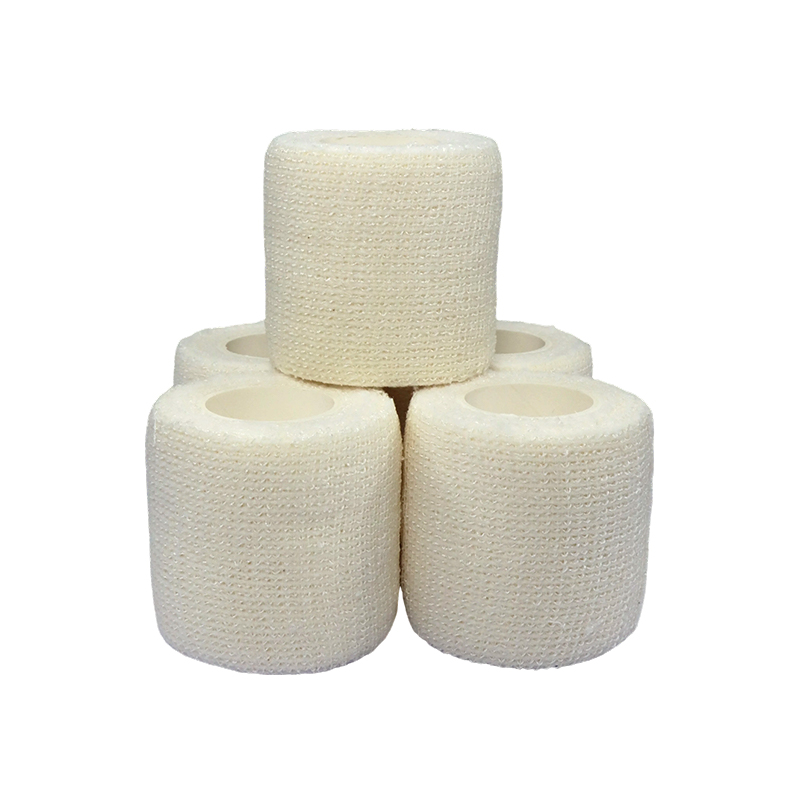
Cohesive finger bandages are the better choice when you need repeated adjustment, late removal, or protection for skin that reacts to adhesive. Adhesive versions suit short-term use on clean, dry skin. If you want the convenience of a self-adherent wrap that locks in place without extra clips, a self-adhesive finger protection wrap is often the answer.
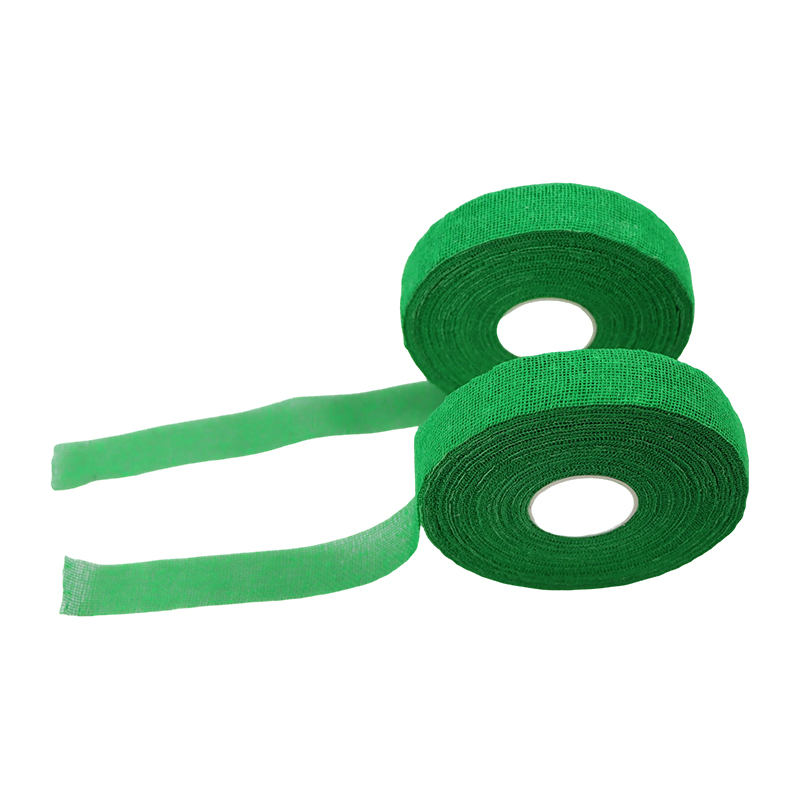 Self-Adhesive Finger Protection Wrap Tape for Adjustable SupportThis self-bonding wrap sticks only to itself, allowing tool-free, adjustable compression without extra clips. It is practical for skin sensitive to adhesive and for repeated repositioning.View Product →
For sprains and compression needs, the material's stretch recovery matters more than its waterproof rating. A bandage that keeps 80 to 100 percent of its elastic memory will stay firm around the joint after hours of movement.
How to Apply a Waterproof Finger Bandage
Application technique decides whether a waterproof bandage keeps its seal. Follow these steps for a fingertip wound.
- Wash the wound and dry the surrounding skin completely. Waterproofing fails if moisture is trapped underneath.
- Position the bandage at the base of the finger, just below the wound, and make the first wrap without tension.
- Wrap upward over the wound with light, even tension, overlapping each layer by about half the bandage width.
- Cover the fingertip completely, then finish by pressing the final layer onto itself to activate the cohesive seal.
- Run the bandaged finger under water briefly to confirm the seal holds. If water seeps in, re-wrap with a fresh bandage.
Do not wrap so tightly that the fingertip turns pale or feels numb. The bandage should feel snug but still allow full bending of the finger.
Who Needs a Waterproof Finger Bandage Most?
Any job or activity that exposes hands to water or sweat will benefit from a waterproof finger bandage. Typical users include:
- Healthcare and care workers who wash their hands constantly and cannot risk a dressing lifting.
- Athletes in climbing, volleyball, and grappling sports where finger injuries are common and sweat breaks down ordinary tape.
- Chefs and food service staff who need a barrier against water, oil, and cleaning chemicals.
- Parents and childcare providers who deal with frequent hand washing and small finger injuries.
- Outdoor and manual workers whose hands face rain, dirt, and repeated friction.
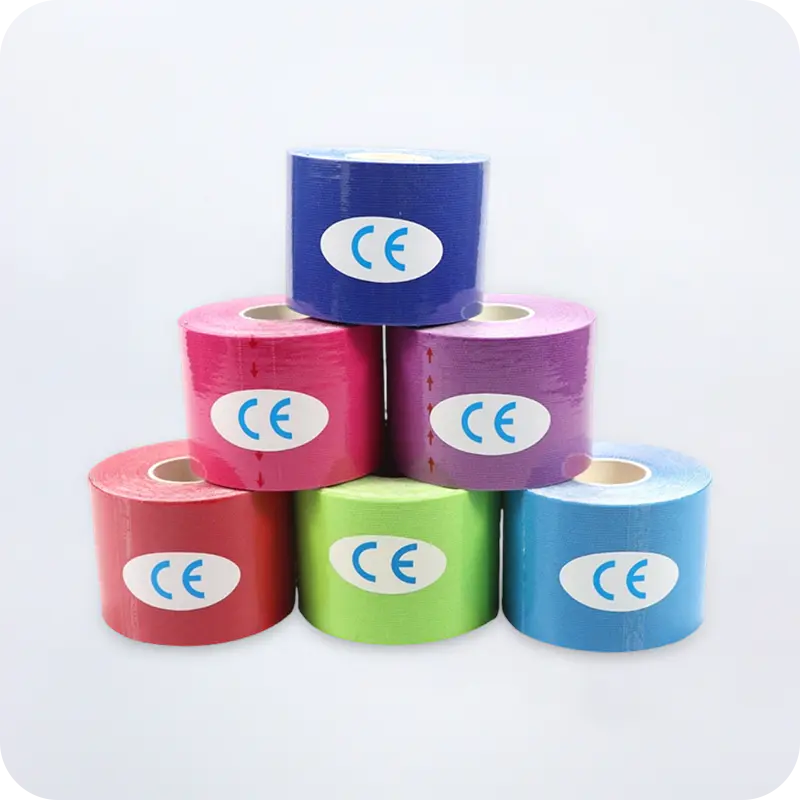
For athletes, the combination of waterproofing and elastic compression matters most. A sports cohesive bandage for finger protection can support the joint while keeping sweat and rain out of the wound.
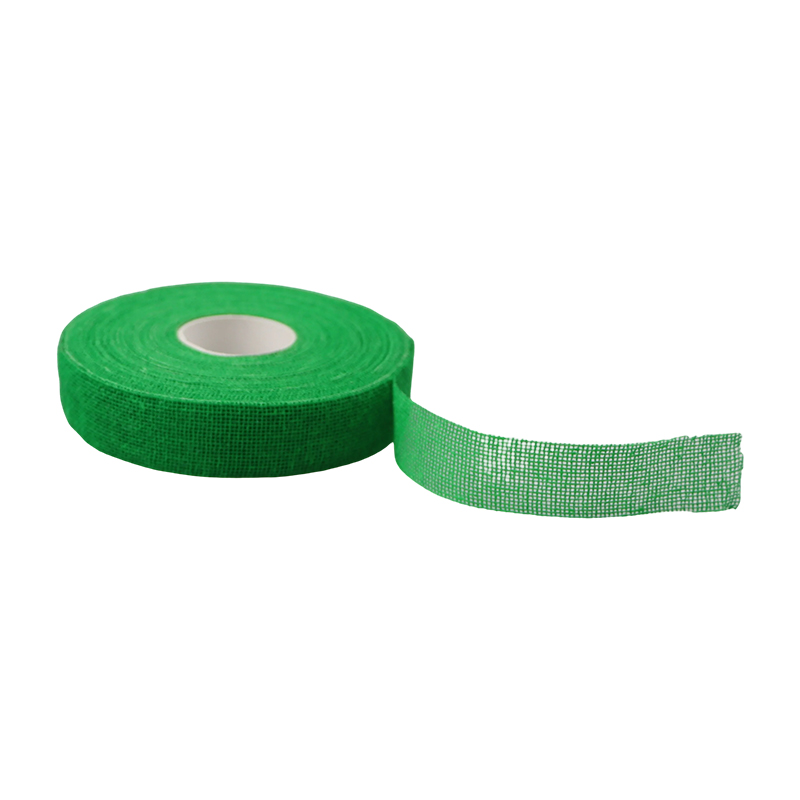 Sports Cohesive Bandage for Finger Joint SupportDesigned for athletes, this cohesive bandage provides stable, residue-free support with a breathable, hypoallergenic backing. It helps protect knuckles and fingertips during training or competition.View Product →
If your focus is joint support during training or competition, our sports protection solutions cover taping, strapping, and underwrap options for hands and other joints.
FAQ: Waterproof Finger Bandage
Q1: Can I shower with a waterproof finger bandage?
Most waterproof finger bandages handle showering, but the seal depends on application quality. Press the edges down firmly and avoid prolonged soaking. If the bandage starts peeling, replace it instead of drying and reusing it.
Q2: How long can I wear a waterproof finger bandage?
For minor cuts, 24 to 48 hours is a reasonable window. Change the dressing when it feels damp, wrinkled, or uncomfortable, or according to your wound care instructions.
Q3: Will a waterproof finger bandage leave sticky residue?
Cohesive types do not, because they bond to themselves rather than to the skin. Adhesive types may leave a small residue, which can be removed with an oil-based cleanser.
Q4: Is it safe for sensitive skin?
Choose latex-free, low-allergen options if your skin reacts to elastic bandages. Cotton-based wraps are generally gentler, and self-adherent versions avoid pulling on the skin during removal.
Q5: Can a waterproof finger bandage support an injured joint?
Yes, when the bandage has elastic stretch and good recovery. For significant sprains, combine the bandage with rigid taping or consult a sports therapist for a proper protocol.
Final Thoughts: Waterproofing Is the Practical Baseline
A waterproof finger bandage is not a specialty product for extreme conditions; it is the baseline for anyone who uses their hands. Moisture is the enemy of wound healing, and once a dressing fails, the protection is gone. Choose a bandage with the right material, a genuine waterproof layer, and a secure closure, then apply it with care.
Shanghai Qinghong Healthcare Products Co., Ltd. manufactures finger protection bandages and elastic dressings for medical, sports, and daily care use, with options covering cotton, nonwoven, PBT, cohesive, and waterproof constructions. If you are still comparing options, start with our guide on matching bandage types to fingertip injuries, then evaluate products on the criteria above.






 English
 русский
 Français
 Español
 عربى


 ENG