A cut on your knuckle barely has time to form a scab before the bandage you put over it is gone. You wash your hands, the adhesive lifts at one edge, and by the time you reach for a towel the dressing is peeling away. This is not a run of bad luck; it is the normal failure mode of a standard adhesive bandage on a high-motion, high-moisture joint. Waterproof knuckle bandages fix the problem by combining elastic, self-cohesive materials with a water-repellent structure that moves with the joint and keeps water out.
This guide explains what makes a knuckle bandage genuinely waterproof, which features matter when you buy, how to apply one correctly, and what to verify when you are sourcing in volume for a clinic, a sports brand, or a retail line.
Why Ordinary Bandages Fail on Knuckles
Knuckles are among the hardest places on the body to keep a dressing in place. Every time you grip, type, or make a fist, the skin over the knuckle stretches and relaxes. The metacarpophalangeal joint flexes roughly 90 degrees or more during a full grip, and the skin on the back of the hand can stretch by as much as a third when the joint closes.
That constant movement breaks the seal between a rigid adhesive pad and the skin. Micro-gaps open at the edges; water and soap push into those gaps; and once moisture reaches the adhesive layer, adhesion drops quickly. The result is a bandage that curls, slips, or disappears entirely within a few hours.
90°+ Flexion range of a knuckle during a full grip
~30% Skin stretch over the knuckle in a closed fist
100+ Hand washes per shift for many healthcare workers
Conclusion first: the problem is usually not your application technique; it is the dressing material. If you need a bandage that survives water and repeated joint movement, choose a waterproof, self-cohesive elastic bandage designed for fingers and joints.
What "Waterproof" Actually Means in a Knuckle Bandage
A waterproof knuckle bandage is not an ordinary adhesive bandage with a plastic coating. The property that makes it work is cohesion: the bandage is coated with a rubber-based or acrylic coating that bonds to itself when layers overlap. Once wrapped, it forms a continuous, self-sealing tube around the finger. Water cannot easily enter because there is no exposed adhesive edge for moisture to attack.
Two details decide real-world performance
The first is the backing material. Nonwoven elastic or light elastic fabrics with a water-repellent finish keep liquid water out while staying thin enough to follow the contour of the knuckle. The second is edge structure. A bandage with a smooth, locked edge resists fraying and delamination when it rubs against pockets, gloves, or bedding.
Breathability matters just as much. A plastic sheet is waterproof but traps sweat; after an hour the skin underneath becomes macerated and the wound benefits are lost. A well-designed waterproof knuckle bandage balances water repellency with moisture-vapor transmission so the skin can breathe while the dressing stays dry on the outside.
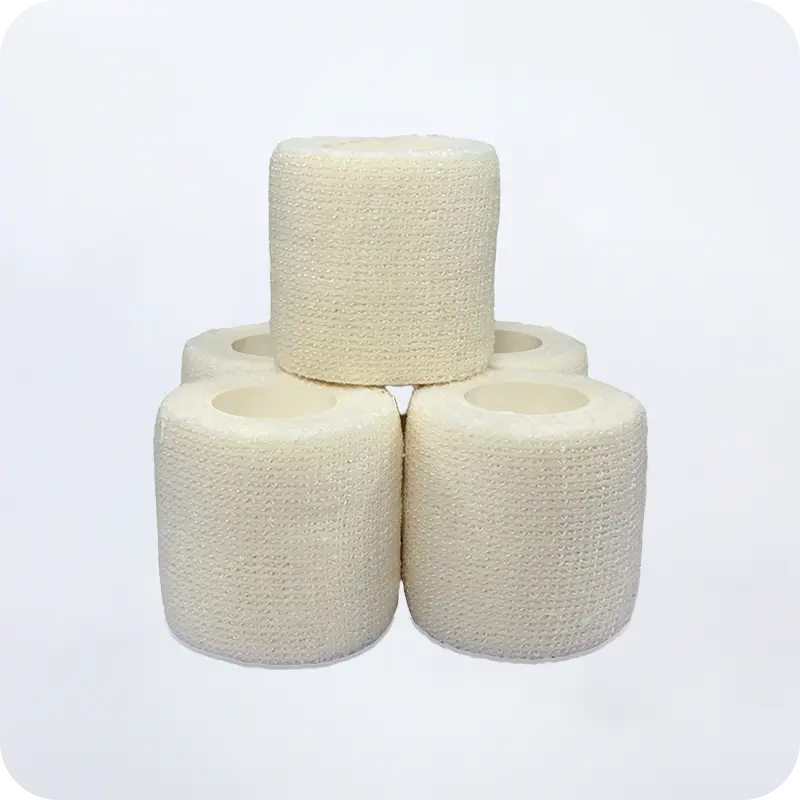
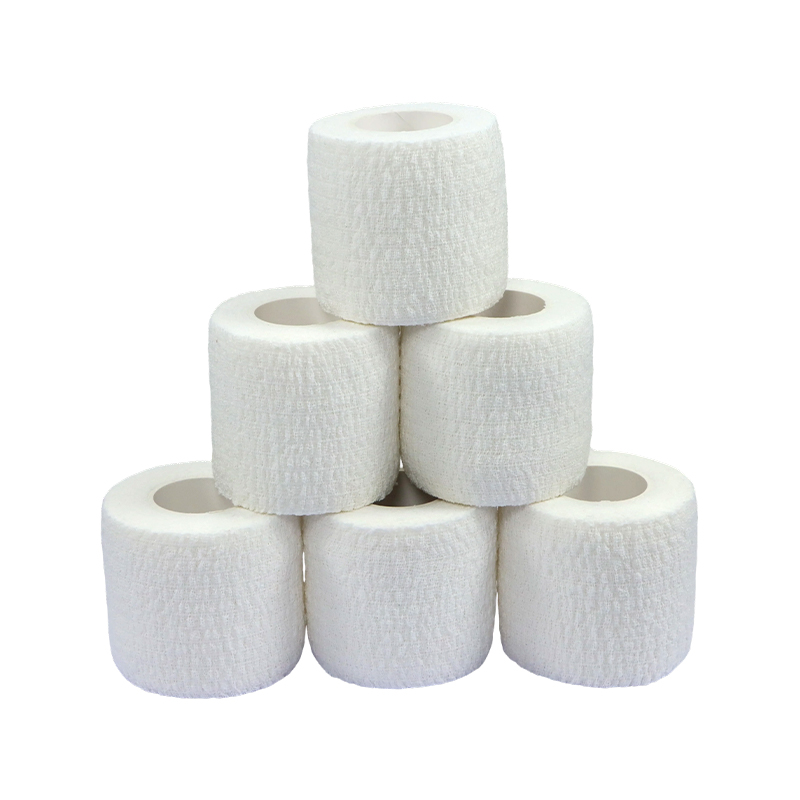
Qinghong Medical's white waterproof cohesive stretch bandage wrap is a practical example: a lightweight elastic backing with a cohesive coating that seals to itself, which makes it suitable for knuckles, fingers, and wrists in wet environments.
 White Waterproof Cohesive Stretch Bandage WrapDesigned for moisture-exposed environments, this self-sealing elastic wrap keeps dressings dry while maintaining breathability and comfortable fit, making it ideal for water sports and routine wound care.View Product →
Key Features to Check Before You Buy Waterproof Knuckle Bandages
Whether you are choosing a few rolls for a first-aid kit or evaluating a new SKU for a distribution catalog, these features separate a bandage that performs from one that only looks good on paper.
Features to evaluate when sourcing waterproof knuckle bandages
| Feature |
Why It Matters |
What to Check |
| Cohesive adhesion |
Bonds to itself, not to skin or hair, so removal is painless |
Wrap two layers and confirm they fuse without sticking to dry skin |
| Elastic stretch |
Follows joint movement without tearing or restricting circulation |
Stretch a sample and check recovery after 50% extension |
| Water resistance |
Blocks hand washing, rain, and sweat for the intended wear time |
Ask for water-repellent finish data and test under running water |
| Breathability |
Prevents skin maceration during longer wear |
Review the moisture-vapor transmission rate in the spec sheet |
| Latex safety |
Avoids allergic reactions in frequent-contact users |
Confirm natural latex, latex-free, and no-protein options |
| Edge finish |
Stops fraying at the dressing edge during movement |
Look for locked or reinforced edges |
For volume buyers, the spec sheet matters as much as the physical sample. Confirm stretch percentage, adhesive composition, water-repellent treatment, and packaging details before committing to a bulk order.
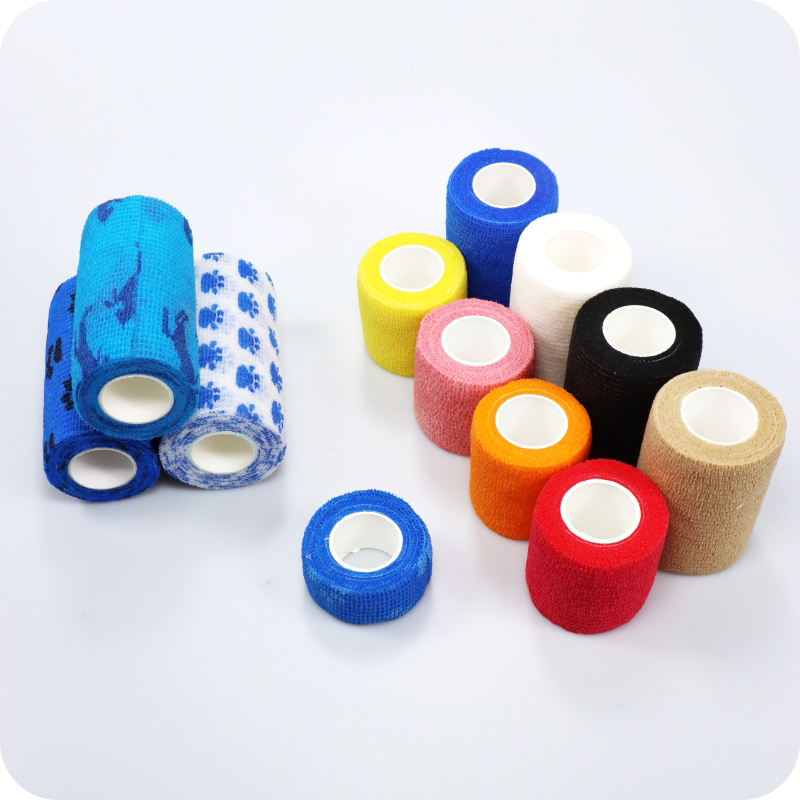
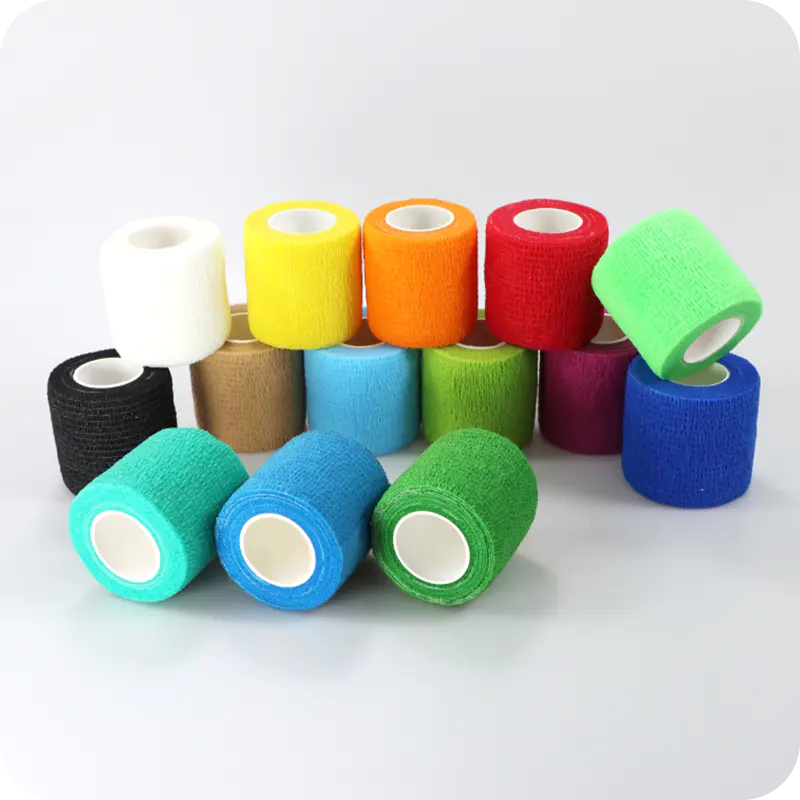
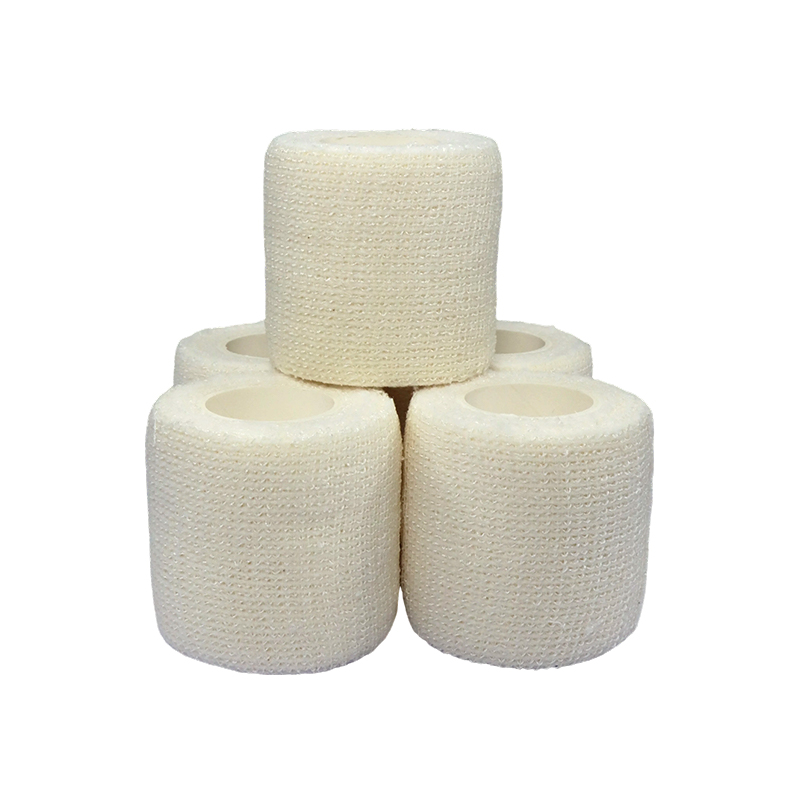
Nonwoven elastic cohesive wraps are a popular base for knuckle protection because they combine a fine texture with strong self-adhesion. Qinghong Medical's print version adds a smooth surface and controlled stretch while staying lightweight.
 Non-woven Elastic Cohesive Wrap with Printed PatternThis lightweight self-adhesive bandage combines a breathable non-woven backing with a decorative print, offering secure joint and limb support without slipping, curling, or leaving residue.View Product →
How to Apply a Waterproof Knuckle Bandage So It Stays On
Application technique determines whether a good bandage performs like a good bandage. For knuckles, wrap the finger in a slightly bent position so the dressing has enough slack to follow joint movement.
- Clean and dry the wound and the surrounding skin. Adhesion and cohesion both fail on damp or oily surfaces.
- Cut a strip roughly 20 to 25 cm long, or use a pre-cut roll. A width of 2.5 to 5 cm suits most adult knuckles.
- Start just below the knuckle and wrap in a spiral toward the joint, overlapping each layer by about half the bandage width.
- Apply light to moderate tension, about 30 to 50 percent stretch of the elastic. Never wrap so tightly that the fingertip changes color.
- Cross over the knuckle and continue onto the hand side. Press the final layer onto itself to seal the end.
- Leave the fingertip exposed unless the wound requires coverage. Keeping it free preserves sensation and circulation.
The most common mistakes are wrapping on wet skin, pulling the bandage too tight, and leaving a loose start edge. All three shorten wear time even with a genuinely waterproof product.
For wounds on the fingertip itself, the shape and width of the dressing change the approach; our guide to choosing the best bandage for fingertips covers those options in more detail.
Where Waterproof Knuckle Bandages Earn Their Keep
Sports and training. Climbers, gymnasts, basketball players, and grappling athletes repeatedly stress and soak their hands. A cohesive, waterproof knuckle wrap protects abrasions and split calluses without restricting finger movement. In volleyball and BJJ, finger taping is already standard practice; adding a waterproof layer makes the protection last through sweat and mat contact. Qinghong's sports protection range includes finger-specific sizes for these scenarios.
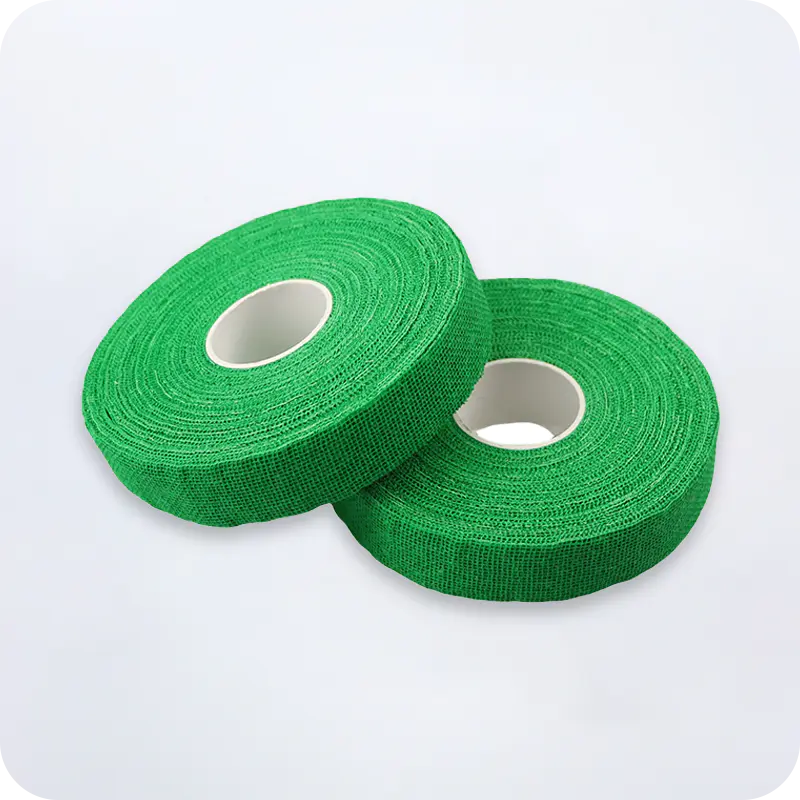
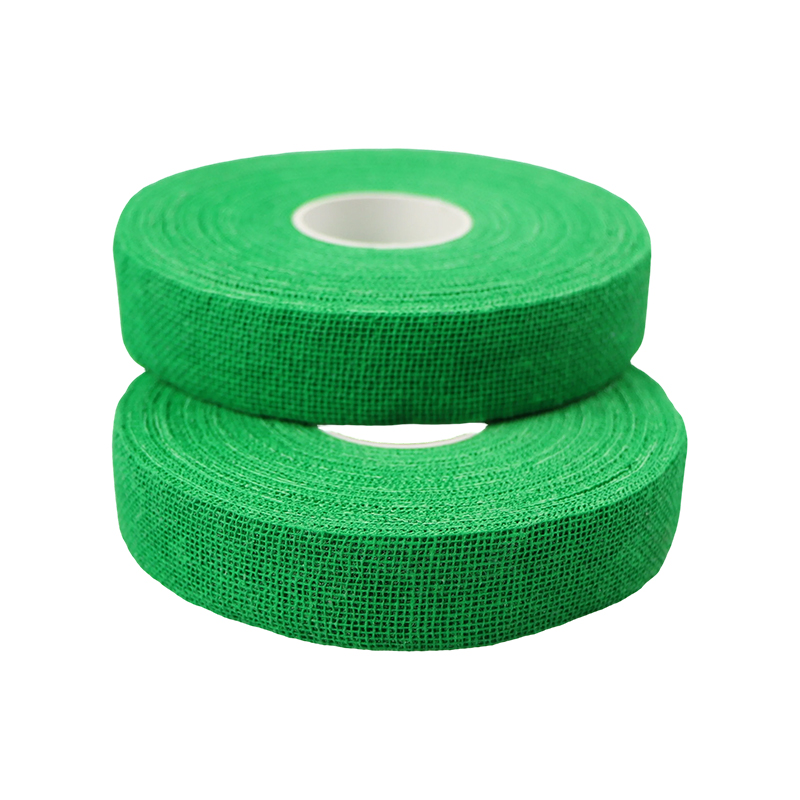
The sports cohesive bandage for finger protection from Qinghong Medical uses the same self-cohesive construction in a finger-sized format, so it stays in place through a full training session without leaving adhesive residue.
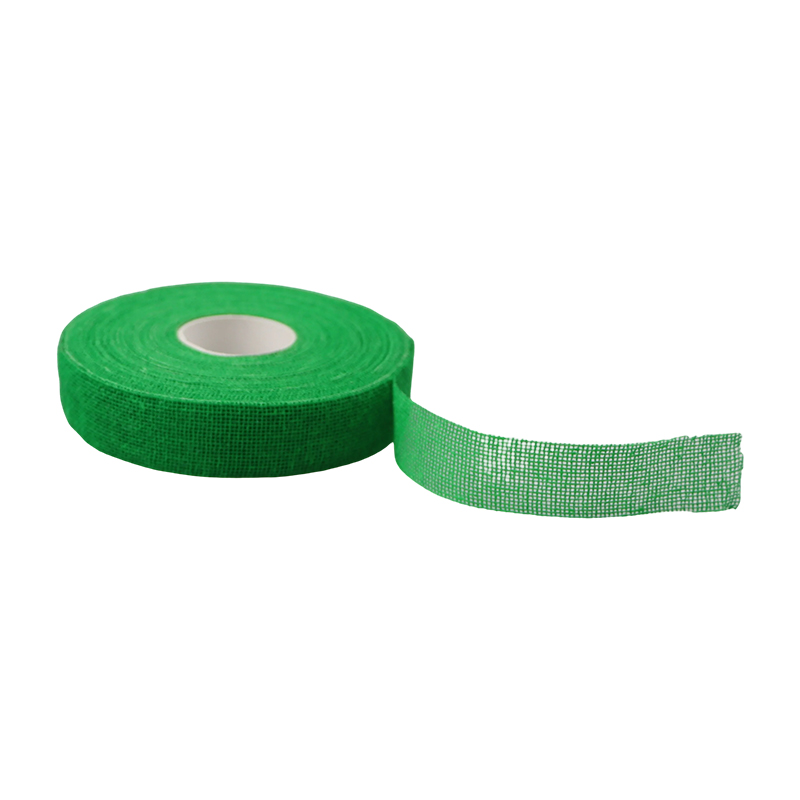 Sports Cohesive Bandage for Finger ProtectionA finger-sized self-adhesive wrap that provides stable support during training, with easy-tear design and residue-free removal, suitable for athletes and daily hand protection.View Product →
Medical and daily care. Nurses, surgeons, food service workers, and caregivers wash their hands dozens of times per day. For cracked knuckles, minor cuts, or post-procedure protection, a waterproof knuckle bandage that survives the next hand-washing cycle reduces dressing changes and helps maintain the skin barrier. At home, the same product is useful for dishwashing, gardening, and showering after a minor hand injury.
FAQ: Waterproof Knuckle Bandages
Q1: How long can I wear a waterproof knuckle bandage?
For daily wear, 12 to 24 hours is typical for a cohesive wrap on a knuckle. Replace it earlier if the edge lifts, if water has penetrated, or if the wound needs a fresh dressing.
Q2: Will it stay on through a shower?
A correctly applied waterproof cohesive bandage will normally stay in place through a regular shower. Prolonged immersion, such as swimming or soaking in a bath, is more demanding and not every product is tested for it. Check the product specification for immersion claims before relying on it.
Q3: Are waterproof knuckle bandages safe for sensitive skin?
Qinghong Medical offers natural latex, latex-free, and no-protein options across its cohesive bandage range. If you or your end users have a latex allergy, choose the latex-free specification and confirm it on the spec sheet.
Q4: Can I cut the bandage to fit my knuckle?
Yes. Cohesive wraps cut cleanly with scissors, and the cut edge will not unravel, especially with locked-edge or reinforced-edge versions. Pre-cut rolls are also available for consistent sizing.
Q5: What is the difference between a waterproof knuckle bandage and a regular fabric bandage?
A regular woven or adhesive bandage relies on a sticky layer that degrades when wet and cannot stretch tightly around a joint. A waterproof cohesive bandage sticks to itself, stretches with the joint, and forms a continuous water-repellent layer, so it stays on much longer in wet, active conditions.
Bottom line: choose a waterproof knuckle bandage whenever a wound sits on a moving joint and the hands are likely to get wet. The key is not just claiming water resistance; it is proving it with the right material, the right stretch, and the right application method.
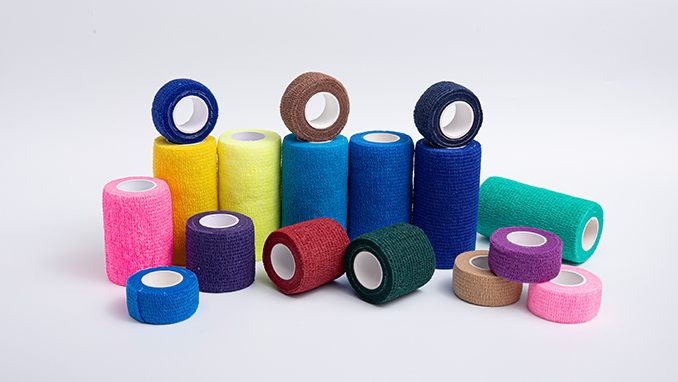
Qinghong Medical manufactures cohesive and elastic bandages in cotton, nonwoven, and light elastic variations, with sizes and finishes suited to sports, medical, and daily use. If you are sourcing for a clinic, a sports brand, or a retail line, request samples and the relevant specification sheets before you commit to a volume order.






 English
 русский
 Français
 Español
 عربى


 ENG