What are the common printing methods used on a printed cohesive bandage?
Private label printed cohesive bandage has become a vital product in healthcare, sports medicine, and veterinary applications due to its combination of functional support, skin-friendly properties, and visual customization. With growing demand for tailored branding and diverse designs, understanding the common printing methods used on a printed cohesive bandage is essential for manufacturers, buyers, and distributors.
Understanding private label printed cohesive bandage
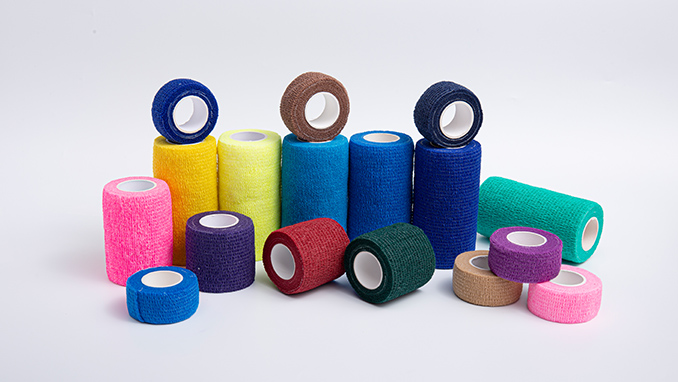
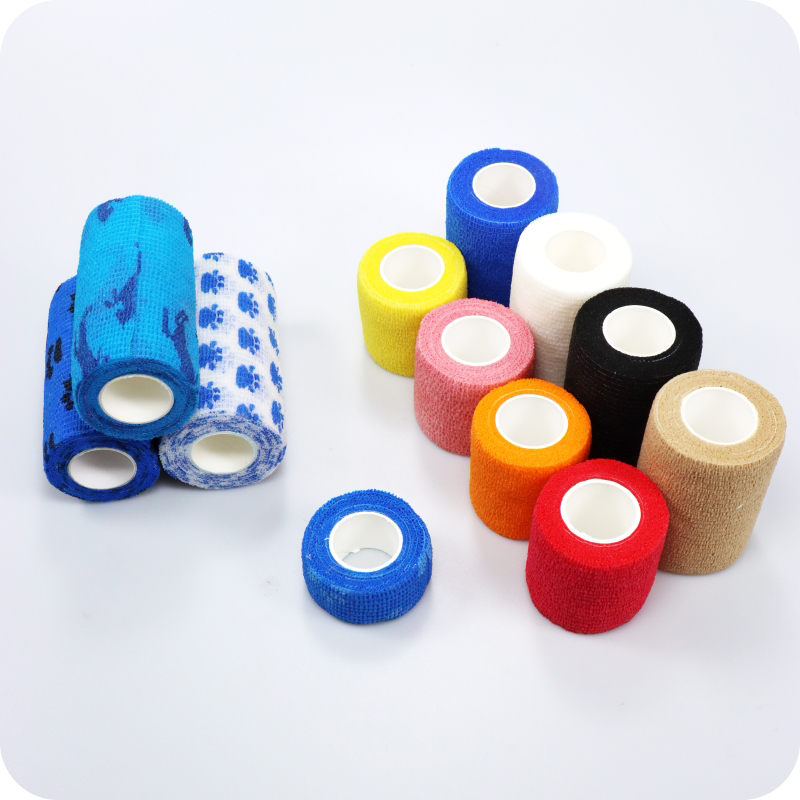
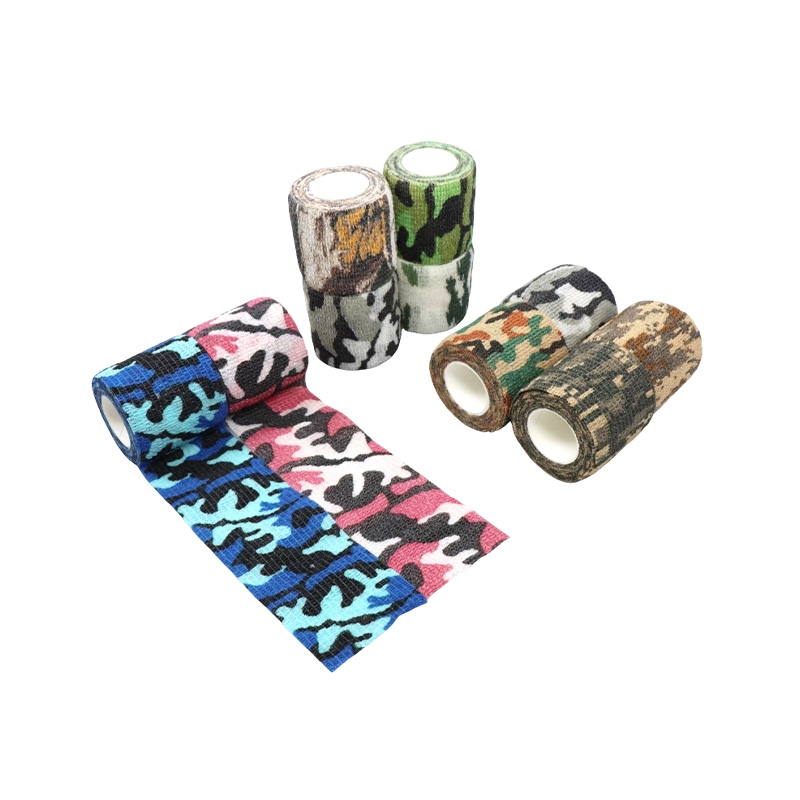
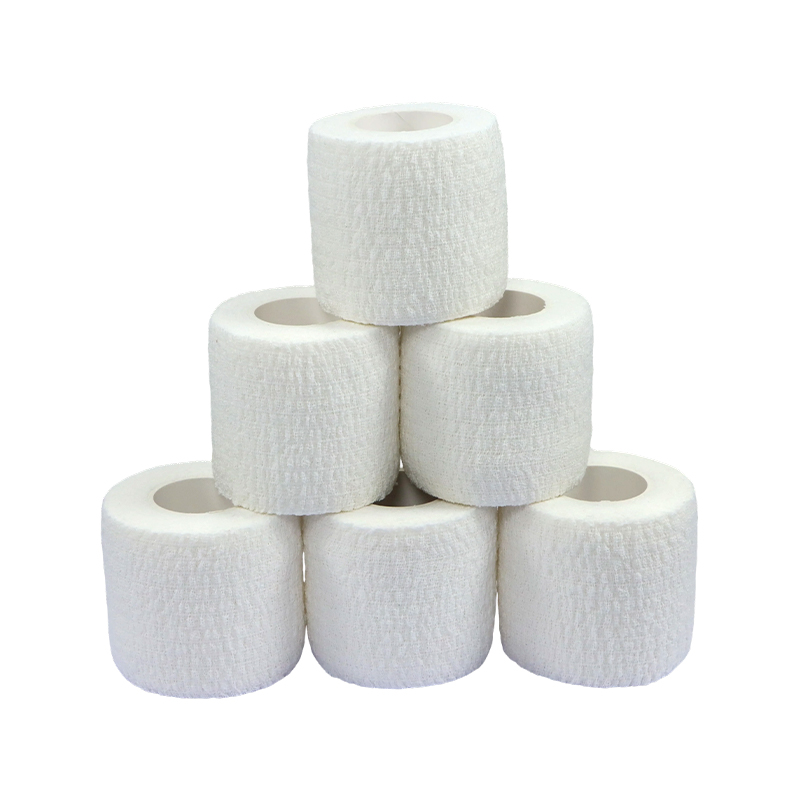
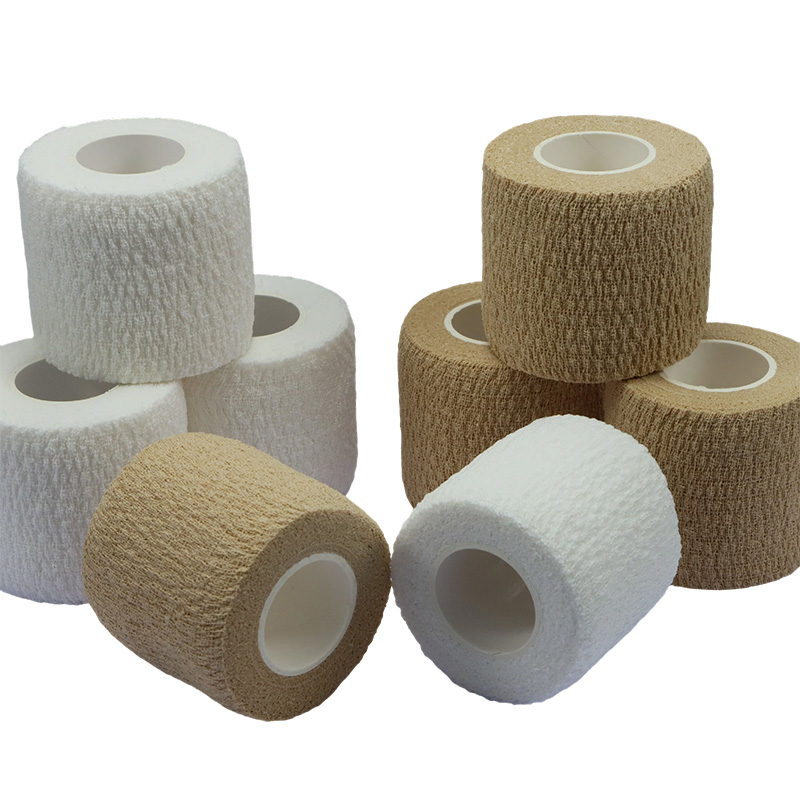
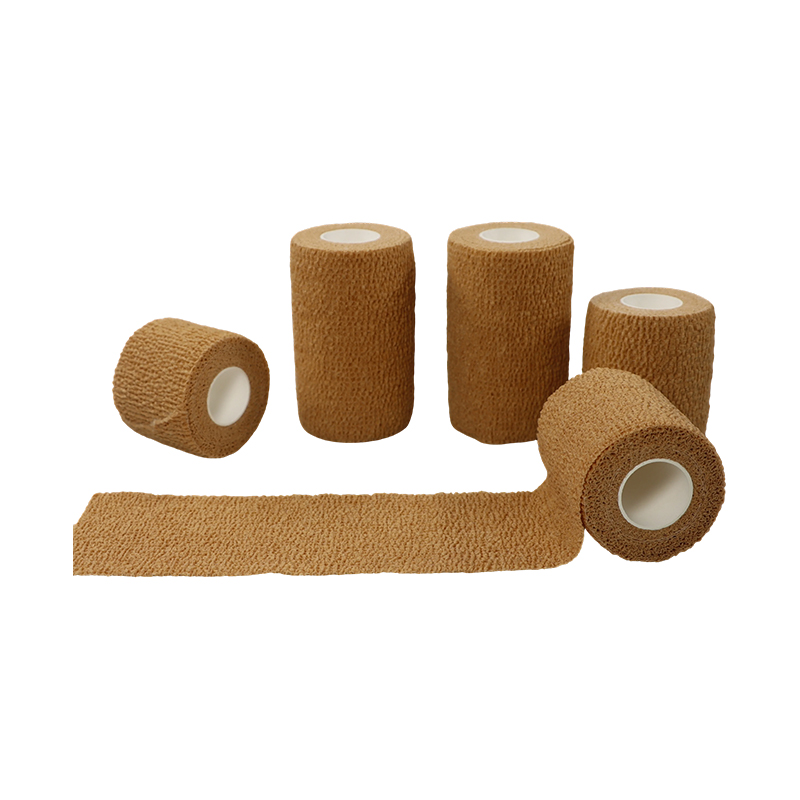
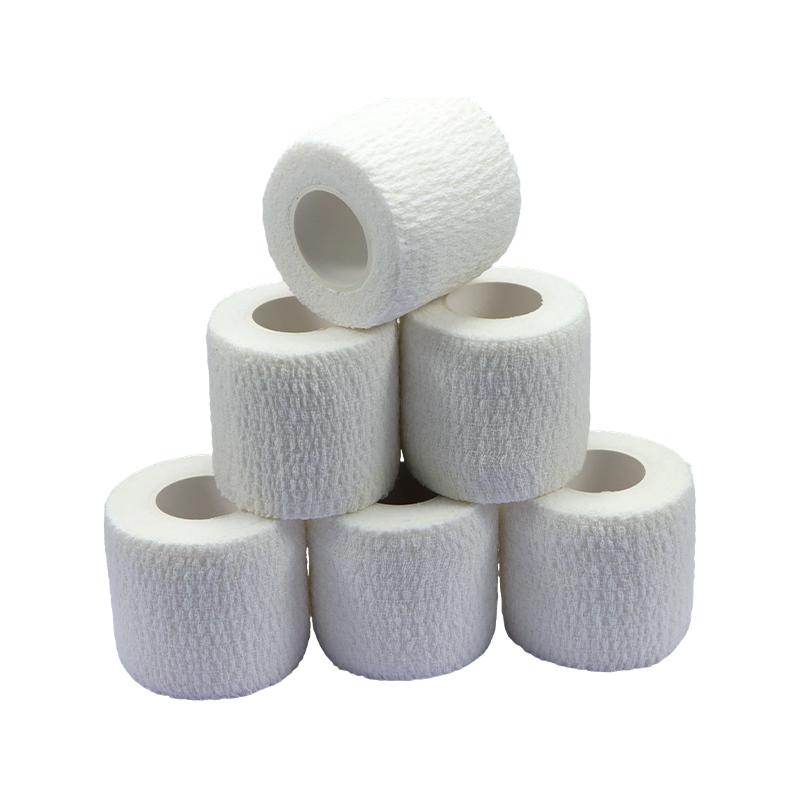
A private label printed cohesive bandage is an elastic, self-adhering wrap that sticks to itself without adhesive, providing secure support for joints, muscles, and wounds. Its appeal lies not only in performance but also in its visual customization potential. Companies can create branded products or themed designs, catering to medical, sports, or promotional markets.
Key features of cohesive bandages
- Self-adhesive property: The bandage adheres to itself but not skin or hair, minimizing discomfort.
- Elasticity: Provides compressive support while allowing natural movement.
- Breathability: Ensures moisture control and prevents skin irritation.
- Custom printing compatibility: Enables logos, patterns, and designs without affecting performance.
Common printing methods for printed cohesive bandages
The printing process is crucial for private label cohesive bandage because it must maintain elasticity, cohesion, and skin safety while achieving visual clarity. Manufacturers typically use several proven methods, each with advantages and limitations.
1. Flexographic printing
Flexographic printing is widely used in the production of printed cohesive bandages due to its efficiency and ability to print on elastic substrates. This method uses flexible plates to transfer water-based or UV inks onto the bandage surface.
Advantages:
- High-speed production suitable for bulk orders
- Compatible with elastic materials without cracking
- Allows vibrant colors and multiple design options
Considerations:
- Plate preparation can be costly for small runs
- Ink formulation must be carefully selected to avoid affecting cohesion
2. Screen printing
Screen printing involves pressing ink through a fine mesh screen directly onto the bandage. It is especially useful for smaller batches and detailed designs.
Advantages:
- High ink opacity ensures bold and visible designs
- Effective for logos, symbols, or promotional graphics
- Relatively low setup cost for limited quantities
Considerations:
- Slower production speed than flexographic printing
- Requires precise alignment to prevent ink bleeding on elastic materials
3. Heat transfer printing
Heat transfer printing involves transferring pre-printed designs from a film or paper onto the cohesive bandage using heat and pressure.
Advantages:
- Allows full-color photographic designs
- Can produce complex patterns that are difficult with other methods
- Suitable for small to medium private label runs
Considerations:
- Requires careful control of temperature to prevent bandage distortion
- Adhesive layer for heat transfer must be compatible with bandage material
4. Digital printing
Digital printing directly applies ink using inkjet or similar technology. It is becoming increasingly popular in private label manufacturing due to flexibility and minimal setup.
Advantages:
- No need for physical plates or screens, reducing setup costs
- Ideal for small batches or personalized designs
- Supports intricate patterns and gradients
Considerations:
- Ink adhesion and durability must be tested for elastic substrates
- Slower throughput for high-volume orders
Technical requirements for printing on cohesive bandages
Printing on private label printed cohesive bandage is not solely about visual appeal. It must consider the bandage’s mechanical and chemical properties.
Material compatibility
Cohesive bandages are typically made of cotton, polyester, or non-woven elastic blends. Printing inks must:
- Flex with the bandage without cracking or peeling
- Be non-toxic and skin-safe
- Resist fading from sweat or moisture
Durability and performance
The printed design should withstand stretching, compression, and repeated use. Poorly selected inks or printing methods can compromise:
- Cohesion, affecting the bandage’s self-adhesive property
- Elasticity, leading to reduced compressive support
- Color fastness, causing fading during application or washing
Quality control
Reputable manufacturers implement strict quality control measures to ensure printing consistency. This includes:
- Testing ink adhesion and elasticity
- Evaluating stretch recovery after printing
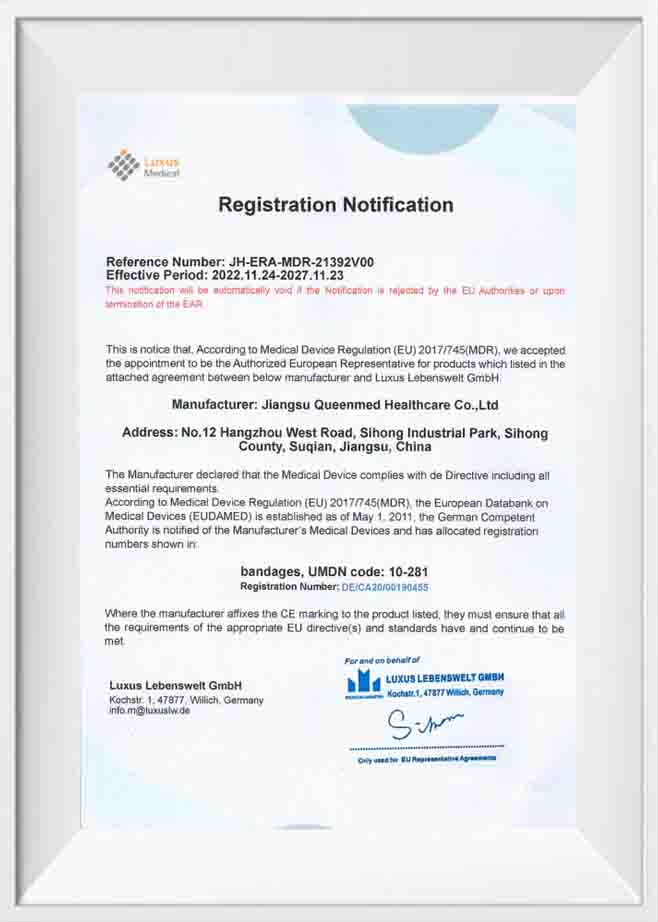
- Verifying compliance with international standards such as ISO 13485, CE, and FDA
Customization options for private label cohesive bandages
Private label branding allows businesses to differentiate their products in the competitive market. Printing is central to this customization.
Logo and brand designs
Companies can place logos, brand names, or slogans directly on the bandage, enhancing brand recognition.
Patterns and colors
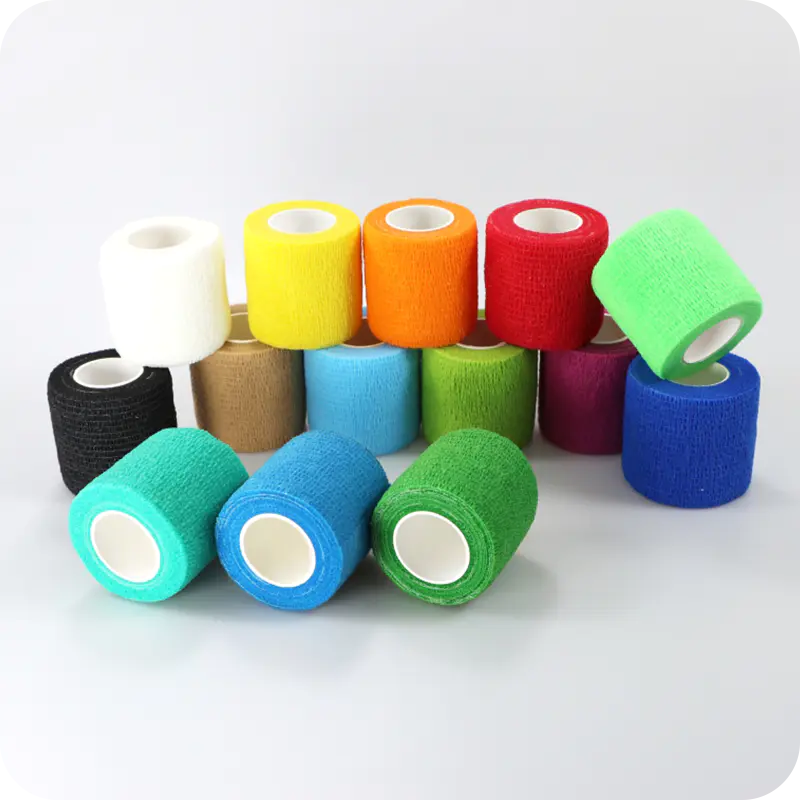
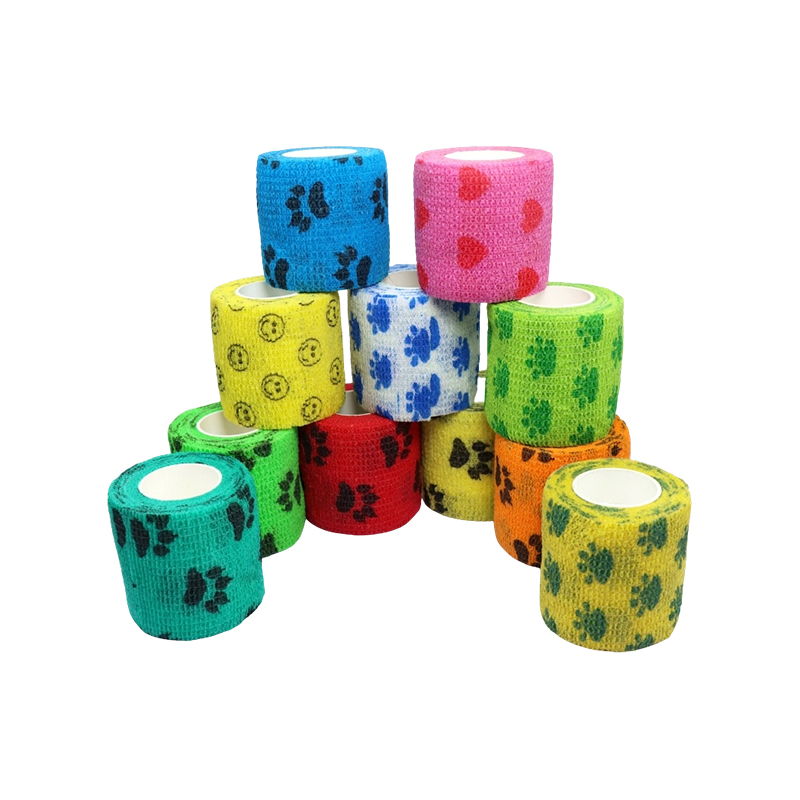
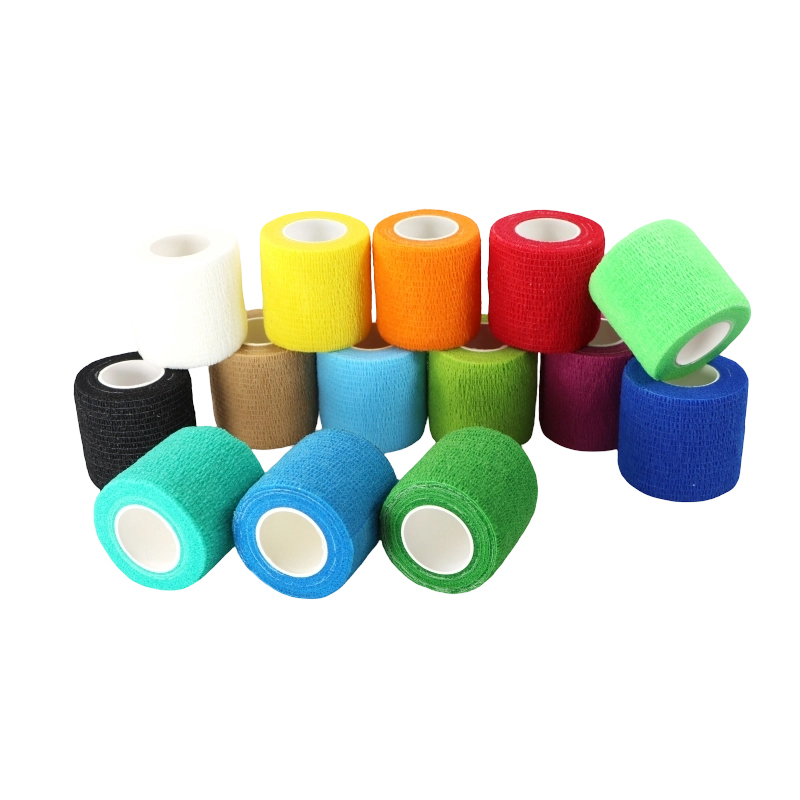
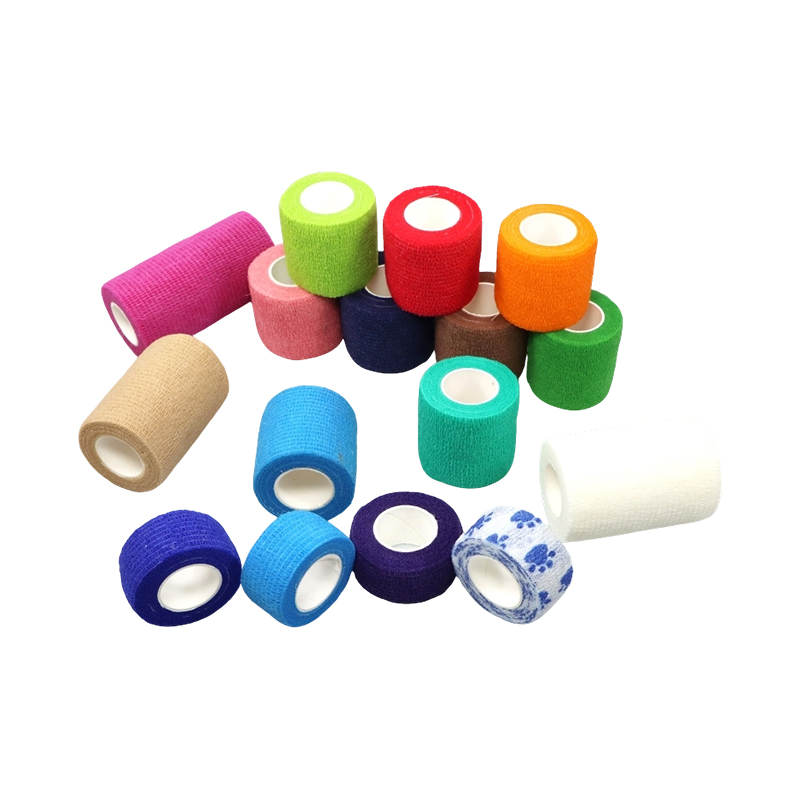
Printed cohesive bandages can feature a wide array of colors and patterns, such as camouflage, stripes, or themed graphics, without compromising functionality.
Packaging and labeling
In addition to the bandage itself, customization extends to packaging. This may include:
- Branded boxes or wraps
- Instructional or marketing labels
- Bulk packaging for professional use
Advantages of working with specialized manufacturers
Collaborating with a reliable manufacturer of private label printed cohesive bandage ensures high-quality output and efficient production.
Production capacity and R&D expertise
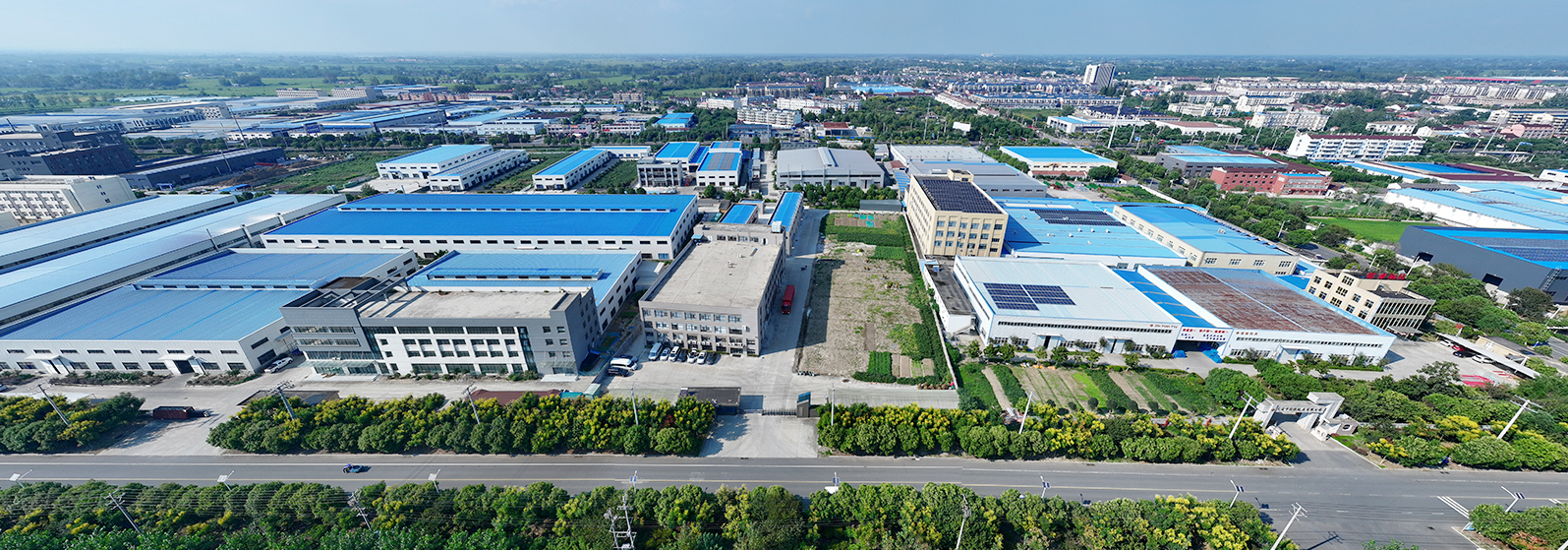
Leading manufacturers operate advanced production facilities equipped with automated machinery. A dedicated R&D team supports:
- Innovation in bandage material and ink formulations
- Development of new printing techniques for elasticity preservation
- Optimization of production processes to meet large-volume orders
Quality assurance and certifications
Manufacturers adhere to strict quality management systems, including:
- Raw material audits to ensure consistency
- In-house laboratory testing for performance and safety
- Compliance with ISO 13485, CE, and FDA standards, ensuring products meet international regulatory requirements
OEM/ODM support
Flexible customization services enable businesses to:
- Choose printing methods, designs, and colors
- Customize packaging and labeling
- Launch branded products without investing in manufacturing infrastructure
Comparison of printing methods for private label cohesive bandages
| Printing Method |
Advantages |
Considerations |
Best For |
| Flexographic printing |
High-speed, vibrant colors |
Costly plates for small runs |
Bulk orders |
| Screen printing |
Bold designs, opaque ink |
Slower, alignment critical |
Logos and symbols |
| Heat transfer printing |
Full-color complex designs |
Temperature control needed |
Medium-sized custom orders |
| Digital printing |
Small batches, intricate patterns |
Slower for high volume |
Personalized or promotional use |
Market applications
Private label printed cohesive bandage serves multiple industries:
- Healthcare: Provides secure support for injured joints or muscles in hospitals and clinics.
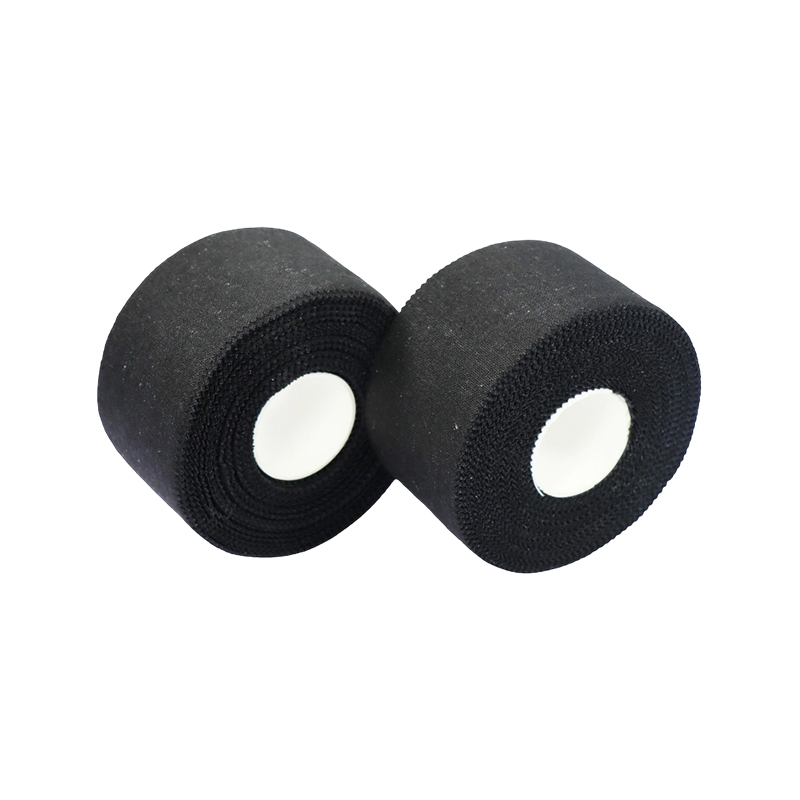
- Sports and fitness: Used for athletic tape, pre-wrap, or therapeutic compression.
- Veterinary care: Offers animal-safe support without adhesives sticking to fur.
- Promotional and retail: Customized designs enhance brand visibility for sports teams, events, or corporate giveaways.
By choosing the appropriate printing method, businesses can ensure their private label cohesive bandage meets functional requirements while appealing to end users.
Conclusion
Understanding common printing methods used on a printed cohesive bandage is essential for businesses and buyers aiming to offer high-quality, visually appealing products. Each printing method—flexographic, screen, heat transfer, or digital—has specific advantages and limitations that influence elasticity, cohesion, and color durability.
Working with a reputable manufacturer ensures compliance with international standards, consistency in performance, and flexibility for customization. Private label printed cohesive bandage offers an excellent opportunity to enhance brand identity while delivering functional, reliable, and visually attractive bandages across healthcare, sports, and promotional markets.
By carefully considering material compatibility, printing techniques, and quality control, companies can develop products that meet both professional and consumer expectations, ensuring long-term market success.





 English
  русский
  Français
  Español
  عربى
عربى 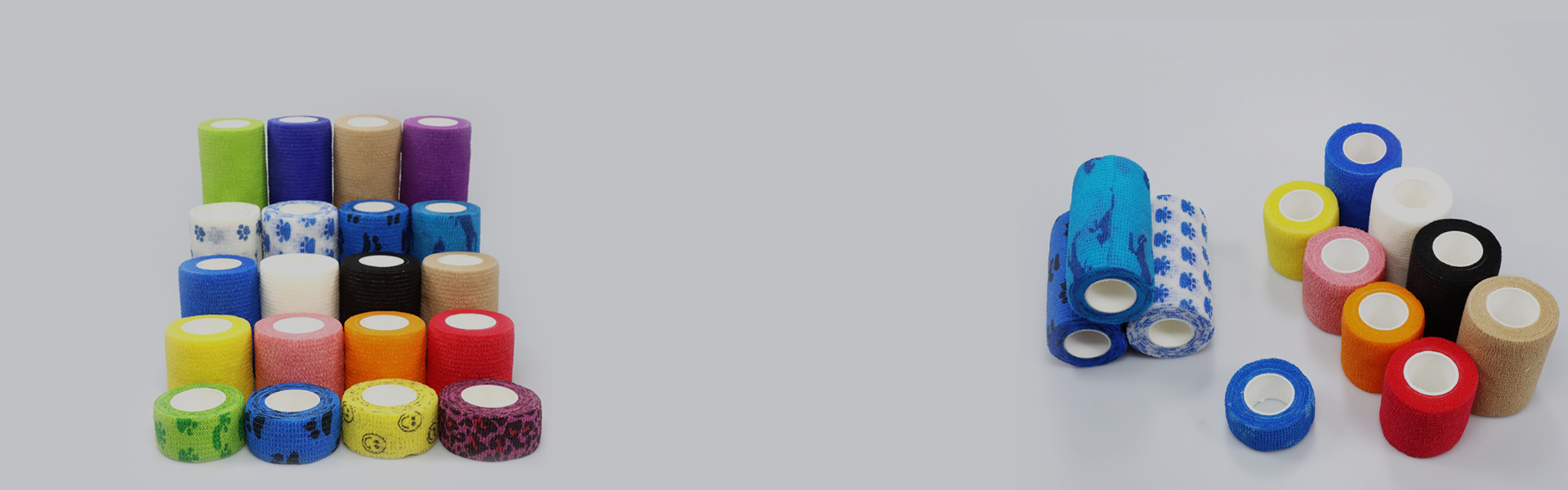





 ENG
ENG

